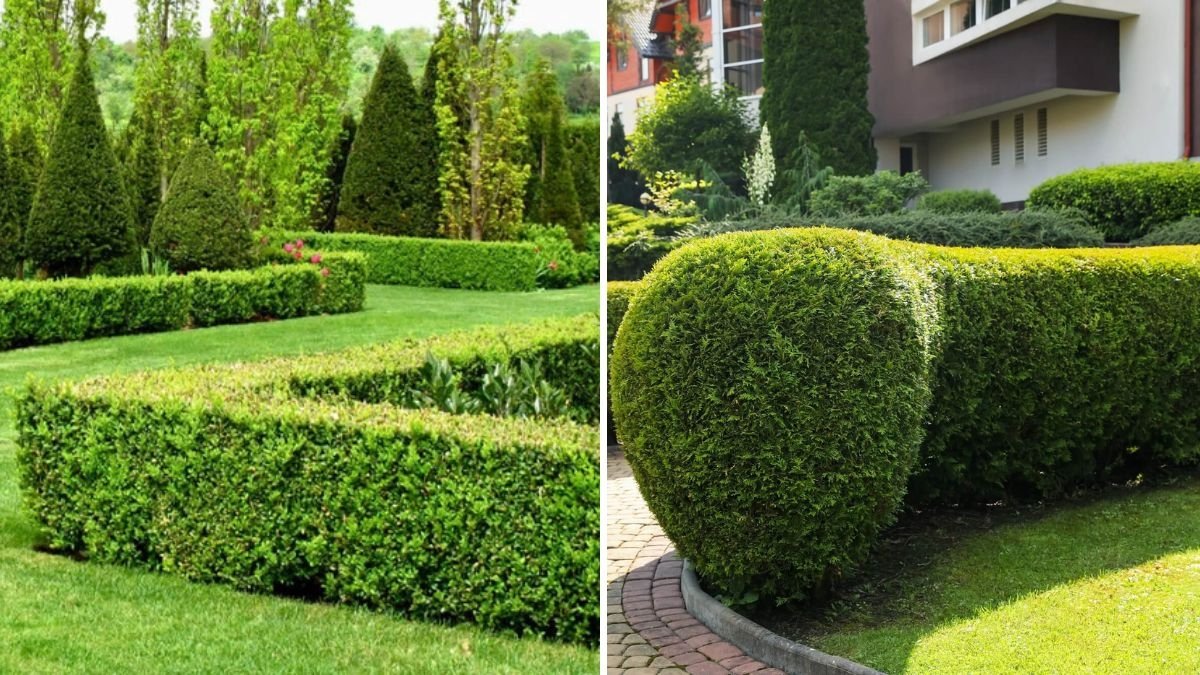
A thriving garden is not just about seasonal flowers—it’s about structure, texture, and color throughout the year. Evergreen shrubs are the backbone of a year-round landscape, providing foliage, visual interest, and habitat for wildlife regardless of the season. Unlike deciduous plants, which lose their leaves in autumn, evergreens maintain their greenery, helping gardens look lush, vibrant, and well-maintained even in winter.
This guide explores five outstanding evergreen shrubs that enhance your garden, along with planting tips, care instructions, and ideas to keep your landscape attractive all year long.
Why Evergreen Shrubs Are Essential for a Year-Round Garden
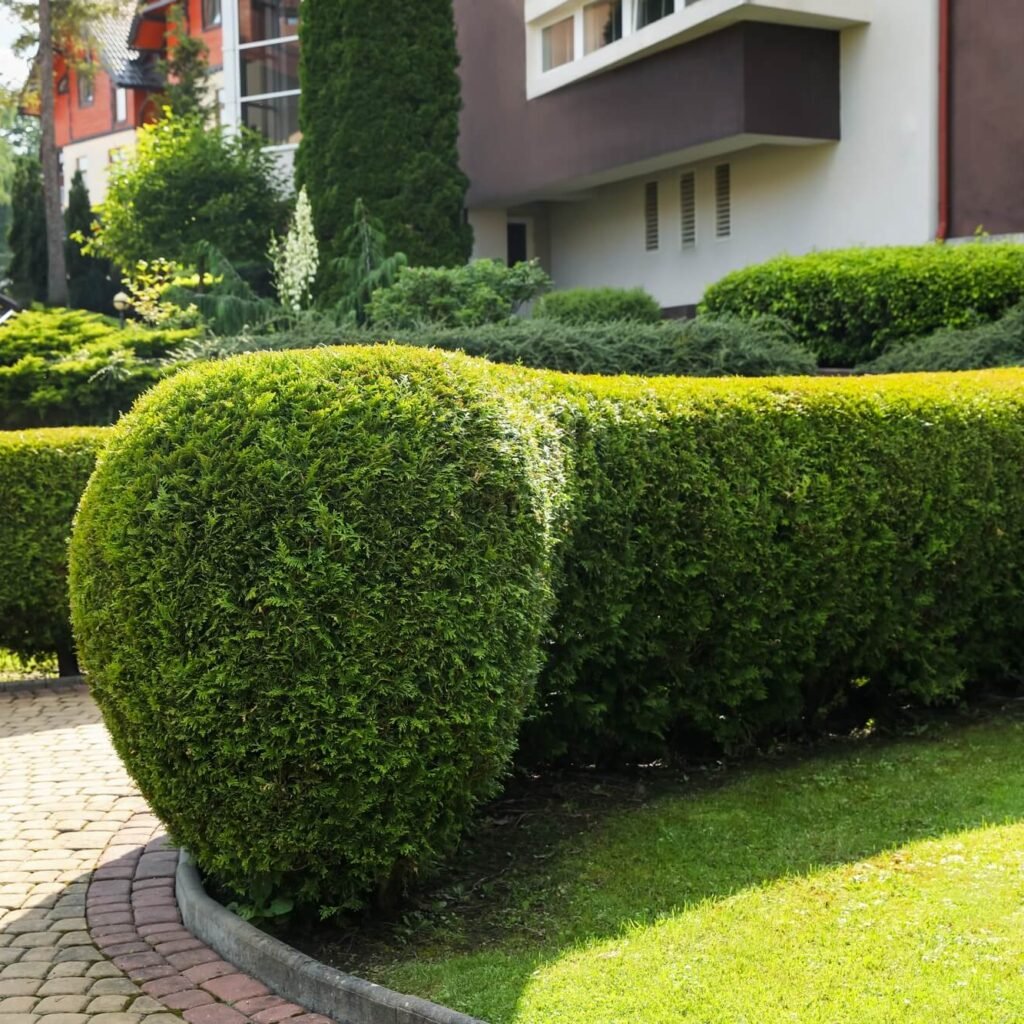
Evergreen shrubs serve multiple purposes in the landscape:
- Constant Visual Appeal – Provide greenery and structure even when other plants are dormant.
- Privacy and Screening – Ideal for hedges, windbreaks, and garden borders.
- Wildlife Habitat – Offer shelter and food for birds and beneficial insects during colder months.
- Low Maintenance – Many evergreen shrubs are hardy and resilient, reducing seasonal upkeep.
Incorporating these shrubs into your garden ensures that it remains appealing, cohesive, and lively throughout the year.
1. Boxwood (Buxus spp.): Classic, Elegant Foliage
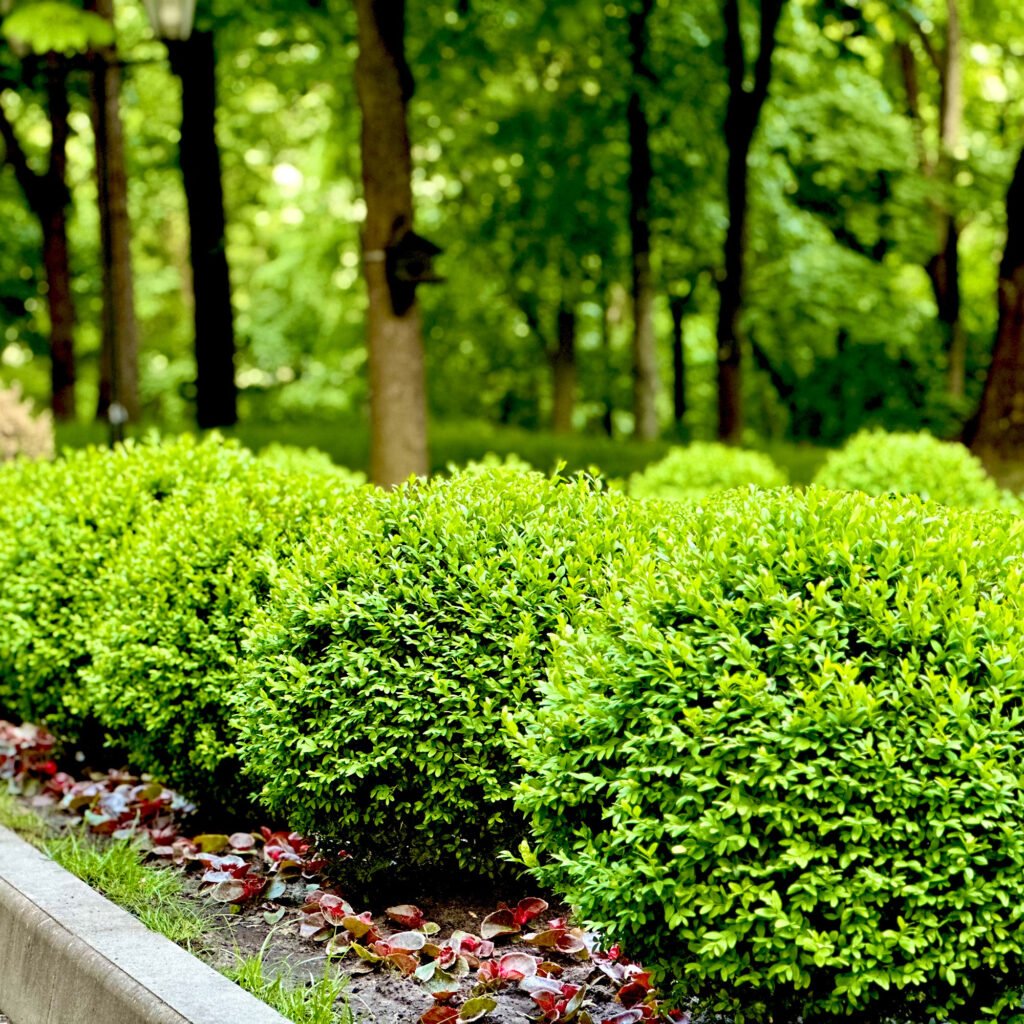
Boxwood is a timeless evergreen shrub, renowned for its dense, glossy foliage and adaptability.
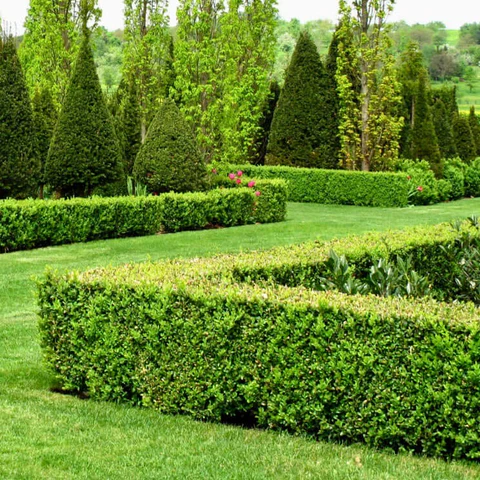
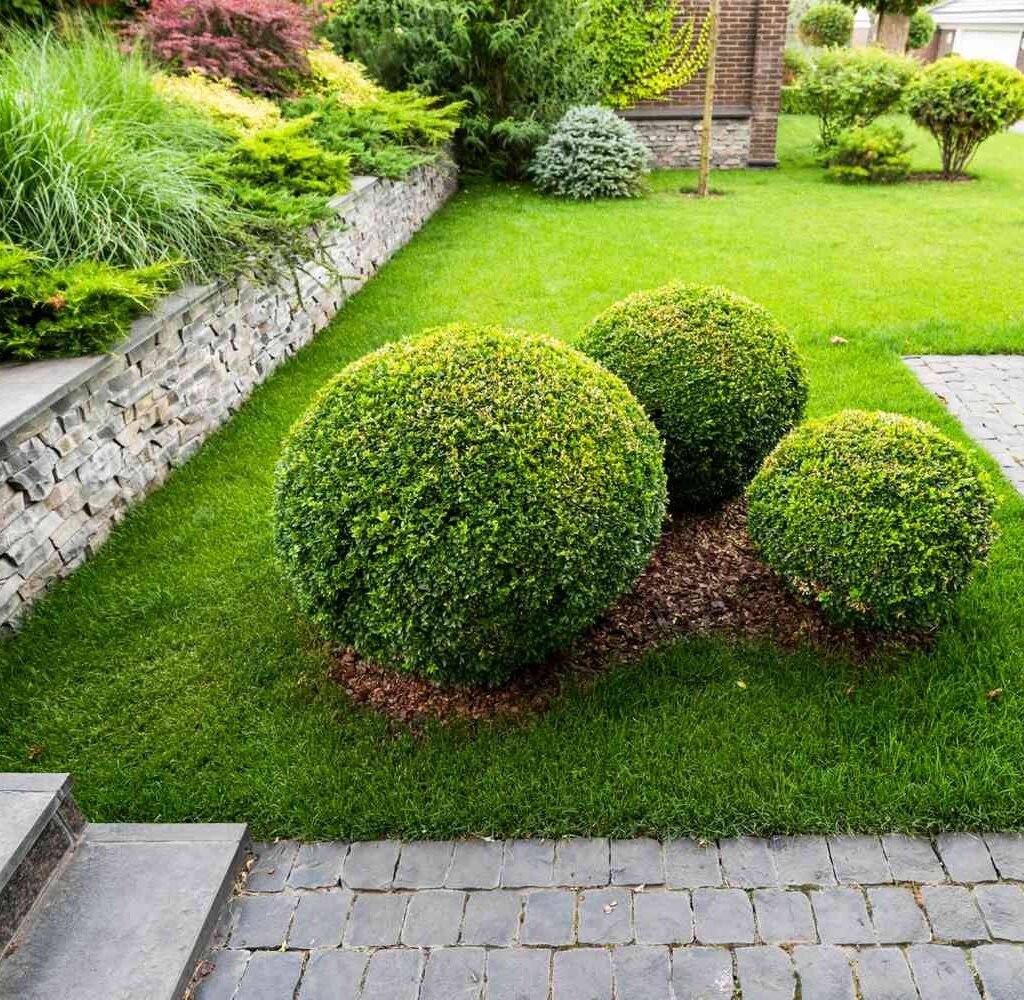
- Growth Habit – Slow-growing, compact, and ideal for hedges, borders, and topiaries.
- Foliage – Small, dark green leaves that retain color year-round.
- Planting Tips – Prefers well-draining soil and partial to full sun. Plant in spring or fall for best results.
- Care Tips – Minimal pruning required; trim to shape in late spring or early summer. Fertilize lightly in early spring.
- Additional Benefits – Resistant to deer and rabbits; provides excellent foundation planting for flower beds.
Expert Insight: Boxwood’s versatility allows gardeners to create formal hedges, geometric topiaries, or natural-looking borders that anchor garden design.
2. Azaleas (Evergreen Varieties): Colorful Spring and Lush Foliage
Evergreen azaleas combine year-round greenery with stunning spring blooms, offering seasonal excitement.
- Growth Habit – Compact to medium-sized shrubs with a rounded form.
- Foliage – Glossy green leaves that persist through winter.
- Planting Tips – Prefer acidic, well-draining soil and partial shade. Mulch to retain soil moisture and regulate temperature.
- Care Tips – Fertilize with acid-loving plant fertilizer in early spring and after flowering. Prune lightly after blooms fade.
- Additional Benefits – Blooms in spring add seasonal color; evergreen foliage maintains garden vibrancy in fall and winter.
Expert Insight: Plant azaleas near walkways, patios, or garden entrances to enjoy greenery and color throughout the year.
3. Holly (Ilex spp.): Festive, Berries, and Year-Round Green
Holly is a standout evergreen shrub with distinctive foliage and bright berries that persist through winter.
- Growth Habit – Upright or spreading, depending on variety; some are ideal for hedges.
- Foliage – Dark green, glossy leaves, often with spiny edges.
- Planting Tips – Prefers acidic, well-drained soil with full sun to partial shade. Plant male and female varieties for berry production.
- Care Tips – Minimal pruning; water during dry periods. Fertilize in spring with an acid-loving plant fertilizer.
- Additional Benefits – Bright red berries attract birds, providing natural winter interest.
Expert Insight: Holly adds a festive touch during winter and is perfect for creating privacy screens, foundation plantings, or natural wildlife gardens.
4. Rhododendrons (Evergreen Varieties): Majestic Blooms and Lush Greenery
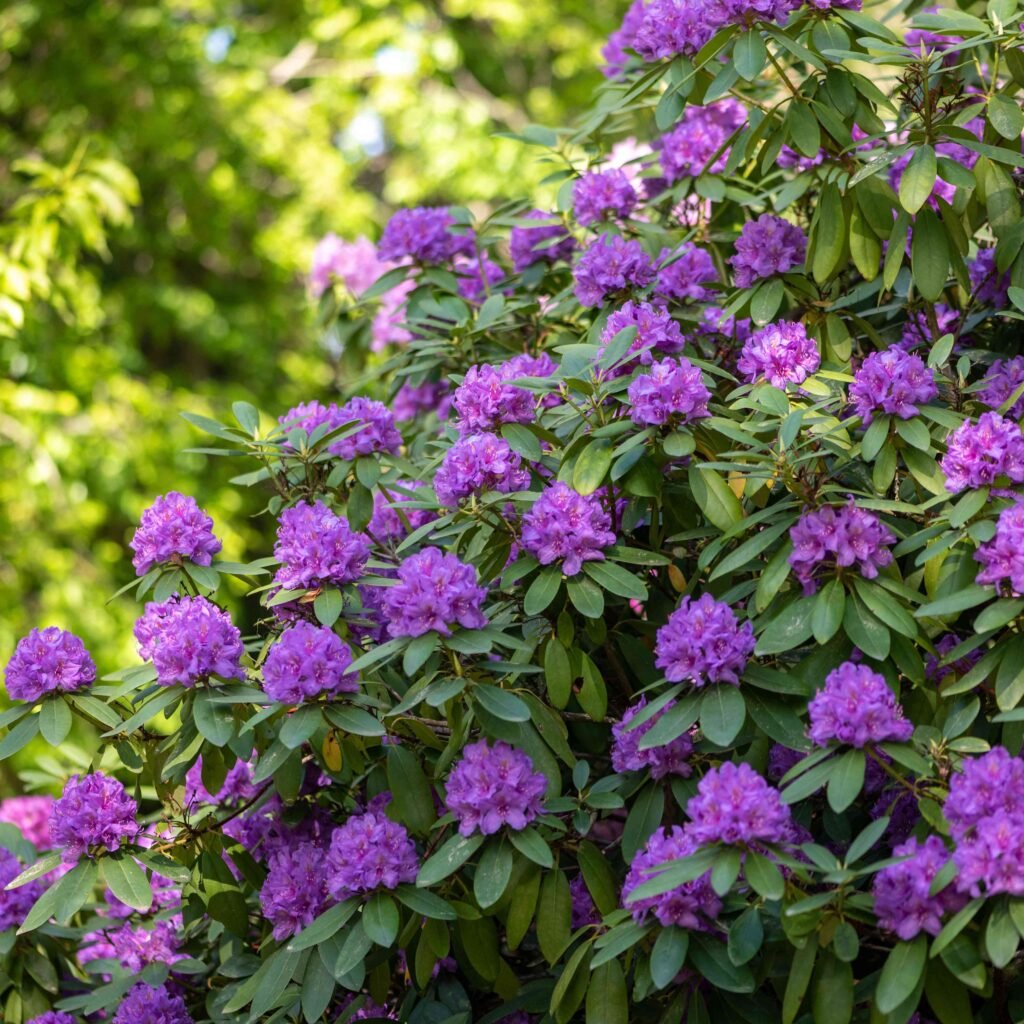
Evergreen rhododendrons provide large, glossy leaves and spectacular flowers, combining year-round greenery with seasonal drama.
- Growth Habit – Medium to large shrubs; can serve as focal points in landscapes.
- Foliage – Broad, dark green leaves that remain through winter.
- Planting Tips – Thrive in acidic, well-draining soil with partial shade. Avoid heavy clay soils that retain water.
- Care Tips – Mulch to maintain soil moisture and protect roots. Fertilize with acid-loving plant fertilizer in early spring. Prune lightly after flowering.
- Additional Benefits – Spring blooms attract pollinators and create a dramatic landscape feature.
Expert Insight: Plant rhododendrons as backdrop shrubs or combined with perennials to provide continuous interest and structure.
5. Camellias (Evergreen Varieties): Glossy Leaves and Winter Blooms
Evergreen camellias are prized for their glossy foliage and winter blooms, providing color when most plants are dormant.
- Growth Habit – Medium-sized, upright shrubs with rounded form.
- Foliage – Glossy, deep green leaves that persist year-round.
- Planting Tips – Prefer acidic, well-draining soil and partial shade. Protect from harsh winds and winter sun.
- Care Tips – Water consistently; mulch to retain moisture. Fertilize with acid-loving fertilizer in spring. Prune after flowering to maintain shape.
- Additional Benefits – Winter blooms offer color and fragrance, brightening gardens when few other plants are flowering.
Expert Insight: Camellias work beautifully as specimen plants, mixed borders, or container plantings, providing structure, greenery, and seasonal blooms.
Tips for Maintaining Evergreen Shrubs Year-Round
- Proper Planting – Ensure well-draining soil, correct spacing, and appropriate sunlight for each species.
- Mulching – Apply a 2–3 inch layer of mulch to retain moisture, regulate soil temperature, and protect roots.
- Watering – Evergreen shrubs need consistent water, especially during dry winter months. Avoid overwatering, which can cause root rot.
- Fertilization – Use slow-release or species-specific fertilizers to support growth and maintain vibrant foliage.
- Pruning – Minimal pruning maintains natural shape; prune after flowering for flowering varieties. Remove dead or diseased branches promptly.
Common Mistakes to Avoid
- Planting in Poorly Draining Soil – Can lead to root rot and weakened plants.
- Overcrowding Shrubs – Reduces airflow and increases disease risk.
- Neglecting Winter Protection – Some evergreen shrubs benefit from windbreaks or burlap wrapping in harsh climates.
- Over-Fertilizing – Excess nitrogen can promote leafy growth at the expense of flowers or hardiness.
- Ignoring Pest and Disease Management – Monitor for aphids, scale, or fungal issues, especially in humid climates.
Designing a Year-Round Evergreen Garden
- Layering and Structure – Combine tall holly and rhododendrons with mid-height azaleas and compact boxwoods for a dynamic, multi-layered landscape.
- Color and Texture – Use camellias and rhododendrons for glossy foliage and seasonal blooms, and boxwoods for structural contrast.
- Borders and Hedges – Holly, boxwood, and camellias can form formal or informal hedges, adding privacy and aesthetic appeal.
- Wildlife-Friendly Planting – Plant berry-producing hollies near shrubs and trees to provide food and shelter for birds during winter.
Conclusion
Evergreen shrubs are essential for creating gardens that remain vibrant year-round. By planting boxwood, azaleas, holly, rhododendrons, and camellias, gardeners can enjoy constant greenery, structural interest, and seasonal blooms from spring through winter.
Proper selection, planting, care, and maintenance ensure that these shrubs thrive, providing low-maintenance, visually appealing landscapes throughout the year. Evergreen shrubs not only enhance aesthetic value but also contribute to ecological balance, offering shelter and sustenance to wildlife.
Incorporating these resilient plants into your garden ensures perennial beauty, structure, and color, making your outdoor space a thriving, attractive sanctuary no matter the season.

Leave A Comment