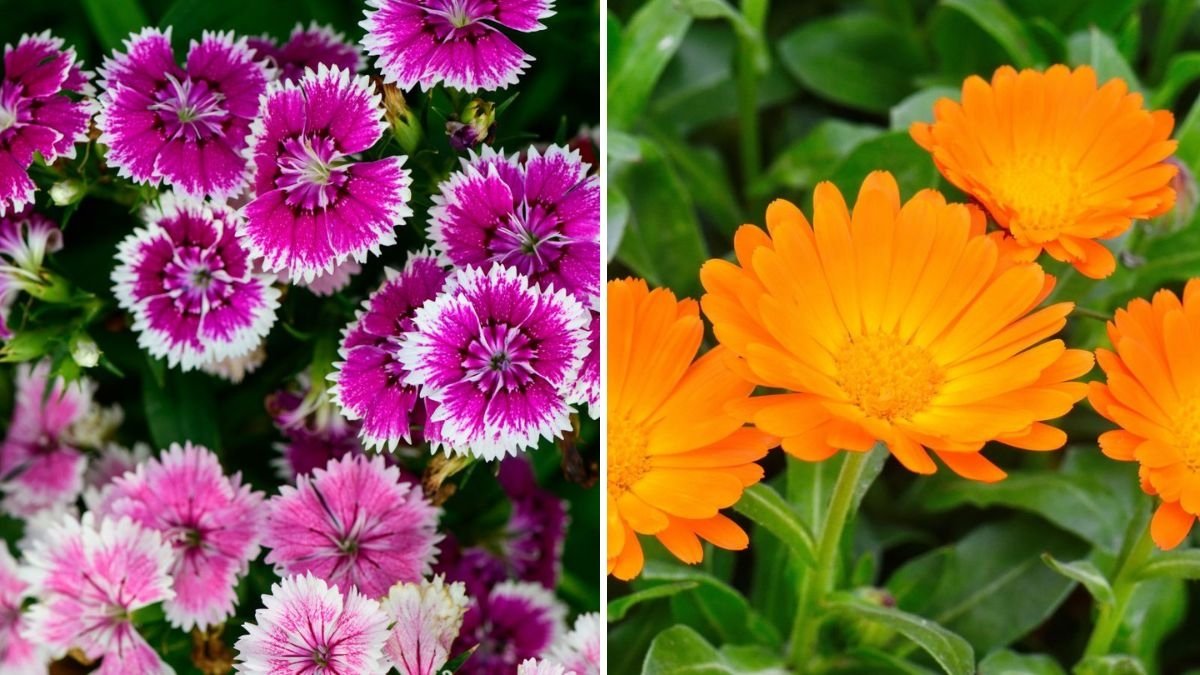
As the days grow shorter and temperatures dip, many gardeners face the challenge of keeping their gardens vibrant through the first frost. While tender annuals fade with the cold, some hardy flowers can withstand chilly nights, frost, and even early snow. Planting these resilient species allows you to maintain color, texture, and life in your garden well into late autumn, bridging the gap between summer blooms and spring perennials.
In this guide, we explore five frost-tolerant flowers that can survive the first frost, along with planting tips, care instructions, and ideas for creating a hardy, colorful autumn garden.
Why Frost-Hardy Flowers Matter

Frost-hardy flowers provide several advantages for late-season gardeners:
- Extended Garden Color – Enjoy blooms even as temperatures drop.
- Low Maintenance – These flowers are tough and resilient, requiring minimal protection from cold.
- Wildlife Support – Many frost-tolerant flowers provide food for pollinators and birds when other plants fade.
- Winter Preparation – Some hardy flowers also help prepare the soil and landscape for overwintering plants.
Choosing the right species ensures your garden stays lively and attractive as other plants succumb to frost.
1. Pansies (Viola x wittrockiana): Vibrant and Versatile
Pansies are among the most popular frost-hardy flowers, appreciated for their colorful, cheerful faces.
- Frost Tolerance – Pansies can survive temperatures as low as 20°F (-6°C).
- Bloom Time – Ideal for late summer through early winter in mild climates.
- Planting Tips – Plant in well-draining soil with full sun to partial shade. Mulch around roots to maintain soil warmth.
- Care Tips – Deadhead spent blooms to encourage continuous flowering. Fertilize lightly every 3–4 weeks for sustained color.
- Additional Benefits – Edible flowers add charm to salads and desserts.
Expert Insight: Pansies are ideal for container gardens, window boxes, and flower beds, bringing bold color when many other plants have wilted.
2. Chrysanthemums (Mums): Classic Autumn Bloomers

Chrysanthemums are iconic fall flowers that are naturally hardy and long-lasting.
- Frost Tolerance – Hardy varieties withstand light frost and cooler nights.
- Bloom Time – Late summer through early fall, with blooms peaking just as other flowers fade.
- Planting Tips – Choose garden mums over florist varieties for better frost resistance. Plant in well-draining soil with full sun exposure.
- Care Tips – Pinch back stems in early summer to encourage bushy growth and more blooms. Water regularly but avoid waterlogging.
- Additional Benefits – Mums come in rich colors such as gold, bronze, red, and white, adding autumn warmth to the landscape.
Expert Insight: Chrysanthemums are perfect for garden beds and borders, creating a layered autumn display when paired with ornamental grasses.
3. Snapdragons (Antirrhinum majus): Towering Color Survivors

Snapdragons are hardy flowers that maintain structure and color even after a frost.
- Frost Tolerance – Survive light frost and even tolerate a few nights of freezing temperatures.
- Bloom Time – Late summer to early winter, depending on planting time and climate.
- Planting Tips – Grow in fertile, well-draining soil with full sun to partial shade. Space plants 6–12 inches apart for proper airflow.
- Care Tips – Deadhead regularly to extend blooming. Taller varieties may need staking for support during windy autumn weather.
- Additional Benefits – Attractive to pollinators such as bees and hummingbirds.
Expert Insight: Snapdragons’ vertical spikes and variety of colors make them excellent for containers and borders, adding structure to late-season gardens.
4. Violas (Viola cornuta): Compact and Colorful Companions

Violas are close relatives of pansies, offering smaller flowers but similar frost-hardiness and extended bloom.
- Frost Tolerance – Can survive temperatures around 20–25°F (-6 to -4°C).
- Bloom Time – Late summer through early winter. Repeat flowering possible with deadheading.
- Planting Tips – Plant in moist, well-draining soil in partial to full sun. They perform well in containers, hanging baskets, or edging beds.
- Care Tips – Remove faded flowers to encourage new blooms. Fertilize monthly for continuous growth.
- Additional Benefits – Compact size makes violas ideal for mass planting, creating a carpet of color.
Expert Insight: Violas are perfect companions to pansies, providing extended color and versatility in garden design.
5. Ornamental Kale and Cabbage (Brassica oleracea): Foliage That Endures
While not flowering in the traditional sense, ornamental kale and cabbage provide dramatic foliage that survives frost, adding texture and color to the garden.
- Frost Tolerance – Extremely hardy; leaves become more vibrant after frost exposure.
- Appearance – Rosette-shaped foliage in shades of purple, pink, white, and green.
- Planting Tips – Plant in full sun to partial shade in fertile, well-draining soil. Space 12–18 inches apart for large rosettes.
- Care Tips – Water consistently to prevent leaf scorching. Remove yellowing leaves to maintain appearance.
- Additional Benefits – Long-lasting landscape impact; pairs well with flowering frost-tolerant plants.
Expert Insight: Ornamental kale and cabbage add a structural, colorful base to autumn flower beds, complementing pansies, mums, and snapdragons.
Tips for Growing Frost-Hardy Flowers

- Timing Planting – Plant hardy flowers 4–6 weeks before the first expected frost to allow establishment.
- Soil Preparation – Enrich soil with compost and ensure good drainage to prevent frost-related root damage.
- Mulching – Apply a 2–3 inch layer of mulch to protect roots and maintain soil warmth.
- Watering – Water deeply but infrequently; frost-hardy plants tolerate cooler temperatures but still need moisture.
- Protection Measures – Use frost cloths or cloches for tender varieties during unexpected freezes.
Common Mistakes to Avoid
- Planting Too Late – Frost-tolerant flowers need time to establish roots before the first freeze.
- Overcrowding – Dense planting reduces airflow and increases disease risk.
- Ignoring Sunlight Requirements – Even frost-hardy flowers need adequate sunlight for maximum color.
- Excess Fertilization – Too much nitrogen can weaken plants, making them less frost-resistant.
- Neglecting Maintenance – Remove dead foliage and spent flowers to promote continued growth.
Designing a Late-Season Frost-Hardy Garden
- Layer Colors and Heights – Use taller snapdragons or chrysanthemums at the back and compact pansies or violas at the front.
- Combine Foliage and Flowers – Incorporate ornamental kale with flowering plants for texture and extended interest.
- Use Containers and Borders – Frost-hardy flowers thrive in containers, raised beds, and borders for flexible design.
- Succession Planting – Plant a mix of early and late-season varieties to maintain continuous color through the first frost.
Conclusion
The first frost does not mean the end of garden beauty. By planting pansies, chrysanthemums, snapdragons, violas, and ornamental kale, gardeners can enjoy colorful, resilient, and low-maintenance blooms well into late autumn.
Frost-hardy flowers extend the gardening season, provide habitat and food for pollinators, and create visually stunning landscapes when other plants fade. Proper timing, soil preparation, watering, and maintenance are key to ensuring these flowers thrive despite colder temperatures.
With strategic selection and care, your garden can remain vibrant, lively, and colorful even after the first frost, offering both aesthetic delight and ecological benefits during the transition from autumn to winter.

Leave A Comment