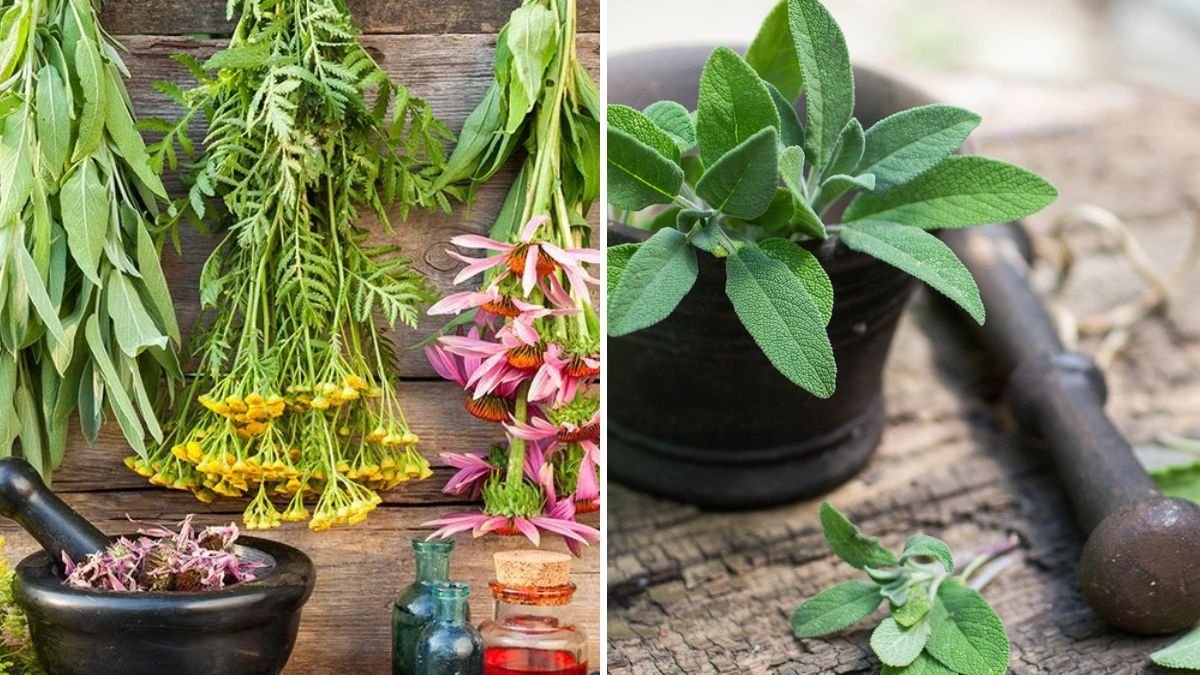
Herbs are an essential component of any garden, adding flavor, aroma, and even medicinal benefits to meals and remedies. However, as winter approaches, fresh herbs may become scarce, and gardeners often worry about preserving their harvest for months of cold weather. Fortunately, many herbs store exceptionally well and can provide freshness and flavor throughout the winter if harvested, dried, or stored correctly.
This guide explores five herbs that store well through winter, along with detailed instructions on harvesting, drying, freezing, and other preservation techniques to maximize their shelf life.
1. Rosemary

Rosemary is a hardy, evergreen herb known for its strong, pine-like aroma and flavor. Its robust structure makes it ideal for long-term storage.
Harvesting Tips
- Harvest sprigs in the morning when essential oils are at their peak.
- Choose healthy, vibrant stems and avoid woody, older growth.
- Cut just above a leaf node to encourage new growth.
Storage Methods
Drying:
- Hang small bundles upside down in a cool, dark, well-ventilated space.
- Once fully dry (2–3 weeks), strip leaves from stems and store in airtight containers.
Freezing:
- Chop fresh leaves and place them in ice cube trays with water or olive oil.
- Freeze and transfer cubes to labeled freezer bags.
Benefits:
- Preserved rosemary retains flavor for up to one year.
- Excellent for roasting meats, vegetables, and making infused oils.
2. Thyme

Thyme is a versatile, low-maintenance herb with a subtle, earthy flavor that enhances soups, stews, and roasted dishes. It’s highly resilient and stores well in both dried and frozen forms.
Harvesting Tips
- Harvest sprigs before flowering for the most intense flavor.
- Snip young, healthy stems, leaving at least one-third of the plant intact for regrowth.
Storage Methods
Drying:
- Tie stems together and hang upside down in a dark, ventilated area.
- Alternatively, use a dehydrator set to low heat.
- Strip leaves and store in airtight containers away from sunlight.
Freezing:
- Remove leaves from stems and spread them on a baking sheet to flash-freeze.
- Transfer frozen leaves to labeled freezer bags for later use.
Benefits:
- Dried thyme retains potency for up to 12 months, making it perfect for winter cooking.
- Thyme-infused oils and vinegars offer a flavorful alternative for preserved seasoning.
3. Sage

Sage is a robust, aromatic herb often associated with fall and winter dishes. Its thick leaves make it ideal for long-term storage and use in hearty meals.
Harvesting Tips
- Harvest leaves just before the plant flowers to maximize flavor.
- Select healthy, unblemished leaves from mature stems.
- Avoid over-harvesting to prevent weakening the plant.
Storage Methods
Drying:
- Bundle stems together and hang in a dark, dry place with good airflow.
- Once leaves are crisp, strip them from stems and store in airtight jars.
Freezing:
- Lay individual leaves flat on a baking sheet and freeze.
- Transfer to freezer bags, separating with parchment paper to prevent clumping.
Benefits:
- Preserved sage maintains flavor for 6–12 months.
- Ideal for seasoning roasted vegetables, poultry, and winter soups.
4. Parsley

Parsley is a bright, leafy herb commonly used as a garnish or in sauces. While delicate, it stores well when properly preserved, making it an essential winter herb.
Harvesting Tips
- Harvest outer stems regularly to promote new growth.
- Choose vibrant green leaves without yellowing or damage.
Storage Methods
Freezing:
- Chop leaves and freeze in ice cube trays with water or olive oil.
- Flash-freezing preserves color and flavor, allowing easy use in soups and sauces.
Drying:
- Parsley can be air-dried in small bunches, though some flavor is lost compared to freezing.
- Use dried parsley in seasoning blends, soups, and baked dishes.
Benefits:
- Frozen parsley retains freshness for 6–12 months.
- Offers a convenient way to add bright flavor to winter meals when fresh parsley is unavailable.
5. Mint

Mint is a hardy, fast-growing herb with a refreshing, aromatic flavor that works well in teas, desserts, and savory dishes. Its resilient leaves make it suitable for both freezing and drying.
Harvesting Tips
- Harvest leaves before flowering for the most concentrated flavor.
- Snip stems regularly to encourage bushy growth and prevent legginess.
Storage Methods
Freezing:
- Chop leaves and freeze in ice cube trays with water for use in teas or beverages.
- Alternatively, freeze leaves flat on a tray and store in freezer bags for culinary use.
Drying:
- Bundle stems and hang upside down in a dark, well-ventilated area.
- Once dried, crush leaves gently and store in airtight containers.
Benefits:
- Preserved mint retains aroma and flavor for up to 12 months.
- Perfect for teas, garnishes, and adding a burst of freshness to winter recipes.
Additional Tips for Winter Herb Storage
- Label and date containers: Track the harvest and storage date for optimal use.
- Use airtight containers: Prevent moisture and light from degrading flavor.
- Store in cool, dark spaces: Avoid sunlight and heat, which reduce essential oils and potency.
- Check periodically: Inspect for mold or spoilage and remove affected portions immediately.
- Combine preservation methods: Dry some herbs for cooking and freeze others for maximum flexibility.
By following these tips, gardeners can enjoy fresh-tasting herbs year-round while maintaining nutrient content and flavor.
Benefits of Preserving Herbs Through Winter
- Extends the growing season: Fresh flavors from the garden are available even in cold months.
- Reduces waste: Preserving herbs prevents harvest loss and maximizes productivity.
- Supports winter cooking: Adds essential flavor to soups, stews, teas, and baked dishes.
- Saves money: Reduces the need to buy fresh herbs in winter.
- Maintains nutritional value: Preserved herbs retain vitamins, minerals, and antioxidants.
Winter storage transforms herbs from a seasonal luxury into a year-round culinary resource.
Conclusion
Preserving herbs through winter is both an art and a science, requiring careful harvesting, drying, freezing, and storage. The five herbs highlighted—rosemary, thyme, sage, parsley, and mint—are particularly well-suited for long-term preservation.
Key practices include:
- Harvest at the right time to maximize flavor and nutrient content.
- Use gentle handling and proper techniques to prevent damage.
- Dry, freeze, or cure herbs according to their specific characteristics.
- Store in cool, dark, airtight containers to maintain potency.
- Label and monitor stored herbs to ensure quality over months.
By implementing these strategies, gardeners can enjoy fresh, flavorful, and aromatic herbs throughout winter, adding richness and nutrition to meals long after the growing season ends. Preserved herbs not only enhance cooking but also extend the joy and rewards of gardening into the colder months.

Leave A Comment