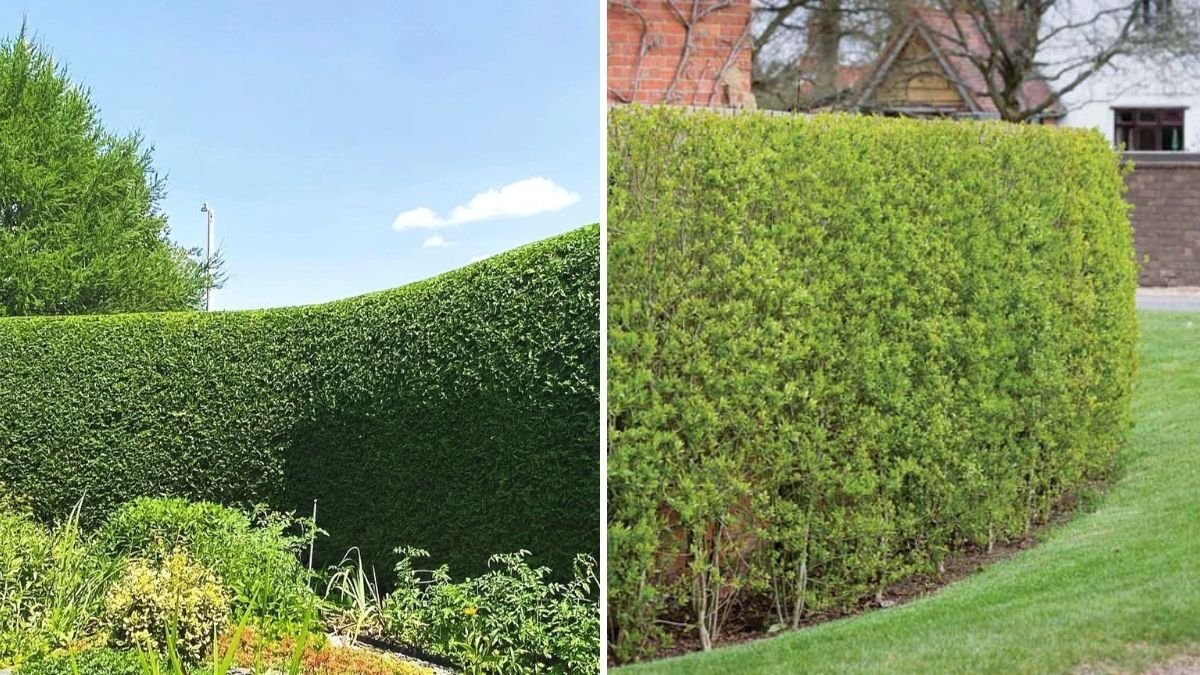
Neighborhood harmony is often built on simple acts of consideration. While we may enjoy our private gardens and hedges, overgrown or unkempt hedges can become a source of tension between neighbors. They may block sunlight, encroach on property lines, or create privacy issues. Addressing the problem politely is essential to maintaining friendly relations while ensuring that your garden remains pleasant and functional. This article explores five effective and courteous strategies to ask neighbors to trim their hedges, providing practical advice and detailed examples.
Understanding the Importance of Hedge Maintenance

Hedges serve multiple purposes in residential landscapes—they define boundaries, provide privacy, reduce noise, and enhance aesthetic appeal. However, neglected hedges can lead to:
- Obstruction of Light and Airflow: Overgrown hedges can block sunlight from reaching gardens, patios, or solar panels.
- Encroachment on Property: Branches or roots may extend into neighboring yards, causing inconvenience or damage.
- Safety Hazards: Thick or tall hedges can obstruct visibility for drivers or pedestrians.
- Strained Relationships: Prolonged neglect may lead to disputes or resentment.
Recognizing these potential issues helps in approaching the situation thoughtfully and diplomatically.
Way 1: Initiate a Friendly Conversation
The simplest and most effective approach is often a direct, personal conversation. Face-to-face communication allows for tone, gestures, and expressions that written messages cannot convey.
- Choose the Right Time: Approach your neighbor during a relaxed period, avoiding busy or stressful times. A casual weekend afternoon is ideal.
- Use Polite Language: Begin with positive remarks about their garden, then introduce your concern gently. For example:
“I really admire your hedges—they add so much greenery. I noticed they’ve grown quite tall and are shading my garden. Could we discuss trimming them together?” - Focus on Shared Benefits: Emphasize mutual advantages, like better sunlight, safety, and neighborhood appearance. This approach reduces defensiveness and promotes cooperation.
Way 2: Send a Thoughtful Note or Letter

If direct conversation is uncomfortable, a written note or letter is a polite alternative. This gives your neighbor time to consider your request without feeling pressured.
- Keep the Tone Friendly and Respectful: Avoid demanding or accusatory language.
- Be Specific: Clearly explain the issue, including how the hedge affects your property.
- Offer Solutions: Suggest options for trimming, or propose a mutually convenient schedule. For instance:
“I noticed the hedge between our properties has grown quite dense. Would you be open to trimming it together this weekend? I’d be happy to help.” - Close Positively: Thank them for their consideration and express your desire to maintain good neighborly relations.
Way 3: Offer to Collaborate
Collaboration can transform a potentially contentious request into a shared project. Offering to help demonstrates goodwill and reduces the burden on your neighbor.
- Share Resources: Provide tools, such as hedge trimmers, ladders, or gloves, to make the task easier.
- Offer Labor Support: Suggest working together for a short period to trim the hedge efficiently.
- Highlight Benefits: Explain how trimming together can be faster, safer, and more enjoyable, turning it into a neighborhood bonding opportunity.
This cooperative approach encourages positive interaction while achieving the desired result.
Way 4: Reference Local Guidelines Diplomatically

Many municipalities have regulations regarding hedge height, maintenance, and property boundaries. While legal enforcement is usually a last resort, referencing guidelines politely can clarify your concern.
- Check Local Rules First: Familiarize yourself with height limits, boundary regulations, and property laws regarding hedges.
- Use Informative, Non-Threatening Language: Frame it as sharing helpful information rather than a warning. For example:
“I recently read that hedges taller than six feet near property lines may be restricted. I thought we could trim ours together to keep everything in line with local guidelines.” - Combine With Courtesy: Pairing factual information with a friendly tone avoids creating tension or confrontation.
Way 5: Seek Mediation if Needed
If direct requests or collaboration do not yield results, mediation can help resolve the issue amicably. Mediation involves a neutral third party who facilitates discussion and helps find mutually agreeable solutions.
- Community Associations: Many neighborhoods have homeowner associations or community boards that can mediate hedge disputes.
- Professional Mediators: Trained mediators can assist in negotiating a compromise without escalating the situation to legal action.
- Focus on Resolution, Not Punishment: Mediation encourages understanding and cooperation rather than confrontation, helping maintain long-term neighborly relationships.
Additional Tips for Polite Requests

Beyond these five main strategies, consider the following tips to ensure your request is received positively:
1. Be Patient and Understanding
Hedge maintenance may be delayed due to your neighbor’s busy schedule, illness, or lack of equipment. Showing patience prevents unnecessary conflict.
2. Avoid Public Confrontation
Discuss hedge issues privately rather than in front of other neighbors, as public criticism can escalate tensions.
3. Use Positive Framing
Emphasize the benefits of trimming, such as enhanced sunlight, better garden views, and increased property aesthetics.
4. Keep Records if Necessary
If the hedge causes damage or legal concerns, maintain documentation. Photos and written communication can be helpful while still keeping interactions friendly.
5. Regular Communication
Establishing ongoing, open communication about garden maintenance fosters understanding and prevents future disputes.
Conclusion

Polite and respectful communication is key to resolving hedge-related disputes. By approaching the situation thoughtfully—whether through a friendly conversation, a written note, collaboration, referencing local guidelines, or seeking mediation—you can maintain a harmonious neighborhood while ensuring your garden receives the sunlight, space, and care it needs. The goal is not only to trim hedges but also to preserve positive relationships, fostering a community where gardens thrive and neighbors coexist peacefully.
In the end, a hedge is more than a boundary; it is an opportunity to practice empathy, patience, and collaboration. By applying these five strategies, homeowners can address overgrown hedges diplomatically, achieving a beautiful landscape and a friendly neighborhood atmosphere.

Leave A Comment