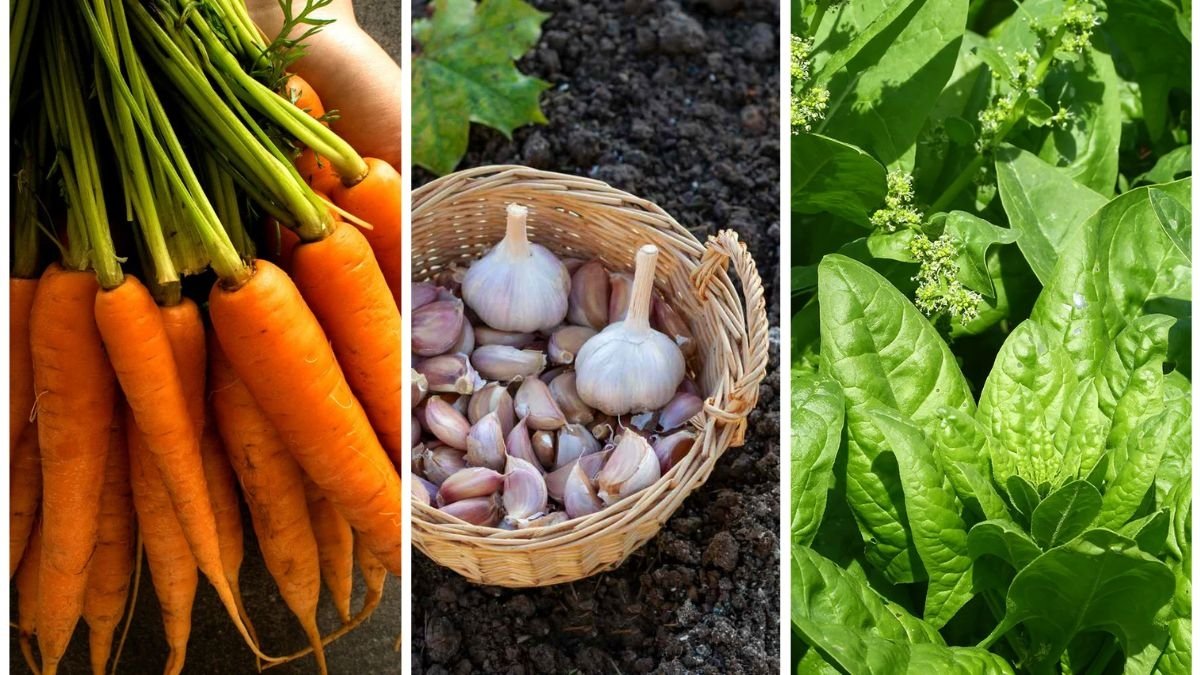
As the warm days of summer gradually fade and the crisp breeze of autumn sets in, many gardeners mistakenly believe it’s too late to plant anything new. However, October is a golden month for late-season gardening. The cooler temperatures, shorter days, and moderate soil conditions create the perfect environment for certain vegetables to thrive before the first frost. Whether you are an experienced gardener or a beginner looking to extend your harvest season, planting late-season vegetables in October can provide fresh, nutritious produce well into late fall and early winter. This article explores six vegetables ideally suited for October planting, along with tips to maximize yield and ensure a successful harvest.
1. Spinach (Spinacia oleracea)
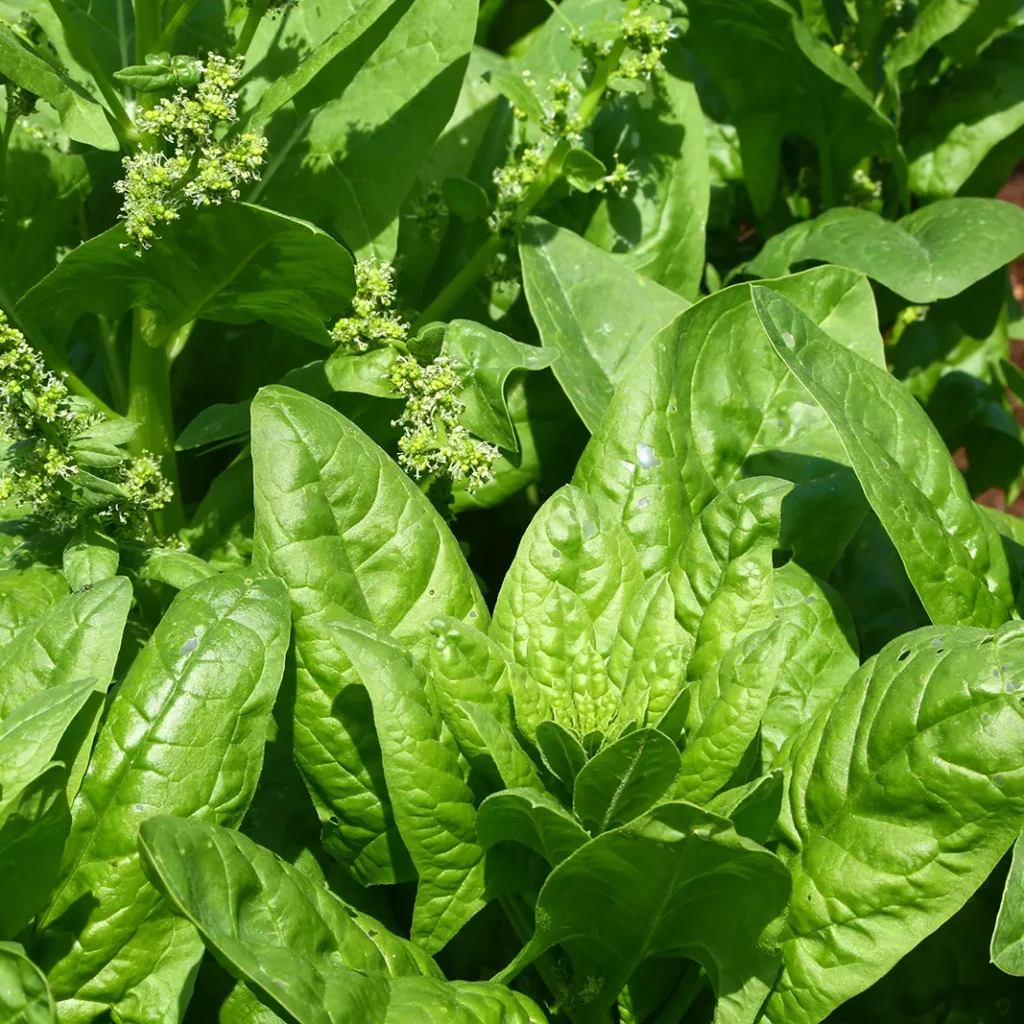
Spinach is one of the easiest leafy greens to grow in cooler weather. Known for its tender, nutrient-rich leaves, spinach thrives in the mild temperatures of autumn and can even survive light frosts. Planting spinach in October allows the leaves to mature quickly, providing a steady supply for salads, soups, and sautés.
Planting Tips:
- Soil: Spinach prefers well-draining, fertile soil rich in organic matter. Incorporating compost improves soil structure and fertility.
- Spacing: Sow seeds 1/2 inch deep and 2 inches apart. Thin seedlings to 4–6 inches apart to allow proper leaf development.
- Sunlight: Full sun is ideal, but spinach tolerates partial shade in warmer regions.
- Watering: Keep the soil consistently moist but not waterlogged. Mulching helps retain soil moisture and protect roots from early frosts.
Spinach varieties like ‘Bloomsdale’ or ‘Giant Winter’ are excellent for fall planting, as they are cold-hardy and fast-growing.
2. Garlic (Allium sativum)
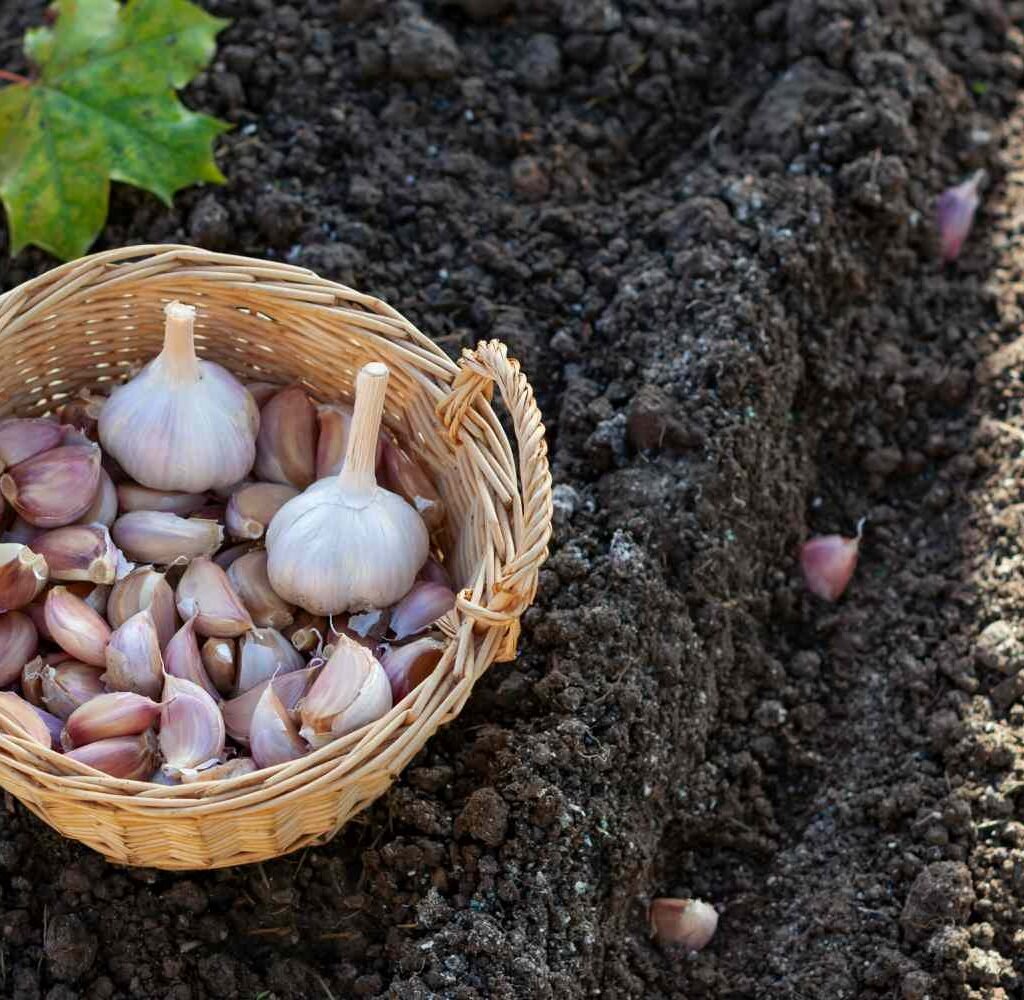
October is the perfect time to plant garlic for a summer harvest. Garlic requires a period of cold weather to develop bulbs, making fall planting essential in most climates. By planting in October, bulbs have time to establish roots before winter, ensuring larger, more flavorful cloves by mid-summer.
Planting Tips:
- Soil: Loose, well-draining soil with a neutral pH works best. Enriching the soil with compost or well-rotted manure boosts growth.
- Cloves: Plant individual cloves upright, 2 inches deep and 4–6 inches apart.
- Sunlight: Garlic thrives in full sun.
- Care: Water moderately during root development. Once the ground freezes, mulch heavily with straw to protect cloves from extreme cold.
Hardneck varieties, like ‘Rocambole,’ are ideal for colder regions, while softneck types like ‘Silverskin’ grow well in milder climates.
3. Kale (Brassica oleracea var. sabellica)
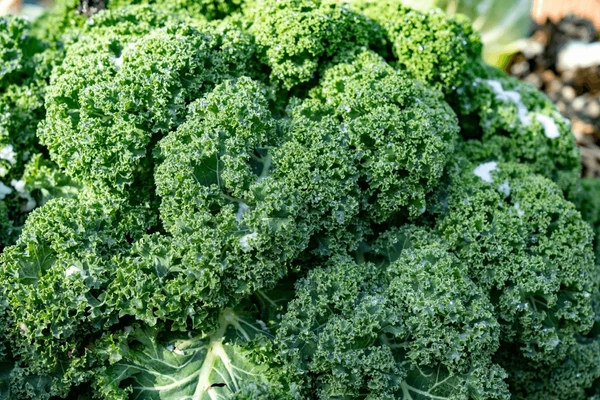
Kale is another cold-hardy green that tastes sweeter after exposure to frost. Rich in vitamins A, C, and K, kale is highly versatile and can be used in salads, smoothies, and cooked dishes. Its robust leaves withstand cold temperatures, making October the perfect planting time.
Planting Tips:
- Soil: Fertile, well-draining soil with added compost ensures healthy growth.
- Spacing: Sow seeds 1/2 inch deep and 12–18 inches apart for mature plants.
- Sunlight: Full sun is preferred, but kale tolerates partial shade.
- Watering: Maintain even moisture; mulching helps preserve soil warmth and moisture.
Varieties such as ‘Winterbor’ or ‘Lacinato’ (Dinosaur Kale) perform exceptionally well in late-season planting.
4. Radishes (Raphanus sativus)
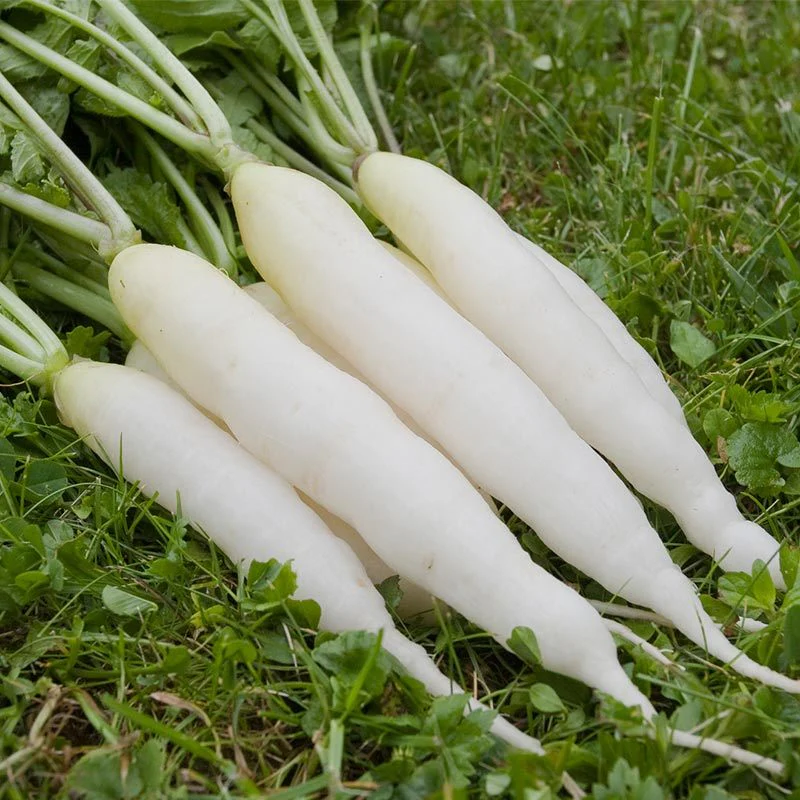
Radishes are fast-growing root vegetables that thrive in cool weather. They can be harvested in as little as 3–4 weeks, making them an ideal crop for October planting. Their crisp, peppery roots add flavor to salads, sandwiches, and slaws.
Planting Tips:
- Soil: Light, well-draining soil enriched with compost promotes uniform root development. Avoid overly rich soil, which may cause roots to split.
- Spacing: Sow seeds 1/2 inch deep and 1 inch apart; thin to 2 inches apart.
- Sunlight: Full sun to partial shade is optimal.
- Watering: Keep the soil moist to prevent radishes from becoming tough or woody.
Varieties like ‘Cherry Belle’ and ‘French Breakfast’ are particularly suited for late-season planting and quick harvests.
5. Carrots (Daucus carota subsp. sativus)
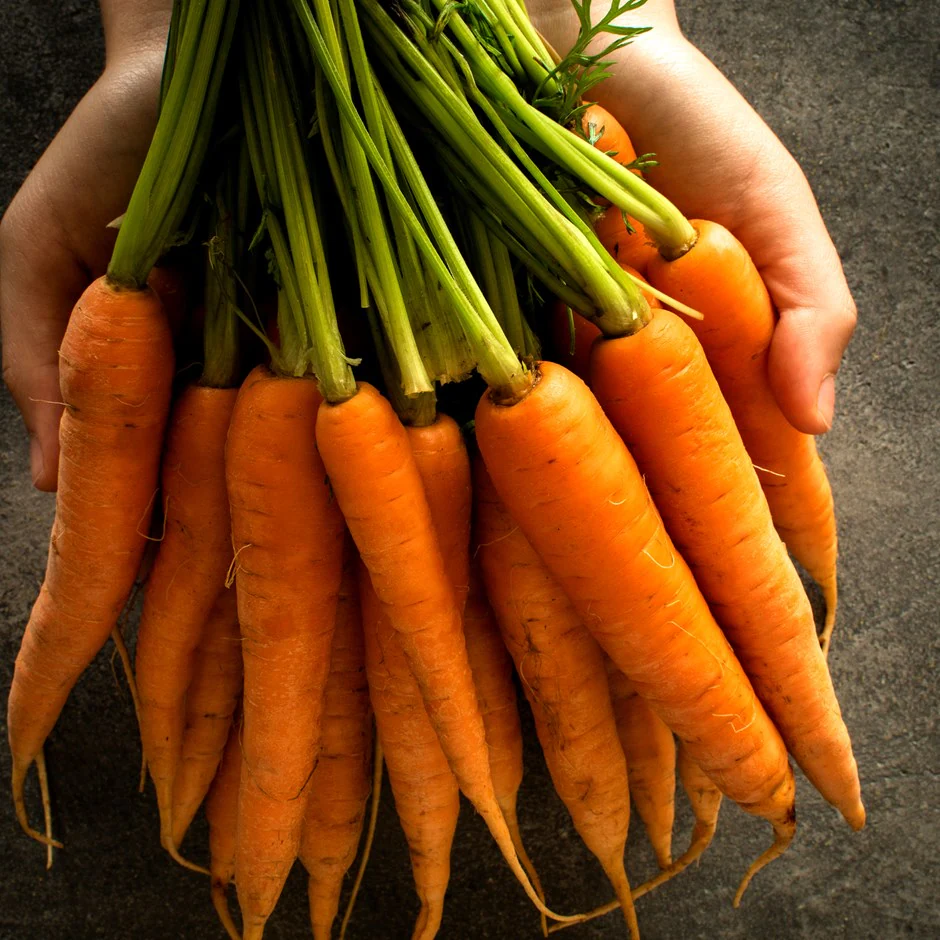
Carrots can be planted in October to take advantage of cooler soil temperatures, which enhance their sweetness. Late-season carrots develop a rich flavor as the plant converts starches into sugars to withstand cold.
Planting Tips:
- Soil: Loose, sandy soil is ideal for straight, uniform roots. Avoid compacted or rocky soil.
- Spacing: Sow seeds 1/4 inch deep in rows 12–18 inches apart; thin seedlings to 2–3 inches apart.
- Sunlight: Full sun is best, but partial shade is acceptable.
- Watering: Maintain consistent moisture for tender roots; mulch to prevent soil freezing.
Long varieties like ‘Danvers 126’ or ‘Nantes’ are excellent choices for late-season planting and cold tolerance.
6. Lettuce (Lactuca sativa)
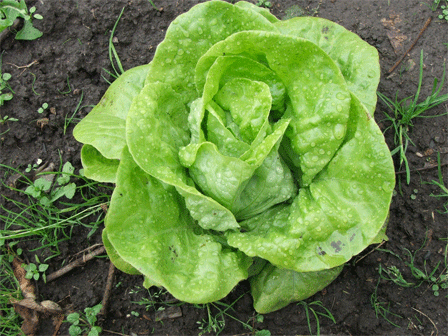
Lettuce is highly adaptable and grows quickly in cooler temperatures, making it perfect for October planting. The crisp, flavorful leaves are ideal for fresh salads and sandwiches, and some varieties can survive light frosts.
Planting Tips:
- Soil: Fertile, well-draining soil with added compost ensures healthy leaf growth.
- Spacing: Sow seeds 1/4 inch deep; thin seedlings to 6–12 inches apart depending on the variety.
- Sunlight: Lettuce prefers full sun but tolerates partial shade, especially in warmer regions.
- Watering: Keep soil evenly moist; frequent light watering helps prevent bitterness.
Consider cold-tolerant varieties like ‘Winter Density,’ ‘Rouge d’Hiver,’ or ‘Buttercrunch’ for a reliable late-season harvest.
Tips for Successful October Planting
- Use Row Covers: Lightweight fabric row covers protect young seedlings from early frosts and extend the growing season.
- Mulch Strategically: Organic mulches like straw or shredded leaves help maintain soil warmth and moisture.
- Succession Planting: Plant crops in intervals to ensure a continuous harvest throughout fall.
- Monitor Pests: Cooler weather reduces many pests, but some like slugs and aphids can still cause damage. Use organic controls as needed.
- Harvest Early: Pick vegetables promptly as they mature to avoid frost damage and encourage continued growth.
Conclusion
Planting vegetables in October is not only possible but highly rewarding. By selecting the right crops, preparing the soil properly, and providing appropriate care, gardeners can enjoy fresh, nutrient-rich produce well into late fall and early winter. Spinach, garlic, kale, radishes, carrots, and lettuce are excellent choices for late-season planting, offering a combination of fast growth, frost tolerance, and delicious flavor. With careful planning, your October garden can continue to thrive, providing healthy, homegrown vegetables even as the days grow shorter and colder.
Late-season gardening is a wonderful way to maximize your harvest, make efficient use of garden space, and enjoy the satisfaction of fresh produce during the cooler months. So grab your seeds, prepare your soil, and embrace the joys of fall gardening.

Leave A Comment