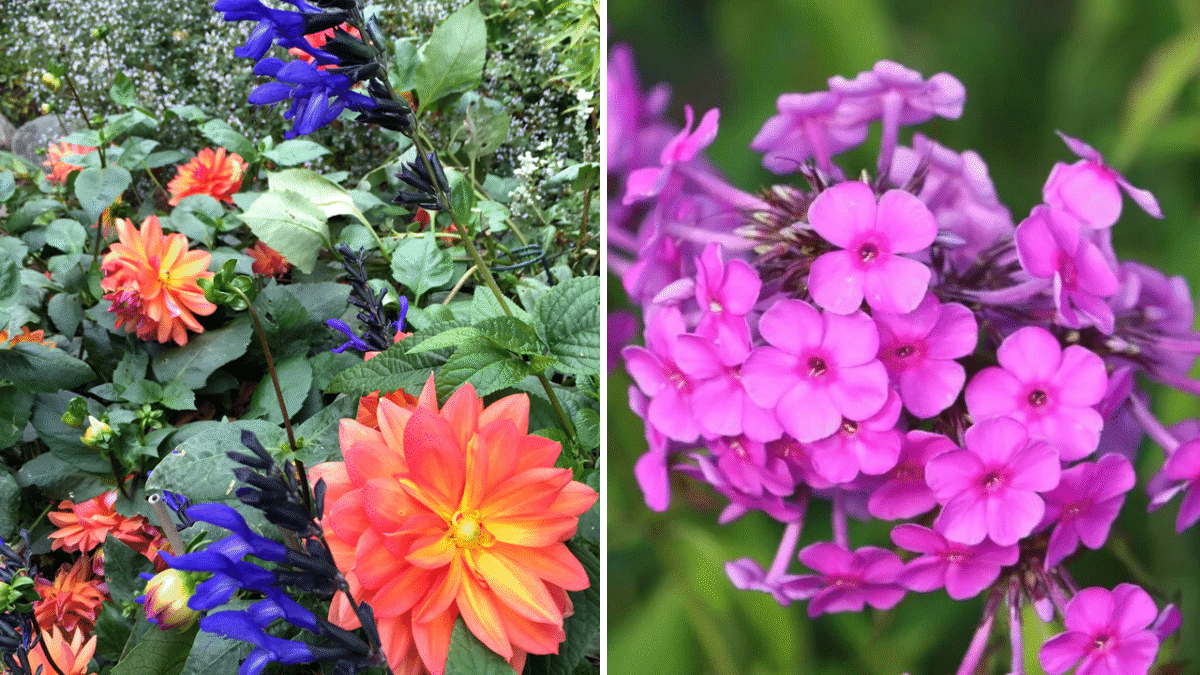
As summer begins to wane, gardeners often face the challenge of maintaining vibrant colors and visual interest in their landscapes. While many summer flowers start to fade, several hardy late-summer blooms not only withstand the heat but also continue flowering into fall, creating a seamless transition into the cooler months. Selecting the right plants ensures your garden remains colorful, dynamic, and full of life well into autumn. This guide highlights six late-summer flowers that excel in bridging the gap between summer and fall gardens, along with care tips to maximize their beauty.
Understanding the Importance of Late-Summer Flowers

Late-summer flowers play a critical role in garden design:
- Extended Color: They provide a vibrant palette as summer blooms fade, ensuring continuity in your landscape.
- Pollinator Support: Many late-summer flowers attract bees, butterflies, and hummingbirds, supporting local biodiversity.
- Textural Variety: These flowers often bring interesting shapes, heights, and foliage to mixed beds.
- Resilience: Late-summer perennials are typically more heat-tolerant and drought-resistant, making them perfect for transitional periods.
By carefully choosing these plants, you can create a garden that evolves gracefully from the long days of summer into the crisp colors of fall.
1. Sedum ‘Autumn Joy’
Sedum, particularly the ‘Autumn Joy’ variety, is a late-summer favorite that thrives as summer wanes.
Features and Care
- Bloom Colors: Pink flowers that mature to coppery tones in fall.
- Height: 18–24 inches.
- Planting: Full sun with well-draining soil.
- Watering: Drought-tolerant; minimal watering once established.
- Maintenance: Cut back stems in early spring; leave flower heads for winter interest and bird food.
Why Sedum Works for Fall Transition
Sedum’s succulent foliage and long-lasting blooms provide structure and texture, bridging the gap between summer and fall. Its copper-colored flowers complement autumn foliage, making it a versatile addition to mixed borders.
2. Rudbeckia (Black-eyed Susans)

Rudbeckia is a hardy perennial that offers cheerful yellow blooms and a strong, upright structure.
Features and Care
- Bloom Colors: Golden yellow with dark centers.
- Height: 24–36 inches.
- Planting: Full sun; tolerates a range of soils.
- Watering: Moderate; well-drained soil is preferred.
- Maintenance: Deadhead to prolong flowering; divide every few years to maintain vigor.
Why Rudbeckia Excels in Late Summer
Black-eyed Susans provide a burst of sunny color when many summer flowers are fading. Their long bloom period and resistance to heat make them excellent for fall transitions, and their seed heads attract birds, adding ecological value.
3. Asters

Asters are classic late-summer and early-fall bloomers that offer a splash of color when other perennials are declining.
Features and Care
- Bloom Colors: Purple, blue, pink, and white.
- Height: 12–36 inches.
- Planting: Well-draining soil; full sun to partial shade.
- Watering: Keep soil evenly moist.
- Maintenance: Cut back after flowering; divide clumps every few years.
Why Asters Are Ideal for Fall Gardens
Asters bloom in late summer and continue through fall, providing nectar for pollinators while adding vibrant color. Their daisy-like flowers are perfect for borders, mixed beds, and pollinator gardens, creating a natural transition from summer to autumn.
4. Heliopsis (False Sunflower)

Heliopsis, commonly known as false sunflower, combines the cheerful brightness of sunflowers with the resilience needed for late-season blooms.
Features and Care
- Bloom Colors: Bright yellow with a central disk.
- Height: 24–36 inches.
- Planting: Full sun; tolerates a range of soils.
- Watering: Moderate; drought-tolerant once established.
- Maintenance: Deadhead to extend blooms; cut back in late fall.
Why Heliopsis Works for Transitioning Seasons
Heliopsis offers tall, sturdy stems and vibrant yellow flowers that echo summer warmth while extending into autumn. Its prolonged bloom period makes it an excellent companion for asters and rudbeckia in fall borders.
5. Japanese Anemones
Japanese Anemones are elegant perennials with tall, graceful stems and delicate blooms that flourish in late summer and early fall.
Features and Care
- Bloom Colors: White or soft pink with yellow centers.
- Height: 24–48 inches.
- Planting: Partial shade; rich, well-draining soil.
- Watering: Keep soil consistently moist.
- Maintenance: Divide clumps every few years; cut back in winter.
Why Japanese Anemones Enhance Fall Gardens
These plants add height and elegance to garden beds, creating a soft, airy texture that contrasts beautifully with denser, bold summer flowers. Their late blooming period ensures the garden remains visually appealing as summer transitions to fall.
6. Chrysanthemums (Mums)
Chrysanthemums are the quintessential fall flower, providing dense, colorful blooms as the season changes.
Features and Care
- Bloom Colors: Red, orange, yellow, purple, and white.
- Height: 12–36 inches depending on variety.
- Planting: Full sun; well-draining soil.
- Watering: Keep soil consistently moist but not soggy.
- Maintenance: Deadhead spent flowers to encourage further blooming; divide every few years to maintain vigor.
Why Chrysanthemums Are Fall Garden Staples
Mums thrive in cooler temperatures, making them ideal for late-summer and early-fall gardens. They add bold color, dense texture, and longevity, ensuring your garden remains vibrant up until frost.
Tips for a Seamless Summer-to-Fall Garden Transition

- Combine Bloom Times: Plant a mix of late-summer perennials and early-fall bloomers for continuous color.
- Consider Height and Texture: Mix tall and short plants, as well as varying leaf textures, to create visual interest.
- Support Pollinators: Include nectar-rich plants like asters and sedum to benefit bees and butterflies.
- Maintain Soil Health: Regularly amend soil with compost or organic fertilizer to support continuous blooms.
- Deadhead Strategically: Removing faded flowers encourages prolonged blooming in many perennials.
These strategies ensure your garden remains visually appealing and ecologically supportive throughout the transition from summer to fall.
Conclusion
Late-summer flowers are essential for maintaining garden beauty and vitality as the seasons change. Sedum ‘Autumn Joy,’ rudbeckia, asters, heliopsis, Japanese anemones, and chrysanthemums each offer unique characteristics, from vibrant color to architectural interest, that seamlessly bridge summer and fall. By carefully selecting, planting, and maintaining these perennials, gardeners can enjoy a continuous display of blooms, attract pollinators, and ensure that their landscapes remain engaging until the first frost.
Incorporating these flowers into your late-summer garden not only extends visual interest but also supports biodiversity and creates a harmonious transition between the seasons. With proper planning and care, your garden can thrive, offering beauty, color, and life well into the cooler months.

Leave A Comment