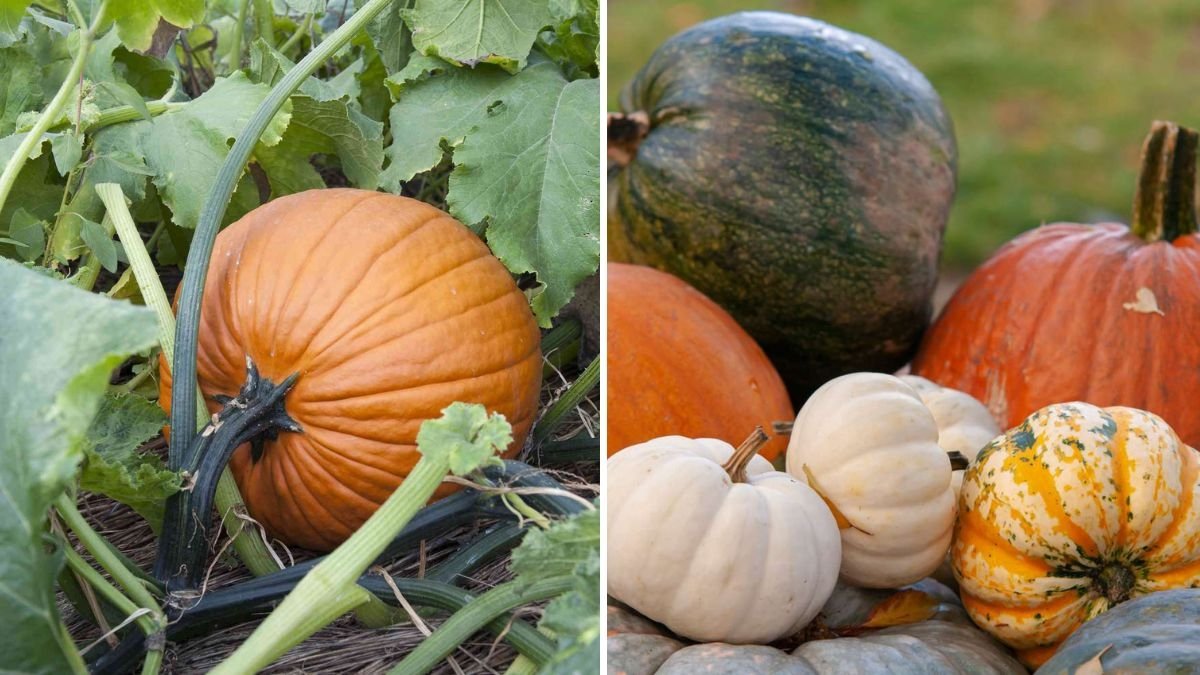
Pumpkins are one of the most popular fall crops, valued for decoration, cooking, and baking. However, their shelf life varies greatly depending on when and how they are harvested. Picking pumpkins at the wrong time can lead to rapid decay, soft spots, or loss of flavor. Proper timing ensures pumpkins remain firm, nutritious, and usable for months, making them ideal for winter storage.
This guide explores how to determine the optimal time to harvest pumpkins, techniques for picking them safely, and post-harvest care to maximize storage life.
Understanding Pumpkin Maturity

Pumpkins are mature when they reach full size, develop firm skin, and the color deepens. Different varieties mature at varying rates, generally between 75 and 120 days after planting.
Key indicators of pumpkin maturity include:
- Skin Hardness
- Press your fingernail into the skin; mature pumpkins resist puncture.
- Hard skin prevents moisture loss and decay during storage.
- Color
- Orange pumpkins: Look for a deep, uniform color.
- White or other colored varieties: Check for the characteristic shade of maturity.
- Avoid green patches, which indicate immaturity.
- Vine and Stem Condition
- Mature pumpkins often have dry, brown stems.
- A green, flexible stem may indicate the fruit is still growing.
- Sound Test
- Tap the pumpkin; a hollow sound often signals ripeness.
Understanding these indicators ensures that pumpkins are harvested at the peak of quality for long-term storage.
Optimal Harvest Time

1. Before First Frost
- Pumpkins are sensitive to frost, which can damage skin and shorten storage life.
- Harvest one to two weeks before expected frost to prevent cold injury.
2. When Fully Mature
- Ensure pumpkins have reached their full varietal color and size.
- Overripe pumpkins left too long on the vine may develop soft spots or cracks.
3. During Dry Weather
- Harvest on a dry day to prevent moisture-related rot.
- Wet pumpkins are more prone to fungal infections in storage.
Timing the harvest carefully provides pumpkins with the best chance to store for several months.
Harvesting Techniques
Proper handling during harvest is essential to prevent bruising and skin damage, which are major causes of decay.
Tools and Methods
- Sharp garden knife or pruners: Cut stems 2–4 inches above the fruit.
- Avoid pulling or twisting: This can damage the stem and reduce storage life.
- Support large pumpkins: For heavy varieties, use both hands to lift and carry.
Tips for Safe Harvest
- Wear gloves to protect hands from rough stems or prickly vines.
- Handle pumpkins gently; even minor scratches can lead to rot.
- Place harvested pumpkins on straw, cardboard, or another soft surface to avoid bruising.
Correct harvesting methods help maintain pumpkin integrity and longevity.
Post-Harvest Curing

Curing is a critical step for pumpkins intended for long-term storage.
Steps for Curing
- Place pumpkins in a warm, dry location with temperatures around 80–85°F (27–29°C).
- Maintain moderate humidity to prevent shriveling.
- Cure for 10–14 days to allow the skin to harden and minor cuts to heal.
- Avoid direct sunlight, which can cause uneven drying or sunscald.
Benefits of Curing
- Hardens the skin, reducing moisture loss.
- Extends storage life by minimizing fungal or bacterial infections.
- Enhances sweetness and flavor in edible varieties.
Curing transforms freshly harvested pumpkins into long-lasting, high-quality storage crops.
Storage Conditions

Proper storage is essential to keep pumpkins firm and prevent spoilage.
Temperature and Humidity
- Ideal temperature: 50–55°F (10–13°C) for most varieties.
- Humidity: Moderate (50–70%) to avoid shriveling or mold growth.
Storage Methods
- Store pumpkins in single layers on pallets, straw, or racks to prevent moisture buildup.
- Avoid stacking, which can cause bruising and increase rot risk.
- Keep away from cold drafts or direct heat sources.
Inspection
- Check pumpkins regularly for soft spots, mold, or decay.
- Remove any affected fruit immediately to protect others.
Following these storage guidelines can preserve pumpkins for 3–6 months, depending on the variety.
Selecting Varieties for Long-Term Storage
Some pumpkin varieties are naturally more suitable for winter storage due to thick skin and firm flesh:
- ‘Cinderella’ (Rouge Vif d’Etampes): Thick skin, retains flavor for months.
- ‘Sugar Pie’ or ‘Small Sugar’ pumpkins: Ideal for pies; long storage life.
- ‘Long Island Cheese’: Flat, dense pumpkins, store well in cool conditions.
- ‘Blue Hubbard’ or ‘Kabocha’: Dense, firm flesh, excellent for long-term storage.
- ‘Fairytale’ pumpkins: Attractive and durable for months if handled correctly.
Selecting the right variety ensures maximum storage duration and usability.
Common Mistakes to Avoid

- Harvesting too early: Green pumpkins have thin skin and do not store well.
- Harvesting after frost: Frost-damaged pumpkins quickly develop rot.
- Bruising or cutting stems improperly: Leads to decay and shorter storage life.
- Improper curing: Skipping curing reduces skin hardness and longevity.
- Poor storage conditions: Damp, warm, or overcrowded storage promotes mold and spoilage.
Avoiding these mistakes ensures pumpkins remain edible and attractive for months.
Benefits of Proper Pumpkin Harvesting
- Extended shelf life: Allows pumpkins to last through winter.
- Improved flavor and sweetness: Properly cured pumpkins are naturally sweeter.
- Reduced waste: Minimizes losses from rot and spoilage.
- Versatility: Maintains quality for cooking, baking, and decoration.
- Cost-effective: Reduces the need for mid-winter purchases.
Proper harvesting, curing, and storage practices maximize the value and enjoyment of your pumpkin crop.
Conclusion
Knowing when to pick pumpkins is essential for long-term storage success. By observing maturity indicators such as skin hardness, color, and stem condition, harvesting before frost, and handling pumpkins carefully, gardeners can ensure a long-lasting winter supply.
Key steps include:
- Monitor pumpkin maturity: Use skin, color, stem, and sound tests.
- Harvest before frost: Protect fruit from cold damage.
- Use proper tools and handling: Cut stems, avoid bruising, and support heavy pumpkins.
- Cure pumpkins: Harden skin and heal minor cuts in a warm, dry environment.
- Store in optimal conditions: Maintain cool temperatures, moderate humidity, and single-layer arrangements.
- Choose storage-friendly varieties: Thick-skinned and firm-fleshed pumpkins last the longest.
- Inspect and maintain storage regularly: Remove damaged fruit to protect others.
By following these guidelines, gardeners can enjoy healthy, flavorful pumpkins well into winter, whether for cooking, baking, or decoration. Proper timing, harvesting, and storage transform pumpkins from a seasonal crop into a reliable, long-lasting resource for months to come.

Leave A Comment