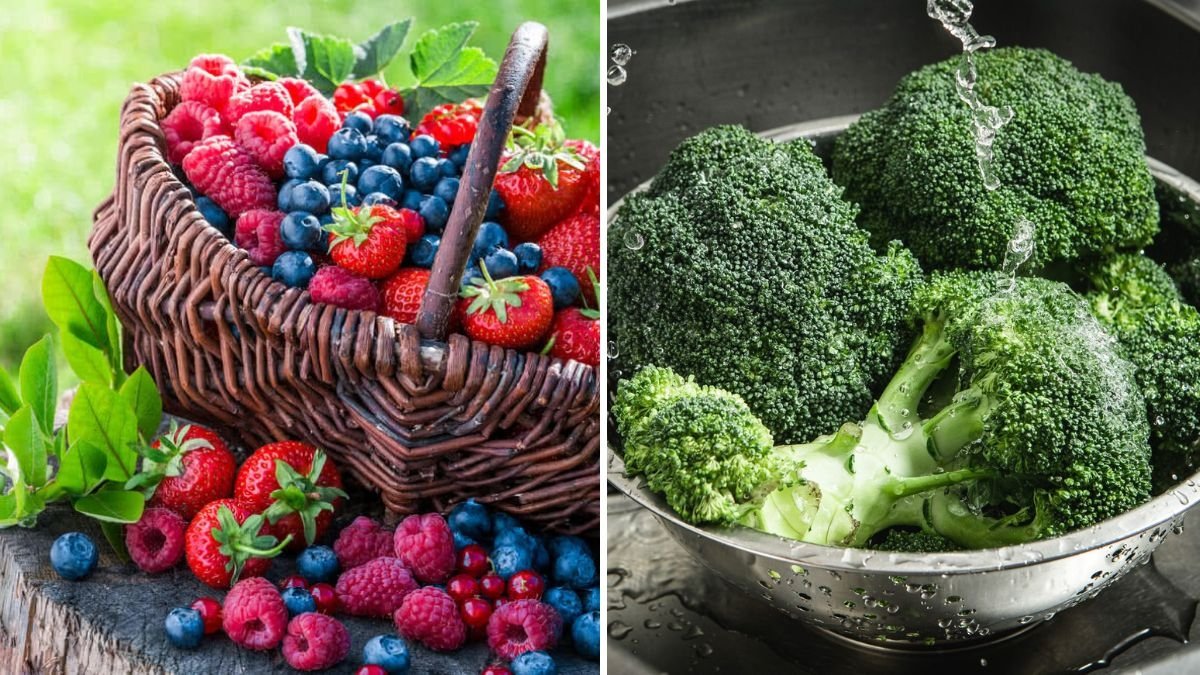
Freezing is one of the most effective ways to preserve fresh produce, extending its shelf life while retaining flavor, texture, and nutrients. While some crops do not fare well in freezing due to high water content or delicate textures, others thrive in the freezer, making them ideal for long-term storage. Knowing which crops freeze well can help gardeners, home cooks, and small-scale farmers reduce waste, maintain a steady supply of vegetables year-round, and enjoy seasonal produce even when it’s out of season. In this article, we explore six crops that freeze perfectly, detailing the best practices for harvesting, preparing, and storing them.
1. Peas

Why Peas Freeze Well
Peas are naturally sweet, tender, and high in nutrients, making them an excellent candidate for freezing. Their small size allows them to retain their shape and texture when frozen properly. Fresh peas harvested at peak ripeness maintain a vibrant color and taste when stored in the freezer.
How to Freeze Peas
- Harvesting: Pick peas when the pods are fully plump and sweet. Avoid overripe pods as the peas inside may become starchy.
- Blanching: Bring a pot of water to a boil, add the peas for 1-2 minutes, then immediately transfer them to ice water. This stops enzymatic activity that can degrade flavor and texture.
- Drying and Packaging: Drain the peas thoroughly and spread them on a clean towel to remove excess water. Pack into airtight freezer bags or containers, removing as much air as possible. Label with the date.
Storage Tips
Frozen peas can last up to 12 months without losing flavor. For best results, use them in soups, stews, casseroles, or simply as a side dish.
2. Corn

Why Corn Freezes Well
Corn’s natural sugars convert to starch over time, which can reduce sweetness. Freezing immediately after harvesting preserves its sugar content, texture, and flavor, making it taste almost as fresh as the day it was picked.
How to Freeze Corn
- Harvesting: Harvest corn when kernels are plump and milky. Early morning harvesting ensures peak freshness.
- Blanching: Boil the corn on the cob for 4-6 minutes (depending on size), then cool in ice water. This helps maintain sweetness and color.
- Cutting Off the Cob: Slice the kernels from the cob using a sharp knife. This method makes storage more convenient and allows you to use corn in recipes without defrosting entire cobs.
- Packing: Place kernels in freezer-safe bags or containers, flattening bags to remove air and facilitate quick freezing.
Storage Tips
Corn can stay frozen for up to 10-12 months. Use frozen corn in chowders, salads, stir-fries, or as a quick side dish.
3. Spinach

Why Spinach Freezes Well
Spinach has a high water content, which can sometimes make freezing tricky. However, if properly blanched, spinach retains its color, nutrients, and mild flavor, making it perfect for soups, smoothies, and sautés.
How to Freeze Spinach
- Harvesting: Pick young, tender leaves for the best texture after freezing. Avoid mature leaves, which may become tough.
- Washing: Thoroughly rinse to remove dirt and sand.
- Blanching: Boil for 2 minutes and transfer to ice water. This preserves color and reduces spoilage.
- Draining and Packing: Squeeze excess water from leaves using a towel or salad spinner, then pack into freezer bags or containers.
Storage Tips
Frozen spinach lasts 10-12 months. It is best used in cooked dishes, as the freezing process changes its raw texture.
4. Carrots

Why Carrots Freeze Well
Carrots are hardy root vegetables with a dense structure, which makes them ideal for freezing. When blanched correctly, they maintain their sweetness, color, and nutritional value.
How to Freeze Carrots
- Harvesting: Choose young, tender carrots for the best taste. Larger, mature carrots can also be used but may require slightly longer blanching.
- Preparation: Peel and cut into slices, cubes, or sticks for convenience.
- Blanching: Boil slices for 2-5 minutes depending on size, then plunge into ice water.
- Packing: Drain well and store in airtight freezer bags or containers.
Storage Tips
Carrots can remain frozen for 10-12 months. They are excellent in soups, stews, roasted dishes, and stir-fries.
5. Broccoli

Why Broccoli Freezes Well
Broccoli is nutrient-dense and has a structure that holds up well in the freezer. Freezing preserves its bright green color, flavor, and crisp-tender texture when used in cooked dishes.
How to Freeze Broccoli
- Harvesting: Cut broccoli when the florets are firm and tightly closed. Avoid yellowing or flowering heads.
- Washing: Rinse thoroughly to remove dirt and insects.
- Blanching: Boil florets for 2-3 minutes, then cool in ice water. Stems may require 3-4 minutes.
- Packing: Drain well, pat dry, and store in freezer bags or containers.
Storage Tips
Broccoli maintains optimal quality for 8-12 months. It is perfect for soups, casseroles, and stir-fry dishes.
6. Berries (Strawberries, Blueberries, Raspberries)

Why Berries Freeze Well
Berries are highly perishable, but freezing locks in flavor, color, and nutrients. They are ideal for smoothies, desserts, and baking.
How to Freeze Berries
- Harvesting: Pick ripe, firm berries for best results. Avoid overripe or damaged fruits.
- Washing: Rinse gently and pat dry to avoid excess water, which can cause freezer burn.
- Pre-Freezing: Spread berries on a tray in a single layer and freeze for 1-2 hours. This prevents them from clumping together.
- Packing: Transfer to airtight freezer bags or containers and label with the date.
Storage Tips
Berries can stay frozen for up to 12 months. Use them directly in smoothies, jams, baked goods, or thaw slowly for fresh-tasting fruit.
Tips for Freezing Success
- Blanching Matters: Most vegetables benefit from blanching before freezing, as it stops enzymatic activity that can degrade quality.
- Use Airtight Packaging: Air exposure accelerates freezer burn and nutrient loss. Use vacuum-sealed bags or tightly sealed containers.
- Label Clearly: Always label packages with the name of the crop and freezing date.
- Freeze Quickly: Quick freezing preserves texture and flavor. Avoid leaving crops in the freezer too long before they are fully frozen.
- Avoid Freezing Certain Crops Raw: Crops like lettuce, cucumbers, and radishes do not freeze well raw due to high water content.
Conclusion
Freezing is a simple, efficient way to preserve seasonal crops while retaining their nutrients, flavor, and texture. Peas, corn, spinach, carrots, broccoli, and berries all freeze exceptionally well when harvested at peak ripeness and prepared properly. By following proper blanching, packaging, and storage techniques, gardeners and home cooks can enjoy these crops year-round, minimize food waste, and ensure a steady supply of fresh-tasting produce. The next time your garden yields an abundance of these crops, freezing them will allow you to savor the harvest long after the growing season ends.

Leave A Comment