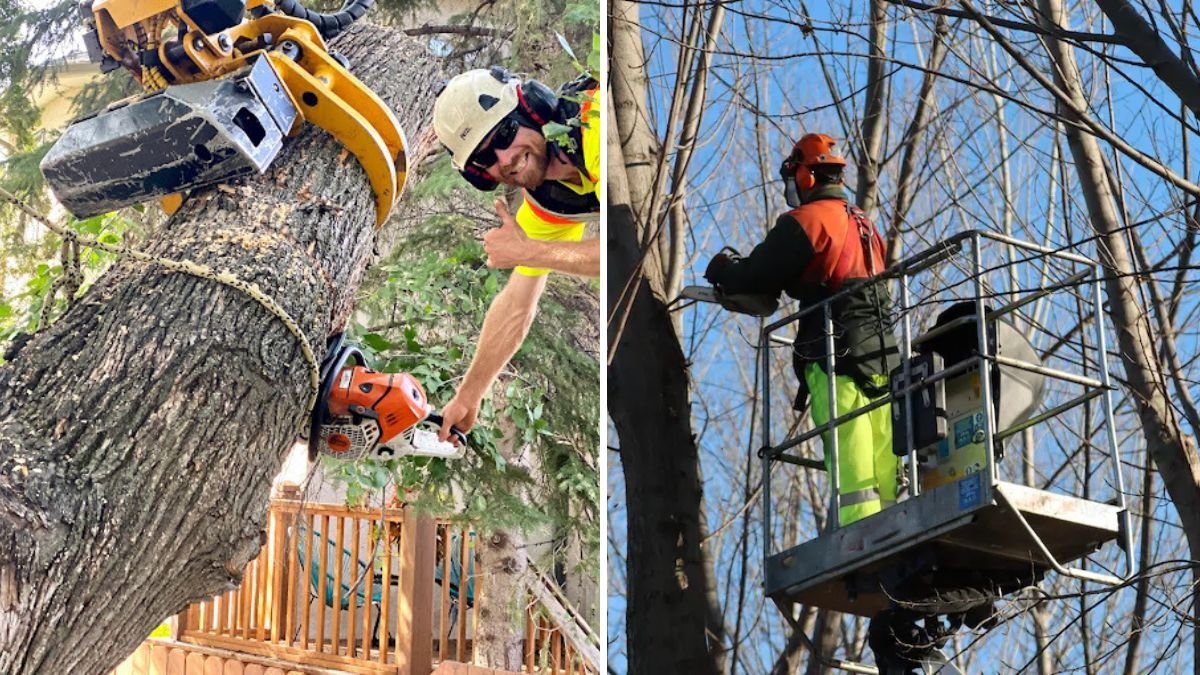
Trees are more than just landscape features—they provide shade, beauty, oxygen, and habitat for wildlife. Caring for them requires knowledge of their biology, growth patterns, and potential risks. While many homeowners can handle basic tree care, certain situations demand the expertise of a professional arborist. Hiring the right expert at the right time can save money, prevent accidents, and ensure the health and longevity of your trees. This article explores the signs, scenarios, and benefits of engaging a professional arborist.
Understanding the Role of an Arborist

An arborist is a trained professional specializing in the cultivation, management, and maintenance of trees and shrubs. Unlike general landscapers or gardeners, arborists are skilled in:
- Tree health assessment: Diagnosing diseases, pests, and nutrient deficiencies.
- Pruning and trimming: Enhancing tree structure and safety while preserving health.
- Tree removal: Safely cutting down trees that are dead, diseased, or hazardous.
- Cabling and bracing: Supporting structurally weak trees to prevent damage.
- Emergency care: Responding to storm damage or unexpected hazards.
Professional arborists often hold certifications from recognized organizations, ensuring they follow industry standards and safety protocols.
Signs You Should Consider Hiring an Arborist

Knowing when to call a professional can prevent minor issues from turning into major problems. Common indicators include:
1. Visible Tree Damage
Cracks in the trunk, large wounds, broken branches, or split limbs indicate structural weakness. These issues can compromise tree stability and pose safety risks.
2. Signs of Disease or Pests
Discoloration, unusual leaf drop, fungal growth, bore holes, or sticky sap can indicate disease or pest infestation. Early intervention by an arborist can prevent the spread to other trees and maintain overall garden health.
3. Root Problems
Exposed roots, root girdling, or sudden soil heaving can destabilize a tree. Professional assessment is crucial to prevent hazards or tree death.
4. Excessive Growth or Overcrowding
Trees that are growing too close to structures, power lines, or each other may require expert pruning to avoid property damage and ensure adequate sunlight and airflow.
5. Tree Removal or Major Pruning
When a tree is dead, dying, or obstructing construction or pathways, professional removal is often the safest option. Attempting large-scale pruning without expertise can lead to injury or property damage.
6. Storm or Emergency Damage
Severe weather events, including storms, heavy snowfall, or high winds, can create dangerous conditions. Arborists are trained to handle emergency situations, removing hazards safely.
Benefits of Hiring a Professional Arborist

Engaging a certified arborist offers several advantages:
1. Safety First
Tree care, especially pruning or removal, involves working at heights and handling heavy equipment. Professionals follow safety protocols and have the necessary equipment, reducing the risk of accidents.
2. Expertise in Diagnosis
Properly identifying diseases or infestations is critical for effective treatment. Arborists can distinguish between similar-looking issues, ensuring targeted and effective interventions.
3. Protecting Property Value
Healthy, well-maintained trees enhance property aesthetics and value. Conversely, improperly pruned or hazardous trees can reduce property appeal and increase liability risks.
4. Long-Term Tree Health
Arborists implement strategies to support tree health over time, such as fertilization, soil management, and structural pruning. This preventive care extends the life and beauty of trees.
5. Compliance with Regulations
Some municipalities regulate tree removal, particularly for protected species. Professional arborists ensure compliance with local laws, avoiding fines and legal complications.
Scenarios That Require Arborist Expertise
Certain situations clearly call for professional intervention:

Scenario 1: Large or Mature Trees
Mature trees often have substantial canopy weight and deep root systems. Even seemingly minor pruning can destabilize them. Arborists have specialized equipment and training to manage these safely.
Scenario 2: Trees Near Structures or Utilities
Trees growing near roofs, fences, or power lines pose unique risks. Professional assessment ensures pruning or removal is performed safely, protecting both property and infrastructure.
Scenario 3: Landscape Renovation
When redesigning a yard or garden, arborists can help determine which trees are suitable for relocation, removal, or pruning, ensuring the landscape remains balanced and safe.
Scenario 4: Suspected Disease Outbreak
If one tree shows signs of disease, nearby trees may also be at risk. An arborist can evaluate the spread, recommend treatment, and prevent large-scale loss.
Scenario 5: Storm Recovery
Post-storm, broken branches, leaning trunks, or uprooted trees create hazards. Arborists quickly assess damage, remove unsafe trees, and help restore the landscape.
Choosing the Right Arborist
Selecting a qualified arborist is crucial for safe and effective tree care. Consider the following:
- Certifications: Look for credentials from organizations like the International Society of Arboriculture (ISA) or equivalent local authorities.
- Experience: Ensure they have experience with the type and size of trees in your property.
- Insurance: Confirm they carry liability and worker’s compensation insurance.
- References and Reviews: Check past client feedback to assess reliability and quality of work.
- Transparent Pricing: Request a detailed estimate, including any potential follow-up treatments.
Tips for Working with an Arborist

To maximize benefits:
- Communicate Clearly: Describe concerns, goals, and any prior issues with the trees.
- Ask Questions: Understand recommended treatments, their timing, and expected outcomes.
- Follow Maintenance Plans: Implement advice on watering, mulching, or fertilization to enhance results.
- Document Work: Keep records of assessments and interventions for future reference.
Common Misconceptions About Hiring Arborists
- “I Can Handle It Myself”: While basic pruning is doable, professional assessment ensures long-term tree health and safety.
- “It’s Too Expensive”: Preventive care by arborists can reduce costly damage or emergency removal later.
- “Trees Don’t Need Regular Checkups”: Like any living organism, trees benefit from periodic assessment to prevent hidden issues.
Conclusion
Knowing when to hire a professional arborist is essential for anyone who values the health, safety, and aesthetics of their trees. From assessing disease and structural integrity to emergency removal and long-term maintenance, arborists bring expertise that protects both trees and property. Recognizing signs of distress, understanding the benefits of professional care, and selecting the right arborist can prevent hazards, extend tree longevity, and maintain a beautiful, safe landscape. By investing in professional guidance, homeowners ensure their gardens thrive while avoiding unnecessary risks and disputes.

Leave A Comment