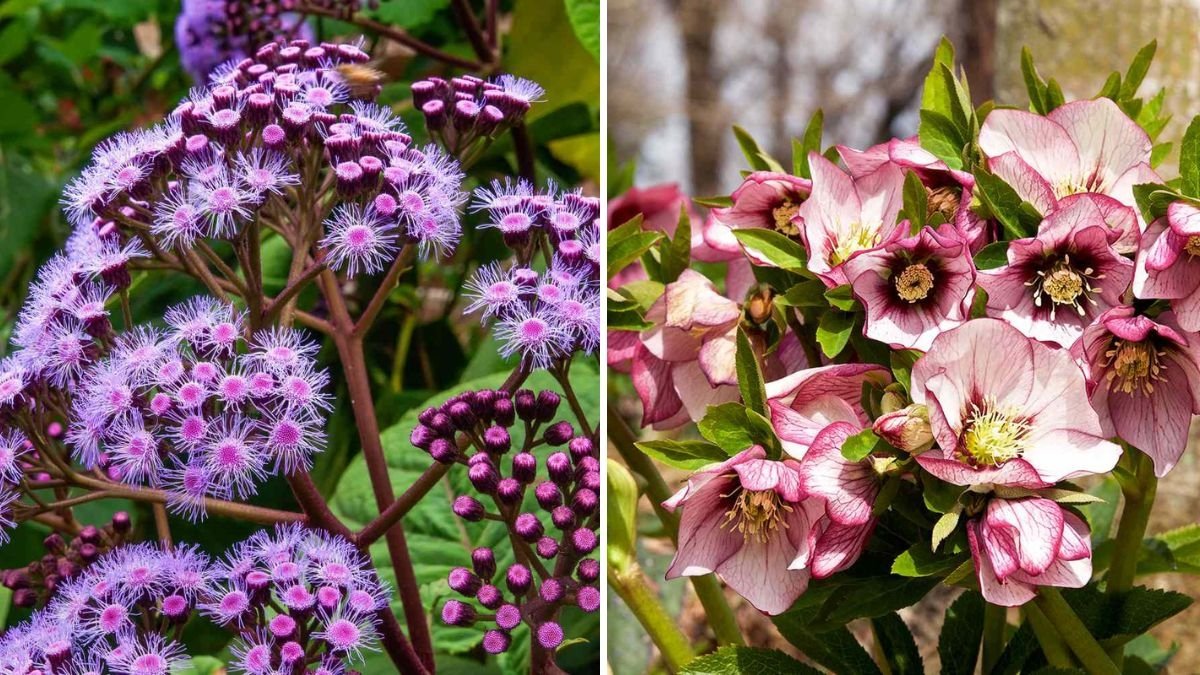
As summer fades and temperatures cool, many gardeners face the challenge of keeping their landscapes colorful and vibrant. Fall perennials are the perfect solution—they provide long-lasting blooms, texture, and visual interest, extending the beauty of your garden well into the autumn months. Unlike annuals, which complete their life cycle in one season, perennials return year after year, making them a sustainable and low-maintenance choice. In this guide, we explore five standout fall perennials that will ensure your garden stays lively until the first frost.
Understanding Fall Perennials

Fall perennials are plants that bloom in late summer through autumn, often thriving in cooler temperatures. Choosing the right perennials helps maintain color, texture, and structure in your garden, even as the days shorten. Here are a few reasons why they are invaluable for autumn gardening:
- Extended Blooming Season: Many perennials flower well into fall, filling the gap after summer blooms fade.
- Low Maintenance: Once established, they require minimal care and come back year after year.
- Attract Pollinators: Late-blooming perennials provide nectar and pollen for bees and butterflies preparing for winter.
- Diverse Options: They include flowering plants, ornamental grasses, and foliage varieties, offering a mix of colors and textures.
By selecting perennials with long-lasting blooms, you can create a dynamic, ever-changing fall garden that stays attractive until frost.
1. Chrysanthemums (Mums)

Chrysanthemums, commonly called mums, are classic fall perennials known for their vibrant, long-lasting blooms.
Features and Care
- Bloom Colors: Available in shades of red, orange, yellow, purple, and white.
- Height: Varies from 12 inches to 36 inches depending on variety.
- Planting Tips: Plant in well-draining soil with full sun exposure for at least 6 hours daily.
- Watering: Keep soil consistently moist but not waterlogged.
- Maintenance: Deadhead spent blooms to encourage continued flowering and divide plants every 2–3 years to prevent overcrowding.
Why Mums Are Perfect for Fall
Mums thrive in cooler temperatures, making them ideal for extending garden color into late autumn. Their dense, bushy foliage adds texture, and the variety of colors complements other fall plants like asters and ornamental grasses.
2. Asters

Asters are versatile perennials that offer late-season blooms and attract pollinators.
Features and Care
- Bloom Colors: Purple, blue, pink, and white.
- Height: 12–36 inches, depending on the variety.
- Planting Tips: Choose well-draining soil in full sun to partial shade. Asters prefer slightly acidic soil.
- Watering: Moderate watering, ensuring soil does not dry out completely.
- Maintenance: Cut back plants after flowering to encourage healthy growth next year.
Why Asters Shine in Fall Gardens
Asters provide a burst of color when many summer flowers have faded. They are highly attractive to butterflies and bees, supporting late-season pollinators while creating a stunning visual display. Their daisy-like flowers add brightness and complement both shrubs and ornamental grasses in mixed borders.
3. Sedum ‘Autumn Joy’

Sedum, particularly the ‘Autumn Joy’ variety, is a hardy succulent perennial that thrives in cooler weather.
Features and Care
- Bloom Colors: Pink flowers that deepen to rich copper tones in fall.
- Height: 18–24 inches.
- Planting Tips: Prefers well-drained soil and full sun. Sedum is drought-tolerant once established.
- Watering: Minimal watering; avoid waterlogged soil to prevent root rot.
- Maintenance: Cut back in early spring; flowers can be left standing through winter for winter interest and bird food.
Why Sedum Is Ideal for Late Season Color
Sedum’s fleshy foliage and long-lasting blooms make it perfect for late-season interest. Its flowers provide nectar for pollinators late in the season, and its structure adds height and texture to garden beds. Sedum is also low-maintenance, making it perfect for gardeners seeking beauty without extensive care.
4. Japanese Anemone (Anemone hupehensis)

Japanese Anemones are elegant perennials with tall, graceful stems and delicate blossoms that bloom well into fall.
Features and Care
- Bloom Colors: White and pink flowers with yellow centers.
- Height: 24–48 inches.
- Planting Tips: Thrive in partial shade to full sun and rich, well-drained soil.
- Watering: Keep soil consistently moist, especially during dry periods.
- Maintenance: Divide clumps every few years to prevent overcrowding; cut back foliage in late winter.
Why Japanese Anemones Enhance Fall Gardens
Japanese Anemones bring height and elegance to borders and mixed beds. Their delicate flowers provide a soft contrast to bold fall foliage and other perennials. They are also deer-resistant and long-lived, ensuring beauty in your garden for many autumns.
5. Goldenrod (Solidago spp.)
Goldenrod is a hardy, late-blooming perennial with bright yellow flowers that can light up the fall landscape.
Features and Care
- Bloom Colors: Golden yellow.
- Height: 24–48 inches, depending on variety.
- Planting Tips: Full sun exposure and well-drained soil. Goldenrod tolerates poor soil but thrives in fertile conditions.
- Watering: Moderate watering; drought-tolerant once established.
- Maintenance: Cut back after blooming to prevent self-seeding and overcrowding.
Why Goldenrod Is a Fall Garden Staple
Goldenrod blooms when few other perennials are flowering, providing a cheerful burst of yellow that brightens any garden. It attracts late-season pollinators like bees and butterflies and adds vertical interest to borders and meadows. Contrary to myths, goldenrod is not a major cause of allergies; ragweed is the culprit.
Tips for Maximizing Fall Blooms
- Plant in Groups: Cluster perennials with similar bloom times for maximum visual impact.
- Succession Planting: Combine early, mid, and late-season perennials to maintain continuous color.
- Soil Preparation: Enrich soil with compost to support strong root development and vibrant blooms.
- Water Consistently: Cooler temperatures do not eliminate the need for water; ensure plants stay hydrated.
- Mulch for Protection: Apply a layer of mulch to insulate roots and prolong bloom periods.
By carefully planning and maintaining your fall perennials, you can enjoy a colorful and lively garden well into the late autumn months.
Conclusion
Fall perennials are essential for gardeners who want to maintain color, texture, and life in their landscapes as summer fades. Chrysanthemums, asters, sedum ‘Autumn Joy,’ Japanese anemones, and goldenrod each offer unique features that extend blooming, attract pollinators, and provide structural interest. By selecting the right perennials, providing proper care, and incorporating them into a thoughtful planting plan, you can create a vibrant, long-lasting fall garden that thrives until the first frost.
These perennials not only enhance visual appeal but also contribute to biodiversity, supporting pollinators and improving garden health. With their durability, low maintenance, and stunning blooms, these five fall perennials ensure that your garden remains a colorful and lively haven throughout the autumn season.

Leave A Comment