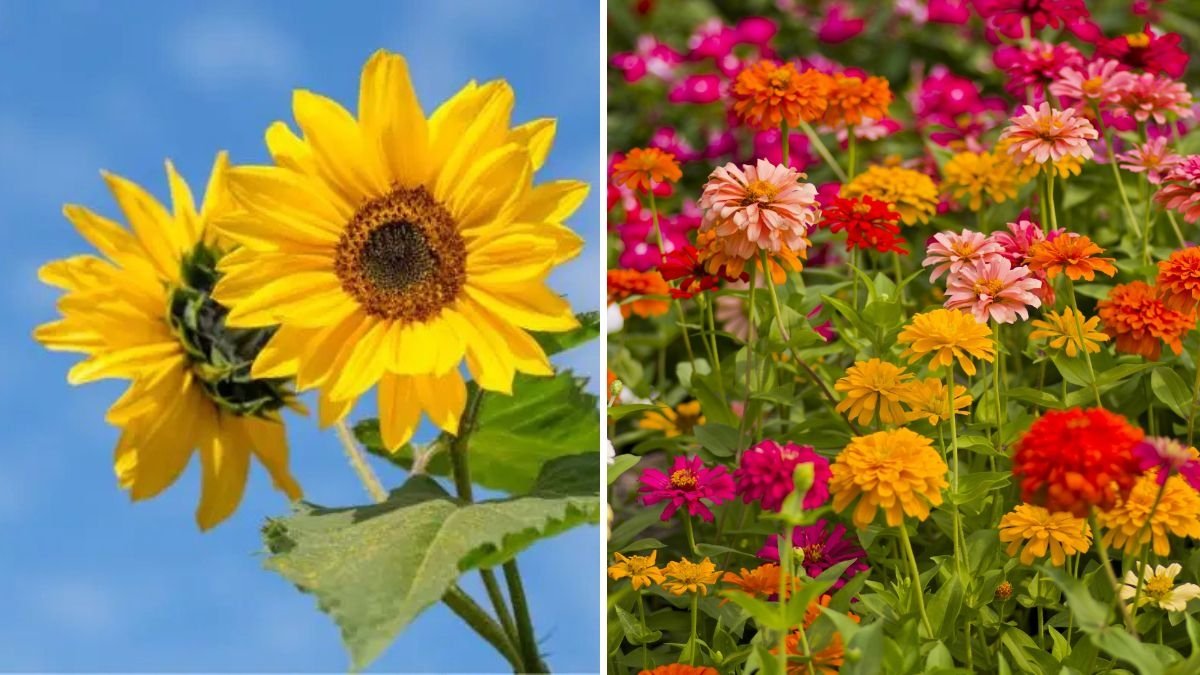
August can be a challenging time for gardeners. The heat of late summer, coupled with declining daylight hours, can make planting new flowers feel daunting. However, it is still possible to achieve a vibrant garden in just a few weeks by choosing fast-growing flowers that establish quickly, bloom abundantly, and thrive even in warm conditions. These flowers not only brighten your garden but also provide a sense of accomplishment when you see instant results.
In this guide, we explore five fast-growing flowers that are perfect for planting in August, how to care for them, and tips for maximizing color and bloom.
Why Choose Fast-Growing Flowers in Late Summer
Planting fast-growing flowers in August offers several advantages:
- Instant Gratification – See blooms in weeks rather than months, providing a quick burst of color.
- Flexibility – Ideal for filling gaps in existing flower beds or refreshing tired landscapes.
- Pollinator Support – Many fast-blooming flowers attract bees, butterflies, and other beneficial insects.
- Seasonal Extension – Certain flowers continue blooming into fall, extending garden color.
By selecting the right species, you can transform a garden that feels empty or worn from summer heat into a lively, colorful oasis.
1. Zinnias: Bold, Vibrant, and Easy to Grow

Zinnias are among the most popular late-summer flowers due to their rapid growth and striking colors.
- Growth Rate – Zinnias germinate within 5–7 days and produce blooms in 3–4 weeks.
- Appearance – Available in shades of red, pink, orange, yellow, and white, with both single and double blooms.
- Light and Soil Requirements – Full sun and well-draining soil with moderate fertility. Avoid heavy, soggy soil.
- Care Tips – Deadhead spent blooms to encourage continuous flowering. Space plants 8–12 inches apart for proper airflow.
- Additional Benefits – Attracts butterflies and hummingbirds, enhancing garden activity.
Expert Tip: Zinnias are heat-tolerant, making them ideal for August planting in warmer regions.
2. Calendula (Pot Marigold): Cheerful Orange and Yellow Blooms

Calendula, also known as pot marigold, is a fast-growing flower that thrives in late summer conditions.
- Growth Rate – Germinates in 7–14 days and blooms in as little as 4–6 weeks.
- Appearance – Bright orange, yellow, or gold flowers that add cheerful accents to gardens.
- Soil and Water Needs – Prefers well-draining soil and regular watering to maintain vibrant blooms.
- Care Tips – Deadhead regularly to prolong flowering. Calendula is relatively pest-resistant and low-maintenance.
- Additional Benefits – Flowers are edible and can be used in salads, teas, and garnishes.
Expert Tip: Calendula tolerates cooler nights, allowing blooms to persist into early fall.
3. Sunflowers (Dwarf and Fast-Growing Varieties): Tall and Bold Statements

Sunflowers are iconic summer flowers that bring instant height and drama to any garden.
- Growth Rate – Dwarf varieties germinate in 7–10 days and bloom in 6–8 weeks.
- Appearance – Bright yellow, daisy-like blooms with a dark central disk. Tall varieties can reach 6–8 feet, while dwarf types stay 1–3 feet tall.
- Light Requirements – Full sun is essential; sunflowers thrive in direct sunlight for at least 6–8 hours per day.
- Care Tips – Provide a trellis or support for taller varieties. Ensure regular watering, especially during initial growth stages.
- Additional Benefits – Sunflowers attract pollinators and produce seeds for birds or human consumption.
Expert Tip: Dwarf sunflowers are perfect for containers or small garden beds, offering quick blooms without overwhelming space.
4. Cosmos: Delicate, Airy Blooms for a Natural Look

Cosmos are fast-growing, daisy-like flowers with a soft, airy appearance that adds movement and color to gardens.
- Growth Rate – Germination in 7–10 days and flowering in 5–7 weeks.
- Appearance – Available in pink, white, orange, and red shades with finely divided foliage.
- Soil and Light Needs – Tolerant of poor soil but prefer well-draining conditions. Full sun ensures prolific blooms.
- Care Tips – Deadhead frequently to maintain continuous flowering. Cosmos self-seed easily, providing future blooms.
- Additional Benefits – Attracts butterflies, bees, and other pollinators.
Expert Tip: Cosmos are excellent for filling in gaps and creating a “wildflower” effect in the garden.
5. Nasturtiums: Edible, Colorful, and Pest-Resistant
Nasturtiums are versatile, fast-growing flowers that bring color and function to your garden.
- Growth Rate – Germinates in 7–10 days and blooms in 4–6 weeks.
- Appearance – Vibrant red, orange, and yellow blooms with rounded leaves.
- Soil and Sun Requirements – Grow best in moderately fertile, well-draining soil under full sun. Too much fertilizer can reduce flowering.
- Care Tips – Pinch back young plants to encourage bushy growth. Nasturtiums are excellent companion plants for vegetables, repelling pests naturally.
- Additional Benefits – Flowers and leaves are edible, adding color and peppery flavor to salads.
Expert Tip: Nasturtiums are low-maintenance and ideal for containers, hanging baskets, or garden beds.
Tips for Planting Fast-Growing Flowers in August

- Start from Seeds – Direct sowing is often faster and more economical than transplanting.
- Use Quality Soil – Enriched, well-draining soil ensures faster germination and strong growth.
- Water Consistently – Keep soil evenly moist during germination and early growth, then reduce slightly to prevent fungal issues.
- Provide Adequate Sunlight – Most fast-growing flowers need 6–8 hours of full sun for optimal blooms.
- Succession Planting – Stagger seed sowing every 1–2 weeks to maintain a continuous burst of color throughout late summer and early fall.
Common Mistakes to Avoid
- Planting Too Late – While August is suitable for fast-growers, planting in extremely hot or dry regions may reduce germination success.
- Overcrowding – Ensure proper spacing to prevent disease and allow airflow.
- Neglecting Deadheading – Removing spent flowers encourages continuous blooming.
- Ignoring Water Needs – Inconsistent watering can stunt growth and reduce flower quality.
- Fertilizing Excessively – High nitrogen levels promote foliage over flowers; use balanced or bloom-focused fertilizers.
Conclusion
Planting fast-growing flowers in August is a rewarding way to add instant beauty and vibrancy to your garden. Zinnias, calendula, sunflowers, cosmos, and nasturtiums are all excellent choices, providing color, pollinator support, and even edible options.
By understanding each plant’s growth requirements, sunlight preferences, and care tips, gardeners can enjoy quick blooms and a visually stunning late-summer garden. With proper watering, soil, and deadheading, these flowers can continue brightening your landscape well into fall.
Fast-growing flowers are perfect for gardeners who want immediate results, whether for containers, flower beds, or pollinator-friendly gardens. By planting these five species in August, you can transform an ordinary summer garden into a lush, colorful retreat in just a matter of weeks.

Leave A Comment