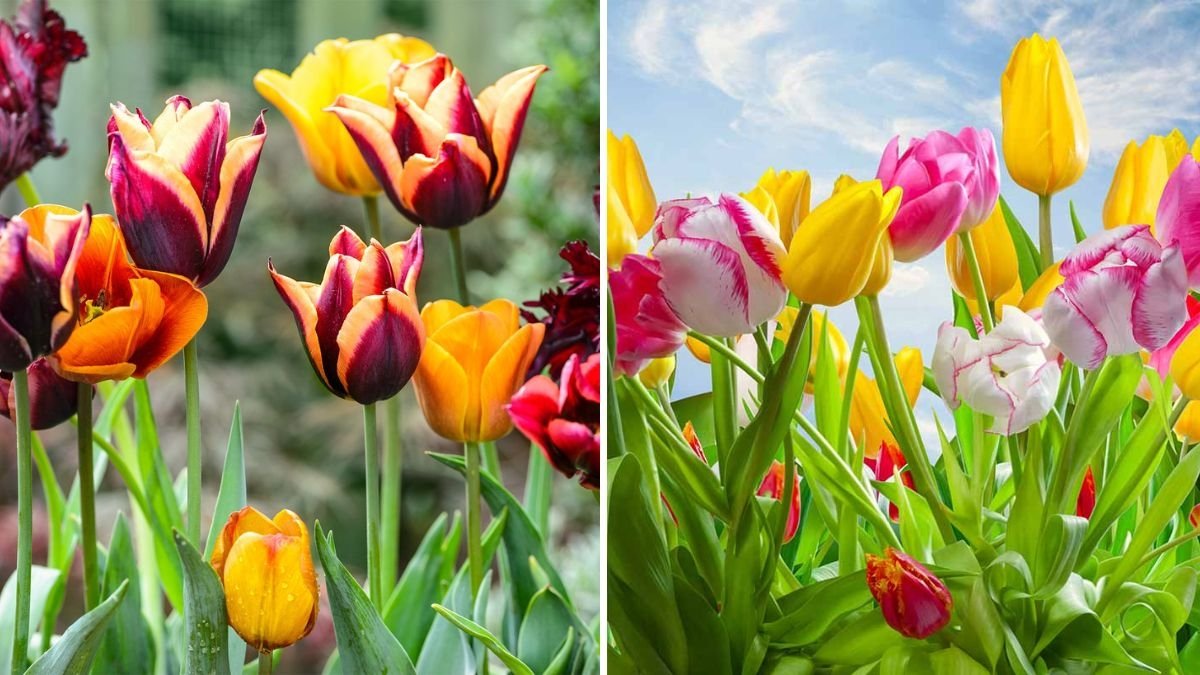
Tulips are among the most iconic and beloved spring flowers, known for their vibrant colors, elegant shapes, and ability to transform gardens into dazzling landscapes. Whether planted in borders, containers, or massed beds, tulips create a breathtaking display that signals the arrival of spring. However, achieving a stunning tulip display requires more than just choosing the right variety—it starts with planting at the optimal time.
In this guide, we explore the best time to plant tulip bulbs, how to prepare soil, select varieties, care for bulbs, and maximize blooms for a spectacular spring garden.
Why Timing Matters for Tulip Planting

Tulips are spring-blooming bulbs, which means their growth cycle depends on a period of cold dormancy. Planting at the correct time ensures that the bulbs:
- Develop Strong Roots – Adequate time in cool soil allows roots to grow before winter.
- Bloom Abundantly – Properly timed planting enhances flower size, color, and uniformity.
- Avoid Rot and Disease – Planting too early in warm soil increases the risk of bulb rot or fungal infections.
- Synchronize with Spring Conditions – Bulbs planted at the right time bloom when temperatures and daylight are ideal.
Timing is critical because tulips require a cool period of 12–16 weeks to break dormancy and bloom successfully.
The Ideal Planting Window

The best time to plant tulip bulbs generally depends on climate and soil temperature:
- Northern Climates (USDA Zones 3–7)
- Plant bulbs in mid-September to late October before the ground freezes.
- Soil temperatures should ideally be 45–60°F (7–16°C).
- Southern Climates (USDA Zones 8–10)
- Pre-chill bulbs in the refrigerator for 8–12 weeks before planting in late November to January.
- Avoid placing bulbs near fruits, as ethylene gas can damage them.
- General Rule – Plant bulbs 6–8 weeks before the first hard frost, allowing roots to establish before winter.
Expert Tip: Tulips require a cool period to bloom properly. In warmer regions, pre-chilling bulbs replicates winter conditions to ensure flowers develop in spring.
Choosing the Right Tulip Varieties
Tulips come in hundreds of varieties, offering a spectrum of colors, shapes, and bloom times. Consider the following for a stunning display:
- Early Bloomers – Tulipa ‘Apricot Beauty’ or ‘Strong Gold’ for blooms in early spring.
- Mid-Season Bloomers – Tulipa ‘Queen of Night’ or ‘Apeldoorn’ provide rich colors during peak spring.
- Late Bloomers – Tulipa ‘Angelique’ or ‘Rem’s Favorite’ extend the flowering season.
- Height and Form – Mix tall, single tulips with shorter, fringed or parrot varieties for texture and interest.
Planting Tip: Plant multiple varieties together to create continuous blooms throughout spring rather than a single flush.
Preparing the Soil for Tulips

Tulips thrive in well-drained, fertile soil. Proper soil preparation ensures strong growth and abundant blooms:
- Soil Type – Light, sandy, or loamy soil is ideal. Avoid heavy clay, which retains moisture and promotes bulb rot.
- Soil pH – Slightly acidic to neutral soil (6.0–7.0) is preferred.
- Amending Soil – Incorporate organic matter such as compost, well-rotted manure, or bulb fertilizer to improve fertility and drainage.
- Raised Beds or Mounds – In areas with heavy rainfall, plant bulbs in raised beds to prevent standing water.
Planting Tulip Bulbs

Follow these steps to ensure tulips thrive:
- Depth and Spacing
- Plant bulbs 6–8 inches deep (measured from the base of the bulb).
- Space bulbs 4–6 inches apart for small bulbs and 6–8 inches for larger bulbs.
- Orientation
- Place bulbs pointed end up. Roots grow downward while the flower stems grow upward.
- Watering
- Water bulbs thoroughly after planting to encourage root development.
- Avoid overwatering; tulip bulbs do not like soggy soil.
- Mulching
- Apply a 2–3 inch layer of mulch to regulate soil temperature, retain moisture, and protect bulbs from frost.
Caring for Tulips Through Winter

Once planted, tulips require minimal care until spring:
- Temperature Needs – A cold period of 12–16 weeks is essential for flowering.
- Protection from Animals – Tulip bulbs are susceptible to squirrels, deer, and rodents. Use chicken wire or repellents to prevent digging.
- Avoid Fertilizing in Winter – Fertilize in fall at planting time or early spring when shoots appear.
Spring Care for a Stunning Display
Proper care in early spring ensures vibrant blooms:
- Watering – Water sparingly; tulips generally rely on winter moisture. Excess water can lead to fungal disease.
- Fertilizing – Apply a low-nitrogen fertilizer at the base of emerging shoots to support flowering.
- Supporting Tall Varieties – Stake tall tulips if heavy blooms or wind threatens stems.
- Deadheading – Remove spent blooms to encourage bulb energy storage for the next season. Avoid cutting foliage too early; leaves should die back naturally to replenish the bulb.
Common Mistakes to Avoid
- Planting Too Shallow or Too Deep – Shallow planting risks frost damage; too deep delays or prevents blooming.
- Ignoring Soil Drainage – Waterlogged bulbs are prone to rot.
- Late Planting – Planting after the optimal window may result in poor root development and weak blooms.
- Over-Fertilizing – Excess nitrogen can lead to lush foliage but weak flowers.
- Premature Leaf Removal – Cutting leaves too early prevents energy storage, reducing next year’s bloom quality.
Extending Your Tulip Display
To maximize visual impact:
- Plant in Drifts or Groups – Massed bulbs create a stronger visual effect than single rows.
- Mix Heights and Colors – Combine early, mid, and late-blooming varieties to extend the flowering season.
- Companion Planting – Pair tulips with low-growing perennials or groundcovers like pansies, forget-me-nots, or creeping phlox to hide fading foliage and maintain color in the garden.
- Succession Planting – Plant additional bulbs in late fall for staggered blooming.
Conclusion
Tulips are the crown jewels of spring gardens, and their beauty starts with planting at the right time. By understanding the optimal planting window, selecting the right varieties, preparing well-drained soil, and following proper care techniques, gardeners can ensure a stunning display of color each spring.
Planting bulbs in mid-September to late October in cooler climates—or pre-chilling bulbs in warmer regions—sets the stage for vigorous growth, strong roots, and abundant flowers. Combine early, mid, and late-blooming varieties for continuous spring color, and pay attention to soil, watering, and deadheading practices for long-lasting beauty.
With careful planning and attention to detail, tulips will reward gardeners with brilliant blooms, elegant form, and a sense of seasonal delight, making every spring garden a show-stopping spectacle.

Leave A Comment