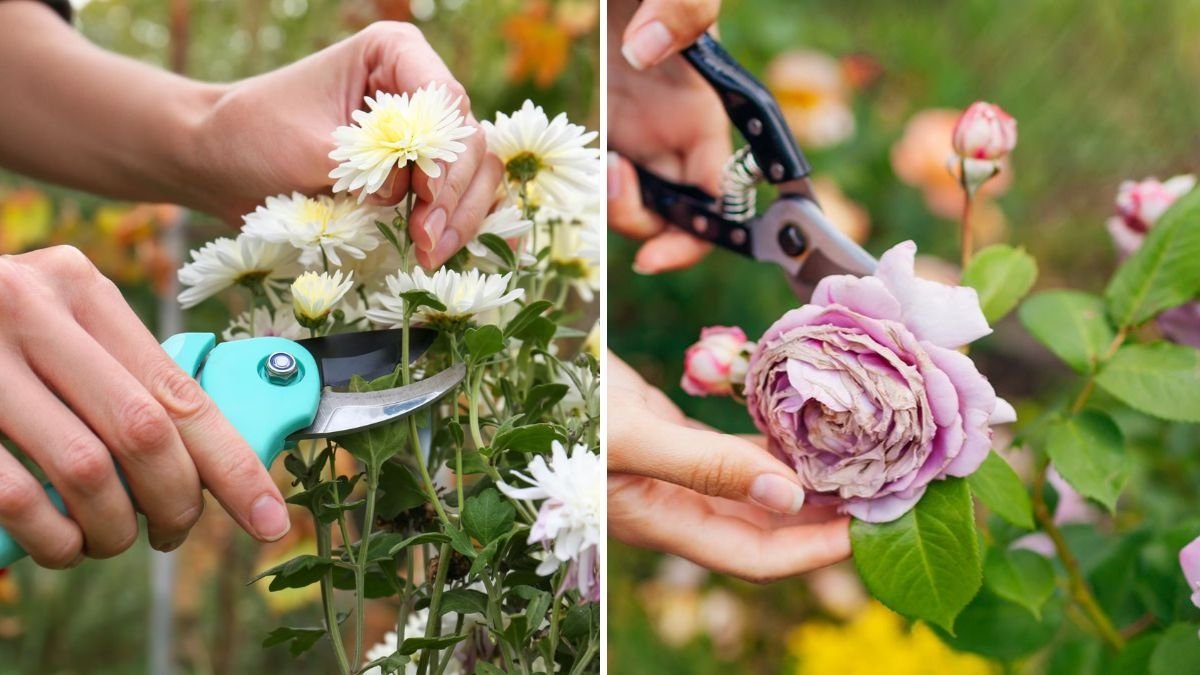
Chrysanthemums, commonly known as mums, are a staple of fall gardens, prized for their vibrant colors, long-lasting blooms, and ability to brighten landscapes as summer fades. As the season progresses, many gardeners wonder whether deadheading—removing spent flowers—is necessary to maintain mum health and ensure continuous blooming. Garden experts agree that deadheading can play a significant role in plant vitality, bloom longevity, and overall garden aesthetics. This article delves into the science, techniques, and best practices of deadheading mums, providing a comprehensive guide for gardeners seeking the most vibrant displays.
Understanding Deadheading
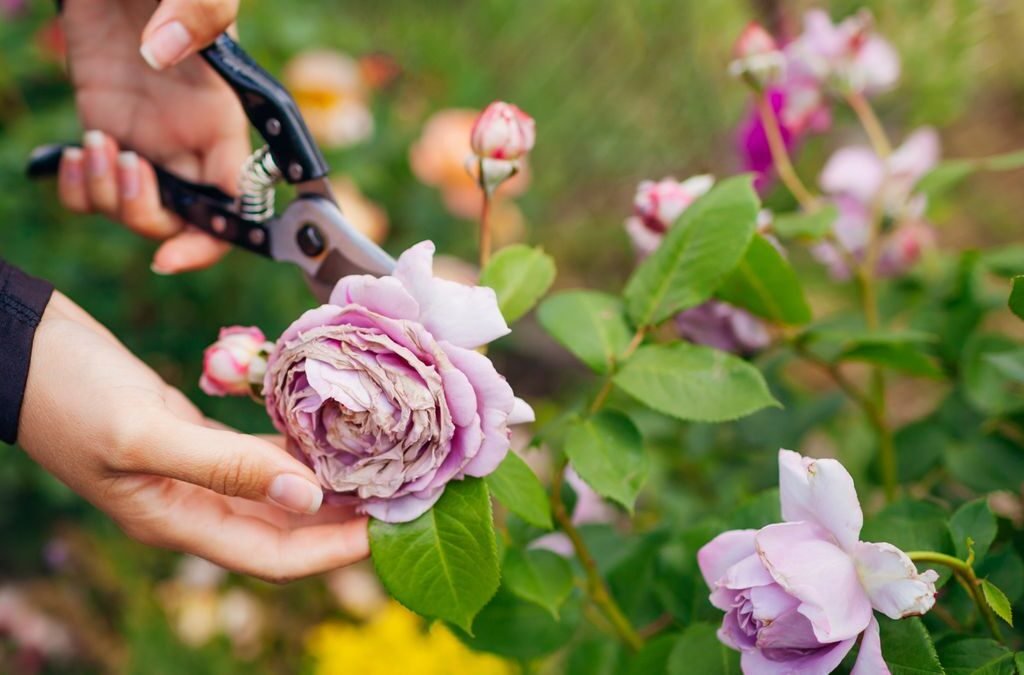
Deadheading is the practice of removing faded or spent flowers from a plant. While it may seem purely cosmetic, deadheading serves several important purposes:
- Encourages more blooms: Many plants, including mums, produce additional flowers when old blooms are removed.
- Redirects energy: By removing spent flowers, the plant can redirect energy from seed production to vegetative growth and new flower development.
- Improves appearance: Deadheading keeps plants looking tidy and vibrant, maintaining a neat garden display.
- Prevents disease: Old, decaying flowers can harbor fungal spores or attract pests.
For mums, understanding when and how to deadhead is key to maximizing flower display and plant health.
Should You Deadhead Mums?
The answer depends on your gardening goals and the type of mums you are growing.
1. Garden-Aesthetic Goals
If your goal is to maintain a beautiful, tidy garden display throughout the fall, deadheading is highly recommended. Removing faded blooms helps keep the plant looking fresh and encourages continuous flowering.
2. Seed Production
If you want your mums to self-seed or produce viable seeds, avoid deadheading spent flowers. Allowing flowers to go to seed enables reproduction but may reduce the energy available for additional blooms.
3. Perennial Health
Many gardeners grow mums as perennials. For perennial mums, deadheading spent flowers in late summer and fall can support the plant’s overall health by preventing energy loss and reducing the risk of disease.
How Deadheading Works
Deadheading triggers hormonal changes within the plant. When a flower is spent, the plant naturally diverts nutrients to seed development. By removing the flower, you interrupt this process and signal the plant to continue producing blooms instead.
Experts note that for chrysanthemums, deadheading can extend flowering time by several weeks, resulting in a more spectacular fall display. It also prevents flowers from turning brown and unattractive, maintaining visual appeal throughout the season.
When to Deadhead Mums
Timing is crucial for effective deadheading. Follow these guidelines:
- Late summer to fall: Begin deadheading when the first blooms start to fade. Regular removal of spent flowers throughout the blooming season is ideal.
- Avoid early season removal: Deadheading too early in the season, when many buds have not yet developed, can reduce overall bloom production.
- Monitor bloom stages: Focus on flowers that are fully faded, brown, or wilted. Flowers that are just starting to fade can be left to mature slightly before removal.
By deadheading at the right time, gardeners ensure that mums maintain peak performance without stressing the plant.
How to Deadhead Mums Correctly
Deadheading is simple but requires attention to detail to avoid damaging the plant. Here’s a step-by-step guide:
Tools Needed:
- Pruning shears or scissors: Sharp and clean to make precise cuts.
- Gloves: Optional, for gardeners sensitive to sap or rough stems.
- Disinfectant: To clean tools and prevent disease spread.
Deadheading Steps:
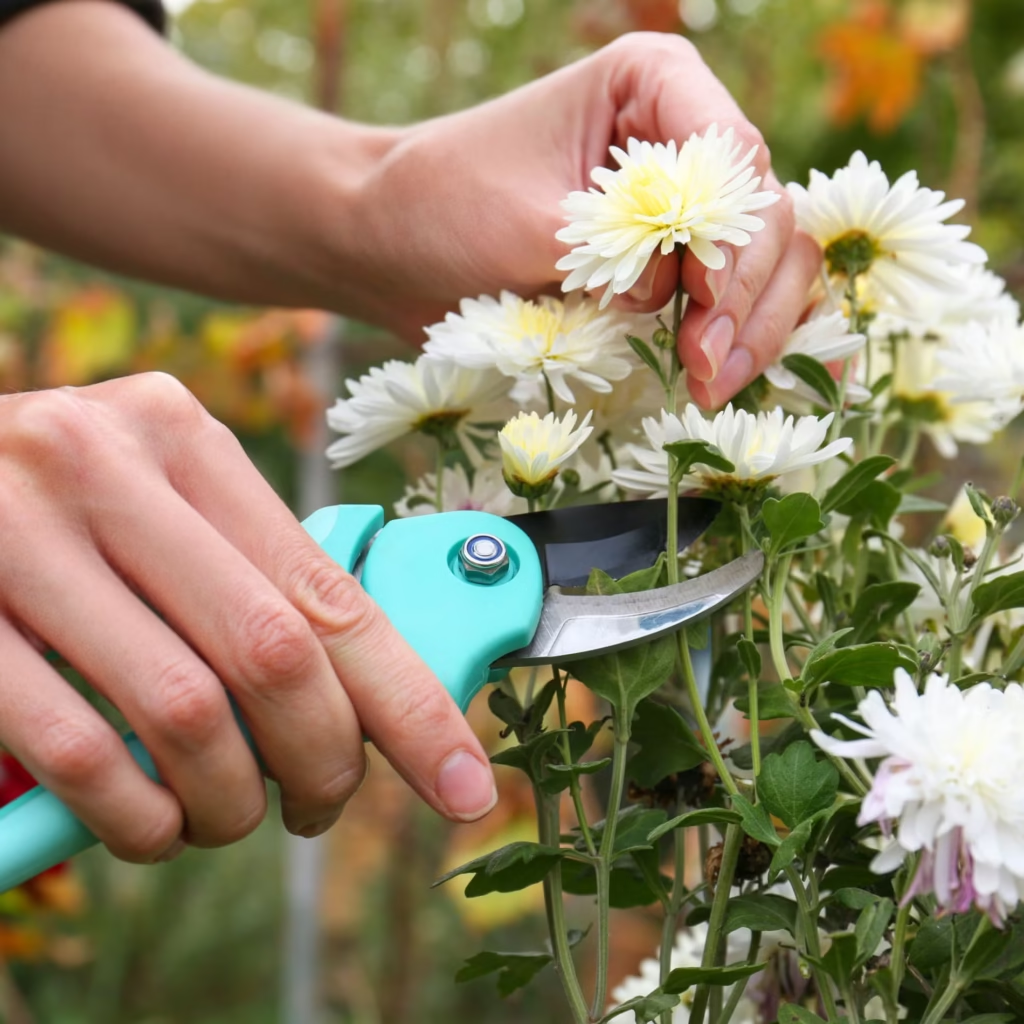
- Identify spent blooms: Look for flowers that are brown, shriveled, or no longer vibrant.
- Locate the stem junction: Find where the spent flower stem meets a lateral branch or main stem.
- Cut just above a leaf node: Make a clean cut about ¼ inch above a leaf or lateral bud. This encourages new growth.
- Remove debris: Collect faded flowers and dispose of them to prevent fungal disease.
- Repeat regularly: Check the plant weekly for spent blooms to maintain continuous flowering.
Expert tip: Avoid cutting into main stems or healthy buds, as this can stunt growth or reduce future blooms.
Benefits of Deadheading Mums
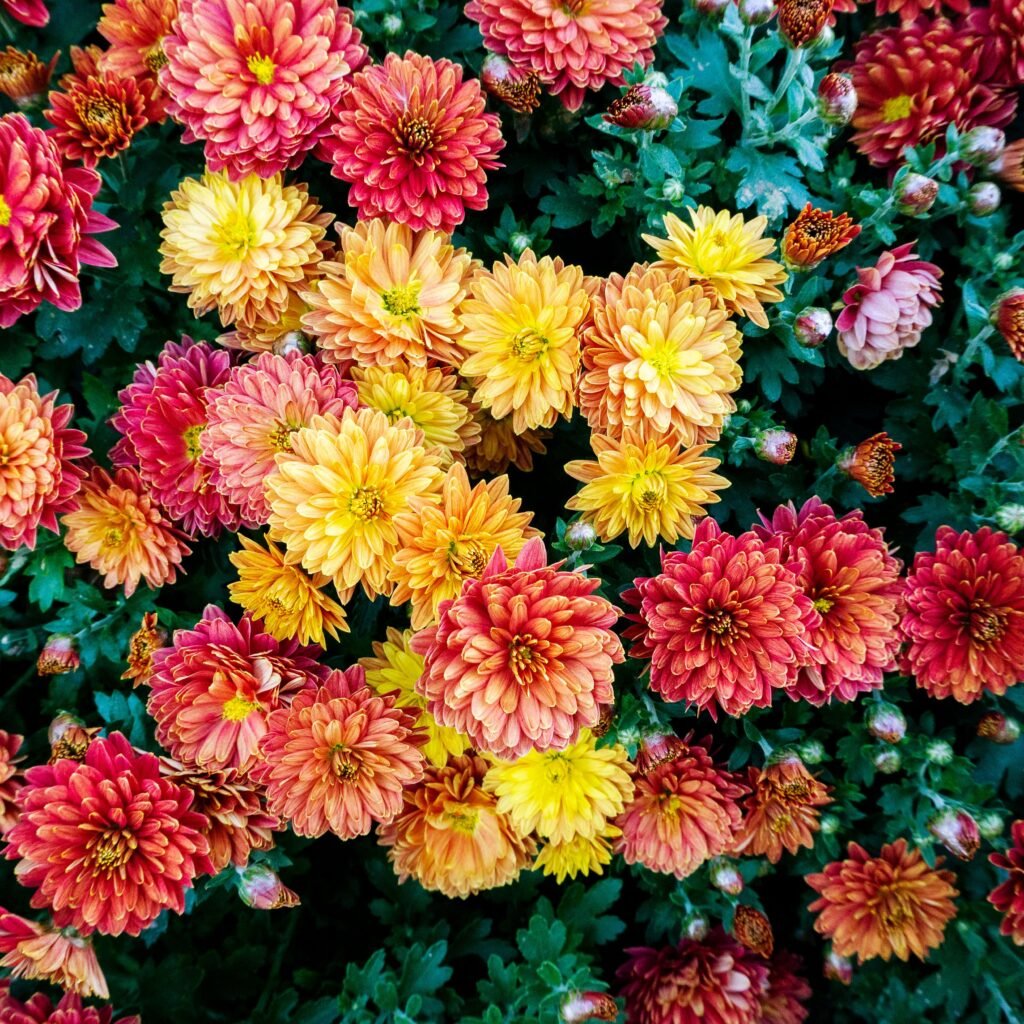
Deadheading provides both aesthetic and physiological benefits:
- Longer Bloom Period: By redirecting energy from seed production to new blooms, mums can produce flowers well into late fall.
- Tidy Appearance: Regular removal of faded flowers keeps plants looking fresh and visually appealing.
- Healthier Plants: Deadheading reduces the likelihood of fungal infections and deters pests attracted to decaying blooms.
- Enhanced Nutrient Use: The plant can use nutrients more efficiently, supporting stronger stems and foliage.
- Encourages Bushier Growth: Cutting spent flowers can stimulate lateral branching, resulting in fuller, denser plants.
Garden experts often cite these benefits as reasons why deadheading is considered an essential practice for maintaining top-performing mums.
Common Mistakes to Avoid
Even experienced gardeners can make mistakes when deadheading mums. Common pitfalls include:
- Cutting too low: Removing too much of the stem can damage the plant and reduce flowering potential.
- Deadheading too early or too late: Premature removal may remove developing buds, while waiting too long reduces energy efficiency.
- Neglecting tool hygiene: Unclean tools can transmit disease between plants.
- Ignoring plant signals: Some mums naturally slow flowering near the season’s end; over-pruning can stress the plant.
Being mindful of these mistakes ensures that deadheading promotes health rather than harming the plant.
Alternatives to Deadheading
While deadheading is effective, there are some alternatives or complementary practices:
- Pinching: Early in the growing season, pinching back tips of new growth encourages bushier plants and more blooms.
- Pruning after frost: For perennial mums, cutting back the entire plant after the first hard frost prepares it for winter and promotes vigorous growth next season.
- Mulching: Adding mulch around the base protects roots and improves overall plant health.
These methods work in conjunction with deadheading to support vibrant, healthy chrysanthemums.
Expert Recommendations
Garden experts generally agree:
- For showy, decorative mums: Deadheading is recommended to maximize flowering and visual appeal.
- For seed collection: Allow flowers to go to seed if propagation is desired.
- For perennial health: Combine deadheading with seasonal pruning and mulching for long-term plant vitality.
Experts emphasize that understanding your gardening goals—whether aesthetic, propagation, or plant health—is the key to deciding when and how to deadhead.
Conclusion
Deadheading chrysanthemums is more than a simple garden chore—it’s a strategic practice that enhances bloom longevity, plant health, and overall garden aesthetics. Garden experts agree that regular removal of spent flowers redirects the plant’s energy to producing new blooms, resulting in more vibrant, long-lasting floral displays.
Whether you are growing mums for decorative appeal, garden competitions, or simply to enjoy a colorful fall garden, understanding the principles of deadheading ensures you get the most out of your plants. By following proper techniques, timing the removal correctly, and complementing deadheading with pinching, pruning, and mulching, gardeners can enjoy healthy, bushy, and profusely blooming chrysanthemums year after year.
Ultimately, the answer is clear: if your goal is a spectacular fall display and healthy plants, yes—deadhead your mums. It’s a small effort that yields impressive results, keeping your garden vibrant, colorful, and thriving throughout the season.

Leave A Comment