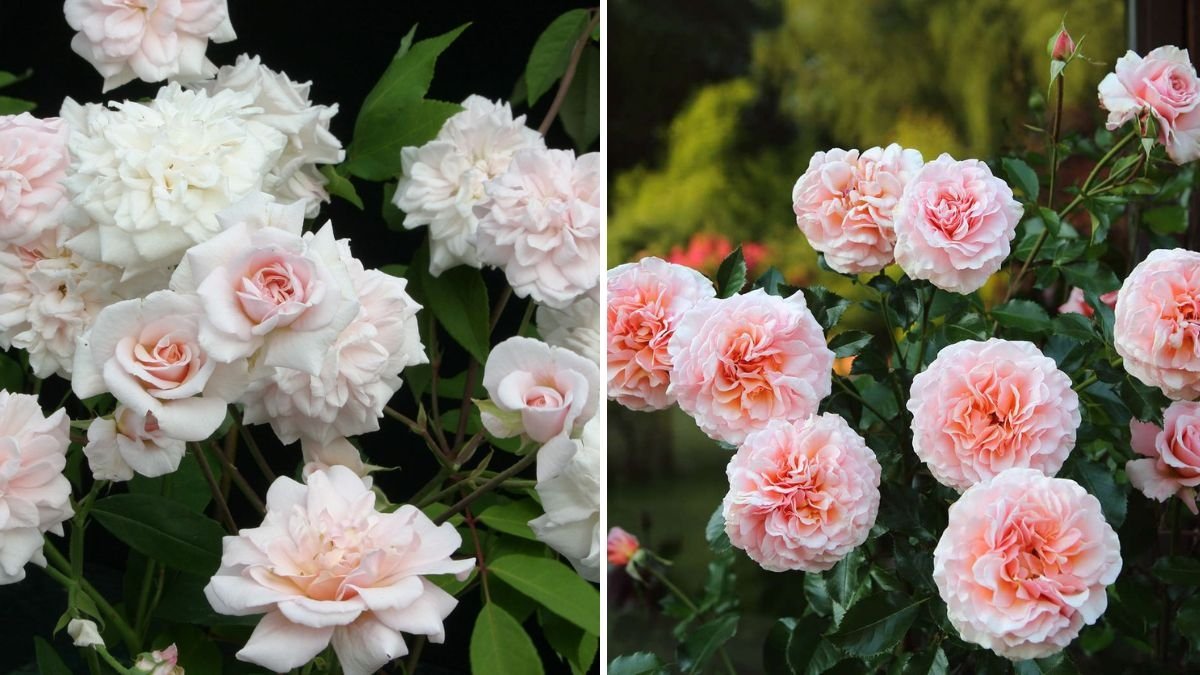
Roses are one of the most iconic and beloved flowers in gardens worldwide. Known for their stunning colors, intoxicating fragrance, and symbolic beauty, roses require more than just sunlight and water to thrive—they need proper nutrition to produce bigger, healthier blooms. Fertilization plays a key role in ensuring that rose plants have the essential nutrients for strong growth, vibrant flowers, and disease resistance.
In this guide, we explore how often to fertilize roses, the types of fertilizers available, seasonal fertilization schedules, and best practices to maintain lush, blooming rose gardens.
Why Fertilizing Roses Matters
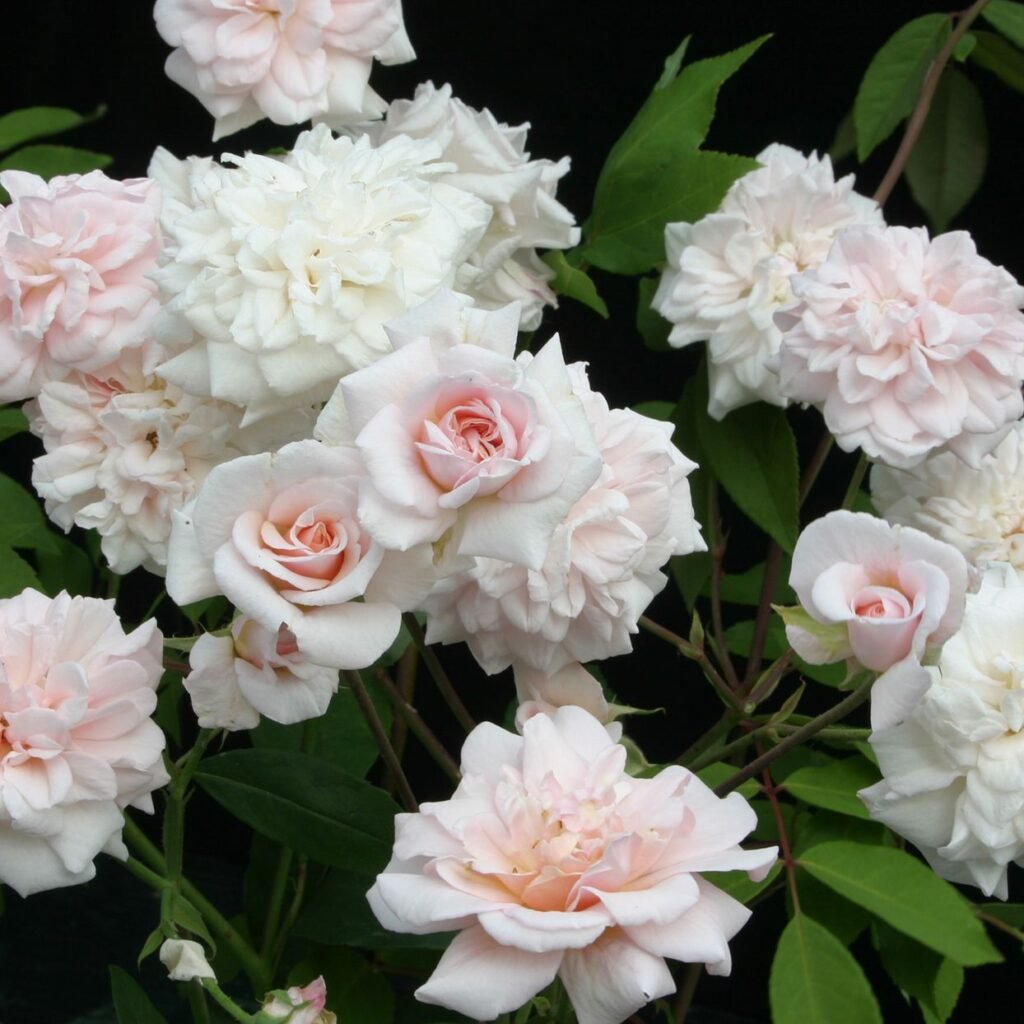
Roses are heavy feeders. Without adequate nutrients, even the healthiest rose varieties may produce small flowers, weak stems, and poor foliage. Fertilizing roses:
- Promotes Flower Production – Ensures bigger, more abundant blooms throughout the growing season.
- Supports Root and Stem Growth – Strengthens the plant for better resilience against pests, diseases, and harsh weather.
- Enhances Leaf Health – Vibrant, deep-green leaves are an indicator of a healthy, well-nourished rose.
- Prevents Nutrient Deficiencies – Yellowing leaves, stunted growth, or poor flowering often indicate nutrient shortages.
Proper fertilization keeps roses in peak health, maximizing both beauty and longevity.
Understanding Rose Nutrient Needs
Roses require three primary macronutrients:
- Nitrogen (N) – Promotes leafy growth and lush foliage.
- Phosphorus (P) – Encourages strong root development and flower formation.
- Potassium (K) – Enhances overall plant health, disease resistance, and bloom quality.
In addition, roses benefit from micronutrients such as iron, magnesium, and calcium, which contribute to vibrant foliage and strong stems.
Types of Fertilizers for Roses
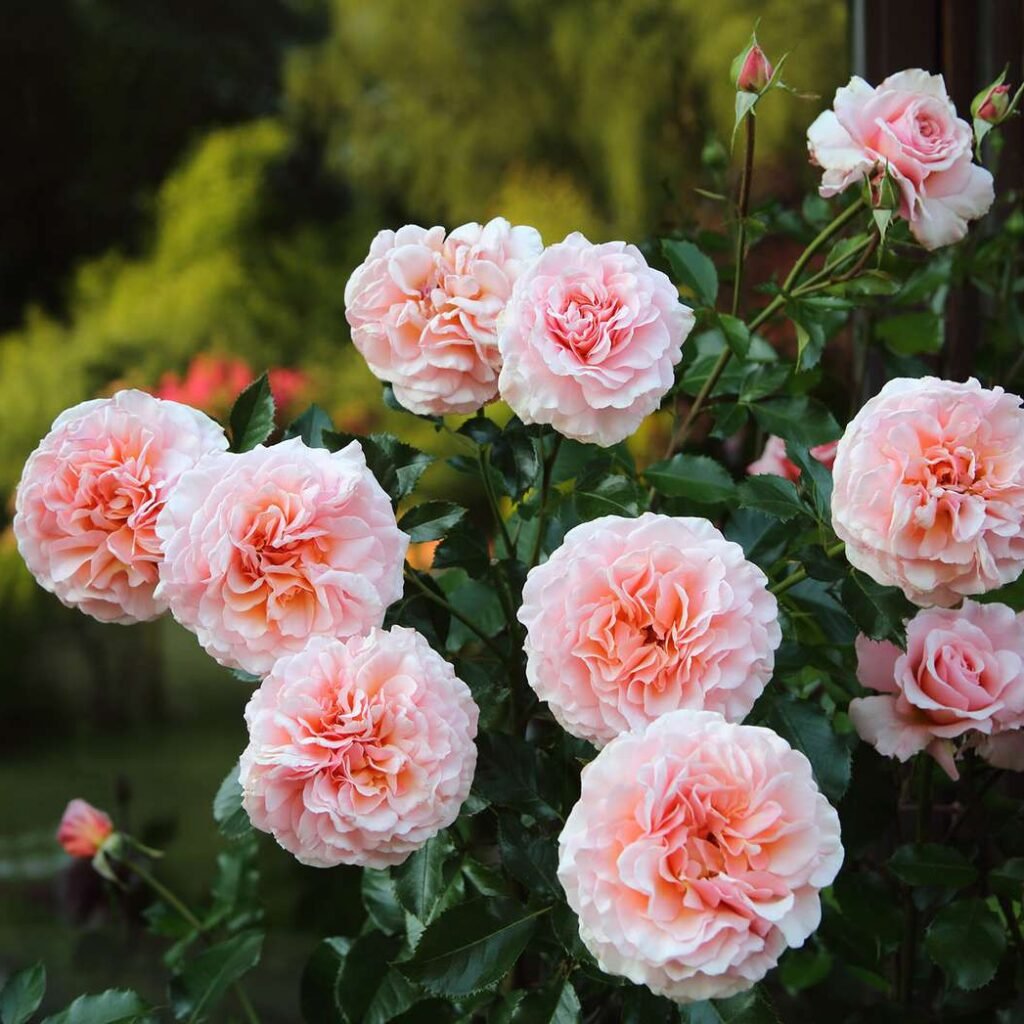
Selecting the right fertilizer is crucial for consistent growth and flowering. Options include:
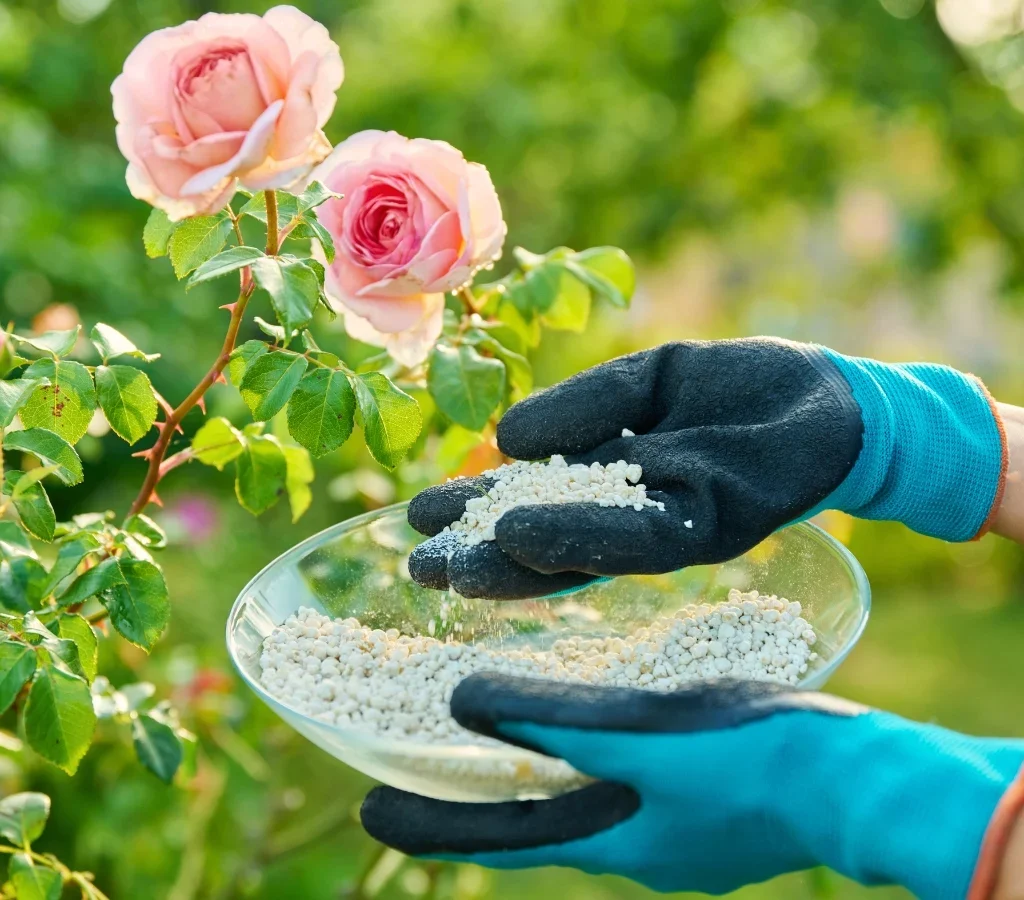
- Granular Fertilizers – Slow-release, easy to apply, and provide nutrients over several weeks. Examples: balanced 10-10-10 or rose-specific formulations.
- Liquid Fertilizers – Fast-acting and ideal for boosting blooms during peak flowering. Apply every 2–4 weeks for immediate nutrient absorption.
- Organic Fertilizers – Composted manure, bone meal, fish emulsion, or seaweed extracts improve soil fertility naturally and enhance microbial activity.
- Specialized Rose Fertilizers – Formulated for roses, often with added micronutrients for optimal growth and flower production.
Expert Tip: Combining organic and synthetic fertilizers can provide immediate nutrition and long-term soil improvement.
How Often to Fertilize Roses
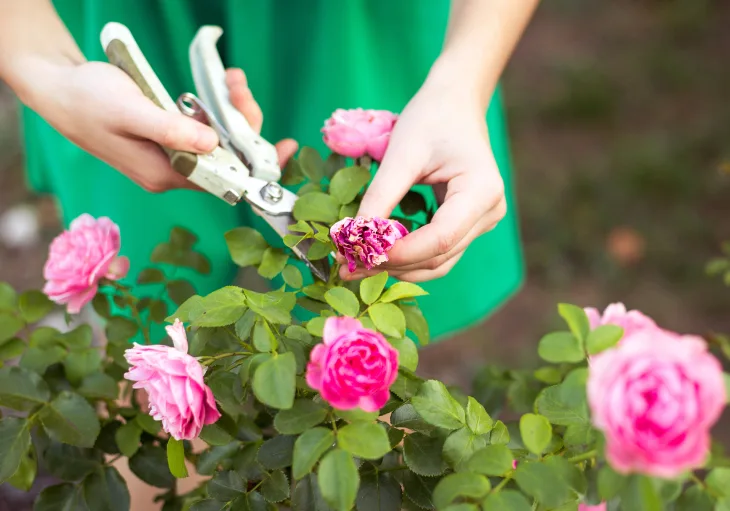
The frequency of fertilization depends on the rose variety, soil fertility, and climate:
1. Newly Planted Roses
- Avoid fertilizing immediately after planting.
- Wait 4–6 weeks to allow roots to establish.
- Apply a light dose of balanced fertilizer to encourage early growth.
2. Established Roses
- Fertilize every 4–6 weeks from early spring through late summer.
- Stop fertilizing 6–8 weeks before the first expected frost to allow plants to harden off for winter.
3. Liquid Fertilizer Boost
- Apply liquid fertilizers every 2–3 weeks during active flowering periods for bigger, more vibrant blooms.
4. Seasonal Considerations
- Spring: Apply a balanced fertilizer as new growth emerges.
- Early Summer: Fertilize when the first flush of flowers appears.
- Mid-Summer: Provide additional feeding for continuous bloom.
- Late Summer/Fall: Avoid heavy fertilization to prevent tender new growth susceptible to frost.
Expert Insight: Regular feeding encourages a succession of blooms rather than a single peak flowering period.
Tips for Effective Fertilization
- Apply Fertilizer Around the Base – Spread evenly around the drip line, where roots actively absorb nutrients.
- Water After Fertilizing – Ensures nutrients penetrate the soil and prevents fertilizer burn.
- Follow Manufacturer Instructions – Over-fertilizing can damage roots, foliage, and flowers.
- Combine with Mulching – Organic mulch retains moisture, regulates soil temperature, and slowly adds nutrients.
- Monitor Plant Response – Adjust fertilizer type or frequency based on growth, leaf color, and bloom production.
Common Fertilization Mistakes to Avoid
- Over-Fertilizing – Leads to lush foliage but fewer blooms and increased susceptibility to pests and diseases.
- Under-Fertilizing – Results in weak growth, smaller flowers, and yellowing leaves.
- Ignoring Soil Health – Fertilizers are less effective in compacted or nutrient-depleted soil. Amend soil with compost regularly.
- Fertilizing at the Wrong Time – Avoid late-season feeding that encourages tender growth vulnerable to frost.
- Using the Wrong Type – Not all fertilizers are suitable for roses; choose balanced, rose-specific, or organic options.
Enhancing Fertilization with Companion Practices
- Pruning – Prune dead or weak stems in early spring to direct nutrients toward healthy growth and flower production.
- Mulching – Organic mulch improves nutrient retention, reduces water evaporation, and moderates soil temperature.
- Soil Testing – Test soil pH (ideal 6.0–6.5) and nutrient levels to customize fertilization schedules.
- Pest and Disease Management – Healthy roses absorb nutrients efficiently; controlling pests and diseases is critical for optimal growth.
Organic Fertilizer Options for Healthier Roses
- Composted Manure – Rich in nitrogen and organic matter.
- Bone Meal – Provides phosphorus for strong root and bloom development.
- Fish Emulsion – Quick-acting liquid fertilizer that stimulates rapid growth and flowering.
- Seaweed Extract – Supplies trace minerals, encourages strong roots, and improves disease resistance.
Expert Tip: Organic fertilizers improve soil structure over time, making roses more resilient and reducing the need for chemical fertilizers.
Conclusion
Fertilizing roses correctly is key to achieving bigger, healthier blooms and maintaining a vibrant, long-lasting garden display. Understanding rose nutrient requirements, selecting the right fertilizer, and following a proper fertilization schedule ensures strong roots, lush foliage, and abundant flowers from spring through late summer.
For newly planted roses, wait 4–6 weeks before the first light feeding. Established roses benefit from fertilization every 4–6 weeks, with liquid fertilizer boosts every 2–3 weeks during peak flowering. Avoid late-season fertilization to protect the plant from frost damage.
By combining regular fertilization with proper watering, pruning, mulching, and soil care, gardeners can maximize the potential of their roses. This holistic approach produces vibrant blooms, healthy foliage, and long-lasting plants, making your rose garden the centerpiece of seasonal beauty and fragrance.

Leave A Comment