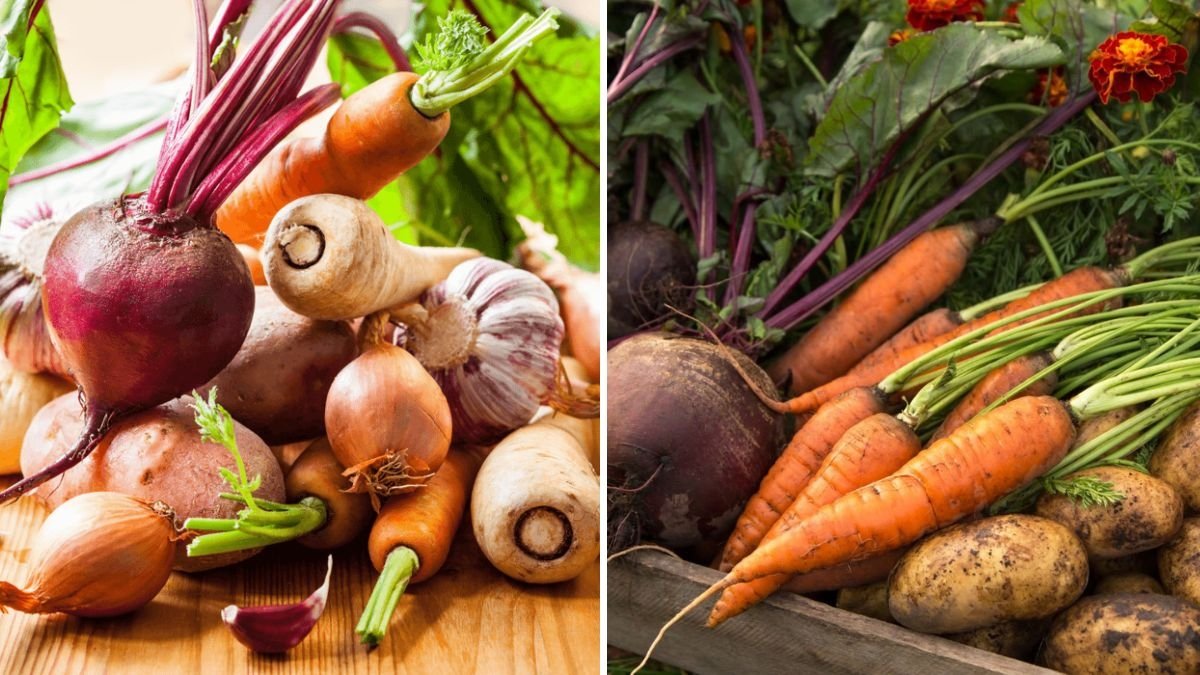
Root vegetables are a cornerstone of home gardens, providing nutritious, versatile crops like carrots, beets, radishes, turnips, parsnips, and sweet potatoes. However, their quality, taste, and storage life depend heavily on proper harvesting techniques. Harvesting too early or too late, or using incorrect methods, can damage the vegetable, reduce yield, and shorten shelf life.
This guide provides a comprehensive approach to harvesting root vegetables properly, including timing, techniques, tools, storage, and post-harvest handling.
Understanding Root Vegetable Growth

Root vegetables develop underground, absorbing nutrients and moisture to grow firm, flavorful roots. Their growth stages influence when and how they should be harvested:
- Early growth: Small roots may be tender but underdeveloped. Some, like radishes, are ideal at this stage for a crisp texture.
- Mature roots: Fully grown roots have reached peak flavor, size, and nutrient density.
- Late or over-mature roots: Prolonged growth may cause woody texture, fibrousness, or splitting.
Knowing the growth stage of each vegetable is crucial for timely and proper harvesting.
Timing the Harvest

1. Carrots
- Ready 60–80 days after sowing, depending on variety.
- Pull when roots reach 1/2 to 1 inch in diameter for small varieties, or 1–2 inches for larger types.
- Harvesting after frost improves flavor but may reduce texture in some climates.
2. Beets
- Harvest small roots (1–2 inches) for tender greens and roots.
- Larger roots (2–3 inches) provide robust storage options.
- Avoid leaving them in soil too long to prevent toughness.
3. Radishes
- Quick-growing; typically 25–35 days to maturity.
- Harvest promptly when roots are 1 inch in diameter to avoid pithy texture.
4. Turnips and Rutabagas
- Turnips: 2–3 inches in diameter, typically 50–60 days.
- Rutabagas: 3–5 inches, longer season; store well after frost for improved sweetness.
5. Parsnips
- Require a long growing season (120–180 days).
- Harvest after first frost for sweeter flavor, as cold converts starches to sugar.
6. Sweet Potatoes
- Harvest 90–120 days after planting, before frost.
- Cure roots in a warm, humid environment for 7–10 days to enhance flavor and storage life.
Proper timing ensures maximum flavor, tenderness, and nutrient retention.
Harvesting Techniques

Proper technique prevents damage and maximizes yield:
Hand-Pulling
- Ideal for small or loose-soil root vegetables like radishes and carrots.
- Gently loosen soil around the root with hands before pulling straight up.
- Avoid twisting aggressively, which may snap or bruise the root.
Using Garden Forks or Spades
- Suitable for larger or compacted soils.
- Loosen soil 2–3 inches away from the root to prevent cutting or bruising.
- Lift gently, supporting the root while removing it from the soil.
Cutting Greens
- Some root vegetables, like beets and turnips, allow cutting greens while leaving roots in soil.
- Harvest greens early for tender salads without disturbing the root.
Specialized Tools
- Hori-hori knife: Useful for loosening soil and lifting delicate roots.
- Root lifter: Provides leverage for deep or heavy roots like parsnips.
Using proper techniques ensures roots remain intact, undamaged, and suitable for storage.
Post-Harvest Handling
How root vegetables are handled after harvest greatly affects quality, flavor, and storage life.
Cleaning
- Shake off loose soil; avoid excessive washing for long-term storage.
- Brush soil gently instead of scrubbing, as bruising encourages rot.
- Only wash vegetables intended for immediate use.
Curing
- Certain root crops like sweet potatoes, beets, and carrots benefit from curing.
- Curing involves keeping roots at moderate temperature and humidity for several days to toughen skin and heal minor damage.
- Improves storage life and flavor.
Storage
- Carrots and parsnips: Store in sand or moist peat in a cool, dark place (32–40°F).
- Beets and turnips: Trim tops to 1–2 inches, store in perforated bags in cool, humid conditions.
- Sweet potatoes: Cure first, then store at 55–60°F in darkness.
- Radishes: Best used fresh; can be stored 1–2 weeks in the refrigerator.
Proper storage preserves nutrients, prevents rot, and extends shelf life.
Signs of Overripe or Damaged Roots

Identifying roots that are no longer suitable for storage helps maintain quality:
- Cracking or splitting: Indicates over-maturity or inconsistent watering.
- Woody texture: Overgrown roots may become fibrous and unpleasant to eat.
- Soft spots or rot: May result from damage during harvest or prolonged soil exposure.
- Pest damage: Holes, tunnels, or discoloration signal insect or rodent activity.
Removing damaged roots promptly prevents contamination of stored crops.
Tips for Optimal Root Vegetable Harvest
- Water lightly before harvest: Moist soil is easier to work with, reducing root breakage.
- Harvest during cool hours: Morning or evening reduces stress and moisture loss.
- Handle gently: Avoid dropping or bruising roots, as damage accelerates spoilage.
- Label and organize: Track harvest dates and storage methods for best rotation.
- Harvest progressively: Pick mature roots first, leaving younger ones to grow.
Implementing these tips ensures a high-quality, extended harvest season.
Benefits of Proper Harvesting

- Enhanced flavor: Roots harvested at peak maturity are sweeter and more tender.
- Extended storage life: Minimizing damage prevents rot and spoilage.
- Reduced pest and disease exposure: Prompt harvest limits time in soil where pathogens thrive.
- Efficient garden management: Progressive harvesting frees up space for fall or winter crops.
- Nutritional retention: Proper handling maintains vitamins, minerals, and antioxidants.
By harvesting correctly, gardeners can enjoy fresh, nutritious root vegetables long after the growing season ends.
Conclusion
Harvesting root vegetables properly is essential for maximizing yield, flavor, and storage life. By understanding growth stages, timing harvests correctly, using gentle techniques, and implementing proper post-harvest handling, gardeners can enjoy the full benefits of their labor.
Key practices include:
- Monitor plant maturity and harvest at peak size and flavor.
- Use appropriate harvesting tools and techniques to prevent root damage.
- Handle crops gently, minimizing bruising and breakage.
- Clean, cure, and store roots properly to extend shelf life.
- Remove damaged or overripe roots to maintain quality in storage.
- Progressively harvest to optimize space and crop rotation.
By following these strategies, gardeners create a productive, efficient, and sustainable root vegetable harvest, ensuring fresh, nutritious crops are available well into fall and winter. Proper harvesting not only maximizes yield but also enhances the overall gardening experience, turning labor into reward with crisp, flavorful, and long-lasting vegetables.

Leave A Comment