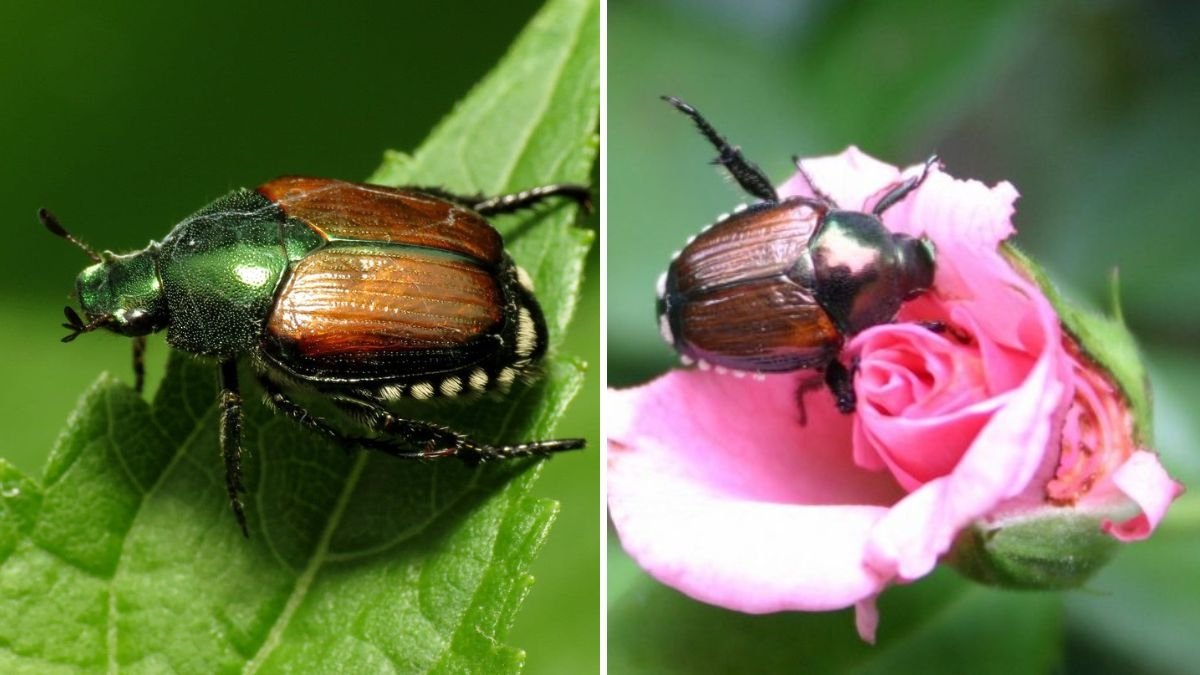
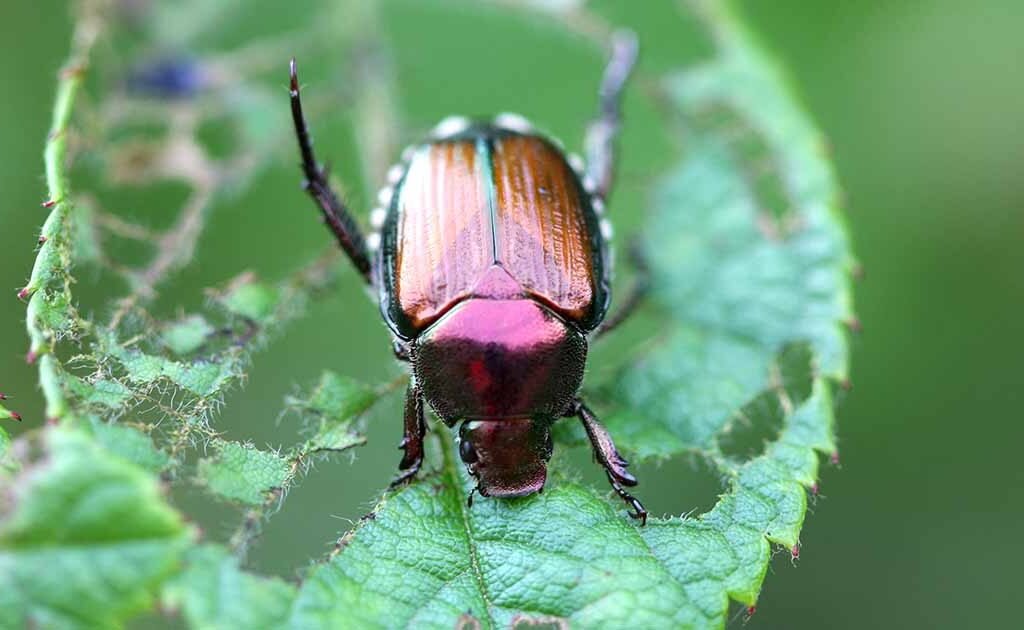
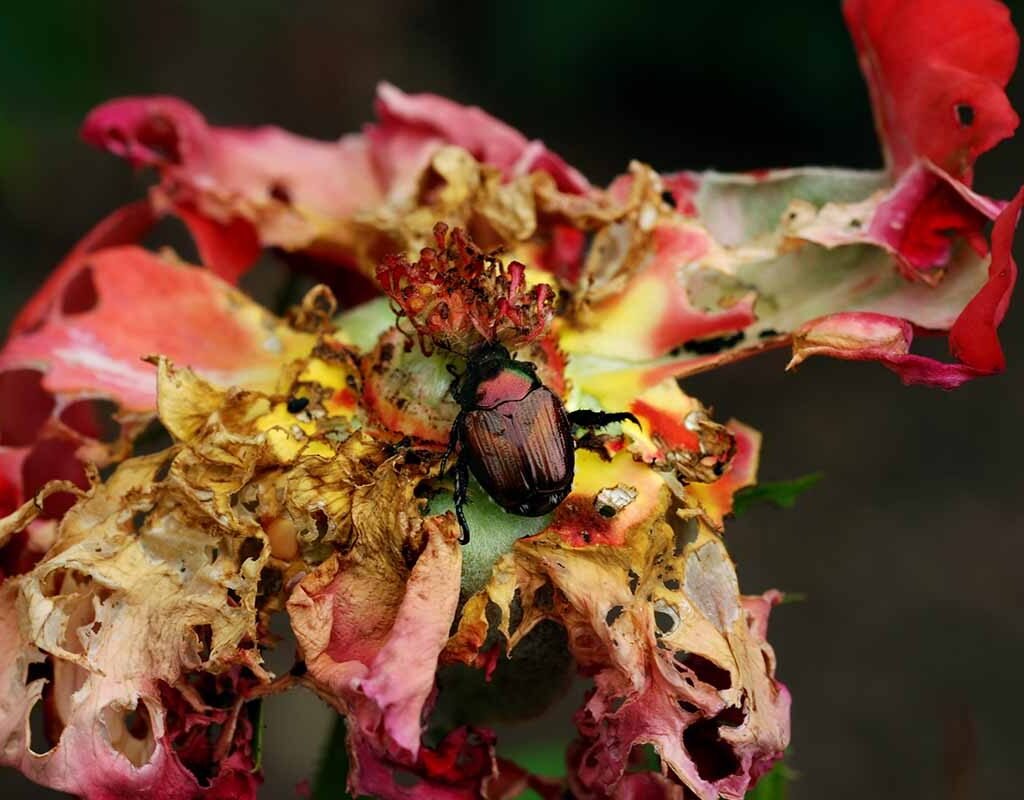
Roses are often called the queen of the garden, celebrated for their vibrant colors, intoxicating fragrance, and timeless elegance. But for many gardeners, Japanese beetles (Popillia japonica) are a persistent challenge. These metallic green pests are voracious feeders, capable of stripping leaves, flowers, and buds in a matter of days.
While chemical pesticides can eliminate Japanese beetles, many gardeners prefer natural, eco-friendly strategies that protect roses without harming beneficial insects, pollinators, or the environment. This guide provides detailed methods to prevent, deter, and manage Japanese beetles naturally, ensuring your roses remain healthy and beautiful.
1. Understanding Japanese Beetle Behavior
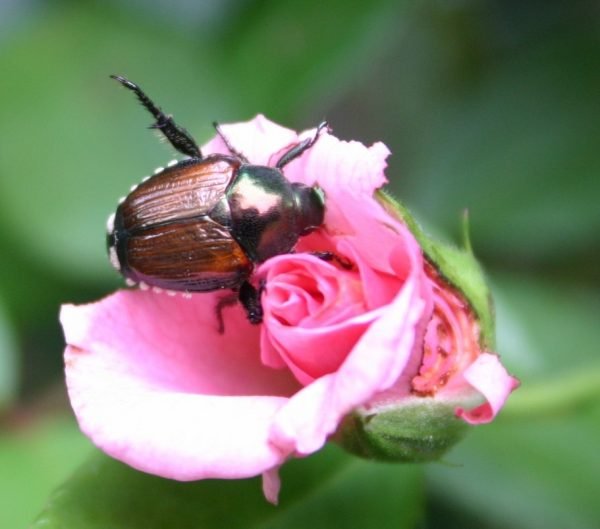
Before implementing protective strategies, it’s important to understand Japanese beetles:
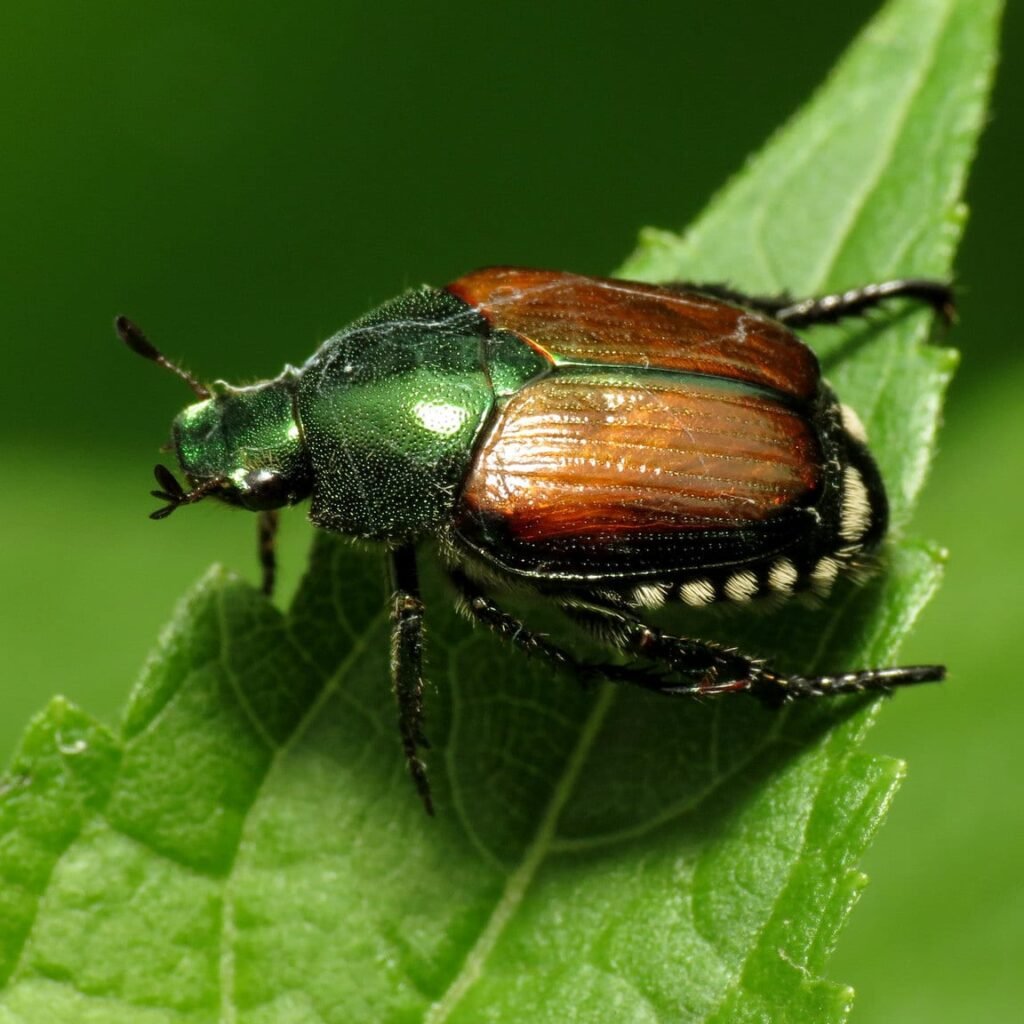
- Appearance: Adults are ½ inch long, with metallic green bodies and copper-colored wings.
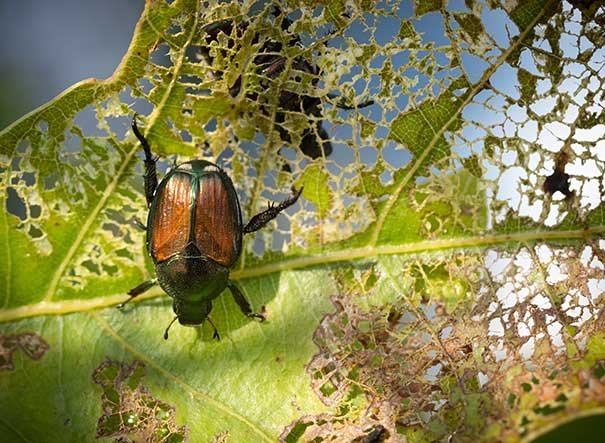
- Feeding habits: They feed on rose foliage, flowers, and buds, often skeletonizing leaves.
- Life cycle: Adult beetles emerge in early summer, while larvae (grubs) live in soil and feed on grass roots.
- Vulnerability: Japanese beetles are most active during warm, sunny days and tend to target plants in full sun.
Pro Tip: Early detection is crucial. Inspect your roses regularly for beetles and damage signs, especially in June and July when adults emerge.
2. Hand-Picking and Mechanical Control
One of the simplest natural methods is physical removal of beetles.
How to Do It
- Wear gloves and pick beetles off plants by hand early in the morning or late evening when they are sluggish.
- Drop them into a bucket of soapy water to ensure they do not return.
- Shake plants gently to dislodge beetles hiding under leaves.
Additional Mechanical Controls
- Row covers or fine mesh netting: Protect plants from beetle access, especially during peak activity periods.
- Traps: Japanese beetle traps can be effective but may attract more beetles than they capture, so use with caution and place them far from roses.
Pro Tip: Hand-picking is time-consuming but highly effective for small to medium gardens and prevents chemical exposure.
3. Companion Planting to Repel Japanese Beetles
Certain plants naturally repel Japanese beetles, and strategically planting them near roses can reduce infestations:
Recommended Companion Plants
- Garlic and chives: Their strong scent confuses beetles.
- Catnip: Deters beetles while attracting pollinators.
- Marigolds: Produce compounds that beetles dislike, while brightening your garden.
- Rue: Its pungent aroma is a natural beetle deterrent.
Placement Tips
- Plant repellant flowers and herbs around rose beds or interspersed between rose bushes.
- Combine with other deterrents for maximum effectiveness.
Pro Tip: Companion planting also enhances biodiversity, attracting pollinators and beneficial insects that support rose health.
4. Natural Sprays and Repellents
Homemade sprays can discourage beetles without harming beneficial insects:
Effective Natural Sprays
- Neem oil: Acts as a repellent and disrupts feeding behavior. Spray on leaves and buds early in the morning.
- Garlic spray: Blend garlic cloves with water and a few drops of liquid soap; spray on rose foliage.
- Pepper spray: Mix chili powder or hot sauce with water and a small amount of soap.
Application Tips
- Spray thoroughly, covering the undersides of leaves where beetles often hide.
- Reapply after rain or heavy watering.
- Rotate sprays to prevent beetles from becoming accustomed to a single scent.
Pro Tip: Combining sprays with physical barriers increases protection while minimizing chemical use.
5. Encourage Beneficial Insects
Certain predatory insects and birds naturally prey on Japanese beetles:
Beneficial Predators
- Parasitic wasps: Lay eggs in beetle larvae, reducing future populations.
- Tachinid flies: Attack adult beetles.
- Birds: Robins, starlings, and cardinals feed on beetles and larvae.
- Ladybugs and lacewings: While not major beetle predators, they boost overall garden health by controlling other pests.
How to Encourage Them
- Plant native flowers and herbs that provide nectar and shelter.
- Avoid broad-spectrum insecticides that kill beneficial insects.
- Provide bird feeders and water sources to attract insect-eating birds.
Pro Tip: A balanced garden ecosystem is a long-term defense against Japanese beetles and other pests.
6. Soil Management to Target Larvae
Japanese beetle larvae (grubs) live in soil and feed on grass roots. Controlling them reduces adult beetle populations naturally:
Soil Strategies
- Milky spore disease: A natural bacterium that targets beetle larvae without harming other insects.
- Beneficial nematodes: Microscopic worms that infect and kill grubs.
- Proper lawn care: Avoid overwatering and maintain healthy grass, as unhealthy lawns are more attractive to egg-laying beetles.
Pro Tip: Treating soil early in spring reduces beetle emergence during summer.
7. Timing and Regular Monitoring
Prevention and early intervention are critical:
- Inspect roses daily during peak beetle season (June to August).
- Remove beetles immediately before they lay eggs or cause extensive damage.
- Implement multiple strategies simultaneously for best results.
Pro Tip: Keeping a garden journal helps track beetle activity patterns and improve future control efforts.
8. Combining Strategies for Maximum Protection
Relying on a single method is rarely effective. Experienced gardeners recommend a layered, integrated approach:
- Physical barriers: Row covers, mesh, and hand-picking.
- Companion plants: Garlic, marigolds, and rue around roses.
- Natural sprays: Neem oil, garlic, or pepper sprays.
- Encourage predators: Birds, parasitic wasps, and beneficial insects.
- Soil treatments: Milky spore or beneficial nematodes for long-term control.
Pro Tip: The combination of prevention, deterrence, and ecological balance ensures healthy roses without chemicals.
Benefits of Natural Japanese Beetle Control
- Eco-friendly: Protects pollinators, beneficial insects, and the environment.
- Safe for children and pets: No harmful chemical exposure.
- Sustainable: Creates a garden ecosystem that naturally resists pests.
- Aesthetic: Keeps roses beautiful while maintaining biodiversity.
Pro Tip: A chemical-free approach enhances your garden’s health and resilience over time.
Final Thoughts
Japanese beetles can be a formidable challenge for rose gardeners, but a combination of natural strategies, early intervention, and ecological awareness can keep them at bay. By hand-picking beetles, planting repellent companion flowers, using natural sprays, encouraging predators, and managing soil health, you can protect your roses without relying on chemicals.
Key takeaways:
- Start monitoring and preventative measures before beetles emerge.
- Use a layered approach, combining physical, chemical-free deterrents, and ecological methods.
- Encourage beneficial insects and birds to naturally reduce beetle populations.
- Maintain healthy roses through proper watering, pruning, and fertilization to reduce stress and vulnerability.
With patience and consistent care, your rose garden can remain lush, vibrant, and free from Japanese beetle damage, providing enjoyment and beauty throughout the growing season while supporting a healthy, chemical-free ecosystem.

Leave A Comment