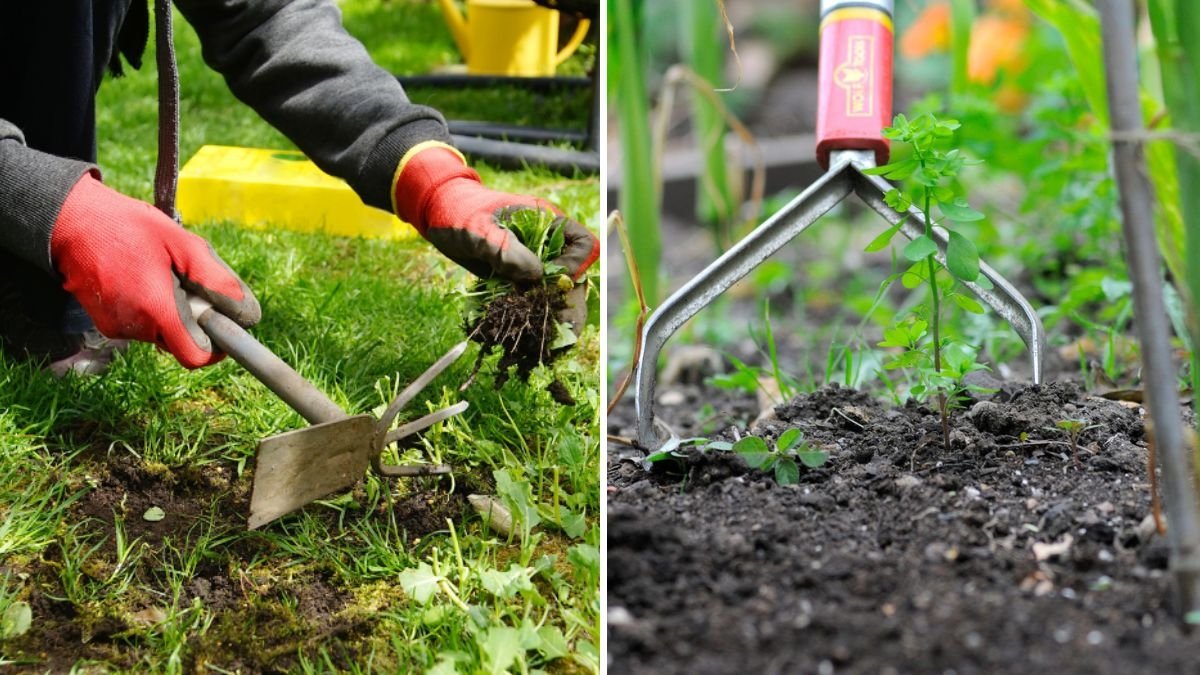
Weeds are a persistent challenge for gardeners, competing with desirable plants for nutrients, water, and sunlight. While weed control is a year-round concern, fall presents a particularly strategic opportunity for effective weed management. During this season, cooler temperatures, increased rainfall, and plant dormancy make weeds easier to remove and reduce their ability to return in spring. This article explores methods, timing, and strategies for pulling weeds effectively in fall, helping gardeners maintain healthy, beautiful landscapes.
Understanding Why Fall is Ideal for Weed Removal

Fall is an important time in the gardening calendar for several reasons:
- Weeds Are Vulnerable: Many weeds have grown throughout the summer and are storing energy in their roots for the next season. Removing them before winter disrupts this energy storage.
- Soil Conditions are Favorable: Moist soil from autumn rains makes root removal easier, reducing the chance of breaking roots and leaving fragments behind.
- Slower Growth of Desirable Plants: With many garden plants entering dormancy, weeds can be targeted without harming nearby vegetation.
- Prevention of Seed Spread: Pulling weeds before they go to seed prevents future infestations in spring.
Understanding these advantages emphasizes the importance of fall weed control as a preventive measure for long-term garden health.
Tip 1: Identify Weeds Correctly

Effective weed removal starts with accurate identification. Different weeds have varying growth habits, root structures, and seasonal cycles.
- Annual Weeds: Complete their life cycle in one year. Examples include chickweed and crabgrass. These are easier to remove before seed formation.
- Perennial Weeds: Persist year after year, often with deep root systems. Examples include dandelions and bindweed. These require more effort for root removal to prevent regrowth.
- Biennial Weeds: Grow leaves in the first year and flower in the second, such as burdock. Removing them in the fall prevents next year’s flowering and seed production.
Identifying the type of weed helps in choosing the most effective removal method.
Tip 2: Prepare the Garden Properly

Preparation ensures efficient and safe weed removal:
- Water the Soil: Moist soil softens roots, making them easier to extract. Avoid working immediately after heavy rain, which can compact the soil.
- Clear Debris: Remove fallen leaves, sticks, and mulch to expose weeds and prevent slipping hazards.
- Wear Protective Gear: Gloves protect against thorns, irritants, or allergens. Long sleeves and kneepads enhance comfort and safety.
- Gather Tools: A hand trowel, garden fork, or weeding knife is helpful for stubborn weeds, particularly perennials with deep roots.
Proper preparation reduces effort and increases the likelihood of removing weeds completely.
Tip 3: Use Effective Weeding Techniques
Different weeds require different techniques for effective removal:
1. Hand Pulling
- Best For: Shallow-rooted annuals.
- Method: Grasp the weed at the base, gently rocking it while pulling upward to remove the entire root.
- Tip: Pull after watering or rainfall to loosen soil and minimize root breakage.
2. Digging or Loosening Soil
- Best For: Deep-rooted perennials like dandelions.
- Method: Use a trowel or garden fork to loosen soil around the roots, then remove the weed completely.
- Tip: Avoid leaving root fragments, as they can regenerate.
3. Cutting Before Seed Formation
- Best For: Biennial weeds or weeds that have begun flowering.
- Method: Cut the weed near the base before seeds mature, preventing propagation.
- Tip: Combine cutting with root removal for maximum effectiveness.
Tip 4: Mulching After Weeding

Mulching is a powerful post-weeding strategy in fall:
- Suppress New Weeds: A layer of mulch blocks sunlight, preventing weed seeds from germinating.
- Protect Soil: Mulch insulates the soil, maintains moisture, and reduces erosion during winter.
- Enhance Soil Health: Organic mulch like shredded leaves or bark decomposes to enrich soil nutrients.
Apply a 2-3 inch layer of mulch after removing weeds to prevent future growth and improve overall garden health.
Tip 5: Consider Natural Weed Control Methods
In addition to physical removal, fall is a good time to implement natural weed prevention strategies:
- Cover Crops: Planting cover crops such as clover or winter rye reduces open soil where weeds can take root.
- Compost Tea or Organic Fertilizers: Healthy soil encourages strong plant growth, making it harder for weeds to compete.
- Boiling Water or Vinegar Solutions: Spot treatments can eliminate young weeds in paths or non-plant areas without chemicals.
These natural methods complement manual weeding and promote sustainable gardening practices.
Tip 6: Plan for Regular Monitoring
Even after thorough removal, weeds may reappear:
- Weekly Checks: Inspect your garden for emerging weeds during fall and early winter.
- Remove Promptly: Small weeds are easier to remove and less likely to spread.
- Maintain Mulch Layers: Refresh mulch periodically to ensure continuous coverage and suppression.
Regular monitoring prevents small problems from escalating into larger infestations in spring.
Tip 7: Practice Seasonal Prevention

Fall weed removal sets the stage for spring garden success:
- Leaf and Debris Management: Remove fallen leaves that may harbor weed seeds.
- Border Maintenance: Edge garden beds to prevent weeds from creeping in.
- Soil Improvement: Incorporate compost or organic matter to improve fertility and outcompete weeds naturally.
- Winter Cover: Planting winter-hardy cover crops or laying down garden fabrics prevents bare soil, a prime location for weeds.
By integrating prevention strategies into your fall routine, the garden remains healthier and easier to maintain.
Tip 8: When to Seek Professional Help
Some weeds, especially invasive or deeply rooted perennials, can be challenging to remove entirely. Consider professional assistance if:
- Weeds spread aggressively despite repeated removal.
- Roots are exceptionally deep or difficult to access.
- Large garden areas require intensive labor and specialized tools.
Professional gardeners or landscape services can apply targeted treatments and advise on long-term weed management strategies.
Conclusion
Pulling weeds effectively in fall is an essential practice for maintaining a healthy, vibrant garden. By understanding the types of weeds, preparing the soil, employing proper removal techniques, and following up with mulching and preventive strategies, gardeners can dramatically reduce weed problems in the following growing season. Fall weeding not only improves garden aesthetics but also protects plant health, minimizes maintenance in spring, and enhances soil quality. With patience, consistency, and thoughtful planning, weed control becomes less of a chore and more of a strategic step toward a thriving, beautiful garden.

Leave A Comment