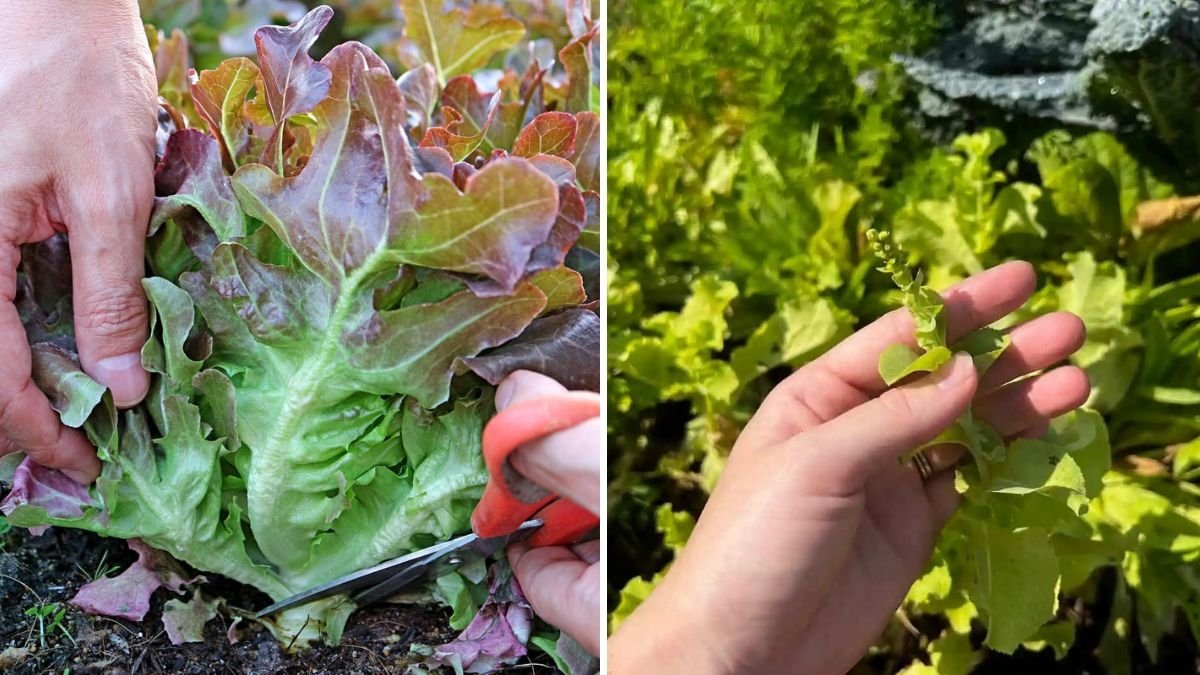
Lettuce is a staple in home gardens, cherished for its crisp texture and versatility in salads, sandwiches, and wraps. While many gardeners purchase seeds annually, saving lettuce seeds from your own garden is a cost-effective and sustainable practice. It allows you to preserve preferred varieties, maintain local adaptability, and ensure a continuous supply for the next growing season.
This guide provides a comprehensive overview of how to save lettuce seeds, covering plant selection, seed maturation, harvesting techniques, cleaning, drying, storage, and germination considerations.
Understanding Lettuce Types and Seed Production

Before saving seeds, it is important to understand the different types of lettuce and their seed-producing behavior.
1. Leaf Lettuce
- Includes loose-leaf varieties that grow in clusters.
- Typically bolt (flower) quickly under warm temperatures.
- Produces seeds on tall flower stalks after bolting.
2. Romaine (Cos) Lettuce
- Upright heads with elongated leaves.
- Bolts more slowly than leaf lettuce.
- Seeds develop on central flower stalks.
3. Butterhead Lettuce
- Includes Boston and Bibb varieties.
- Forms compact, soft heads.
- Bolts slowly; seed production requires patience and careful monitoring.
Tip: Heirloom varieties are ideal for seed saving because they produce true-to-type seeds, whereas hybrid varieties may not retain parent characteristics.
Step 1: Selecting Plants for Seed Saving

The first step is to choose the healthiest plants to ensure high-quality seeds.
Selection Criteria
- Vigor and Health: Select plants free from disease, pests, or deformities.
- Desired Traits: Pick plants with the flavor, color, leaf texture, or growth habit you wish to preserve.
- Isolation: To maintain variety purity, separate different lettuce types by at least 10–20 feet or use physical barriers to prevent cross-pollination.
Choosing strong, healthy plants guarantees that next year’s crop retains desired characteristics.
Step 2: Allow Plants to Bolt and Flower
Lettuce is a biennial plant, meaning it generally flowers in its second year, but in garden practice, it often bolts in the first warm season.
Bolting Process
- Leaves stop growing, and a tall flower stalk emerges from the center.
- Flowers are small, yellowish-green, and clustered.
- Pollination occurs mainly via wind and occasionally insects.
Tip: Protect bolting plants from extreme weather and pests to ensure seed maturity.
Step 3: Harvesting Lettuce Seeds

Once flowers are pollinated, seeds gradually develop and mature. Timing is crucial for maximum viability.
Signs of Seed Maturity
- Seed heads turn tan or light brown.
- Seeds are firm and easily detach from the chaff.
- Flower stalks and seed heads begin to dry naturally on the plant.
Harvesting Techniques
- Cut the flower stalk when most seeds are mature but before heavy winds or rain scatter them.
- Place the stalks in a paper bag or container to catch seeds that may fall during handling.
- Work carefully to avoid losing seeds prematurely.
Harvesting at the right time ensures high germination rates for the next planting season.
Step 4: Cleaning and Drying Seeds
After harvesting, proper cleaning and drying are essential to prevent mold and improve storage longevity.
Cleaning Process
- Shake or rub seeds gently to separate them from the dried flower heads.
- Remove debris such as dried leaves, stems, and chaff.
- Optional: Use a fine mesh sieve to help sift out unwanted material.
Drying Process
- Spread seeds on a paper towel, screen, or shallow tray in a well-ventilated area.
- Avoid direct sunlight, which can damage seed viability.
- Dry for 7–14 days, ensuring seeds are completely dry and brittle.
Proper cleaning and drying are crucial for long-term seed storage.
Step 5: Storing Lettuce Seeds

Once seeds are dry, storage conditions determine their viability for the next season.
Storage Tips
- Containers: Use airtight glass jars, envelopes, or resealable bags.
- Temperature: Store in a cool, dark location, ideally 32–41°F (0–5°C), such as a refrigerator.
- Humidity: Keep seeds dry; moisture accelerates mold and germination.
- Labeling: Include variety name and harvest year for easy identification.
When stored properly, lettuce seeds can remain viable for 4–5 years, providing a long-term supply of homegrown crops.
Step 6: Testing Seed Viability

Before planting saved seeds next year, it’s wise to test germination rates.
Germination Test
- Place 10–20 seeds on a damp paper towel.
- Fold and place inside a plastic bag to retain moisture.
- Keep at room temperature (65–75°F) and check daily for sprouting.
- After 7–10 days, count sprouted seeds to calculate germination rate.
Tip: If germination falls below 70%, sow more seeds to ensure sufficient seedlings.
Additional Tips for Successful Lettuce Seed Saving
- Save seeds from multiple plants: Reduces inbreeding and increases genetic diversity.
- Prevent cross-pollination: Separate varieties by distance or physical barriers.
- Harvest during dry weather: Wet conditions increase risk of mold.
- Rotate seed-saving plants: Maintain healthy garden genetics and avoid disease accumulation.
- Label meticulously: Prevent mix-ups between varieties for consistent crop production.
Following these tips ensures a reliable seed supply and high-quality lettuce crops year after year.
Benefits of Saving Lettuce Seeds
- Cost-effective: Reduces the need to purchase seeds annually.
- Preserves heirloom varieties: Maintains flavor, texture, and adaptability unique to your garden.
- Supports sustainability: Encourages self-reliance and reduces dependency on commercial seed sources.
- Enhances garden knowledge: Teaches observation, patience, and attention to plant life cycles.
- Encourages biodiversity: Maintaining diverse genetic lines strengthens your garden ecosystem.
Seed saving empowers gardeners to take control of their crops, ensuring availability, variety, and quality for years to come.
Conclusion
Saving lettuce seeds is a practical, rewarding, and sustainable gardening practice that allows gardeners to preserve favorite varieties and ensure a continuous supply for the next growing season. By following the steps of plant selection, allowing plants to bolt, harvesting at the right time, cleaning, drying, storing, and testing viability, gardeners can achieve high germination rates and healthy future crops.
Key takeaways:
- Select healthy, vigorous plants free from pests and disease.
- Allow plants to bolt and flower, monitoring pollination and weather.
- Harvest seeds at full maturity before they are scattered or damaged.
- Clean and dry seeds thoroughly to prevent mold and ensure long-term viability.
- Store seeds properly in cool, dark, and dry conditions.
- Test germination before planting to ensure success.
- Maintain genetic diversity by saving seeds from multiple plants.
By implementing these strategies, gardeners can enjoy fresh, homegrown lettuce year after year, reduce costs, and preserve the unique flavors and characteristics of their favorite varieties. Proper seed saving transforms lettuce gardening from a seasonal activity into a long-term, sustainable practice that rewards patience, knowledge, and careful attention to detail.

Leave A Comment