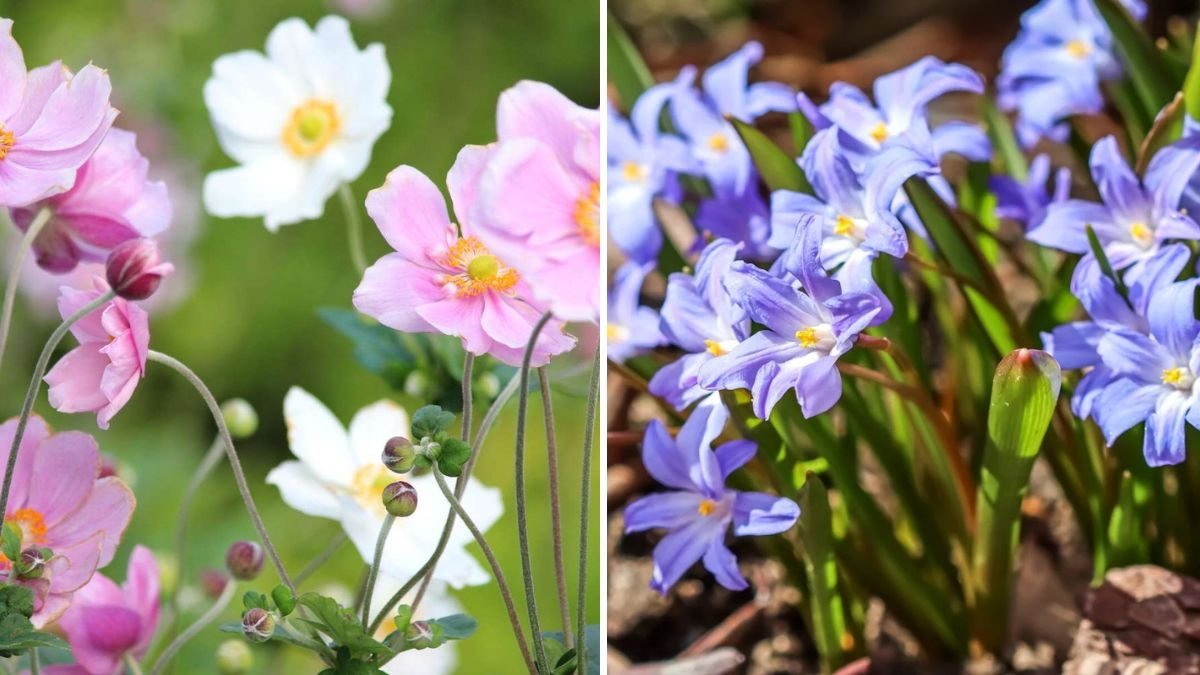
Autumn is the perfect time to prepare your garden for a stunning spring display. Planting spring-flowering bulbs in fall allows them to establish roots during the cooler months, resulting in early blooms that herald the arrival of warmer weather. Bulbs are among the easiest and most rewarding plants to cultivate—they come in a variety of colors, shapes, and heights, providing a spectacular garden display with minimal effort. This guide explores the five best spring bulbs to plant in fall to ensure a vibrant, colorful, and early-flowering garden next year.
Understanding Spring Bulbs

Spring bulbs are underground storage structures that contain all the energy needed to produce a flower when the conditions are right. Planting them in fall is essential because:
- Root Development: Bulbs need cool soil to develop strong roots before winter.
- Dormancy Requirement: Many bulbs require a cold period to trigger blooming in spring.
- Early Blooming: Proper fall planting ensures the earliest possible flowers when temperatures rise.
Common spring bulbs include tulips, daffodils, crocuses, hyacinths, and alliums, each offering unique beauty and appeal.
1. Tulips (Tulipa spp.)
Tulips are classic spring bulbs that bring elegance and bold color to any garden. They are versatile, available in nearly every color of the rainbow, and suitable for borders, containers, and flower beds.
Planting and Care
- Planting Time: Plant tulip bulbs in fall, about 6–8 weeks before the first hard frost.
- Depth: Plant bulbs 6–8 inches deep, pointed end up.
- Spacing: Space bulbs 4–6 inches apart to allow airflow and reduce disease risk.
- Sunlight: Full sun to partial shade.
- Soil: Well-draining soil enriched with compost.
- Watering: Water well after planting, but avoid overwatering as bulbs can rot.
Tips for a Long-Lasting Display
- Tulips benefit from a period of cold dormancy, so avoid planting too early in regions with mild winters.
- For extended bloom, plant multiple varieties with staggered flowering times.
- Deadhead faded flowers to direct energy back to the bulb for next year.
Tulips offer bold, vibrant colors and a variety of shapes—from classic cup-shaped blooms to fringed or parrot varieties—ensuring an eye-catching spring garden.
2. Daffodils (Narcissus spp.)

Daffodils are cheerful, bright flowers that signal the start of spring. They are hardy, low-maintenance, and less prone to pests, making them ideal for both beginner and experienced gardeners.
Planting and Care
- Planting Time: Plant 2–4 weeks before the ground freezes.
- Depth: 6 inches deep.
- Spacing: 4–6 inches apart.
- Sunlight: Full sun to partial shade.
- Soil: Well-draining soil; they tolerate a wide range of soil types.
- Watering: Moderate; keep soil slightly moist until frost.
Tips for Success
- Daffodils naturalize well, returning and multiplying year after year.
- Pair with tulips or crocuses for a layered spring display.
- Avoid cutting foliage too early; allow leaves to yellow naturally to feed the bulb for next year.
Daffodils’ bright yellows, whites, and oranges bring early cheer to gardens, making them a spring essential.
3. Crocuses (Crocus spp.)

Crocuses are among the first flowers to appear in early spring, often pushing through late snow or frost. They are perfect for naturalizing in lawns, borders, or under trees.
Planting and Care
- Planting Time: Plant crocus corms in fall, about 6–8 weeks before frost.
- Depth: 3–4 inches deep.
- Spacing: 2–3 inches apart for natural clusters.
- Sunlight: Full sun to partial shade.
- Soil: Well-draining soil enriched with organic matter.
- Watering: Light watering after planting; minimal care afterward.
Tips for Success
- Crocuses multiply over time, creating dense, colorful patches.
- They are deer- and rodent-resistant, making them low-maintenance.
- Plant in groups of 10 or more for a natural, meadow-like effect.
Crocuses provide early bursts of color in purple, yellow, and white, often appearing before other spring bulbs, lifting spirits after winter.
4. Hyacinths (Hyacinthus orientalis)

Hyacinths are highly fragrant spring bulbs with dense clusters of colorful flowers, perfect for adding scent as well as visual appeal.
Planting and Care
- Planting Time: Plant bulbs in fall before the first frost.
- Depth: 6 inches deep.
- Spacing: 4–6 inches apart.
- Sunlight: Full sun to partial shade.
- Soil: Well-draining soil enriched with compost.
- Watering: Water after planting, ensuring soil remains moist but not soggy.
Tips for Success
- Hyacinths are ideal for containers and window boxes, bringing fragrance indoors when planted near entryways.
- After flowering, allow foliage to die back naturally to feed the bulb for next year.
- Companion planting with tulips or daffodils creates a stunning visual and aromatic display.
Hyacinths’ vibrant colors—blue, pink, purple, and white—along with their intoxicating scent, make them a standout spring bulb.
5. Alliums (Allium spp.)

Alliums are ornamental onions that produce tall, globe-shaped flower heads, adding architectural interest to spring gardens.
Planting and Care
- Planting Time: Plant in fall before ground freezes.
- Depth: 4–6 inches deep.
- Spacing: 6–8 inches apart.
- Sunlight: Full sun.
- Soil: Well-draining soil; alliums prefer fertile conditions.
- Watering: Moderate; avoid overwatering.
Tips for Success
- Alliums are deer- and rodent-resistant due to their onion scent.
- Ideal for borders, rock gardens, or mixed perennial beds.
- Cut back foliage only after it turns yellow to allow the bulb to store energy.
Alliums’ unique spherical blooms in shades of purple, white, or pink create striking vertical accents in any spring garden.
Tips for Successful Fall Bulb Planting
- Soil Preparation: Loosen soil and incorporate compost to provide nutrients and improve drainage.
- Planting Depth: Follow bulb-specific depth guidelines; too shallow or too deep can affect bloom success.
- Mulching: Apply a layer of mulch to protect bulbs from extreme temperatures and retain soil moisture.
- Watering: Water bulbs after planting to settle the soil and encourage root development.
- Labeling: Label bulbs for easy identification, especially when planting multiple varieties.
By preparing properly and following these tips, your bulbs will establish strong roots and produce vibrant, early blooms.
Conclusion
Planting spring bulbs in fall is one of the most rewarding gardening practices. Tulips, daffodils, crocuses, hyacinths, and alliums each bring unique beauty, color, and fragrance to your spring garden. When planted in fall, these bulbs establish roots during cooler months and provide a stunning display that marks the arrival of spring.
By understanding the specific needs of each bulb, including planting depth, spacing, soil type, and care, gardeners can enjoy a seamless, colorful, and fragrant garden year after year. Whether you are a beginner or an experienced gardener, fall bulb planting is an easy and effective way to ensure a beautiful, early-spring garden filled with life, color, and energy.

Leave A Comment