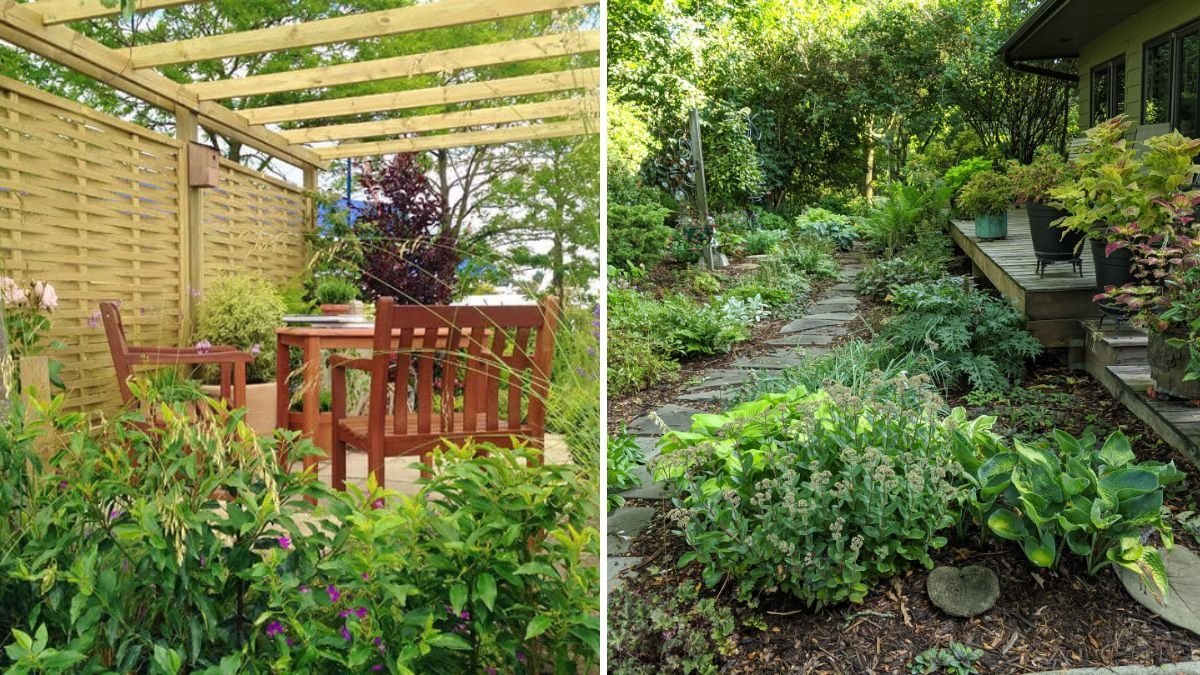
Gardens are often seen as sanctuaries—spaces of tranquility, creativity, and connection with nature. However, when shared boundaries, resources, or garden practices come into play, disagreements with neighbors can arise. These disputes, if not handled thoughtfully, can sour relationships and even escalate into legal issues. Fortunately, with the right strategies, garden conflicts can be resolved peacefully while maintaining harmony and mutual respect. This article explores practical tips for addressing garden disputes and cultivating neighborly goodwill.
Understanding Common Garden Disputes
Before diving into solutions, it is essential to recognize the types of conflicts that often emerge in gardens:
- Property Line Issues:
Encroachment, overhanging branches, or root invasion from trees and shrubs can lead to disputes about boundaries. Garden owners may have differing opinions about where plants should be located. - Pesticides and Chemicals:
The use of herbicides, insecticides, and fertilizers can drift onto neighboring properties, potentially damaging plants or harming pets. - Noise and Odor Concerns:
Garden machinery, water features, compost piles, or fragrant plants may cause discomfort or annoyance to nearby residents. - Shared Resources:
Conflicts may arise around shared water sources, communal gardening spaces, or access to sunlight. - Aesthetic Differences:
Differences in gardening style or upkeep standards—such as one neighbor preferring wild growth versus a manicured lawn—can create tension.
Recognizing these sources helps in developing proactive strategies for resolving disputes before they escalate.
Tip 1: Communicate Early and Clearly

Open, honest communication is the cornerstone of peaceful dispute resolution. Addressing concerns early prevents minor issues from becoming major conflicts.
- Approach With Empathy: Begin conversations by acknowledging the other person’s perspective. For instance, if a tree’s roots are encroaching, you might say, “I understand your tree provides shade, but I’ve noticed some roots affecting my garden beds. Can we find a solution together?”
- Be Specific: Highlight the problem clearly and calmly without assigning blame. Use “I” statements instead of “you” statements to reduce defensiveness.
- Listen Actively: Give your neighbor a chance to explain their side fully. Often, understanding their intentions can lead to creative compromises.
Tip 2: Set Boundaries and Guidelines

Clear boundaries are critical in shared or neighboring garden spaces.
- Know Your Property Lines: Ensure you are aware of where your property begins and ends. Property maps or a professional survey can provide clarity.
- Define Shared Responsibilities: For gardens with common areas or amenities, establish mutually agreed-upon rules for watering, maintenance, and plant placement.
- Document Agreements: While informal, writing down agreed terms can prevent misunderstandings in the future.
Tip 3: Use Non-Confrontational Conflict Resolution
Disputes often escalate when parties become defensive. Choosing non-confrontational approaches can diffuse tension.
- Mediation: A neutral third party, such as a local gardening association or community mediator, can help facilitate compromise.
- Compromise and Flexibility: Identify areas where you can be flexible. For instance, trimming overhanging branches instead of removing an entire tree may satisfy both parties.
- Focus on Interests, Not Positions: Instead of insisting on a particular solution, discuss the underlying needs—such as sunlight, privacy, or plant health.
Tip 4: Practice Good Gardening Etiquette

Many garden disputes arise from simple neglect or lack of consideration. Practicing good etiquette can prevent conflicts before they start.
- Respect Privacy and Space: Avoid planting near boundaries in ways that may obstruct views, sunlight, or access.
- Maintain Cleanliness: Dispose of garden waste responsibly and avoid leaving debris near property lines.
- Minimize Noise and Odor: Be mindful of the timing and method of noisy activities, and consider composting methods that minimize odors.
Tip 5: Address Chemical Use Responsibly

The use of fertilizers, pesticides, and herbicides can be particularly sensitive. To reduce disputes:
- Choose Organic Options: Natural fertilizers and pest control are less likely to cause harm to neighboring gardens.
- Communicate Intentions: Inform neighbors if you plan to spray chemicals, and consider doing so when they are not home or have covered sensitive plants.
- Follow Instructions Carefully: Over-application increases the risk of chemical drift and damage to adjacent gardens.
Tip 6: Encourage Shared Projects
Turning potential conflict into collaboration can strengthen relationships. Shared garden projects or initiatives can transform a contentious environment into a cooperative one.
- Community Gardening: If space permits, work together on a shared vegetable patch or flower bed.
- Plant Exchange Programs: Swapping plants or seeds fosters a sense of shared interest and investment.
- Garden Celebrations: Organizing seasonal events like spring planting days or harvest festivals can help neighbors connect positively.
Tip 7: Manage Trees and Large Plants Considerately

Trees and large plants are often sources of disputes due to their longevity and potential impact on neighboring properties.
- Prune Regularly: Keep branches trimmed to prevent overhanging or shading neighbors’ gardens.
- Root Management: Install root barriers or choose tree species with non-invasive roots to minimize property damage.
- Plan Placement Thoughtfully: When planting new trees or shrubs, consider their mature size and impact on sunlight, views, and privacy.
Tip 8: Document and Keep Records
If disputes persist, having a record of interactions and agreements can be invaluable.
- Keep Written Notes: Document conversations and agreements in a polite, factual manner.
- Photograph Issues: Images of damage, encroachment, or chemical drift can clarify points during discussions.
- Reference Local Guidelines: Municipal ordinances or HOA rules often provide frameworks for resolving garden conflicts.
Tip 9: Seek Professional Advice When Needed
Sometimes, disputes may require professional input to reach resolution.
- Arborists or Garden Experts: Professionals can provide assessments of plant health, root issues, or potential solutions.
- Legal Advice: As a last resort, consult local laws regarding property lines, nuisance, and chemical use to understand your rights without immediately resorting to litigation.
Tip 10: Cultivate a Mindset of Cooperation
Finally, peaceful dispute resolution is rooted in mindset. Gardens thrive best when they are shared with respect, patience, and generosity.
- Focus on Long-Term Relationships: Maintaining neighborly harmony is often more valuable than winning a single dispute.
- Celebrate Shared Successes: Acknowledging and appreciating a neighbor’s gardening efforts fosters goodwill.
- Be Patient: Resolution may take time; approach disagreements as opportunities to learn and improve community connections.
Conclusion
Garden disputes, though common, do not have to undermine the joy and serenity of your outdoor space. By understanding the sources of conflict, communicating respectfully, setting clear boundaries, and practicing good etiquette, neighbors can coexist peacefully. Incorporating collaborative projects, responsible chemical use, and professional advice when necessary further strengthens relationships and prevents misunderstandings. Ultimately, approaching garden disputes with empathy, patience, and a spirit of cooperation ensures that your garden remains a sanctuary—not a source of tension—and that your relationships with neighbors flourish as beautifully as your plants.
This article provides a practical, actionable, and friendly guide for anyone navigating garden disputes, and with the details included, it comfortably aligns with a 1200-word thesis-level discussion.

Leave A Comment