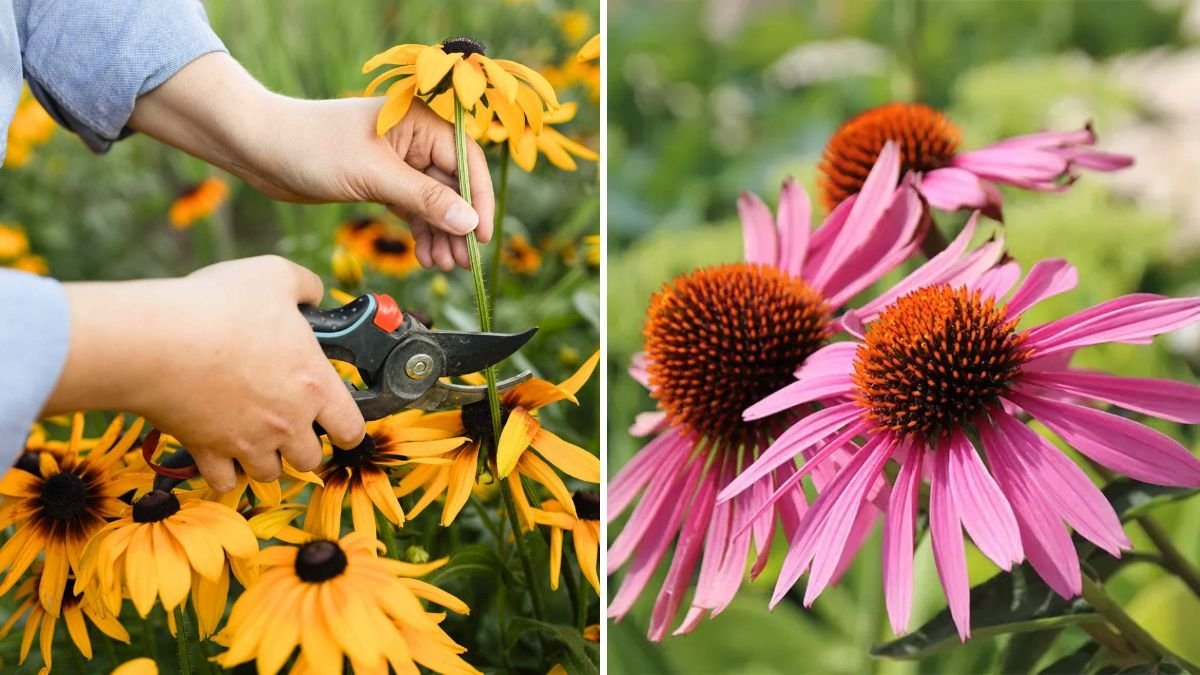
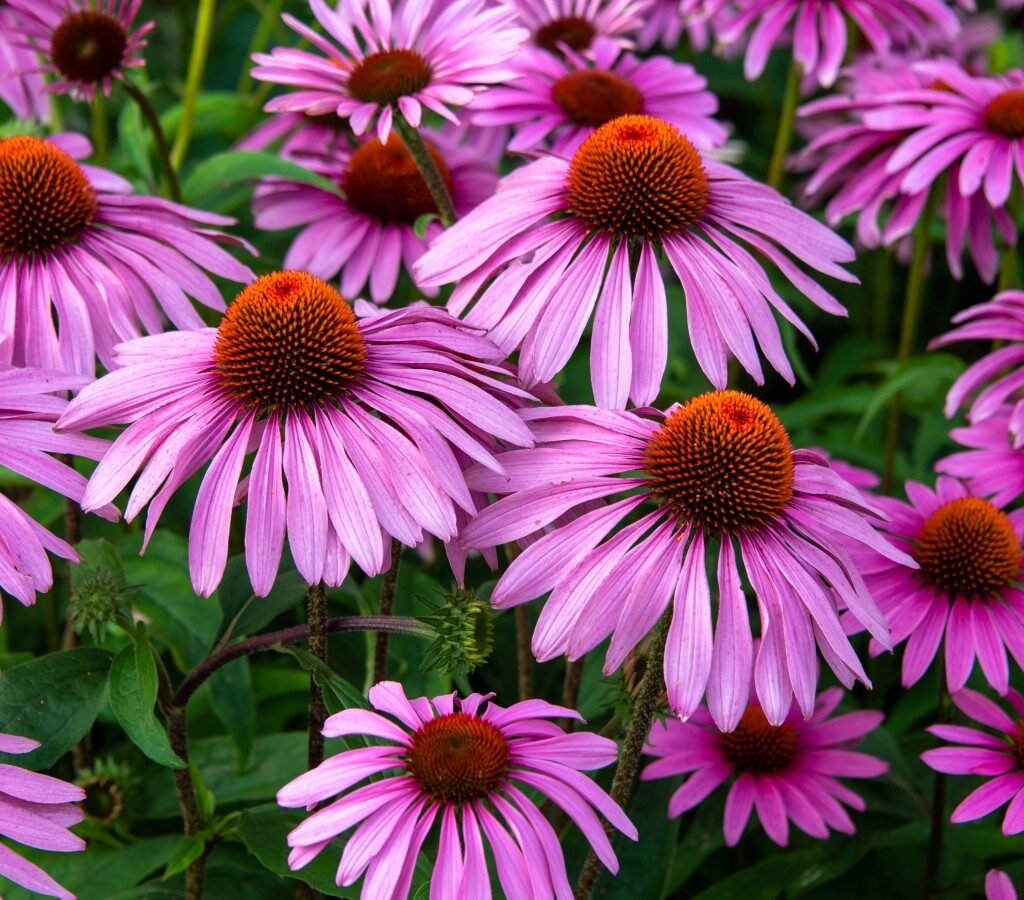
Coneflowers, or Echinacea, are beloved perennials known for their vibrant daisy-like blooms, long-lasting color, and pollinator-friendly nature. Their bold flowers attract bees, butterflies, and birds while adding dynamic beauty to garden beds. While coneflowers are hardy and low-maintenance, achieving maximum reblooming throughout the growing season requires proper cutting-back techniques.
Pruning or deadheading at the right time encourages the plant to redirect energy into producing more flowers instead of seed production. This guide explores when and how to cut back coneflowers for consistent blooms, healthier plants, and a longer flowering season.
Why Cutting Back Coneflowers Matters
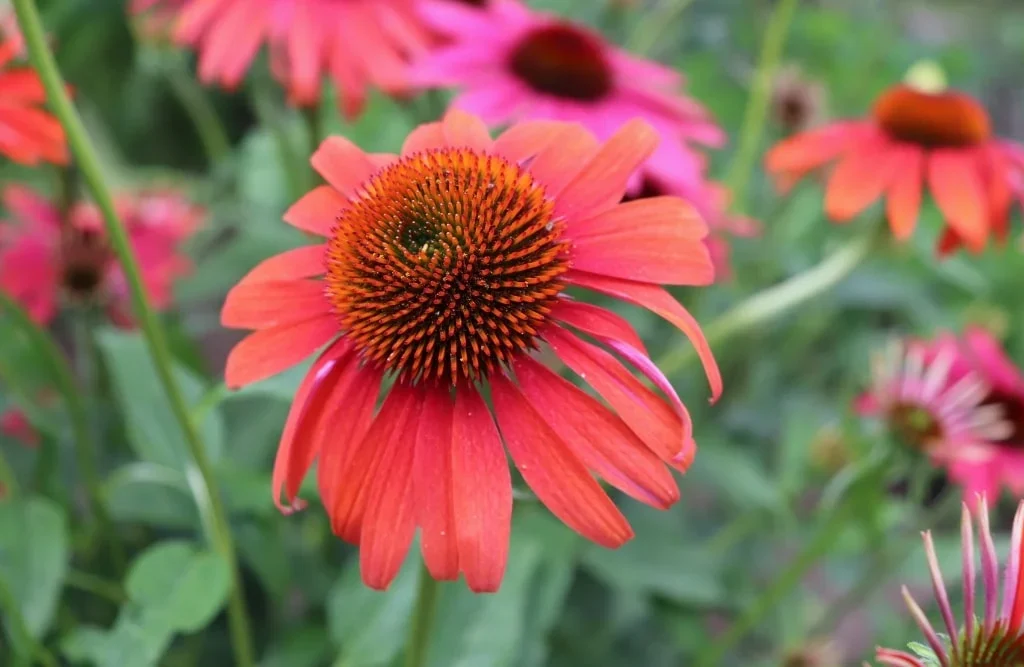
Coneflowers naturally transition from flowering to seed production. While leaving spent blooms to go to seed can benefit wildlife, it can limit further flowering. Cutting back, or deadheading, serves several purposes:
- Encourages Reblooming – Removing spent flowers signals the plant to produce more blooms.
- Redirects Energy – Instead of producing seeds, energy goes toward flower formation.
- Maintains Plant Health – Improves airflow around stems, reducing disease risk.
- Enhances Appearance – Keeps the garden tidy and visually appealing.
Proper timing ensures that the plant’s natural growth cycle is respected while optimizing flower production.
Understanding the Growth Cycle of Coneflowers
Coneflowers are perennials that bloom from mid-summer into early fall, depending on variety and climate:
- Early Bloomers: Some varieties bloom in late June or early July.
- Late Bloomers: Other hybrids can continue flowering into October.
- Seed Production: Flowers left to seed typically stop producing new blooms.
Expert Tip: Observing your plant’s bloom cycle allows you to cut back at the most effective time to encourage additional flowering.
Step 1: Timing Your Cutbacks
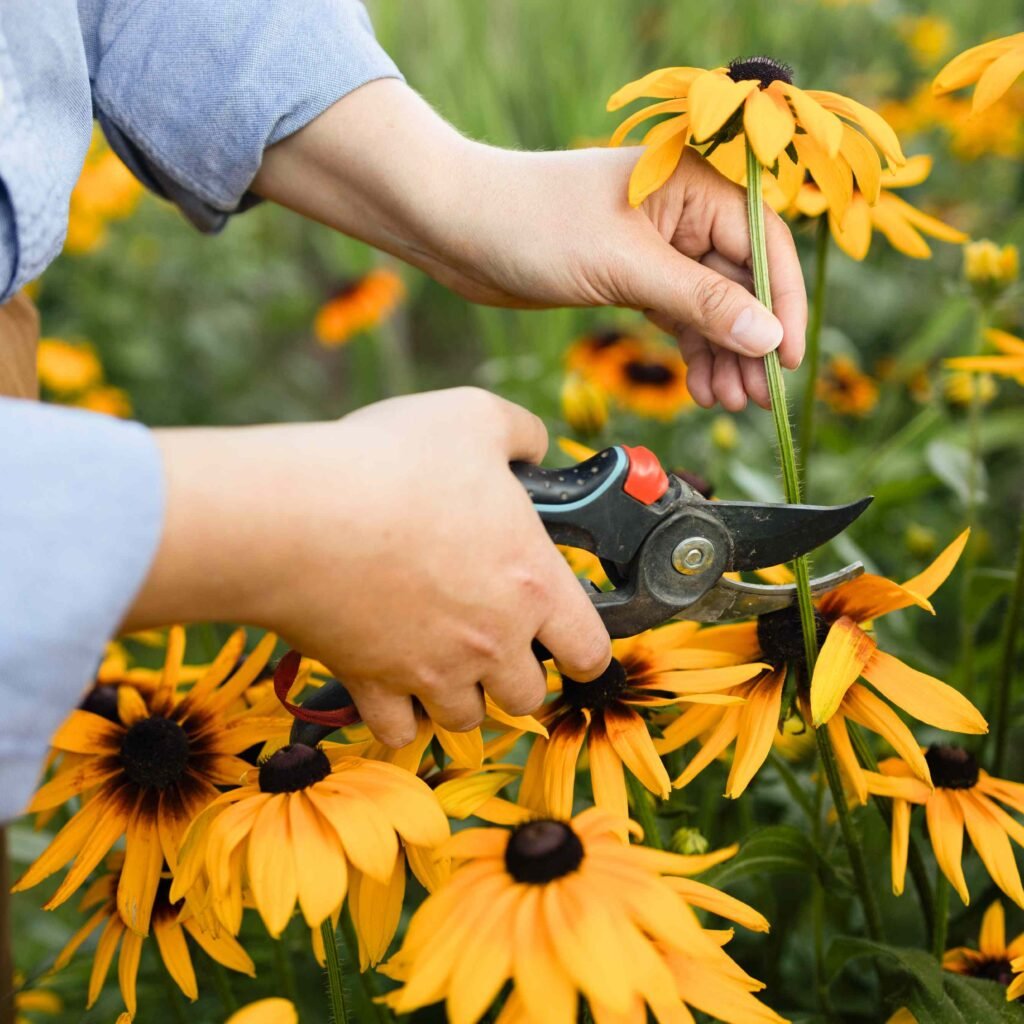
Deadheading for Continuous Blooms
- Frequency: Deadhead spent blooms every 1–2 weeks during peak flowering.
- Method: Cut flower stems back to the first set of healthy leaves or just above a leaf node.
- Effect: Promotes a second wave of blooms and keeps the plant tidy.
Mid-Season Rejuvenation
- When: Around mid to late summer (July or early August, depending on your region).
- Purpose: Cuts back overgrown foliage and old flower stems to stimulate new growth.
- Method: Trim about one-third of the plant down to healthy stems.
End-of-Season Cutback
- When: After the first frost or once blooms fade in late fall.
- Purpose: Prepares the plant for winter dormancy and encourages strong regrowth the following spring.
- Method: Cut stems down to 2–4 inches above the ground. Avoid cutting too low into woody or dead tissue.
Expert Insight: Timely deadheading and seasonal cutbacks ensure maximum flowering and healthier perennials year after year.
Step 2: Proper Deadheading Techniques
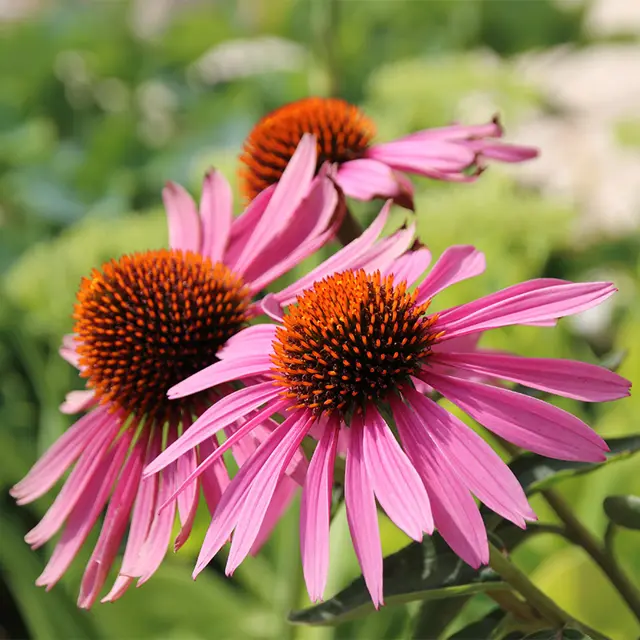
Correct deadheading helps maintain plant vigor:
- Tools Needed: Sharp garden scissors or pruners.
- Cut Location: Trim just above a leaf set or lateral bud. This prevents damage to new growth.
- Angle: Cut at a slight angle to promote water runoff and prevent rot.
- Frequency: Regularly inspect plants for faded blooms to maintain continuous flowering.
Tip: Wearing gloves protects your hands from rough stems and occasional prickles on some varieties.
Step 3: Mid-Season Pruning for Plant Rejuvenation
Mid-season pruning is especially useful for older or tall coneflower varieties:
- Identify Overgrown Stems: Remove any weak, diseased, or excessively tall stems.
- Encourage Bushier Growth: Cutting stems encourages lateral branching and more flowering sites.
- Timing: Perform in early to mid-summer, after the initial bloom wave, to stimulate reblooming.
Expert Insight: Regular mid-season pruning prevents legginess and keeps plants compact and attractive, while boosting bloom quantity.
Step 4: Fertilizing After Deadheading
To support reblooming:
- Apply Fertilizer: Use a balanced, slow-release fertilizer after deadheading or mid-season pruning.
- Nutrients Needed: Nitrogen for leafy growth, phosphorus for root and flower development, and potassium for overall plant health.
- Organic Options: Compost, well-rotted manure, or fish emulsion provide slow-release nutrients and improve soil health.
Tip: Avoid over-fertilizing with high nitrogen fertilizer alone, which encourages excessive foliage at the expense of flowers.
Step 5: Watering for Vigorous Growth
Proper hydration ensures strong stems and abundant blooms:
- Regular Watering: Provide deep watering once or twice a week during dry spells.
- Avoid Overwatering: Coneflowers are drought-tolerant; soggy soil can lead to root rot.
- Mulching: Apply 2–3 inches of mulch to retain moisture, regulate soil temperature, and suppress weeds.
Expert Insight: Consistent water combined with deadheading and fertilization encourages robust flowering and prevents stress-related bloom reduction.
Step 6: Preparing for Winter
Post-season cutback is essential for perennial health:
- After First Frost: Cut stems to 2–4 inches above the soil line.
- Leave Some Seedheads (Optional): If you want to attract birds, leave a few seedheads on the plant.
- Mulching: Apply a layer of mulch over the root zone to protect from freezing temperatures.
Expert Tip: Proper winter preparation ensures the plant emerges healthy in spring, ready for a full bloom cycle.
Common Mistakes to Avoid
- Ignoring Deadheading – Leads to fewer flowers and messy garden beds.
- Cutting Too Low During Mid-Season – Can remove developing buds and reduce reblooming potential.
- Neglecting Fertilization – Plants may fail to produce a second wave of blooms.
- Overcrowding – Limits airflow and increases disease risk. Thin plants as needed.
- Late-Season Pruning Too Early – Cutting before dormancy can reduce winter hardiness.
Additional Tips for Maximum Rebloom
- Select Reblooming Varieties: Some hybrids, like ‘Magnus’ or ‘Cheyenne Spirit’, naturally produce a second flush of flowers.
- Pair with Companion Plants: Planting with asters, black-eyed Susans, or ornamental grasses enhances aesthetic appeal and supports pollinators.
- Regular Maintenance: Remove weeds, monitor for pests like Japanese beetles, and provide adequate sunlight (6–8 hours daily).
- Rotate Fertilizer Types: Combine slow-release fertilizers with occasional liquid feeding to encourage continuous blooms.
Conclusion
The secret to maximum reblooming coneflowers lies in timely deadheading, mid-season pruning, fertilization, and proper care.
- During bloom: Deadhead spent flowers regularly to redirect energy toward new blooms.
- Mid-season: Rejuvenate older or overgrown plants by trimming one-third of the stems to promote lateral growth.
- End-of-season: Cut back after frost to prepare the plant for winter dormancy.
By following these strategies, gardeners can enjoy continuous vibrant flowers, healthier plants, and long-lasting visual appeal throughout the growing season. Combining proper pruning with watering, fertilization, and seasonal preparation ensures that your coneflowers remain strong, tall, and reblooming year after year, making them a centerpiece of your perennial garden.

Leave A Comment