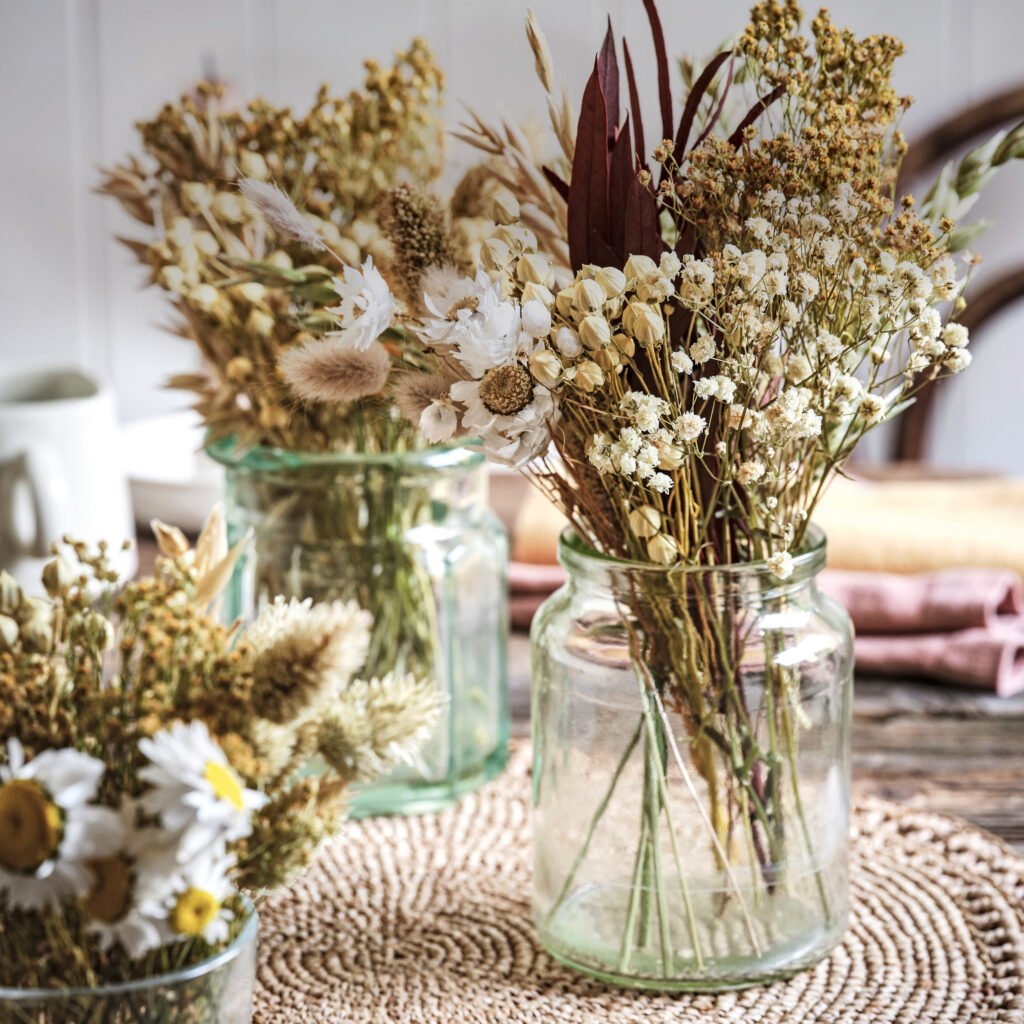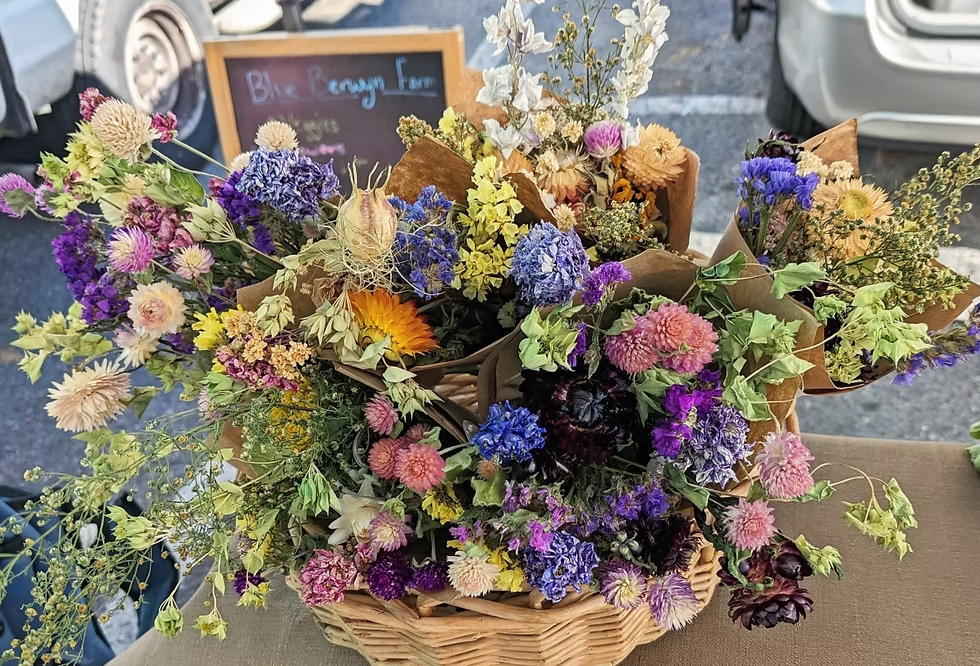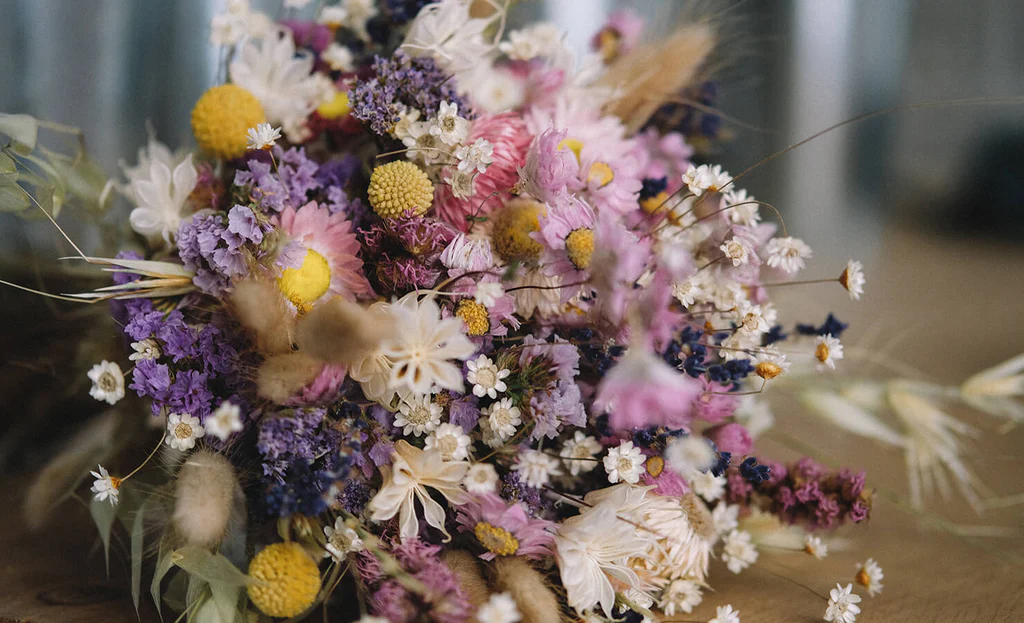
7 Flowers You Can Dry and Use in Winter Décor

7 Flowers You Can Dry and Use in Winter Décor

Winter can be a challenging season for gardeners and flower enthusiasts. Outdoor gardens may lie dormant, and the vibrant colors of spring and summer blooms are often absent. However, drying flowers is a timeless technique that allows gardeners to preserve the beauty, fragrance, and charm of summer and autumn blooms for use throughout the winter months. Dried flowers are ideal for wreaths, centerpieces, garlands, potpourri, and other decorative arrangements. This article explores seven flowers that dry exceptionally well, along with detailed techniques for harvesting, drying, and incorporating them into winter décor.


Why Dry Flowers for Winter Décor?

Drying flowers offers several advantages:

  1. Year-Round Beauty: Keeps the vibrancy of summer and autumn flowers in your home during the cold winter months.
  2. Sustainability: Reduces waste by preserving flowers that would otherwise wilt.
  3. Cost-Effective Décor: Home-dried flowers are a budget-friendly alternative to store-bought seasonal decorations.
  4. Versatility: Dried flowers can be used in wreaths, floral arrangements, candles, soaps, and other crafts.
  5. Aromatic Benefits: Many flowers retain fragrance when dried, adding sensory appeal to winter décor.

Step 1: Choosing the Right Flowers for Drying

Not all flowers dry well. The ideal candidates maintain their color, shape, and fragrance when dried. Selecting the right flowers ensures long-lasting, visually appealing decorations. Here are seven excellent options:


1. Roses

Roses are classic flowers with a timeless appeal and strong fragrance.

  • Best Varieties for Drying: Small or medium blooms with firm petals, such as miniature roses or garden roses.
  • Drying Method:
    • Remove excess leaves.
    • Hang upside down in a dark, dry, well-ventilated space.
    • Stems should be tied in small bundles.
  • Tips: Choose flowers at the stage just before full bloom for the best color retention. Avoid fully opened blooms, as they may lose petals during drying.
  • Winter Décor Uses: Wreaths, centerpieces, potpourri, and floral garlands.

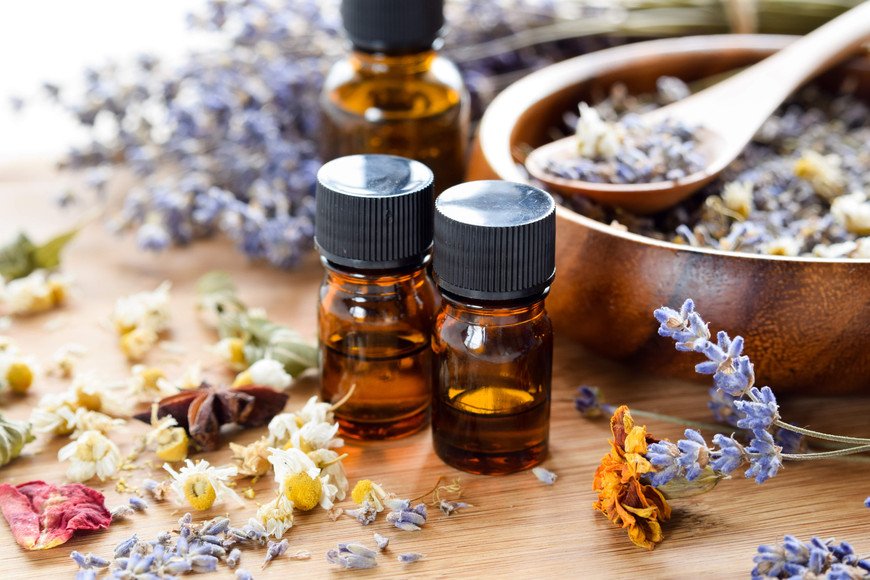
2. Lavender

Lavender is prized for its fragrance and slender, elegant stems.

  • Best Varieties for Drying: English lavender (Lavandula angustifolia) retains aroma and color best.
  • Drying Method:
    • Harvest flower spikes when the buds are partially open.
    • Tie in small bundles and hang upside down in a dark, dry place.
    • Avoid overcrowding to maintain airflow.
  • Tips: Lavender retains scent exceptionally well, making it perfect for aromatic décor.
  • Winter Décor Uses: Sachets, wreaths, candles, and dried bouquets.

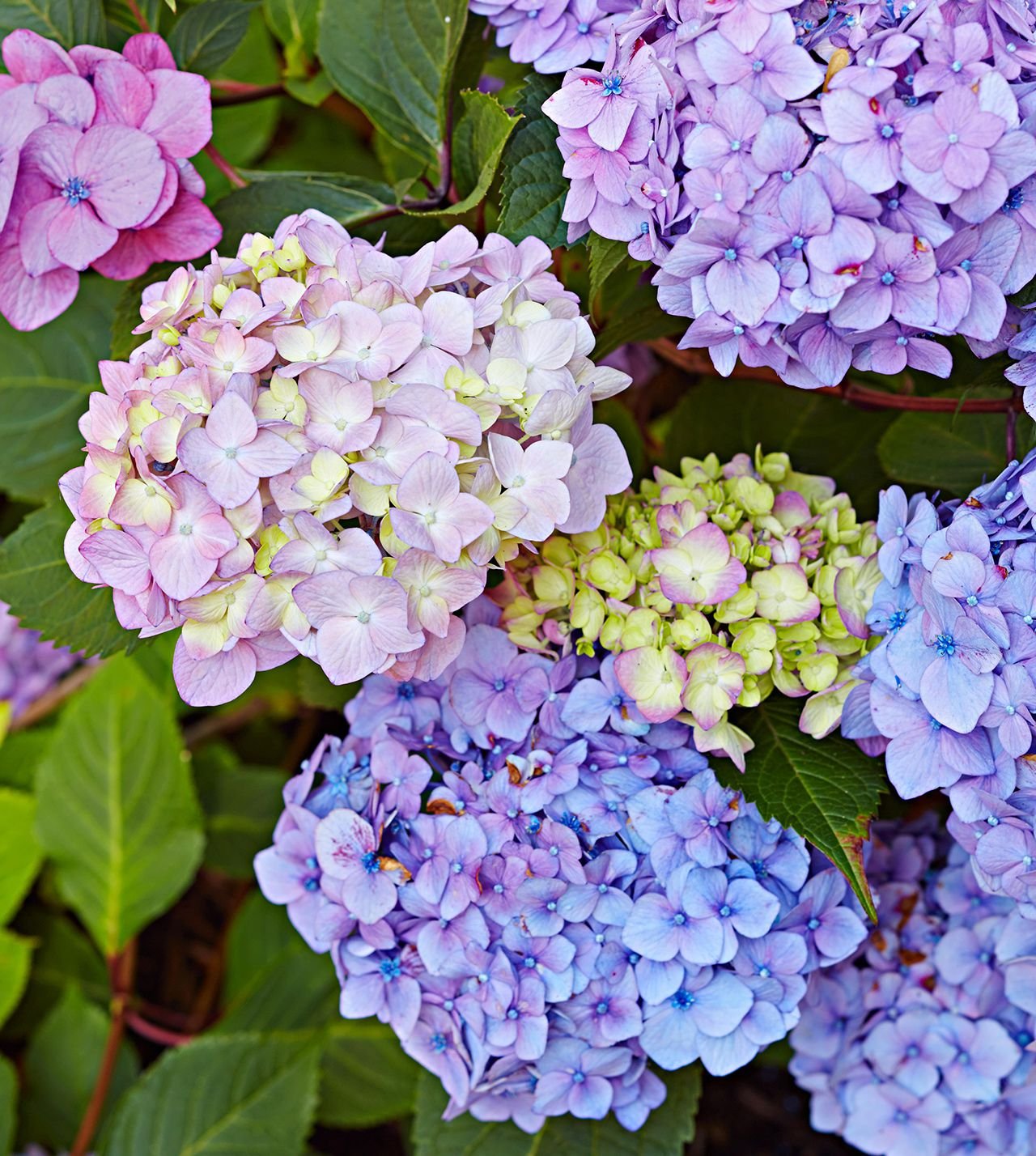
3. Hydrangeas

Hydrangeas provide voluminous blooms and retain their shape well.

  • Best Varieties for Drying: Mophead and lacecap varieties are ideal.
  • Drying Method:
    • Cut the entire flower head with a stem of 6–8 inches.
    • Hang upside down or dry in a shallow tray in a cool, dark place.
  • Tips: Hydrangeas may change color as they dry, often becoming muted shades of blue, pink, or cream, which adds a rustic charm.
  • Winter Décor Uses: Wreaths, table centerpieces, and mixed arrangements.

4. Statice (Limonium)

Statice flowers are known for their long-lasting color and texture.

  • Best Varieties for Drying: Varieties with tightly packed flower clusters.
  • Drying Method:
    • Harvest flowers just as they open.
    • Hang stems upside down or place in a tray to air dry.
  • Tips: Statice keeps its vibrant colors even when dried, making it ideal for colorful winter arrangements.
  • Winter Décor Uses: Bouquets, wreaths, and decorative fillers.

5. Strawflowers (Helichrysum)

Strawflowers have papery petals that naturally preserve well.

  • Best Varieties for Drying: Any variety with firm, brightly colored petals.
  • Drying Method:
    • Cut stems when blooms are fully open.
    • Hang upside down in a dark, ventilated space.
  • Tips: Avoid handling petals excessively to prevent crumpling.
  • Winter Décor Uses: Bouquets, dried garlands, and floral wall hangings.

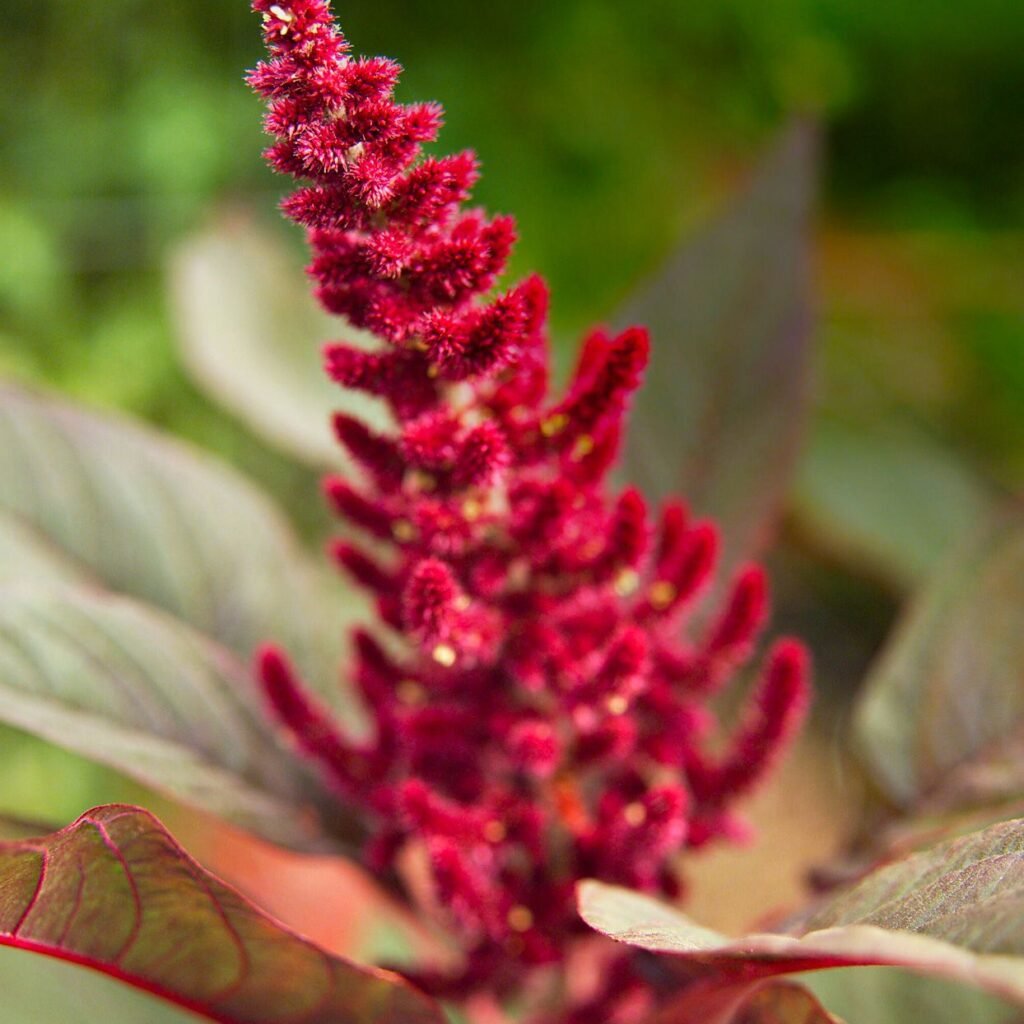
6. Celosia (Cockscomb)

Celosia’s unique texture adds dramatic flair to winter décor.

  • Best Varieties for Drying: Plumed or crested varieties.
  • Drying Method:
    • Harvest when flowers are fully mature but not wilted.
    • Hang upside down in small bundles in a dark, dry area.
  • Tips: Celosia retains its bright colors and distinctive shape after drying.
  • Winter Décor Uses: Centerpieces, wreaths, and ornamental arrangements.

7. Eucalyptus

Though technically foliage, eucalyptus adds greenery and fragrance to dried floral arrangements.

  • Best Varieties for Drying: Silver dollar and seeded eucalyptus varieties.
  • Drying Method:
    • Cut stems before leaves fully harden.
    • Hang upside down in bundles or place in a vase to dry naturally.
  • Tips: Eucalyptus retains fragrance and color when dried in a cool, dark environment.
  • Winter Décor Uses: Garlands, wreaths, table runners, and mixed flower arrangements.

Step 2: Preparing Flowers for Drying

Proper preparation is essential for maintaining flower quality:

  1. Harvest Timing: Pick flowers in the morning after dew has evaporated for maximum freshness.
  2. Remove Leaves: Leaves on stems can retain moisture and cause mold.
  3. Trim Stems: Leave at least 6–8 inches of stem for hanging and arranging.
  4. Clean Flowers: Remove dirt or pests by gently brushing petals or spraying with water and air-drying briefly.

Step 3: Drying Techniques

Different flowers may require slightly different methods, but the following general approaches are effective:

Air Drying

  • Hang flowers upside down in a dark, dry, ventilated area.
  • Avoid sunlight to prevent fading.
  • Drying may take 1–3 weeks depending on flower type and humidity.

Pressing

  • Place flat flowers between sheets of absorbent paper inside a heavy book or flower press.
  • Ideal for small blooms, leaves, or delicate petals.

Silica Gel Drying

  • Use silica gel to preserve shape and color of flowers.
  • Place flowers in an airtight container with silica gel crystals.
  • Check after a few days for complete drying.

Microwave Drying (Optional)

  • Quick drying method for small, delicate flowers.
  • Place flowers between paper towels and microwave in short intervals, checking frequently.

Step 4: Storing Dried Flowers

Proper storage ensures longevity and preserves color and fragrance:

  • Store in airtight containers or boxes lined with tissue paper.
  • Keep in a cool, dark, and dry location to prevent mold and fading.
  • Avoid crushing or stacking heavy items on dried flowers.
  • Label containers with flower type and drying date.

Tips: Some flowers, like lavender and eucalyptus, retain fragrance when stored, adding an aromatic element to winter décor.


Step 5: Using Dried Flowers in Winter Décor

Dried flowers can be used creatively to brighten winter interiors:

  1. Wreaths: Combine dried roses, hydrangeas, and eucalyptus for a seasonal wreath.
  2. Centerpieces: Use statice and strawflowers for vibrant table arrangements.
  3. Garlands: String dried flowers into garlands for mantels, doors, or staircases.
  4. Potpourri: Mix petals and fragrant foliage for aromatic home décor.
  5. Crafts: Incorporate dried flowers in candles, soap, resin art, or greeting cards.

Tips: Mix textures, colors, and flower types for visually appealing arrangements that last throughout winter.


Advantages of Drying Flowers for Winter

  • Extended Beauty: Enjoy blooms long after outdoor gardens fade.
  • Cost-Effective: Reuse flowers for multiple seasons or occasions.
  • Aromatic Appeal: Some flowers retain fragrance, enhancing indoor ambiance.
  • Creative Expression: Provides material for DIY crafts and seasonal décor.
  • Sustainable Gardening: Reduces floral waste and encourages resourceful practices.

Conclusion

Drying flowers is a practical and rewarding way to preserve the beauty, color, and fragrance of summer blooms for use in winter décor. By selecting flowers such as roses, lavender, hydrangeas, statice, strawflowers, celosia, and eucalyptus, gardeners can create vibrant, aromatic arrangements that last throughout the cold months. Proper harvesting, drying, and storage techniques are key to maintaining the integrity and aesthetic appeal of flowers. Whether used in wreaths, centerpieces, garlands, or crafts, dried flowers offer endless creative possibilities, transforming winter interiors with natural charm. With careful planning and thoughtful preparation, dried flowers can bring warmth, color, and life to your home even in the depths of winter.

How to Collect Sunflower Seeds Without Damaging the Flower

How to Collect Sunflower Seeds Without Damaging the Flower

Sunflowers (Helianthus annuus) are among the most beloved garden plants, admired for their towering stems, vibrant yellow petals, and striking seed heads. Beyond their ornamental beauty, sunflowers provide an abundant source of edible seeds, which are rich in protein, healthy fats, vitamins, and minerals. Collecting sunflower seeds allows gardeners to enjoy fresh seeds for consumption, snacks, cooking, or replanting in the following season. However, improper harvesting can damage the flower head, reduce seed quality, or even prevent future flowering. This article provides a comprehensive guide on collecting sunflower seeds carefully, including timing, techniques, drying, cleaning, storage, and tips for sustainable seed-saving.


Why Collect Sunflower Seeds

Harvesting sunflower seeds offers numerous advantages:

  1. Fresh, High-Quality Seeds: Homegrown seeds are often fresher and more nutritious than store-bought alternatives.
  2. Cost Savings: Reduces the need to purchase seeds for planting or snacking.
  3. Seed Saving for Next Season: Allows gardeners to select the best-performing plants for future planting.
  4. Educational Opportunity: Offers a practical way to understand plant life cycles, pollination, and seed maturation.
  5. Sustainability: Encourages self-sufficient gardening and reduces reliance on commercial seed production.

Step 1: Choosing the Right Sunflower Plants

Selecting suitable sunflower plants is essential for successful seed collection:

  • Healthy Plants: Choose tall, strong plants with vibrant, fully developed flower heads.
  • Disease-Free: Avoid plants affected by mildew, pests, or fungal infections to ensure seed quality.
  • True-to-Type Varieties: Open-pollinated or heirloom varieties are ideal if seeds are saved for replanting, as hybrid seeds may not produce true offspring.
  • Flower Size: Larger flower heads usually produce more seeds, making harvesting more efficient.

Tips: Observe sunflower growth throughout the season to identify the most vigorous and productive plants for seed collection.


Step 2: Understanding Seed Maturity

Timing is critical to collect seeds without damaging the flower:

Signs of Seed Maturity:

  1. Back of the Flower Head: The back should turn from green to yellow-brown.
  2. Petal Drop: Most petals have wilted and fallen naturally.
  3. Seed Development: Seeds are plump, firm, and fully formed. They should be black-and-white striped (depending on variety) or dark gray.
  4. Moisture Content: Seeds should be dry enough that pressing them does not release liquid or feel soft.

Best Time to Harvest:

  • Usually late summer to early autumn, depending on the growing season.
  • Avoid harvesting too early, as immature seeds may be soft and undeveloped.
  • Do not wait until the plant is overripe, as seeds can fall off or attract birds and pests.

Step 3: Preparing for Harvest

Before collecting seeds, gather the necessary tools and materials:

  • Sharp garden shears or scissors: For cutting flower heads cleanly.
  • Basket or container: To gently hold harvested flowers without crushing seeds.
  • Protective gloves: Optional, as sunflower stems can be coarse and prickly.
  • Netting or mesh (optional): To protect seeds from birds if harvesting is delayed.

Tips: Avoid harvesting during wet weather, as moisture can promote mold growth during drying.


Step 4: Harvesting Sunflower Seeds

Harvesting sunflower seeds without damaging the flower requires careful handling:

Step 1: Cut the Flower Head

  • Leave 6–12 inches of stem attached to the flower head for easier handling and hanging.
  • Use a sharp, clean tool to make a clean cut, avoiding crushing the seeds.

Step 2: Protect Seeds During Collection

  • Gently place the flower head in a basket or container with the seeds facing up.
  • If birds are attracted to the seeds, cover the head with a paper bag or fine mesh to prevent seed loss.

Step 3: Avoid Handling the Seeds Directly

  • Minimize touching the seeds while the flower is still fresh. Handling can dislodge seeds or introduce moisture and oils that reduce shelf life.

Step 5: Drying Sunflower Seeds

Proper drying ensures long-lasting, high-quality seeds:

Step 1: Air Drying

  • Hang sunflower heads upside down in a dry, well-ventilated, and shaded area.
  • Drying usually takes 1–3 weeks, depending on humidity and weather conditions.
  • Ensure no direct sunlight, as it can bleach seeds and reduce oil content.

Step 2: Tray Drying

  • Place flower heads on a flat, ventilated tray with seeds facing up.
  • Turn heads occasionally to ensure uniform drying.

Tips: Seeds are fully dry when they can be easily removed from the flower head without sticking or feeling soft.


Step 6: Removing Seeds from the Flower Head

Once the flower head is fully dry:

  1. Manual Removal: Rub the seeds gently with your fingers, working from the center outward.
  2. Beating Method: Hold the flower over a container and tap the back lightly to release seeds.
  3. Screen or Sieve: Use a mesh screen to separate seeds from chaff and debris.

Tips: Work carefully to avoid breaking seeds, as cracked seeds have a shorter shelf life and reduced germination if saving for planting.


Step 7: Cleaning and Sorting Seeds

Clean seeds to remove debris and ensure quality:

  • Separate Debris: Remove any plant material, dried petals, or small fragments.
  • Sort Seeds: Discard damaged, shriveled, or moldy seeds.
  • Optional Rinsing: For edible seeds, rinse in water and allow them to air dry completely before storage.

Tips: Clean, sorted seeds last longer and provide better germination rates.


Step 8: Storing Sunflower Seeds

Proper storage is key for maintaining freshness and viability:

Storage Containers:

  • Airtight glass jars or plastic containers for dry seeds.
  • Paper envelopes or cloth bags for seeds intended for planting.

Storage Conditions:

  • Cool, dry, and dark place (ideally below 70°F or 21°C).
  • Avoid moisture and humidity, which can cause mold or sprouting.
  • Label containers with variety, collection date, and intended use.

Tips: Sunflower seeds can remain viable for planting up to 2–3 years when stored properly, while edible seeds may last longer if kept dry and sealed.


Step 9: Using Collected Sunflower Seeds

Sunflower seeds can serve multiple purposes:

  1. Replanting: Choose the largest, healthiest seeds for next season’s garden.
  2. Snacking: Roast seeds with or without seasoning for a nutritious snack.
  3. Culinary Uses: Add seeds to bread, salads, granola, or desserts.
  4. Wildlife Feed: Provide seeds for birds and small mammals, supporting local biodiversity.

Tips: For planting, pre-soak seeds overnight to improve germination rates.


Step 10: Tips for Sustainable Seed Saving

  • Grow Open-Pollinated Varieties: Ensures seeds remain true-to-type for next year.
  • Isolate Varieties: Prevent cross-pollination by spacing or covering flower heads.
  • Observe Plant Health: Save seeds only from strong, disease-free plants.
  • Record Keeping: Track variety, planting date, and harvest details for better planning.

Advantages of Proper Sunflower Seed Collection

  • Maximizes Yield: Ensures seeds are harvested at peak size and quality.
  • Preserves Plant Varieties: Allows gardeners to maintain favorite sunflower cultivars.
  • Nutritional Benefits: Freshly harvested seeds retain higher nutrients and oils.
  • Cost Savings: Reduces reliance on store-bought seeds for planting and snacking.
  • Promotes Sustainable Gardening: Supports self-sufficiency and eco-friendly practices.

Conclusion

Collecting sunflower seeds without damaging the flower is a rewarding and practical gardening skill. By carefully selecting healthy plants, harvesting seeds at the optimal stage, drying properly, and storing them in controlled conditions, gardeners can enjoy high-quality seeds for consumption, replanting, or wildlife feed. Proper seed-saving techniques also support sustainable gardening, preserve favorite varieties, and maximize the beauty and utility of sunflower plants. With patience, attention, and careful handling, sunflower seed collection can become an enjoyable, educational, and fruitful activity, ensuring your garden thrives year after year.

The Right Way to Harvest Lavender for Long-Lasting Scent

The Right Way to Harvest Lavender for Long-Lasting Scent

Lavender is one of the most cherished aromatic plants, celebrated for its calming fragrance, beautiful purple blooms, and versatile uses in essential oils, culinary dishes, and crafts. Whether grown in home gardens, on farms, or in pots, harvesting lavender correctly is essential to maximize its fragrance, color, and longevity. Improper harvesting can reduce essential oil content, diminish aroma, and even damage the plant. This article provides a comprehensive, step-by-step guide on the best practices for harvesting lavender to preserve its scent and quality, including timing, techniques, drying, storage, and tips for maintaining healthy plants.


Why Proper Lavender Harvesting Matters

Harvesting lavender at the right time and using the proper techniques ensures:

  1. Maximum Essential Oil Content: The fragrance is strongest just before full bloom.
  2. Prolonged Blooming: Correct cutting promotes new flower growth for subsequent harvests.
  3. Better Quality Products: Ensures long-lasting aroma for dried bundles, sachets, and essential oils.
  4. Plant Health: Reduces the risk of damaging stems or roots, supporting long-term productivity.
  5. Aesthetic Appeal: Maintains bushy, vibrant plants for decorative gardens and landscapes.

Step 1: Choosing the Right Lavender Variety

There are numerous lavender varieties, each suited to different climates, uses, and scents:

  • English Lavender (Lavandula angustifolia): Sweet fragrance, ideal for dried arrangements and essential oil.
  • French Lavender (Lavandula dentata): Decorative foliage with mild aroma, blooms longer.
  • Spanish Lavender (Lavandula stoechas): Distinctive flowers, excellent for ornamental gardens.
  • Lavandin Hybrids: Robust plants with strong fragrance, commonly used in essential oil production.

Tips: Select varieties based on intended use—culinary, aromatic, or decorative. English lavender is preferred for long-lasting scent and drying purposes.


Step 2: Knowing the Optimal Harvest Time

Timing is critical to capturing lavender’s peak fragrance:

Flower Development Stages:

  1. Bud Stage: Tight buds with no color—essential oil content is still developing.
  2. Early Bloom Stage: First flowers open; essential oils begin to peak.
  3. Full Bloom Stage: Most flowers open—aroma is strong, but overripe blooms may lose potency.
  4. Late Bloom Stage: Flowers start to fade and brown—scent diminishes.

Best Time to Harvest:

  • Harvest lavender when approximately half of the flower buds have opened.
  • This stage provides the strongest fragrance, longest-lasting color, and higher essential oil concentration.

Seasonal Timing:

  • Early to mid-summer is generally ideal for most varieties.
  • In warmer climates, multiple harvests may be possible—plan spacing to avoid cutting too frequently.

Step 3: Preparing for Harvest

Before cutting lavender, preparation ensures cleaner, more efficient harvesting:

  • Tools: Use sharp, clean scissors, garden shears, or a sickle. Clean tools prevent disease spread and reduce damage to stems.
  • Container: Use a basket, bucket, or cloth bag to collect stems, avoiding crushing flowers.
  • Weather: Harvest in the morning after dew dries but before peak heat, when essential oils are concentrated.

Tips: Avoid cutting during rain or very humid days, as moisture can reduce fragrance and promote mold during drying.


Step 4: Proper Harvesting Techniques

Correct cutting techniques are essential to preserve plant health and maximize scent:

Step 1: Identify Mature Stems

  • Focus on stems with a high density of flower buds at the correct stage.
  • Avoid cutting older, woody stems near the base, as they may not regrow vigorously.

Step 2: Cutting Method

  • Angle Cut: Cut stems at a 30–45° angle to promote water runoff and faster drying.
  • Length: Harvest stems approximately 8–12 inches long, leaving enough green growth for the plant to regenerate.
  • Bundle Formation: Collect 10–15 stems at a time, holding them gently to prevent crushing buds.

Step 3: Maintaining Plant Health

  • Avoid cutting more than one-third of the plant at a time to prevent stress.
  • Regularly remove dead or woody stems to encourage fresh growth and improve air circulation.

Tips: Use gentle handling to avoid bruising the buds, which can reduce aroma and oil content.


Step 5: Drying Lavender for Long-Lasting Scent

Drying lavender properly preserves fragrance, color, and quality.

Step 1: Preparing Bundles

  • Tie 10–15 stems together with string or rubber bands.
  • Ensure stems are aligned evenly and not crushed.

Step 2: Hanging Method

  • Hang bundles upside down in a dark, well-ventilated, dry space.
  • Darkness preserves color, while airflow prevents mold.
  • Avoid direct sunlight, which can fade flowers and degrade scent.

Step 3: Alternative Drying Methods

  • Tray Drying: Lay stems on a paper towel or mesh tray in a dry, dark location.
  • Dehydrator: Use low heat (95–105°F or 35–40°C) for controlled drying in large quantities.

Step 4: Drying Duration

  • Depending on humidity, stems typically dry in 1–3 weeks.
  • Stems are ready when buds feel crisp, and stems snap easily.

Step 6: Storing Dried Lavender

Proper storage is critical for long-lasting fragrance:

  • Containers: Use airtight glass jars, fabric sachets, or sealed paper bags.
  • Location: Store in a cool, dark, and dry area to preserve essential oils.
  • Labeling: Include variety and harvest date for reference.

Tips: Avoid plastic bags for long-term storage, as they can trap moisture and reduce aroma.


Step 7: Using Lavender for Maximum Benefit

Harvested and stored lavender has multiple applications:

  1. Aromatherapy: Use dried lavender in sachets, pillows, and essential oil distillation.
  2. Culinary Uses: Sprinkle in baked goods, teas, or herbal infusions.
  3. Decorative Crafts: Create wreaths, garlands, or dried flower arrangements.
  4. Pest Repellent: Place bundles in closets or drawers to repel moths and insects.

Tips: Crush dried buds gently to release fragrance just before use, ensuring the scent lasts longer.


Step 8: Encouraging Future Growth

After harvesting:

  • Pruning: Lightly trim remaining green foliage to shape plants and encourage new growth.
  • Fertilizing: Apply compost or balanced fertilizer to support strong stems for next season.
  • Watering: Maintain consistent soil moisture without waterlogging to sustain plant health.
  • Weed Control: Remove competing plants to reduce stress and improve air circulation.

Tips: Avoid cutting too late in the season; allow some growth for winter protection.


Advantages of Proper Lavender Harvesting

  • Long-Lasting Aroma: Maximizes essential oil content for dried or processed lavender.
  • Extended Blooming: Proper cutting techniques encourage regrowth and more flowers next season.
  • High-Quality Products: Preserves color, texture, and fragrance for craft and culinary uses.
  • Plant Longevity: Healthy pruning and selective harvesting maintain vigorous plants for years.
  • Sustainable Gardening: Reduces waste and encourages seasonal self-sufficiency.

Conclusion

Harvesting lavender correctly is both an art and a science, combining knowledge of plant biology with careful handling to preserve scent, color, and plant health. By selecting healthy plants, harvesting at the optimal stage, using proper cutting techniques, and drying and storing stems appropriately, gardeners can enjoy long-lasting fragrance throughout the year. Proper lavender care not only enhances the beauty and aroma of gardens but also ensures a sustainable supply of high-quality blooms for culinary, decorative, and aromatic uses. With attention to detail and seasonal planning, harvesting lavender becomes a rewarding practice that brings enjoyment and utility for seasons to come.

How to Save Marigold Seeds for Next Year’s Garden

How to Save Marigold Seeds for Next Year’s Garden

Marigolds are among the most popular garden flowers worldwide, prized for their vibrant colors, long blooming season, and pest-repellent properties. They are easy to grow, hardy, and adaptable to various garden settings, making them a favorite for both beginner and experienced gardeners. One of the key benefits of marigolds is that they are annuals, meaning they complete their life cycle in one season. However, with proper seed-saving techniques, gardeners can preserve marigold seeds to ensure a vibrant garden year after year. This article provides a comprehensive guide to saving marigold seeds, including plant selection, seed harvesting, drying, storage, and planting strategies.


Why Save Marigold Seeds?

Saving seeds from your marigold plants offers numerous advantages:

  1. Cost Savings: Buying seeds every season can become expensive; saving your own seeds reduces this cost.
  2. Preserve Favorite Varieties: Maintain unique colors, sizes, or hybrid marigolds that you particularly enjoy.
  3. Adapted Plants: Seeds from your local garden are often better adapted to your climate and soil conditions.
  4. Sustainable Gardening: Reduces reliance on commercial seed sources and promotes eco-friendly practices.
  5. Educational Value: Teaches essential skills about plant reproduction, genetics, and seasonal planning.

Step 1: Selecting the Right Marigold Plants

Choosing the right plants for seed-saving is critical for successful results.

Traits to Consider:

  • Healthy Plants: Select strong, disease-free plants with vibrant blooms.
  • True-to-Type Varieties: Open-pollinated varieties are ideal because seeds will produce plants similar to the parent. Avoid hybrid varieties, as they may not retain the parent’s characteristics.
  • Early Bloomers: Pick marigolds that flower first and fully mature, as they are likely more vigorous and productive.
  • Pest-Resistant Plants: Favor plants with natural resistance to common pests like aphids or nematodes.

Tips: Observe your marigolds throughout the season and mark the healthiest flowers for seed collection later.


Step 2: Harvesting Marigold Seeds

Marigold seeds are found inside the flower heads once blooms have matured and dried naturally.

Timing:

  • Allow flowers to fully fade and dry on the plant, usually after the petals have shriveled and turned brown.
  • Avoid harvesting seeds from flowers that have been damaged by pests or diseases.

Process:

  1. Gently twist or cut the dried flower heads from the plant.
  2. Place the flower heads in a paper bag or bowl for further drying.
  3. Let them sit in a warm, dry, and ventilated area for 1–2 weeks to ensure complete drying.

Tips: Avoid using plastic bags during drying, as moisture can promote mold and seed rot.


Step 3: Extracting Seeds from Flower Heads

Once the flower heads are thoroughly dry, it’s time to extract the seeds.

  1. Gently crush the dried flower heads to release the seeds.
  2. Separate seeds from petals and debris by hand or using a fine mesh sieve.
  3. Choose plump, dark-colored seeds for planting; discard shriveled or underdeveloped ones.

Seed Anatomy: Marigold seeds are typically long, narrow, and slightly curved with a pointed tip. Healthy seeds are firm and dark brown or black, depending on the variety.


Step 4: Cleaning and Drying Seeds

Proper cleaning and drying extend the viability of your marigold seeds.

  • Cleaning: Remove any remaining flower matter or dust to prevent mold growth.
  • Additional Drying: Lay seeds on a paper towel or mesh tray in a cool, dry, and well-ventilated area for 3–5 days.
  • Moisture Check: Seeds should snap easily when bent; pliable seeds indicate excess moisture.

Tips: Avoid using direct sunlight for drying, as it can overheat and damage the seeds.


Step 5: Storing Marigold Seeds

Proper storage is essential to maintain seed viability for next year’s garden.

Storage Containers:

  • Glass jars with tight lids
  • Paper envelopes or small paper packets
  • Zip-lock bags with desiccant packets to absorb moisture

Storage Conditions:

  • Cool temperatures (ideally 40–50°F or 4–10°C)
  • Dark location to prevent UV damage
  • Dry environment to prevent mold or premature germination

Labeling:

  • Record the marigold variety, color, and date of collection on each container.
  • If saving multiple varieties, keep seeds separated to maintain true-to-type characteristics.

Tips: Marigold seeds can remain viable for up to 5 years under proper storage conditions, though germination rates are highest within the first 2–3 years.


Step 6: Preparing Seeds for Planting

Before planting, it’s helpful to pre-treat seeds to ensure better germination.

  • Optional Scarification: Lightly nick or scratch the seed coat with sandpaper to improve water absorption.
  • Soaking: Soak seeds in lukewarm water for 2–4 hours before sowing. This softens the seed coat and accelerates germination.

Tips: Use a clean container for soaking to avoid introducing pathogens to seeds.


Step 7: Planting Marigold Seeds

Marigold seeds are easy to grow and thrive in a variety of conditions.

Steps:

  1. Sow seeds ¼ inch deep in seed-starting mix or well-draining soil.
  2. Keep soil consistently moist until seeds germinate, usually within 5–10 days.
  3. Provide warmth and sunlight or artificial light for indoor germination.
  4. Transplant seedlings outdoors after the last frost, spacing them 8–12 inches apart.

Care Tips:

  • Fertilize lightly to encourage vigorous growth.
  • Water at the base of plants to reduce disease risk.
  • Deadhead spent flowers during the growing season to promote continuous blooms.

Step 8: Tips for Successful Seed Saving Year After Year

  1. Grow Open-Pollinated Varieties: Ensures seeds remain true to type.
  2. Isolate Different Varieties: Prevent cross-pollination by spacing varieties 10–20 feet apart or using physical barriers.
  3. Regular Observation: Monitor plants for pests and diseases throughout the season to select the healthiest seeds.
  4. Rotate Crops: Avoid planting marigolds in the same soil every year to prevent disease buildup.
  5. Record Keeping: Maintain detailed notes on plant performance, seed collection, and storage conditions to improve future results.

Advantages of Saving Your Own Marigold Seeds

  • Economical: Reduces dependence on purchased seeds.
  • Personalized Gardens: Preserves your favorite colors, sizes, and bloom shapes.
  • Environmentally Friendly: Reduces packaging waste and supports sustainable gardening practices.
  • Locally Adapted Plants: Seeds collected from your garden are better suited to your local climate and soil.
  • Educational Value: Enhances knowledge of plant life cycles, reproduction, and horticultural practices.

Conclusion

Saving marigold seeds is a simple, cost-effective, and rewarding practice that allows gardeners to enjoy the vibrant beauty of marigolds year after year. By carefully selecting healthy plants, harvesting seeds at the right time, properly drying and storing them, and following sound planting techniques, you can preserve favorite varieties and ensure robust blooms in your future gardens. Marigold seed saving not only promotes sustainability and reduces costs but also empowers gardeners to maintain vibrant, thriving gardens that attract pollinators, repel pests naturally, and bring color and life to outdoor spaces season after season. With patience, attention, and proper techniques, marigold seeds can provide a continuous source of beauty and ecological benefit for years to come.
Do Ants Really Help Roses? Garden Experts Weigh In

Do Ants Really Help Roses? Garden Experts Weigh In

Roses are beloved for their stunning blooms, fragrance, and symbolic beauty, but cultivating them can sometimes feel like a battle against pests. Among the many insects that visit rose bushes, ants are perhaps the most misunderstood. Gardeners often spot ants crawling along stems and buds and immediately worry they might harm the plants. Yet, experts say the relationship between ants and roses is more complex than it seems.

This guide explores the question: Do ants really help roses? We’ll look at the science behind their behavior, the pros and cons of having ants on your rose bushes, and expert advice on managing their presence for healthier plants.


Understanding Ant Behavior on Roses

Ants are social insects that live in colonies and are constantly on the lookout for food sources, such as nectar, sap, or small insects. When it comes to roses:

  • They are attracted to nectar: Roses produce nectar at the base of flower buds and sometimes on young stems.
  • They farm aphids: Ants “herd” aphids to feed on their honeydew, a sugary substance produced by the aphids.
  • They defend their territory: Ants can chase away some herbivorous insects that might harm plants.

While ants themselves do not bite rose petals or leaves, their presence can indirectly affect the plant—sometimes positively, sometimes negatively.

Pro Tip: Observing ants on your roses can help you determine whether they are beneficial visitors or partners in pest problems.


How Ants Can Help Roses

1. Protection from Herbivorous Insects

Some ants act as bodyguards for roses by attacking or deterring other insects, such as caterpillars or beetles, that might feed on leaves and flowers. In this sense, ants can contribute to natural pest control, reducing the need for chemical insecticides.

2. Soil Aeration

While not specific to roses, ants tunnel through the soil, which can improve drainage and aeration. Well-aerated soil allows rose roots to absorb nutrients and water more effectively, indirectly promoting healthy growth.

3. Pollination Assistance (Indirect)

Although ants are not major pollinators for roses, their movement around flower buds can sometimes help transfer pollen in small amounts. More importantly, their presence attracts other insects that may actively pollinate your roses.

Pro Tip: Having a moderate number of ants is not necessarily harmful and can even support a small ecosystem around your rose bushes.


How Ants Can Harm Roses

Despite their potential benefits, ants are often associated with negative effects, primarily due to their relationship with aphids and scale insects.

1. Aphid Farming

Ants “farm” aphids for honeydew, protecting them from predators like ladybugs. Aphids, in turn, feed on rose sap, weakening plants, distorting leaves, and spreading viruses. If aphid populations rise unchecked, ants become indirect pests, making the rose suffer.

2. Encouraging Scale Insects and Mealybugs

Similar to aphids, scale insects produce honeydew that ants collect. By protecting these pests, ants can allow infestations to grow, which may reduce flower production and plant vigor.

3. Nesting in the Soil

Large ant colonies near the base of rose bushes can sometimes disturb roots. While moderate soil aeration is helpful, overly extensive tunneling can damage young or shallow roots, especially in newly planted roses.

Pro Tip: The presence of ants is often a symptom, not the root cause. If ants are abundant, check for aphids or other pests feeding on your roses.


Expert Advice on Managing Ants on Roses

1. Monitor Before Intervening

Experts advise observing ant activity before taking action. If ants are present but aphid populations are low, they may be providing a net benefit.

2. Control Aphids Naturally

If aphids are present:

  • Introduce natural predators like ladybugs or lacewings.
  • Spray with insecticidal soap or a mild neem oil solution.
  • Remove heavily infested leaves to prevent further spread.

By controlling aphids, ants lose their food source, which can naturally reduce ant activity around rose buds.

3. Use Physical Barriers

To keep ants off flower buds:

  • Apply Tanglefoot or sticky barriers around stems.
  • Wrap aluminum foil or horticultural tape at the base of stems.
  • Plant repellent flowers like marigolds nearby to discourage ants.

Pro Tip: Barriers should be monitored and reapplied as needed to maintain effectiveness.

4. Avoid Harmful Pesticides

Spraying broad-spectrum pesticides can kill beneficial insects like pollinators and predatory insects that naturally control aphids. Experts recommend targeted, eco-friendly approaches over chemical sprays.

5. Encourage a Balanced Garden Ecosystem

Planting diverse companion flowers and herbs around roses attracts beneficial insects that prey on aphids and other pests, helping keep ant populations in check naturally.


Companion Plants to Reduce Ant Problems

  • Marigolds: Repel aphids and attract ladybugs.
  • Lavender: Strong fragrance deters many insects, including ants.
  • Chives and garlic: Help reduce aphid populations near roses.
  • Nasturtiums: Act as trap crops for aphids, keeping ants occupied away from roses.

Pro Tip: Companion planting not only protects roses but also enhances garden color, fragrance, and biodiversity.


Common Myths About Ants on Roses

  1. Myth: “Ants are eating my roses.”
    Fact: Ants rarely feed on rose petals or leaves; they are attracted to nectar and aphids.
  2. Myth: “All ants are bad for roses.”
    Fact: Moderate ant activity can benefit roses indirectly by controlling pests and aerating soil.
  3. Myth: “Killing ants will protect roses.”
    Fact: Eliminating ants without addressing aphids may not solve the problem and can disrupt natural predator-prey balance in your garden.

When Ants Become a Problem

Ants should be managed if:

  • Aphid populations are high and uncontrolled.
  • Scale insects or mealybugs are abundant.
  • Large colonies are disturbing rose roots.

In these cases, targeted interventions—like natural predators, sticky barriers, or careful pruning—can control ants without harming your roses.


Expert Tips for Healthy Roses

  1. Regular inspection: Check buds, stems, and leaves weekly for aphids or other pests.
  2. Maintain plant vigor: Healthy roses are more resistant to pest damage.
  3. Encourage biodiversity: A mix of flowers, herbs, and companion plants supports natural pest control.
  4. Water and mulch correctly: Proper irrigation and mulch reduce stress, making roses less attractive to pests.
  5. Prune thoughtfully: Removing dead or crowded branches reduces aphid habitat and improves airflow.

Final Thoughts

So, do ants really help roses? The answer is nuanced. Ants themselves do not harm rose flowers, and they can indirectly benefit plants by:

  • Protecting against certain herbivores
  • Improving soil aeration
  • Supporting minor pollination activity

However, when ants farm aphids or other pests, they can become indirect threats to rose health. The key is observation and balance. By managing aphid populations, using natural barriers, encouraging beneficial insects, and planting companion plants, gardeners can enjoy the benefits of ants while minimizing their negative effects.

With expert strategies in place, your rose garden can thrive, bloom beautifully, and maintain ecological balance, letting you appreciate the elegance of roses without the frustration of ant-related issues.

Pro Tip: Embrace ants as part of a healthy garden ecosystem, but intervene wisely when their activities threaten your roses.

The Best Flowers to Plant for Natural Pest Control

The Best Flowers to Plant for Natural Pest Control

Gardening is a delicate balance between nurturing plants and managing pests. While pesticides can offer a quick fix, they often harm beneficial insects, pollinators, and the surrounding ecosystem. Fortunately, certain flowers can naturally protect your garden by repelling harmful insects and attracting helpful predators. By strategically planting these flowers, gardeners can reduce pest problems, support biodiversity, and create vibrant, healthy gardens.

This guide highlights the best flowers to plant for natural pest control, with detailed tips on planting, care, and maximizing their protective benefits.


1. Marigolds (Tagetes spp.)

Why They Work

Marigolds are celebrated for their bright blooms and distinctive scent, which naturally repels nematodes, aphids, and whiteflies. They also attract beneficial insects like ladybugs and lacewings, which feed on harmful pests.

Planting Tips

  • Light: Full sun for optimal growth.
  • Soil: Well-draining, moderately fertile soil.
  • Watering: Moderate; avoid overwatering.
  • Care: Deadhead regularly to prolong bloom and maintain plant health.

Companion Benefits

  • Plant marigolds near tomatoes, peppers, or beans to protect them from nematodes and aphids.
  • The bright colors attract pollinators, enhancing garden productivity.

Pro Tip: French marigolds are particularly effective against nematodes, while African marigolds excel at deterring insect pests.


2. Nasturtiums (Tropaeolum majus)

Why They Work

Nasturtiums serve as trap crops, luring aphids, whiteflies, and other pests away from vegetables. Their peppery leaves can also deter squash bugs and cabbage worms.

Planting Tips

  • Light: Full sun to partial shade.
  • Soil: Poor to moderately fertile soil; avoid over-fertilizing to maintain leaf flavor.
  • Watering: Moderate; water when soil feels dry.
  • Care: Remove old flowers to encourage continuous blooming.

Companion Benefits

  • Place near cabbage, broccoli, or tomatoes to protect them naturally.
  • Their bright flowers attract bees and predatory insects, further supporting pest control.

Pro Tip: Nasturtiums can also be eaten in salads, offering dual-purpose benefits.


3. Calendula (Calendula officinalis)

Why They Work

Calendula, or pot marigold, produces vivid orange and yellow flowers that attract beneficial insects such as hoverflies, parasitic wasps, and ladybugs. These predators feed on aphids, mites, and caterpillars.

Planting Tips

  • Light: Full sun; tolerates partial shade.
  • Soil: Well-draining, fertile soil.
  • Watering: Moderate; keep soil moist but not waterlogged.
  • Care: Deadhead to encourage prolonged blooming.

Companion Benefits

  • Calendula works well near vegetables and herbs, boosting overall pest resistance.
  • It also enhances soil health when used as a companion cover crop.

Pro Tip: Calendula petals are edible and can be used in salads or teas, making them both beautiful and functional.


4. Chrysanthemums (Chrysanthemum spp.)

Why They Work

Chrysanthemums contain pyrethrins, natural compounds that repel ants, aphids, fleas, and Japanese beetles. They are a powerful natural insecticide and can protect surrounding plants when strategically placed.

Planting Tips

  • Light: Full sun for maximum bloom and potency.
  • Soil: Well-draining, rich soil.
  • Watering: Moderate; water at the base to prevent fungal diseases.
  • Care: Cut back spent blooms to encourage new flowers and maintain vigor.

Companion Benefits

  • Plant chrysanthemums near roses, tomatoes, or squash to reduce pest activity naturally.
  • The flowers also attract pollinators, enhancing garden diversity.

Pro Tip: Harvest chrysanthemums for dried flower arrangements or homemade insect sprays to extend their pest-control benefits.


5. Lavender (Lavandula spp.)

Why They Work

Lavender’s strong fragrance deters moths, fleas, and mosquitoes while attracting bees and predatory insects. Its aromatic oils act as a natural insect repellent and add sensory appeal to any garden.

Planting Tips

  • Light: Full sun.
  • Soil: Well-draining, sandy or rocky soil; avoid heavy clay.
  • Watering: Low; drought-tolerant once established.
  • Care: Prune after flowering to maintain shape and promote new growth.

Companion Benefits

  • Lavender is effective near vegetables, roses, and herbs, reducing pest pressure naturally.
  • The blooms attract pollinators, supporting fruit and vegetable production.

Pro Tip: Harvest lavender flowers for sachets or teas, combining garden functionality with home use.


6. Sweet Alyssum (Lobularia maritima)

Why They Work

Sweet alyssum produces tiny, fragrant flowers that attract hoverflies, lacewings, and parasitic wasps. These predators feed on aphids, whiteflies, and other soft-bodied pests, providing natural pest control.

Planting Tips

  • Light: Full sun to partial shade.
  • Soil: Well-draining, fertile soil.
  • Watering: Moderate; keep soil evenly moist.
  • Care: Deadhead to maintain continuous flowering throughout the season.
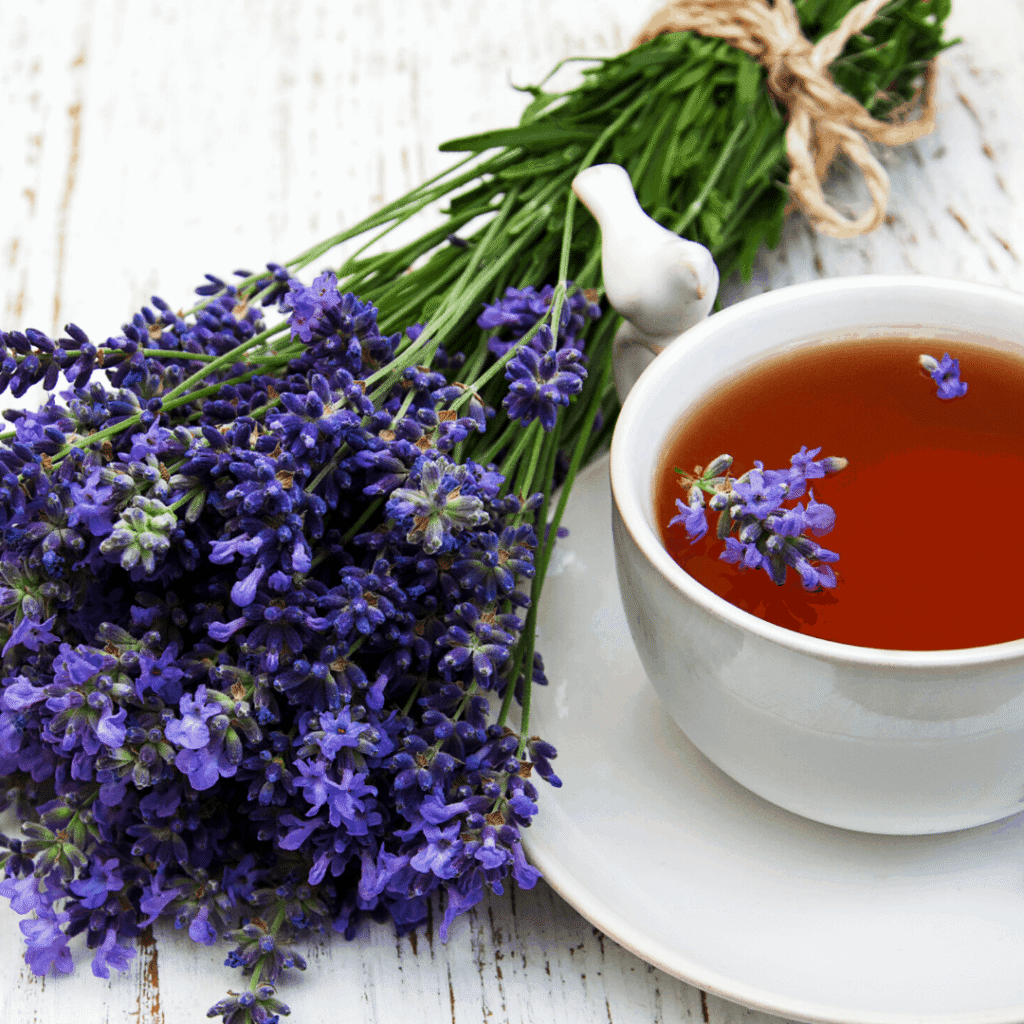
Companion Benefits

  • Plant near vegetables or herbs to encourage beneficial insect populations.
  • Works well as a ground cover, preventing weeds while attracting predators.

Pro Tip: Sweet alyssum’s rapid growth and spreading habit make it an excellent living mulch.


7. Sunflowers (Helianthus annuus)

Why They Work

Sunflowers attract a wide range of beneficial insects, including ladybugs, lacewings, and predatory wasps. Their tall structure provides perches for insects and birds that feed on garden pests.

Planting Tips

  • Light: Full sun.
  • Soil: Well-draining, moderately fertile soil.
  • Watering: Moderate; water deeply but infrequently to encourage strong root systems.
  • Care: Remove spent blooms to prolong flowering; watch for fungal issues in humid climates.

Companion Benefits

  • Sunflowers act as a trap crop for aphids and attract birds that eat caterpillars.
  • Plant near vegetables to enhance overall pest control.

Pro Tip: Smaller sunflower varieties are ideal for border planting, while tall varieties can shield more delicate plants from harsh sun and pests.


Designing a Pest-Resistant Flower Garden

To maximize natural pest control, consider these design strategies:

  1. Diverse planting: Mix several pest-repellent and predator-attracting flowers for a balanced ecosystem.
  2. Continuous bloom: Stagger planting times to provide nectar and shelter year-round.
  3. Companion planting: Combine pest-repellent flowers with vegetables, herbs, and fruiting plants.
  4. Layered structure: Use tall, medium, and low-growing flowers to create habitats for predatory insects and birds.
  5. Avoid chemical pesticides: These can kill beneficial insects, negating your natural pest control efforts.

Pro Tip: Maintaining a healthy garden with rich soil, proper watering, and pruning enhances plant resilience against pests naturally.


Benefits of Plant-Based Pest Control

  • Eco-friendly: Reduces chemical use and protects pollinators and wildlife.
  • Sustainable: Encourages a self-regulating garden ecosystem.
  • Cost-effective: Reduces the need for purchased insecticides.
  • Biodiversity: Supports a wide range of insects, birds, and soil organisms.
  • Aesthetic value: Pest-repelling flowers often have vibrant blooms and fragrances, enhancing garden beauty.

Pro Tip: A diverse, flower-rich garden is not only pest-resistant but also thriving, vibrant, and resilient over time.


Final Thoughts

Natural pest control is about working with nature rather than against it. By planting marigolds, nasturtiums, calendula, chrysanthemums, lavender, sweet alyssum, and sunflowers, gardeners can effectively reduce pests while attracting beneficial insects and pollinators.

Key strategies include:

  • Select pest-repellent flowers that thrive in your local climate.
  • Encourage beneficial predators to maintain balance.
  • Combine flowers with vegetables and herbs for a multi-layered defense system.
  • Maintain healthy soil, proper watering, and pruning to boost plant resilience.

With thoughtful planning and care, your garden can flourish without chemical pesticides, offering a vibrant, sustainable, and pest-resistant space for both plants and pollinators.

How to Prevent Squirrels From Digging Up Your Bulbs

How to Prevent Squirrels From Digging Up Your Bulbs

Spring is one of the most anticipated seasons for gardeners. The promise of vibrant tulips, daffodils, hyacinths, and other bulb flowers emerging from the soil fills every garden with excitement. However, for many gardeners, this joy is often cut short by one persistent problem—squirrels. These agile, curious creatures are notorious for digging up bulbs, leaving holes, uprooted plants, and frustration in their wake.

While some gardeners may consider chemical repellents or traps, there are natural, safe, and effective ways to protect your bulbs without harming wildlife. This guide explores practical strategies for preventing squirrels from digging up bulbs, including planting techniques, deterrents, and garden planning tips.


Understanding Squirrel Behavior

Squirrels are clever foragers with a strong natural instinct to bury and retrieve food, especially nuts and seeds. Bulbs are particularly appealing to them because:

  • Shape and texture: Many bulbs resemble nuts or tubers, triggering a squirrel’s digging instinct.
  • Location: Bulbs planted near the surface or in loose soil are easier for squirrels to uncover.
  • Timing: Squirrels are active during spring and fall, coinciding with bulb planting and growth.

By understanding their behavior, you can implement preventative strategies that reduce the likelihood of disturbance.

Pro Tip: Early intervention—before squirrels discover your bulbs—is more effective than trying to deter them after the damage begins.


1. Plant Bulbs at the Correct Depth

One of the simplest ways to protect bulbs is planting them deeper than usual.

Guidelines for Depth

  • Tulips and daffodils: Plant 6–8 inches deep.
  • Hyacinths: Plant 6 inches deep.
  • Alliums: Plant 4–6 inches deep.

Deeper planting makes it harder for squirrels to dig them up, while still allowing the bulbs to sprout and bloom.

Pro Tip: Place a layer of coarse sand or gravel at the bottom of the hole. This makes digging less appealing to squirrels while aiding drainage.


2. Use Physical Barriers

Physical barriers are a highly effective, non-toxic way to protect bulbs:

Mesh or Chicken Wire

  • Method: Lay a layer of chicken wire, hardware cloth, or garden mesh over the soil after planting bulbs.
  • Benefit: Squirrels can’t dig through the mesh to reach the bulbs.
  • Tip: Leave small holes or gaps so water and air can reach the soil.

Bulb Cages or Wire Baskets

  • Method: Place bulbs in individual wire cages or baskets before planting.
  • Benefit: Protects bulbs from being dug up while allowing normal growth.
  • Tip: Choose cages with openings large enough for roots to grow but small enough to deter squirrels.

Mulch and Decorative Rocks

  • Method: Apply a thick layer of mulch, pine cones, or decorative rocks over bulb beds.
  • Benefit: Makes the soil surface less appealing and more challenging to dig.

Pro Tip: Combining mesh and mulch provides double protection and keeps your garden looking attractive.


3. Plant Squirrel-Resistant Bulbs

Some bulbs are naturally less appealing to squirrels, making them a strategic choice:

  • Daffodils (Narcissus): Toxic to squirrels; they generally avoid them.
  • Alliums: Onion-like bulbs with strong odors repel squirrels.
  • Fritillaria: Bitter taste discourages digging.
  • Hyacinths: Their fragrance deters squirrels in many cases.

Pro Tip: Mix these squirrel-resistant bulbs with more attractive varieties to reduce overall damage.


4. Use Natural Repellents

Natural scents can deter squirrels from approaching bulb beds:

Common Squirrel Repellents

  • Hot pepper or chili powder: Sprinkle lightly over soil or mix with water to create a spray.
  • Garlic cloves: Bury a few cloves near bulbs; the scent repels squirrels.
  • Coffee grounds: Spread used grounds over soil; adds a slight deterrent and enriches the soil.
  • Human hair or predator fur: Scatter around beds; squirrels detect potential danger and avoid the area.

Application Tips

  • Reapply after rain or watering.
  • Rotate repellents to prevent squirrels from becoming accustomed to one scent.

Pro Tip: Avoid overusing hot pepper sprays directly on flowers, as it can irritate humans and pets.


5. Distract Squirrels With Alternative Food Sources

Sometimes the best strategy is diversion. Offer squirrels an alternative food source to keep them away from your bulbs:

  • Place a squirrel feeder stocked with sunflower seeds, corn, or peanuts away from your flower beds.
  • Scatter shelled nuts in a separate area to lure them away.
  • Plant squirrels’ favorite plants like acorns or berry bushes in a corner of the garden.

Pro Tip: By satisfying their foraging instincts elsewhere, squirrels are less likely to dig in your prized bulb beds.


6. Garden Planning and Layout

Strategic garden design can minimize squirrel access to bulbs:

  • Container planting: Grow bulbs in deep pots or planters placed on raised stands. Squirrels are less likely to reach elevated containers.
  • Edge barriers: Surround bulb beds with low fences, edging, or thorny shrubs.
  • Cluster planting: Plant bulbs densely; squirrels may be discouraged by the difficulty of digging through a packed bed.

Pro Tip: Raised beds with wire mesh bottoms provide excellent protection while improving soil drainage and accessibility.


7. Timing and Seasonal Protection

Squirrels are most active in early spring and fall. Timing your planting and using seasonal deterrents can reduce damage:

  • Plant bulbs in late fall before squirrels become highly active in search of food.
  • Use protective covers during the first few weeks after planting.
  • Monitor daily: Check soil for early signs of digging and intervene promptly.

Pro Tip: Combining timing strategies with deterrents creates a multi-layered defense system that dramatically improves success rates.


Benefits of Natural Squirrel Control

  • Eco-friendly: Protects wildlife without harming squirrels.
  • Sustainable: Reduces dependency on chemical deterrents or poisons.
  • Aesthetic: Preserves beautiful bulb blooms and keeps gardens looking vibrant.
  • Educational: Encourages learning about wildlife behavior and ecological balance.

Pro Tip: A natural, preventative approach often requires less maintenance in the long term than reactive chemical treatments.


Final Thoughts

Squirrels are persistent, clever, and surprisingly agile, but with the right strategies, gardeners can protect their bulbs naturally. Key methods include:

  • Planting bulbs deep enough and using protective mesh or cages.
  • Selecting squirrel-resistant varieties.
  • Applying natural repellents like garlic, hot pepper, and coffee grounds.
  • Providing alternative food sources and designing strategically laid-out gardens.
  • Monitoring and timing planting to stay one step ahead of squirrels.

By combining these approaches, you can enjoy spring bulb blooms without the frustration of dug-up flowers, create a wildlife-friendly garden, and maintain beautiful, healthy flower beds year after year.

Pro Tip: Persistence is key. Even if squirrels manage to dig a few bulbs early on, a consistent, multi-layered approach will significantly reduce damage over time and ensure your garden remains a vibrant spring paradise.


7 Plants That Attract Hummingbirds—and Keep Them Coming Back

7 Plants That Attract Hummingbirds—and Keep Them Coming Back

Hummingbirds are some of the most captivating visitors to any garden. Their iridescent feathers, rapid wingbeats, and delicate feeding behavior make them a favorite among gardeners and nature enthusiasts alike. Beyond their beauty, hummingbirds play a vital role as pollinators, supporting the health of flowers, shrubs, and even fruits in your garden.

If you want to create a hummingbird-friendly garden that keeps these tiny aviators returning throughout the season, selecting the right plants is key. Certain flowers provide the nectar, color, and shape that hummingbirds love. This guide highlights seven plants that attract hummingbirds, with detailed tips on planting, care, and maximizing their appeal.


1. Trumpet Creeper (Campsis radicans)

Why Hummingbirds Love It

Trumpet creeper is a vigorous climbing vine with trumpet-shaped, bright orange to red flowers, ideal for hummingbirds. Its tubular blooms allow hummingbirds to easily access nectar while facilitating pollination.

Planting Tips

  • Light: Full sun for optimal flowering.
  • Soil: Well-draining soil; tolerates a range of soil types.
  • Watering: Moderate; keep soil moist during establishment.
  • Care: Prune after flowering to maintain shape and encourage new growth.

Placement

  • Train on trellises, arbors, fences, or walls to create vertical nectar sources.

Pro Tip: Trumpet creeper is fast-growing and self-sowing. Plant carefully to avoid it overtaking smaller plants.


2. Cardinal Flower (Lobelia cardinalis)

Why Hummingbirds Love It

Cardinal flower produces striking red spikes of tubular blooms that are rich in nectar. Its vibrant color acts as a visual cue, signaling food to passing hummingbirds.

Planting Tips

  • Light: Full sun to partial shade.
  • Soil: Moist, rich, and well-draining. Prefers consistently damp soil.
  • Watering: High; keeps soil evenly moist.
  • Care: Divide clumps every few years to maintain vigor.

Placement

  • Ideal for edges of ponds, rain gardens, or moist garden beds, creating a water-friendly hummingbird habitat.

Pro Tip: Cardinal flower attracts not only hummingbirds but also butterflies and bees, supporting a pollinator-friendly ecosystem.


3. Bee Balm (Monarda didyma)

Why Hummingbirds Love It

Bee balm features clusters of tubular, brightly colored flowers in red, pink, purple, or white. Its long-lasting blooms provide abundant nectar for hummingbirds over several weeks.

Planting Tips

  • Light: Full sun; tolerates light shade.
  • Soil: Well-draining, fertile soil.
  • Watering: Moderate; water regularly but avoid waterlogged soil.
  • Care: Cut back spent blooms and divide every 2–3 years to prevent overcrowding.

Placement

  • Plant in clumps or borders to attract hummingbirds from a distance.
  • Combines well with asters and coneflowers for late-season nectar sources.

Pro Tip: Bee balm is prone to powdery mildew; ensure good air circulation around plants.


4. Hummingbird Mint (Agastache spp.)

Why Hummingbirds Love It

Hummingbird mint, also known as giant hyssop, produces spikes of tubular flowers in shades of purple, orange, pink, or red. The flowers are exceptionally nectar-rich and long-blooming.

Planting Tips

  • Light: Full sun.
  • Soil: Well-draining; tolerates poor soil once established.
  • Watering: Low to moderate; drought-tolerant once mature.
  • Care: Deadhead to prolong bloom; cut back in late fall.

Placement

  • Perfect for garden beds, containers, or pollinator gardens.
  • Combines with ornamental grasses for an attractive landscape design.

Pro Tip: Hummingbird mint attracts bees and butterflies too, creating a multi-pollinator habitat.


5. Coral Honeysuckle (Lonicera sempervirens)

Why Hummingbirds Love It

Coral honeysuckle is a twining vine with bright red or coral tubular flowers. Unlike invasive Japanese honeysuckle, coral honeysuckle is non-invasive and perfect for hummingbird gardens.

Planting Tips

  • Light: Full sun; tolerates partial shade.
  • Soil: Well-draining, moderately fertile.
  • Watering: Moderate; water until established.
  • Care: Prune after flowering to maintain shape and encourage new blooms.

Placement

  • Ideal for trellises, fences, arbors, or pergolas to provide vertical nectar-rich spaces.

Pro Tip: Coral honeysuckle flowers are also fragrant, making your garden enjoyable for humans while attracting hummingbirds.


6. Zinnias (Zinnia elegans)

Why Hummingbirds Love It

Zinnias are bright, daisy-like flowers that provide nectar and are extremely easy to grow. Their vivid red, pink, orange, and purple blooms make them a magnet for hummingbirds.

Planting Tips

  • Light: Full sun.
  • Soil: Well-draining, moderately fertile soil.
  • Watering: Moderate; water at the base to prevent powdery mildew.
  • Care: Deadhead regularly to prolong flowering season.
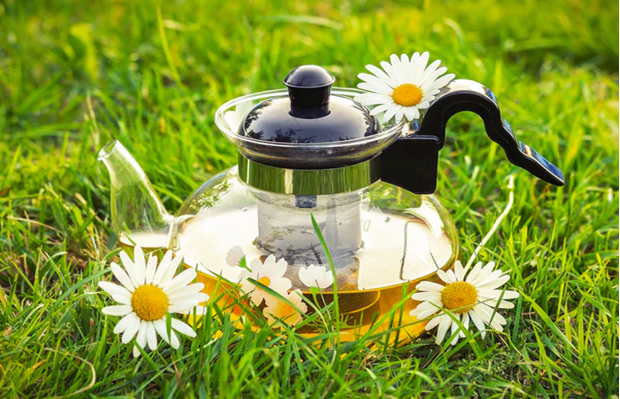
Placement

  • Plant in beds, borders, or containers to provide accessible nectar.
  • Group colors together to attract more hummingbirds from a distance.

Pro Tip: Zinnias are excellent for cut flower arrangements, letting you enjoy blooms indoors while supporting pollinators outdoors.


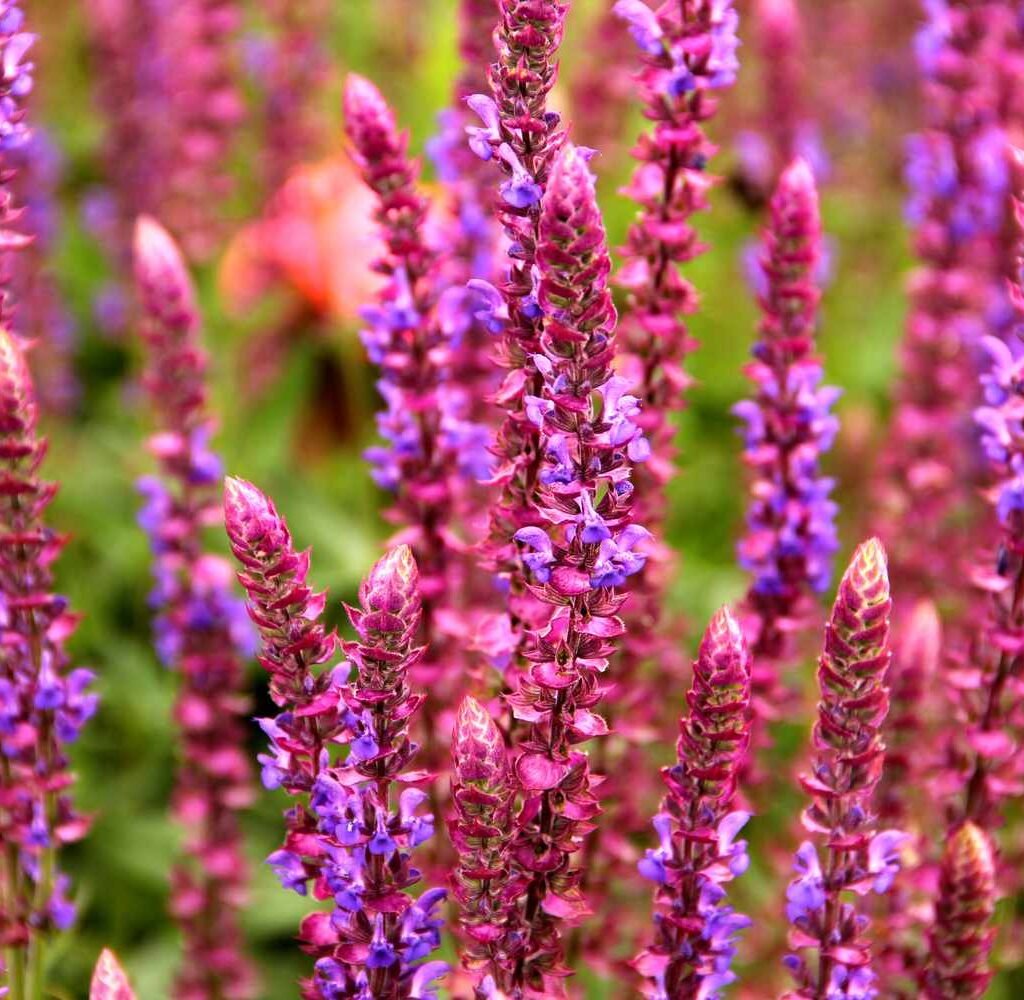
7. Salvias (Salvia spp.)

Why Hummingbirds Love It

Salvias, particularly red and tubular varieties, are highly attractive to hummingbirds. Their spiky blooms are nectar-rich, and many varieties flower late into the season.
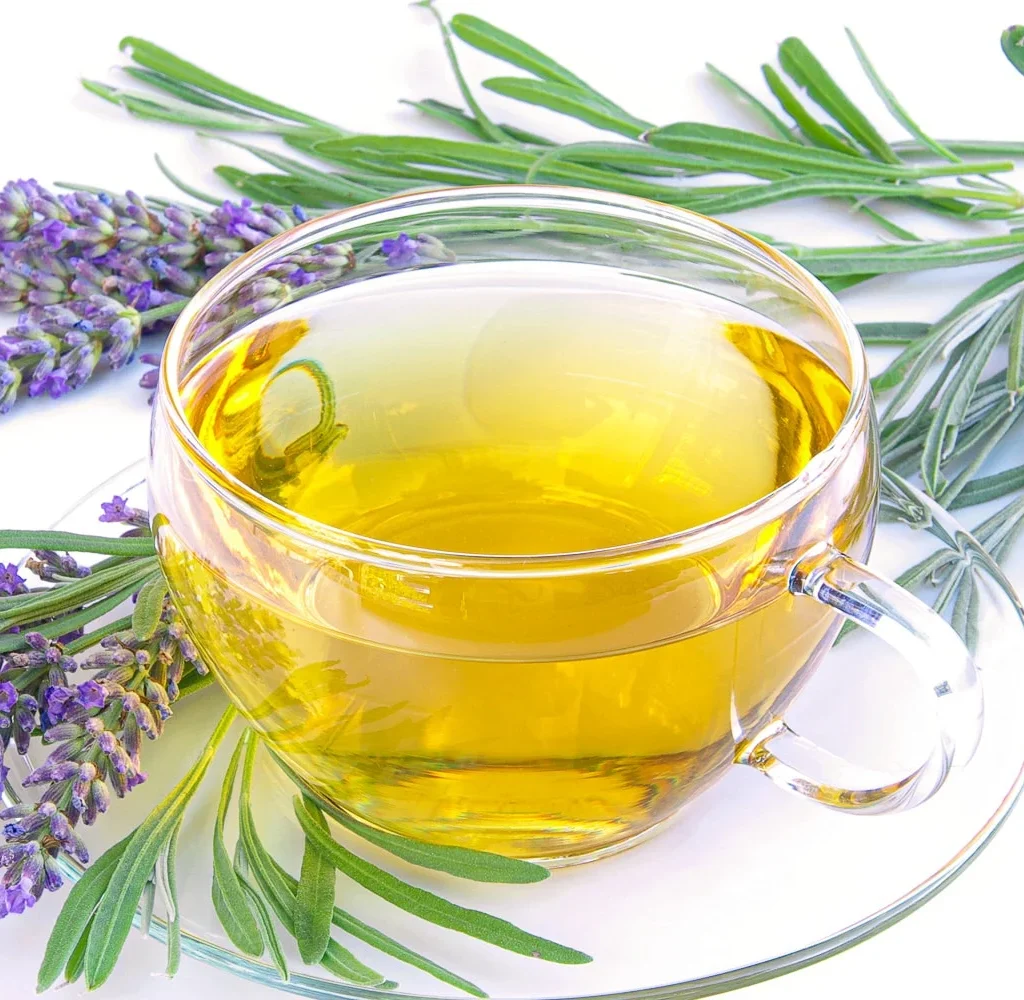
Planting Tips

  • Light: Full sun; tolerates light shade.
  • Soil: Well-draining soil; moderately fertile.
  • Watering: Low to moderate; drought-tolerant once established.
  • Care: Deadhead and cut back after flowering to encourage new blooms.

Placement

  • Salvias thrive in pollinator gardens, borders, and containers.
  • Combine with ornamental grasses or bee balm for a dynamic, multi-season garden display.

Pro Tip: Salvias are long-blooming, ensuring a continuous food source for hummingbirds.


Designing a Hummingbird-Friendly Garden

To keep hummingbirds returning year after year, consider these design tips:

  1. Diverse color palette: Hummingbirds are particularly attracted to reds, oranges, and pinks.
  2. Varied flower shapes: Mix tubular flowers for nectar access and flat blooms for perching.
  3. Continuous bloom: Plant species with staggered bloom times for steady nectar availability from spring to fall.
  4. Water source: Include a shallow birdbath or dripper; hummingbirds need water for drinking and bathing.
  5. Shelter and perches: Provide shrubs, small trees, or trellises where hummingbirds can rest safely.
  6. Avoid pesticides: Chemical sprays can harm hummingbirds and beneficial insects.

Pro Tip: Place feeders alongside flowers to supplement natural nectar, encouraging frequent visits.


Benefits of a Hummingbird Garden

  • Pollination: Hummingbirds help pollinate flowers, fruits, and vegetables, increasing garden productivity.
  • Biodiversity: Attracts other pollinators like bees and butterflies.
  • Visual and auditory beauty: Adds color, movement, and gentle humming sounds to your garden.
  • Educational opportunities: Perfect for observing wildlife behavior and ecological interactions.

Pro Tip: Hummingbird gardens are rewarding for gardeners of all ages, offering both aesthetic enjoyment and ecological benefits.


Final Thoughts

Creating a hummingbird-friendly garden is about strategic plant selection, thoughtful placement, and year-round care. By planting trumpet creeper, cardinal flower, bee balm, hummingbird mint, coral honeysuckle, zinnias, and salvias, you provide abundant nectar sources, visual attraction, and safe shelter.

Key takeaways:

  • Focus on nectar-rich, tubular flowers in vibrant colors.
  • Stagger bloom times to ensure continuous food supply.
  • Include water, perches, and shelter to encourage long-term visits.
  • Avoid chemicals and pesticides to protect hummingbirds and pollinators.

With the right planning, your garden can become a hummingbird haven, offering beauty, movement, and ecological balance. These tiny aviators will not only enhance your outdoor space with their sparkling presence but also contribute to a healthy, thriving garden ecosystem all season long.

How to Protect Your Roses From Japanese Beetles Without Chemicals

How to Protect Your Roses From Japanese Beetles Without Chemicals

Roses are often called the queen of the garden, celebrated for their vibrant colors, intoxicating fragrance, and timeless elegance. But for many gardeners, Japanese beetles (Popillia japonica) are a persistent challenge. These metallic green pests are voracious feeders, capable of stripping leaves, flowers, and buds in a matter of days.

While chemical pesticides can eliminate Japanese beetles, many gardeners prefer natural, eco-friendly strategies that protect roses without harming beneficial insects, pollinators, or the environment. This guide provides detailed methods to prevent, deter, and manage Japanese beetles naturally, ensuring your roses remain healthy and beautiful.


1. Understanding Japanese Beetle Behavior

Before implementing protective strategies, it’s important to understand Japanese beetles:

  • Appearance: Adults are ½ inch long, with metallic green bodies and copper-colored wings.
  • Feeding habits: They feed on rose foliage, flowers, and buds, often skeletonizing leaves.
  • Life cycle: Adult beetles emerge in early summer, while larvae (grubs) live in soil and feed on grass roots.
  • Vulnerability: Japanese beetles are most active during warm, sunny days and tend to target plants in full sun.

Pro Tip: Early detection is crucial. Inspect your roses regularly for beetles and damage signs, especially in June and July when adults emerge.


2. Hand-Picking and Mechanical Control

One of the simplest natural methods is physical removal of beetles.

How to Do It

  • Wear gloves and pick beetles off plants by hand early in the morning or late evening when they are sluggish.
  • Drop them into a bucket of soapy water to ensure they do not return.
  • Shake plants gently to dislodge beetles hiding under leaves.

Additional Mechanical Controls

  • Row covers or fine mesh netting: Protect plants from beetle access, especially during peak activity periods.
  • Traps: Japanese beetle traps can be effective but may attract more beetles than they capture, so use with caution and place them far from roses.

Pro Tip: Hand-picking is time-consuming but highly effective for small to medium gardens and prevents chemical exposure.


3. Companion Planting to Repel Japanese Beetles

Certain plants naturally repel Japanese beetles, and strategically planting them near roses can reduce infestations:

Recommended Companion Plants

  • Garlic and chives: Their strong scent confuses beetles.
  • Catnip: Deters beetles while attracting pollinators.
  • Marigolds: Produce compounds that beetles dislike, while brightening your garden.
  • Rue: Its pungent aroma is a natural beetle deterrent.

Placement Tips

  • Plant repellant flowers and herbs around rose beds or interspersed between rose bushes.
  • Combine with other deterrents for maximum effectiveness.

Pro Tip: Companion planting also enhances biodiversity, attracting pollinators and beneficial insects that support rose health.


4. Natural Sprays and Repellents

Homemade sprays can discourage beetles without harming beneficial insects:

Effective Natural Sprays

  1. Neem oil: Acts as a repellent and disrupts feeding behavior. Spray on leaves and buds early in the morning.
  2. Garlic spray: Blend garlic cloves with water and a few drops of liquid soap; spray on rose foliage.
  3. Pepper spray: Mix chili powder or hot sauce with water and a small amount of soap.

Application Tips

  • Spray thoroughly, covering the undersides of leaves where beetles often hide.
  • Reapply after rain or heavy watering.
  • Rotate sprays to prevent beetles from becoming accustomed to a single scent.

Pro Tip: Combining sprays with physical barriers increases protection while minimizing chemical use.


5. Encourage Beneficial Insects

Certain predatory insects and birds naturally prey on Japanese beetles:

Beneficial Predators

  • Parasitic wasps: Lay eggs in beetle larvae, reducing future populations.
  • Tachinid flies: Attack adult beetles.
  • Birds: Robins, starlings, and cardinals feed on beetles and larvae.
  • Ladybugs and lacewings: While not major beetle predators, they boost overall garden health by controlling other pests.

How to Encourage Them

  • Plant native flowers and herbs that provide nectar and shelter.
  • Avoid broad-spectrum insecticides that kill beneficial insects.
  • Provide bird feeders and water sources to attract insect-eating birds.

Pro Tip: A balanced garden ecosystem is a long-term defense against Japanese beetles and other pests.


6. Soil Management to Target Larvae

Japanese beetle larvae (grubs) live in soil and feed on grass roots. Controlling them reduces adult beetle populations naturally:

Soil Strategies

  • Milky spore disease: A natural bacterium that targets beetle larvae without harming other insects.
  • Beneficial nematodes: Microscopic worms that infect and kill grubs.
  • Proper lawn care: Avoid overwatering and maintain healthy grass, as unhealthy lawns are more attractive to egg-laying beetles.

Pro Tip: Treating soil early in spring reduces beetle emergence during summer.


7. Timing and Regular Monitoring

Prevention and early intervention are critical:

  • Inspect roses daily during peak beetle season (June to August).
  • Remove beetles immediately before they lay eggs or cause extensive damage.
  • Implement multiple strategies simultaneously for best results.

Pro Tip: Keeping a garden journal helps track beetle activity patterns and improve future control efforts.


8. Combining Strategies for Maximum Protection

Relying on a single method is rarely effective. Experienced gardeners recommend a layered, integrated approach:

  1. Physical barriers: Row covers, mesh, and hand-picking.
  2. Companion plants: Garlic, marigolds, and rue around roses.
  3. Natural sprays: Neem oil, garlic, or pepper sprays.
  4. Encourage predators: Birds, parasitic wasps, and beneficial insects.
  5. Soil treatments: Milky spore or beneficial nematodes for long-term control.

Pro Tip: The combination of prevention, deterrence, and ecological balance ensures healthy roses without chemicals.


Benefits of Natural Japanese Beetle Control

  • Eco-friendly: Protects pollinators, beneficial insects, and the environment.
  • Safe for children and pets: No harmful chemical exposure.
  • Sustainable: Creates a garden ecosystem that naturally resists pests.
  • Aesthetic: Keeps roses beautiful while maintaining biodiversity.

Pro Tip: A chemical-free approach enhances your garden’s health and resilience over time.


Final Thoughts

Japanese beetles can be a formidable challenge for rose gardeners, but a combination of natural strategies, early intervention, and ecological awareness can keep them at bay. By hand-picking beetles, planting repellent companion flowers, using natural sprays, encouraging predators, and managing soil health, you can protect your roses without relying on chemicals.

Key takeaways:

  • Start monitoring and preventative measures before beetles emerge.
  • Use a layered approach, combining physical, chemical-free deterrents, and ecological methods.
  • Encourage beneficial insects and birds to naturally reduce beetle populations.
  • Maintain healthy roses through proper watering, pruning, and fertilization to reduce stress and vulnerability.

With patience and consistent care, your rose garden can remain lush, vibrant, and free from Japanese beetle damage, providing enjoyment and beauty throughout the growing season while supporting a healthy, chemical-free ecosystem.

The Best Flowers for Attracting Pollinators in Fall

The Best Flowers for Attracting Pollinators in Fall

As summer fades and the vibrant colors of autumn arrive, many gardeners worry that their flower beds will lose their charm. Yet fall is a critical season for pollinators like bees, butterflies, and hummingbirds, who are preparing for winter and still need nectar and pollen. By planting the right fall-blooming flowers, you can create a garden that supports pollinators, extends blooming seasons, and maintains a colorful landscape into late autumn.

This guide highlights the best flowers for attracting pollinators in fall, along with planting tips, care instructions, and ecological benefits.


1. Asters (Aster spp.)

Why Pollinators Love Them

Asters are among the most important late-season nectar sources for pollinators. Bees, butterflies, and even some migratory hummingbirds rely on asters as they stock up on energy for winter.

Planting Tips

  • Light: Full sun to partial shade.
  • Soil: Well-draining, fertile soil.
  • Watering: Regular watering; avoid soggy soil.
  • Care: Deadhead spent flowers to prolong bloom and prevent self-seeding.

Bloom Time

  • Late summer through fall, providing consistent nectar when other flowers decline.

Pro Tip: Plant asters in clusters to maximize pollinator attraction, as pollinators are drawn to large patches of blooms.


2. Sedum (Sedum ‘Autumn Joy’)

Why Pollinators Love Them

Sedum, particularly the variety known as Autumn Joy, produces dense clusters of tiny flowers that are rich in nectar. Bees and butterflies flock to these flowers, making them a late-season pollinator magnet.

Planting Tips

  • Light: Full sun.
  • Soil: Well-draining soil; tolerates poor soil.
  • Watering: Low; drought-tolerant once established.
  • Care: Cut back in early spring to encourage healthy new growth.

Bloom Time

  • Late summer to early fall, offering nectar at a critical time for pollinators.

Pro Tip: Sedum’s flowers retain their nectar even after frost, providing food for pollinators later into the season.
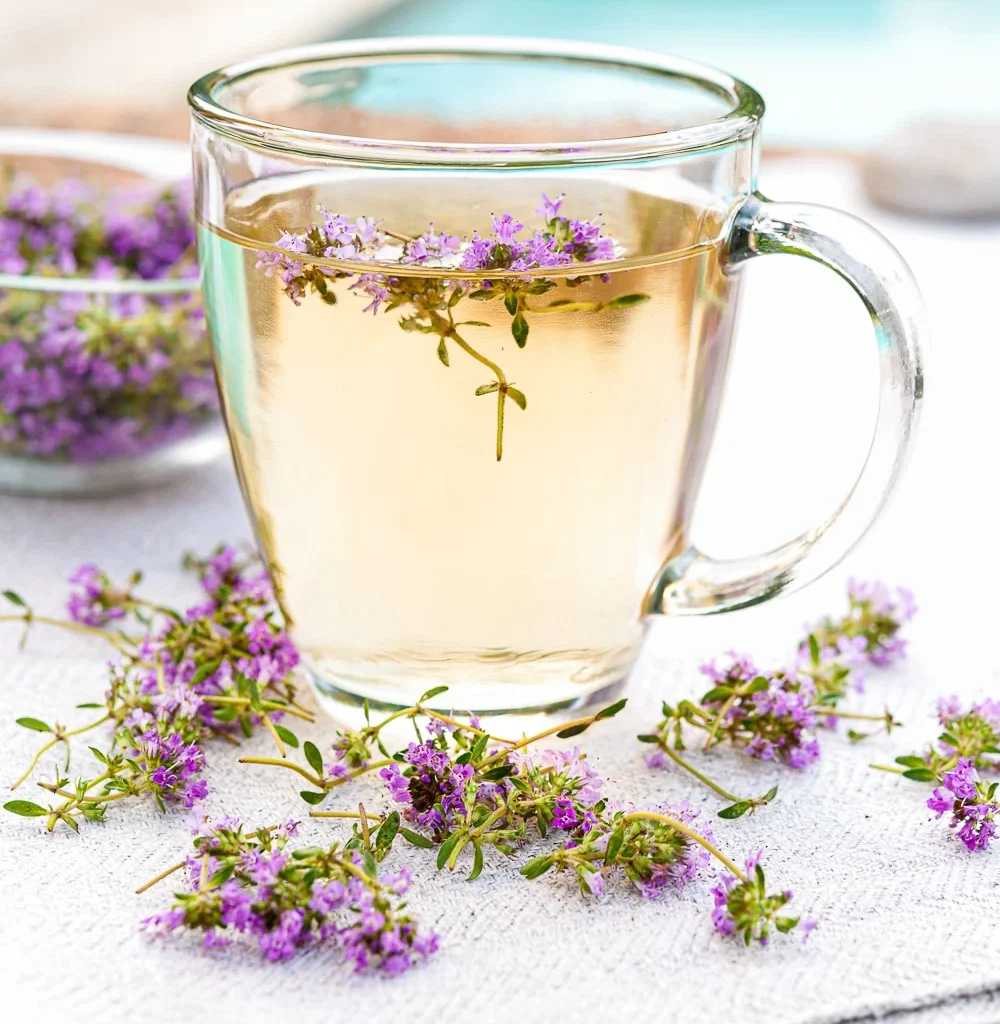

3. Goldenrod (Solidago spp.)

Why Pollinators Love Them

Goldenrod is often misunderstood as the culprit for fall allergies, but it is a critical nectar and pollen source for bees, butterflies, and other insects. Its tall, bright yellow blooms are highly visible and easy for pollinators to access.

Planting Tips

  • Light: Full sun.
  • Soil: Well-draining soil; adaptable to many soil types.
  • Watering: Moderate; tolerant of dry conditions once established.
  • Care: Cut back dead stems in late winter or early spring.

Bloom Time

  • Late summer through fall, providing nectar when other flowers are dwindling.

Pro Tip: Goldenrod pairs beautifully with asters for a late-season pollinator-friendly garden.


4. Japanese Anemone (Anemone hupehensis)

Why Pollinators Love Them

Japanese anemones produce delicate, open-faced flowers that are easy for bees and butterflies to access. Their late bloom period helps extend the pollinator season into autumn.

Planting Tips

  • Light: Partial shade to full sun.
  • Soil: Well-draining, fertile soil.
  • Watering: Regular; keep soil consistently moist.
  • Care: Mulch in winter to protect roots and cut back after flowering.

Bloom Time

  • Late summer through early fall, complementing other autumn-blooming species.

Pro Tip: Japanese anemones tolerate cooler temperatures, making them ideal for early frost conditions.


5. Helenium (Helenium autumnale)

Why Pollinators Love Them

Helenium, also called sneezeweed, produces bright daisy-like flowers with large central disks full of pollen. Bees and butterflies are drawn to these vibrant, nectar-rich blooms, providing a late-season energy boost.

Planting Tips

  • Light: Full sun.
  • Soil: Moist, well-draining soil.
  • Watering: Regular; avoid letting soil dry completely.
  • Care: Deadhead regularly to prolong blooms.

Bloom Time

  • Late summer to fall, ideal for filling gaps in a pollinator garden.

Pro Tip: Combine Helenium with goldenrod or asters for a continuous late-season nectar source.


6. Toad Lily (Tricyrtis spp.)

Why Pollinators Love Them

Toad lilies are exotic-looking flowers with spotted petals that bloom in the shade during fall. They attract bees and occasional butterflies, offering nectar when sun-loving flowers are past their prime.

Planting Tips

  • Light: Partial to full shade.
  • Soil: Moist, fertile, well-draining soil.
  • Watering: Keep consistently moist; mulch helps retain moisture.
  • Care: Divide clumps every few years to maintain vigor.

Bloom Time

  • Late summer through fall, adding color to shaded areas while feeding pollinators.

Pro Tip: Plant toad lilies near pathways or shaded seating areas to enjoy their intricate beauty while supporting pollinators.


7. Sunflowers (Helianthus annuus – Fall Varieties)

Why Pollinators Love Them

Sunflowers are nectar and pollen powerhouses for bees and butterflies. While common summer varieties bloom early, certain fall-blooming sunflowers extend pollinator support into September and October.

Planting Tips

  • Light: Full sun.
  • Soil: Well-draining, fertile soil.
  • Watering: Moderate; keep soil moist until established.
  • Care: Remove spent blooms to encourage further flowering; support tall varieties with stakes.

Bloom Time

  • Late summer to fall, providing bright, large flowers for pollinators to land on.

Pro Tip: Plant sunflowers in groups or clusters to attract more pollinators efficiently.


Designing a Pollinator-Friendly Fall Garden

To maximize pollinator attraction in fall:

  1. Plant in clusters: Pollinators are more likely to visit groups of the same flower.
  2. Mix bloom times: Combine early, mid, and late-blooming fall flowers to ensure continuous nectar supply.
  3. Include native plants: Native species are often the best food sources for local pollinators.
  4. Provide shelter: Include shrubs, grasses, or small trees to give pollinators protection from wind and predators.
  5. Avoid pesticides: Chemicals can harm beneficial insects; use organic solutions instead.

Pro Tip: A diverse garden with different heights, colors, and flower shapes supports a wider range of pollinators.


Benefits of Fall-Blooming Pollinator Flowers

  • Supports local ecosystems: Bees, butterflies, and other insects are essential for pollination.
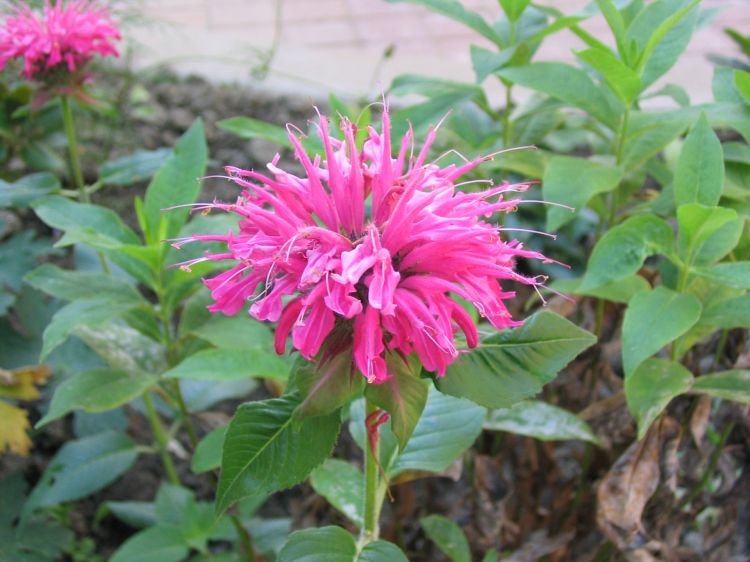
  • Extends garden color: Fall-blooming flowers maintain visual appeal as summer plants fade.
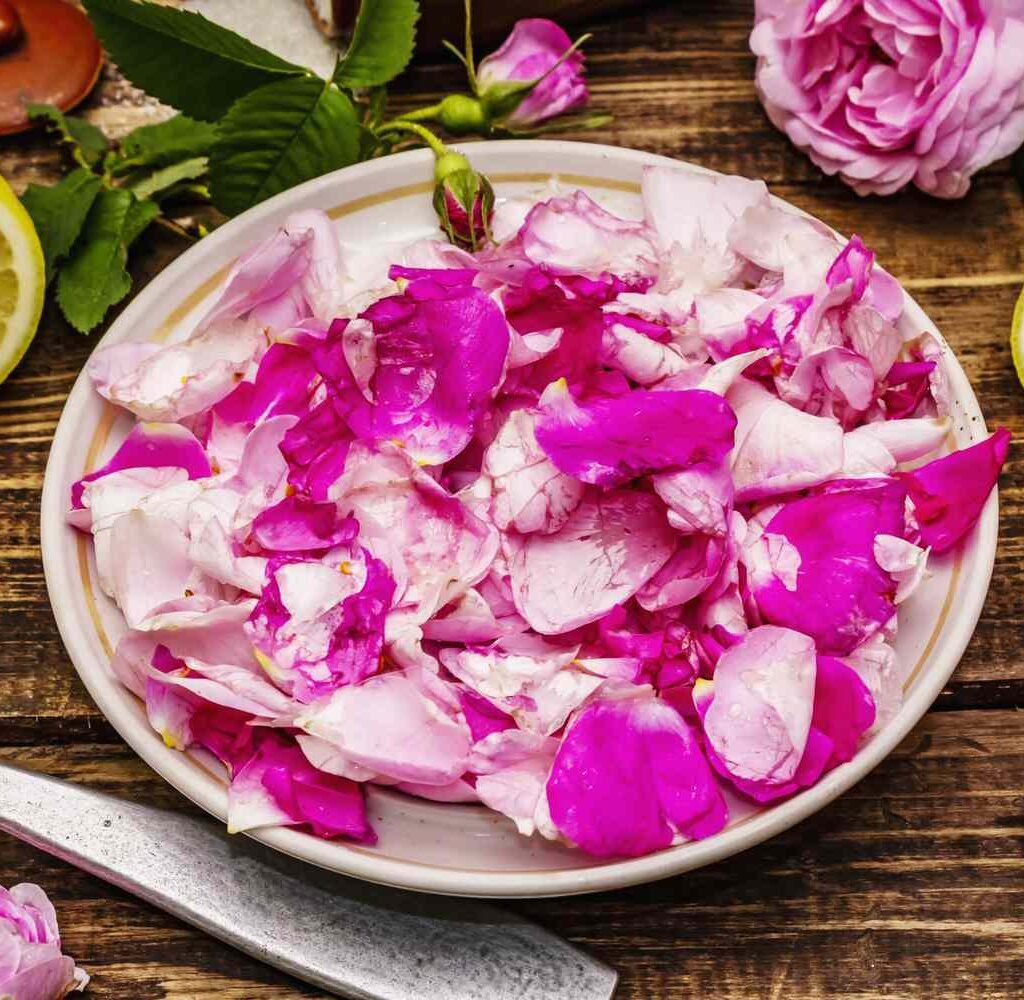
  • Provides seeds for wildlife: Flowers like sunflowers produce seeds that birds feed on later.
  • Encourages biodiversity: Attracting pollinators supports a healthy, balanced garden ecosystem.

Pro Tip: Even a small garden or balcony can contribute to pollinator support when planted with the right fall flowers.


Final Thoughts

Fall is not the end of your garden’s productivity. By selecting asters, sedum, goldenrod, Japanese anemones, Helenium, toad lilies, and fall sunflowers, you can create a vibrant, pollinator-friendly garden well into autumn.

Key takeaways:

  • Focus on nectar-rich, late-season blooms to feed pollinators.
  • Plant in clusters and mix species for continuous color and food.
  • Incorporate both sunny and shaded areas for a variety of pollinators.
  • Maintain your garden without pesticides for the health and safety of pollinators.

With careful planning and thoughtful plant selection, your fall garden can support pollinators, extend seasonal blooms, and provide ecological benefits, making it both beautiful and functional. Fall blooms are not just visually appealing—they are vital lifelines for pollinators preparing for winter, ensuring your garden plays a role in sustaining local ecosystems.