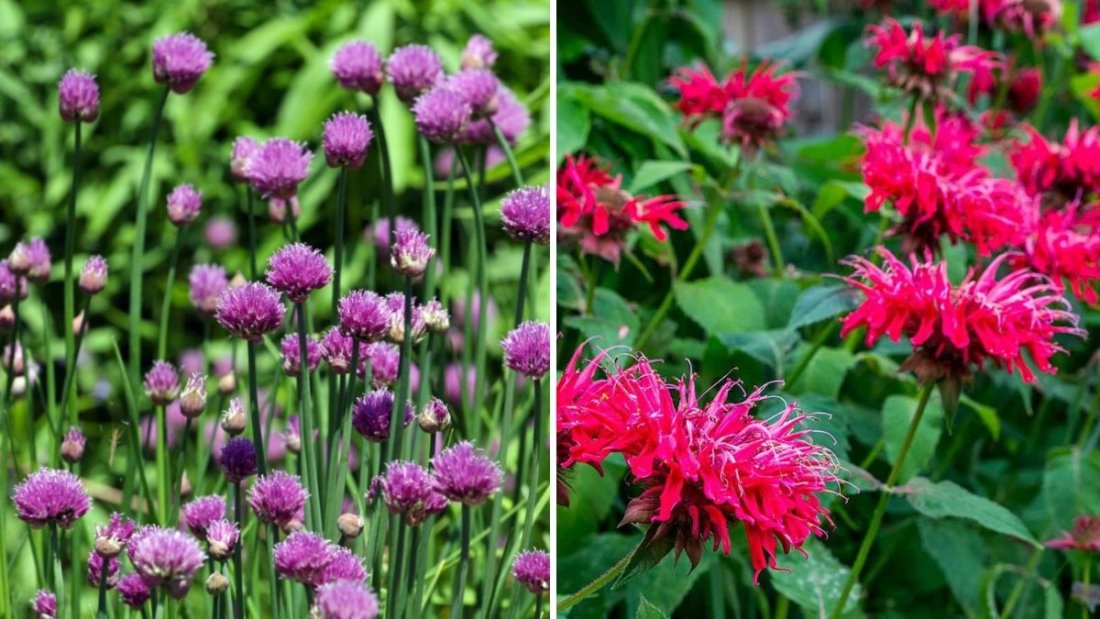
5 Flowers That Repel Mosquitoes for a Pest-Free Garden

5 Flowers That Repel Mosquitoes for a Pest-Free Garden

A beautiful garden is meant to be a sanctuary, but mosquitoes can quickly turn it into a nuisance. These tiny insects not only cause itchy bites but also carry diseases like dengue, malaria, and Zika virus. While chemical repellents and sprays can help, many gardeners prefer natural, eco-friendly solutions that enhance both the look and functionality of their outdoor spaces.

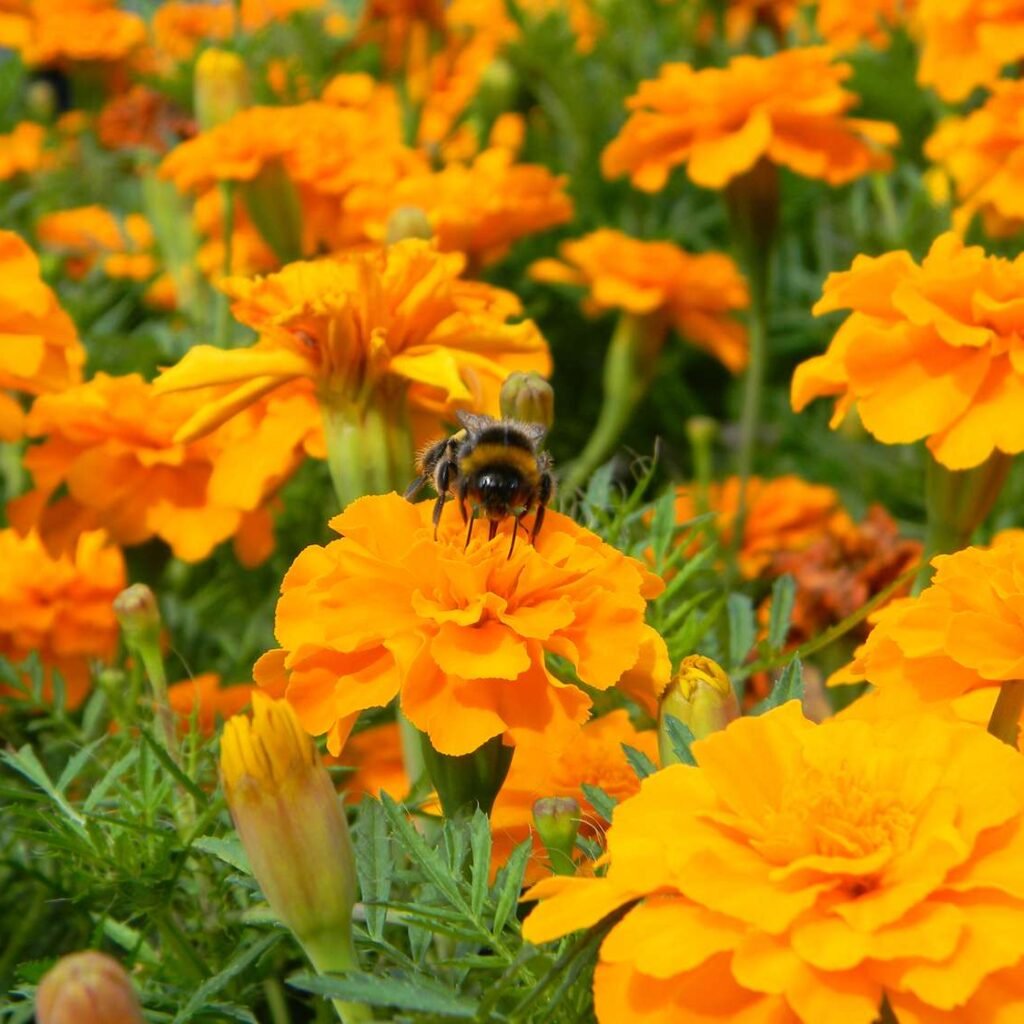
Planting mosquito-repelling flowers is one of the simplest and most effective strategies. These flowers release aromatic oils and scents that mosquitoes dislike, creating a natural barrier while beautifying your garden. Here’s a detailed guide to five flowers that repel mosquitoes, including planting tips, care instructions, and how to maximize their effectiveness.


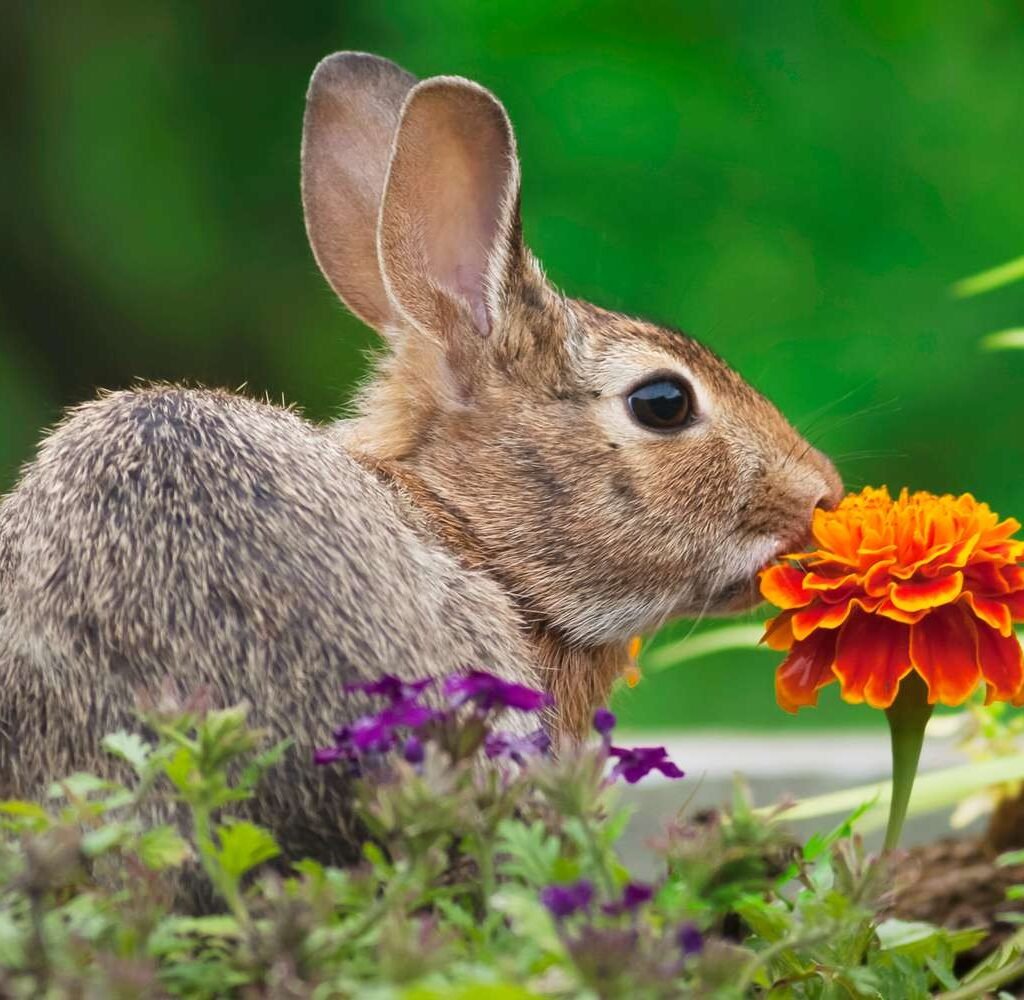
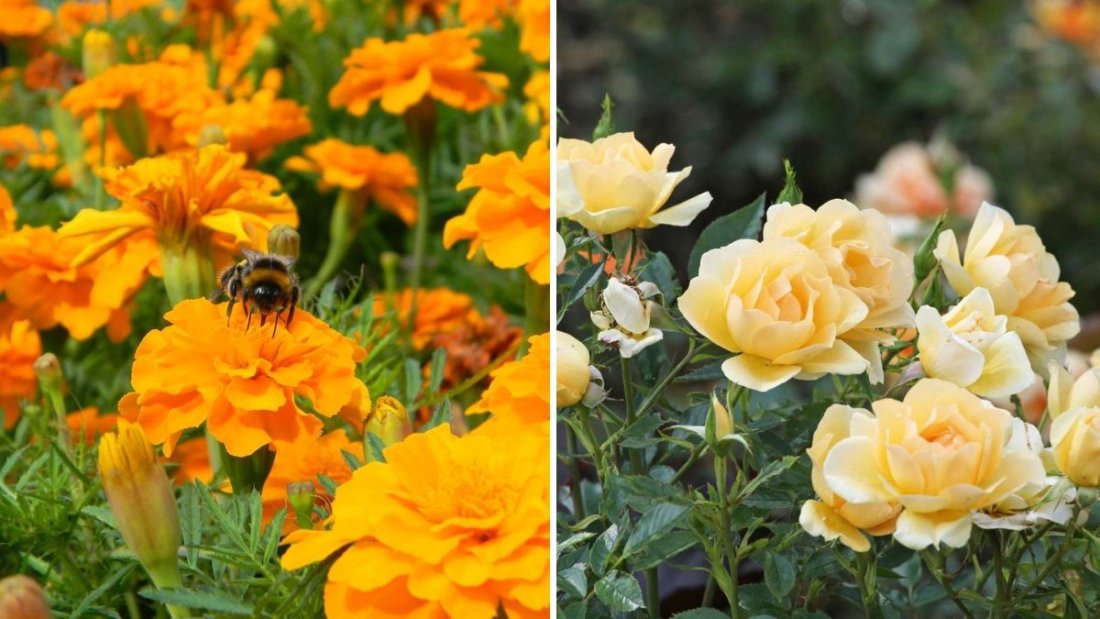
1. Marigolds (Tagetes spp.)
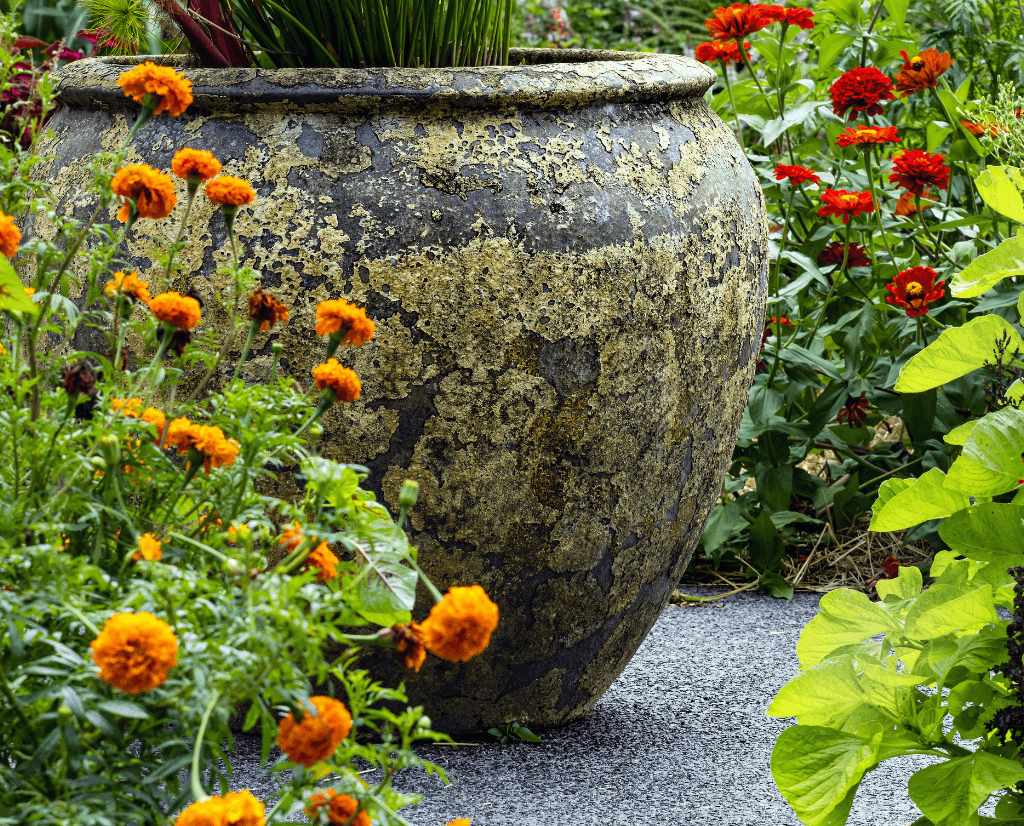
Why Mosquitoes Avoid Them

Marigolds are famous for their strong, pungent scent, which comes from a chemical called pyrethrum. This natural compound is widely used in commercial insect repellents and effectively deters mosquitoes, as well as other garden pests like aphids and nematodes.

Planting Tips

  • Light: Full sun (at least 6 hours daily).
  • Soil: Well-draining soil; moderately fertile.
  • Watering: Regular watering; avoid waterlogging.
  • Care: Deadhead spent blooms to encourage continuous flowering.

Placement

  • Plant marigolds near seating areas, garden edges, or water features to keep mosquitoes away.
  • Ideal for beds, borders, and containers.

Pro Tip: Companion planting marigolds with vegetables can also protect edible crops from pests naturally.


2. Lavender (Lavandula spp.)
Why Mosquitoes Avoid It

Lavender produces fragrant essential oils that are highly effective in repelling mosquitoes. Its aroma is pleasant to humans but offensive to these pests, making it a dual-purpose plant for beauty and function.

Planting Tips

  • Light: Full sun; requires at least 6–8 hours of direct sunlight.
  • Soil: Well-draining, sandy or loamy soil.
  • Watering: Moderate; drought-tolerant once established.
  • Care: Prune lightly after flowering to maintain shape and encourage new growth.

Placement

  • Plant near patios, entrances, or outdoor seating areas.
  • Lavender also attracts pollinators like bees and butterflies, supporting garden biodiversity.

Pro Tip: Crush a few leaves before seating outdoors to release extra essential oils and boost mosquito-repelling effects.


3. Citronella Grass (Cymbopogon nardus)
Why Mosquitoes Avoid It

Citronella grass is widely recognized for its mosquito-repelling properties, thanks to the citronella oil it produces. This oil masks scents that attract mosquitoes, making them less likely to land near your garden.

Planting Tips

  • Light: Full sun to partial shade.
  • Soil: Moist, well-draining soil.
  • Watering: Regular watering; prefers consistent moisture.
  • Care: Trim back dead leaves and stems; propagate via division.

Placement

  • Ideal for borders, containers, or around outdoor seating areas.
  • Can be combined with other flowers for a multi-layered mosquito defense.

Pro Tip: Crush leaves gently before sitting nearby to release stronger mosquito-repelling scent.


4. Petunias (Petunia spp.)
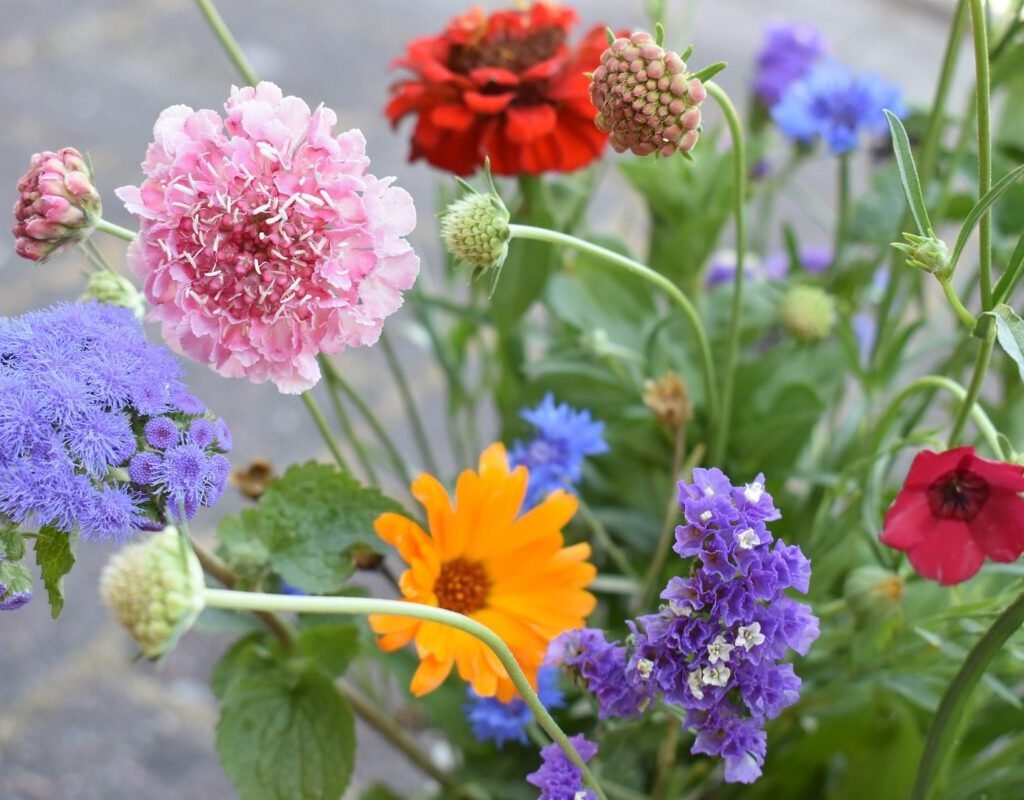
Why Mosquitoes Avoid Them

Petunias produce a chemical called allicin, which is similar to compounds in garlic. This chemical emits a scent that mosquitoes and other flying insects dislike, while adding vibrant colors to your garden.

Planting Tips

  • Light: Full sun for best blooms.
  • Soil: Fertile, well-draining soil.
  • Watering: Keep soil moist but avoid soggy conditions.
  • Care: Deadhead regularly; fertilize every 2–3 weeks during flowering season.

Placement

  • Great for window boxes, hanging baskets, and flower beds near outdoor activity zones.
  • Petunias also attract butterflies and hummingbirds, increasing garden appeal.

Pro Tip: Plant petunias near entrances or walkways to create a natural mosquito shield.


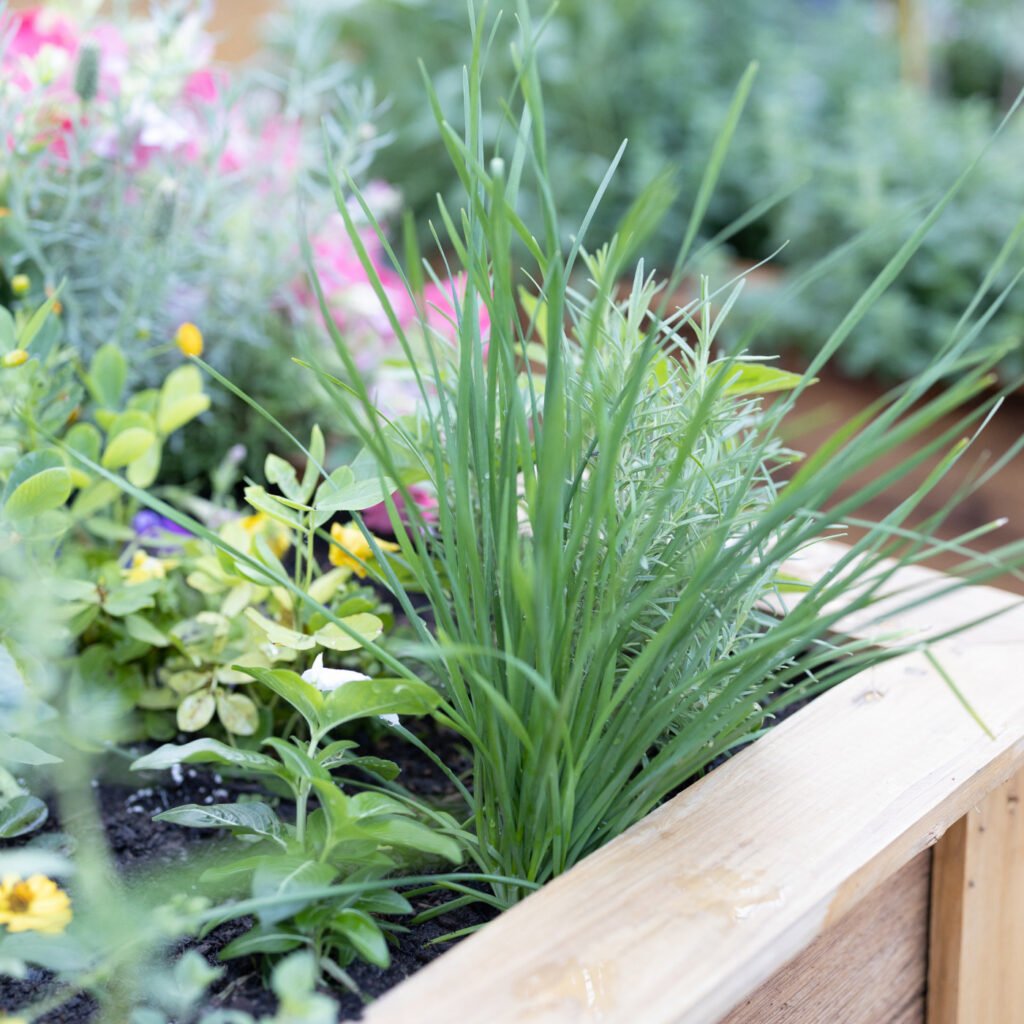
5. Rosemary (Rosmarinus officinalis)
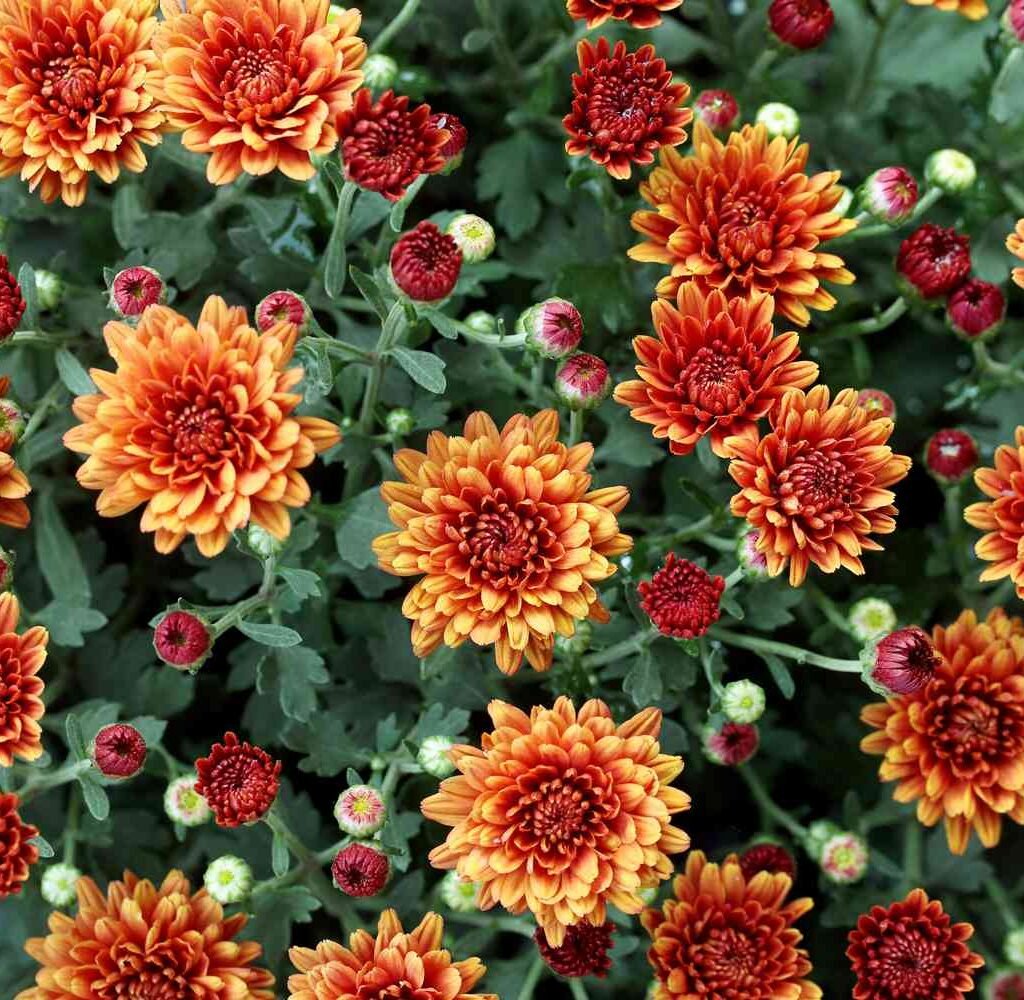
Why Mosquitoes Avoid It

Rosemary is a fragrant herb whose essential oils repel mosquitoes effectively. Its woody stems and aromatic leaves act as a natural barrier, while its delicate flowers add visual charm.

Planting Tips

  • Light: Full sun; needs at least 6 hours of sunlight daily.
  • Soil: Well-draining soil; slightly sandy or loamy.
  • Watering: Moderate; drought-tolerant once established.
  • Care: Prune regularly to maintain shape and promote flowering.

Placement

  • Plant in garden borders, containers, or herb gardens near patios and seating areas.
  • Rosemary is also culinary-friendly, letting you harvest fresh sprigs for cooking.

Pro Tip: Rub leaves between your fingers while sitting outdoors to release extra aromatic oils for enhanced mosquito repelling.


Creating a Mosquito-Free Garden

To maximize the mosquito-repelling effect:

  1. Combine multiple plants: Group at least 2–3 mosquito-repelling flowers for a stronger effect.
  2. Plant near activity zones: Place flowers where you spend time, such as patios, decks, and outdoor dining areas.
  3. Maintain healthy plants: Regular pruning, watering, and fertilizing ensures flowers produce optimal levels of aromatic oils.
  4. Eliminate standing water: Mosquitoes breed in water, so remove puddles, clogged gutters, and unused containers.
  5. Use containers: Place potted mosquito-repelling flowers around seating areas for flexibility and maximum effect.

Pro Tip: Mixing colorful, fragrant flowers adds aesthetic appeal while providing natural pest control.


Additional Benefits of Mosquito-Repelling Flowers

  • Pollinator-friendly: Many mosquito-repelling flowers, like lavender and rosemary, attract bees, butterflies, and hummingbirds.
  • Eco-friendly: Avoids harmful chemical sprays, protecting beneficial insects and soil health.
  • Fragrance: Enhances the garden with pleasant natural scents.
  • Low maintenance: Most mosquito-repelling flowers are hardy, drought-tolerant, and easy to grow.

Pro Tip: A garden with both visual and functional appeal improves quality of outdoor living spaces while reducing pest-related discomfort.


Final Thoughts

A mosquito-free garden doesn’t have to rely on harsh chemicals. By planting marigolds, lavender, citronella grass, petunias, and rosemary, gardeners can create a beautiful, fragrant, and natural barrier against mosquitoes.

Key takeaways:

  • Plant a mix of mosquito-repelling flowers for maximum effectiveness.
  • Maintain plants regularly to ensure strong scent production.
  • Place flowers strategically near patios, decks, and activity zones.
  • Combine natural repellents with habitat management, like removing standing water, to reduce mosquito populations.

With these strategies, your garden can become both stunning and pest-free, offering a safe and enjoyable outdoor environment throughout the growing season. By combining aesthetic beauty with functional design, you can enjoy your garden without worrying about mosquito bites, all while supporting a healthy, eco-friendly outdoor space.
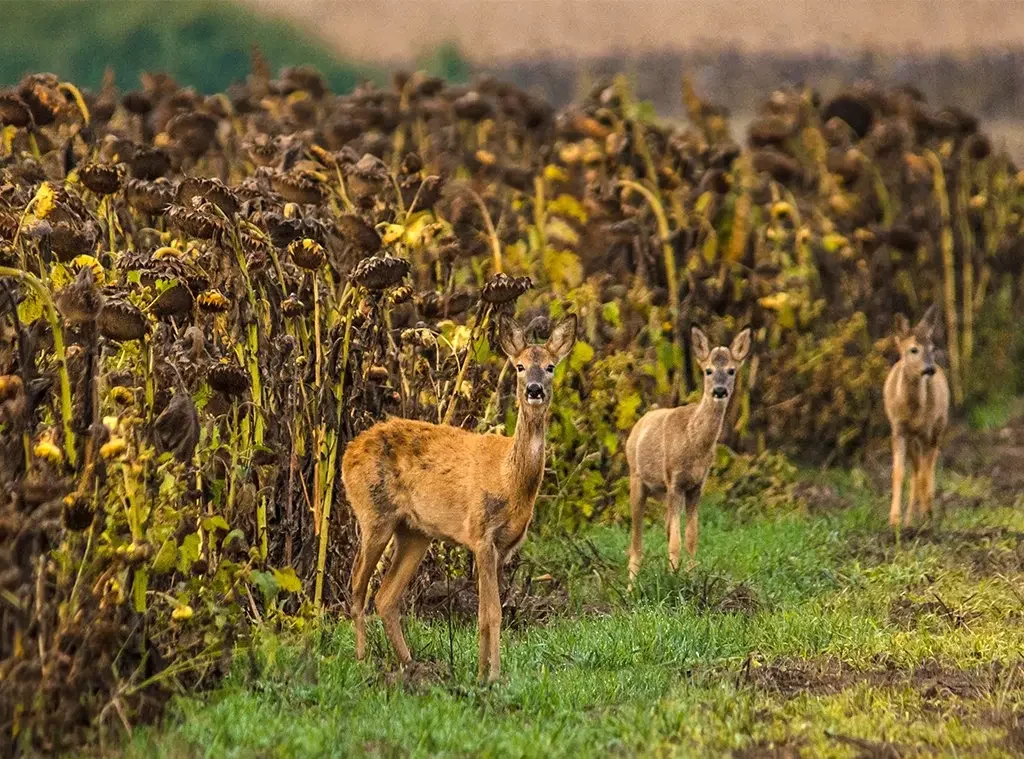
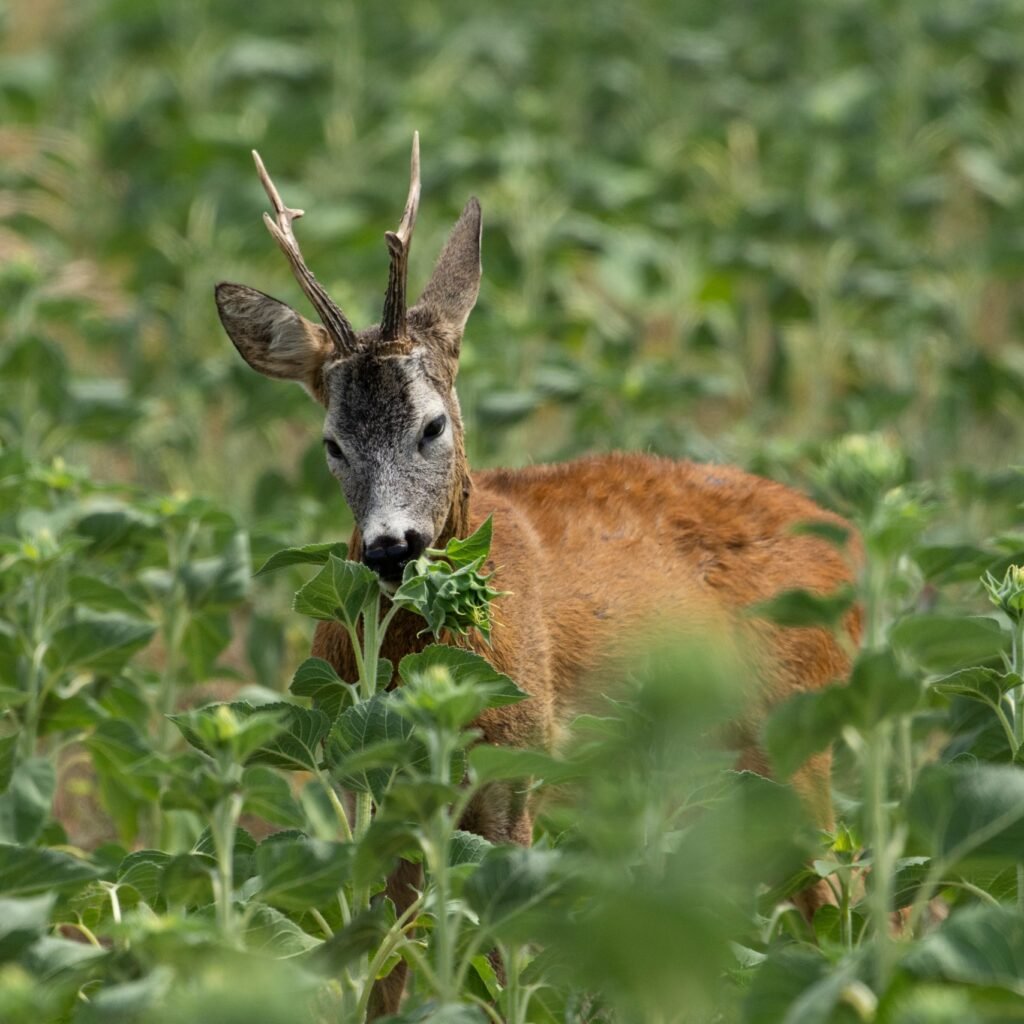
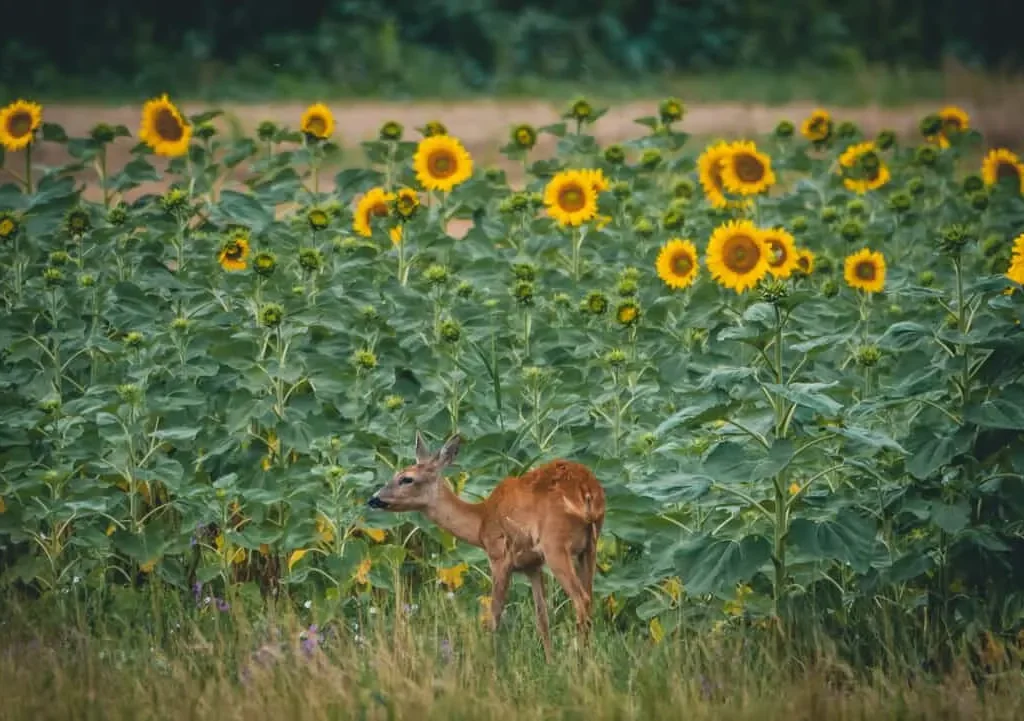
How to Stop Deer From Eating Your Sunflowers Naturally

How to Stop Deer From Eating Your Sunflowers Naturally

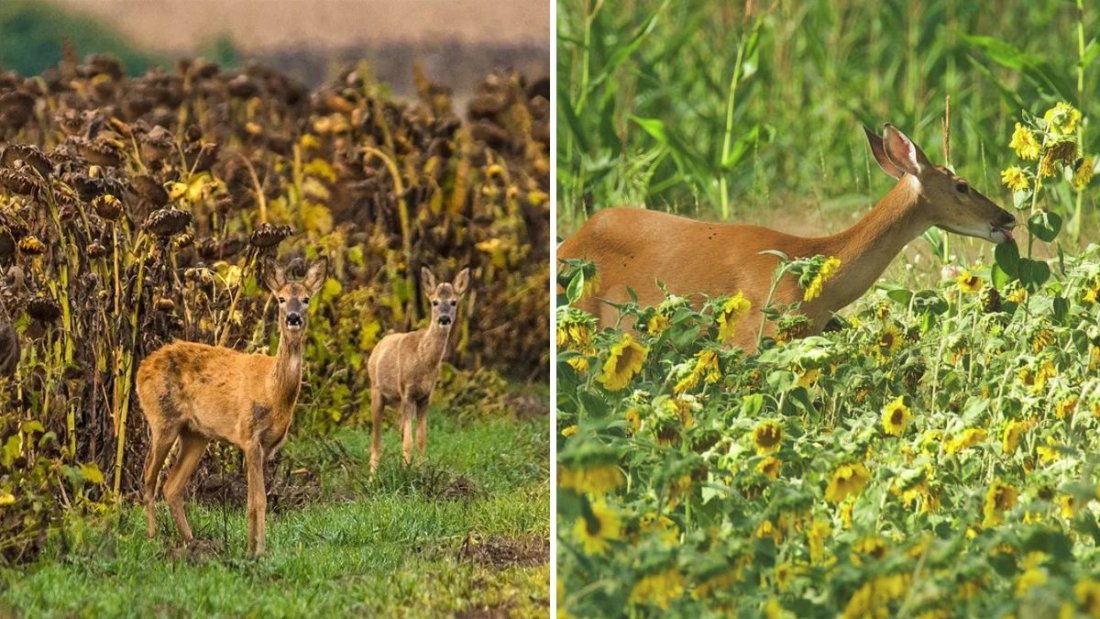
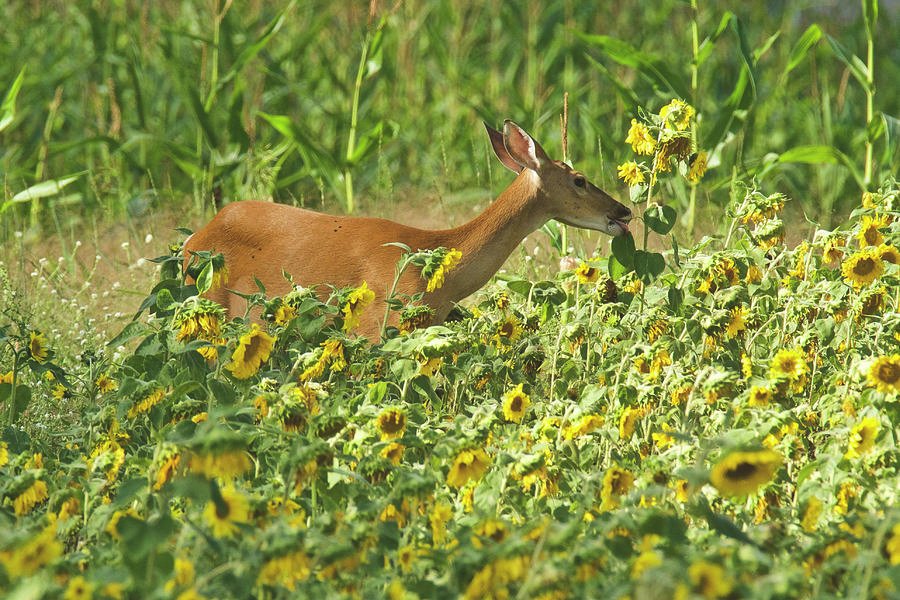
Sunflowers are among the most cheerful and iconic flowers in any garden. Their bright yellow blooms and tall stalks make them a favorite among gardeners and photographers alike. However, in many regions, deer pose a significant threat to sunflower beds. These graceful creatures are herbivorous and opportunistic feeders, often finding tender sunflower shoots and blossoms irresistible.

While fencing and chemical repellents can be effective, many gardeners prefer natural, eco-friendly ways to protect their sunflowers. This guide explores proven strategies for keeping deer away, promoting healthy blooms, and maintaining a thriving garden without harming wildlife.


1. Understanding Deer Behavior

Before implementing protective strategies, it’s important to understand why deer are attracted to sunflowers:

  • Tender shoots: Young sunflower sprouts and buds are particularly palatable.
  • High nutrient content: Sunflowers provide calories and nutrients that deer need, especially in early spring.
  • Easy access: Gardens without barriers or deer deterrents are prime feeding grounds.

Pro Tip: Deer are creature-of-habit animals. Once they discover a food source, they will repeatedly return, making early prevention critical.


2. Natural Fencing Solutions

One of the most effective ways to keep deer away is creating a physical barrier without resorting to chemicals:

Options for Natural Fencing

  • Tall garden fencing: Deer can jump over low barriers. Fences should be at least 8 feet high.
  • Hedge barriers: Plant thorny or dense shrubs around sunflower beds, such as holly, barberry, or hawthorn.
  • Temporary stakes with netting: Lightweight garden netting or mesh can be erected around young sunflowers until they are more established.

Pro Tip: Combining multiple fencing strategies, like a hedge with netting, increases effectiveness.


3. Deer-Repelling Plants

Gardening enthusiasts often use companion plants to naturally deter deer:

  • Strong-smelling herbs: Lavender, rosemary, sage, and mint are disliked by deer.
  • Alliums: Ornamental onions, garlic, and chives create a smell barrier.
  • Spicy flowers: Marigolds, zinnias, and certain salvias can reduce deer visits.

Planting these around or interspersed with sunflowers not only protects them but also enhances visual appeal.

Pro Tip: Grouping several deterrent plants together creates a more potent smell barrier for deer.


4. Homemade Deer Repellents

Sprays made from natural ingredients can be applied to sunflower leaves and stems:

Common Natural Repellents

  1. Garlic or onion spray: Blend cloves with water and a small amount of soap; spray on foliage.
  2. Hot pepper spray: Mix chili powder or hot sauce with water and a few drops of dish soap.
  3. Egg-based spray: Mix eggs with water to create a protein-based deterrent.
  4. Soap bars: Hang strong-smelling soaps around sunflower beds; deer dislike the odor.

Application Tips

  • Apply in the early morning or late evening for best absorption.
  • Reapply after rain or heavy watering.
  • Rotate sprays to prevent deer from getting used to a single scent.

Pro Tip: Natural repellents are most effective in combination with other protective strategies.


5. Strategic Garden Placement

Where you plant sunflowers can influence deer activity:

  • Raised beds: Elevating sunflower roots makes them harder to reach.
  • Away from edges: Plant sunflowers toward the center of the garden rather than near paths or wooded areas.
  • Dense plantings: Interplanting sunflowers with deterrent plants can reduce visibility and accessibility.

Pro Tip: A central garden bed surrounded by herbs and shrubs forms a natural protective barrier for your sunflowers.


6. Timing Plantings

Adjusting the timing of your sunflower plantings can reduce deer damage:

  • Plant in late spring: Early emergent shoots attract hungry deer; slightly later planting may avoid peak deer feeding periods.
  • Succession planting: Staggering planting times ensures that some flowers bloom when deer pressure is lower.

Pro Tip: Early-season protection is crucial since young, tender shoots are the most vulnerable.


7. Encourage Natural Predators

Creating a garden environment that encourages deer predators can help reduce visits:

  • Dogs or cats: Supervised pets can act as deterrents without harming deer.
  • Birds of prey: Hawks and owls in the area naturally discourage deer.
  • Scare devices: Motion-activated lights or noise-makers simulate predator presence.

Pro Tip: Predators are most effective when used alongside fencing and repellents, creating a multi-layered defense system.


8. Habitat Modification

Deer are more likely to invade gardens that provide cover and easy access. Reduce risk by:

  • Clearing brush: Remove tall grass, weeds, or piles of debris near sunflower beds.
  • Pruning nearby shrubs: Open up sightlines to make the garden less inviting.
  • Removing attractants: Avoid feeding pets outdoors or leaving compost piles exposed.

Pro Tip: A tidy, well-maintained garden discourages deer from making it a habitual feeding spot.


9. Combining Strategies for Maximum Protection

Deer are persistent, so relying on a single method rarely works. Experienced gardeners recommend a layered approach:

  1. Physical barriers: Fences, netting, or thorny hedges.
  2. Repelling plants: Strong-smelling herbs and alliums around sunflower beds.
  3. Natural sprays: Rotate garlic, chili, or egg sprays.
  4. Garden placement: Raised beds, central planting, and dense borders.
  5. Habitat management: Remove hiding spots and attractants.

Pro Tip: Early intervention and consistency are key—start protection before sunflowers emerge.


10. Benefits of Natural Deer Control

Using natural methods offers several advantages:

  • Eco-friendly: Protects wildlife without chemicals.
  • Safe for children and pets: Avoids toxic sprays.
  • Cost-effective: Homemade repellents and strategic planting reduce expenses.
  • Long-term sustainability: Encourages balanced ecosystems in your garden.

Pro Tip: Natural solutions can be combined with seasonal monitoring to maintain deer-free sunflower beds year after year.


Final Thoughts

Sunflowers are worth every effort to protect. By understanding deer behavior and using a combination of fencing, deterrent plants, natural repellents, strategic placement, and habitat management, gardeners can enjoy vibrant, healthy sunflowers without conflict.

Key takeaways:

  • Start protection early, before shoots emerge.
  • Use a multi-layered approach combining barriers, repellents, and companion plants.
  • Manage your garden environment to make it less appealing to deer.
  • Maintain consistency and monitor for signs of deer activity.

With patience and thoughtful planning, your sunflower beds can thrive all season, providing sunny blooms, attracting pollinators, and remaining free from deer damage. Your garden becomes not only a haven for sunflowers but also a showcase of sustainable, wildlife-conscious gardening.

7 Flowers That Attract Butterflies All Summer Long

7 Flowers That Attract Butterflies All Summer Long

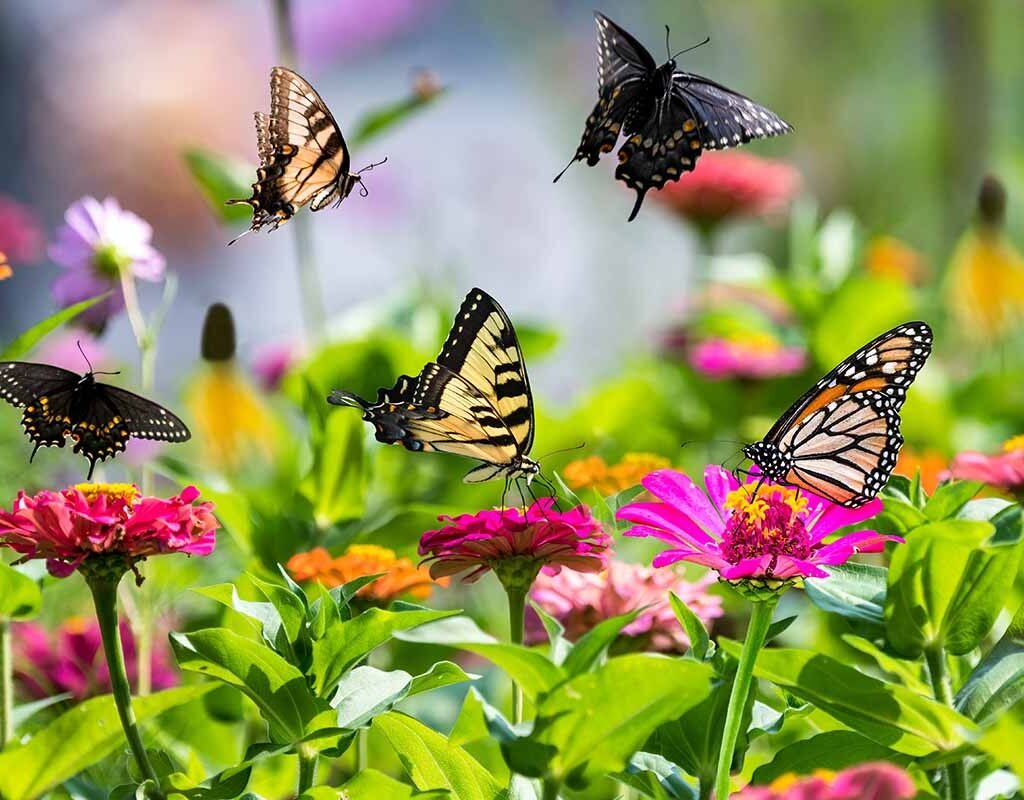
Few sights are as enchanting in a garden as fluttering butterflies. These delicate pollinators bring movement, color, and life to any outdoor space, while also supporting the ecosystem by pollinating plants. If you want a garden that buzzes with activity and bursts with beauty throughout the summer, choosing the right butterfly-attracting flowers is key.

This guide explores seven flowers that consistently attract butterflies, including planting tips, bloom times, care requirements, and the ecological benefits of a butterfly-friendly garden.


1. Butterfly Bush (Buddleja davidii)

Why Butterflies Love It

The butterfly bush lives up to its name. Its long, cone-shaped blooms are rich in nectar, making it a magnet for butterflies like monarchs, swallowtails, and painted ladies.

Planting Tips

  • Light: Full sun (at least 6 hours daily).
  • Soil: Well-draining soil, moderately fertile.
  • Watering: Regular watering until established; drought-tolerant once mature.
  • Care: Prune in late winter or early spring to encourage new growth and blooms.

Bloom Time

  • Mid to late summer, providing continuous nectar throughout the season.

Pro Tip: Place near a seating area to enjoy butterflies up close while they feed.


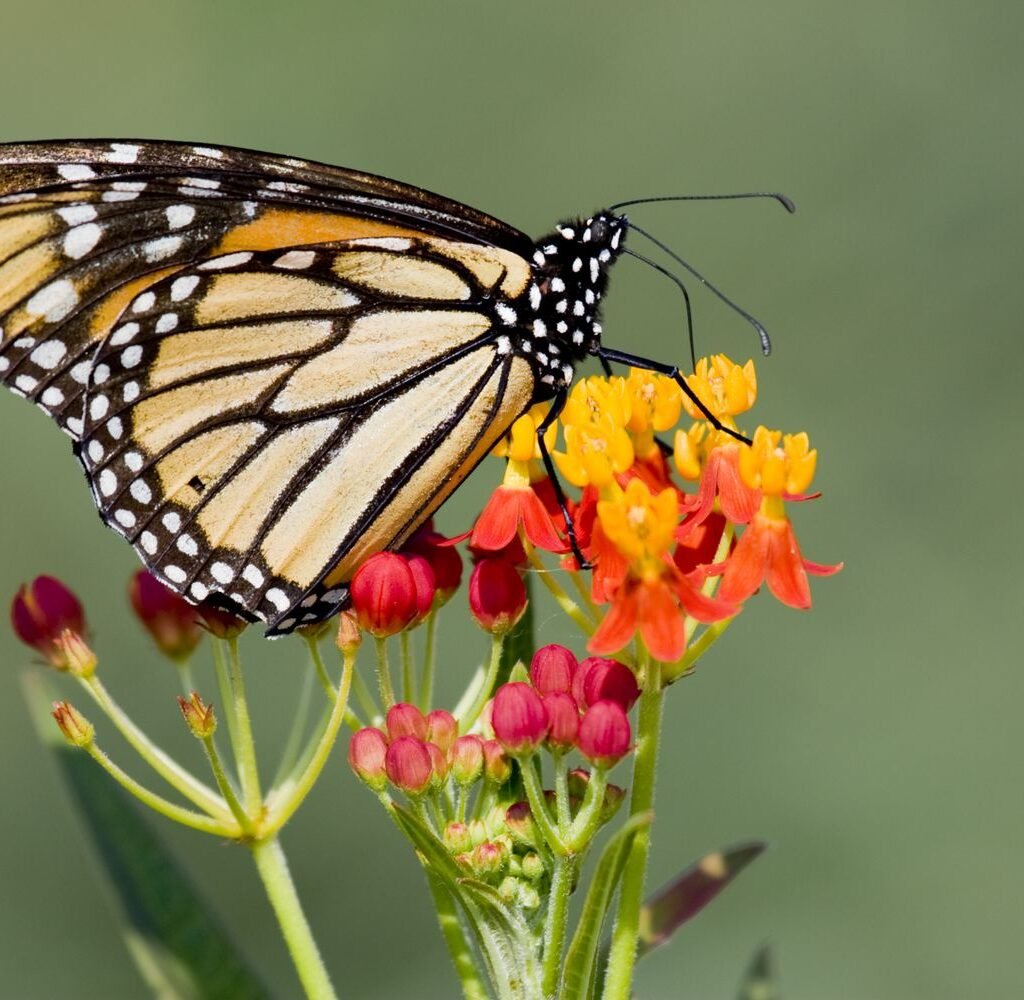
2. Milkweed (Asclepias spp.)

Why Butterflies Love It

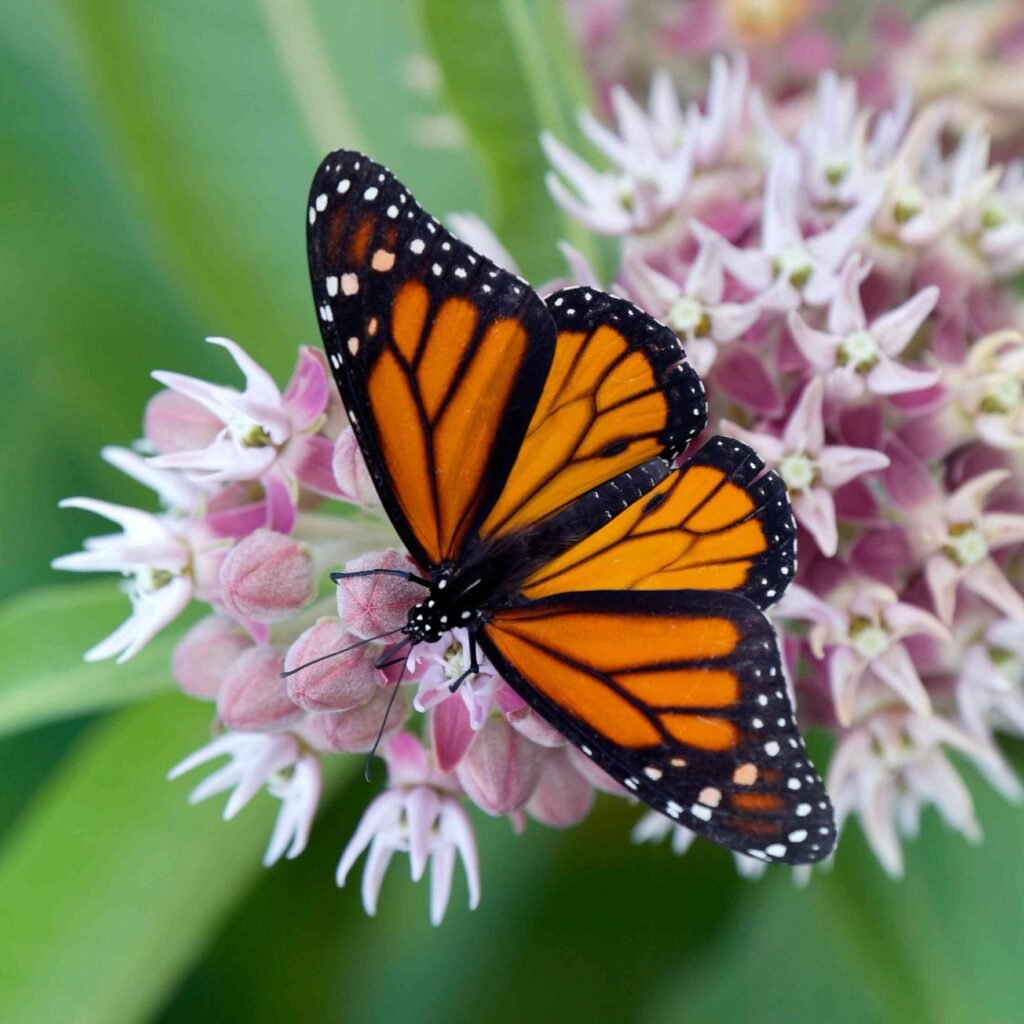
Milkweed is the host plant for monarch butterflies, providing both nectar for adults and leaves for caterpillars to feed on. Planting milkweed supports the entire butterfly life cycle.

Planting Tips

  • Light: Full sun.
  • Soil: Well-draining soil; tolerates poor soil conditions.
  • Watering: Moderate watering, avoid waterlogged soil.
  • Care: Deadhead spent flowers to prolong bloom period.

Bloom Time

  • Summer to early fall.

Pro Tip: Choose native milkweed species for your region—they are best for local butterfly populations.


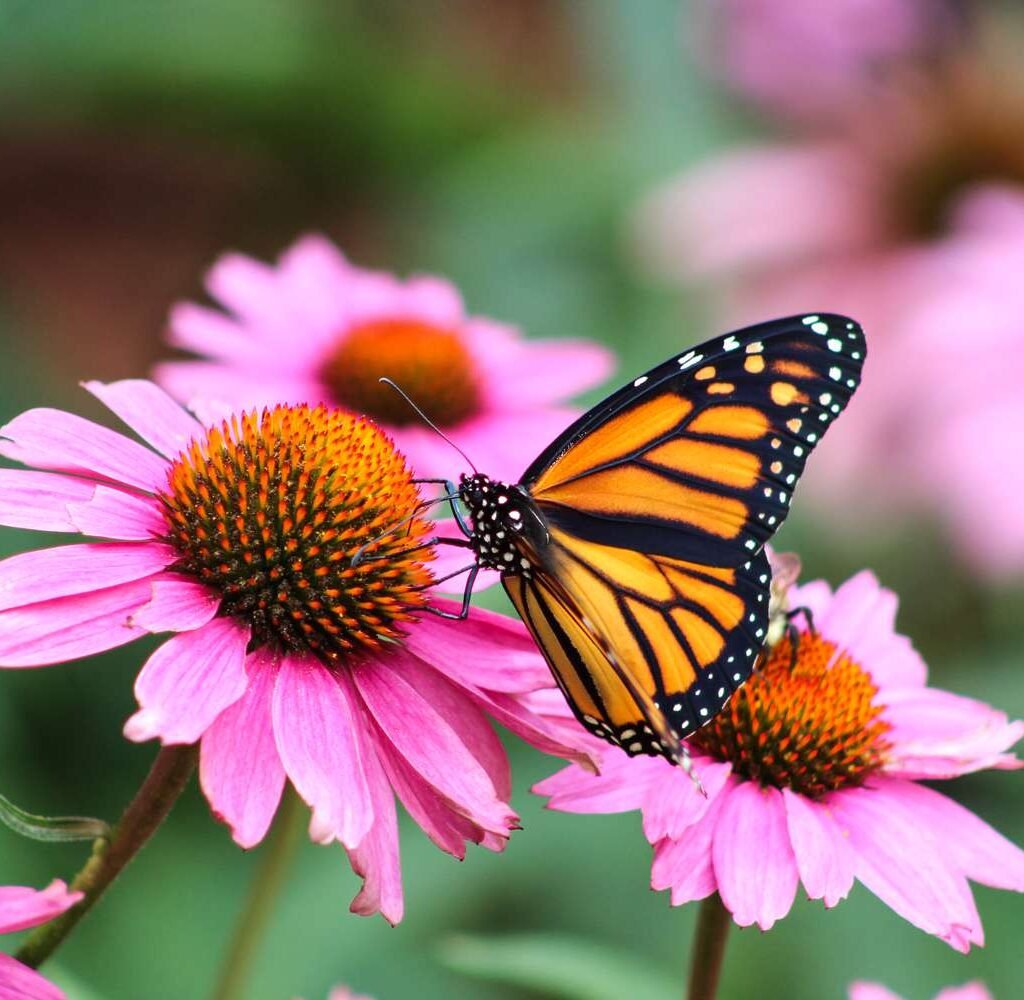
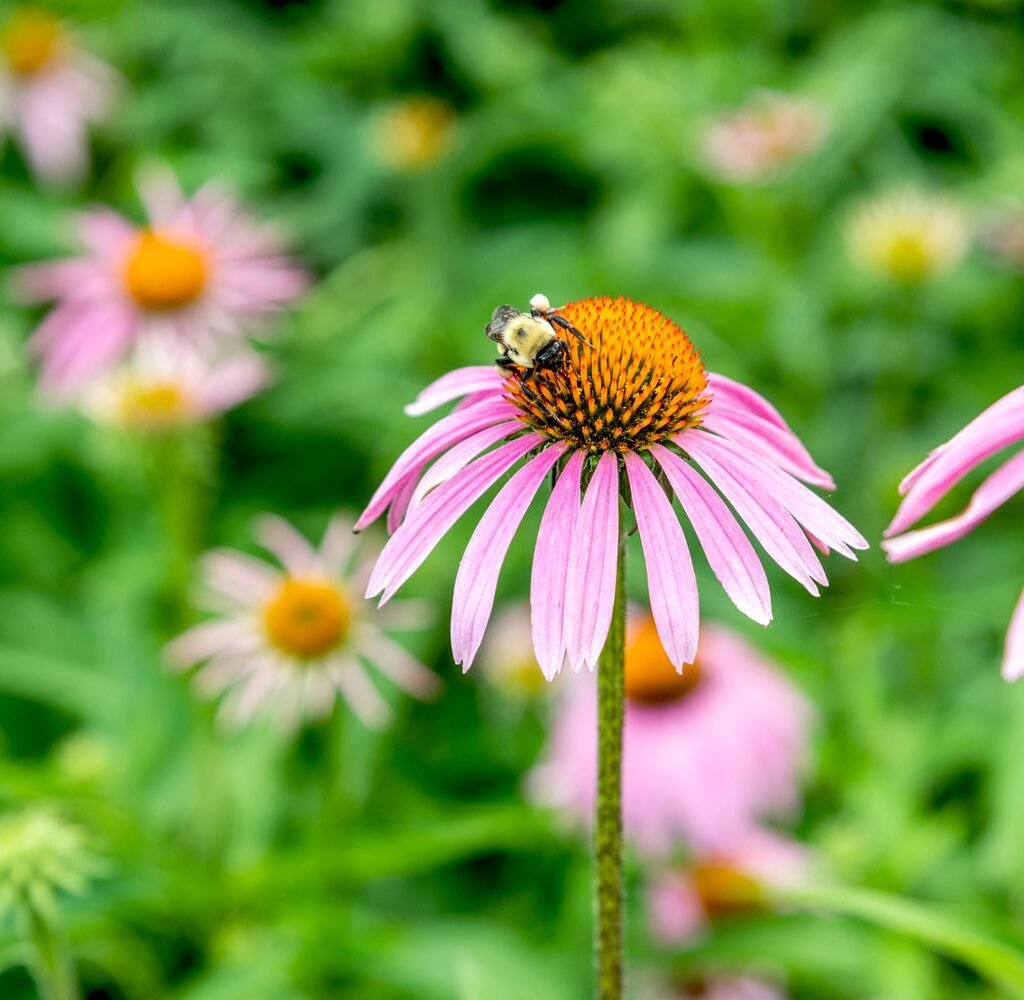
3. Coneflower (Echinacea purpurea)

Why Butterflies Love It

Coneflowers are nectar-rich perennials that attract a variety of pollinators, including butterflies, bees, and hummingbirds. Their long-lasting blooms make them a staple in butterfly gardens.

Planting Tips

  • Light: Full sun.
  • Soil: Well-drained soil; tolerates poor soil.
  • Watering: Moderate; drought-tolerant once established.
  • Care: Deadhead regularly for prolonged flowering.

Bloom Time

  • Early summer to fall, ensuring a long feeding period.

Pro Tip: Plant in clusters to make it easier for butterflies to locate nectar sources.


4. Lantana (Lantana camara)

Why Butterflies Love It

Lantana is a tropical perennial with clusters of vibrant flowers that change color as they age. Its sweet nectar is irresistible to butterflies, especially in hot summer months.

Planting Tips

  • Light: Full sun.
  • Soil: Well-draining, sandy or loamy soil.
  • Watering: Moderate; drought-tolerant once established.
  • Care: Prune to maintain shape and encourage blooms.

Bloom Time

  • Summer through fall, making it a long-lasting nectar source.

Pro Tip: Lantana also attracts hummingbirds and bees, adding to your garden’s pollinator diversity.


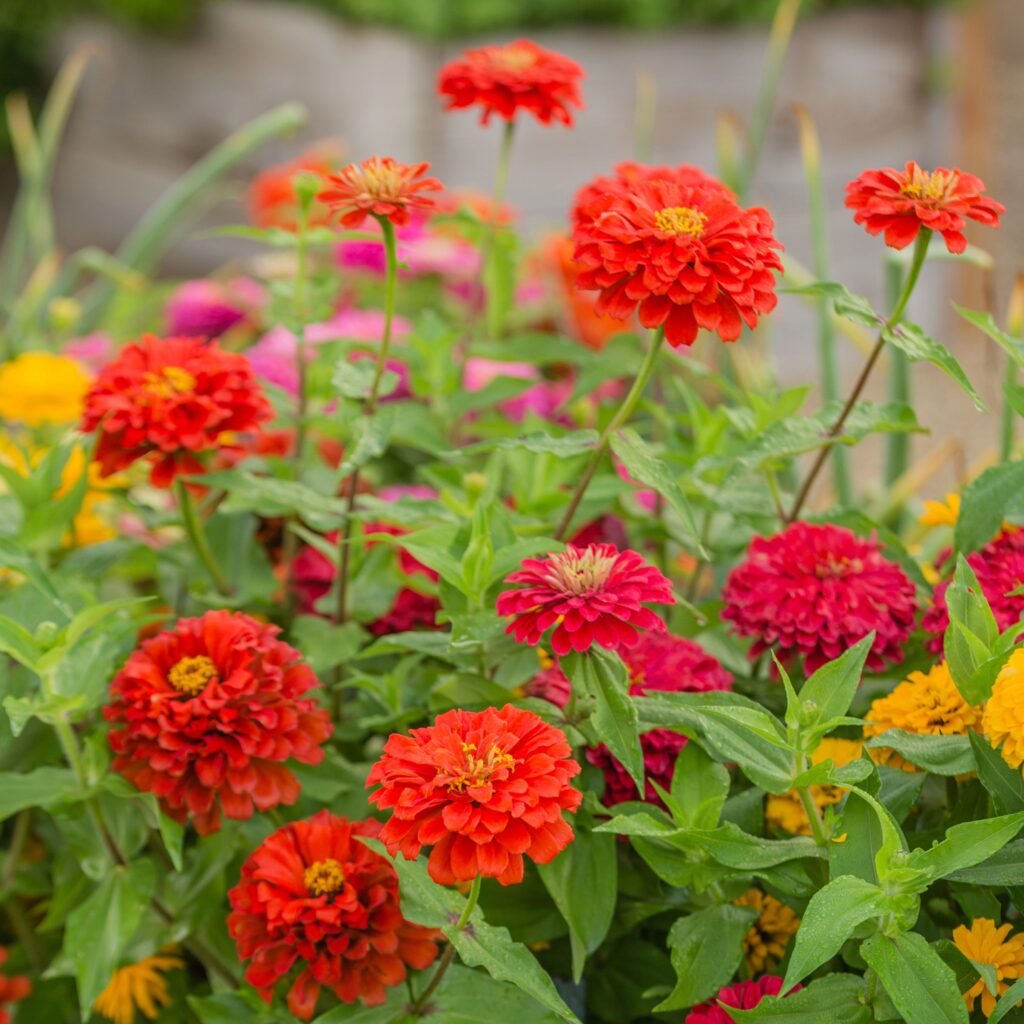
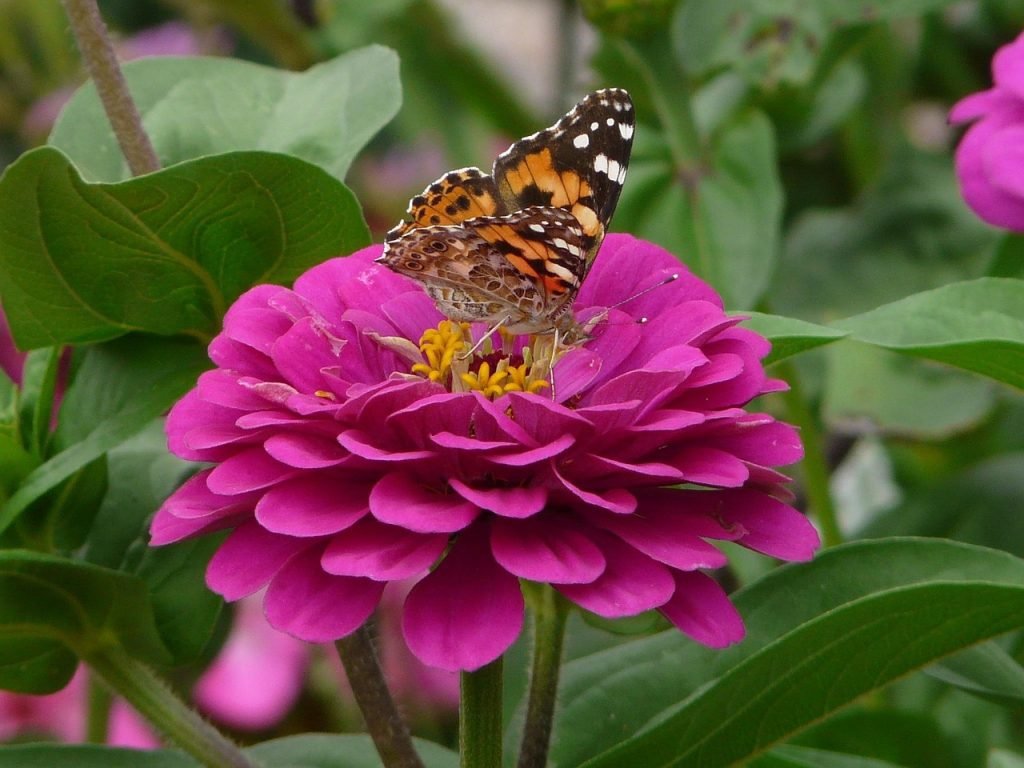
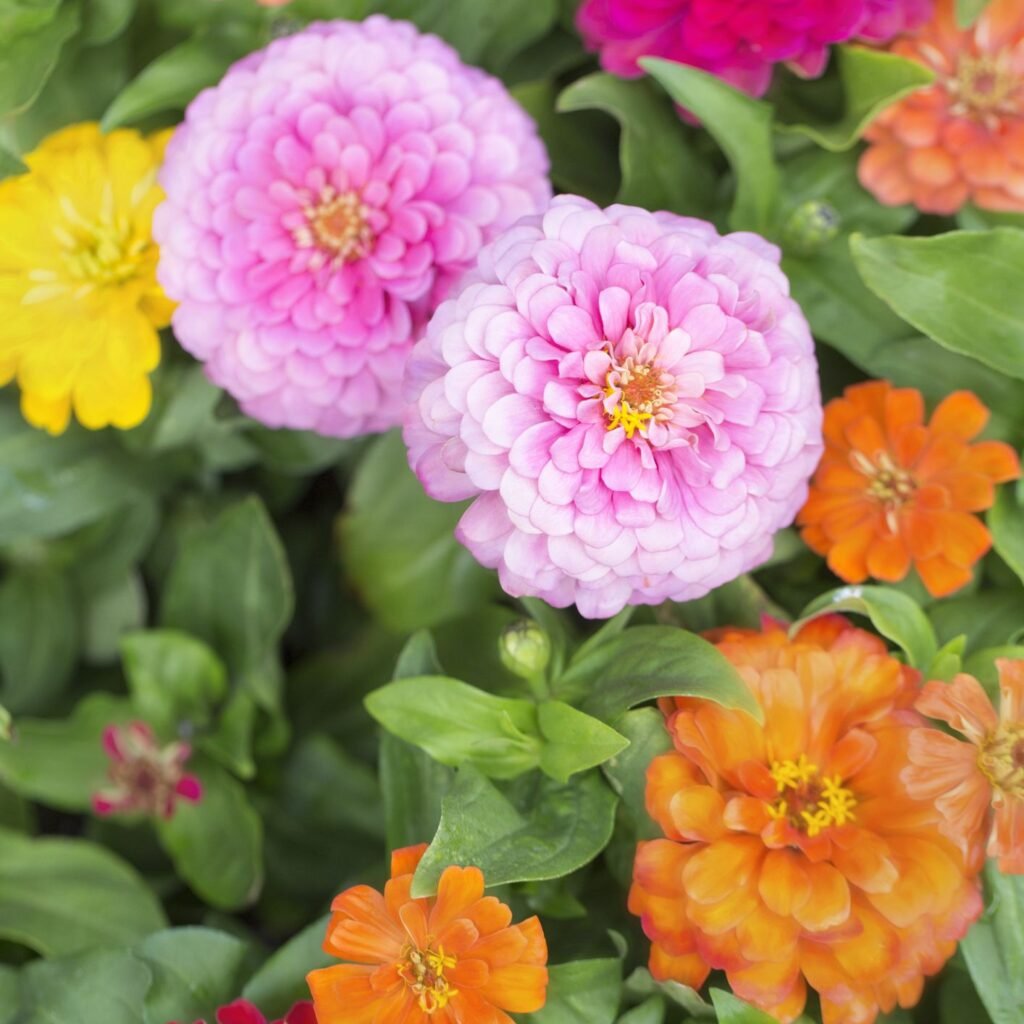
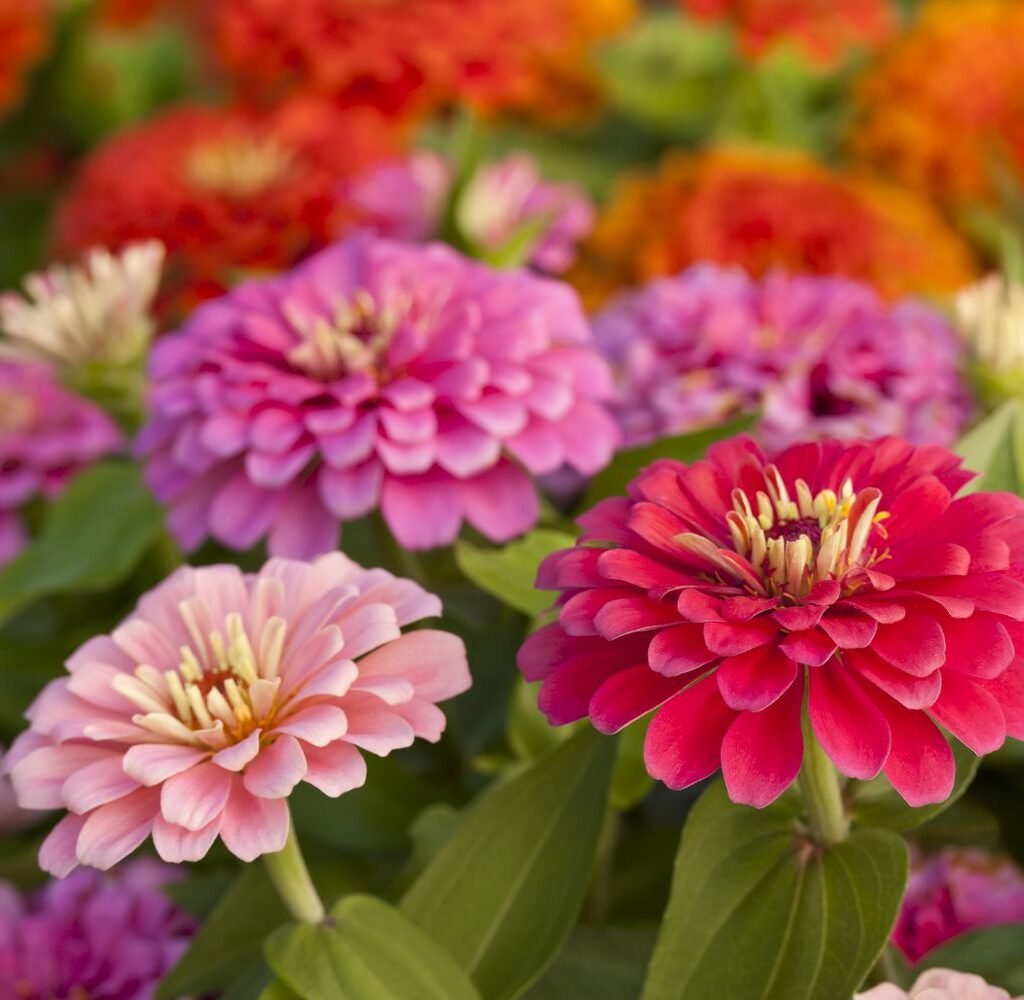
5. Zinnia (Zinnia elegans)

Why Butterflies Love It

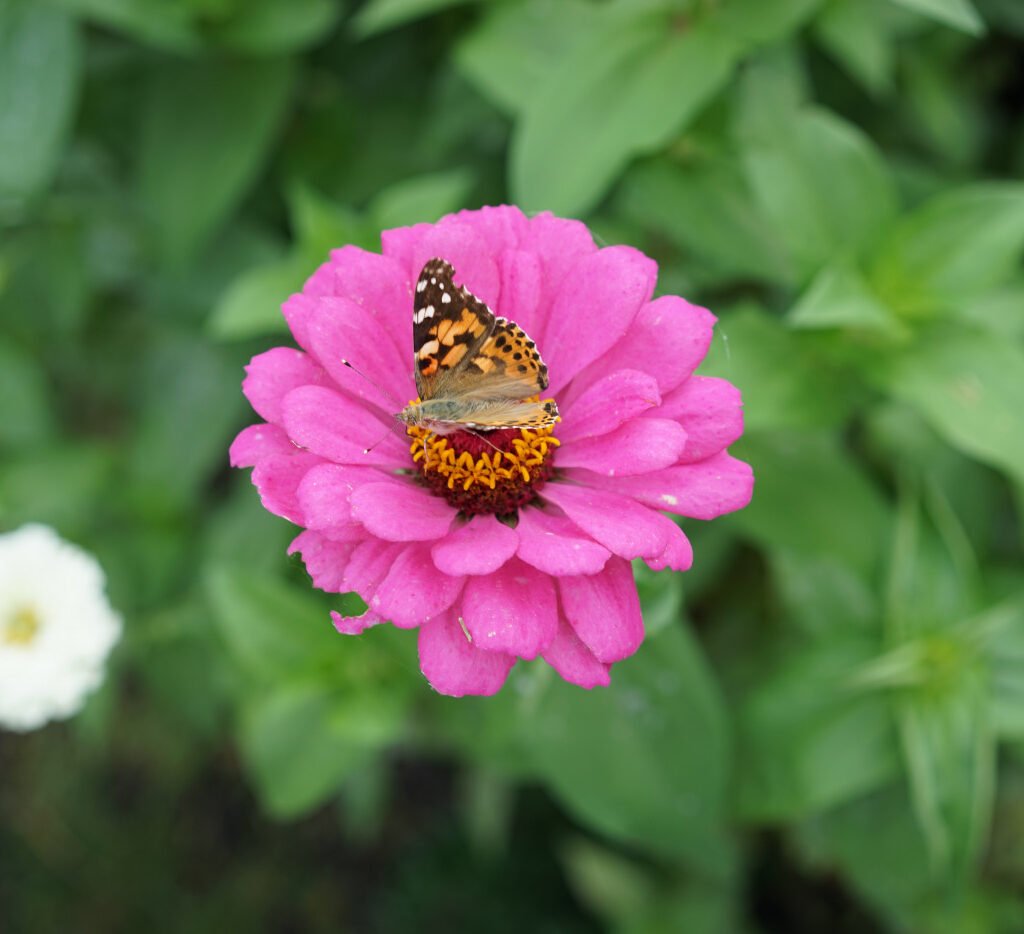
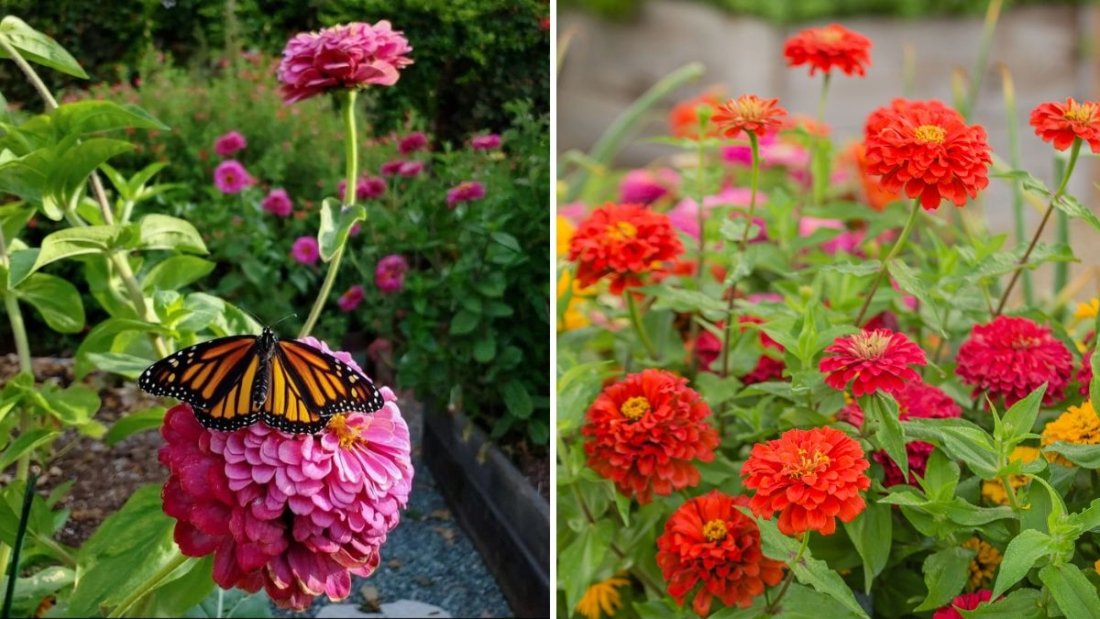
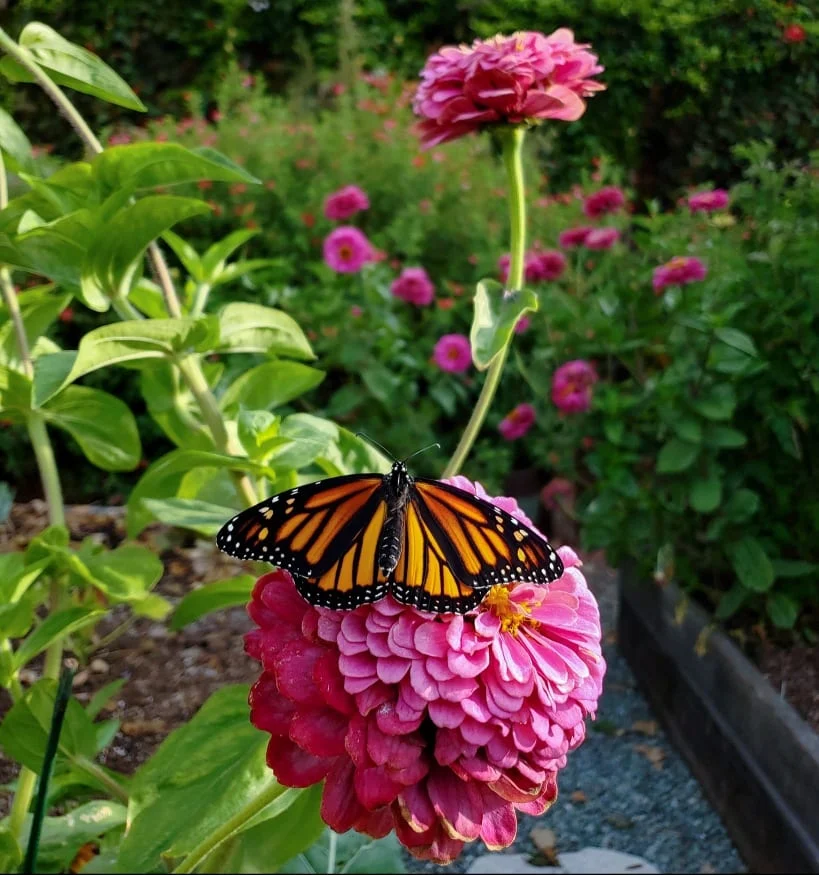
Zinnias are bright, colorful annuals that butterflies find irresistible. Their open, daisy-like blooms provide easy access to nectar, making them a favorite for pollinators.

Planting Tips

  • Light: Full sun.
  • Soil: Fertile, well-draining soil.
  • Watering: Moderate; water at the base to prevent fungal issues.
  • Care: Deadhead regularly to encourage continuous blooms.

Bloom Time

  • Summer to early fall, offering a long-lasting butterfly buffet.

Pro Tip: Plant a mix of colors to create a visual and ecological attractant for butterflies.


6. Black-eyed Susan (Rudbeckia hirta)

Why Butterflies Love It

Black-eyed Susans are hardy perennials with bright yellow petals and nectar-rich centers. Their tall stems make it easy for butterflies to perch and feed.

Planting Tips

  • Light: Full sun.
  • Soil: Well-draining, moderately fertile soil.
  • Watering: Moderate; drought-tolerant once established.
  • Care: Deadhead to encourage more blooms and extend the flowering season.

Bloom Time

  • Mid to late summer.

Pro Tip: Combine with purple or blue flowers to create contrast and draw in butterflies from a distance.


7. Verbena (Verbena bonariensis)

Why Butterflies Love It

Verbena has tall, airy stems with clusters of small purple flowers, making it a perfect nectar source for butterflies. Its airy structure allows easy landing for even large butterflies.

Planting Tips

  • Light: Full sun.
  • Soil: Well-draining soil; adaptable to poor soils.
  • Watering: Moderate; water deeply but infrequently.
  • Care: Deadhead to prolong bloom; cut back in late fall or early spring.

Bloom Time

  • Summer to fall, providing nectar during the hottest months.

Pro Tip: Plant in groups to create a butterfly “highway” in your garden.


Creating a Butterfly-Friendly Garden

To maximize butterfly visits:

  1. Plant in clusters: Butterflies are drawn to large patches of nectar-rich blooms rather than single flowers.
  2. Provide shelter: Include shrubs, tall grasses, or small trees for resting and protection from wind.
  3. Avoid pesticides: Chemicals harm butterflies at all stages, from caterpillar to adult.
  4. Offer water: Shallow puddles or wet sand provide drinking spots and minerals.
  5. Add host plants: Plants like milkweed and parsley support caterpillars and complete the butterfly life cycle.

Pro Tip: Diversity is key—mix flowers of different heights, colors, and bloom times for a continuous summer display.


Benefits of a Butterfly Garden

  • Pollination: Supports not only butterflies but other beneficial insects like bees.
  • Visual delight: Adds motion, color, and beauty to your garden.
  • Educational opportunities: Observe the life cycle of butterflies up close.
  • Eco-friendly: Helps conserve local butterfly populations and biodiversity.

Pro Tip: Even small urban gardens or balcony planters can become butterfly havens with the right flowers.


Final Thoughts

Attracting butterflies requires thoughtful plant selection, care, and garden design. By planting butterfly bush, milkweed, coneflowers, lantana, zinnias, black-eyed Susans, and verbena, gardeners can create a vibrant, colorful garden that thrives all summer long.

Key takeaways:

  • Plant a mix of perennials and annuals for continuous blooms.
  • Provide nectar sources and host plants to support the entire butterfly lifecycle.
  • Avoid pesticides and create a welcoming environment with shelter and water.
  • Cluster flowers and vary heights to maximize butterfly attraction.

With these strategies, your garden can become a summer paradise for butterflies, bringing joy, color, and ecological benefits season after season.

How to Keep Rabbits Out of Your Tulip Beds, According to Gardeners

How to Keep Rabbits Out of Your Tulip Beds, According to Gardeners

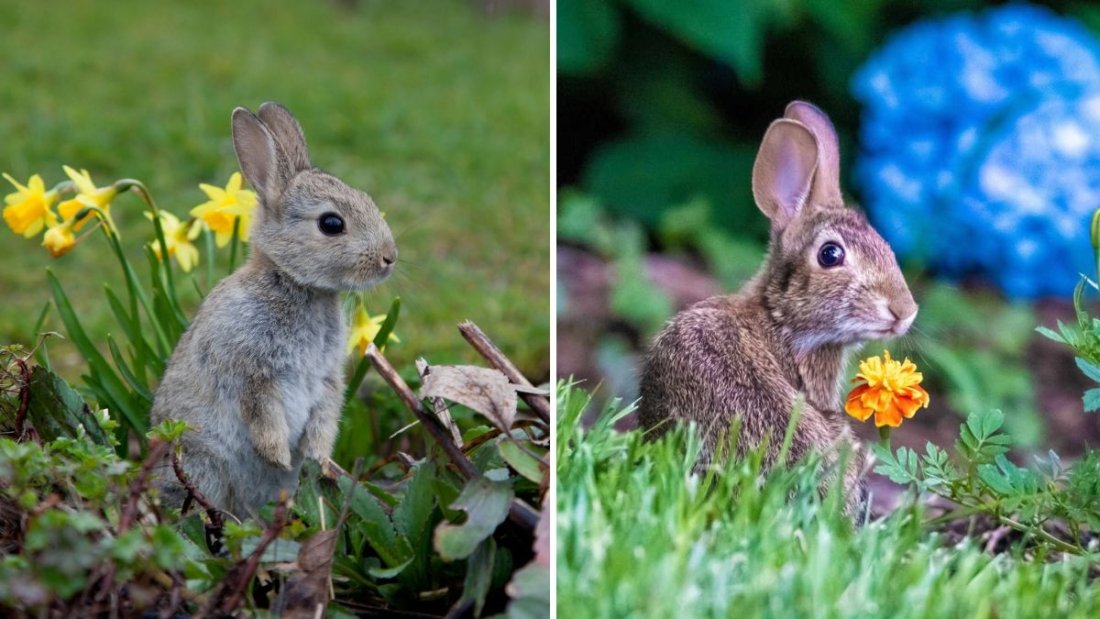
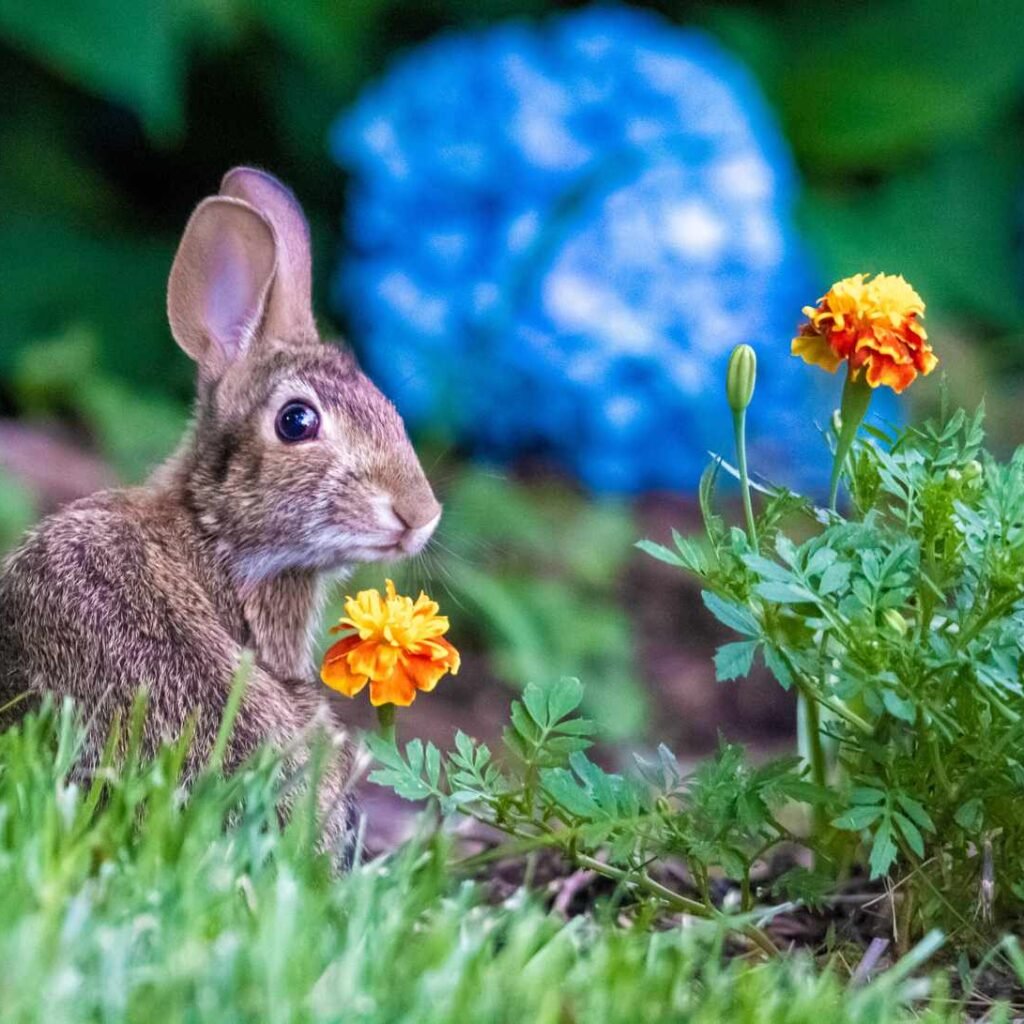
Tulips are one of the most beloved spring flowers, known for their vibrant colors, elegant shapes, and ability to brighten up any garden. However, for many gardeners, rabbits can turn a tulip bed into a buffet. These furry intruders have a particular fondness for tender tulip shoots and blooms, and their constant nibbling can quickly ruin weeks of careful planting and design.

Fortunately, experienced gardeners have developed tried-and-true strategies to protect tulip beds from rabbits without harming the animals or compromising your garden’s aesthetics. This guide will explore effective methods, preventive techniques, and practical tips to keep rabbits away from your tulips all season long.


1. Why Rabbits Love Tulips

Understanding why rabbits target tulips can help you protect your plants more effectively:

  • Tender shoots and blooms: Tulips produce soft, succulent foliage in spring, which is highly appealing to rabbits.
  • Early emergence: Tulips often appear before other garden plants, providing rabbits with one of the first available fresh foods.
  • Easy access: Tulips planted at ground level are easy for rabbits to reach, making them an irresistible target.

Pro Tip: Rabbits rarely eat mature tulip bulbs, so protecting the emerging shoots is key.


2. Physical Barriers: Fencing and Netting

The most reliable way to prevent rabbits from eating tulips is to physically block access:

Fencing

  • Height: Use fences at least 2 feet tall; rabbits are excellent jumpers.
  • Material: Chicken wire or mesh with 1-inch openings works well.
  • Installation: Bury the bottom 6 inches of fencing underground to prevent rabbits from digging under.

Netting

  • Temporary covers: Lightweight garden netting can protect tulip beds during peak growth.
  • Support: Use stakes to keep netting above the plants without crushing the blooms.

Pro Tip: Fence or net early, before shoots emerge, to prevent rabbits from establishing a taste for your tulips.


3. Plant Companion Strategies

Some gardeners use rabbit-repelling companion plants to deter visits:

  • Alliums (ornamental onions): Strong scent discourages rabbits.
  • Daffodils: Toxic to rabbits, can be planted around tulip beds.
  • Lavender and rosemary: Aromatic herbs can act as natural deterrents.

Pro Tip: Mix tulips with these plants for both visual appeal and rabbit protection.


4. Repellents: Taste and Smell

Commercial and homemade repellents can be effective when used correctly:

Types of Repellents

  1. Commercial rabbit repellents: Spray on foliage to make plants taste unpleasant.
  2. Homemade solutions: Garlic, hot pepper, or egg-based sprays.
  3. Predator scents: Use fox or coyote urine near tulip beds to mimic natural predators.

Application Tips

  • Apply repellents in dry weather to ensure effectiveness.
  • Reapply after rain or heavy watering.
  • Rotate different repellents to prevent rabbits from becoming accustomed.

Pro Tip: Repellents work best in combination with fencing, not as a standalone solution.


5. Plant Tulips Strategically

Where you plant tulips can make a significant difference:

  • Elevate bulbs: Plant in raised beds or containers that are harder for rabbits to reach.
  • Cluster bulbs with deterrents: Surround tulips with plants rabbits dislike, such as marigolds or herbs.
  • Avoid edges: Plant tulips away from garden edges, hedges, or areas rabbits frequent.

Pro Tip: Strategic placement reduces rabbit encounters and adds a layered visual effect to your garden.


6. Timing Plantings

Timing your tulip planting can also reduce rabbit damage:

  • Plant later in fall: Late planting may delay emergence until after rabbits have consumed early shoots.
  • Stagger blooms: Use a mix of early, mid, and late-blooming tulips to spread out rabbit pressure.

Pro Tip: Combining different tulip varieties ensures continuous color while reducing vulnerability to rabbits.


7. Habitat Modification

Reducing the attractiveness of your garden to rabbits can help:

  • Remove hiding spots: Clear tall grass, brush piles, or dense shrubs near tulip beds.
  • Keep lawns mowed: Short grass discourages rabbits from lingering.
  • Avoid feeding wildlife: Birdseed or pet food in your garden attracts rabbits.

Pro Tip: A tidy garden reduces rabbit visits naturally, complementing other protective measures.


8. Using Natural Predators

Introducing or encouraging natural predators is an eco-friendly way to keep rabbits away:

  • Cats or dogs: Well-supervised pets can deter rabbits.
  • Birds of prey: Hawks and owls help control rabbit populations outdoors.
  • Decoy predators: Use realistic owl or fox decoys near tulip beds, moving them occasionally for realism.

Pro Tip: Predators work best as part of an integrated approach rather than the sole method.


9. Monitoring and Maintenance

Consistent observation is crucial for long-term protection:

  • Inspect regularly: Check for nibbling or footprints.
  • Repair barriers: Fix holes in fencing immediately.
  • Reapply repellents: Maintain effectiveness throughout the growing season.
  • Adjust plantings: Relocate vulnerable tulips if necessary.

Pro Tip: Early detection and intervention prevent major damage and protect your tulip investment.


10. Integrated Approach: Combining Strategies

Gardeners agree that no single method guarantees 100% protection. The most effective strategy combines:

  1. Physical barriers: Fencing or netting.
  2. Companion planting: Rabbit-repelling species.
  3. Repellents: Commercial sprays or natural mixtures.
  4. Strategic placement: Raised beds, clusters, or away from edges.
  5. Habitat modification: Removing hiding spots and minimizing attractants.

This multi-layered approach ensures your tulips remain intact while coexisting safely with local wildlife.

Pro Tip: Start early and stay consistent—prevention is easier than repair.


11. Final Thoughts

Rabbits can be charming in the wild, but in your tulip bed, they can be a persistent problem. By combining physical barriers, repellents, strategic planting, and habitat management, gardeners can enjoy vibrant tulip displays all season long.

Key takeaways:

  • Protect emerging shoots early with fences or netting.
  • Use companion plants and repellents to deter rabbit visits.
  • Plant tulips strategically and modify the habitat to reduce attractiveness.
  • Monitor, maintain, and adjust techniques as needed.

With patience and careful planning, your tulip beds can remain safe from rabbits, allowing you to enjoy stunning blooms without compromise. A well-protected tulip garden brings joy, color, and a sense of accomplishment—proof that thoughtful gardening pays off.

6 Plants That Look Gorgeous With Peonies

6 Plants That Look Gorgeous With Peonies

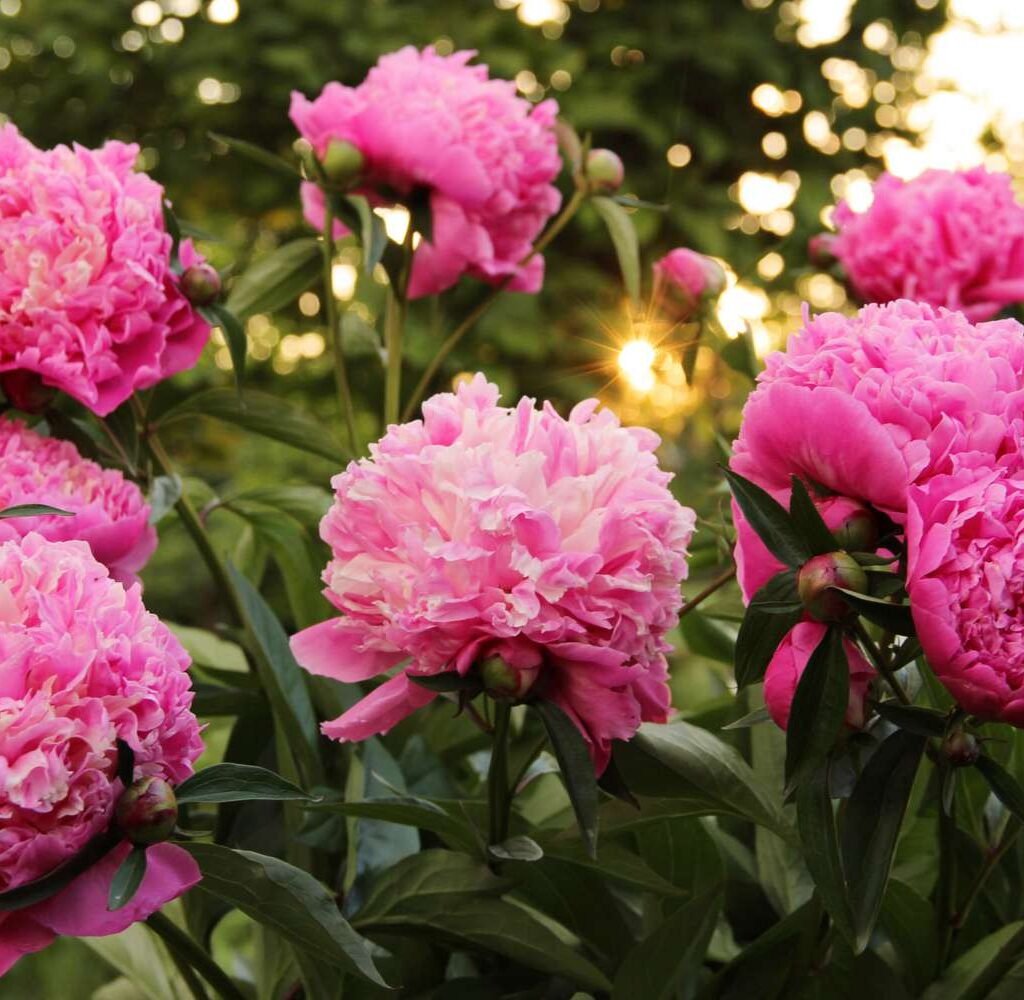
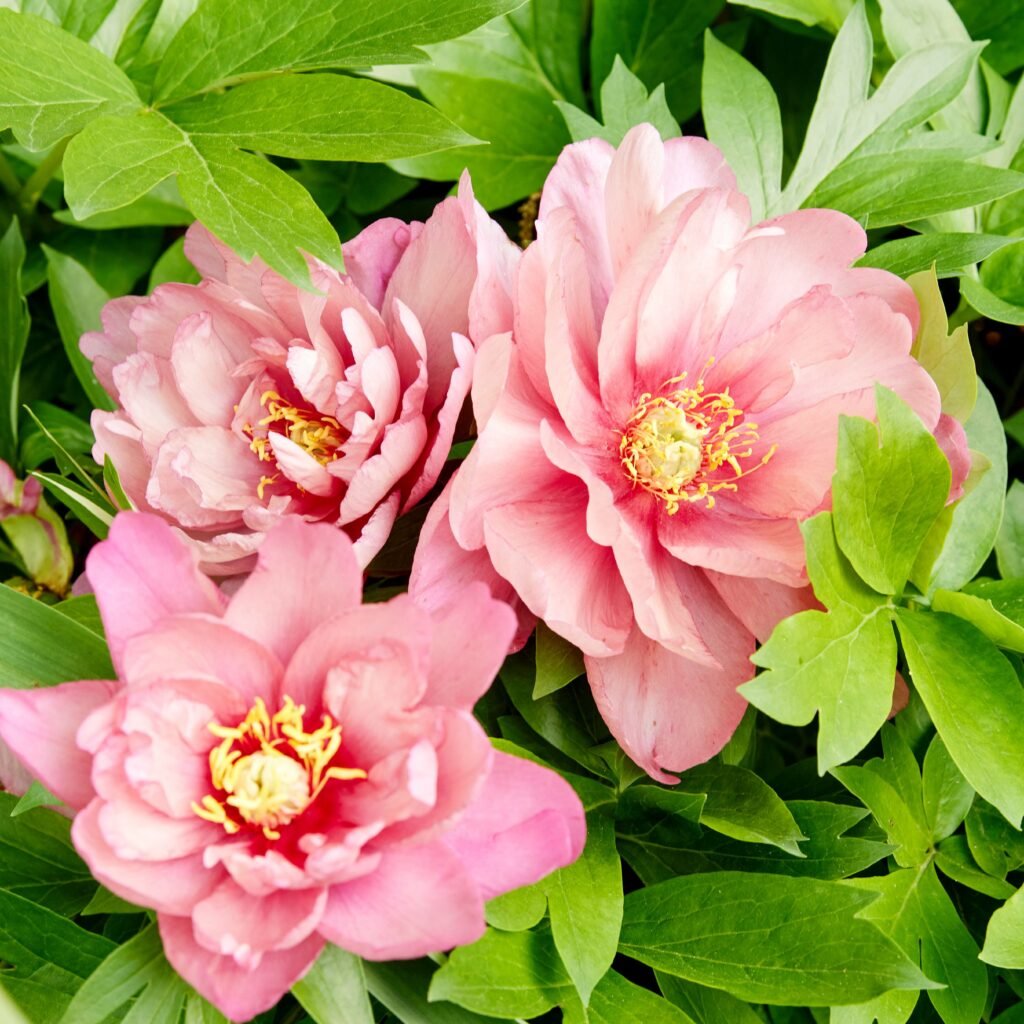
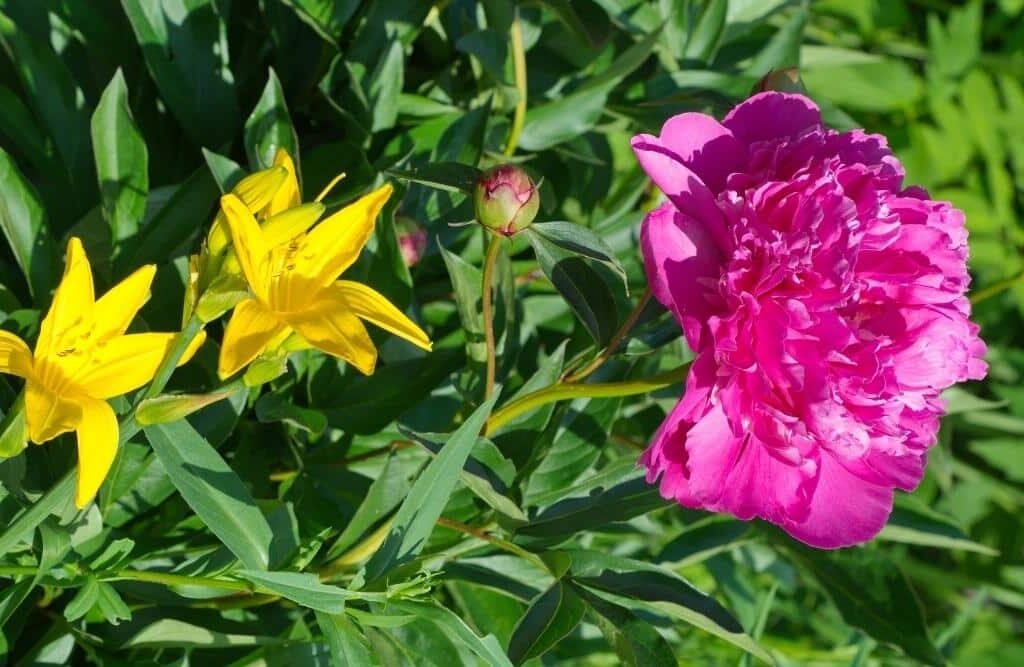
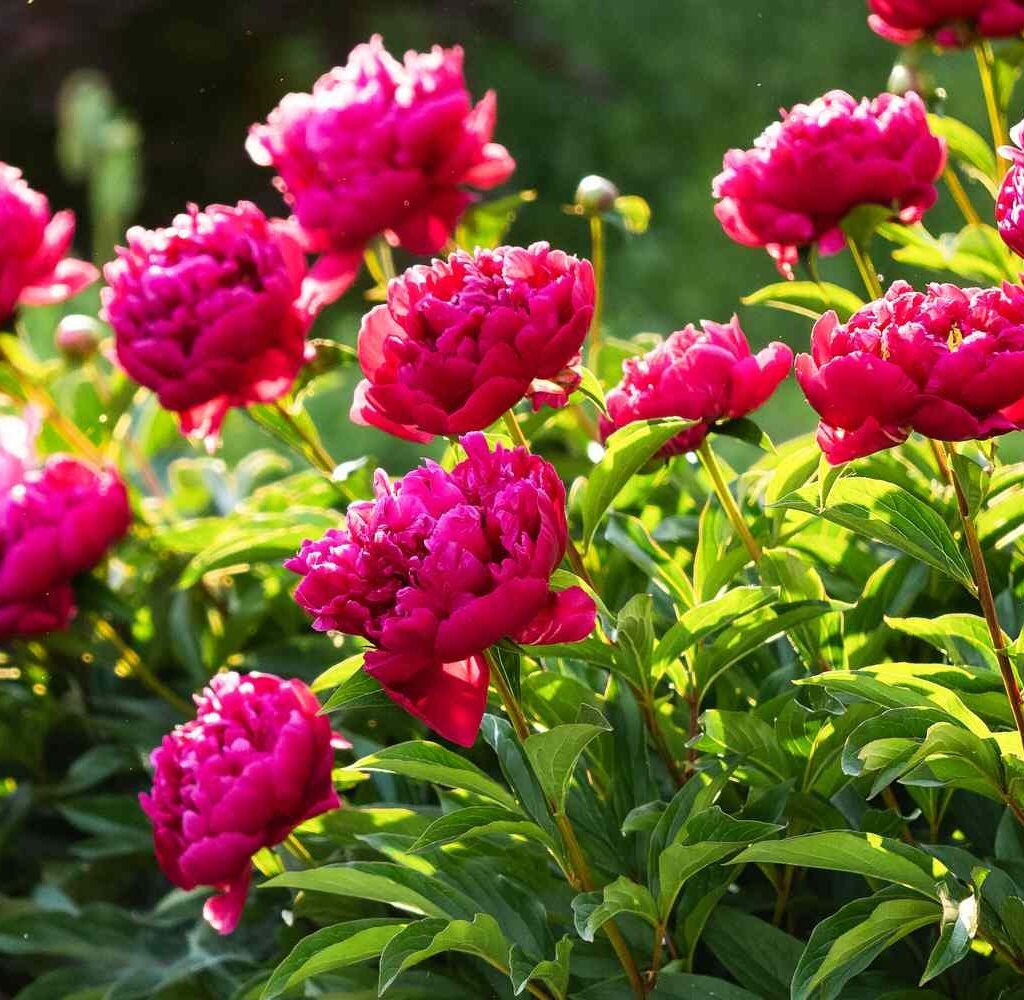
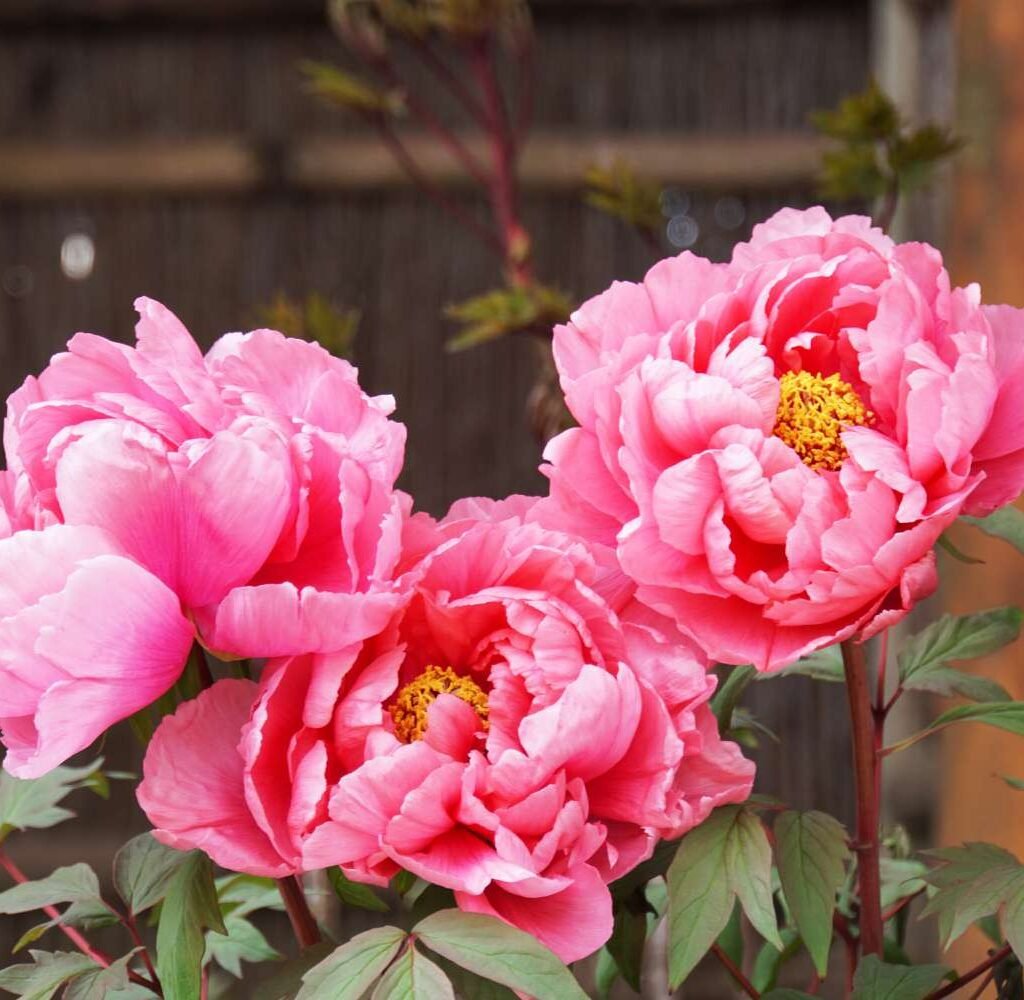
Peonies (Paeonia spp.) are among the most beloved garden perennials, admired for their large, lush blooms, captivating fragrance, and elegant foliage. They can instantly elevate any garden with their romantic and timeless appeal, whether planted in formal beds or mixed borders. However, the beauty of peonies can be further enhanced by pairing them with carefully selected companion plants.

Companion planting not only amplifies aesthetic appeal but also provides practical benefits, such as improved pollinator attraction, extended bloom seasons, and balanced garden composition. In this article, we’ll explore six plants that look gorgeous with peonies, why they work well together, and tips for creating stunning garden combinations.


Why Companion Plants Matter for Peonies

Peonies are relatively low-maintenance perennials but benefit from thoughtful companion planting:

  • Aesthetic contrast: Different foliage shapes and flower forms highlight peony blooms.
  • Extended visual interest: Combining plants with varying bloom times ensures continuous color.
  • Support for pollinators: Companion plants attract bees, butterflies, and other beneficial insects.
  • Soil and microclimate balance: Some companions can improve soil structure or moisture retention around peonies.

The key is to select plants that thrive in similar growing conditions—full sun to partial shade and well-drained soil—without overwhelming the peonies’ shallow roots.


1. Lavender (Lavandula spp.)

Lavender is a classic companion that brings fragrance, color, and texture to peony gardens.

Why It Works:

  • Purple spikes contrast beautifully with peony’s large, soft blooms.
  • Aromatic foliage deters pests while attracting pollinators like bees and butterflies.
  • Both plants thrive in sunny, well-drained soil, making them compatible garden partners.

Planting Tips:

  • Position lavender around peony beds to frame blooms naturally.
  • Avoid overwatering near peonies, as lavender prefers drier conditions once established.
  • Prune lavender after flowering to maintain a neat shape.

Expert Insight: Lavender’s gray-green foliage creates a stunning backdrop for pink, white, or red peonies, adding depth and visual harmony.


2. Salvia (Salvia spp.)

Salvia is a versatile perennial with vibrant spikes of blue, purple, or red flowers.

Why It Works:

  • Tall, spiky flowers contrast with peonies’ rounded heads.
  • Attracts pollinators, enhancing the overall garden ecosystem.
  • Long-lasting blooms extend the visual season beyond peony flowering.

Planting Tips:

  • Plant salvia behind or beside peonies for height contrast.
  • Choose varieties that complement the color palette of your peonies.
  • Deadhead spent flowers to encourage continuous blooming.

Expert Insight: Salvia’s vertical lines create a dramatic counterpoint to the softness of peonies, balancing form and structure in mixed borders.


3. Catmint (Nepeta spp.)

Catmint is a hardy perennial known for soft, aromatic foliage and delicate lavender-blue blooms.

Why It Works:

  • Mounding habit and long bloom period enhance peony displays without overshadowing them.
  • Attracts bees and butterflies, promoting pollination and biodiversity.
  • Aromatic foliage repels pests naturally.

Planting Tips:

  • Space catmint in front of peonies to create a soft, colorful border.
  • Trim after flowering to maintain a tidy appearance and encourage reblooming.
  • Combine with other mid-height perennials for layered garden design.

Expert Insight: Catmint adds flowing movement and texture beneath or alongside peonies, softening the garden edges.


4. Alliums (Allium spp.)

Alliums, with their architectural globe-shaped blooms, bring structural interest to peony gardens.

Why It Works:

  • Tall stems and spherical flowers contrast with peony’s rounded petals.
  • Early- to mid-spring bloom times lead into the peony flowering season, creating continuity.
  • Foliage dies back cleanly, leaving no competition during peony peak bloom.

Planting Tips:

  • Plant alliums in clusters for maximum visual impact.
  • Select colors that complement peony hues, such as purple or white.
  • Place taller varieties toward the back of the bed to avoid shading peonies.

Expert Insight: Alliums provide architectural drama and contrast, making peony gardens visually striking while extending seasonal interest.


5. Ferns (Various Genera)

Ferns add textural elegance and a woodland feel to peony beds.

Why It Works:

  • Delicate, feathery fronds contrast beautifully with bold peony flowers.
  • Shade-tolerant varieties fill spaces beneath larger peonies, creating layered effects.
  • Evergreen or deciduous ferns provide year-round foliage interest.

Planting Tips:

  • Plant ferns in partial shade areas, particularly if peonies are planted near taller shrubs or trees.
  • Maintain consistently moist soil to support fern growth without waterlogging peony roots.
  • Combine with hostas or heucheras for multi-textured ground coverage.

Expert Insight: Ferns create a lush, green foundation that highlights peony blooms while softening the overall garden design.


6. Heuchera (Coral Bells)

Heucheras are low-growing perennials prized for colorful foliage and delicate flowers.

Why It Works:

  • Foliage comes in shades of burgundy, lime, purple, and silver, complementing peony colors.
  • Small, airy flowers add subtle interest without competing with peonies.
  • Shade-tolerant and adaptable, making them ideal for under-planting or borders.

Planting Tips:

  • Plant at the base of peonies for a layered, colorful effect.
  • Mix different Heuchera varieties for continuous color contrast.
  • Ensure good drainage to prevent root rot.

Expert Insight: Heucheras provide a vibrant ground layer, emphasizing peony blooms while supporting pollinators.


Tips for Designing a Gorgeous Peony Garden

  1. Consider Bloom Timing: Choose companion plants that bloom before, during, or after peonies to maintain seasonal color.
  2. Mix Textures and Heights: Combine tall spikes, mounding plants, and low groundcovers for layered interest.
  3. Complement Colors: Use foliage and flower colors that enhance peony hues rather than clash.
  4. Provide Adequate Space: Peonies need airflow to reduce fungal issues; companions should not overcrowd the base.
  5. Support Pollinators: Many companions attract beneficial insects that enhance peony flowering and seed production.
  6. Mulch and Water Appropriately: Maintain consistent moisture without waterlogging roots, benefiting both peonies and companions.

Benefits of Companion Plants With Peonies

  • Extended Visual Interest: Complementary blooms extend the season of color.
  • Pollinator Attraction: Bees, butterflies, and beneficial insects thrive in diverse plantings.
  • Enhanced Aesthetics: Textural and color contrasts make peony blooms pop.
  • Ecosystem Support: Companion plants improve soil health and biodiversity.
  • Low-Maintenance Harmony: Properly selected companions support peony growth without competing aggressively.

Conclusion

Peonies are stunning focal points in any garden, but their beauty is amplified by thoughtful companion planting. Lavender, salvia, catmint, alliums, ferns, and heucheras provide texture, color contrast, and ecological benefits, creating lush, layered, and pollinator-friendly beds.

By considering bloom timing, plant height, and color harmony, gardeners can design vibrant, low-maintenance gardens that showcase peonies at their peak while maintaining interest throughout the season. With the right companion plants, your peony garden can become a breathtaking landscape feature that delights the senses and supports a healthy, thriving ecosystem.

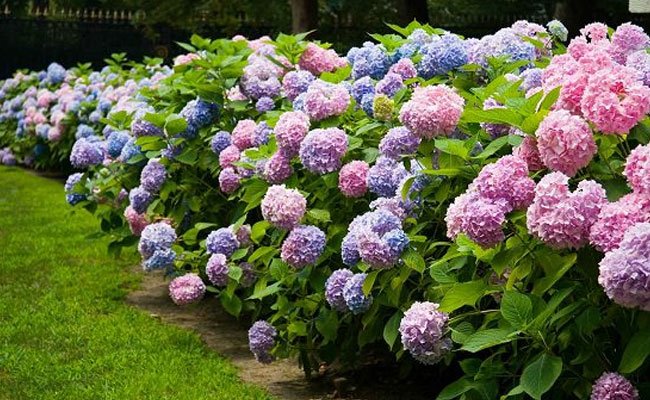
7 Shade Plants That Thrive Under Hydrangeas

7 Shade Plants That Thrive Under Hydrangeas

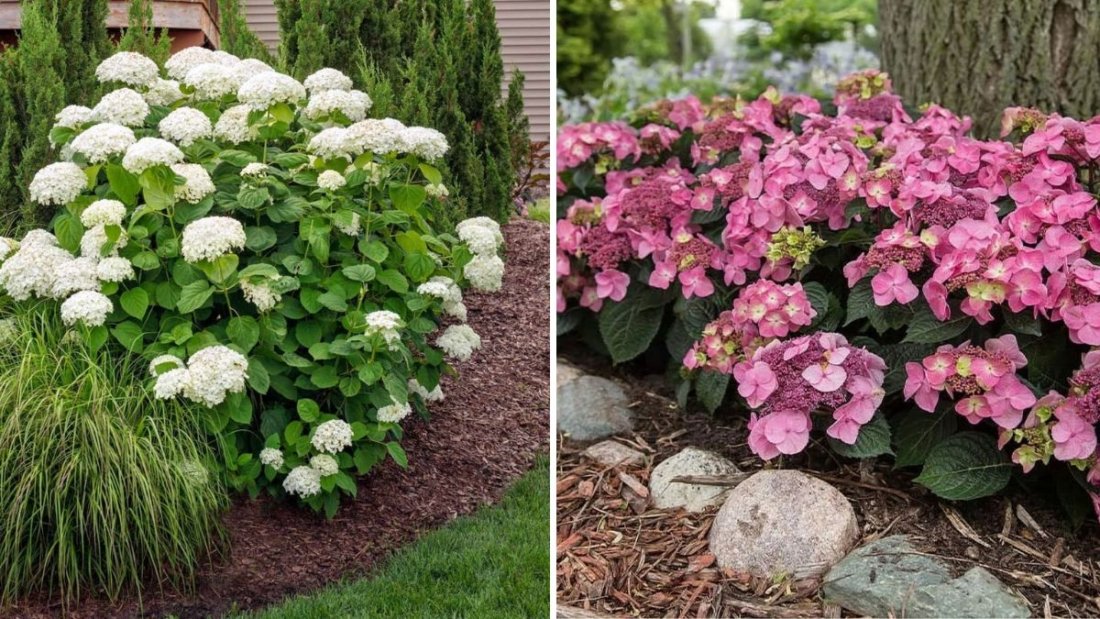
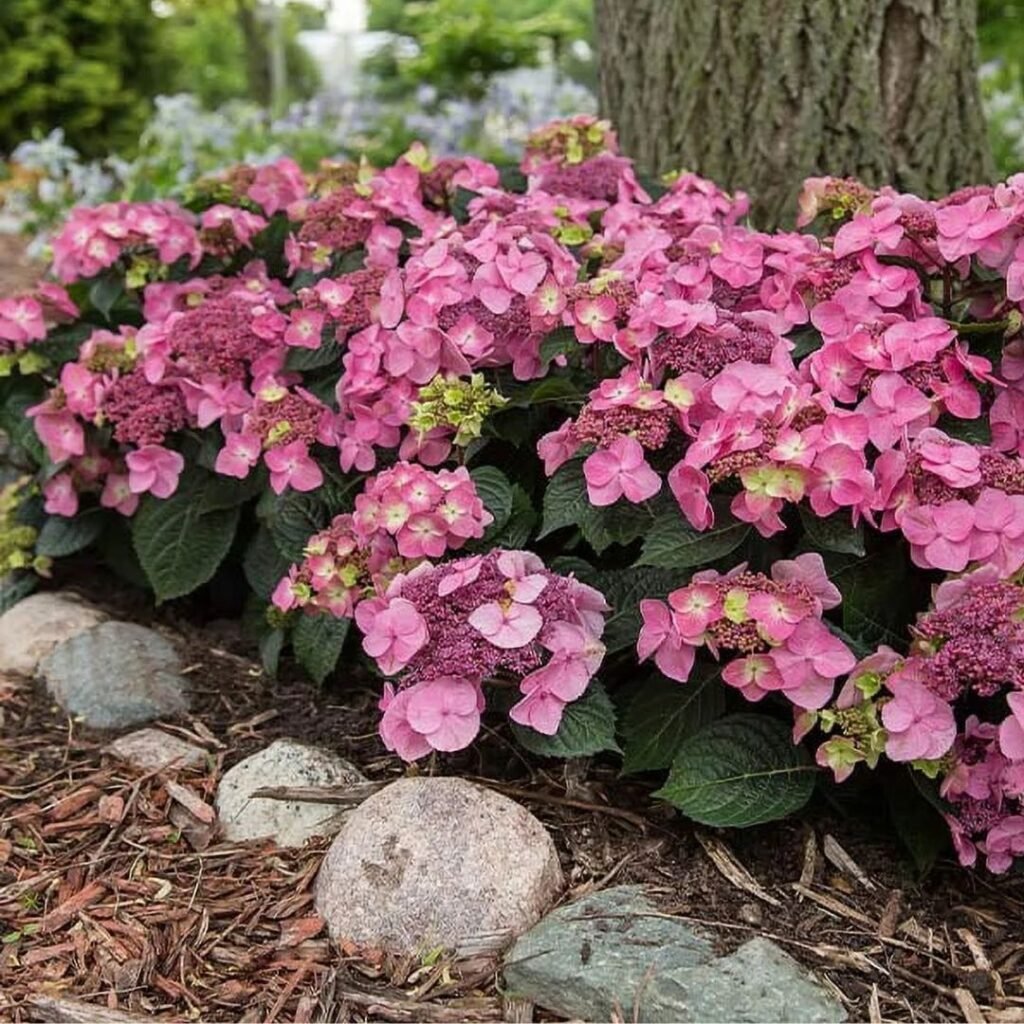
Hydrangeas are beloved garden shrubs known for their lush foliage and stunning blooms that range from powdery blues to deep pinks. While they are often the star of the garden, the space beneath their wide, leafy canopies can feel underutilized. However, this shaded area offers a perfect opportunity to plant companion shade-loving species that not only survive under hydrangeas but enhance their beauty.

By carefully selecting shade-tolerant plants, gardeners can create a layered, vibrant garden display, improve soil health, and maintain a natural, balanced ecosystem. In this article, we’ll explore seven shade plants that thrive under hydrangeas, their benefits, and expert tips for successful planting.


Why Plant Under Hydrangeas?

Planting under hydrangeas is more than just aesthetic; it provides multiple ecological and horticultural benefits:

  • Maximizes garden space: Utilize areas that might otherwise remain bare or weedy.
  • Protects soil moisture: Hydrangea shade helps retain moisture for shade-loving companions.
  • Enhances visual interest: Layering plants creates texture, color, and depth.
  • Supports biodiversity: Shade-loving plants attract pollinators and beneficial insects.

Selecting compatible shade plants ensures that the companions do not compete aggressively with hydrangea roots, which can be shallow but wide-spreading.


1. Hostas (Hosta spp.)

Hostas are a classic shade garden plant celebrated for their lush foliage and versatility.

Why They Thrive Under Hydrangeas:

  • Tolerate partial to full shade, making them perfect under dense hydrangea canopies.
  • Their large, textured leaves contrast beautifully with hydrangea foliage.
  • Low-maintenance perennials that come back year after year.

Planting Tips:

  • Space plants 12–24 inches apart to allow airflow and reduce fungal issues.
  • Choose varieties with different leaf colors—green, blue, or variegated—to create visual interest.
  • Apply mulch to retain moisture and protect roots.

Expert Insight: Hostas can act as a groundcover under hydrangeas, suppressing weeds while adding lush greenery.


2. Ferns (Various Genera: Dryopteris, Athyrium, Polystichum)

Ferns are graceful, textural plants that thrive in cool, shady conditions.

Why They Thrive Under Hydrangeas:

  • Adapted to dappled or full shade, mirroring the conditions beneath hydrangeas.
  • Delicate fronds contrast with broad hydrangea leaves, adding elegance.
  • Provide year-round structure in perennial gardens.

Planting Tips:

  • Choose species suited to your climate and soil moisture.
  • Maintain consistently moist soil, but ensure good drainage to prevent root rot.
  • Plant in clusters or drifts for a natural woodland look.

Expert Insight: Ferns add vertical texture beneath hydrangeas, complementing their rounded blooms while filling empty soil space.

3. Astilbes (Astilbe spp.)

Astilbes are shade-loving perennials known for their plume-like flowers and ferny foliage.

Why They Thrive Under Hydrangeas:

  • Flourish in partial to full shade with moist, well-drained soil.
  • Bright, feathery flowers in pink, red, or white contrast with hydrangea blooms.
  • Foliage remains attractive even when plants are not in bloom.

Planting Tips:

  • Space 12–18 inches apart to allow airflow.
  • Mulch around the base to maintain soil moisture.
  • Pair with hydrangeas that have slightly larger leaves to create layered visual effects.

Expert Insight: Astilbes’ vertical flower plumes complement hydrangeas’ rounded blooms, enhancing garden depth and color.


4. Heuchera (Coral Bells)

Heucheras are versatile perennials valued for their colorful foliage and delicate flowers.

Why They Thrive Under Hydrangeas:

  • Shade-tolerant and low-growing, ideal for planting at the base of hydrangeas.
  • Foliage comes in burgundy, purple, lime, or silver, providing a contrast to green hydrangea leaves.
  • Small, airy flowers in summer attract pollinators.

Planting Tips:

  • Space plants 12 inches apart for healthy growth.
  • Choose varieties suited to your USDA zone and soil type.
  • Avoid overwatering; hydrangea canopy helps retain moisture naturally.

Expert Insight: Heucheras brighten dark corners under hydrangeas and act as an ornamental groundcover that also supports pollinators.


5. Brunnera (Brunnera macrophylla)

Brunnera, also known as Siberian bugloss, is a shade-loving perennial with heart-shaped foliage and delicate blue flowers.

Why They Thrive Under Hydrangeas:

  • Prefers partial to full shade and consistently moist soil.
  • Silver-variegated leaves contrast beautifully with green hydrangea foliage.
  • Spring blooms provide early-season interest before hydrangeas fully leaf out.

Planting Tips:

  • Space plants 12–18 inches apart.
  • Mulch to retain moisture and regulate soil temperature.
  • Combine with other shade perennials for layered effects.

Expert Insight: Brunnera’s early blue flowers create a beautiful transition into the peak hydrangea season, enhancing seasonal continuity.


6. Tiarella (Foamflower)

Tiarellas are low-growing shade plants with intricate leaves and airy flowers.

Why They Thrive Under Hydrangeas:

  • Tolerant of full to partial shade and moist soil conditions.
  • Attractive foliage in green, bronze, or variegated tones adds color contrast.
  • Small, frothy flowers attract bees and pollinators.

Planting Tips:

  • Plant in drifts or clusters for a natural woodland effect.
  • Space 12 inches apart to prevent overcrowding.
  • Pair with ferns or hostas for texture contrast.

Expert Insight: Tiarellas are excellent underplantings for hydrangeas, adding subtle color and supporting biodiversity.


7. Lamium (Dead Nettle)

Lamiums are low-growing, shade-tolerant groundcovers with silver-marked foliage and small flowers.

Why They Thrive Under Hydrangeas:

  • Adaptable to partial to full shade, ideal for shaded hydrangea bases.
  • Foliage patterns brighten dark garden areas.
  • Small blooms attract pollinators and add seasonal interest.

Planting Tips:

  • Use as a groundcover around hydrangea roots to suppress weeds.
  • Space 6–12 inches apart for effective coverage.
  • Combine with other shade plants like hostas and ferns for varied texture and color.

Expert Insight: Lamium provides long-lasting foliage interest under hydrangeas and protects soil from erosion.


Tips for Successful Planting Under Hydrangeas

  1. Assess Light Conditions: Hydrangeas create dappled or partial shade. Choose companions adapted to your specific light levels.
  2. Check Soil Moisture: Most shade plants under hydrangeas prefer consistently moist, well-drained soil.
  3. Avoid Root Competition: Plant companions carefully to minimize competition for water and nutrients.
  4. Layering Plants: Combine tall, medium, and low-growing species for depth, texture, and continuous color.
  5. Mulch: Apply organic mulch to retain soil moisture and protect shallow roots.
  6. Seasonal Interest: Mix spring-blooming and summer-blooming shade plants to complement hydrangea flowers.

Benefits of Shade Plants Under Hydrangeas

  • Enhanced Visual Appeal: Contrasting foliage and flowers create dynamic, layered garden beds.
  • Soil Protection: Groundcovers like lamium and hostas reduce erosion and retain moisture.
  • Weed Suppression: Dense shade plantings limit weed growth under hydrangeas.
  • Pollinator Support: Many shade plants attract bees, butterflies, and other beneficial insects.
  • Biodiversity and Ecosystem Health: Shade companions support a balanced garden ecosystem.

Conclusion

Planting shade-loving companions under hydrangeas transforms underutilized garden spaces into thriving, vibrant areas. Hostas, ferns, astilbes, heucheras, brunnera, tiarellas, and lamium all thrive under hydrangea canopies, offering texture, color, and ecological benefits.

By layering shade-tolerant plants with hydrangeas, gardeners can create a lush, multi-dimensional garden that is both beautiful and beneficial for the ecosystem. These plantings maximize space, support pollinators, suppress weeds, and protect soil, all while highlighting the stunning hydrangea blooms.

With careful selection and planning, the space beneath your hydrangeas can become a lush, thriving understory, enhancing your garden’s overall appeal and ecological balance year-round.

8 Plants That Keep Aphids Away From Your Roses

8 Plants That Keep Aphids Away From Your Roses

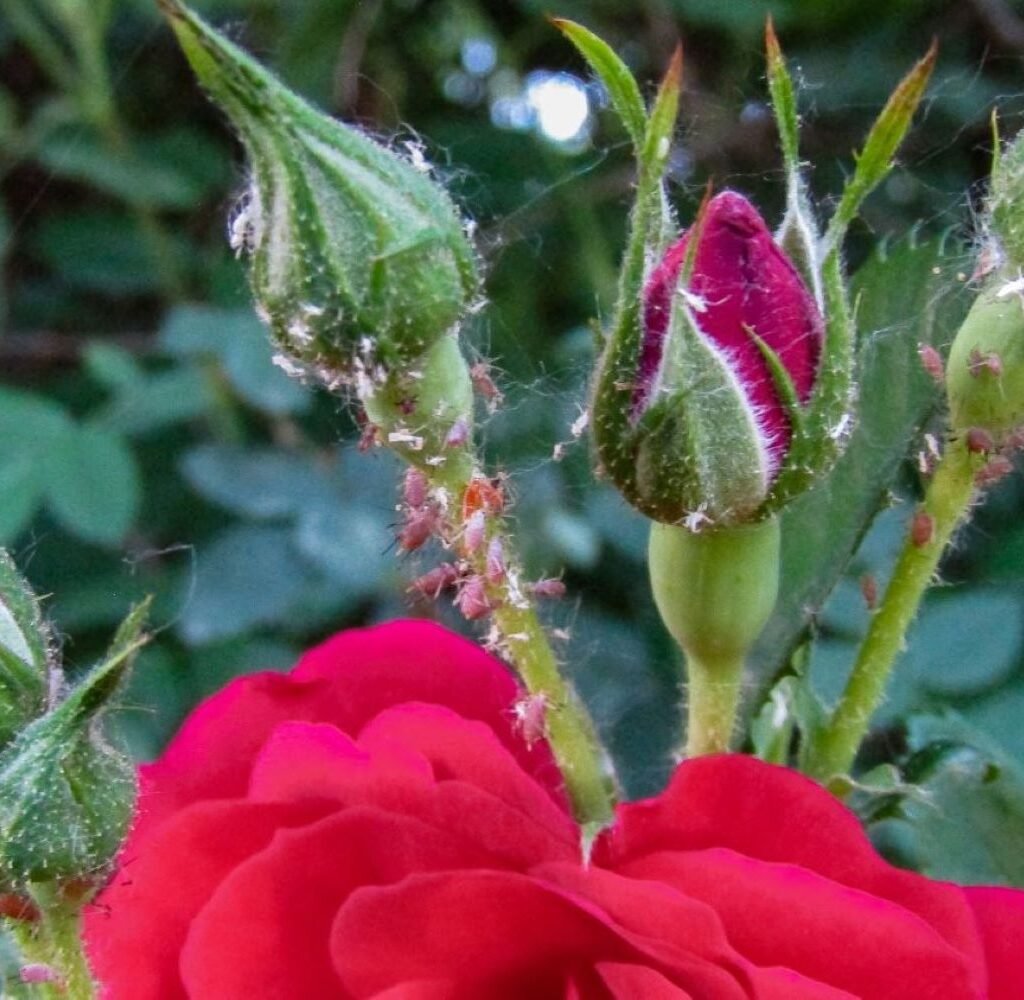
Roses are beloved for their fragrance, elegance, and vibrant blooms, but they are not without challenges. One of the most common pests affecting roses is the aphid, a tiny, sap-sucking insect that can weaken plants, distort leaves, and reduce flower quality. While chemical insecticides are often used to combat aphids, natural and plant-based solutions offer a safer, eco-friendly alternative.

One of the most effective methods is companion planting—growing certain plants near roses to repel aphids naturally. This not only protects your roses but also supports beneficial insects, pollinators, and overall garden health.

In this article, we’ll explore eight plants that keep aphids away from your roses, explain why they work, and provide tips for planting them effectively.


Why Aphids Are a Threat to Roses

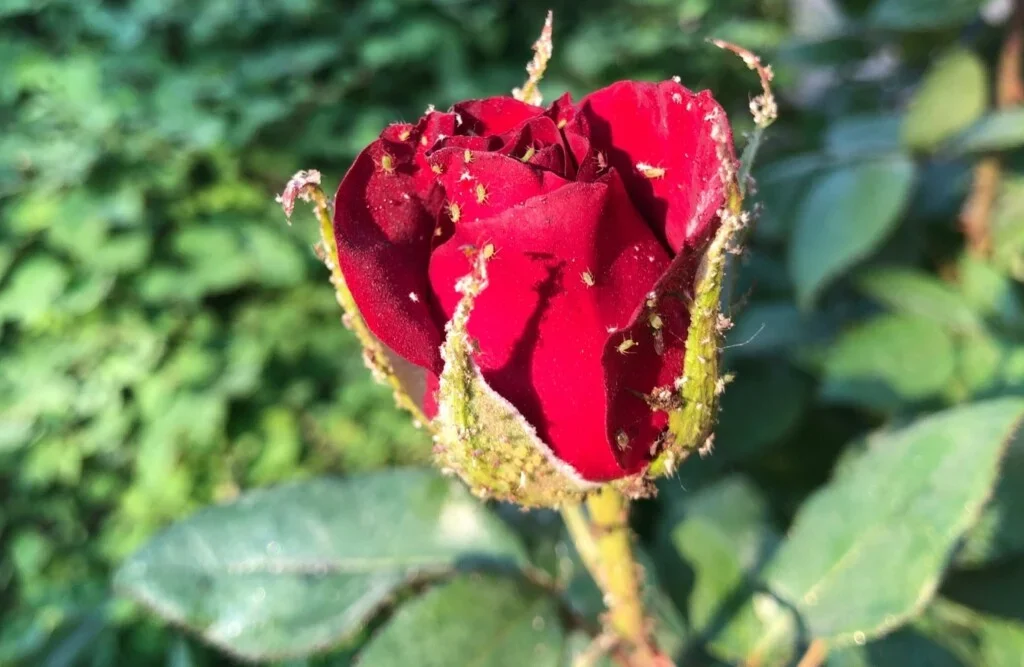
Aphids feed on plant sap using piercing mouthparts, which:

  • Cause curling, yellowing, or distorted leaves.
  • Weaken stems and reduce overall plant vigor.
  • Produce honeydew, a sticky substance that encourages sooty mold.
  • Attract ants, which protect aphids from natural predators.

By planting aphid-repelling companions, gardeners can create a barrier of natural deterrents and encourage predators like ladybugs and lacewings to thrive.


1. Garlic (Allium sativum)

Garlic is a powerful natural aphid repellent due to its strong aroma.

Why It Works:

  • The pungent smell masks the scent of roses, confusing and deterring aphids.
  • Encourages beneficial insects, such as ladybugs and hoverflies, which feed on aphids.
  • Easy to grow and requires minimal care.

Planting Tips:

  • Plant garlic bulbs around the base of rose bushes.
  • Intercrop with other companions to enhance pest protection.
  • Harvest bulbs in late summer while keeping foliage intact until then.

Expert Insight: Garlic’s natural compounds act as a dual-purpose solution—repelling pests while supporting beneficial insects.


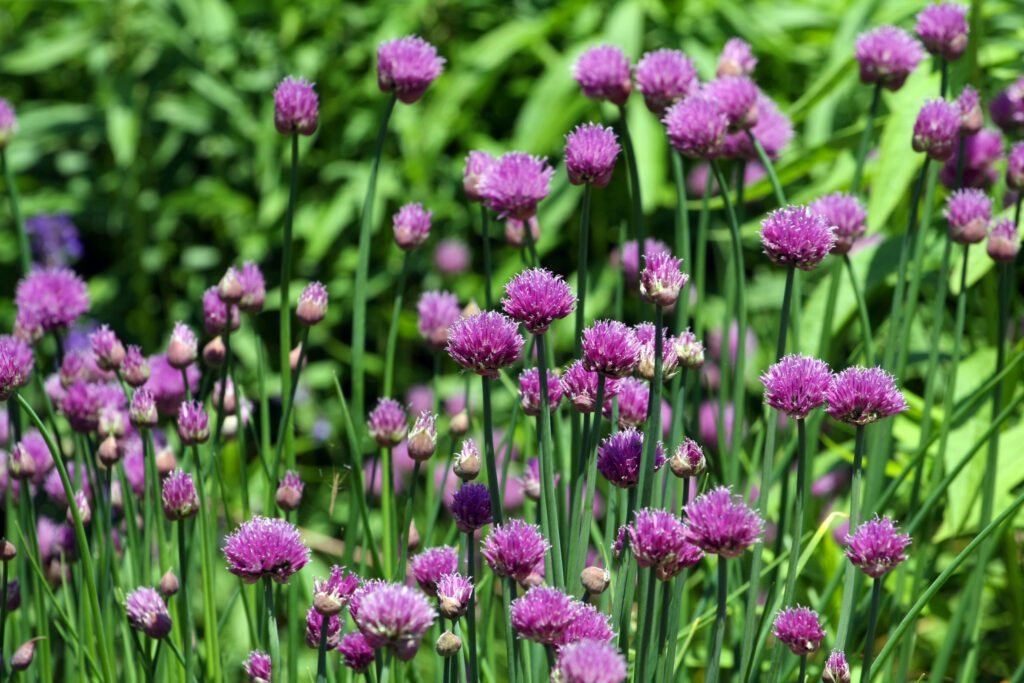
2. Chives (Allium schoenoprasum)

Chives, a milder cousin of garlic, are also effective in deterring aphids naturally.

Why It Works:

  • Strong scent repels aphids and other soft-bodied insects.
  • Attracts pollinators like bees, which help maintain overall garden health.
  • Adds edible value to your garden with fresh, flavorful leaves.

Planting Tips:

  • Plant in clusters around rose beds or in nearby containers.
  • Trim regularly to encourage fresh growth.
  • Combine with other allium family members for maximum aphid deterrence.
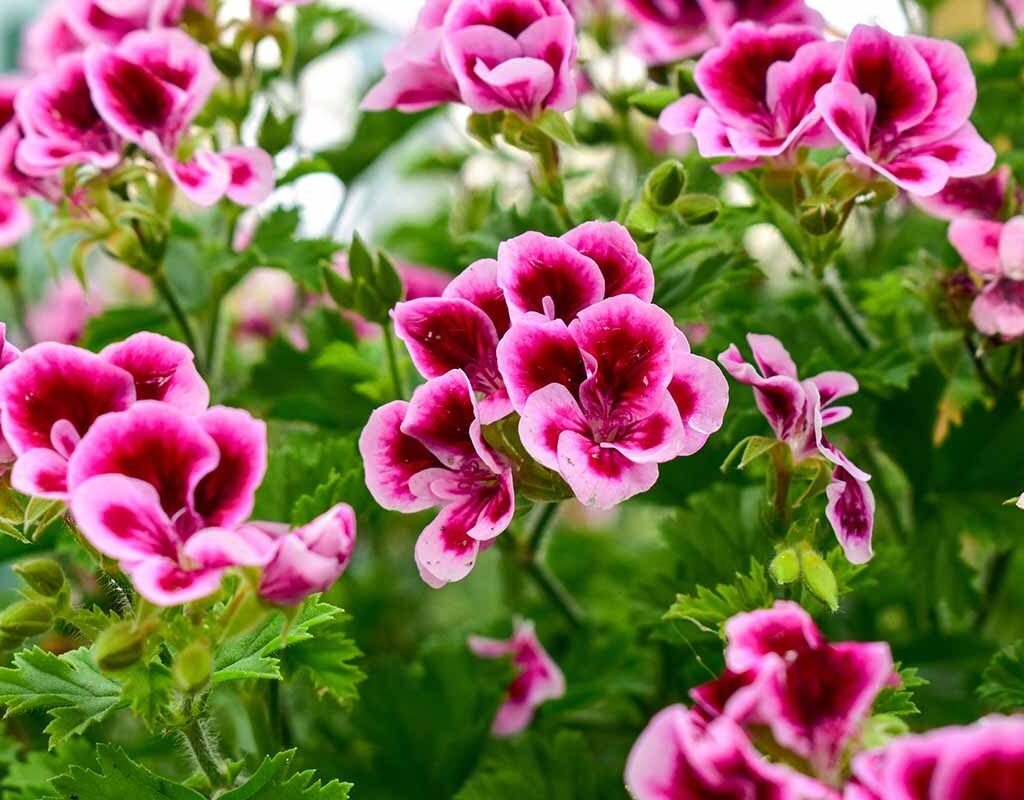
Expert Insight: Chives are particularly effective when planted as a dense border around roses, forming a natural aromatic barrier.


3. Marigolds (Tagetes spp.)

Marigolds are well-known in companion planting for their pest-repelling properties.

Why It Works:

  • Produce strong scent compounds that aphids dislike.
  • Attract beneficial predators like ladybugs, lacewings, and parasitic wasps.
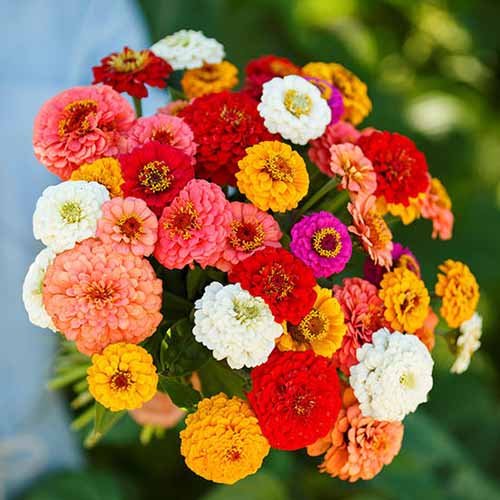
  • Bright blooms enhance the visual appeal of rose gardens.

Planting Tips:

  • Plant marigolds around rose beds or interspersed among roses.
  • Deadhead regularly to encourage continuous blooming.
  • Use a mix of tall and dwarf varieties for layered visual and ecological benefits.

Expert Insight: Marigolds not only deter aphids but also attract pollinators, improving rose productivity.


4. Nasturtiums (Tropaeolum majus)

Nasturtiums are trailing annuals that act as a “trap crop” for aphids.

Why It Works:

  • Aphids prefer feeding on nasturtiums instead of roses, sparing the main plants.
  • Attract beneficial insects such as hoverflies and ladybugs.
  • Easy to grow, colorful, and edible.

Planting Tips:

  • Plant at the base of roses or along the edges of garden beds.
  • Allow trailing varieties to cascade naturally, creating a protective buffer.
  • Remove heavily infested leaves to prevent aphid population buildup.

Expert Insight: Nasturtiums are a strategic companion plant, diverting aphids while enriching your garden with color.


5. Catmint (Nepeta spp.)

Catmint is a hardy perennial with strong aromatic foliage that repels aphids.

Why It Works:

  • Aromatic oils confuse and deter aphids from feeding on nearby roses.
  • Attracts pollinators and beneficial insects, such as predatory wasps.
  • Low-maintenance and long-blooming, adding seasonal interest to the garden.

Planting Tips:

  • Plant catmint in clumps around roses, leaving enough space for airflow.
  • Prune after flowering to maintain compact growth.
  • Combine with other aromatic herbs for enhanced pest resistance.

Expert Insight: Catmint’s scent is pleasant to humans but repellent to aphids, making it a perfect companion for roses.


6. Fennel (Foeniculum vulgare)

Fennel attracts beneficial insects while repelling aphids indirectly.

Why It Works:

  • Releases volatile compounds that confuse aphids.
  • Attracts ladybugs, lacewings, and parasitic wasps, natural predators of aphids.
  • Adds culinary and ornamental value with feathery foliage and yellow blooms.

Planting Tips:

  • Plant fennel at the back of rose beds due to its height.
  • Avoid overcrowding, as fennel can become invasive.
  • Trim spent flowers to encourage continuous beneficial insect activity.

Expert Insight: Fennel acts as a magnet for predatory insects, enhancing natural aphid control.


7. Rosemary (Rosmarinus officinalis)

Rosemary is a fragrant, drought-tolerant herb that repels a range of pests.

Why It Works:

  • Its strong scent deters aphids from settling on roses.
  • Attracts beneficial insects like hoverflies and predatory wasps.
  • Adds evergreen structure and aromatic foliage to rose gardens.

Planting Tips:

  • Plant rosemary near rose borders or in containers close to the roses.
  • Prune regularly to maintain shape and encourage airflow.
  • Pair with other herbs like thyme or sage for enhanced pest control.

Expert Insight: Rosemary provides year-round protection and structure, complementing roses aesthetically and ecologically.


8. Tansy (Tanacetum vulgare)

Tansy is a perennial herb known for its strong scent and medicinal properties.

Why It Works:

  • Aromatic foliage repels aphids, ants, and other pests.
  • Yellow, button-like blooms attract beneficial insects.
  • Easy to grow and low-maintenance, thriving in sunny gardens.

Planting Tips:

  • Plant tansy at a distance to avoid overwhelming roses with its vigorous growth.
  • Deadhead to encourage continued bloom.
  • Use in combination with other aromatic herbs for maximum pest deterrence.

Expert Insight: Tansy acts as a strategic aromatic barrier, discouraging aphids while attracting helpful predators.


Tips for Effective Aphid Control With Companion Plants

  1. Mix Aromatic Herbs and Flowers: Combining garlic, chives, rosemary, and catmint increases aphid deterrence.
  2. Plant in Clusters: Dense groupings of deterrent plants create effective barriers.
  3. Encourage Beneficial Insects: Avoid pesticides that harm ladybugs, lacewings, and parasitic wasps.
  4. Monitor Regularly: Companion plants reduce aphid pressure but do not eliminate infestations completely. Inspect rose leaves frequently.
  5. Provide Water and Mulch: Healthy roses are less susceptible to pest damage. Maintain moisture and soil health.

Benefits of Using Companion Plants for Roses

  • Natural Aphid Control: Reduces reliance on chemical pesticides.
  • Pollinator Support: Attracts bees and other pollinators for healthier blooms.
  • Aesthetic Enhancement: Creates a vibrant, multi-layered garden design.
  • Soil and Microbe Health: Some companion plants improve soil fertility and structure.
  • Biodiversity: Supports beneficial insects and wildlife, maintaining a balanced ecosystem.

Conclusion

Aphids can be a persistent problem for roses, but companion planting offers an elegant and natural solution. Garlic, chives, marigolds, nasturtiums, catmint, fennel, rosemary, and tansy provide pest-repelling scents, attract beneficial insects, and enhance garden aesthetics.

By thoughtfully planting these companions, gardeners can enjoy healthier roses, reduced pest pressure, and a thriving pollinator-friendly garden. Integrating natural deterrents into your rose beds not only protects your blooms but also promotes ecological balance, beauty, and sustainable gardening practices.

With the right companion plants, your roses can flourish with vigor, free from aphid damage, and your garden can become a vibrant haven for pollinators and beneficial insects alike.

The Best Companion Plants for Dahlias, According to Experts

The Best Companion Plants for Dahlias, According to Experts

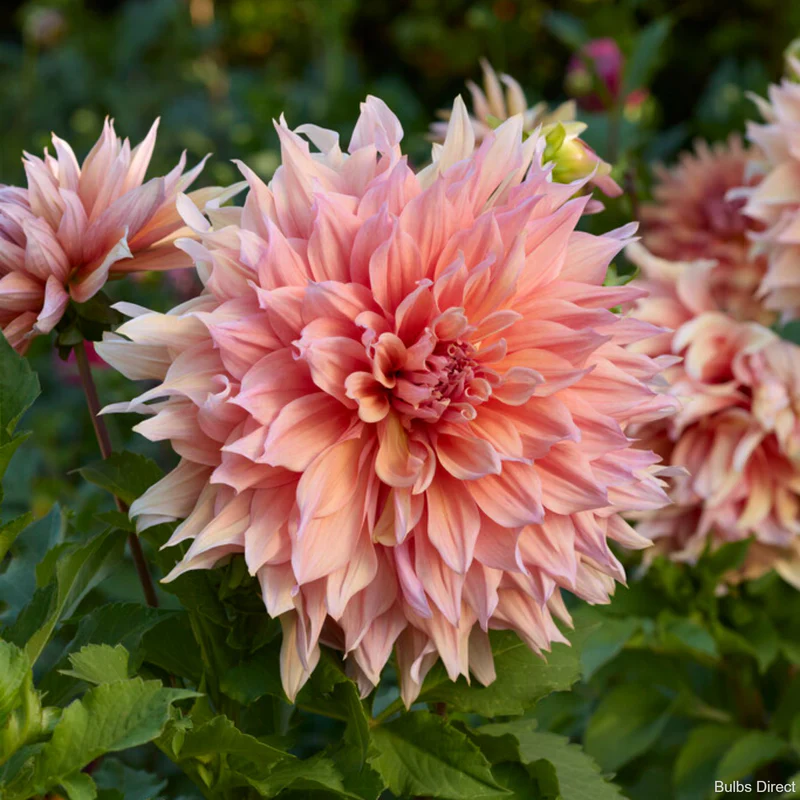
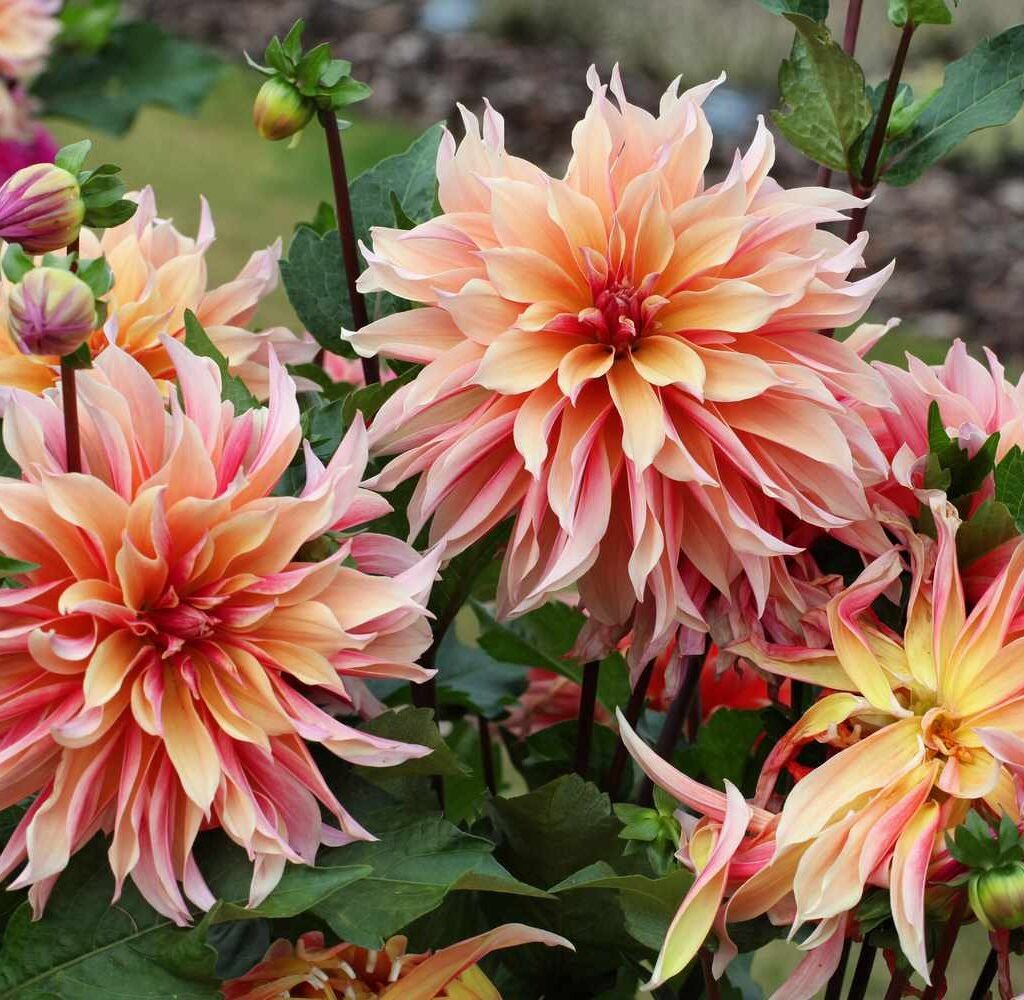
Dahlias (Dahlia spp.) are some of the most striking and versatile flowers in the garden. With bold blooms in a spectrum of colors, intricate petal formations, and a long flowering season, they make any garden feel vibrant and luxurious. However, growing dahlias successfully goes beyond just planting them in sunny soil. One key strategy to enhance their health, aesthetics, and pollinator appeal is companion planting.

Companion plants are those that benefit one another when grown nearby, whether by improving soil quality, deterring pests, attracting pollinators, or creating complementary visual effects. In this article, we’ll explore the best companion plants for dahlias, why they work together, and tips from experts for designing a thriving, colorful garden.


Why Companion Planting Matters for Dahlias

Dahlias thrive in full sun, well-drained soil, and fertile conditions, but companion plants can enhance their growth in multiple ways:

  • Pest control: Certain companions deter aphids, slugs, and other pests that target dahlias.
  • Pollinator attraction: Flowers that draw bees and butterflies can improve pollination and overall garden health.
  • Extended bloom season: Combining plants with different bloom times ensures your garden stays lively.
  • Soil enrichment: Some companions fix nitrogen or improve soil structure, promoting healthier dahlia roots.
  • Aesthetic appeal: Height, texture, and color contrasts create visually stunning flower beds.

By selecting compatible companions, gardeners can create a balanced ecosystem that benefits both the dahlias and their neighbors.


1. Marigolds (Tagetes spp.)

Marigolds are classic companion plants for dahlias and many other garden flowers.

Why They Work Well:

  • Produce a strong scent that repels nematodes and aphids.
  • Bright yellow and orange blooms complement dahlias’ diverse colors.
  • Attract beneficial insects such as ladybugs, which prey on pests.

Expert Tip: Plant marigolds around the base of dahlia beds or in clusters to create natural pest barriers while adding vibrant color.


2. Zinnias (Zinnia spp.)

Zinnias are annuals with bold, long-lasting blooms that thrive alongside dahlias.

Why They Work Well:

  • Both prefer full sun and well-drained soil.
  • Their colorful, upright flowers enhance dahlia displays.
  • Zinnias attract pollinators, increasing the overall health of the garden.

Expert Tip: Use zinnias of varying heights to create layers and texture, ensuring dahlias remain the focal point.


3. Cosmos (Cosmos bipinnatus)

Cosmos are airy, delicate flowers that provide contrast in form and texture.

Why They Work Well:

  • Their feathery foliage softens the bold structure of dahlias.
  • Nectar-rich blooms attract bees and butterflies, supporting pollination.
  • Both bloom abundantly in summer, synchronizing peak garden color.

Expert Tip: Plant cosmos toward the edges of dahlia beds to create movement and lightness in the garden design.


4. Nasturtiums (Tropaeolum majus)

Nasturtiums are edible, trailing flowers that serve as a natural pest deterrent.

Why They Work Well:

  • Act as a trap crop, drawing aphids and whiteflies away from dahlias.
  • Their vibrant red, yellow, and orange blooms add color variety.
  • Leaves and flowers are edible, offering culinary benefits.

Expert Tip: Plant nasturtiums around the base of dahlias or interspersed between plants to protect vulnerable stems.


5. Salvia (Salvia spp.)

Salvia is a perennial or annual with tall spikes of nectar-rich flowers.

Why They Work Well:

  • Their spiky blooms contrast beautifully with dahlias’ rounded petals.
  • Attract pollinators like bees, butterflies, and hummingbirds.
  • Both thrive in sunny, well-drained locations.

Expert Tip: Position salvia behind or alongside dahlias to create vertical interest while supporting pollinator activity.


6. Sweet Alyssum (Lobularia maritima)

Sweet alyssum is a low-growing, fragrant plant that adds a soft border around taller dahlias.

Why They Work Well:

  • Dense growth suppresses weeds and retains soil moisture.
  • Tiny, nectar-rich flowers attract beneficial insects and pollinators.
  • Its delicate blooms contrast with bold dahlia heads, enhancing visual appeal.

Expert Tip: Plant sweet alyssum along the edges of dahlia beds for a fragrant, pollinator-friendly border.


7. Sunflowers (Helianthus annuus)

Sunflowers are tall, bold blooms that create a dramatic backdrop for dahlias.

Why They Work Well:

  • Provide vertical structure behind dahlias, adding depth to garden beds.
  • Nectar-rich flowers attract bees and other pollinators.
  • Both are heat-tolerant and bloom in mid-to-late summer, synchronizing growth cycles.

Expert Tip: Choose dwarf sunflower varieties if your garden is small, or plant tall types at the back of the dahlia bed to avoid shading.


8. Cosmos (Cosmos sulphureus)

Cosmos sulphureus, or orange cosmos, offers warm-colored blooms that complement dahlias’ palette.

Why They Work Well:

  • Attract butterflies and bees, enhancing pollination.
  • Provide vivid orange and yellow accents to dahlia gardens.
  • Grow easily in full sun with minimal care.

Expert Tip: Combine orange cosmos with purple or red dahlias for striking color contrasts that draw the eye.


9. Ornamental Grasses

Ornamental grasses like fountain grass or blue fescue add texture and movement.

Why They Work Well:

  • Provide a neutral backdrop that highlights dahlias’ bold blooms.
  • Their swaying foliage adds interest between flower blooms.
  • Grasses do not compete aggressively for nutrients, making them ideal companions.

Expert Tip: Plant grasses at the edges or behind dahlia beds to create layered garden designs.


10. Alliums (Allium spp.)

Alliums are flowering bulbs with spherical blooms that attract bees and beneficial insects.

Why They Work Well:

  • Their upright, globular flowers contrast with dahlia shapes.
  • Strong aroma deters aphids and other pests.
  • Blooms appear in late spring, leading into the dahlia flowering season.

Expert Tip: Plant alliums early in spring so they finish blooming before dahlias emerge, creating continuous garden interest.


Tips for Designing a Dahlia Companion Garden

  1. Sunlight: Most companions thrive in full sun, matching dahlia requirements.
  2. Soil: Use well-drained, fertile soil, enriched with compost.
  3. Spacing: Leave room for airflow to prevent fungal diseases like powdery mildew.
  4. Bloom Timing: Combine early, mid, and late bloomers for season-long interest.
  5. Pest Management: Select companions that repel pests or attract beneficial insects.
  6. Aesthetic Planning: Mix heights, colors, and textures for a professional-looking flower bed.

Benefits of Companion Planting with Dahlias

  • Enhanced Pollination: Pollinator-friendly companions encourage bees and butterflies, improving flowering and garden health.
  • Pest Control: Plants like marigolds, nasturtiums, and alliums reduce pest damage naturally.
  • Extended Color Display: Combining flowers with different bloom times keeps the garden colorful longer.
  • Soil and Microbe Health: Certain companions improve soil quality, benefiting dahlia root development.
  • Visual Harmony: Contrasting forms, colors, and textures create eye-catching garden beds.

Conclusion

Dahlias are magnificent, attention-grabbing plants that can shine even brighter when paired with the right companion flowers. Marigolds, zinnias, cosmos, nasturtiums, salvia, sweet alyssum, sunflowers, ornamental grasses, and alliums provide pest protection, pollinator support, and aesthetic enhancement, creating a thriving garden ecosystem.

By planning your garden to incorporate companions for color, height, texture, and ecological benefits, you ensure your dahlias not only flourish but also contribute to a vibrant, pollinator-friendly landscape. With careful selection and strategic planting, you can enjoy long-lasting blooms, healthier plants, and a more productive, beautiful garden.

7 Flowers That Attract Bees and Boost Your Garden’s Harvest

7 Flowers That Attract Bees and Boost Your Garden’s Harvest

Bees are essential pollinators in our gardens, responsible for fruit, vegetable, and flower production. Without them, many plants would struggle to bear fruit, and yields could drop dramatically. While planting fruiting crops is essential, flowers that attract bees can significantly enhance pollination and boost your garden’s overall productivity.

Incorporating bee-friendly flowers not only supports pollinator populations but also improves garden health, biodiversity, and beauty. By carefully selecting flowers that appeal to bees, gardeners can enjoy larger harvests, vibrant blooms, and a thriving ecosystem.

In this article, we explore seven flowers that attract bees, how they contribute to your garden, and tips for planting them to maximize pollinator activity.


Why Bees Are Crucial for Gardens

Bees are natural pollinators, transferring pollen from one flower to another, which:

  • Enhances fruit and seed production in vegetables, fruits, and flowering plants.
  • Improves flowering consistency and quality.
  • Maintains biodiversity and supports beneficial insects.
  • Strengthens ecosystem resilience by ensuring the survival of pollinator-dependent plants.

By planting bee-friendly flowers near crops and ornamental plants, gardeners create a continuous food source for bees, encouraging them to visit regularly.


1. Lavender (Lavandula spp.)

Lavender is a fragrant, perennial herb that attracts bees with its rich nectar and aromatic blooms.

Why It Attracts Bees:

  • Produces plentiful nectar and pollen, ideal for bees.
  • Blooms for a long period, providing a consistent food source.
  • Its purple flowers are highly visible to pollinators.

Planting Tips:

  • Place lavender in full sun with well-drained soil.
  • Space plants 12–18 inches apart to encourage airflow.
  • Deadhead blooms to maintain plant health and prolong flowering.

Expert Insight: Lavender not only supports pollinator populations but also adds fragrance and visual appeal, making it a dual-purpose addition to any garden.


2. Sunflowers (Helianthus annuus)

Sunflowers are tall, bright blooms that serve as a magnet for bees and other pollinators.

Why They Attract Bees:

  • Large, composite flowers provide easy access to nectar and pollen.
  • Bloom during mid to late summer, extending the pollinator season.
  • Attract a wide range of bees, from honeybees to bumblebees.

Planting Tips:

  • Plant sunflowers at the back of garden beds to avoid shading smaller plants.
  • Use dwarf varieties if space is limited.
  • Ensure full sun exposure and well-drained soil.

Expert Insight: Sunflowers act as both a food source and visual focal point, encouraging bees to visit other nearby crops.


3. Echinacea (Coneflowers)

Coneflowers are hardy perennials with long-lasting blooms that appeal to bees and butterflies.

Why They Attract Bees:

  • Their composite flowers contain abundant nectar.
  • Blooming from mid-summer into fall ensures continued pollinator activity.
  • Tall stems make them accessible to a variety of pollinators.

Planting Tips:

  • Plant coneflowers in sunny areas with well-drained soil.
  • Space 12–18 inches apart to prevent crowding.
  • Deadhead regularly to encourage prolonged flowering.

Expert Insight: Coneflowers are easy to grow and maintain, offering consistent pollinator support and garden beauty.


4. Borage (Borago officinalis)

Borage is an annual herb with star-shaped blue flowers that bees absolutely love.

Why It Attracts Bees:

  • Produces high amounts of nectar, especially early in the day.
  • Its bright blue flowers stand out visually for pollinators.
  • Leaves and flowers are also edible, adding culinary value.

Planting Tips:

  • Sow seeds directly in full sun soil beds.
  • Allow self-seeding for natural propagation.
  • Harvest leaves sparingly to keep flowers abundant.

Expert Insight: Borage is a superfood for bees, encouraging them to stay longer in your garden and visit nearby crops.


5. Calendula (Calendula officinalis)

Calendula, or pot marigold, is an easy-to-grow annual that provides abundant nectar and pollen.

Why It Attracts Bees:

  • Bright orange and yellow flowers are highly visible to bees.
  • Flowers produce nectar throughout the summer months.
  • Companion planting with vegetables increases pollination rates.

Planting Tips:

  • Sow seeds in full sun for best results.
  • Deadhead regularly to encourage new blooms.
  • Plant around crops like tomatoes, cucumbers, or peppers to boost yield.

Expert Insight: Calendula is a dual-purpose plant, adding color while supporting pollinator populations.


6. Zinnias (Zinnia spp.)

Zinnias are annuals with bold, colorful blooms that are a magnet for pollinators.

Why They Attract Bees:

  • Offer a wide range of colors that appeal visually to bees.
  • Bloom heavily from mid-summer to frost, providing long-lasting nectar.
  • Easy to grow and maintain in sunny gardens.

Planting Tips:

  • Space plants 8–12 inches apart for airflow and growth.
  • Deadhead spent flowers to encourage continuous blooming.
  • Combine different heights and colors for maximum visual and ecological impact.

Expert Insight: Zinnias are ideal for mixing with vegetables or other annuals, attracting pollinators to the entire garden.


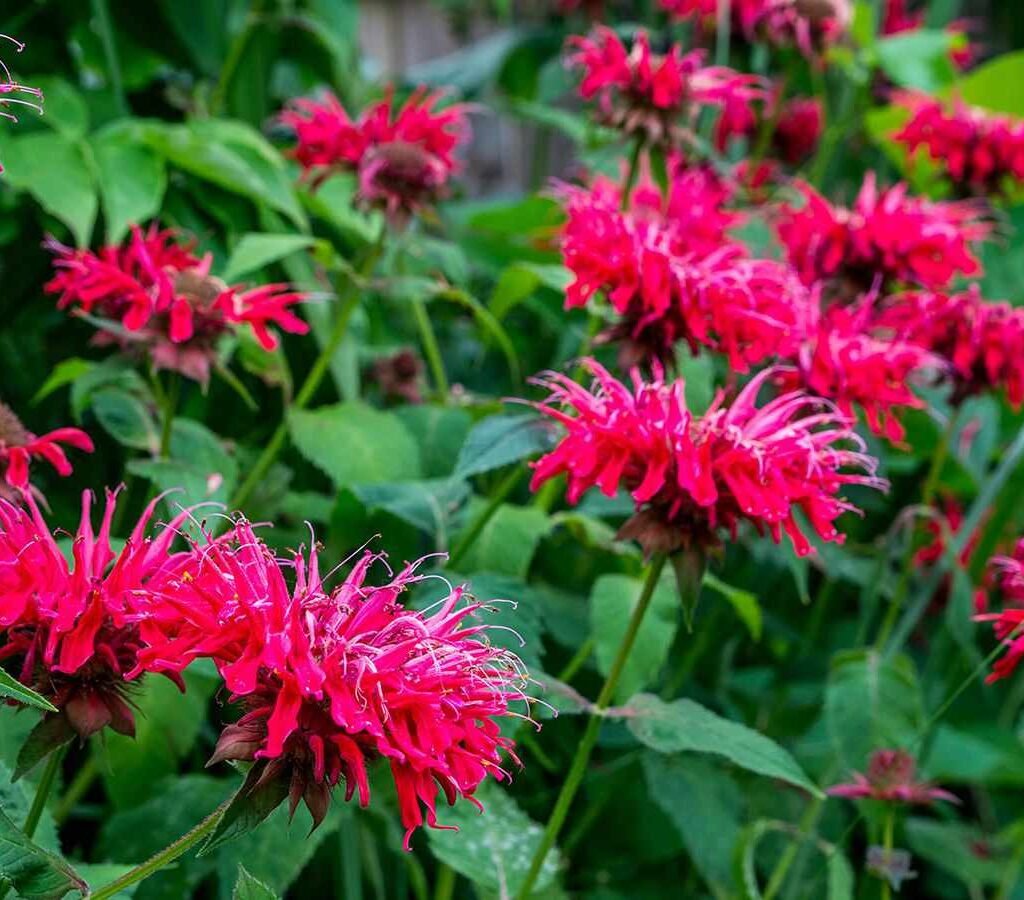
7. Bee Balm (Monarda spp.)

Bee balm is a perennial plant with tubular, nectar-rich flowers that attract bees, butterflies, and hummingbirds.

Why It Attracts Bees:

  • Tubular flowers provide easy access to nectar for long-tongued pollinators.
  • Bloom from mid-summer to early fall, supporting pollinators over a long season.
  • Aromatic leaves can deter pests while supporting beneficial insects.

Planting Tips:

  • Plant in sunny locations with well-drained soil.
  • Space 18–24 inches apart for airflow.
  • Deadhead and prune after flowering to encourage rebloom.

Expert Insight: Bee balm is highly attractive to pollinators and adds vertical color and fragrance to any pollinator-friendly garden.


Tips for Creating a Pollinator-Friendly Garden

  1. Diverse Bloom Times: Combine early, mid, and late bloomers to provide nectar throughout the growing season.
  2. Mix Colors and Shapes: Bees are attracted to blue, purple, yellow, and white flowers. Vary flower shapes to cater to different pollinator species.
  3. Plant in Clusters: Grouping flowers in clusters increases visibility and accessibility for pollinators.
  4. Avoid Pesticides: Use natural alternatives or integrated pest management to protect pollinators.
  5. Provide Water and Shelter: A shallow water source and undisturbed areas with leaf litter or logs support healthy bee populations.

Benefits of Pollinator-Friendly Flowers

  • Increased Garden Productivity: Higher pollination rates lead to better fruit and vegetable yields.
  • Enhanced Biodiversity: Attracts bees, butterflies, hummingbirds, and beneficial insects.
  • Continuous Color: Creates a long-lasting display of blooms from spring through fall.
  • Eco-Friendly Gardening: Reduces the need for chemical interventions while supporting local ecosystems.
  • Educational Value: Observing pollinators can provide insights into plant-insect interactions and ecology.

Conclusion

Planting bee-friendly flowers next to crops and ornamentals like zinnias is one of the easiest ways to boost garden productivity while supporting essential pollinator populations. Lavender, sunflowers, coneflowers, borage, calendula, zinnias, and bee balm provide nectar, pollen, and visual cues that attract bees and other beneficial insects.

By combining these plants in sunny, well-drained gardens, gardeners create a thriving, vibrant ecosystem. The result is larger harvests, beautiful flowers, and a healthy, pollinator-friendly garden that supports biodiversity and sustains the environment for years to come.

10 Pollinator-Friendly Plants to Grow Next to Your Zinnias

10 Pollinator-Friendly Plants to Grow Next to Your Zinnias

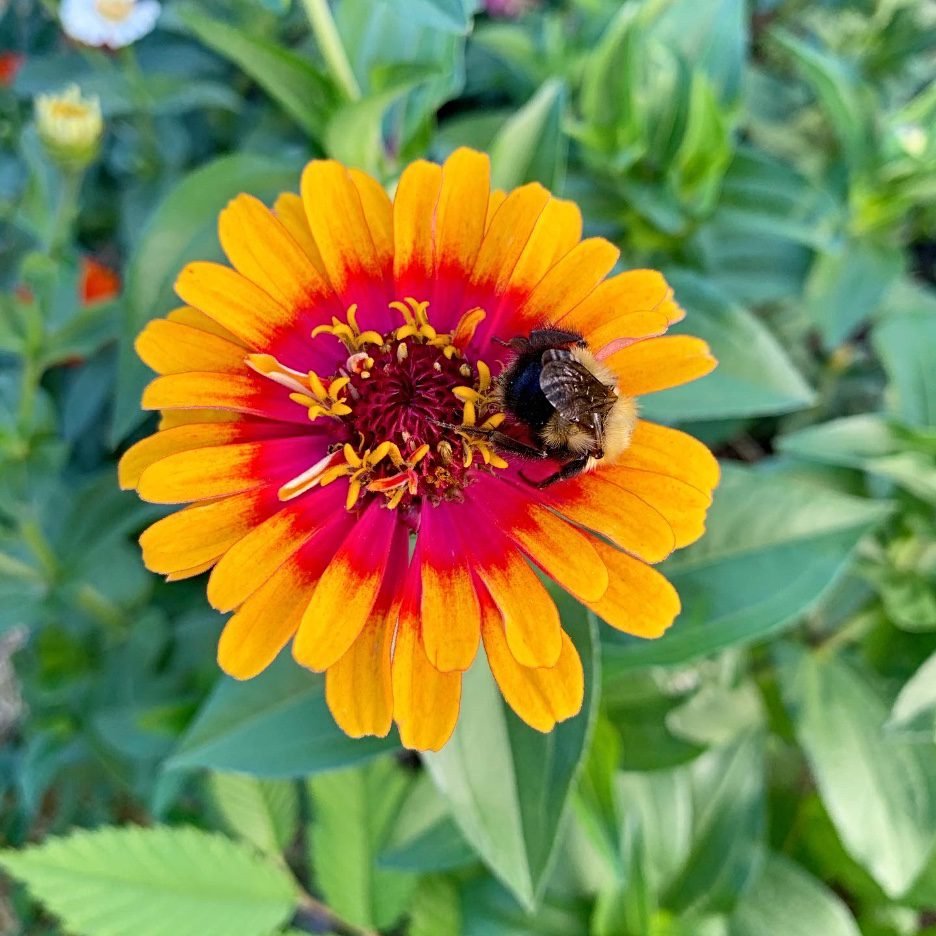
Zinnias (Zinnia spp.) are a favorite among gardeners for their vivid colors, long-lasting blooms, and ability to attract butterflies and bees. They thrive in full sun, tolerate heat, and bloom throughout summer, making them a perfect addition to any pollinator-friendly garden. However, zinnias reach their full potential when paired with companion plants that attract and support pollinators. Growing the right companions not only enhances the garden’s beauty but also ensures that bees, butterflies, and hummingbirds thrive, promoting a healthy ecosystem.

In this article, we’ll explore 10 pollinator-friendly plants that pair beautifully with zinnias, why they’re ideal companions, and tips for creating a blooming, vibrant, and ecologically beneficial garden.


Why Companion Planting Matters for Zinnias

Companion planting is the practice of placing plants together that benefit each other’s growth, appearance, or pest resistance. For zinnias, companion planting with pollinator-friendly plants can:

  • Increase pollination rates, resulting in more prolific and healthy blooms.
  • Create a continuous display of color from spring through fall.
  • Support beneficial insects that naturally control pests.
  • Enhance the structural diversity and aesthetic appeal of your garden.

Zinnias prefer well-drained soil, full sun, and moderate watering, so the best companions share these growing conditions.


1. Sunflowers (Helianthus annuus)

Sunflowers are tall, cheerful blooms that attract a wide variety of pollinators.

Why They Pair Well With Zinnias:

  • Their large, bright flowers draw bees, butterflies, and hummingbirds to the garden.
  • Provide vertical structure that contrasts nicely with shorter zinnias.
  • Both thrive in full sun and heat, making care easy.

Planting Tips:

  • Plant sunflowers behind zinnias for a layered garden effect.
  • Choose dwarf varieties if space is limited to avoid overshadowing zinnias.
  • Provide support for tall sunflower varieties to prevent lodging.

Expert Insight: Sunflowers enhance visual interest and pollinator attraction, complementing zinnias’ vibrant colors.


2. Coneflowers (Echinacea spp.)

Coneflowers are hardy perennials with long-lasting blooms that attract bees and butterflies.

Why They Pair Well With Zinnias:

  • Both are sun-loving plants that tolerate heat and dry soil.
  • Their upright, daisy-like flowers contrast well with zinnias’ rounded blooms.
  • Coneflowers’ nectar-rich flowers encourage pollinators to visit the entire garden.

Planting Tips:

  • Space coneflowers at least 12–18 inches from zinnias to allow airflow.
  • Choose complementary colors like purple, pink, or white for contrast.
  • Deadhead spent blooms to encourage continued flowering.

Expert Insight: Coneflowers extend the pollinator-friendly garden season with their mid-to-late summer blooms.


3. Lavender (Lavandula spp.)

Lavender is a fragrant, drought-tolerant perennial that attracts bees and beneficial insects.

Why They Pair Well With Zinnias:

  • Lavender’s aromatic flowers draw pollinators away from pests and towards zinnias.
  • Its purple spikes complement the bright reds, oranges, and yellows of zinnias.
  • Both plants thrive in well-drained soil and full sun.

Planting Tips:

  • Plant lavender at the edges or corners of zinnia beds.
  • Trim after flowering to maintain shape and encourage rebloom.
  • Avoid overwatering, as both plants prefer slightly dry soil once established.

Expert Insight: Lavender enhances fragrance, visual appeal, and pollinator activity, making it an ideal zinnia companion.


4. Marigolds (Tagetes spp.)

Marigolds are easy-to-grow annuals that add bright pops of color and attract pollinators.

Why They Pair Well With Zinnias:

  • Both bloom profusely during summer and thrive in full sun.
  • Marigolds attract bees and butterflies, complementing zinnias’ pollinator draw.
  • Their scent repels some pests, creating a healthier garden environment.

Planting Tips:

  • Plant marigolds in clusters around zinnias for continuous color.
  • Deadhead regularly to prolong flowering.
  • Use dwarf or medium varieties to avoid overcrowding.

Expert Insight: Marigolds provide a colorful, pest-reducing companion that enhances zinnias’ growth and pollinator appeal.


5. Black-eyed Susans (Rudbeckia hirta)

Black-eyed Susans are cheerful, drought-tolerant perennials that attract a wide range of pollinators.

Why They Pair Well With Zinnias:

  • Their bold yellow petals contrast beautifully with zinnia colors.
  • Nectar-rich flowers encourage bees, butterflies, and hummingbirds to visit.
  • Both plants thrive in sunny, well-drained locations.

Planting Tips:

  • Space plants at least 12 inches apart to allow airflow.
  • Deadhead to extend bloom time.
  • Combine with other summer perennials for a layered garden effect.

Expert Insight: Black-eyed Susans add height, texture, and continuous pollinator support, boosting zinnias’ productivity.


6. Salvia (Salvia spp.)

Salvia, or sage, is a tall, spiky perennial with nectar-rich blooms.

Why They Pair Well With Zinnias:

  • Attracts bees, butterflies, and hummingbirds to the garden.
  • Contrasts zinnias’ rounded flowers with vertical, colorful spikes.
  • Heat and drought tolerant, making it low-maintenance alongside zinnias.

Planting Tips:

  • Plant salvia behind or between zinnia clusters for layered height.
  • Deadhead to encourage rebloom.
  • Ensure full sun exposure for optimal flowering.

Expert Insight: Salvia’s nectar-rich blooms make it a magnet for pollinators, increasing zinnias’ visitation rates.


7. Cosmos (Cosmos bipinnatus)

Cosmos are airy, daisy-like annuals that attract pollinators and add movement to garden beds.

Why They Pair Well With Zinnias:

  • Their delicate flowers contrast zinnias’ bold shapes while offering complementary color.
  • Cosmos attract butterflies and bees, supporting the entire garden ecosystem.
  • Both are drought-tolerant and bloom abundantly in summer.

Planting Tips:

  • Sow seeds between zinnia clusters or along edges for continuous color.
  • Support taller varieties if necessary to prevent lodging.
  • Deadhead regularly to encourage more blooms.

Expert Insight: Cosmos provide light, airy texture and enhance the pollinator-friendly qualities of zinnia beds.


8. Bee Balm (Monarda spp.)

Bee balm is a perennial that attracts a variety of pollinators, especially bees and hummingbirds.

Why They Pair Well With Zinnias:

  • Both plants thrive in full sun with well-drained soil.
  • Bright, tubular flowers provide nectar-rich sources for pollinators.
  • Adds vertical interest with its upright growth habit.

Planting Tips:

  • Space plants 18–24 inches apart to allow airflow.
  • Deadhead spent blooms to prolong flowering.
  • Mulch to retain soil moisture and control weeds.

Expert Insight: Bee balm complements zinnias by extending bloom diversity and attracting essential pollinators.


9. Alyssum (Lobularia maritima)

Alyssum is a low-growing, fragrant annual that forms a dense carpet of blooms.

Why They Pair Well With Zinnias:

  • Attracts bees, hoverflies, and beneficial insects, supporting zinnias’ growth.
  • Provides groundcover that suppresses weeds and retains moisture.
  • Fragrant blooms add sensory appeal to zinnia gardens.

Planting Tips:

  • Plant alyssum around the base of zinnias for continuous blooms and fragrance.
  • Trim lightly after flowering to encourage a second bloom.
  • Combine with other low-growing companions for a layered garden effect.

Expert Insight: Alyssum enhances pollinator diversity and garden fullness, making zinnias flourish.


10. Snapdragons (Antirrhinum majus)

Snapdragons are vertical annuals with bright, tubular flowers that attract pollinators.

Why They Pair Well With Zinnias:

  • Provide vertical contrast to zinnias’ mounded growth habit.
  • Tubular flowers attract bees and hummingbirds.
  • Both thrive in sunny, well-drained gardens.

Planting Tips:

  • Space plants 6–12 inches apart for airflow.
  • Deadhead to prolong flowering.
  • Plant in color combinations that complement zinnias’ hues for visual harmony.

Expert Insight: Snapdragons enhance vertical dimension and pollinator activity, increasing zinnias’ bloom productivity.