The Best Vegetables for Frost-Tolerant Gardening

The Best Vegetables for Frost-Tolerant Gardening

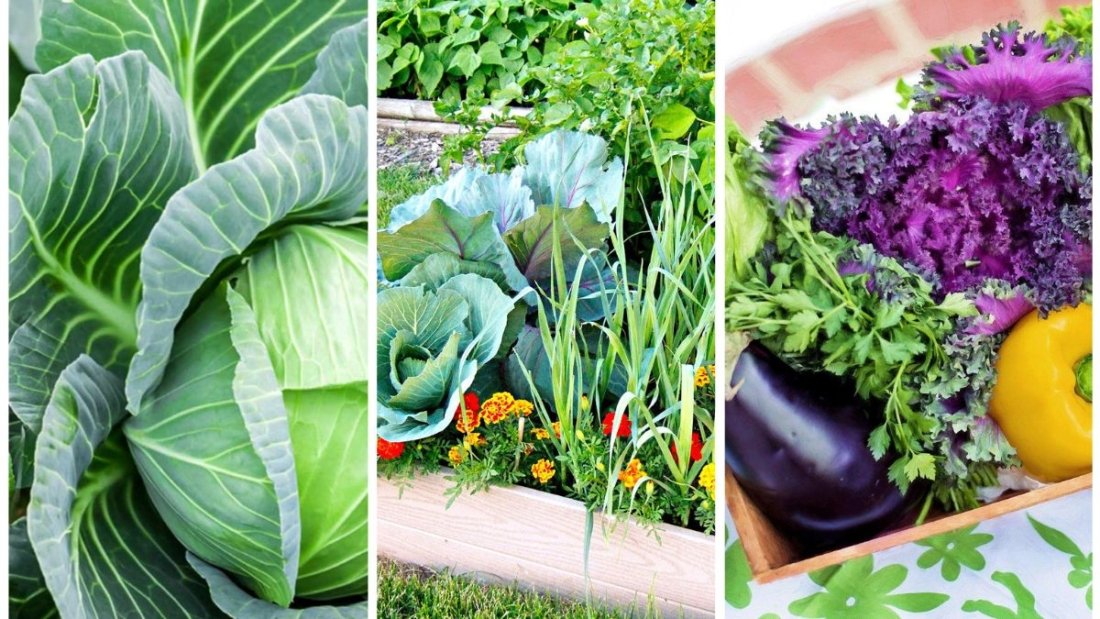
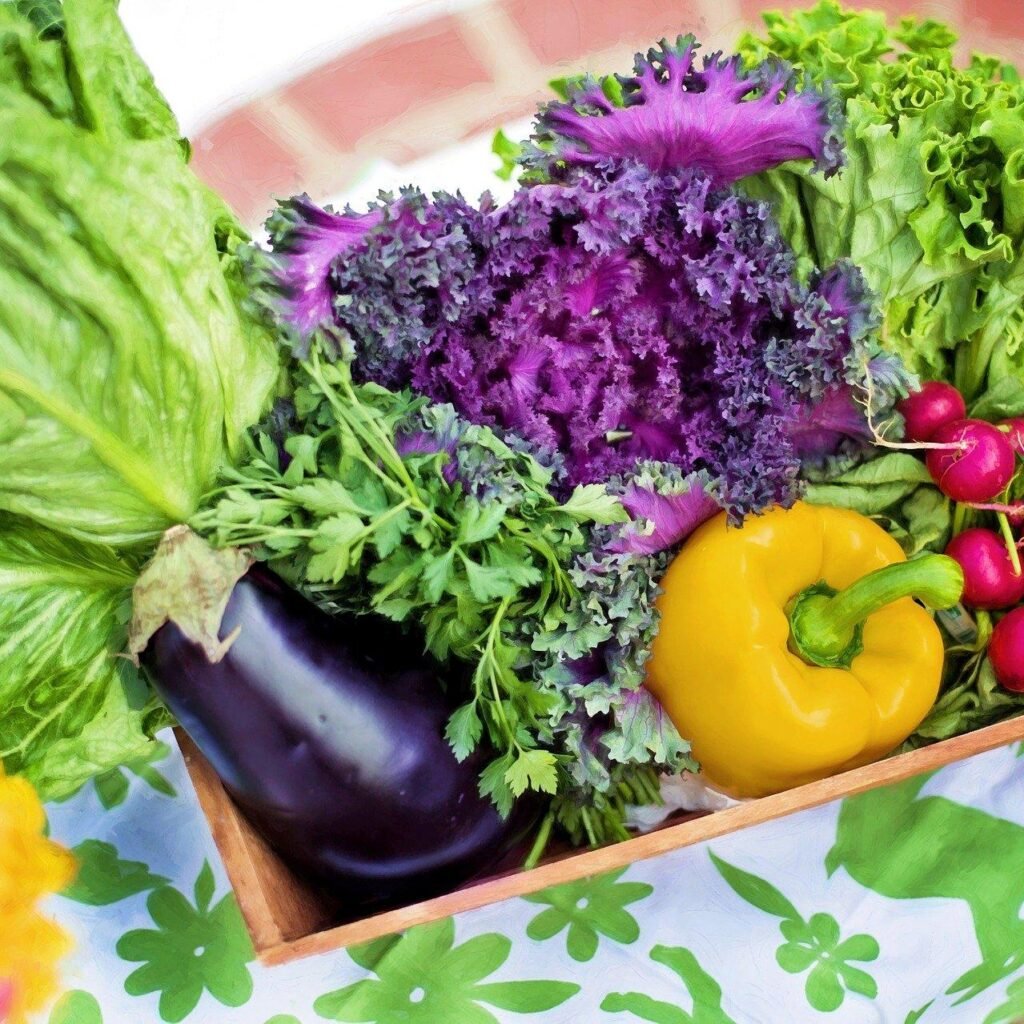
Gardening through frost can be challenging, but with the right selection of vegetables, you can enjoy a productive harvest even in cold weather. Frost-tolerant crops are designed to withstand low temperatures, and in many cases, they even become sweeter and more flavorful after exposure to frost. Frost-tolerant gardening not only extends the growing season but also ensures that fresh, homegrown vegetables are available well into late fall and early winter. This article explores the best vegetables for frost-tolerant gardening, along with planting tips, care instructions, and harvesting strategies to help gardeners succeed in cooler climates.


Why Frost-Tolerant Gardening Matters
Frost-tolerant gardening provides several advantages:

  1. Extended Growing Season: Choosing frost-tolerant crops allows gardeners to continue harvesting even after the first frost.
  2. Enhanced Flavor: Some vegetables, like kale and carrots, convert starches into sugars when exposed to cold, producing a sweeter, more concentrated taste.
  3. Reduced Pest Pressure: Frost reduces the activity of many common garden pests, lowering the need for chemical interventions.
  4. Efficient Use of Space: Fall and winter gardening maximize the use of garden beds and containers that would otherwise be dormant.

By understanding which crops can handle frost and how to care for them, gardeners can achieve healthy, resilient plants and a bountiful harvest even in cooler months.


1. Kale (Brassica oleracea var. sabellica)
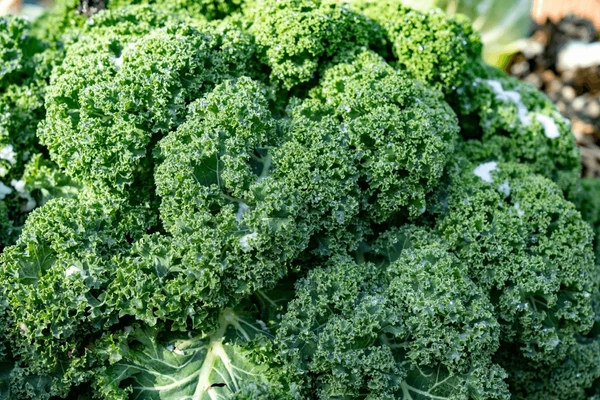
Kale is a hardy, frost-tolerant leafy green that thrives in cool weather. It is packed with vitamins A, C, and K, antioxidants, and fiber, making it both nutritious and versatile in the kitchen. Kale’s flavor actually improves after exposure to frost, as cold temperatures reduce bitterness and enhance natural sweetness.

Planting Tips:

  • Soil: Plant kale in well-draining, fertile soil with added compost.
  • Spacing: Sow seeds 1/2 inch deep; thin seedlings to 12–18 inches apart.
  • Sunlight: Full sun is ideal, but partial shade is tolerated.
  • Watering: Maintain consistent moisture without overwatering. Mulching protects roots from frost.

Varieties: ‘Winterbor’, ‘Dwarf Blue Curled’, and ‘Lacinato’ (Dinosaur Kale) are particularly suitable for frost-prone gardens.


2. Brussels Sprouts (Brassica oleracea var. gemmifera)
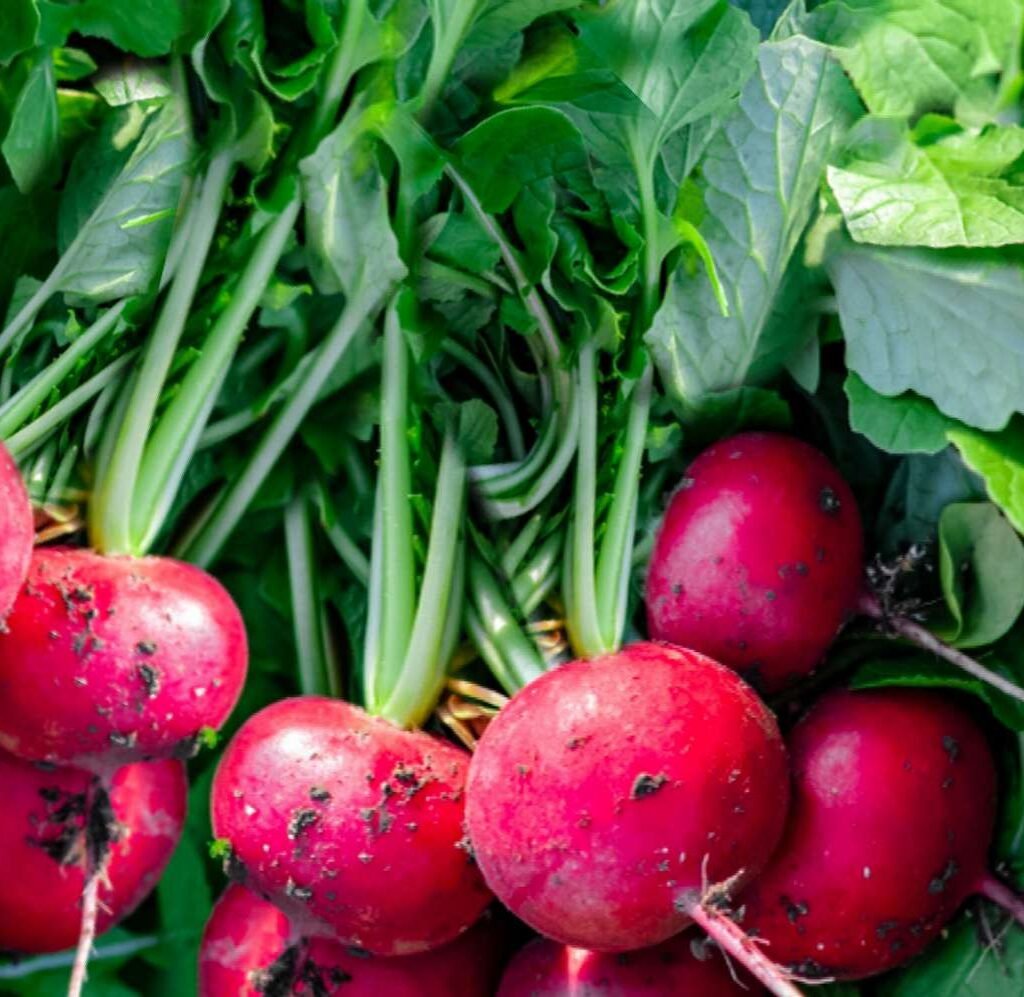
Brussels sprouts are excellent for frost-tolerant gardening. These mini-cabbage vegetables develop their best flavor when exposed to cold, as frost converts some of their starches into sugars. Brussels sprouts are also highly nutritious, containing vitamins C and K, folate, and fiber.

Planting Tips:

  • Soil: Use fertile, well-draining soil enriched with compost or organic matter.
  • Spacing: Transplant seedlings 18–24 inches apart in rows 24–36 inches apart.
  • Sunlight: Full sun is necessary for optimal growth.
  • Watering: Keep soil evenly moist to promote compact, firm sprouts.

Varieties: ‘Jade Cross’, ‘Diablo’, and ‘Long Island Improved’ are reliable frost-tolerant options.


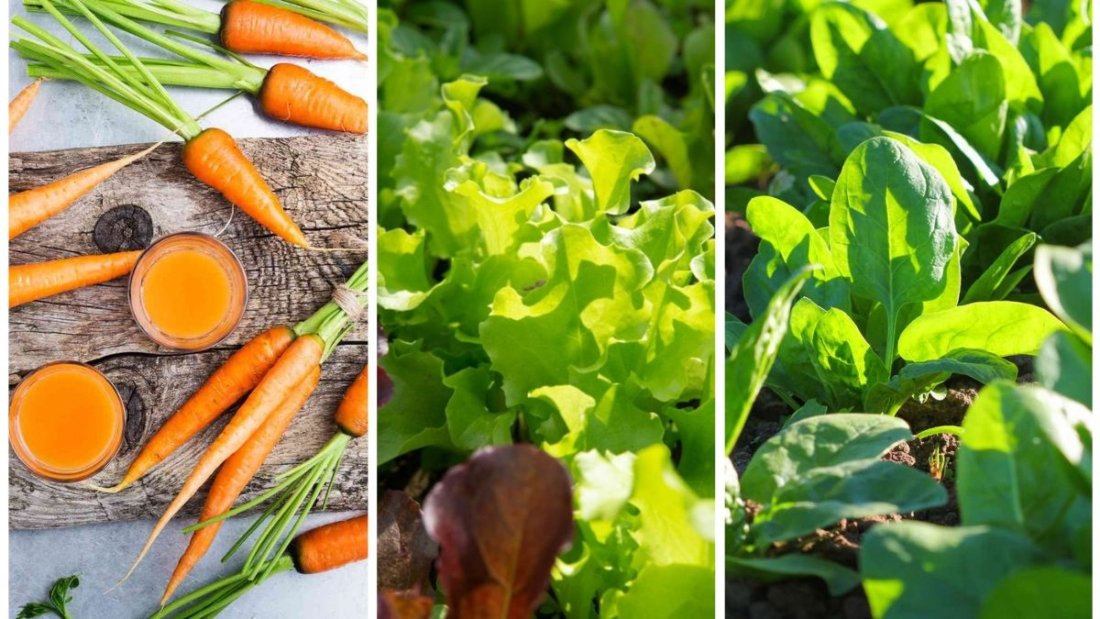
3. Carrots (Daucus carota subsp. sativus)
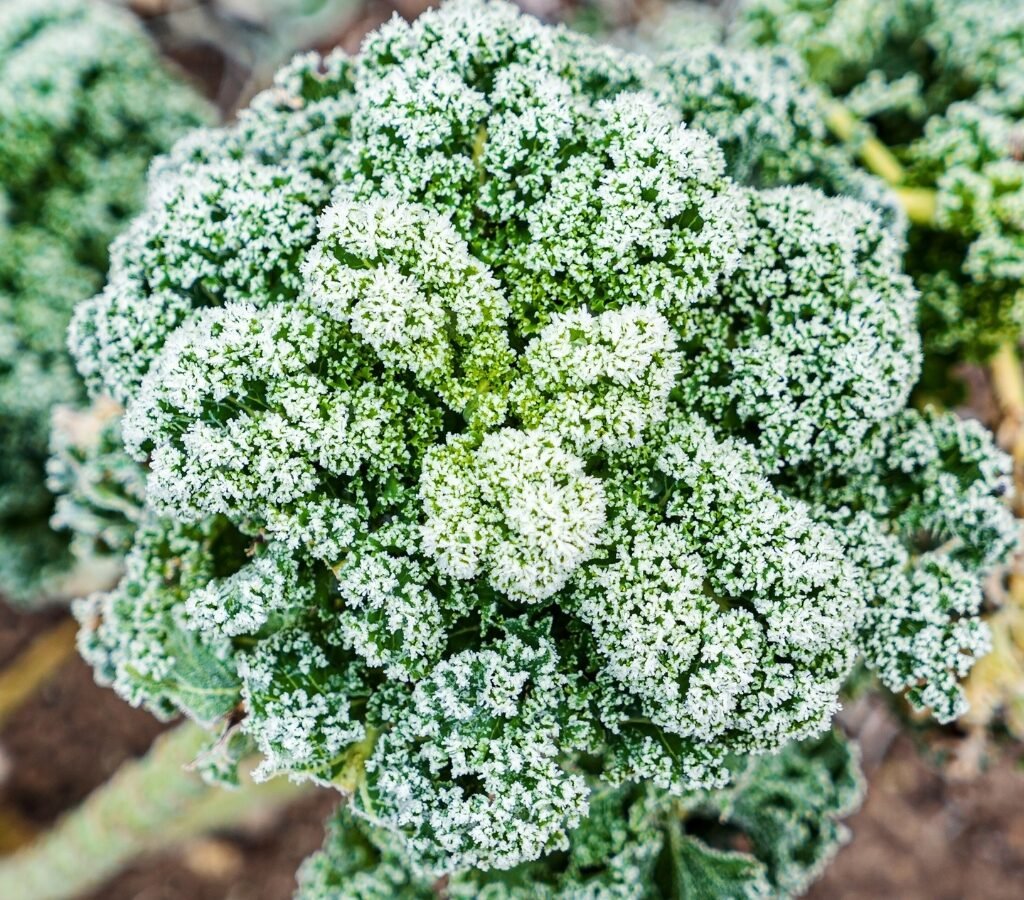
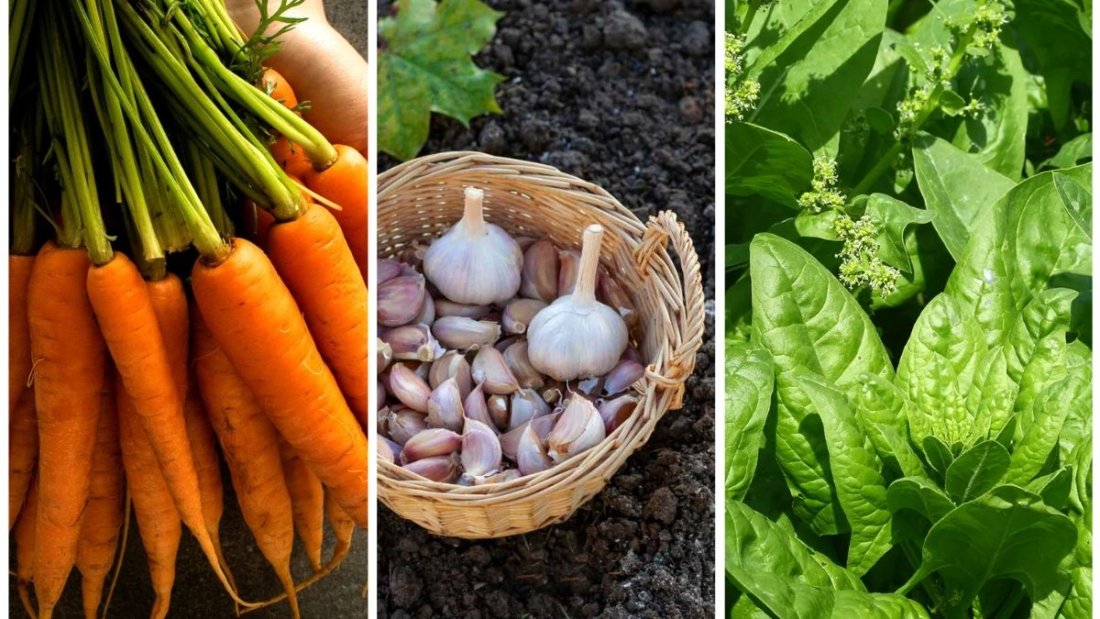
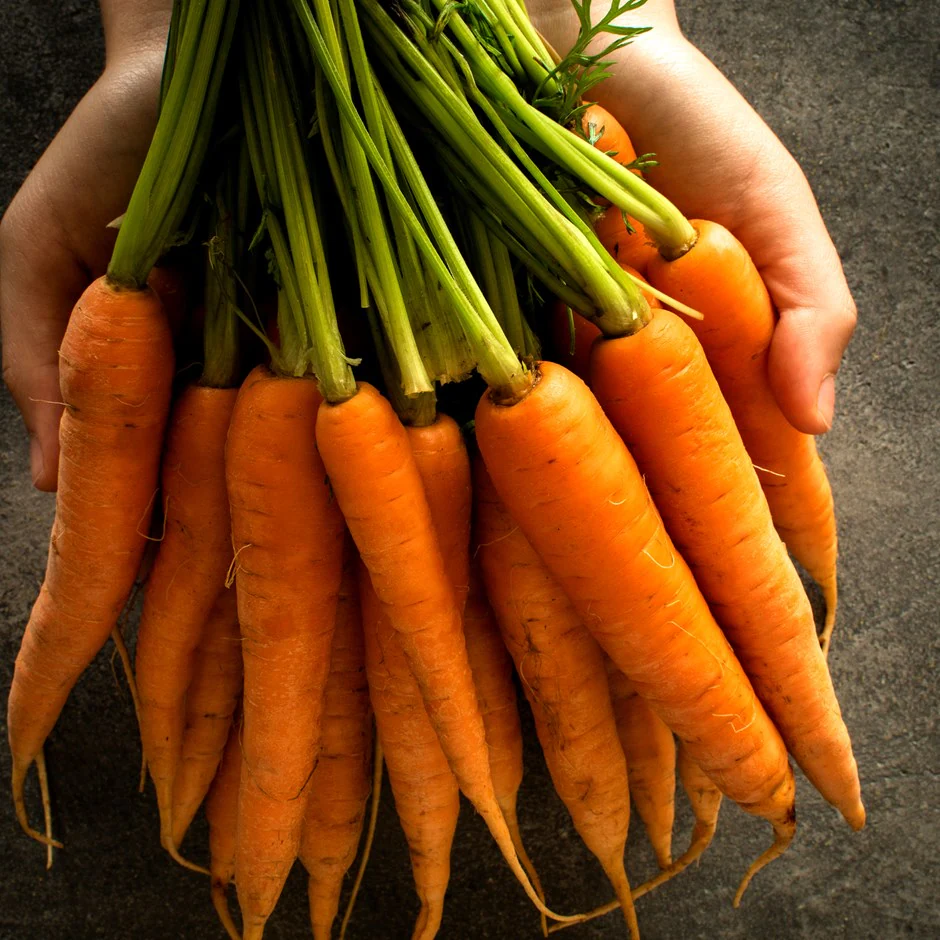
Carrots are root vegetables that thrive in cool weather. Exposure to frost increases their sweetness by converting stored starches into sugars. Carrots are also versatile and nutrient-rich, containing beta-carotene, vitamin A, and fiber.

Planting Tips:

  • Soil: Loose, sandy, well-draining soil promotes straight roots and prevents splitting.
  • Spacing: Sow seeds 1/4 inch deep; thin seedlings to 2–3 inches apart.
  • Sunlight: Full sun is ideal; partial shade is acceptable in warmer regions.
  • Watering: Maintain consistent moisture. Mulching helps retain warmth and prevent freezing.

Varieties: ‘Danvers 126’, ‘Nantes’, and ‘Chantenay’ perform well in frost-prone gardens.


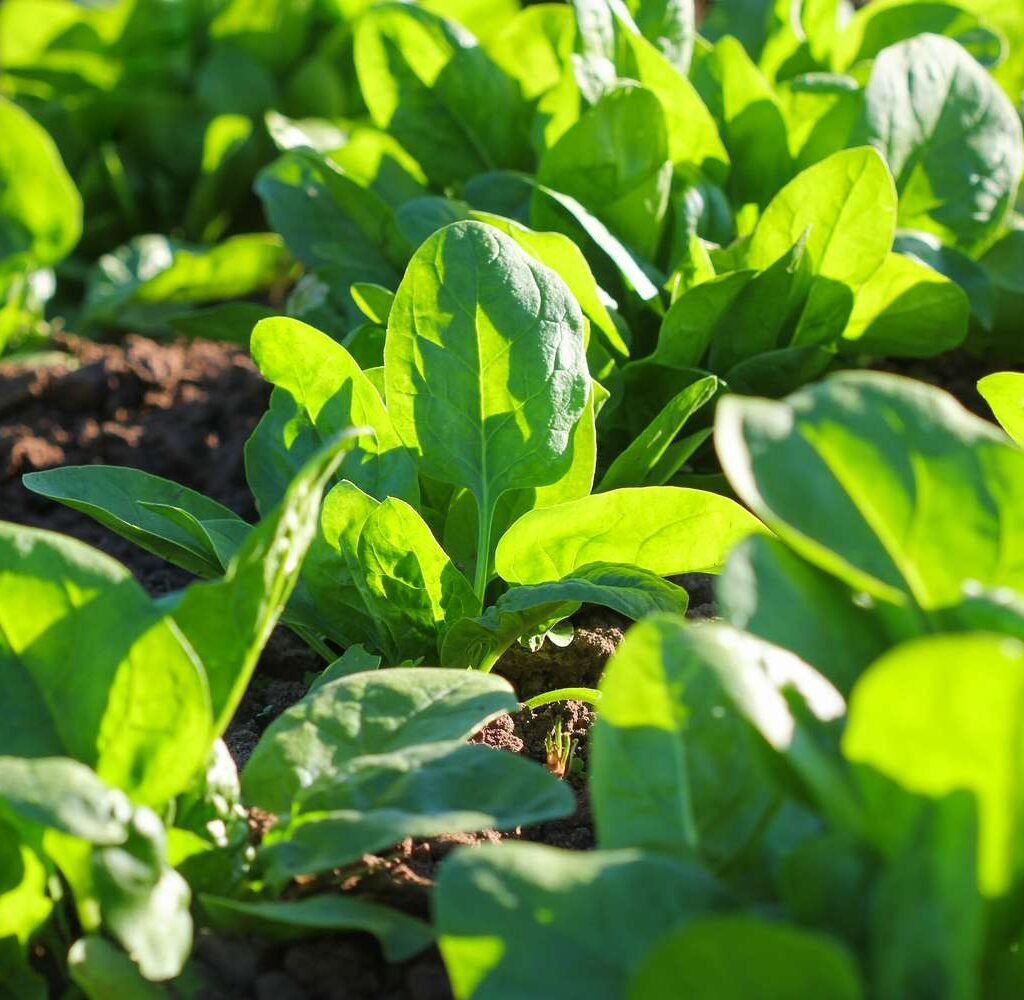
4. Spinach (Spinacia oleracea)

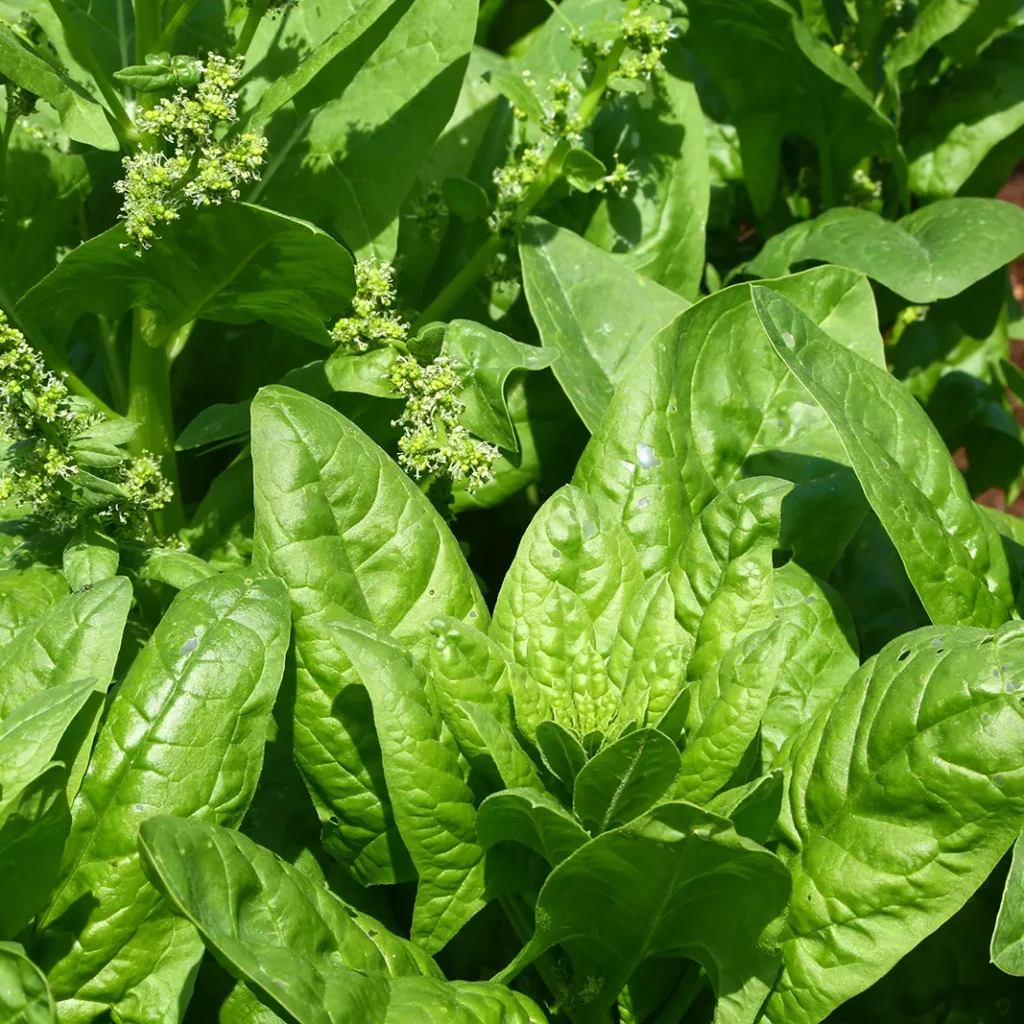
Spinach is one of the fastest-growing, frost-tolerant leafy greens. It can survive temperatures down to 20°F (-6°C) and continues producing tender leaves throughout late fall. Spinach is rich in iron, calcium, and vitamins A and C, making it a nutritious addition to winter diets.

Planting Tips:

  • Soil: Fertile, well-draining soil enriched with compost is ideal.
  • Spacing: Sow seeds 1/2 inch deep and thin seedlings to 3–4 inches apart.
  • Sunlight: Full sun is ideal, but partial shade can prevent bolting.
  • Watering: Keep soil moist; mulch protects roots from cold.

Varieties: ‘Bloomsdale’, ‘Giant Winter’, and ‘Regal’ are cold-hardy and perfect for frost-prone areas.


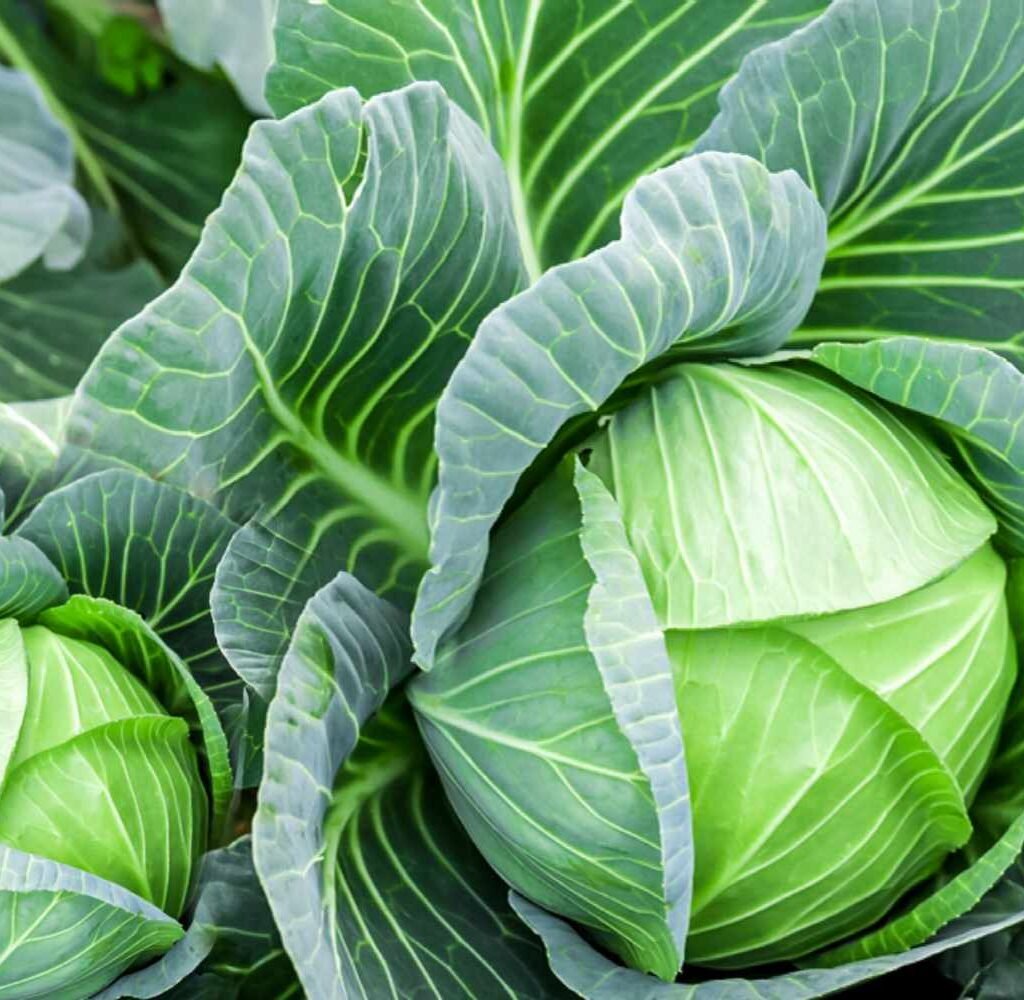
5. Cabbage (Brassica oleracea var. capitata)

Cabbage is another frost-tolerant vegetable that thrives in cooler conditions. Like Brussels sprouts, cabbage develops sweeter flavors after frost exposure and is packed with vitamins C and K, fiber, and antioxidants.

Planting Tips:

  • Soil: Fertile, well-draining soil with added organic matter is essential.
  • Spacing: Transplant seedlings 12–24 inches apart depending on variety.
  • Sunlight: Full sun is preferred for large, compact heads.
  • Watering: Keep soil consistently moist to prevent splitting and support head formation.

Varieties: ‘Savoy’, ‘January King’, and ‘Stonehead’ are ideal for frost-tolerant gardening.


Tips for Successful Frost-Tolerant Gardening
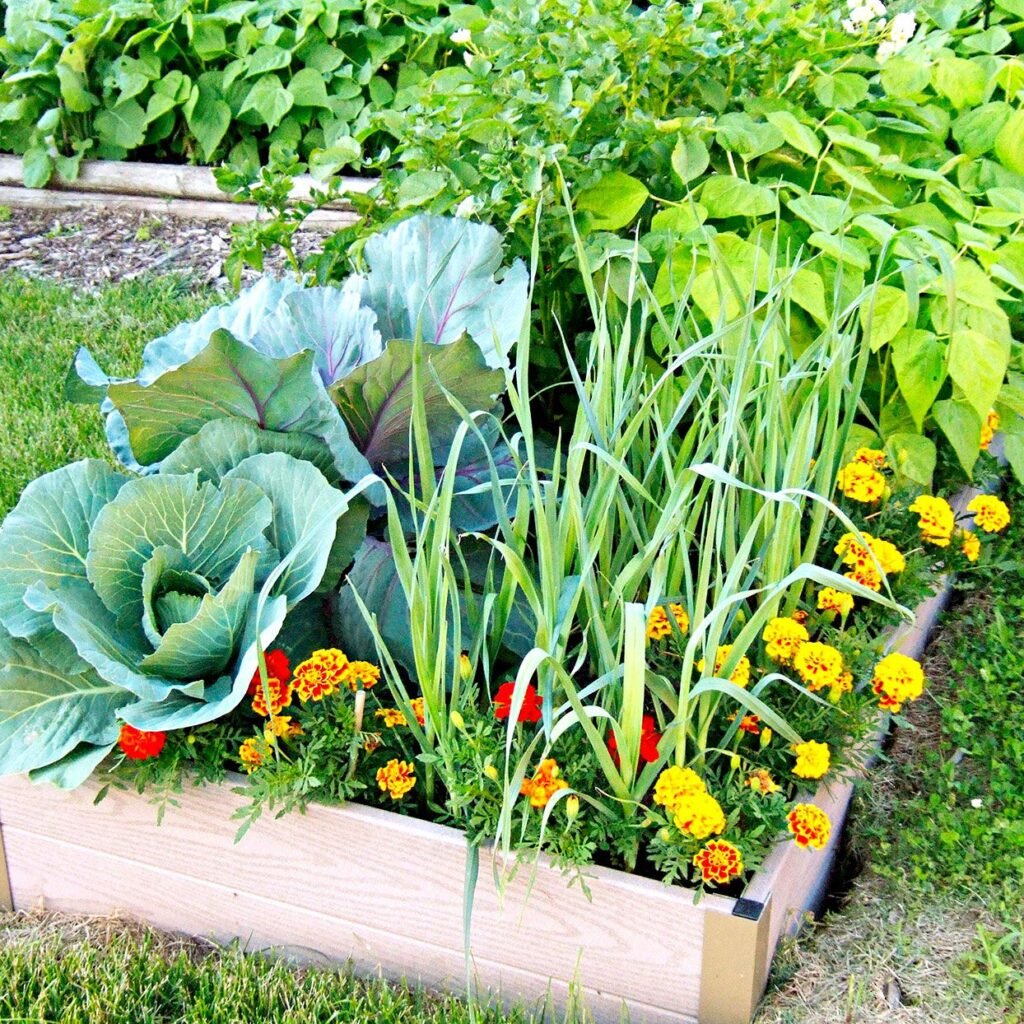
  1. Timing: Plant frost-tolerant crops several weeks before the expected first frost to allow them to establish roots.
  2. Mulching: Apply organic mulch to insulate soil and protect root systems from sudden temperature drops.
  3. Row Covers: Use lightweight row covers or cloches to extend the growing season and shield young plants from frost damage.
  4. Succession Planting: Planting crops in intervals ensures continuous harvest even during colder months.
  5. Pest Management: While frost reduces most pest activity, slugs and aphids may still appear. Use organic controls as needed.
  6. Harvesting: Pick leaves, roots, or heads promptly, as overexposure to frost can damage tender parts.

Benefits of Frost-Tolerant Gardening

  • Extended Harvest: Continue growing fresh vegetables after traditional summer crops have finished.
  • Enhanced Flavor: Frost converts starches to sugars, improving taste in many vegetables.
  • Nutritional Value: Cool-season crops are packed with vitamins, minerals, and antioxidants.
  • Low Pest Pressure: Cold weather reduces common garden pests.
  • Sustainable Gardening: Maximizes garden productivity year-round and reduces reliance on store-bought produce.

Conclusion

Frost-tolerant gardening is an effective way to extend your growing season and enjoy fresh, nutritious vegetables even in colder months. Kale, Brussels sprouts, carrots, spinach, and cabbage are among the best options for frost-tolerant gardens. By selecting appropriate varieties, preparing soil properly, and providing protective measures such as mulching and row covers, gardeners can achieve a bountiful, flavorful harvest despite frosty conditions.

Understanding the needs of frost-tolerant crops and giving them the right care allows for a productive and resilient garden. With careful planning, frost-prone months can become an opportunity rather than a limitation, providing fresh, homegrown vegetables to enjoy well into late fall and early winter.

Frost-tolerant gardening not only maximizes your garden’s potential but also brings the satisfaction of harvesting healthy, flavorful produce throughout the colder seasons. By embracing cold-weather crops, gardeners can cultivate a garden that thrives even when temperatures drop, ensuring a continuous supply of fresh vegetables year-round.
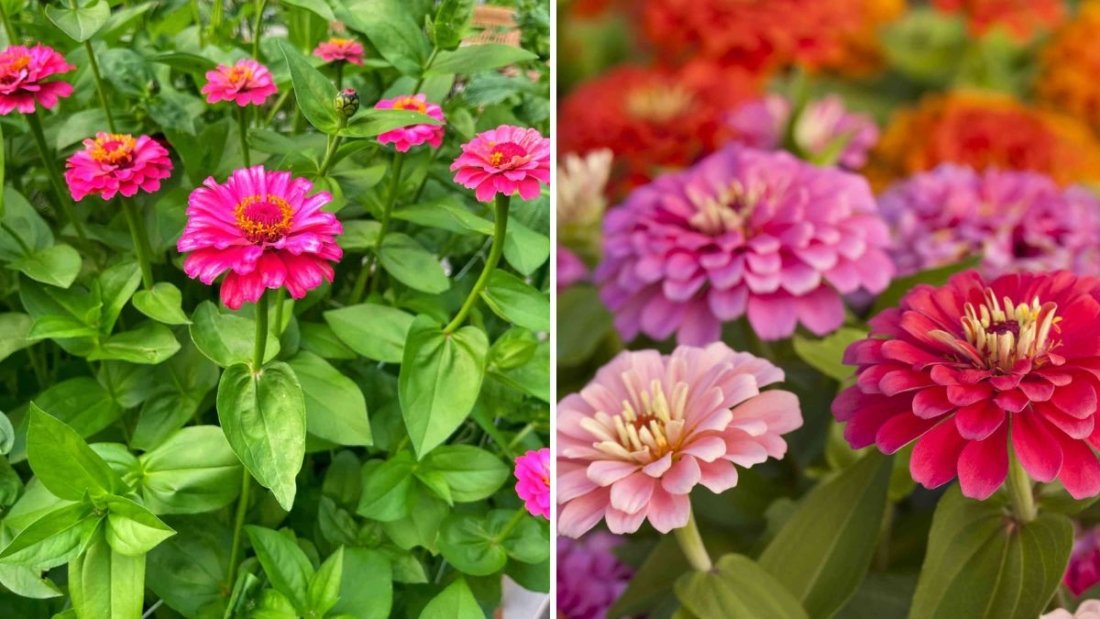
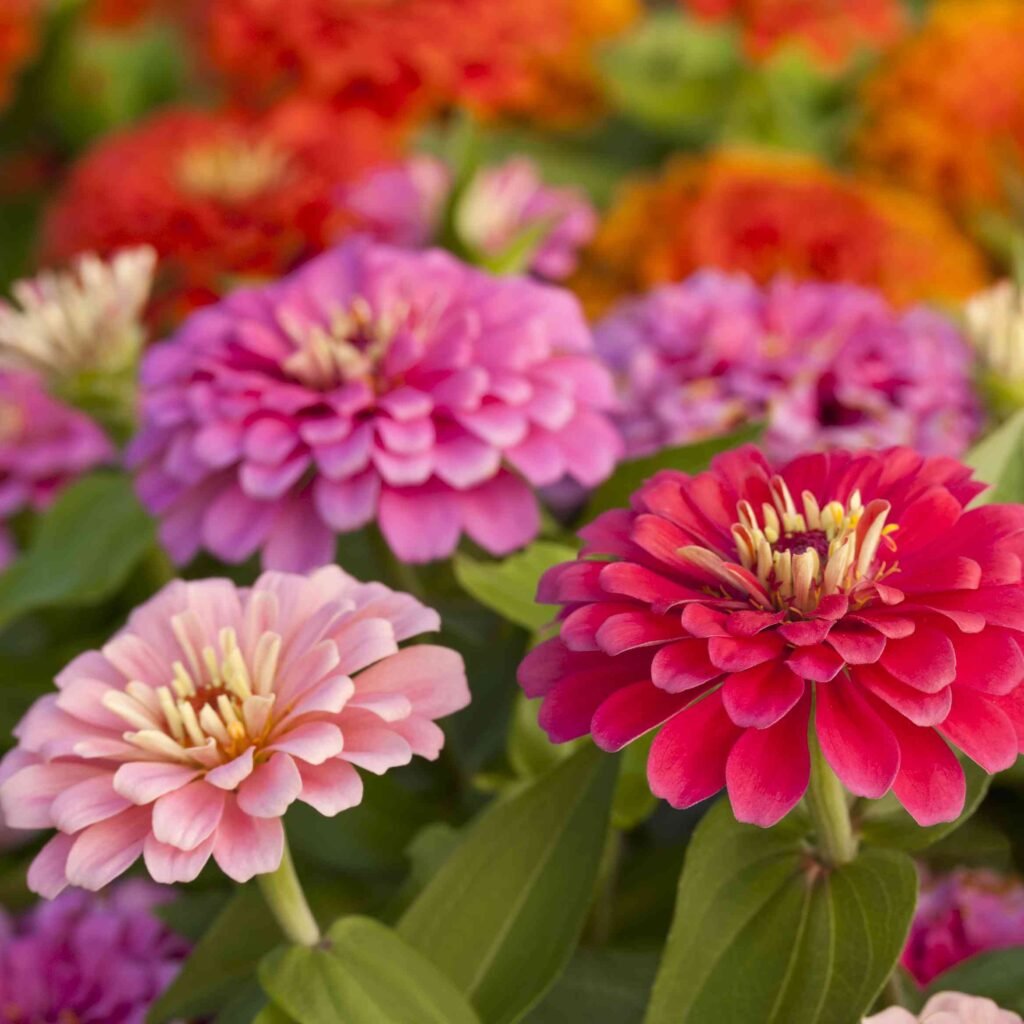
The Best Soil Mix for Zinnias to Keep Them Standing Tall

The Best Soil Mix for Zinnias to Keep Them Standing Tall

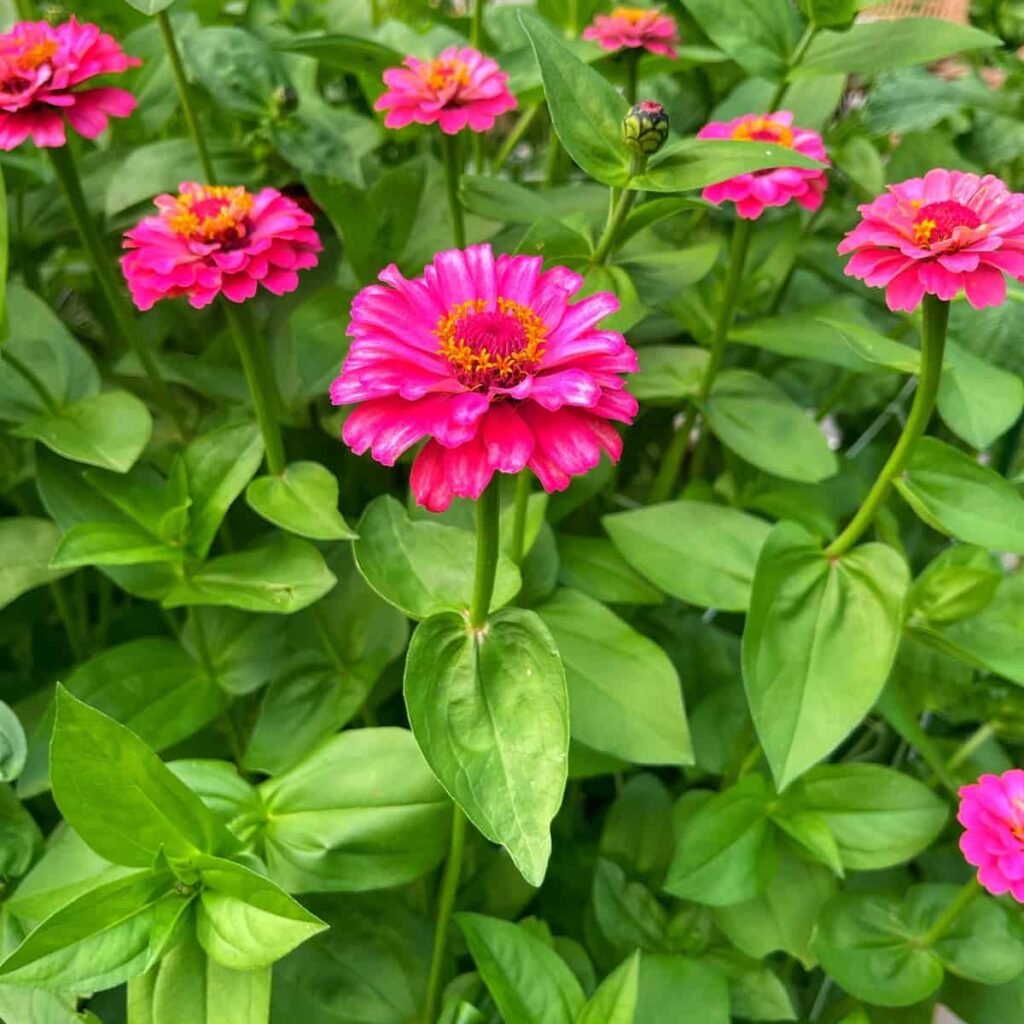
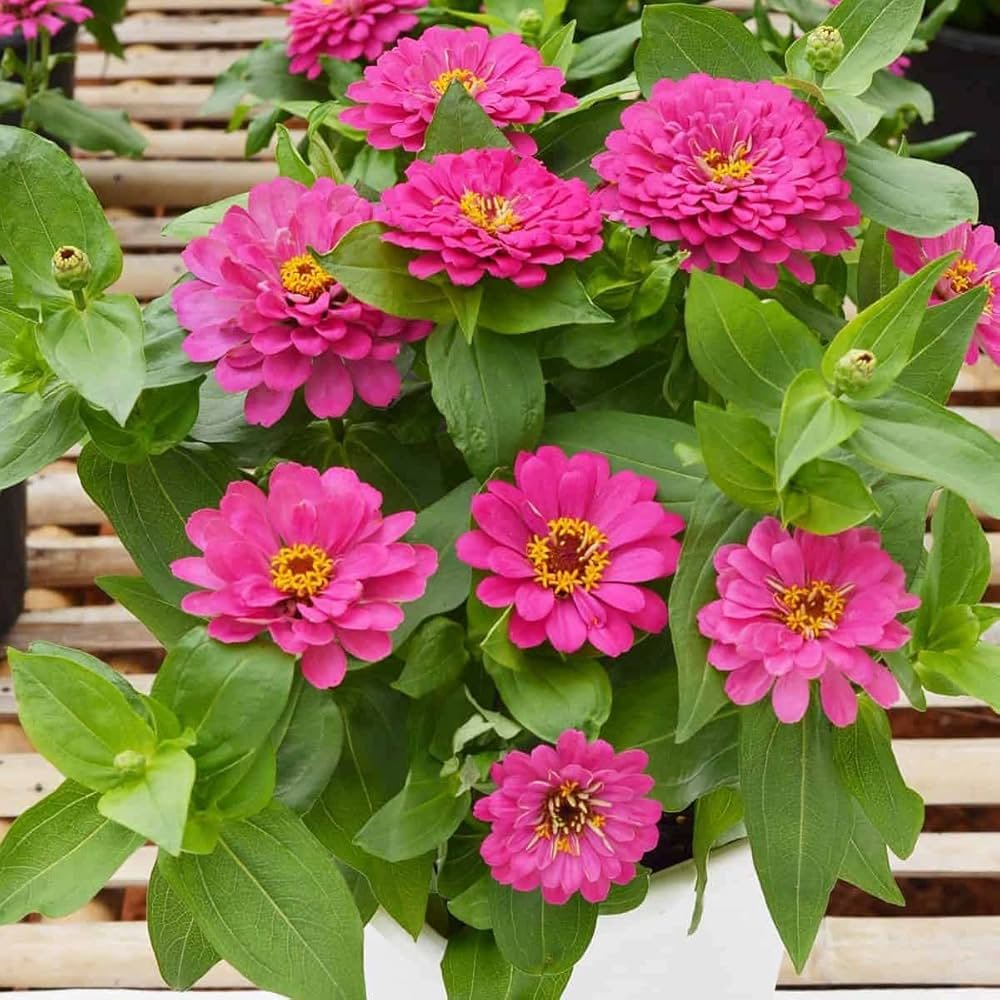
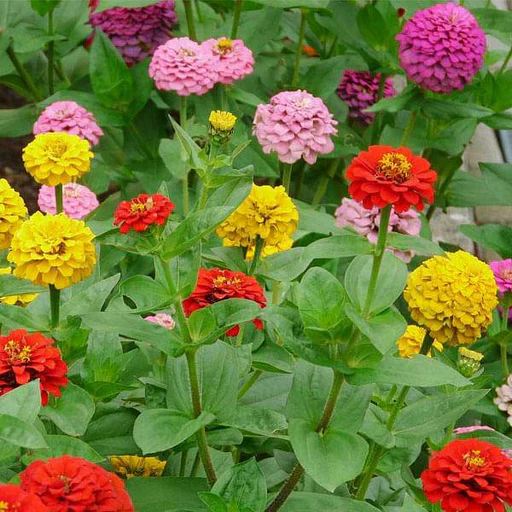
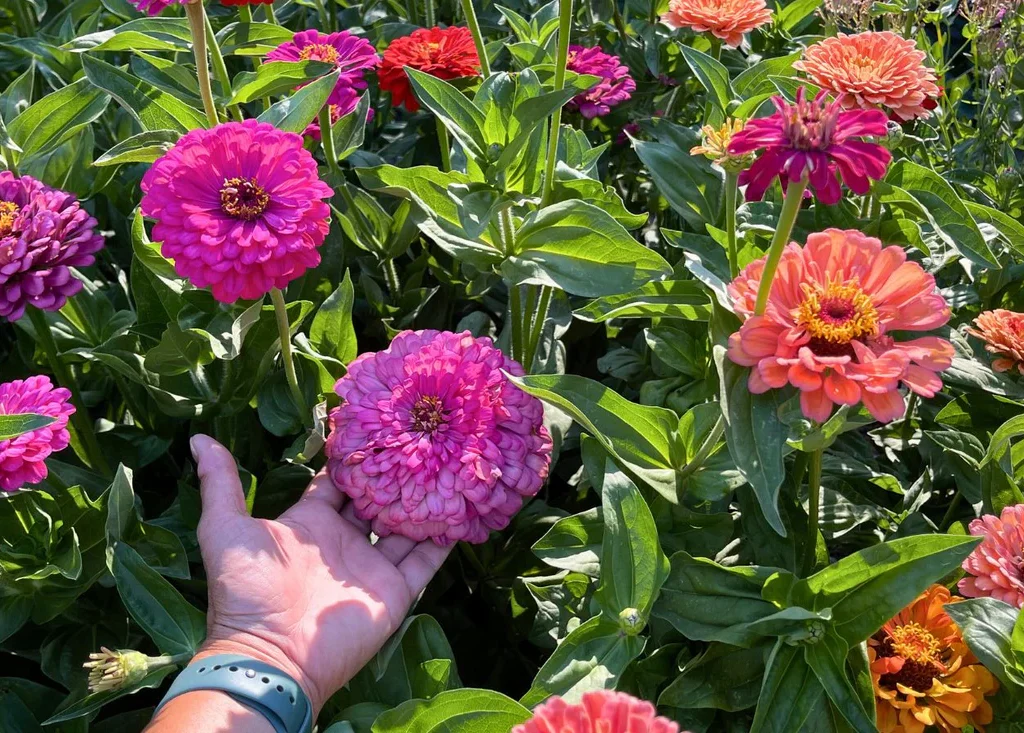
Zinnias are among the most beloved garden flowers, celebrated for their vibrant, long-lasting blooms and ability to attract pollinators such as butterflies and bees. These cheerful annuals are relatively easy to grow, but their success—especially keeping them upright and healthy—depends largely on the soil they grow in. Providing a soil mix that supports strong stems, abundant flowers, and overall plant health is essential for achieving a flourishing zinnia garden. This guide explores the ideal soil conditions, nutrient requirements, and preparation techniques to ensure your zinnias grow tall, robust, and bloom abundantly.


Understanding Zinnias and Their Soil Needs

Zinnias are hardy, sun-loving plants native to Mexico. While they tolerate a variety of soil types, optimal growth requires:

  1. Well-draining soil: Prevents root rot and allows roots to access oxygen.
  2. Moderate fertility: Supports vibrant blooms without promoting weak, spindly growth.
  3. Balanced pH: Slightly acidic to neutral soil (pH 6.0–7.5) is ideal.
  4. Aeration: Loose soil allows roots to grow deep, supporting strong stems.

The right soil mix is crucial because zinnias with weak roots or nutrient imbalances often topple over or produce fewer flowers. Gardeners who master soil preparation see healthier plants that stand tall and bloom profusely.


Components of the Best Soil Mix for Zinnias

Creating the perfect soil mix involves combining several key components that provide drainage, nutrients, and structure. Here are the essentials:

1. Loamy Soil

  • Purpose: Provides structure, retains moisture, and allows root expansion.
  • Composition: A balanced mixture of sand, silt, and clay.
  • Tip: Use high-quality garden loam as the base of your soil mix for zinnias.

2. Organic Matter

  • Purpose: Supplies nutrients, improves soil texture, and enhances moisture retention.
  • Types: Compost, well-rotted manure, or leaf mold.
  • Application: Mix 25–30% organic matter into the soil to enrich fertility without overloading nitrogen, which can cause tall, weak stems.

3. Sand or Perlite

  • Purpose: Enhances drainage and prevents soil compaction.
  • Tip: Add 10–15% coarse sand or perlite to improve aeration and reduce the risk of root rot.

4. Slow-Release Fertilizer

  • Purpose: Provides steady nutrients throughout the growing season.
  • Recommendation: Incorporate a balanced fertilizer with equal parts nitrogen, phosphorus, and potassium (N-P-K 10-10-10) at planting time.
  • Caution: Avoid excessive nitrogen, which can result in lush foliage but weak, floppy stems.

5. Optional Soil Amendments

  • Lime or Sulfur: Adjust soil pH if needed.
  • Bone Meal: Supplies phosphorus for strong root and flower development.
  • Humic Acid or Worm Castings: Improves nutrient absorption and overall plant vigor.

By combining these components, gardeners can create a nutrient-rich, well-draining, and aerated soil mix that supports tall, healthy zinnias.


Step-by-Step Guide to Preparing Soil for Zinnias

  1. Test the soil pH: Use a soil test kit to ensure the pH is between 6.0 and 7.5. Adjust with lime (to raise pH) or sulfur (to lower pH) if necessary.
  2. Loosen the soil: Till or dig the planting area to a depth of 8–10 inches to improve aeration.
  3. Incorporate organic matter: Mix in compost or well-rotted manure thoroughly.
  4. Add sand or perlite: Ensure even distribution for improved drainage.
  5. Blend in fertilizer: Use a slow-release balanced fertilizer to provide nutrients throughout the growing season.
  6. Level the soil: Rake the soil surface to create an even planting bed that promotes uniform root development.

Container Zinnias: Soil Mix Tips

Zinnias also thrive in containers, but container-grown plants need extra attention to soil composition.

Ideal Container Mix:

  • 50% high-quality potting soil
  • 25% compost or worm castings
  • 15% perlite or coarse sand
  • 10% slow-release granular fertilizer

Container tips:

  • Use pots with drainage holes to prevent waterlogging.
  • Avoid heavy garden soil alone, which can compact and suffocate roots.
  • Water regularly but allow the top inch of soil to dry between watering to prevent root rot.

Watering and Soil Maintenance

Even the best soil mix requires proper watering and care:

  1. Consistent Moisture: Keep soil evenly moist, especially during germination and flowering.
  2. Avoid Overwatering: Waterlogged soil can lead to root rot and weak stems.
  3. Mulching: Apply 1–2 inches of organic mulch around zinnias to retain moisture, regulate soil temperature, and reduce weeds.
  4. Periodic Fertilization: Side-dress with liquid fertilizer every 3–4 weeks to encourage continuous flowering.

Maintaining ideal moisture levels in well-prepared soil ensures zinnias grow upright and strong.


Preventing Floppy Zinnias

Even with the best soil, some zinnias may lean or topple due to environmental factors. Follow these expert tips:

  1. Choose the right variety: Tall zinnia cultivars may require staking, while dwarf varieties naturally remain upright.
  2. Proper spacing: Plant zinnias 6–12 inches apart to reduce competition and encourage strong stems.
  3. Support stakes: For tall varieties, place stakes early in the growing season to avoid disturbing roots later.
  4. Avoid excessive nitrogen: Too much nitrogen encourages leafy growth with weak stems.
  5. Sunlight: Full sun (6–8 hours/day) strengthens stems and promotes upright growth.

By combining strong soil with proper plant care, gardeners can prevent common issues such as floppy stems or uneven growth.


Benefits of Optimized Soil for Zinnias

  • Tall, sturdy stems: Proper soil supports upright growth and reduces the need for staking.
  • Abundant blooms: Well-nourished plants produce more flowers over a longer period.
  • Healthy root systems: Aerated, nutrient-rich soil encourages deep, strong roots.
  • Disease resistance: Well-draining soil reduces the risk of root rot and fungal infections.
  • Vibrant foliage: Balanced nutrients support lush, green leaves that complement colorful blooms.

Investing time in creating the perfect soil mix pays off with stronger plants, more flowers, and a longer blooming season.


Expert Tips for Long-Lasting Zinnias

  1. Rotate crops annually: Avoid planting zinnias in the same soil every year to prevent nutrient depletion and disease buildup.
  2. Deadhead regularly: Remove spent blooms to encourage continuous flowering and reduce energy loss.
  3. Watch for pests: Healthy soil makes plants more resilient to aphids, spider mites, and fungal diseases.
  4. Feed during bloom season: A light liquid fertilizer every 2–3 weeks enhances flowering without weakening stems.
  5. Adjust soil amendments: Add compost or organic matter mid-season if plants show signs of nutrient deficiency.

Following these practices alongside a proper soil mix ensures your zinnias remain tall, vibrant, and full of life throughout the growing season.


Conclusion

The secret to tall, strong, and flower-filled zinnias lies in the soil beneath them. A well-draining, nutrient-rich soil mix with balanced pH, organic matter, and proper aeration creates the ideal environment for root development, strong stems, and abundant blooms. By preparing the soil thoughtfully, providing consistent moisture, and supporting plants through fertilization and staking if needed, gardeners can enjoy vibrant, upright zinnias all season long.

Whether planting in garden beds or containers, understanding and optimizing soil composition is key to healthy, resilient zinnias that not only brighten landscapes but also attract pollinators and bring lasting joy to any garden. With careful attention to soil preparation and ongoing care, your zinnias will stand tall, bloom beautifully, and reward your gardening efforts season after season.

5 Crops That Thrive in Cooler Temperatures

5 Crops That Thrive in Cooler Temperatures

Gardening isn’t only for warm, sunny days. Many crops are specially adapted to grow in cooler temperatures, making them ideal for fall, winter, and early spring planting. These cool-weather crops are often more flavorful after exposure to frost, and they can provide a steady harvest when other plants begin to slow down. Understanding which crops thrive in cooler conditions—and how to care for them—can help gardeners maximize their productivity year-round. This article explores five exceptional crops suited for cooler temperatures, complete with detailed planting tips, care instructions, and harvesting advice.
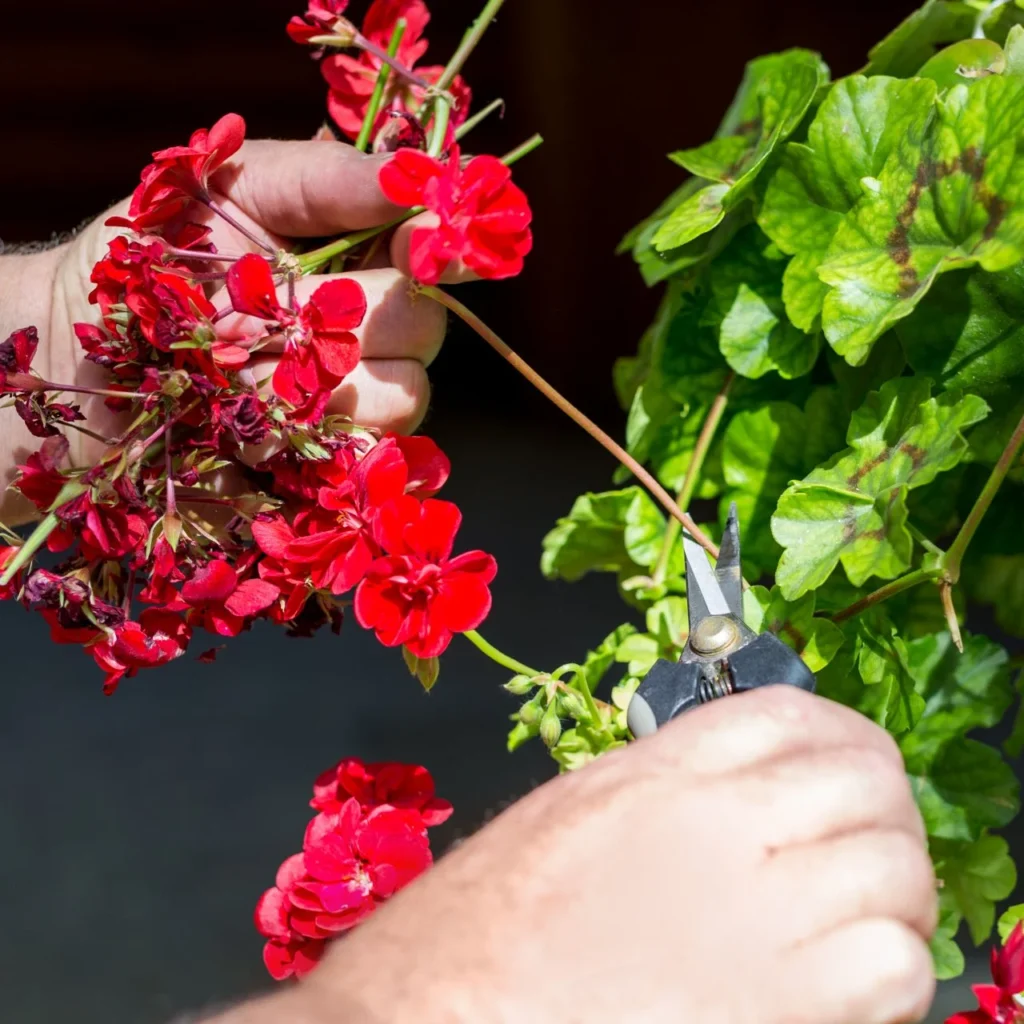

1. Kale (Brassica oleracea var. sabellica)

Kale is a highly nutritious leafy green, packed with vitamins A, C, and K, along with antioxidants and fiber. One of the best cool-weather crops, kale actually tastes sweeter after exposure to frost. Its cold tolerance allows it to survive temperatures as low as 20°F (-6°C), making it a perfect choice for fall and winter gardens.

Planting Tips:

  • Soil: Kale prefers well-draining, fertile soil enriched with compost. The soil pH should be slightly acidic to neutral (6.0–7.0).
  • Spacing: Sow seeds 1/2 inch deep and thin seedlings to 12–18 inches apart to allow room for leaf development.
  • Sunlight: Full sun is ideal, though partial shade is tolerated, especially in warmer climates.
  • Watering: Keep the soil consistently moist, but avoid waterlogging to prevent root rot.

Varieties for Cool Weather: ‘Winterbor’, ‘Dwarf Blue Curled’, and ‘Lacinato’ (Dinosaur Kale) are particularly hardy and well-suited for late-season planting.


2. Broccoli (Brassica oleracea var. italica)

Broccoli is a versatile vegetable that thrives in cooler temperatures. Like kale, it develops a sweeter flavor after frost exposure, and it is highly nutritious, containing vitamin C, fiber, and antioxidants. Fall-planted broccoli often produces larger heads and a longer harvest period than spring-planted crops.

Planting Tips:

  • Soil: Broccoli prefers fertile, well-draining soil rich in organic matter. Add compost or aged manure before planting.
  • Spacing: Transplant seedlings 18–24 inches apart in rows 24–36 inches apart.
  • Sunlight: Full sun is essential for optimal head development.
  • Watering: Keep the soil evenly moist; consistent watering ensures tender, compact heads.

Varieties for Cool Seasons: ‘Calabrese’, ‘Waltham 29’, and ‘Green Magic’ are excellent choices for fall or early winter planting.


3. Carrots (Daucus carota subsp. sativus)

Carrots are root vegetables that benefit greatly from cooler temperatures. When exposed to frost, the sugar content in carrots increases, producing sweeter, more flavorful roots. Cooler soil temperatures also reduce the risk of bolting (premature flowering) and pest infestations.

Planting Tips:

  • Soil: Loose, sandy, well-draining soil is crucial for straight, uniform roots. Avoid heavy clay or rocky soil.
  • Spacing: Sow seeds 1/4 inch deep in rows 12–18 inches apart; thin seedlings to 2–3 inches apart.
  • Sunlight: Full sun is preferred, but partial shade is tolerated in warmer regions.
  • Watering: Maintain consistent moisture to ensure smooth, tender roots. Mulching helps retain soil moisture and protect roots from frost.

Varieties for Cooler Seasons: ‘Danvers 126’, ‘Nantes’, and ‘Chantenay’ perform exceptionally well in cooler climates.


4. Spinach (Spinacia oleracea)

Spinach is a fast-growing leafy green that flourishes in cool weather. Its tender, nutrient-rich leaves are packed with vitamins and minerals, and it can be harvested multiple times with proper care. Spinach is frost-tolerant and can survive temperatures down to 20°F (-6°C), making it a reliable crop for fall and winter planting.

Planting Tips:

  • Soil: Spinach prefers fertile, well-draining soil enriched with compost or organic matter.
  • Spacing: Sow seeds 1/2 inch deep and thin seedlings to 3–4 inches apart.
  • Sunlight: Full sun is ideal, but spinach tolerates partial shade.
  • Watering: Keep soil consistently moist. Mulching reduces water evaporation and protects roots from cold.

Varieties for Cool Seasons: ‘Bloomsdale’, ‘Giant Winter’, and ‘Regal’ are hardy, fast-growing varieties suitable for late-season planting.


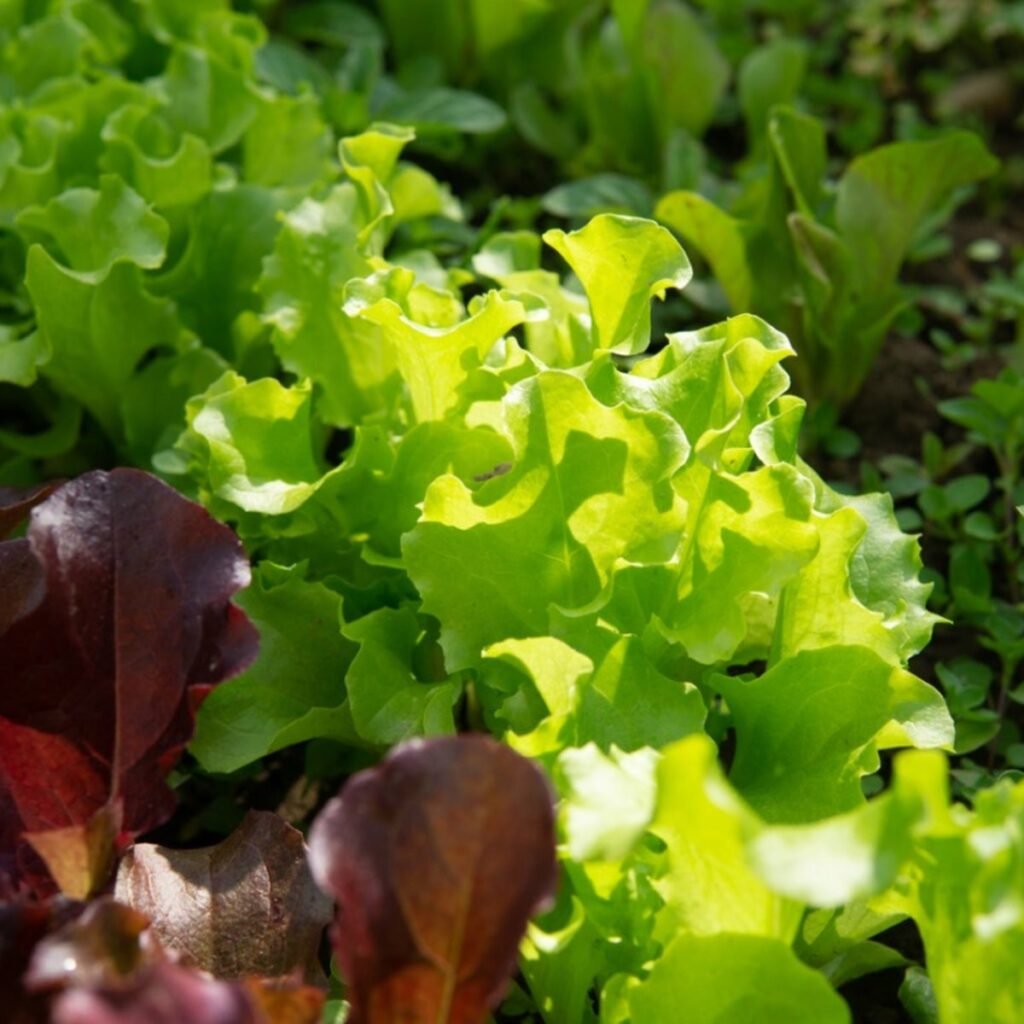
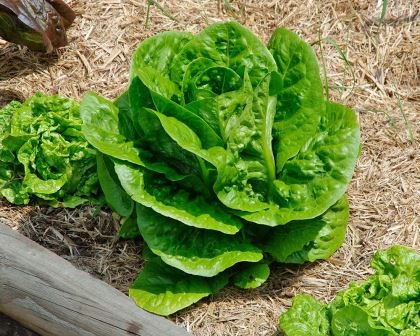
5. Lettuce (Lactuca sativa)

Lettuce is one of the most adaptable leafy greens and thrives in cooler temperatures. It grows quickly, allowing for frequent harvests, and frost-tolerant varieties can continue producing throughout fall and into early winter. Lettuce is highly versatile, perfect for fresh salads, sandwiches, and wraps.

Planting Tips:

  • Soil: Use fertile, well-draining soil enriched with compost. Lettuce prefers slightly acidic to neutral soil (pH 6.0–7.0).
  • Spacing: Sow seeds 1/4 inch deep; thin seedlings to 6–12 inches apart depending on the variety.
  • Sunlight: Full sun is preferred, but partial shade helps prevent bolting in mild fall climates.
  • Watering: Maintain consistent moisture; avoid letting soil dry out to prevent bitterness.

Varieties for Cool Weather: ‘Winter Density’, ‘Rouge d’Hiver’, and ‘Buttercrunch’ are excellent for late-season planting.


General Tips for Growing Cool-Weather Crops

  1. Timing: Planting time is critical. Aim to sow seeds or transplant seedlings 6–8 weeks before the first expected frost for optimal growth.
  2. Soil Preparation: Enrich soil with organic matter and ensure good drainage to support healthy root systems.
  3. Mulching: Apply a layer of mulch to protect roots from temperature fluctuations, conserve moisture, and suppress weeds.
  4. Frost Protection: Use row covers, cloches, or cold frames to extend the growing season and protect tender plants from frost damage.
  5. Succession Planting: Stagger sowing in intervals to ensure a continuous harvest throughout the fall and early winter.
  6. Pest Management: While cooler temperatures reduce many pests, watch for slugs, aphids, and fungal diseases. Organic remedies such as neem oil, diatomaceous earth, or companion planting can help control issues.

Benefits of Growing Cool-Weather Crops

  • Enhanced Flavor: Many cool-weather crops develop sweeter, more concentrated flavors when exposed to frost.
  • Nutritional Value: Crops like kale, spinach, and broccoli are packed with vitamins, minerals, and antioxidants.
  • Extended Harvest: Cooler climates allow for gardening beyond the traditional summer season, providing fresh produce when other crops slow down.
  • Pest Reduction: Many common summer pests become less active in cool weather, reducing the need for chemical interventions.

Conclusion

Growing crops in cooler temperatures opens up opportunities for a productive fall and winter garden. Kale, broccoli, carrots, spinach, and lettuce are ideal for these conditions, offering a combination of hardiness, flavor, and nutritional value. By selecting appropriate varieties, preparing soil properly, and providing consistent care, gardeners can enjoy fresh, homegrown vegetables long after the summer heat has faded.

Cool-weather gardening is not only practical but also highly rewarding. It allows gardeners to extend their growing season, experience the satisfaction of harvesting nutrient-rich produce, and create a beautiful, productive garden during months that might otherwise be considered dormant. With thoughtful planning and attention to detail, your fall and winter garden can thrive, providing fresh, delicious vegetables for months to come.

Should You Deadhead Mums? Garden Experts Share the Answer

Should You Deadhead Mums? Garden Experts Share the Answer

Chrysanthemums, commonly known as mums, are a staple of fall gardens, prized for their vibrant colors, long-lasting blooms, and ability to brighten landscapes as summer fades. As the season progresses, many gardeners wonder whether deadheading—removing spent flowers—is necessary to maintain mum health and ensure continuous blooming. Garden experts agree that deadheading can play a significant role in plant vitality, bloom longevity, and overall garden aesthetics. This article delves into the science, techniques, and best practices of deadheading mums, providing a comprehensive guide for gardeners seeking the most vibrant displays.


Understanding Deadheading

Deadheading is the practice of removing faded or spent flowers from a plant. While it may seem purely cosmetic, deadheading serves several important purposes:

  1. Encourages more blooms: Many plants, including mums, produce additional flowers when old blooms are removed.
  2. Redirects energy: By removing spent flowers, the plant can redirect energy from seed production to vegetative growth and new flower development.
  3. Improves appearance: Deadheading keeps plants looking tidy and vibrant, maintaining a neat garden display.
  4. Prevents disease: Old, decaying flowers can harbor fungal spores or attract pests.

For mums, understanding when and how to deadhead is key to maximizing flower display and plant health.


Should You Deadhead Mums?

The answer depends on your gardening goals and the type of mums you are growing.

1. Garden-Aesthetic Goals

If your goal is to maintain a beautiful, tidy garden display throughout the fall, deadheading is highly recommended. Removing faded blooms helps keep the plant looking fresh and encourages continuous flowering.

2. Seed Production

If you want your mums to self-seed or produce viable seeds, avoid deadheading spent flowers. Allowing flowers to go to seed enables reproduction but may reduce the energy available for additional blooms.

3. Perennial Health

Many gardeners grow mums as perennials. For perennial mums, deadheading spent flowers in late summer and fall can support the plant’s overall health by preventing energy loss and reducing the risk of disease.


How Deadheading Works

Deadheading triggers hormonal changes within the plant. When a flower is spent, the plant naturally diverts nutrients to seed development. By removing the flower, you interrupt this process and signal the plant to continue producing blooms instead.

Experts note that for chrysanthemums, deadheading can extend flowering time by several weeks, resulting in a more spectacular fall display. It also prevents flowers from turning brown and unattractive, maintaining visual appeal throughout the season.


When to Deadhead Mums

Timing is crucial for effective deadheading. Follow these guidelines:

  1. Late summer to fall: Begin deadheading when the first blooms start to fade. Regular removal of spent flowers throughout the blooming season is ideal.
  2. Avoid early season removal: Deadheading too early in the season, when many buds have not yet developed, can reduce overall bloom production.
  3. Monitor bloom stages: Focus on flowers that are fully faded, brown, or wilted. Flowers that are just starting to fade can be left to mature slightly before removal.

By deadheading at the right time, gardeners ensure that mums maintain peak performance without stressing the plant.


How to Deadhead Mums Correctly

Deadheading is simple but requires attention to detail to avoid damaging the plant. Here’s a step-by-step guide:

Tools Needed:

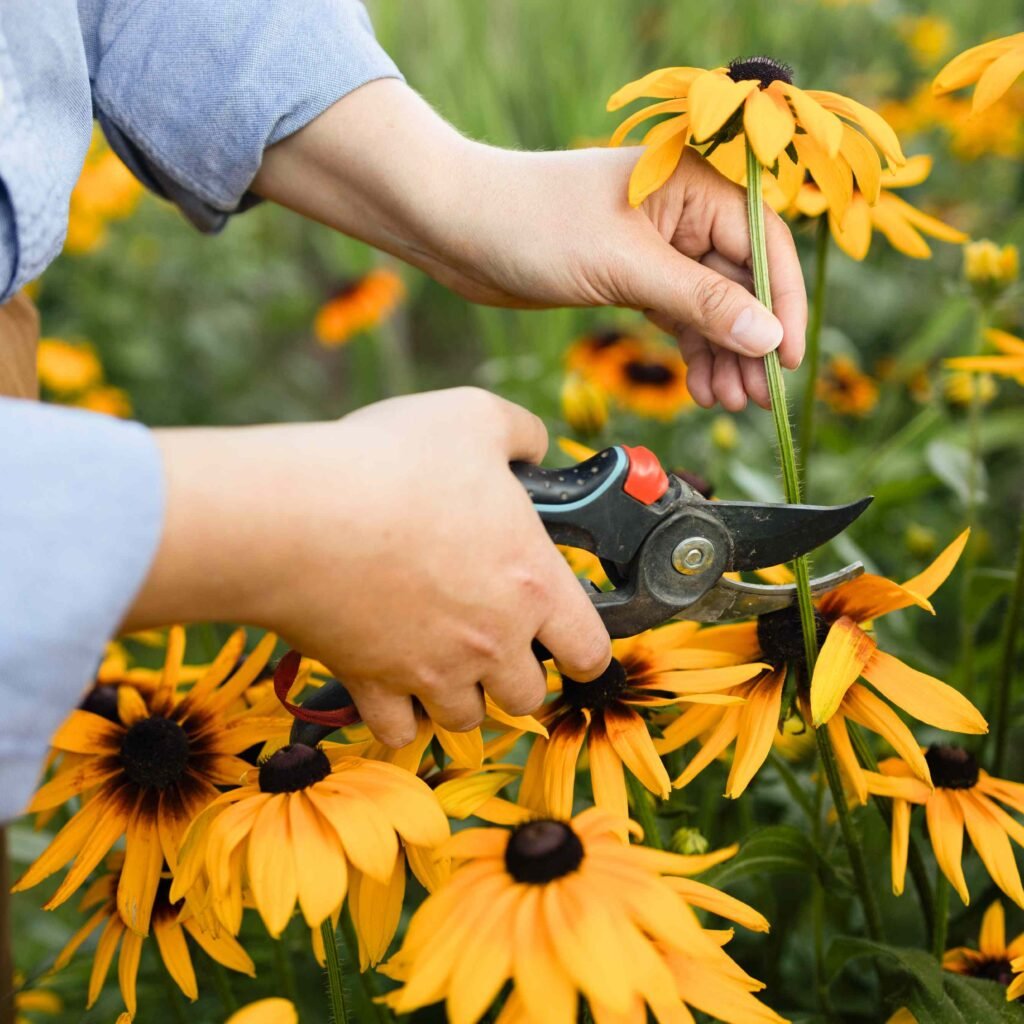
  • Pruning shears or scissors: Sharp and clean to make precise cuts.
  • Gloves: Optional, for gardeners sensitive to sap or rough stems.
  • Disinfectant: To clean tools and prevent disease spread.

Deadheading Steps:

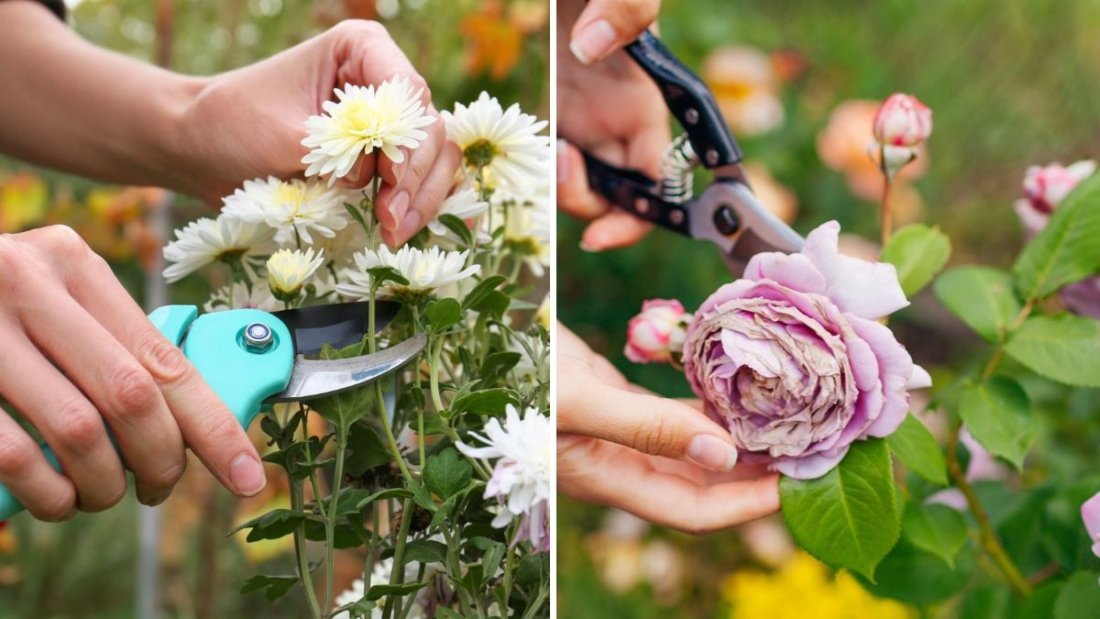
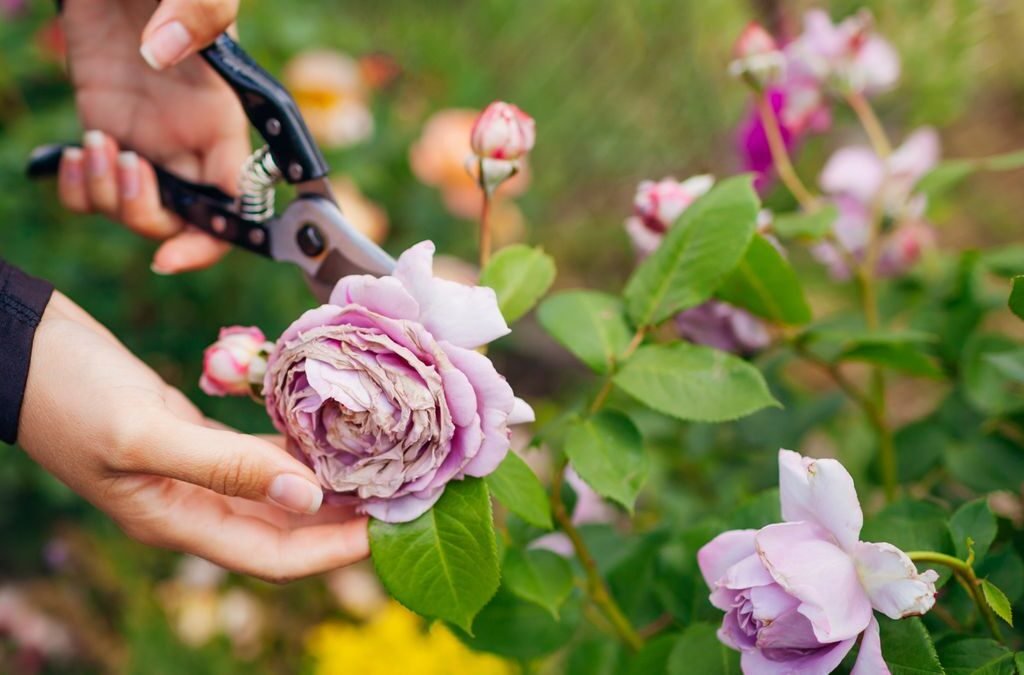
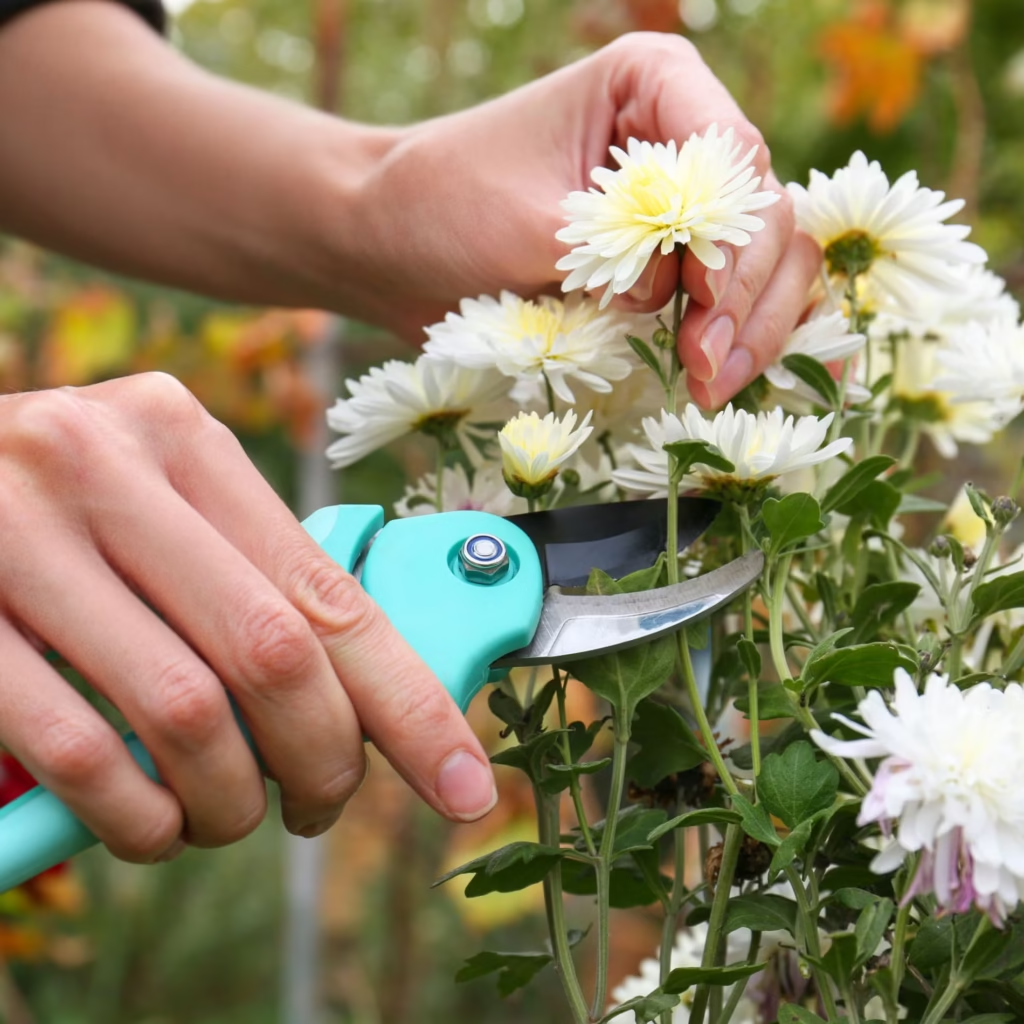
  1. Identify spent blooms: Look for flowers that are brown, shriveled, or no longer vibrant.
  2. Locate the stem junction: Find where the spent flower stem meets a lateral branch or main stem.
  3. Cut just above a leaf node: Make a clean cut about ¼ inch above a leaf or lateral bud. This encourages new growth.
  4. Remove debris: Collect faded flowers and dispose of them to prevent fungal disease.
  5. Repeat regularly: Check the plant weekly for spent blooms to maintain continuous flowering.

Expert tip: Avoid cutting into main stems or healthy buds, as this can stunt growth or reduce future blooms.


Benefits of Deadheading Mums

Deadheading provides both aesthetic and physiological benefits:

  1. Longer Bloom Period: By redirecting energy from seed production to new blooms, mums can produce flowers well into late fall.
  2. Tidy Appearance: Regular removal of faded flowers keeps plants looking fresh and visually appealing.
  3. Healthier Plants: Deadheading reduces the likelihood of fungal infections and deters pests attracted to decaying blooms.
  4. Enhanced Nutrient Use: The plant can use nutrients more efficiently, supporting stronger stems and foliage.
  5. Encourages Bushier Growth: Cutting spent flowers can stimulate lateral branching, resulting in fuller, denser plants.

Garden experts often cite these benefits as reasons why deadheading is considered an essential practice for maintaining top-performing mums.


Common Mistakes to Avoid

Even experienced gardeners can make mistakes when deadheading mums. Common pitfalls include:

  1. Cutting too low: Removing too much of the stem can damage the plant and reduce flowering potential.
  2. Deadheading too early or too late: Premature removal may remove developing buds, while waiting too long reduces energy efficiency.
  3. Neglecting tool hygiene: Unclean tools can transmit disease between plants.
  4. Ignoring plant signals: Some mums naturally slow flowering near the season’s end; over-pruning can stress the plant.

Being mindful of these mistakes ensures that deadheading promotes health rather than harming the plant.


Alternatives to Deadheading

While deadheading is effective, there are some alternatives or complementary practices:

  • Pinching: Early in the growing season, pinching back tips of new growth encourages bushier plants and more blooms.
  • Pruning after frost: For perennial mums, cutting back the entire plant after the first hard frost prepares it for winter and promotes vigorous growth next season.
  • Mulching: Adding mulch around the base protects roots and improves overall plant health.

These methods work in conjunction with deadheading to support vibrant, healthy chrysanthemums.


Expert Recommendations

Garden experts generally agree:

  • For showy, decorative mums: Deadheading is recommended to maximize flowering and visual appeal.
  • For seed collection: Allow flowers to go to seed if propagation is desired.
  • For perennial health: Combine deadheading with seasonal pruning and mulching for long-term plant vitality.

Experts emphasize that understanding your gardening goals—whether aesthetic, propagation, or plant health—is the key to deciding when and how to deadhead.


Conclusion

Deadheading chrysanthemums is more than a simple garden chore—it’s a strategic practice that enhances bloom longevity, plant health, and overall garden aesthetics. Garden experts agree that regular removal of spent flowers redirects the plant’s energy to producing new blooms, resulting in more vibrant, long-lasting floral displays.

Whether you are growing mums for decorative appeal, garden competitions, or simply to enjoy a colorful fall garden, understanding the principles of deadheading ensures you get the most out of your plants. By following proper techniques, timing the removal correctly, and complementing deadheading with pinching, pruning, and mulching, gardeners can enjoy healthy, bushy, and profusely blooming chrysanthemums year after year.

Ultimately, the answer is clear: if your goal is a spectacular fall display and healthy plants, yes—deadhead your mums. It’s a small effort that yields impressive results, keeping your garden vibrant, colorful, and thriving throughout the season.

How To Start a Fall Herb Garden This Month

How To Start a Fall Herb Garden This Month

As the air turns crisp and the days grow shorter, many gardeners believe that planting season is over. However, fall is an excellent time to start an herb garden. Cooler temperatures reduce stress on plants, and many herbs thrive in the mild conditions of autumn. Whether you’re growing herbs for cooking, tea, or medicinal purposes, starting a fall herb garden this month can provide fresh, flavorful greens throughout the season and into winter with proper care. This guide will walk you through everything you need to know to successfully start a fall herb garden, from selecting the right herbs to planting, care, and harvesting tips.


Why Start a Fall Herb Garden?

Fall gardening has several advantages over summer planting:

  1. Cooler Temperatures: Many herbs prefer moderate temperatures, and fall avoids the extreme heat that can cause bolting or stress.
  2. Extended Growing Season: With proper care and protective measures, herbs planted in fall can continue producing into late winter.
  3. Reduced Pests: Cooler weather reduces common summer pests, meaning healthier, less-stressed plants.
  4. Homegrown Flavor: Fresh herbs harvested from your garden taste far superior to store-bought options and enhance your fall and winter recipes.

Starting a fall herb garden is also ideal for gardeners with limited space. Even small containers on a balcony or windowsill can yield a generous supply of herbs.


Choosing the Right Herbs for Fall

Not all herbs thrive in cooler weather, so selecting the right varieties is essential. Here are some excellent choices for fall planting:

1. Parsley (Petroselinum crispum)

Parsley is a hardy herb that grows well in cooler temperatures. It provides a continuous harvest of vibrant green leaves and is versatile in soups, salads, and sauces.

  • Planting Tips: Sow seeds 1/4 inch deep in fertile, well-draining soil. Thin seedlings to 6–8 inches apart.
  • Care: Keep soil moist but not waterlogged. Mulching helps protect roots from cooler temperatures.

2. Cilantro (Coriandrum sativum)

Cilantro loves the cool weather of fall and produces flavorful leaves for garnishes and cooking. Its fast-growing nature means you can start harvesting in a few weeks.

  • Planting Tips: Sow seeds directly in the garden or containers, 1/4–1/2 inch deep. Space plants about 6–8 inches apart.
  • Care: Provide partial sun in warmer regions to prevent bolting. Water regularly for tender leaves.

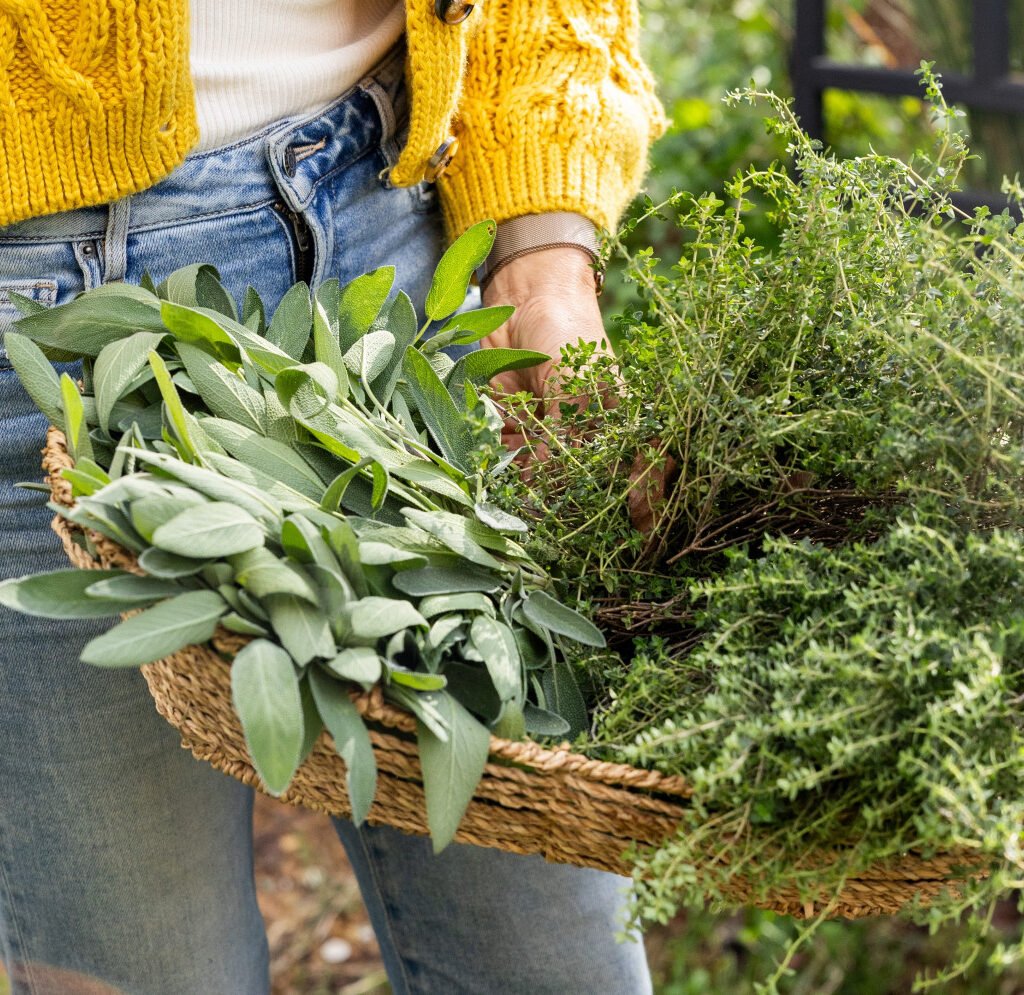
3. Thyme (Thymus vulgaris)

Thyme is a hardy perennial that thrives in cooler months. Its aromatic leaves enhance soups, roasted dishes, and teas.

  • Planting Tips: Plant cuttings or transplants in well-draining soil with full sun exposure. Space plants 12–18 inches apart.
  • Care: Water sparingly once established, as thyme prefers slightly dry conditions. Mulch lightly to retain soil warmth.

4. Chives (Allium schoenoprasum)

Chives are a cold-tolerant perennial herb that adds a mild onion flavor to salads, soups, and omelets. They are easy to grow in both containers and garden beds.

  • Planting Tips: Sow seeds 1/4 inch deep or divide established clumps. Space plants 8–12 inches apart.
  • Care: Keep soil moist and provide at least 4–6 hours of sunlight per day. Harvest regularly to encourage new growth.

5. Rosemary (Rosmarinus officinalis)

Rosemary is a woody perennial that thrives in cool fall conditions if protected from heavy frost. It is perfect for seasoning roasted vegetables, meats, and bread.

  • Planting Tips: Plant young rosemary plants in well-draining soil, preferably in containers for easier frost protection.
  • Care: Provide full sun and avoid overwatering. Mulch around the base to maintain root temperature.

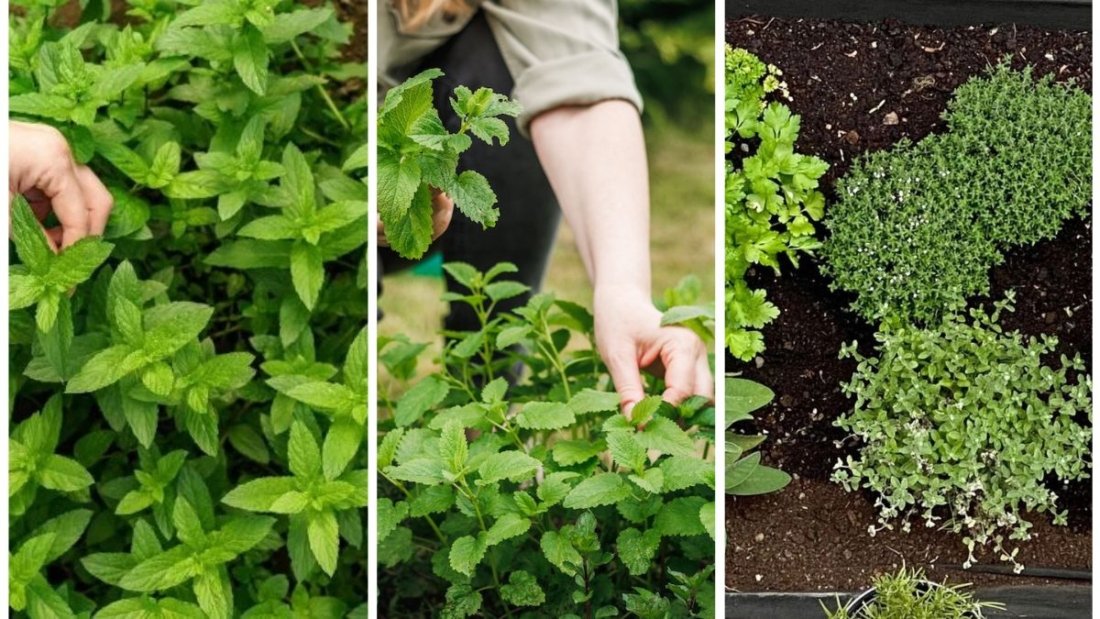
6. Mint (Mentha spp.)

Mint grows vigorously in cooler weather and is ideal for teas, desserts, and savory dishes. It’s best grown in containers to prevent it from taking over garden beds.

  • Planting Tips: Plant mint cuttings or small plants in pots with well-draining soil. Keep pots in a partially shaded area during hot spells.
  • Care: Water regularly, but avoid waterlogging. Trim frequently to encourage bushy growth.

Preparing Your Garden for Fall Planting

Proper preparation ensures your fall herb garden thrives. Here’s how to get started:

  1. Choose the Right Location: Herbs need at least 4–6 hours of sunlight per day. For cooler fall weather, south-facing spots are ideal to maximize sunlight. Containers can be moved to optimize light exposure.
  2. Prepare the Soil: Use well-draining, fertile soil enriched with compost. Herbs generally prefer slightly alkaline to neutral soil, though specific requirements vary.
  3. Plan for Frost Protection: As temperatures drop, use row covers, cloches, or cold frames to protect young plants from frost. Containers can be moved indoors or to sheltered areas during extreme cold.
  4. Select Containers (if needed): For small spaces, pots, raised beds, and window boxes work well. Ensure containers have adequate drainage holes to prevent root rot.

Planting Techniques

  • Direct Sowing: Fast-growing herbs like parsley, cilantro, and chives can be directly sown into the garden or containers.
  • Transplants: Slow-growing or perennial herbs like rosemary, thyme, and sage benefit from transplanting established seedlings.
  • Spacing: Give each plant enough space to grow without overcrowding, which promotes airflow and reduces disease risk.
  • Watering: Herbs need consistent moisture but avoid overwatering, which can lead to root rot. Water early in the day to allow foliage to dry before nightfall.

Maintaining Your Fall Herb Garden

  1. Mulching: Apply a layer of organic mulch to protect roots from fluctuating temperatures and retain soil moisture.
  2. Pruning: Regularly trim herbs like mint, thyme, and rosemary to promote bushier growth and prevent woody stems.
  3. Pest Control: Cooler temperatures reduce most pests, but watch for aphids, slugs, and fungal issues. Use organic solutions like neem oil or diatomaceous earth if needed.
  4. Fertilization: Use balanced, slow-release fertilizers or compost tea to support growth without promoting excessive leafy growth that may be prone to frost damage.

Harvesting Your Herbs

Harvesting at the right time ensures maximum flavor and continued growth:

  • Leaves: Pick leaves from tender shoots before flowers appear for the best flavor. Regular harvesting encourages new growth.
  • Perennials: Herbs like thyme, rosemary, and chives can be harvested repeatedly throughout the fall.
  • Storage: Use fresh herbs immediately, or dry, freeze, or preserve them in oil or vinegar for winter use.

Tips for Extending the Growing Season

  • Indoor Transition: Some herbs like parsley and basil can be moved indoors near sunny windows when frost threatens.
  • Companion Planting: Planting herbs near vegetables can enhance flavor and deter pests. For example, chives near tomatoes or cilantro near peppers.
  • Succession Planting: Planting in intervals ensures a continuous harvest throughout the season.

Conclusion

Starting a fall herb garden this month is an excellent way to extend your gardening season, enjoy fresh flavors, and prepare for winter cooking. By selecting the right cold-tolerant herbs, preparing your soil, and following proper care techniques, you can create a productive and attractive garden that continues to thrive in cooler temperatures.

Parsley, cilantro, thyme, chives, rosemary, and mint are ideal choices for fall planting, offering a combination of ease, flavor, and cold resilience. With thoughtful planning, attention to soil and sunlight, and careful harvesting, your fall herb garden can provide fresh, homegrown herbs for months to come.

Fall gardening is not just about extending the harvest; it’s about cultivating a space that nourishes the body and soul. So grab your seeds, prepare your garden beds or containers, and enjoy the rewarding experience of a flourishing fall herb garden this month.

How to Prune Geraniums So They Last Through Fall

How to Prune Geraniums So They Last Through Fall

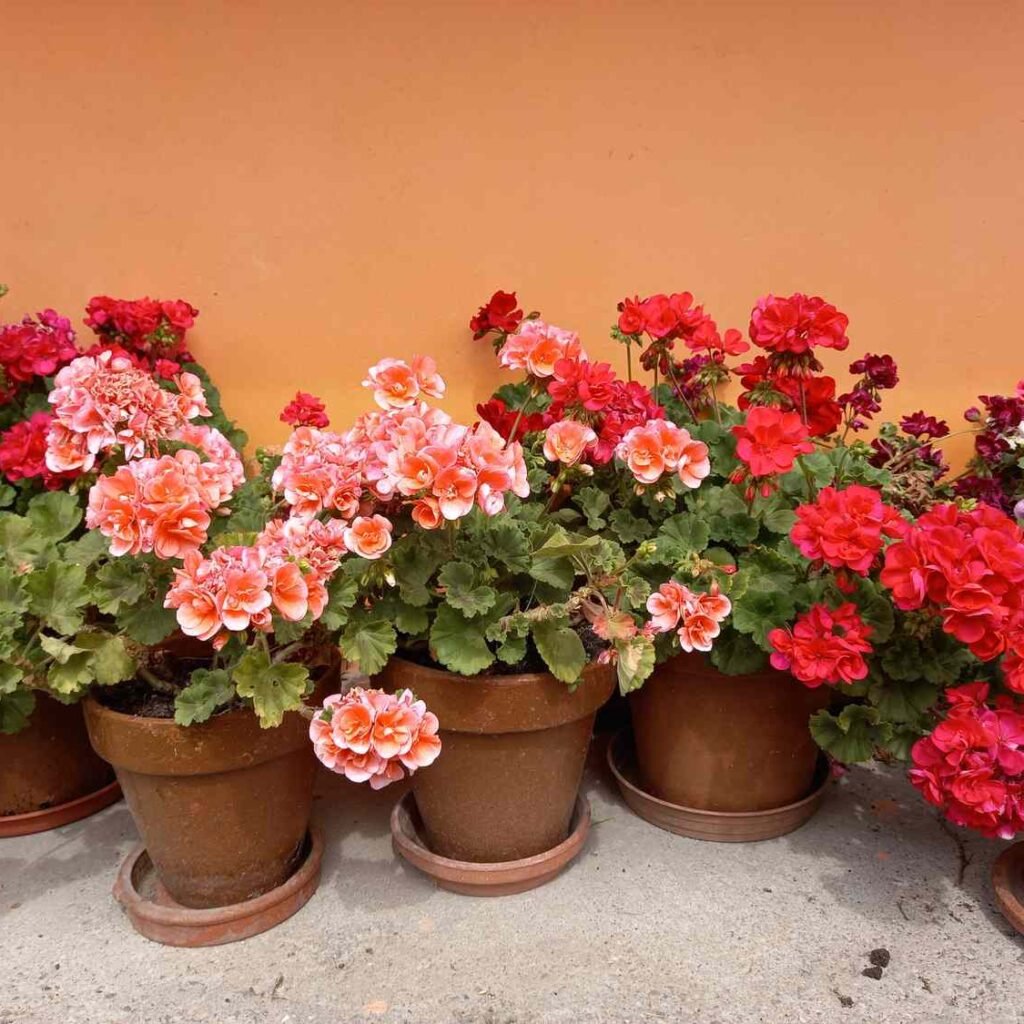
Geraniums are one of the most versatile and long-lasting flowering plants in gardens, balconies, and patios. Known for their bright blooms, aromatic foliage, and adaptability, geraniums can provide continuous color well into fall—if pruned and cared for properly. Pruning isn’t just a cosmetic task; it’s essential for stimulating new growth, extending flowering, and preparing plants for cooler months.

In this guide, we’ll explore how to prune geraniums effectively, including timing, techniques, seasonal care, and tips to help your plants thrive until the first frost.


Why Pruning Geraniums Matters

Pruning geraniums offers several key benefits:

  1. Encourages Continuous Blooming – Removing spent flowers and leggy stems redirects energy to new flower production.
  2. Promotes Healthy Growth – Eliminates weak or damaged stems, reducing disease risk and encouraging bushier plants.
  3. Improves Airflow – Reduces the likelihood of fungal diseases by preventing overcrowding.
  4. Prepares for Fall – Helps the plant withstand cooler temperatures and maintain vigor longer.

Without proper pruning, geraniums can become leggy, sparse, and less productive, especially as fall approaches.


Understanding Geranium Growth Patterns

Geraniums, particularly the popular Pelargonium varieties, have distinct growth habits that affect pruning:

  • Bush-type Geraniums: Naturally compact; pruning encourages fuller growth and more blooms.
  • Trailing or Ivy-leaf Geraniums: Grow long stems; pruning prevents them from becoming straggly and encourages side shoots.
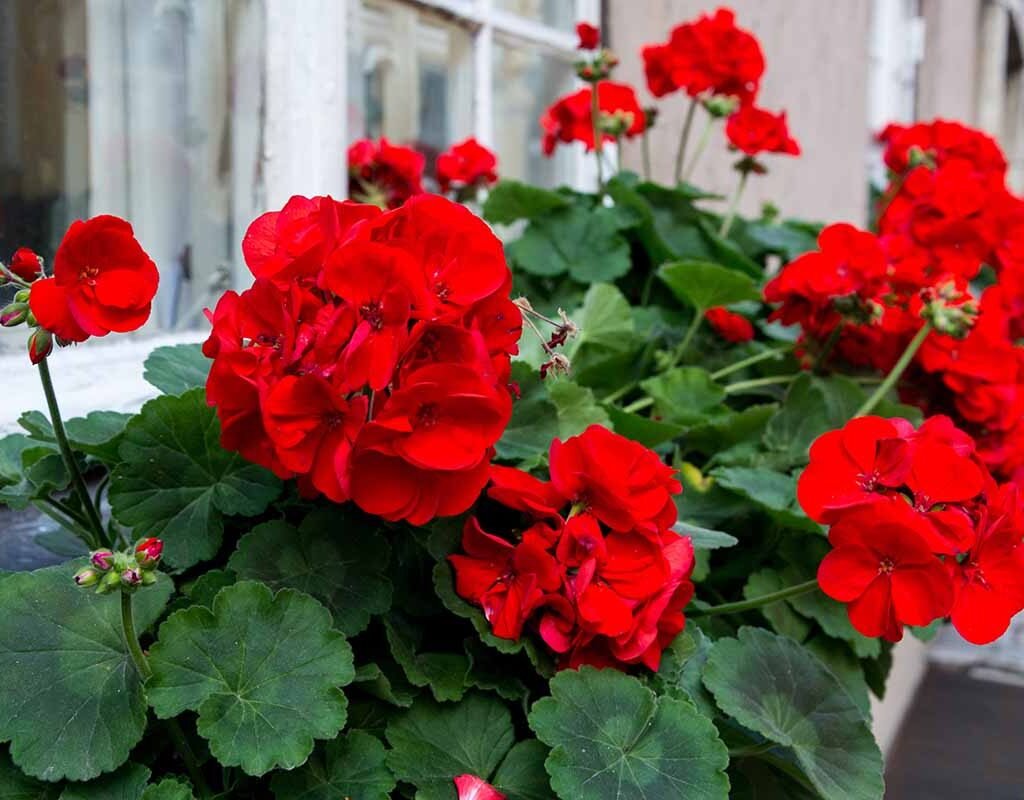
  • Zonal Geraniums: Produce large clusters of flowers; regular deadheading ensures continuous blooming.

Expert Tip: Knowing your geranium type helps determine how much and how often to prune.


Step 1: Timing Your Pruning

Proper timing ensures maximum flowering and plant health:

Spring and Summer Pruning

  • Frequency: Every 4–6 weeks during the active growing season.
  • Purpose: Remove spent blooms (deadheading) and cut back leggy stems to encourage bushy growth.
  • Method: Cut just above a leaf node or lateral bud to stimulate new flowering stems.

Late Summer / Early Fall Pruning

  • Goal: Prepare the plant for cooler temperatures and maintain flowering until frost.
  • Method: Trim approximately one-third of the plant, focusing on leggy, weak, or overgrown stems.
  • Timing: Perform pruning in late August or early September, depending on your local climate.

Expert Insight: Avoid heavy pruning too late in fall, as tender new growth may be damaged by frost.


Step 2: Deadheading for Continuous Blooms

Deadheading is the practice of removing spent flowers and is critical for extending the blooming season:

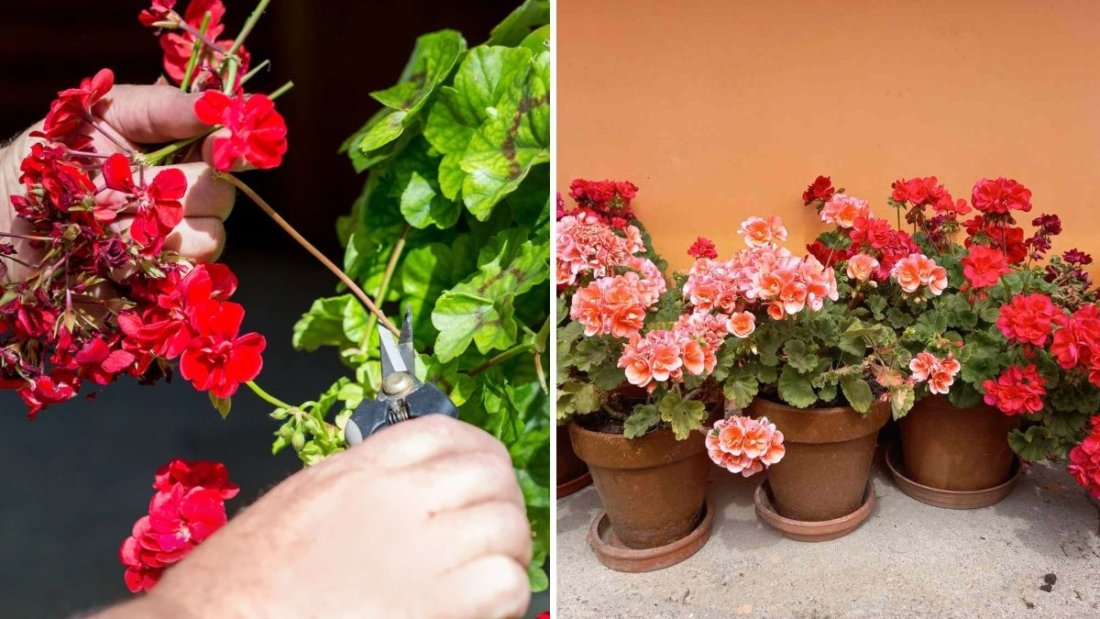
  • Identify Spent Flowers: Flowers that are wilted, discolored, or browning.
  • Cut Properly: Snip the flower stem down to the first set of healthy leaves or a lateral bud.
  • Benefits: Promotes new flowers, prevents seed formation, and maintains a tidy appearance.

Tip: Check geraniums at least once a week during the flowering season for optimal results.


Step 3: Cutting Back Leggy Stems

Geraniums naturally develop long, leggy stems, especially if they’re in partial shade or crowded conditions:

  • Select Stems: Identify stems that are weak, overgrown, or bare at the bottom.
  • Prune Technique: Cut back one-third to one-half of the stem to a healthy leaf node.
  • Encourages: Side shoots, stronger stems, and more flowers.

Expert Insight: Bushier geraniums not only look better but are also more resilient to pests and diseases.


Step 4: Tools and Techniques

Using the right tools ensures clean cuts and reduces stress on the plant:

  • Sharp Pruners or Scissors: Avoid crushing stems.
  • Clean Cuts: Make cuts at a slight angle to prevent water pooling and reduce rot risk.
  • Disinfect Tools: Sterilize between plants to prevent disease transmission.
  • Protective Gear: Gloves protect hands from sap irritation, especially for large or thorny varieties.

Tip: Use precise cuts rather than tearing stems, which can damage the plant and reduce reblooming.


Step 5: Post-Pruning Care

After pruning, proper care ensures geraniums continue to thrive through fall:

  • Fertilization: Apply a balanced, slow-release fertilizer or liquid bloom fertilizer every 4–6 weeks.
  • Watering: Keep soil evenly moist but avoid waterlogging; geraniums prefer slightly dry conditions between waterings.
  • Sunlight: Ensure plants receive 6–8 hours of sunlight daily for maximum blooms and strong stems.
  • Pest Monitoring: Watch for aphids, spider mites, and whiteflies, which can weaken plants during the cooler months.

Expert Insight: Healthy plants respond better to pruning and continue producing flowers longer.


Step 6: Preparing Geraniums for Winter

Geraniums are sensitive to frost. Preparing them properly ensures they survive and bloom next season:

  • Indoor Overwintering: Move potted geraniums indoors to a bright, cool location before the first frost.
  • Cut Back: Trim plants to 6–8 inches to reduce stress and encourage new growth indoors.
  • Reduce Fertilization: Slow feeding during dormancy prevents excessive, tender growth.
  • Check for Pests: Inspect leaves and stems before bringing plants inside to prevent infestations.

Tip: Some gardeners take cuttings in late fall to propagate new plants for spring planting.


Common Mistakes to Avoid

  1. Over-Pruning Too Late: Can remove stems that would otherwise support fall blooms.
  2. Neglecting Deadheading: Reduces flower production and leads to messy plants.
  3. Cutting Into Woody Stems: Older woody stems may not produce new shoots.
  4. Overwatering After Pruning: Increases risk of root rot and fungal disease.
  5. Insufficient Sunlight: Shaded plants become leggy and flower less frequently.

Tips for Extended Bloom and Plant Longevity

  • Regular Maintenance: Deadhead and trim leggy stems consistently for continuous flowering.
  • Balanced Fertilizer: Use fertilizers that support flower production rather than just leafy growth.
  • Optimal Light: Full sun exposure encourages robust growth and stronger stems.
  • Container Care: Geraniums in pots may need more frequent pruning and watering than those in the ground.
  • Rotate Plants: If growing multiple varieties, stagger pruning to maintain garden color.

Conclusion

Pruning geraniums correctly is essential to enjoy vibrant flowers well into fall. By combining regular deadheading, selective stem trimming, and seasonal cutbacks, gardeners can maintain strong, healthy plants with continuous blooms.

  • During summer: Deadhead spent flowers and cut back leggy stems to encourage bushy growth.
  • Late summer: Perform a rejuvenation pruning of one-third of the plant to stimulate fall blooms.
  • Fall preparation: Trim and prepare plants for indoor overwintering or winter dormancy.

With proper pruning, watering, fertilization, and pest management, geraniums remain strong, resilient, and flowering beautifully until the first frost, ensuring your garden, balcony, or patio stays colorful and vibrant well into the cooler months.

6 Late-Season Vegetables You Can Plant in October

6 Late-Season Vegetables You Can Plant in October

As the warm days of summer gradually fade and the crisp breeze of autumn sets in, many gardeners mistakenly believe it’s too late to plant anything new. However, October is a golden month for late-season gardening. The cooler temperatures, shorter days, and moderate soil conditions create the perfect environment for certain vegetables to thrive before the first frost. Whether you are an experienced gardener or a beginner looking to extend your harvest season, planting late-season vegetables in October can provide fresh, nutritious produce well into late fall and early winter. This article explores six vegetables ideally suited for October planting, along with tips to maximize yield and ensure a successful harvest.


1. Spinach (Spinacia oleracea)

Spinach is one of the easiest leafy greens to grow in cooler weather. Known for its tender, nutrient-rich leaves, spinach thrives in the mild temperatures of autumn and can even survive light frosts. Planting spinach in October allows the leaves to mature quickly, providing a steady supply for salads, soups, and sautés.

Planting Tips:

  • Soil: Spinach prefers well-draining, fertile soil rich in organic matter. Incorporating compost improves soil structure and fertility.
  • Spacing: Sow seeds 1/2 inch deep and 2 inches apart. Thin seedlings to 4–6 inches apart to allow proper leaf development.
  • Sunlight: Full sun is ideal, but spinach tolerates partial shade in warmer regions.
  • Watering: Keep the soil consistently moist but not waterlogged. Mulching helps retain soil moisture and protect roots from early frosts.

Spinach varieties like ‘Bloomsdale’ or ‘Giant Winter’ are excellent for fall planting, as they are cold-hardy and fast-growing.


2. Garlic (Allium sativum)

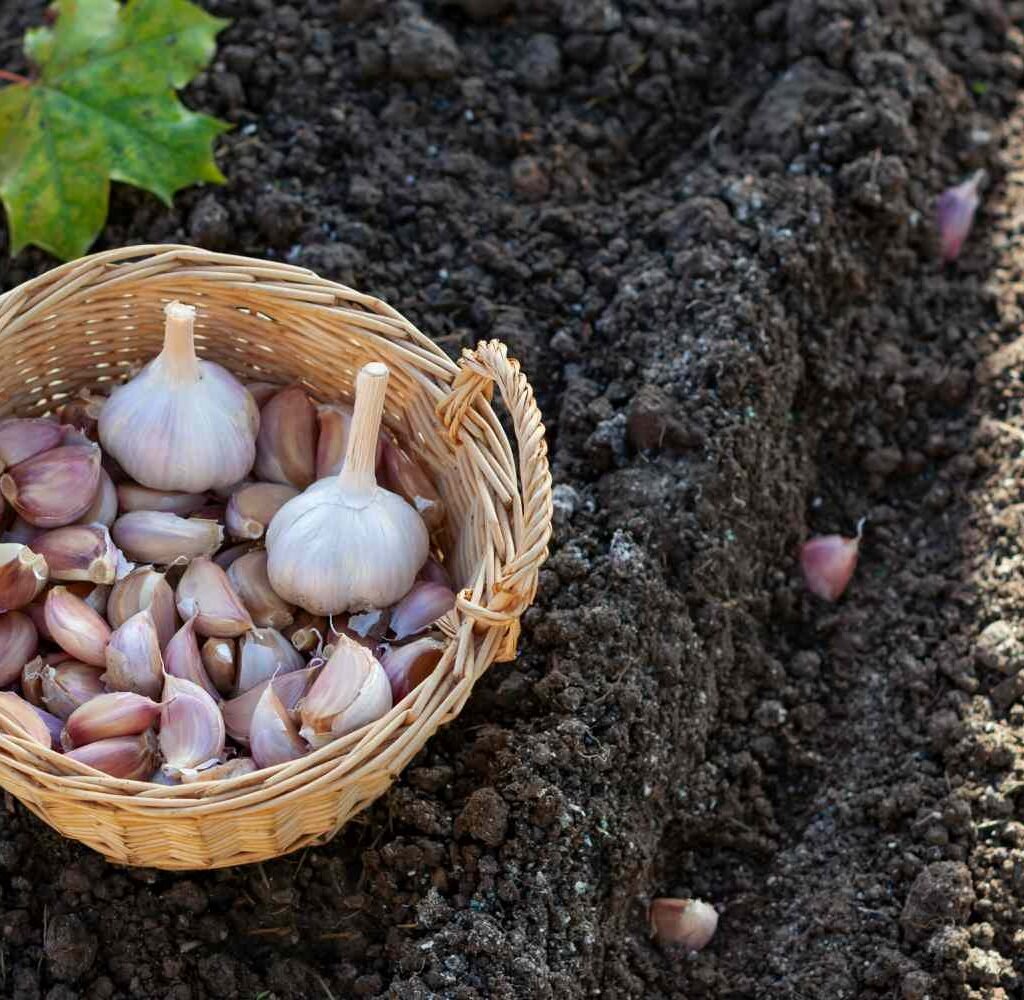
October is the perfect time to plant garlic for a summer harvest. Garlic requires a period of cold weather to develop bulbs, making fall planting essential in most climates. By planting in October, bulbs have time to establish roots before winter, ensuring larger, more flavorful cloves by mid-summer.

Planting Tips:

  • Soil: Loose, well-draining soil with a neutral pH works best. Enriching the soil with compost or well-rotted manure boosts growth.
  • Cloves: Plant individual cloves upright, 2 inches deep and 4–6 inches apart.
  • Sunlight: Garlic thrives in full sun.
  • Care: Water moderately during root development. Once the ground freezes, mulch heavily with straw to protect cloves from extreme cold.

Hardneck varieties, like ‘Rocambole,’ are ideal for colder regions, while softneck types like ‘Silverskin’ grow well in milder climates.


3. Kale (Brassica oleracea var. sabellica)

Kale is another cold-hardy green that tastes sweeter after exposure to frost. Rich in vitamins A, C, and K, kale is highly versatile and can be used in salads, smoothies, and cooked dishes. Its robust leaves withstand cold temperatures, making October the perfect planting time.

Planting Tips:

  • Soil: Fertile, well-draining soil with added compost ensures healthy growth.
  • Spacing: Sow seeds 1/2 inch deep and 12–18 inches apart for mature plants.
  • Sunlight: Full sun is preferred, but kale tolerates partial shade.
  • Watering: Maintain even moisture; mulching helps preserve soil warmth and moisture.

Varieties such as ‘Winterbor’ or ‘Lacinato’ (Dinosaur Kale) perform exceptionally well in late-season planting.


4. Radishes (Raphanus sativus)

Radishes are fast-growing root vegetables that thrive in cool weather. They can be harvested in as little as 3–4 weeks, making them an ideal crop for October planting. Their crisp, peppery roots add flavor to salads, sandwiches, and slaws.

Planting Tips:

  • Soil: Light, well-draining soil enriched with compost promotes uniform root development. Avoid overly rich soil, which may cause roots to split.
  • Spacing: Sow seeds 1/2 inch deep and 1 inch apart; thin to 2 inches apart.
  • Sunlight: Full sun to partial shade is optimal.
  • Watering: Keep the soil moist to prevent radishes from becoming tough or woody.

Varieties like ‘Cherry Belle’ and ‘French Breakfast’ are particularly suited for late-season planting and quick harvests.


5. Carrots (Daucus carota subsp. sativus)

Carrots can be planted in October to take advantage of cooler soil temperatures, which enhance their sweetness. Late-season carrots develop a rich flavor as the plant converts starches into sugars to withstand cold.

Planting Tips:

  • Soil: Loose, sandy soil is ideal for straight, uniform roots. Avoid compacted or rocky soil.
  • Spacing: Sow seeds 1/4 inch deep in rows 12–18 inches apart; thin seedlings to 2–3 inches apart.
  • Sunlight: Full sun is best, but partial shade is acceptable.
  • Watering: Maintain consistent moisture for tender roots; mulch to prevent soil freezing.

Long varieties like ‘Danvers 126’ or ‘Nantes’ are excellent choices for late-season planting and cold tolerance.


6. Lettuce (Lactuca sativa)

Lettuce is highly adaptable and grows quickly in cooler temperatures, making it perfect for October planting. The crisp, flavorful leaves are ideal for fresh salads and sandwiches, and some varieties can survive light frosts.

Planting Tips:

  • Soil: Fertile, well-draining soil with added compost ensures healthy leaf growth.
  • Spacing: Sow seeds 1/4 inch deep; thin seedlings to 6–12 inches apart depending on the variety.
  • Sunlight: Lettuce prefers full sun but tolerates partial shade, especially in warmer regions.
  • Watering: Keep soil evenly moist; frequent light watering helps prevent bitterness.

Consider cold-tolerant varieties like ‘Winter Density,’ ‘Rouge d’Hiver,’ or ‘Buttercrunch’ for a reliable late-season harvest.


Tips for Successful October Planting

  1. Use Row Covers: Lightweight fabric row covers protect young seedlings from early frosts and extend the growing season.
  2. Mulch Strategically: Organic mulches like straw or shredded leaves help maintain soil warmth and moisture.
  3. Succession Planting: Plant crops in intervals to ensure a continuous harvest throughout fall.
  4. Monitor Pests: Cooler weather reduces many pests, but some like slugs and aphids can still cause damage. Use organic controls as needed.
  5. Harvest Early: Pick vegetables promptly as they mature to avoid frost damage and encourage continued growth.

Conclusion

Planting vegetables in October is not only possible but highly rewarding. By selecting the right crops, preparing the soil properly, and providing appropriate care, gardeners can enjoy fresh, nutrient-rich produce well into late fall and early winter. Spinach, garlic, kale, radishes, carrots, and lettuce are excellent choices for late-season planting, offering a combination of fast growth, frost tolerance, and delicious flavor. With careful planning, your October garden can continue to thrive, providing healthy, homegrown vegetables even as the days grow shorter and colder.

Late-season gardening is a wonderful way to maximize your harvest, make efficient use of garden space, and enjoy the satisfaction of fresh produce during the cooler months. So grab your seeds, prepare your soil, and embrace the joys of fall gardening.

When to Cut Back Coneflowers for Maximum Reblooming

When to Cut Back Coneflowers for Maximum Reblooming

Coneflowers, or Echinacea, are beloved perennials known for their vibrant daisy-like blooms, long-lasting color, and pollinator-friendly nature. Their bold flowers attract bees, butterflies, and birds while adding dynamic beauty to garden beds. While coneflowers are hardy and low-maintenance, achieving maximum reblooming throughout the growing season requires proper cutting-back techniques.

Pruning or deadheading at the right time encourages the plant to redirect energy into producing more flowers instead of seed production. This guide explores when and how to cut back coneflowers for consistent blooms, healthier plants, and a longer flowering season.


Why Cutting Back Coneflowers Matters

Coneflowers naturally transition from flowering to seed production. While leaving spent blooms to go to seed can benefit wildlife, it can limit further flowering. Cutting back, or deadheading, serves several purposes:

  1. Encourages Reblooming – Removing spent flowers signals the plant to produce more blooms.
  2. Redirects Energy – Instead of producing seeds, energy goes toward flower formation.
  3. Maintains Plant Health – Improves airflow around stems, reducing disease risk.
  4. Enhances Appearance – Keeps the garden tidy and visually appealing.

Proper timing ensures that the plant’s natural growth cycle is respected while optimizing flower production.


Understanding the Growth Cycle of Coneflowers

Coneflowers are perennials that bloom from mid-summer into early fall, depending on variety and climate:

  • Early Bloomers: Some varieties bloom in late June or early July.
  • Late Bloomers: Other hybrids can continue flowering into October.
  • Seed Production: Flowers left to seed typically stop producing new blooms.

Expert Tip: Observing your plant’s bloom cycle allows you to cut back at the most effective time to encourage additional flowering.


Step 1: Timing Your Cutbacks

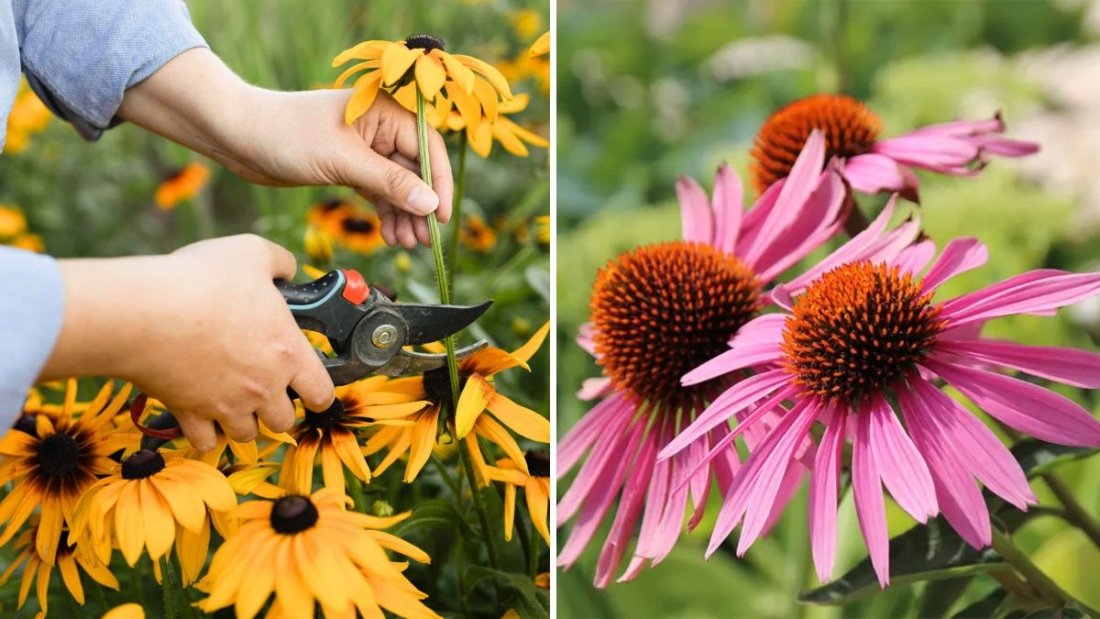
Deadheading for Continuous Blooms

  • Frequency: Deadhead spent blooms every 1–2 weeks during peak flowering.
  • Method: Cut flower stems back to the first set of healthy leaves or just above a leaf node.
  • Effect: Promotes a second wave of blooms and keeps the plant tidy.

Mid-Season Rejuvenation

  • When: Around mid to late summer (July or early August, depending on your region).
  • Purpose: Cuts back overgrown foliage and old flower stems to stimulate new growth.
  • Method: Trim about one-third of the plant down to healthy stems.

End-of-Season Cutback

  • When: After the first frost or once blooms fade in late fall.
  • Purpose: Prepares the plant for winter dormancy and encourages strong regrowth the following spring.
  • Method: Cut stems down to 2–4 inches above the ground. Avoid cutting too low into woody or dead tissue.

Expert Insight: Timely deadheading and seasonal cutbacks ensure maximum flowering and healthier perennials year after year.


Step 2: Proper Deadheading Techniques

Correct deadheading helps maintain plant vigor:

  • Tools Needed: Sharp garden scissors or pruners.
  • Cut Location: Trim just above a leaf set or lateral bud. This prevents damage to new growth.
  • Angle: Cut at a slight angle to promote water runoff and prevent rot.
  • Frequency: Regularly inspect plants for faded blooms to maintain continuous flowering.

Tip: Wearing gloves protects your hands from rough stems and occasional prickles on some varieties.


Step 3: Mid-Season Pruning for Plant Rejuvenation

Mid-season pruning is especially useful for older or tall coneflower varieties:

  • Identify Overgrown Stems: Remove any weak, diseased, or excessively tall stems.
  • Encourage Bushier Growth: Cutting stems encourages lateral branching and more flowering sites.
  • Timing: Perform in early to mid-summer, after the initial bloom wave, to stimulate reblooming.

Expert Insight: Regular mid-season pruning prevents legginess and keeps plants compact and attractive, while boosting bloom quantity.


Step 4: Fertilizing After Deadheading

To support reblooming:

  • Apply Fertilizer: Use a balanced, slow-release fertilizer after deadheading or mid-season pruning.
  • Nutrients Needed: Nitrogen for leafy growth, phosphorus for root and flower development, and potassium for overall plant health.
  • Organic Options: Compost, well-rotted manure, or fish emulsion provide slow-release nutrients and improve soil health.

Tip: Avoid over-fertilizing with high nitrogen fertilizer alone, which encourages excessive foliage at the expense of flowers.


Step 5: Watering for Vigorous Growth

Proper hydration ensures strong stems and abundant blooms:

  • Regular Watering: Provide deep watering once or twice a week during dry spells.
  • Avoid Overwatering: Coneflowers are drought-tolerant; soggy soil can lead to root rot.
  • Mulching: Apply 2–3 inches of mulch to retain moisture, regulate soil temperature, and suppress weeds.

Expert Insight: Consistent water combined with deadheading and fertilization encourages robust flowering and prevents stress-related bloom reduction.


Step 6: Preparing for Winter

Post-season cutback is essential for perennial health:

  • After First Frost: Cut stems to 2–4 inches above the soil line.
  • Leave Some Seedheads (Optional): If you want to attract birds, leave a few seedheads on the plant.
  • Mulching: Apply a layer of mulch over the root zone to protect from freezing temperatures.

Expert Tip: Proper winter preparation ensures the plant emerges healthy in spring, ready for a full bloom cycle.


Common Mistakes to Avoid

  1. Ignoring Deadheading – Leads to fewer flowers and messy garden beds.
  2. Cutting Too Low During Mid-Season – Can remove developing buds and reduce reblooming potential.
  3. Neglecting Fertilization – Plants may fail to produce a second wave of blooms.
  4. Overcrowding – Limits airflow and increases disease risk. Thin plants as needed.
  5. Late-Season Pruning Too Early – Cutting before dormancy can reduce winter hardiness.

Additional Tips for Maximum Rebloom

  • Select Reblooming Varieties: Some hybrids, like ‘Magnus’ or ‘Cheyenne Spirit’, naturally produce a second flush of flowers.
  • Pair with Companion Plants: Planting with asters, black-eyed Susans, or ornamental grasses enhances aesthetic appeal and supports pollinators.
  • Regular Maintenance: Remove weeds, monitor for pests like Japanese beetles, and provide adequate sunlight (6–8 hours daily).
  • Rotate Fertilizer Types: Combine slow-release fertilizers with occasional liquid feeding to encourage continuous blooms.

Conclusion

The secret to maximum reblooming coneflowers lies in timely deadheading, mid-season pruning, fertilization, and proper care.

  • During bloom: Deadhead spent flowers regularly to redirect energy toward new blooms.
  • Mid-season: Rejuvenate older or overgrown plants by trimming one-third of the stems to promote lateral growth.
  • End-of-season: Cut back after frost to prepare the plant for winter dormancy.

By following these strategies, gardeners can enjoy continuous vibrant flowers, healthier plants, and long-lasting visual appeal throughout the growing season. Combining proper pruning with watering, fertilization, and seasonal preparation ensures that your coneflowers remain strong, tall, and reblooming year after year, making them a centerpiece of your perennial garden.

How to Harvest Lavender the Right Way for Oils, Teas, and Crafts

How to Harvest Lavender the Right Way for Oils, Teas, and Crafts

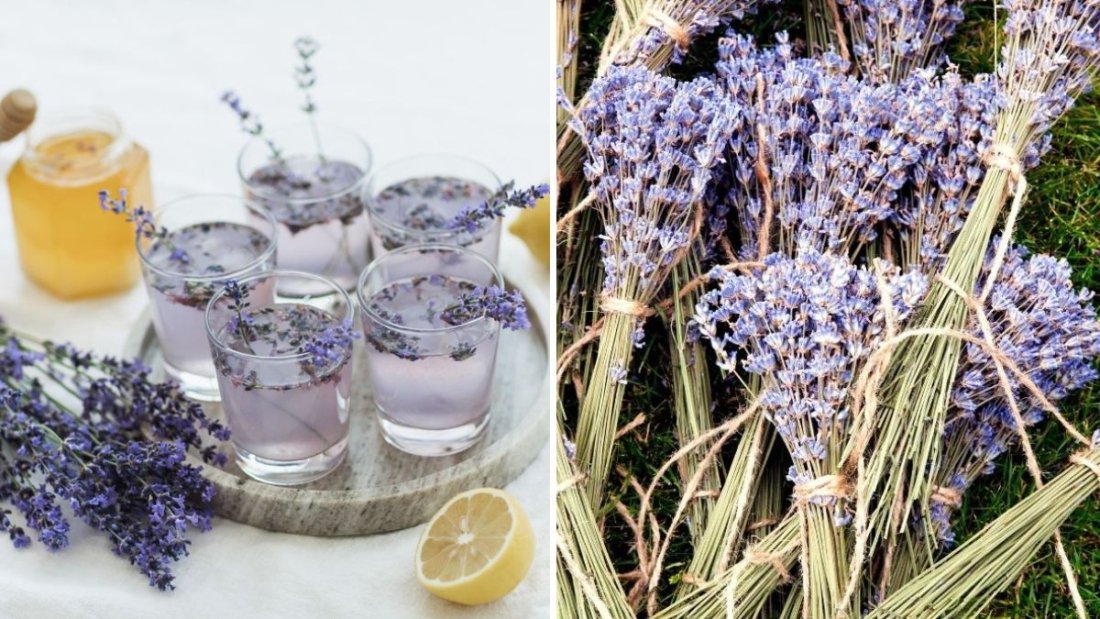
Lavender is celebrated worldwide for its fragrant flowers, calming properties, and versatile uses. From essential oils and herbal teas to wreaths, sachets, and dried floral crafts, lavender offers both beauty and practicality. However, harvesting lavender at the right time and using proper techniques is crucial for maximizing fragrance, flavor, and shelf life. Mistimed or improper harvesting can result in reduced oil content, weak flavor in teas, or brittle stems unsuitable for crafts.

In this guide, we explore how to harvest lavender correctly, including timing, techniques, processing, and storage tips to ensure your lavender remains potent, fragrant, and versatile for all your projects.


Understanding Lavender Varieties

Different lavender varieties have unique characteristics that influence harvesting:

  • English Lavender (Lavandula angustifolia) – Most common for essential oils, culinary use, and crafts. Fragrant and hardy in temperate climates.
  • French Lavender (Lavandula dentata) – Known for decorative foliage and flowers; less fragrant than English lavender.
  • Spanish Lavender (Lavandula stoechas) – Unique pineapple-shaped blooms; used primarily for ornamental purposes and some crafts.

Expert Tip: Choose a variety that suits your intended use—English lavender is ideal for oils and teas, while French and Spanish lavender excel in ornamental and craft applications.


When to Harvest Lavender

Timing is critical for optimal fragrance, flavor, and potency:

  1. Essential Oils – Harvest when 50–75% of the flower buds have opened. Peak oil content occurs just before full bloom.
  2. Teas – Harvest just as buds begin to open; avoid fully bloomed flowers, which may taste bitter.
  3. Crafts – Harvest when flowers are vibrant but not fully open to retain color and structure in dried arrangements.

Seasonal Timing:

  • In temperate climates, lavender blooms from late spring to mid-summer.
  • Harvest in the morning after dew evaporates for maximum essential oils and moisture-free flowers.

Step 1: Preparing for Harvest

Proper preparation ensures clean, high-quality lavender:

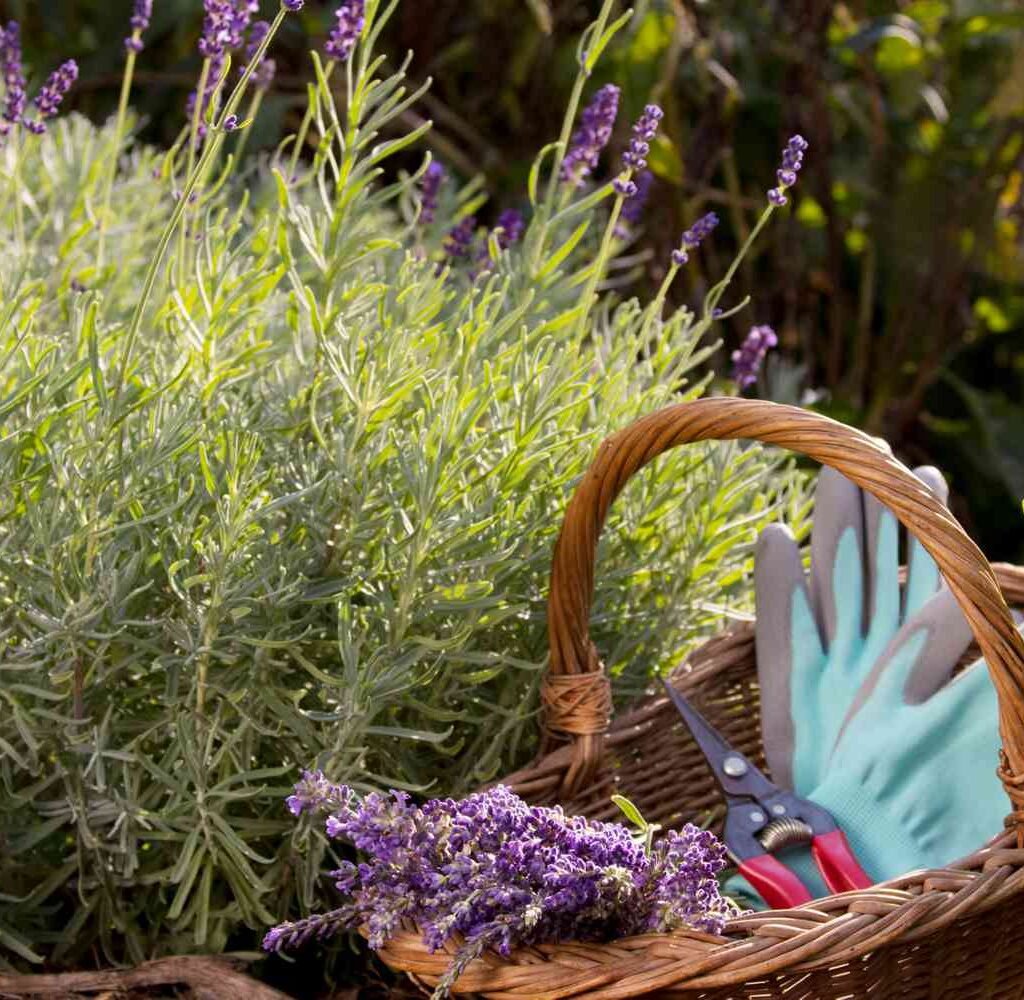
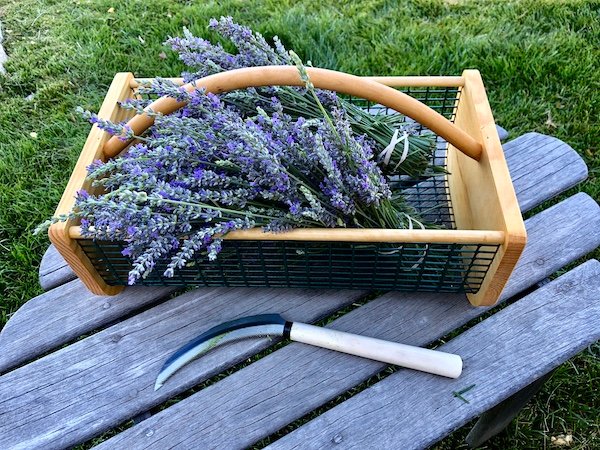
  • Tools Needed: Sharp garden scissors, pruners, or shears.
  • Containers: Baskets or trays for gentle collection; avoid plastic bags, which trap moisture.
  • Protect Yourself: Long sleeves and gloves help prevent irritation from foliage.

Expert Tip: Sterilize tools before cutting to prevent contamination and preserve fragrance quality.


Step 2: Cutting Lavender Correctly

Correct cutting techniques preserve plant health and maximize flower quality:

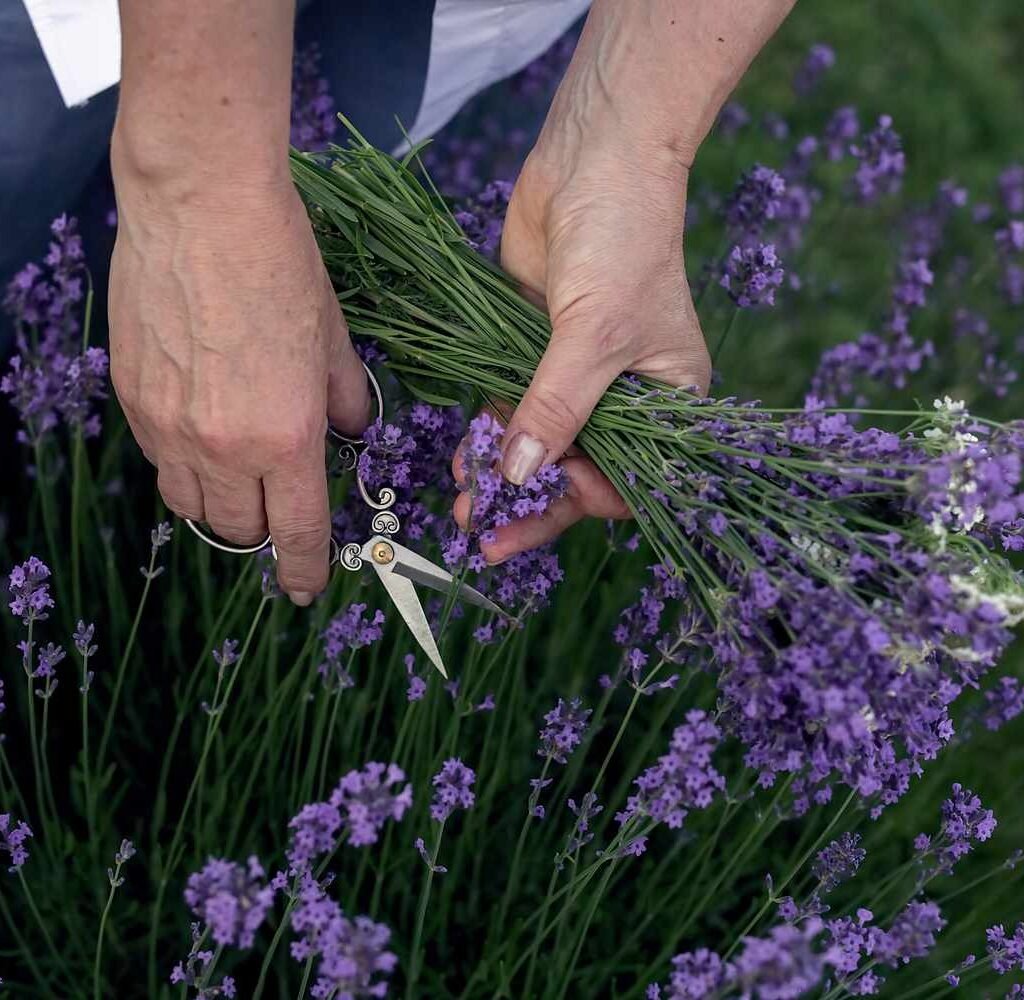
  • Where to Cut: Trim stems about 1–2 inches above the woody base. Avoid cutting into old, woody growth as it may not regrow.
  • Stem Length: For essential oils, leave longer stems for easier handling. For teas and crafts, stems can be 6–12 inches.
  • Angle: Make cuts at a slight angle to facilitate water runoff and reduce rot risk.

Expert Insight: Regular harvesting encourages the plant to produce more flowers throughout the season and prevents overgrowth.


Step 3: Processing Lavender for Different Uses

A. Essential Oils

  • Distillation Method: Freshly cut stems can be distilled immediately to extract oils.
  • Drying First: Some prefer air-drying stems for 24–48 hours to concentrate fragrance.
  • Storage: Store oils in dark, airtight glass bottles away from sunlight to preserve potency.

Tip: Harvesting in the morning preserves more volatile oils compared to late afternoon cutting.

B. Teas

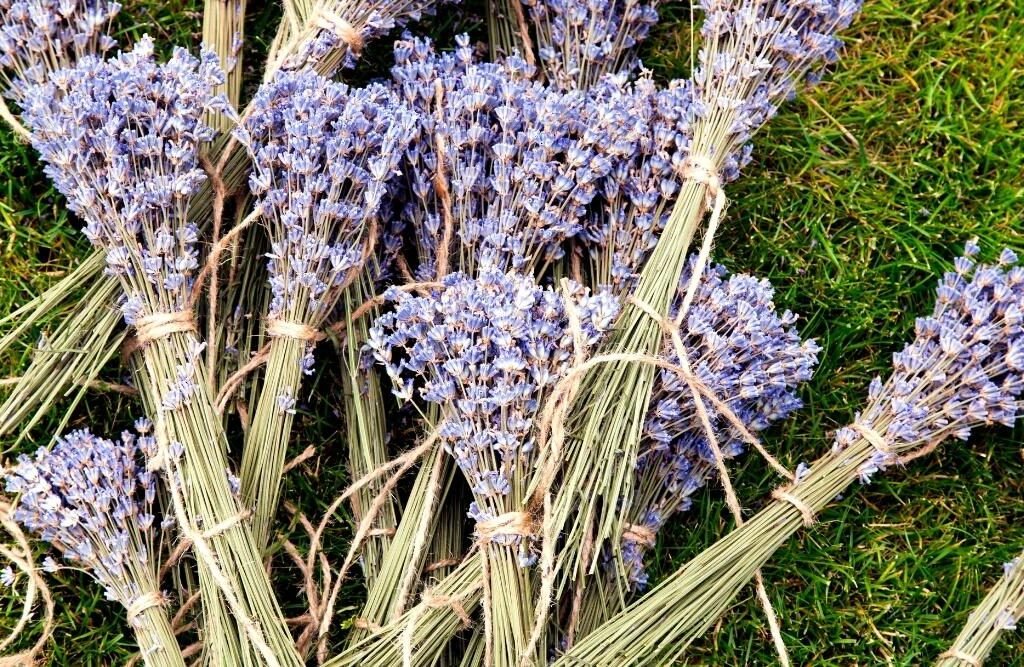
  • Drying: Hang stems upside down in a cool, dark, and well-ventilated area.
  • Duration: Allow 2–4 weeks for complete drying; flowers should crumble easily between fingers.
  • Storage: Store dried buds in airtight containers for up to a year.

Tip: Only use fragrant, undamaged flowers for teas to ensure flavor and safety.

C. Crafts

  • Wreaths and Bouquets: Cut longer stems (10–12 inches). Remove lower leaves for cleaner arrangements.
  • Drying Method: Hang in small bundles in a dark, dry, and ventilated area to retain color.
  • Preservation: Add a light mist of hairspray or floral sealant for longer-lasting crafts.

Expert Insight: Harvest slightly before full bloom to prevent color fading and brittle stems during drying.


Step 4: Post-Harvest Care

  • Avoid Moisture: Wet flowers can develop mold and reduce fragrance.
  • Air Circulation: Ensure good airflow around drying bundles.
  • Check Regularly: Inspect for insects or decay during drying.

Tip: For essential oils, processing should ideally occur within 24 hours of harvesting to maintain maximum oil content.


Tips for Extending Lavender Productivity

  1. Regular Pruning – Trim after the first harvest to encourage a second bloom in late summer or early fall.
  2. Fertilization – Light feeding with balanced or low-nitrogen fertilizer supports healthy stems and blooms.
  3. Water Management – Lavender prefers slightly dry soil; overwatering reduces oil concentration and weakens stems.
  4. Sunlight – Full sun exposure (6–8 hours/day) ensures strong, fragrant flowers.
  5. Pest Management – Protect from aphids and fungal infections to maintain flower quality.

Common Harvesting Mistakes to Avoid

  • Harvesting Too Early or Late – Early buds may lack fragrance; fully open blooms lose essential oils and color.
  • Cutting Into Old Wood – Can damage the plant and reduce future flowering.
  • Improper Drying – Hanging bundles in direct sunlight can bleach colors and reduce scent.
  • Overcrowding Stems – Bundles that are too thick restrict airflow and promote mold.
  • Using Dull Tools – Can crush stems and damage buds, reducing oil yield and aesthetic appeal.

Conclusion

Harvesting lavender correctly is both an art and a science. Whether your goal is essential oils, herbal teas, or decorative crafts, timing, technique, and post-harvest processing determine the quality and longevity of your flowers.

  • For oils: Harvest when 50–75% of buds have opened, ideally in the morning.
  • For teas: Use partially opened flowers for maximum flavor.
  • For crafts: Cut slightly before full bloom to retain color and structural integrity.

By following these guidelines—selecting the right variety, cutting stems properly, drying under optimal conditions, and caring for plants post-harvest—you can ensure your lavender remains fragrant, flavorful, and visually stunning throughout the year.

With proper care, a single lavender plant can produce multiple harvests, enriching your garden and providing a sustainable source of flowers for culinary, therapeutic, and creative projects.

How To Mix Evergreens and Perennials for Year-Round Appeal

How To Mix Evergreens and Perennials for Year-Round Appeal

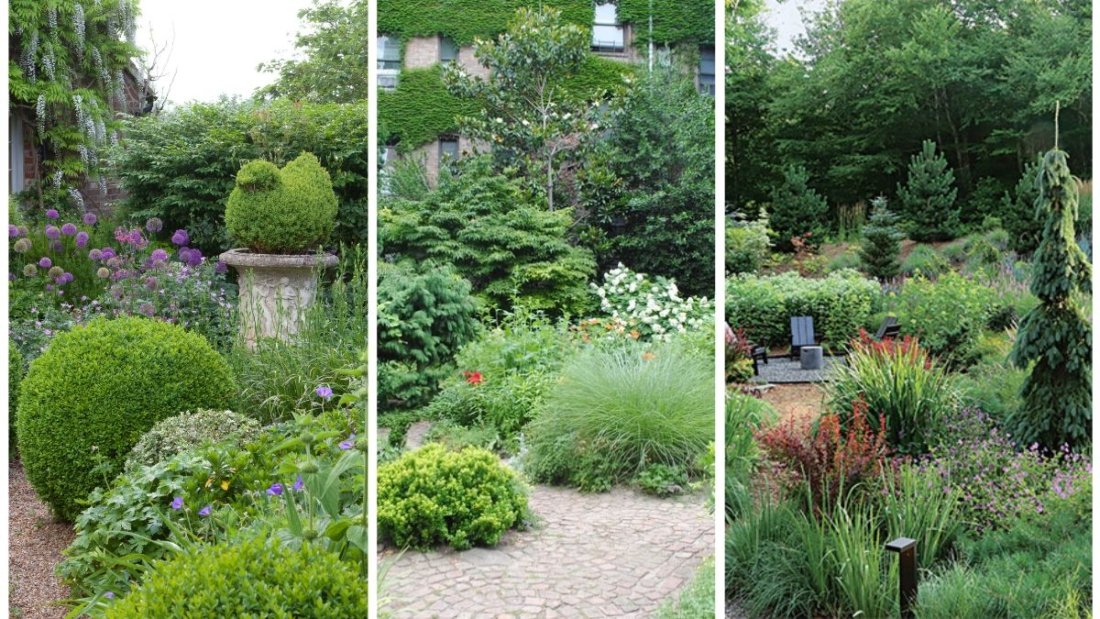
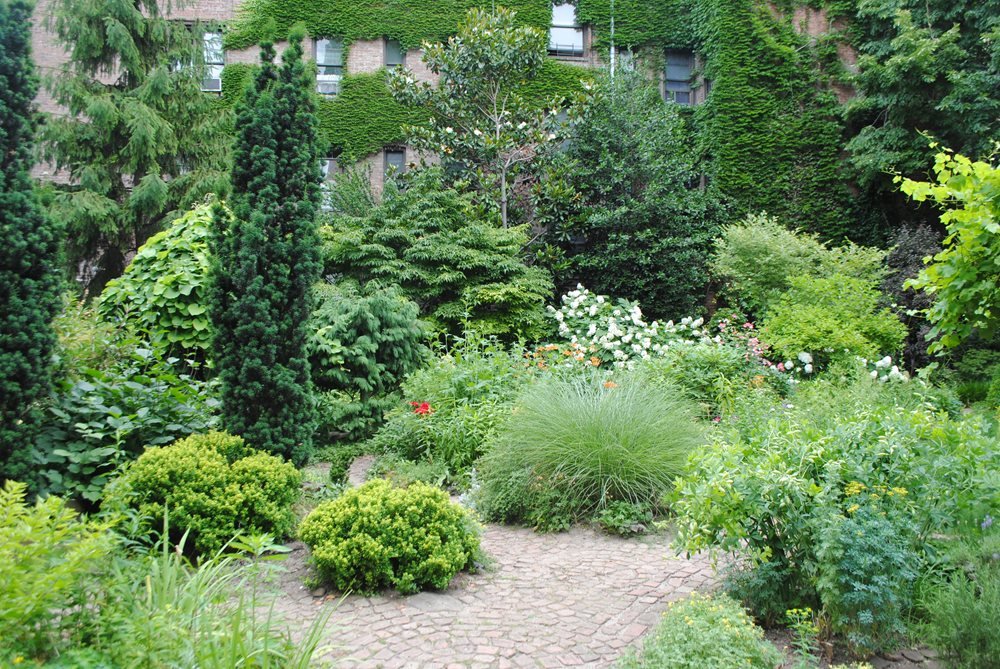
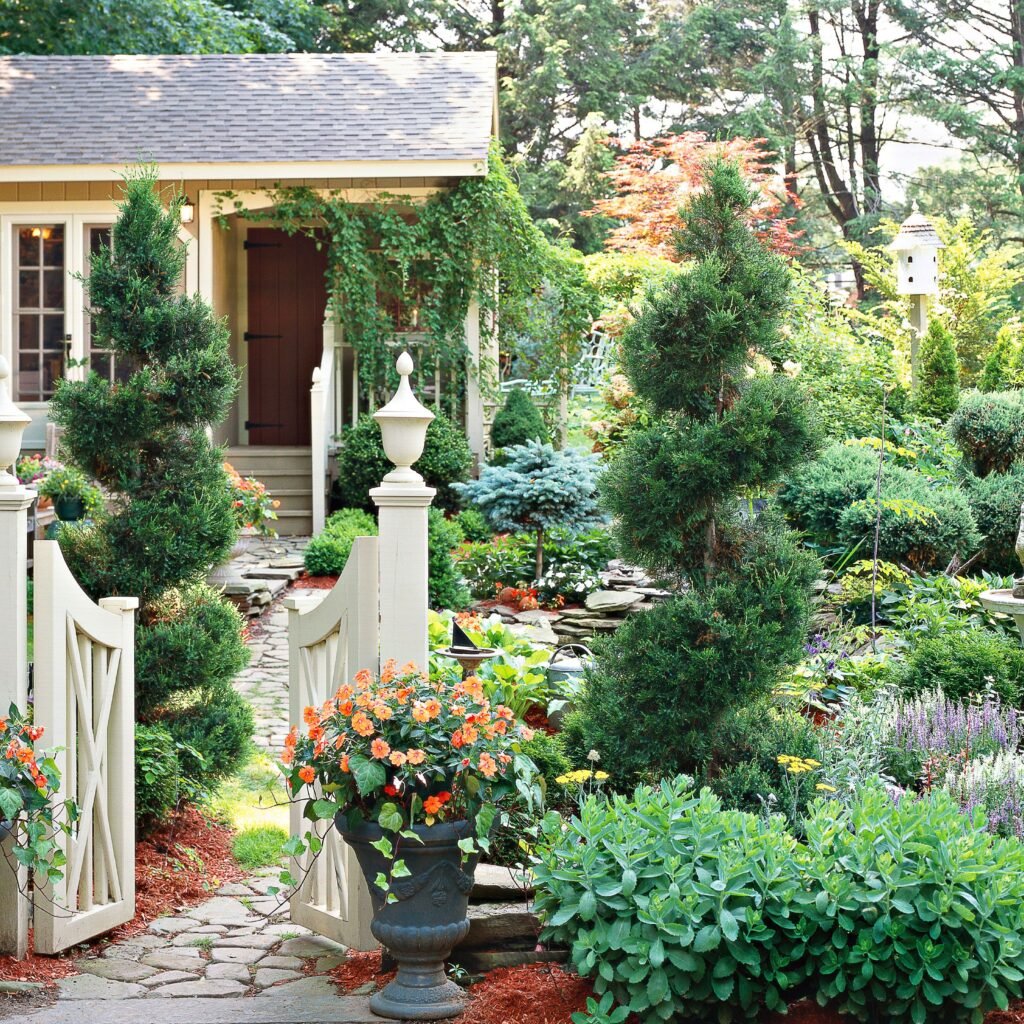
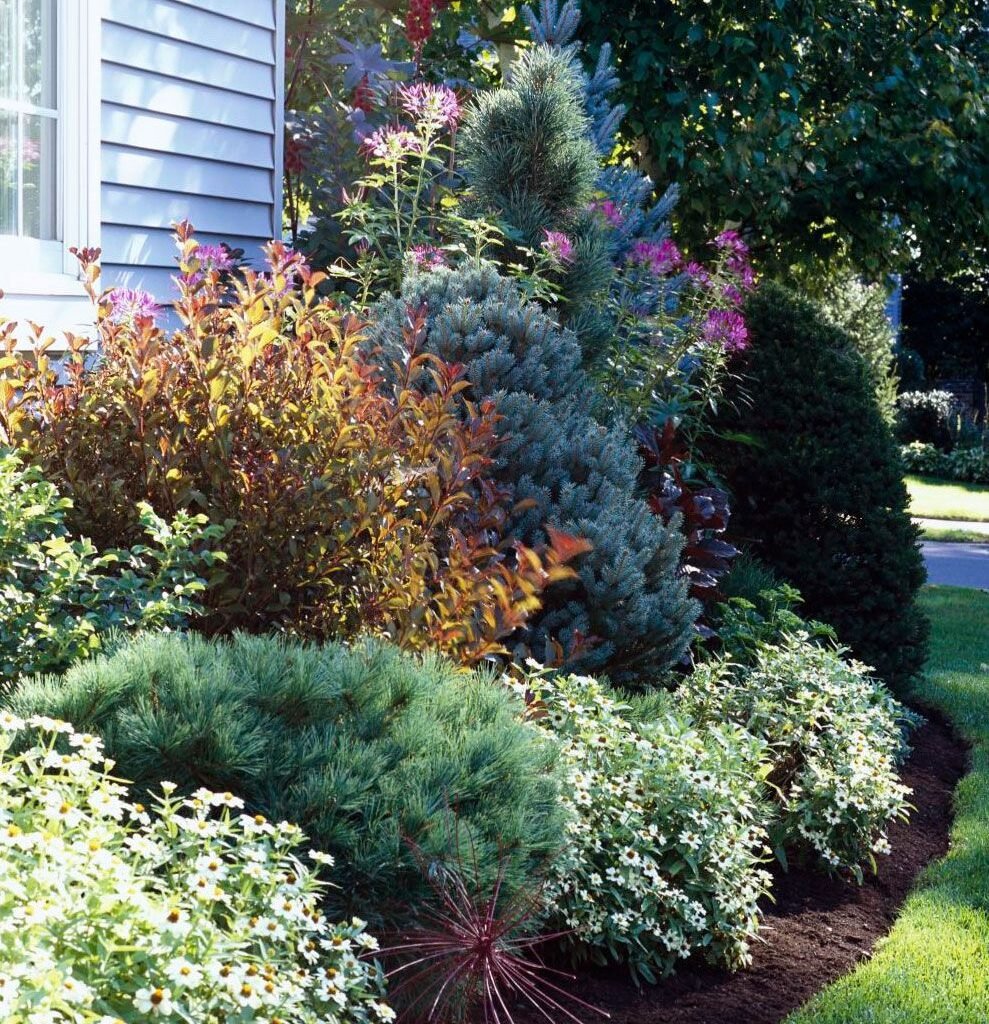
Creating a garden that captivates throughout the year requires more than planting flowers seasonally. While perennials offer vibrant color, textures, and seasonal blooms, evergreens provide structure, stability, and year-round greenery. When thoughtfully combined, these two plant types can create a garden that is visually appealing, balanced, and low-maintenance regardless of the season. This article explores how to mix evergreens and perennials effectively, offering practical tips, design strategies, and plant suggestions for achieving year-round garden beauty.


1. Understanding the Roles of Evergreens and Perennials

Before mixing plants, it is important to understand the unique contributions of evergreens and perennials.

  • Evergreens: These plants retain foliage throughout the year, providing consistent greenery, structure, and height. Examples include boxwood, holly, juniper, and yew. Evergreens act as a canvas for seasonal plantings, defining garden borders, and anchoring the landscape. They are particularly valuable during winter when flowering plants are dormant.
  • Perennials: Perennials bloom for specific periods, adding seasonal color, texture, and movement to the garden. Plants such as coneflowers, daylilies, hostas, and asters provide a continuous rotation of visual interest. By selecting perennials with staggered bloom times, you can create a dynamic garden that changes with the seasons.

Mixing these two types of plants ensures that your garden maintains appeal year-round, combining stability with vibrant seasonal highlights.


2. Plan Your Garden Layers for Visual Balance

Layering is a critical strategy when mixing evergreens and perennials. Proper layering creates depth, contrast, and a cohesive look.

  • Height Layering: Place taller evergreens at the back or center of garden beds, mid-height perennials in the middle, and low-growing ground covers or perennials in the front. For example, a row of upright yews can serve as a backdrop for purple coneflowers, while creeping thyme or dwarf hostas add foreground interest.
  • Color Layering: Evergreens provide a neutral green background that allows perennials to shine. Use complementary color palettes, such as deep purple and bright yellow flowers, to create striking contrast against rich green foliage.
  • Texture Layering: Mix fine-textured perennials like ferns or ornamental grasses with bold-leaved evergreens such as boxwood or holly. This contrast adds dimension and keeps the garden visually engaging throughout the year.

By layering plants based on height, color, and texture, your garden will have a well-structured, polished look all year long.


3. Choose Evergreens That Complement Seasonal Blooms

Selecting the right evergreen species is key to supporting the beauty of your perennials.

  • Boxwood (Buxus spp.): Its compact, formal shape works well as hedges or borders, providing a structured backdrop for flowering perennials.
  • Holly (Ilex spp.): Offers glossy leaves and bright red berries in winter, adding color when perennials are dormant.
  • Juniper (Juniperus spp.): Low-growing varieties provide ground cover and texture contrast, while upright forms add vertical interest.
  • Yew (Taxus spp.): Adaptable to pruning and shaping, making it ideal for sculpted forms or as a focal point in beds.

When selecting evergreens, consider their growth habits, color, and seasonal features. This ensures that they harmonize with the perennials and support a dynamic, year-round design.


4. Select Perennials for Seasonal Continuity

Perennials bring seasonal color, fragrance, and movement to the garden. By choosing plants with staggered bloom times and complementary foliage, you can maintain continuous interest.

Spring Perennials

  • Hosta: Lush foliage with subtle blooms; works well alongside evergreen shrubs.
  • Bleeding Heart (Dicentra spectabilis): Adds delicate color and charm.
  • Astilbe: Feathery plumes that contrast nicely with structured evergreens.

Summer Perennials

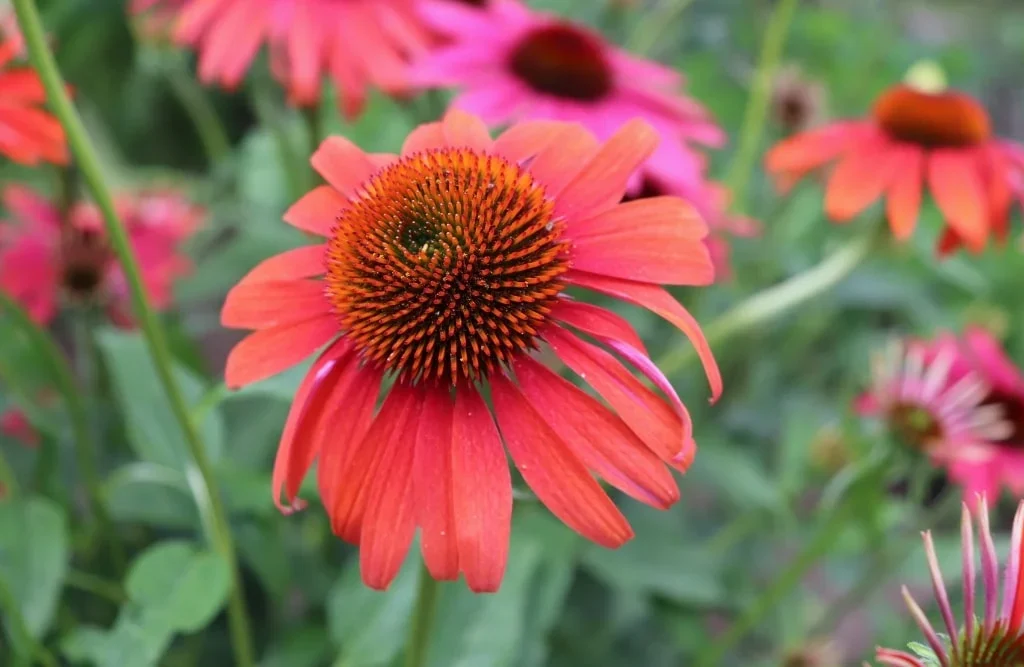
  • Echinacea (Coneflower): Bright, long-lasting blooms that attract pollinators.
  • Daylilies (Hemerocallis spp.): Easy to maintain and produce continuous flowers.
  • Lavender: Adds fragrance and soft texture.

Fall Perennials

  • Asters: Rich purples and blues extend color into autumn.
  • Sedum (Autumn Joy): Rust-colored blooms complement green evergreen backdrops.
  • Ornamental Grasses: Provide movement and texture as leaves change color.

Winter Interest

  • While most perennials die back, select species with attractive seed heads or foliage. Plants like echinacea, ornamental grasses, and hellebores provide subtle interest and work beautifully with evergreen elements.

By planning perennials based on bloom seasons, your garden maintains layered color and visual appeal year-round.
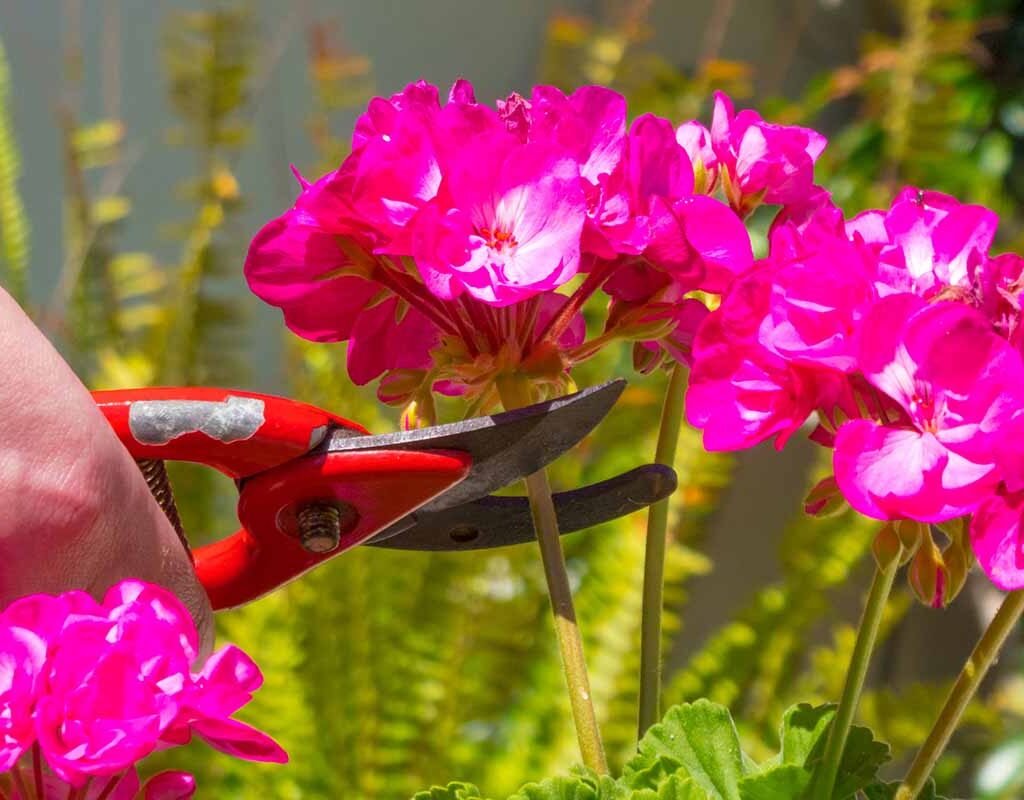

5. Create Dynamic Contrasts and Focal Points

Mixing evergreens and perennials is not just about filling space—it’s about creating contrasts and focal points that capture attention.

  • Color Contrast: Bright or bold perennials pop against dark green evergreens. Consider red or yellow blooms alongside holly or boxwood.
  • Textural Contrast: Pair broad-leaved evergreens with fine-textured perennials. For instance, yew’s dark, dense foliage with airy astilbe or ornamental grasses adds visual interest.
  • Seasonal Focal Points: Evergreens like holly or yew can serve as winter focal points, while summer perennials like coneflowers draw the eye during peak bloom periods.

Strategically placing contrasting plants ensures the garden remains visually compelling, regardless of the season.


6. Consider Plant Groupings and Repetition

Repetition and grouping create rhythm and cohesion in the garden.

  • Cluster Planting: Plant evergreens and perennials in clusters to create visual impact rather than scattering them randomly.
  • Repetition: Repeat key perennials and evergreen species throughout the garden to unify the design and create harmony.
  • Mix Heights and Textures: Group tall perennials with medium-height evergreens and low ground covers to establish clear layering.

Thoughtful grouping emphasizes the natural beauty of each plant and ensures a seamless transition between seasons.


7. Maintenance Tips for Year-Round Appeal

Maintaining a mixed garden of evergreens and perennials ensures it stays vibrant throughout the year.

  • Pruning and Deadheading: Regularly prune evergreens to maintain shape and remove dead branches. Deadhead perennials to encourage prolonged flowering.
  • Mulching: Apply mulch to retain moisture, suppress weeds, and protect perennials during winter.
  • Fertilization: Feed evergreens in early spring and fall, while perennials may require additional summer fertilization for prolonged blooms.
  • Watering: Both plant types require consistent watering during dry periods, especially new plantings.
  • Seasonal Updates: Replace perennials that underperform or adjust plant combinations to refresh the garden’s visual appeal.

Proper maintenance preserves the balance, vibrancy, and structure of the garden year-round.
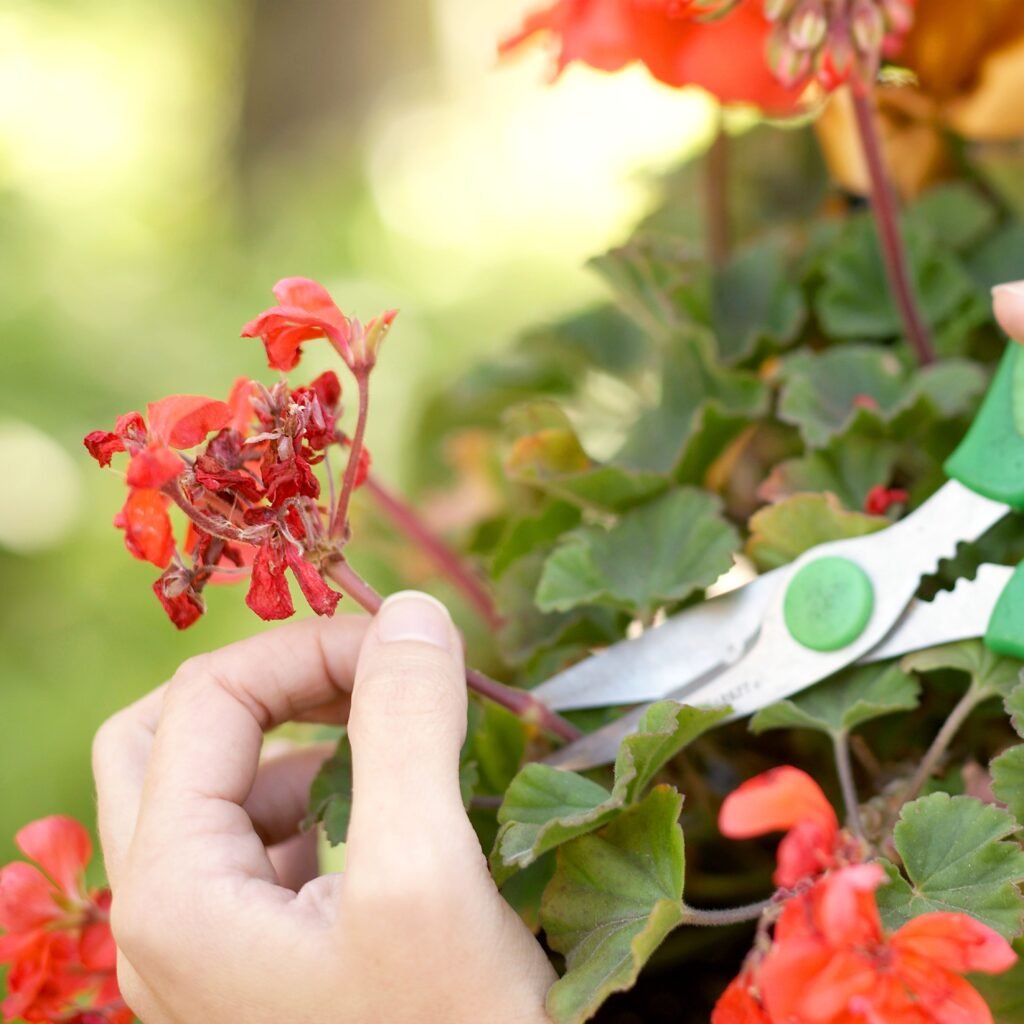

Conclusion

Mixing evergreens and perennials is a proven strategy to create a garden that captivates throughout the year. Evergreens provide structure, color continuity, and winter interest, while perennials offer seasonal blooms, texture, and movement. By thoughtfully layering plants, selecting complementary species, and maintaining proper spacing, you can design a dynamic garden that is visually appealing in every season.
Strategic contrasts, focal points, and repetition further enhance the garden’s aesthetic, making it a harmonious and inviting outdoor space. With careful planning and consistent care, a garden that combines evergreens and perennials provides year-round charm, functionality, and enjoyment for homeowners and visitors alike.