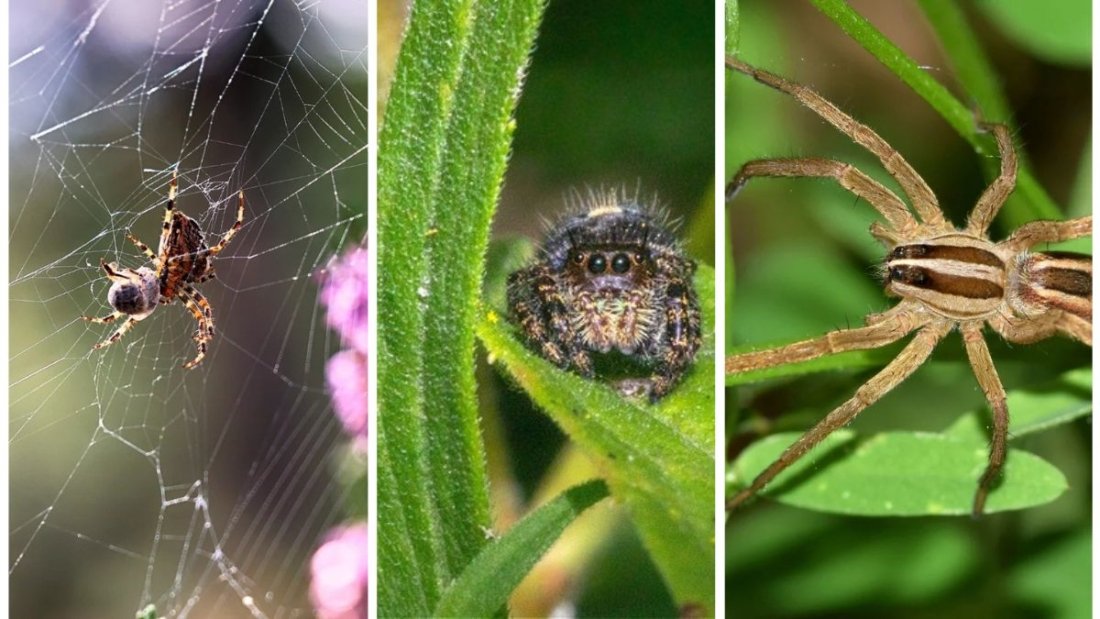
Why Spiders Are Actually Great for Your Yard

Why Spiders Are Actually Great for Your Yard

When most people think of spiders, they picture webs in corners of their homes or fearsome bites. However, in the context of your yard, spiders are not villains—they are unsung heroes. These eight-legged predators play a critical role in maintaining a balanced garden ecosystem, naturally controlling pests, supporting biodiversity, and even contributing to the overall health of your plants.

This article delves into the benefits of spiders in your yard, explains why they should be welcomed, and provides practical tips for fostering a spider-friendly environment that enhances your garden’s productivity and sustainability.


Understanding Spiders in the Yard
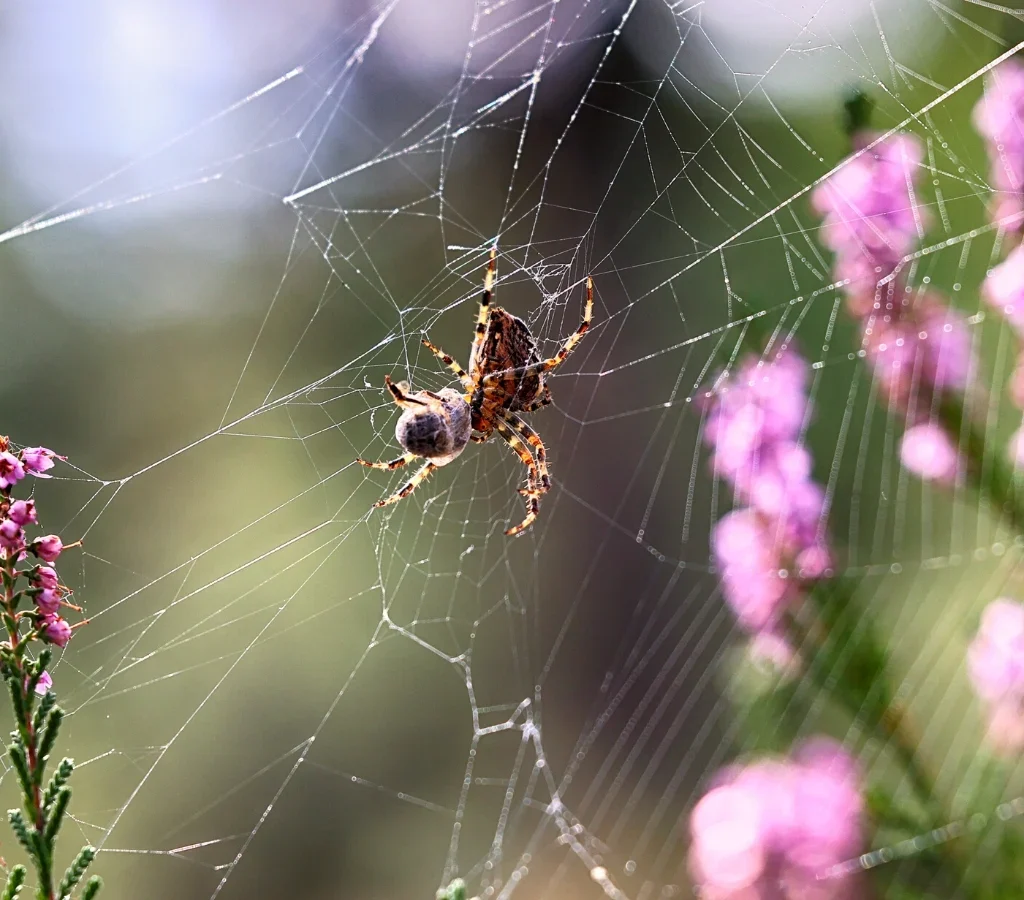
Spiders belong to the class Arachnida, which distinguishes them from insects by their eight legs, two main body segments, and lack of wings. Most garden spiders are harmless to humans and are vital predators of insects that would otherwise damage plants.

Common Garden Spiders

  • Orb-Weaving Spiders: Known for their large, circular webs, these spiders trap flying insects such as flies, mosquitoes, and moths.
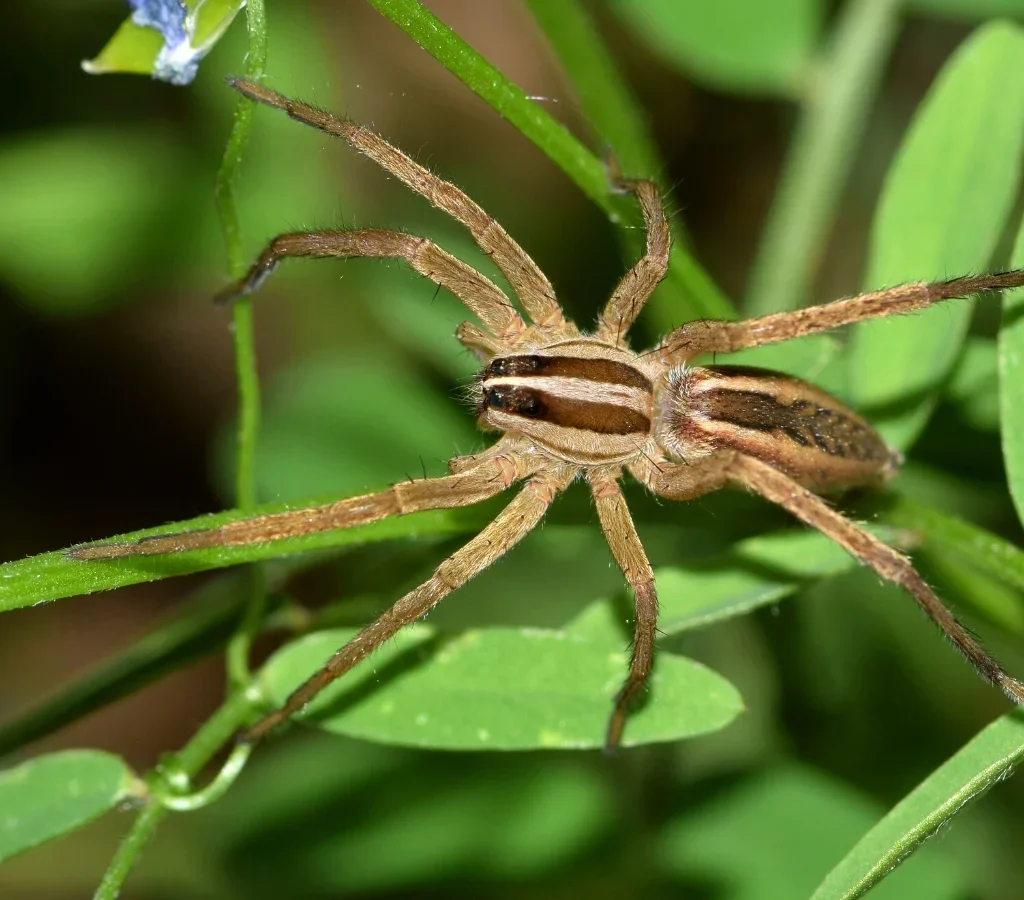
  • Wolf Spiders: Ground-dwelling hunters that actively chase insects, controlling populations of beetles, crickets, and caterpillars.
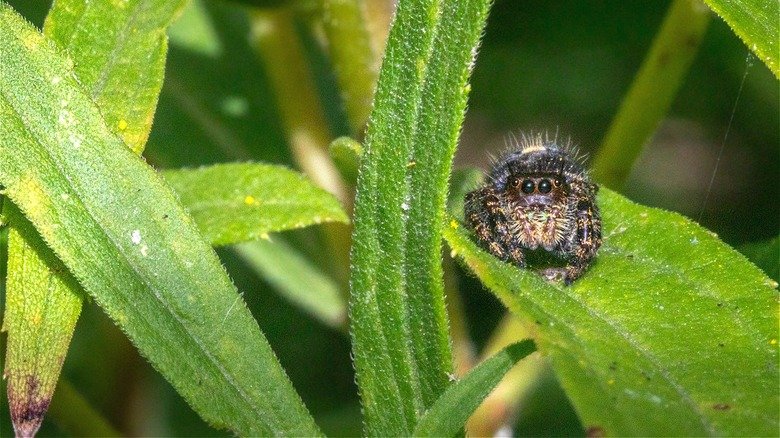
  • Jumping Spiders: Agile hunters that rely on keen vision to pounce on prey, feeding primarily on small insects.
  • Funnel-Web Spiders: Build funnel-shaped webs where they ambush insects, particularly active at night.

Recognizing these species can help gardeners appreciate the diverse ways spiders contribute to a healthy yard.


1. Natural Pest Control
Perhaps the most significant benefit of spiders is their role as natural pest control agents:

  • Insect Predators: Spiders consume a wide range of insects, including aphids, caterpillars, mosquitoes, and flies—many of which are harmful to plants.
  • Reduces Chemical Use: By controlling pests naturally, spiders reduce the need for chemical insecticides that can harm beneficial insects, soil microorganisms, and the surrounding environment.
  • Continuous Protection: Unlike intermittent pesticide application, spiders hunt continuously, providing ongoing protection to your garden.

A single spider can consume hundreds of insects each season, making them highly efficient and cost-effective allies.


2. Support for Pollinators

While spiders prey on insects, they do not typically target pollinators such as bees and butterflies. Their presence indirectly benefits these essential species:

  • Balancing Insect Populations: By controlling herbivorous pests, spiders protect flowers and leafy plants, ensuring that pollinators have access to healthy blooms.
  • Creating Microhabitats: Spider webs attract small insects, which in turn attract birds and other wildlife, promoting a diverse ecosystem that supports pollinator activity.

Healthy pollinator populations are crucial for fruiting plants, vegetables, and flowers, making spiders valuable contributors to garden productivity.


3. Enhancing Biodiversity and Soil Health
Spiders play a key role in fostering a balanced ecosystem in your yard:

  • Food Web Integration: Spiders are both predators and prey. Birds, lizards, and small mammals feed on spiders, creating a balanced food chain.
  • Soil Protection: By reducing insect damage to plants, spiders help maintain plant health, which supports soil fertility through leaf litter and organic matter.
  • Biodiversity Indicator: A healthy population of spiders often indicates a robust and balanced ecosystem, suggesting fewer chemical interventions and more natural resilience.

Encouraging spiders in your yard promotes biodiversity, creating a more resilient garden that can better withstand pest outbreaks.


4. Reducing Disease-Carrying Insects

Spiders are effective hunters of mosquitoes, gnats, and other insects that carry diseases:

  • Mosquito Control: Orb-weaving and funnel-web spiders catch flying insects, helping to reduce mosquito populations in your yard.
  • Disease Prevention: By limiting mosquito and fly numbers, spiders contribute to a healthier outdoor environment and reduce the risk of diseases such as West Nile virus.

Even a modest population of spiders can have a significant impact on the number of disease-carrying insects in your yard.


5. Low-Maintenance, Eco-Friendly Yard Allies
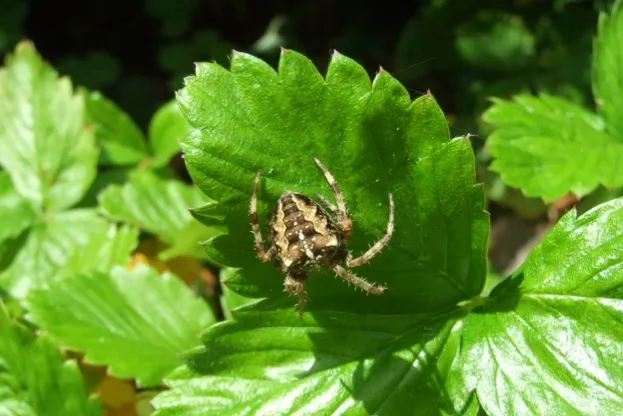
Spiders are self-sufficient and environmentally friendly:

  • Self-Sustaining: They require no feeding or care and naturally regulate their populations based on prey availability.
  • No Chemicals Needed: Spiders provide pest control without toxic pesticides or chemical runoff that can harm soil and water sources.
  • Cost-Effective: Encouraging spiders is free and reduces the need for purchased insecticides.

By supporting spider populations, gardeners gain continuous protection for their plants with minimal effort or cost.


Encouraging Spiders in Your Yard
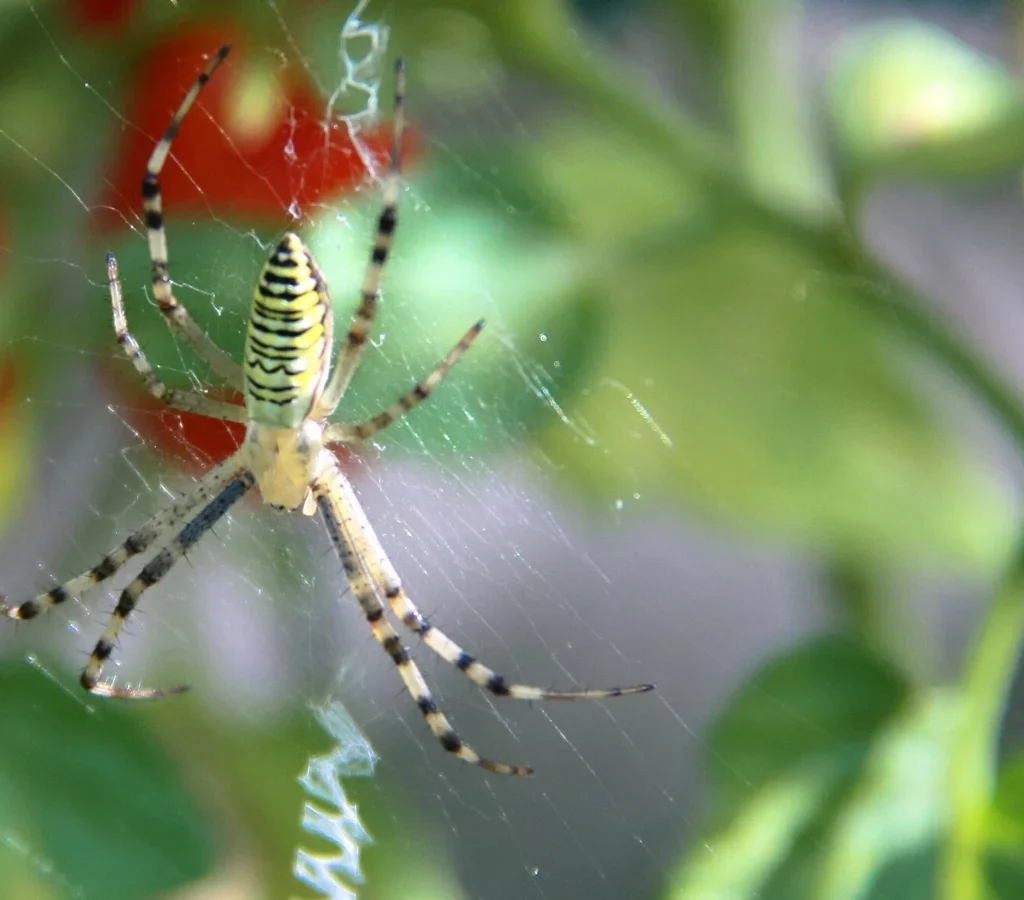
Creating a spider-friendly environment involves simple, natural practices:

1. Provide Shelter

  • Leaf piles, mulch, and garden borders offer hiding spots for ground-dwelling spiders.
  • Shrubs, tall grasses, and ornamental plants give web-building spiders anchor points for webs.

2. Reduce Pesticide Use

  • Avoid broad-spectrum insecticides that can harm spiders.
  • Use targeted or organic solutions when intervention is necessary.

3. Plant Diversity

  • A mix of flowers, shrubs, and groundcover attracts diverse insect prey, supporting spider populations.
  • Dense plantings encourage web construction and offer shelter.

4. Water Sources

  • Small birdbaths or garden ponds attract insects, providing a food source for spiders while maintaining garden hydration.

5. Educate and Tolerate

  • Most garden spiders are harmless; avoid unnecessary removal.
  • Understanding their ecological role fosters appreciation and reduces fear.

Addressing Common Concerns

Fear of Bites

  • Most garden spiders are harmless to humans. Bites are rare and usually occur only if the spider feels threatened.
  • Wearing gloves when gardening and avoiding direct handling of spiders prevents bites.

Web Management

  • Webs can be unsightly in high-traffic areas, but strategic placement of plants and shrubs allows spiders to hunt without interfering with daily activities.
  • Encourage webs in less-trafficked areas to maintain both aesthetics and pest control.

By addressing these concerns, gardeners can coexist with spiders safely and effectively.


Conclusion

Spiders are essential allies for any yard, providing natural pest control, supporting pollinators, enhancing biodiversity, reducing disease-carrying insects, and offering eco-friendly, low-maintenance benefits. Rather than viewing them as pests, gardeners should recognize spiders as valuable contributors to a thriving, balanced ecosystem.

Creating a spider-friendly environment involves providing shelter, minimizing pesticide use, encouraging plant diversity, and tolerating harmless webs. In doing so, you can reduce chemical interventions, improve plant health, and enjoy a lush, productive yard.

In essence, spiders are not the enemy—they are vital partners in cultivating a sustainable, vibrant, and pest-resistant garden. By appreciating their role, gardeners can foster a yard where plants, insects, and spiders coexist harmoniously, ultimately supporting a healthier, more resilient outdoor space.
The Best Plants to Attract Beneficial Predatory Insects

The Best Plants to Attract Beneficial Predatory Insects

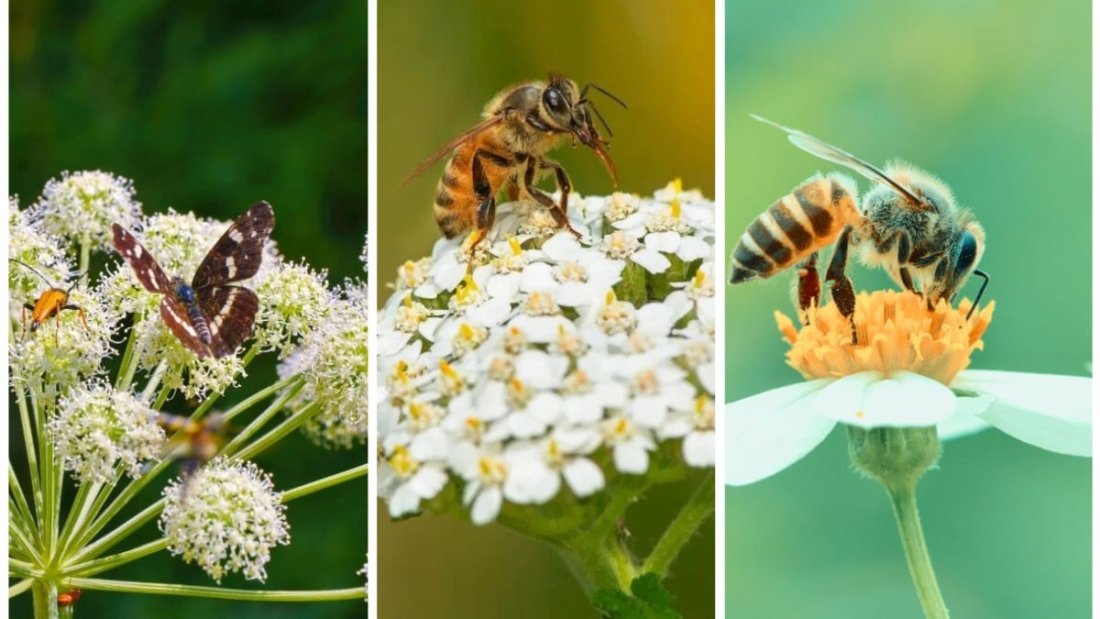
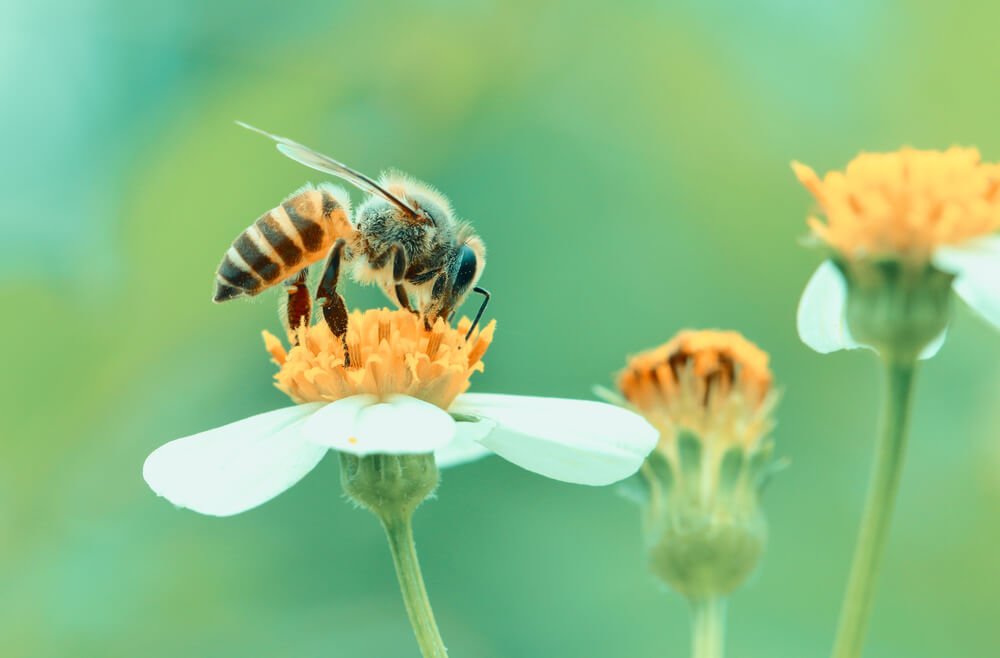
A thriving garden is not only about vibrant flowers or lush vegetables—it’s about balance. One of the most effective ways to maintain a healthy garden ecosystem is by attracting beneficial predatory insects. These natural allies help control pests, pollinate flowers, and reduce the need for chemical interventions. Selecting the right plants can make your garden a welcoming habitat for these insects, boosting both productivity and biodiversity.

This article explores the best plants to attract beneficial predatory insects, explaining their role, the types of insects they attract, and practical strategies for planting them effectively.


Understanding Beneficial Predatory Insects

Beneficial predatory insects are natural enemies of common garden pests. They feed on aphids, caterpillars, mites, and other insects that can damage plants. By attracting these insects, gardeners create a self-regulating ecosystem that minimizes pest outbreaks naturally.

Common Beneficial Predatory Insects

  • Ladybugs (Coccinellidae): Feed primarily on aphids, mealybugs, and spider mites.
  • Lacewings (Chrysopidae): Their larvae consume a wide variety of soft-bodied insects.
  • Hoverflies (Syrphidae): Larvae feed on aphids, while adults act as pollinators.
  • Parasitic Wasps: Lay eggs in pest insects, naturally controlling their population.
  • Predatory Beetles: Ground beetles and rove beetles feed on soil-dwelling pests like slugs and grubs.

Understanding these insects’ needs helps in selecting the most effective plants to attract them.


1. Umbelliferous Plants: A Top Choice

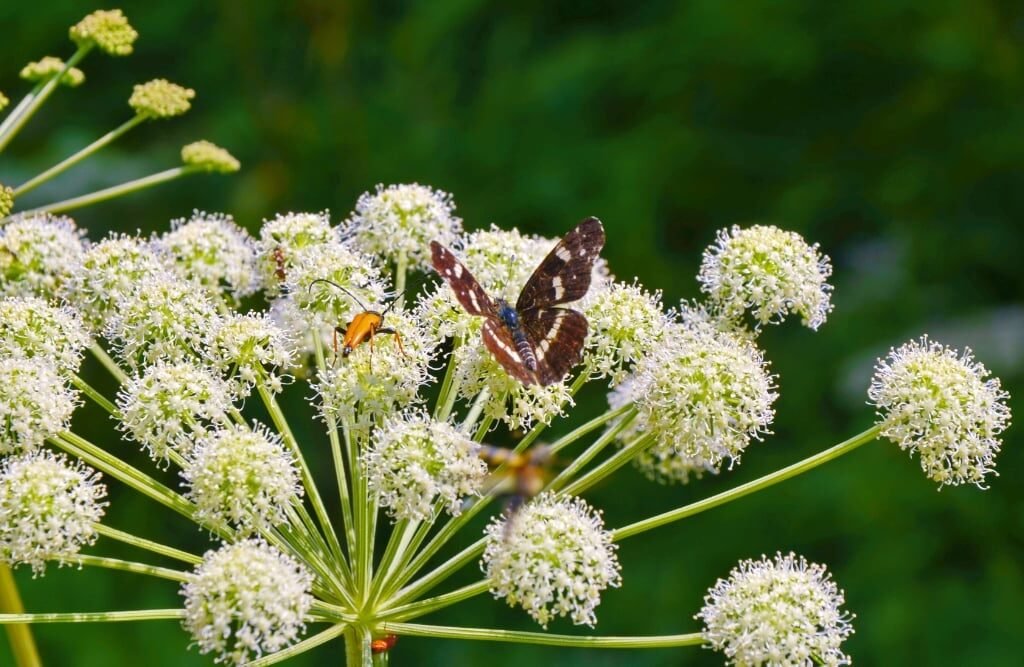
Umbelliferous plants, also called Apiaceae, have umbrella-shaped flower clusters that are particularly attractive to predatory insects.

Examples

  • Fennel (Foeniculum vulgare): Aromatic herb that attracts ladybugs, lacewings, and parasitic wasps.
  • Dill (Anethum graveolens): Supports hoverflies and predatory wasps.
  • Coriander/Cilantro (Coriandrum sativum): Flowers provide nectar and pollen for beneficial insects.
  • Caraway (Carum carvi): Another excellent option for lacewings and hoverflies.

Why They Work

  • Their small, nectar-rich flowers provide easy access for insects with short mouthparts.
  • Dense flower clusters offer landing platforms and shelter for predatory insects.
  • Aromatic foliage adds an additional layer of attraction for insects.

Planting umbelliferous herbs in garden edges or interspersed with crops creates a magnet for natural pest controllers.


2. Flowering Herbs

Many flowering herbs serve a dual purpose: they are edible and attract beneficial insects.

Examples

  • Borage (Borago officinalis): Blue star-shaped flowers attract hoverflies and bees.
  • Thyme (Thymus vulgaris): Tiny flowers appeal to predatory wasps and lacewings.
  • Marjoram (Origanum majorana): Supports parasitic wasps while offering aromatic foliage.
  • Mint (Mentha spp.): Provides shelter and nectar for various beneficial insects.

Planting Tips

  • Allow herbs to flower fully; do not cut them prematurely, as blooms are essential for nectar.
  • Grouping herbs in sunny spots encourages maximum insect activity.
  • Combine flowering herbs with vegetables to integrate natural pest control into crop areas.

Flowering herbs not only support predatory insects but also enhance garden aesthetics and culinary value.


3. Native Wildflowers

Native wildflowers are well-adapted to local climates and attract a wide variety of beneficial insects.

Examples

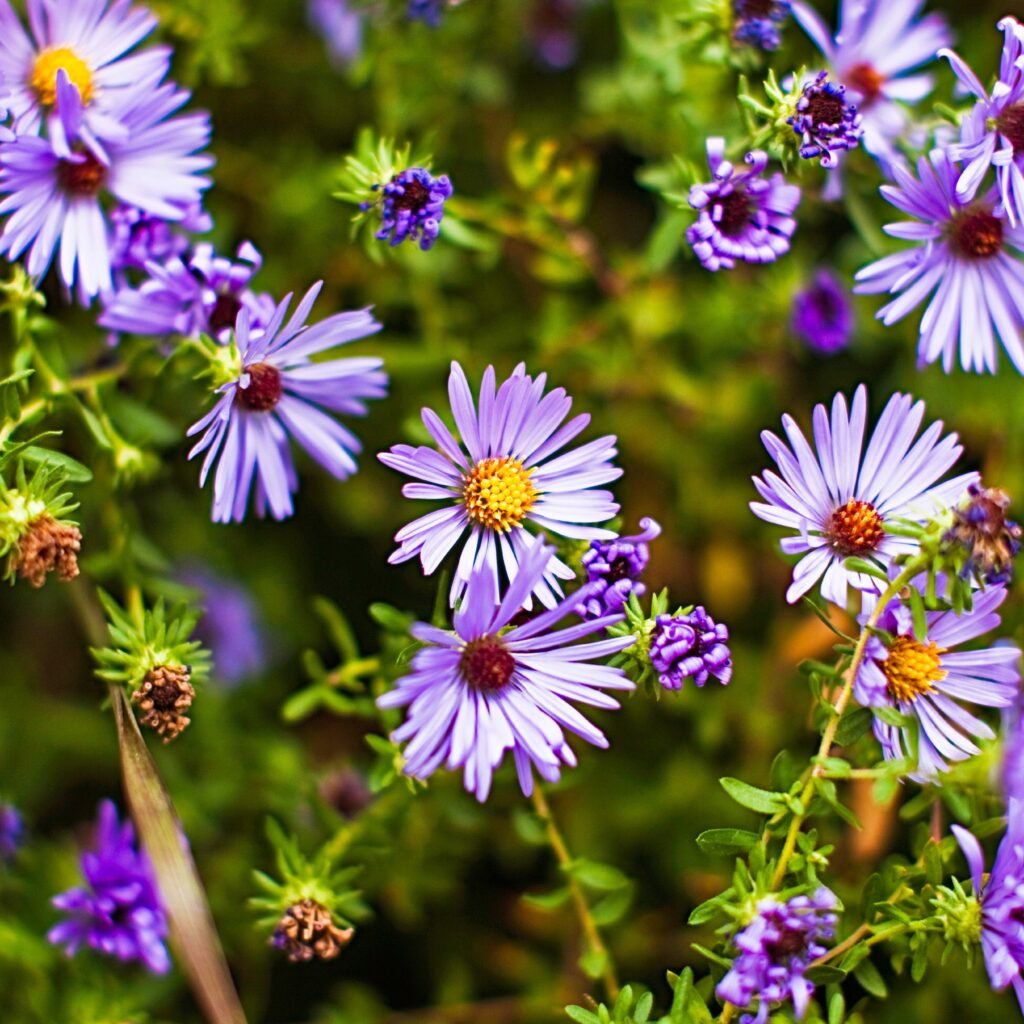
  • Coneflowers (Echinacea spp.): Attract hoverflies and parasitic wasps.
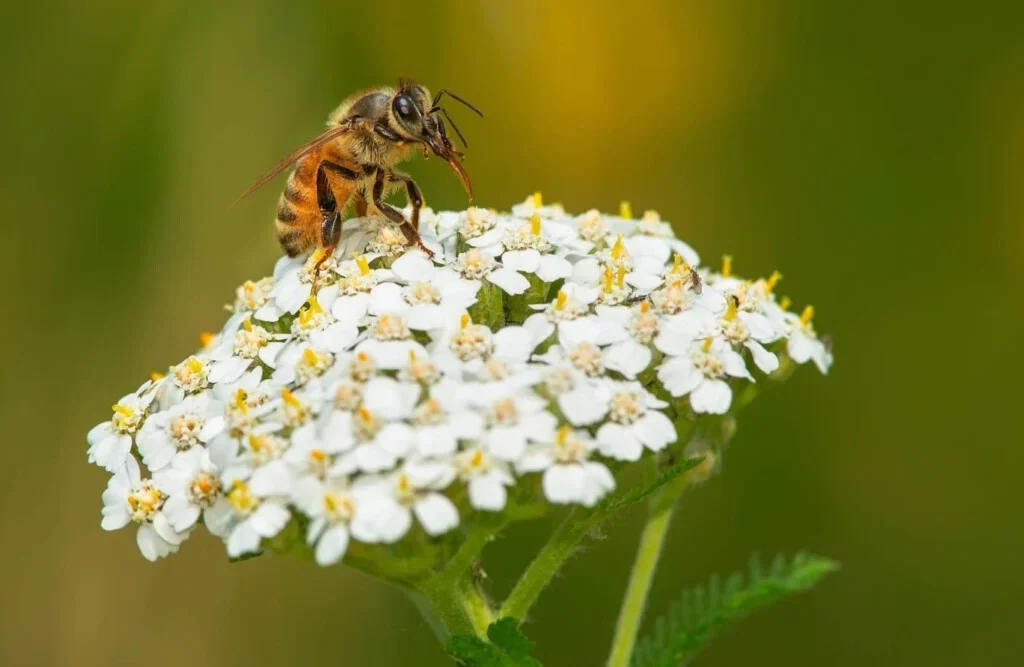
  • Yarrow (Achillea millefolium): Supports lacewings and predatory beetles.
  • Black-eyed Susans (Rudbeckia hirta): Provide nectar for adult insects and shelter for larvae.
  • Goldenrod (Solidago spp.): Dense flower clusters attract ladybugs and parasitic wasps.

Advantages

  • Native species are low-maintenance and drought-tolerant.
  • Provide year-round habitat and nectar sources for beneficial insects.
  • Enhance biodiversity by supporting other pollinators and wildlife.

Planting wildflower borders or interspersing them among crops maximizes insect attraction while reducing garden maintenance.


4. Cover Crops and Companion Plants

Some cover crops and companion plants serve multiple roles, including pest suppression and attracting predatory insects.

Examples

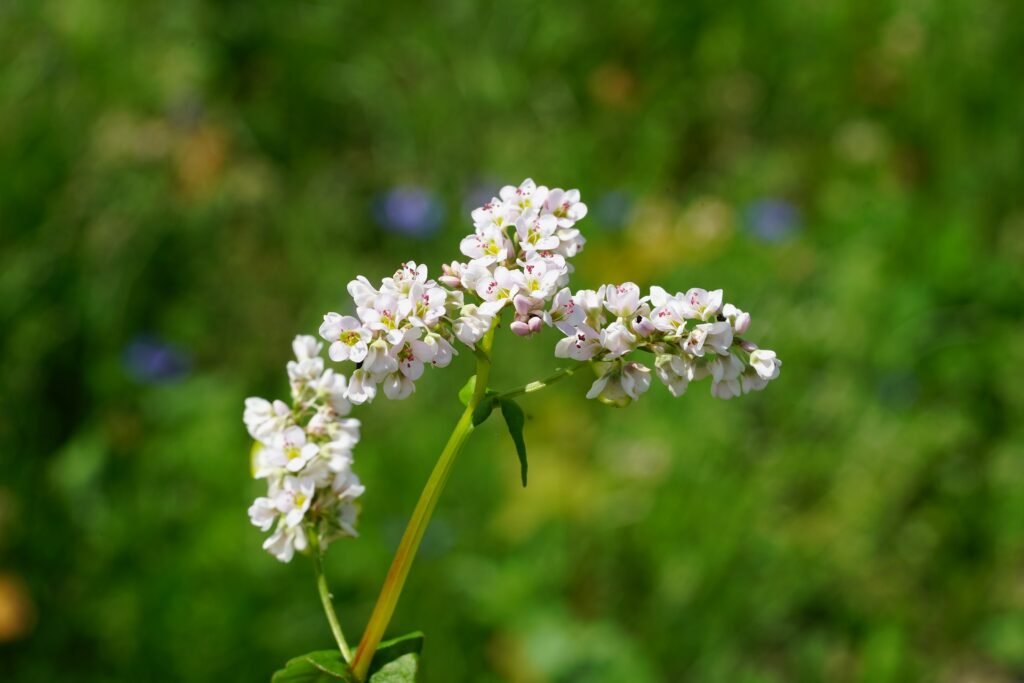
  • Buckwheat (Fagopyrum esculentum): Fast-growing cover crop that attracts hoverflies, lacewings, and parasitic wasps.
  • Sweet Alyssum (Lobularia maritima): Low-growing flowers that attract ladybugs and hoverflies.
  • Clover (Trifolium spp.): Supports ground-dwelling predatory beetles while enriching the soil with nitrogen.
  • Sunflowers (Helianthus annuus): Provide nectar and seeds, attracting parasitic wasps and pollinators.

Implementation Tips

  • Use cover crops in fallow areas to maintain a constant food source for insects.
  • Intercrop companion plants with vegetables to provide shelter and nectar close to pests’ feeding sites.
  • Rotate cover crops seasonally to support year-round predatory insect populations.

Cover crops and companion planting are practical strategies for integrating natural pest control into productive garden areas.


5. Plants with Extended Blooming Periods

For continuous attraction of beneficial insects, select plants that bloom over extended periods:

Examples

  • Cosmos (Cosmos bipinnatus): Long-lasting flowers attract lacewings and hoverflies.
  • Calendula (Calendula officinalis): Provides nectar throughout summer and early fall.
  • Lavender (Lavandula spp.): Attracts parasitic wasps and hoverflies while offering aromatic foliage.
  • Salvia (Salvia spp.): Long bloom period supports adult predatory insects over several months.

Benefits

  • Extended nectar supply sustains adult insects, ensuring they remain in the garden even when pest populations fluctuate.
  • Flowers serve as habitat for egg-laying, encouraging local insect reproduction.
  • Continuous blooms maintain a balanced ecosystem throughout the growing season.

Strategically planting long-blooming flowers ensures beneficial insect populations remain high, providing ongoing pest control.


Additional Tips for Attracting Beneficial Insects

  • Avoid Broad-Spectrum Pesticides: Chemicals harm predatory insects and reduce their effectiveness.
  • Provide Shelter: Leaf litter, mulch, and small brush piles offer hiding places for adult and larval insects.
  • Diverse Planting: Mix flower shapes, colors, and heights to appeal to different species.
  • Maintain Water Sources: Shallow dishes or small ponds help insects stay hydrated, especially during dry periods.

Creating a garden environment that meets food, shelter, and water needs ensures a thriving population of beneficial predatory insects.


Conclusion

Beneficial predatory insects are essential allies for gardeners seeking natural pest control. By selecting the right plants—umbelliferous herbs, flowering herbs, native wildflowers, cover crops, and long-blooming species—gardeners can attract and sustain populations of ladybugs, lacewings, hoverflies, parasitic wasps, and predatory beetles.

A garden designed with these plants not only reduces pest damage but also supports pollinators, enriches soil health, and enhances biodiversity. Integrating these strategies into garden planning promotes a self-regulating ecosystem that minimizes chemical use while maximizing productivity and beauty.

Ultimately, choosing plants to attract beneficial predatory insects transforms a garden into a resilient, eco-friendly environment, where pests are naturally controlled, plants thrive, and gardeners enjoy the satisfaction of working in harmony with nature.

How to Protect Fall Vegetables from Hungry Birds

How to Protect Fall Vegetables from Hungry Birds

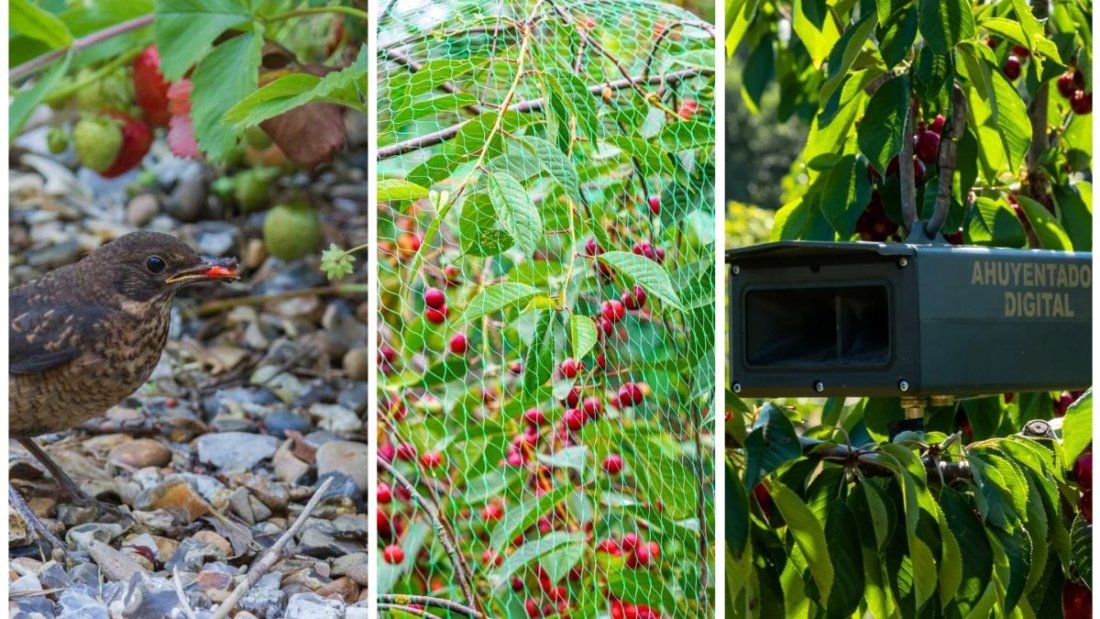
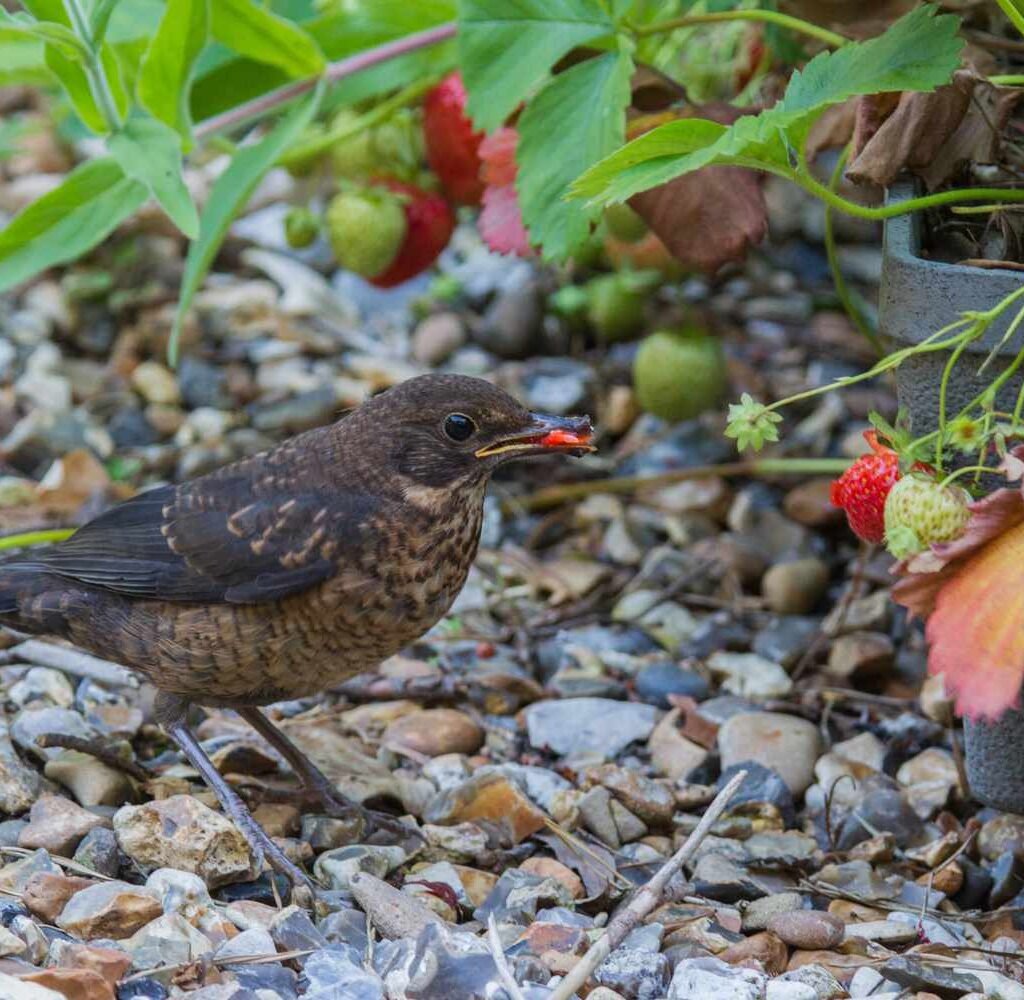
Autumn is a rewarding season for gardeners, offering a bountiful harvest of crisp lettuces, kale, broccoli, carrots, and other cool-season vegetables. However, along with the beauty of fall comes a persistent challenge: hungry birds. As natural seed and berry sources dwindle, birds turn to gardens, pecking at ripening vegetables and causing significant damage. For many gardeners, protecting their hard-earned produce without harming wildlife is a top priority.

This article provides a comprehensive guide on how to protect fall vegetables from birds, exploring effective, humane strategies and practical tips for maintaining a productive garden.


Understanding the Problem: Why Birds Target Fall Gardens

Birds, such as crows, sparrows, starlings, and finches, are opportunistic feeders. During fall, they increase their food intake to build fat reserves for migration or winter survival. Tender vegetables, leafy greens, and fruiting plants in gardens are easy and nutritious targets.

Signs of bird damage include:

  • Holes in leaves or vegetables
  • Missing fruit or vegetables
  • Peck marks on tomatoes, peppers, and cabbage
  • Scattered seeds from newly sown crops

By understanding bird behavior, gardeners can implement targeted strategies that effectively deter them while preserving the health of the garden ecosystem.


1. Physical Barriers: Netting and Covers

One of the most effective ways to protect fall vegetables is to create a physical barrier between birds and crops.

Methods

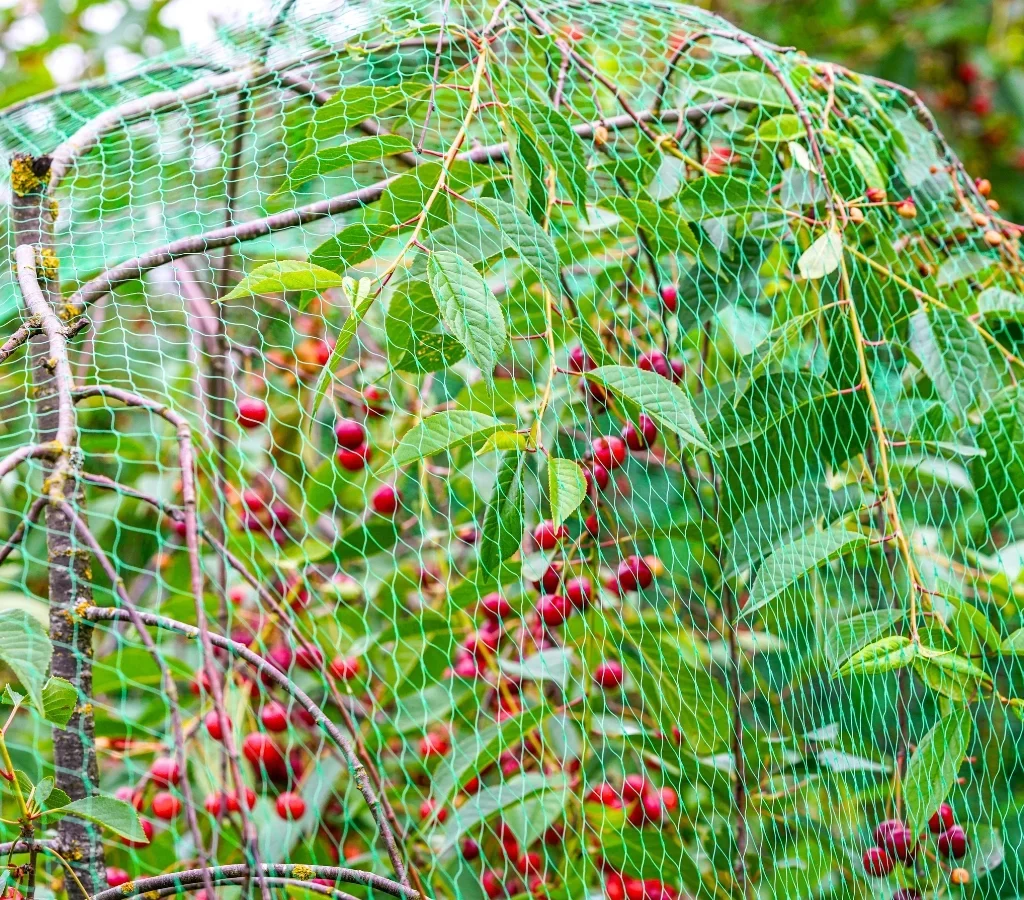
  • Garden Netting: Lightweight, bird-proof netting draped over plants prevents access. Secure edges with stakes or rocks to prevent birds from slipping underneath.
  • Floating Row Covers: Fine mesh row covers protect delicate vegetables like lettuce, spinach, and carrots without restricting sunlight or airflow.
  • Cloche or Mini-Greenhouses: Individual protective domes shield young seedlings from pecking birds.

Tips for Effective Use

  • Ensure the netting is taut and doesn’t rest directly on plants to avoid crushing them.
  • Regularly check for gaps, especially after wind or rain, as birds can exploit even small openings.
  • Remove covers periodically to allow pollinators access if necessary.

Physical barriers are highly effective, especially for leafy greens and small vegetables, providing direct, immediate protection.


2. Visual Deterrents

Birds are cautious and easily startled by unusual sights. Visual deterrents exploit this instinct to keep birds away from your garden.

Examples of Visual Deterrents

  • Reflective Objects: Aluminum foil strips, old CDs, or reflective tape fluttering in the wind create disorienting reflections.
  • Decoys: Plastic owls, hawks, or snakes placed near vegetable beds mimic predators. Rotate their position frequently to maintain effectiveness.
  • Scare Balloons: Brightly colored balloons with large eye patterns move with the wind, startling birds.

Implementation Tips

  • Combine multiple deterrents for stronger impact.
  • Change positions regularly; birds can become habituated to stationary objects.
  • Ensure deterrents do not damage plants or create hazards for children or pets.

Visual deterrents are cost-effective and low-maintenance, but they work best as part of a multi-layered approach.


3. Auditory Deterrents

Sound-based deterrents exploit birds’ sensitivity to sudden noises, discouraging them from visiting the garden.

Examples

  • Wind Chimes: Random clanging can scare smaller birds.
  • Ultrasonic Bird Repellers: Devices emit high-frequency sounds that birds perceive as distress signals.
  • Recorded Predator Calls: Play recordings of hawks or owls to mimic natural threats.

Tips for Success

  • Combine with visual deterrents for maximum effect.
  • Avoid constant noise exposure that may stress other wildlife or pets.
  • Rotate sounds or timing to prevent birds from adapting.

Auditory methods are particularly effective for larger, more persistent bird species.


4. Garden Layout and Planting Strategies

Modifying your garden design can reduce bird access and make plants less attractive.

Techniques

  • Dense Planting: Crowding plants together discourages birds from landing and feeding.
  • Companion Planting: Mix bird-repellent plants like marigolds, garlic, and chives near vulnerable vegetables.
  • Harvest Timing: Pick vegetables as soon as they ripen to limit exposure.
  • Barrier Plants: Plant tall grasses or shrubs around vegetable beds to act as natural hiding barriers for birds.

Thoughtful garden design reduces bird damage while maintaining an aesthetically pleasing and productive landscape.


5. Taste-Based and Homemade Repellents

Birds rely heavily on taste and smell. Using non-toxic, natural repellents can discourage them from feeding on vegetables without harming wildlife.

Examples

  • Capsaicin Sprays: Made from hot peppers and water, these sprays make leafy greens and fruit temporarily unpalatable to birds.
  • Garlic or Vinegar Solutions: Spray lightly on leaves to create a strong odor that birds dislike.
  • Commercial Organic Repellents: Available in garden stores, these use natural ingredients safe for plants and animals.

Application Tips

  • Reapply after rain or watering to maintain effectiveness.
  • Test on a small area first to ensure plants are not harmed.
  • Rotate repellents to prevent birds from becoming accustomed.

Taste-based repellents are ideal for sensitive vegetables like lettuce, spinach, and young seedlings.


Combining Strategies for Maximum Effect

Relying on a single method often provides only partial protection. Combining multiple strategies significantly increases success:

  • Use netting to physically block birds.
  • Add visual deterrents like reflective tape and decoys around the garden.
  • Rotate auditory deterrents to prevent habituation.
  • Implement garden layout strategies to reduce easy access.
  • Supplement with taste-based repellents for particularly vulnerable crops.

A multi-layered approach ensures that birds are consistently deterred without resorting to harmful chemicals.


Long-Term Considerations

Protecting fall vegetables from birds requires consistency and observation:

  • Inspect deterrents regularly to ensure they are in place and effective.
  • Adjust strategies as crops ripen and bird activity changes.
  • Maintain healthy garden conditions, including soil fertility and proper watering, as strong plants are more resilient against minor bird damage.
  • Consider seasonal changes; what works in fall may need adjustment in spring or summer.

By planning and combining natural solutions, gardeners can minimize crop loss while promoting a safe and healthy ecosystem.


Conclusion

Birds are a natural and important part of the environment, but they can pose a serious threat to fall vegetable gardens. Gardeners do not need to resort to harmful chemicals or drastic measures to protect their crops. By using a combination of physical barriers, visual and auditory deterrents, strategic garden planning, and natural taste-based repellents, it is possible to safeguard vegetables while coexisting with local wildlife.

A proactive, multi-layered approach ensures that your autumn harvest remains bountiful, vegetables reach peak ripeness, and your garden remains a thriving, environmentally friendly space. With the right strategies in place, fall vegetables can be protected effectively, allowing gardeners to enjoy both productivity and harmony with nature.


5 Natural Remedies to Keep Rabbits Out of Your Garden

5 Natural Remedies to Keep Rabbits Out of Your Garden

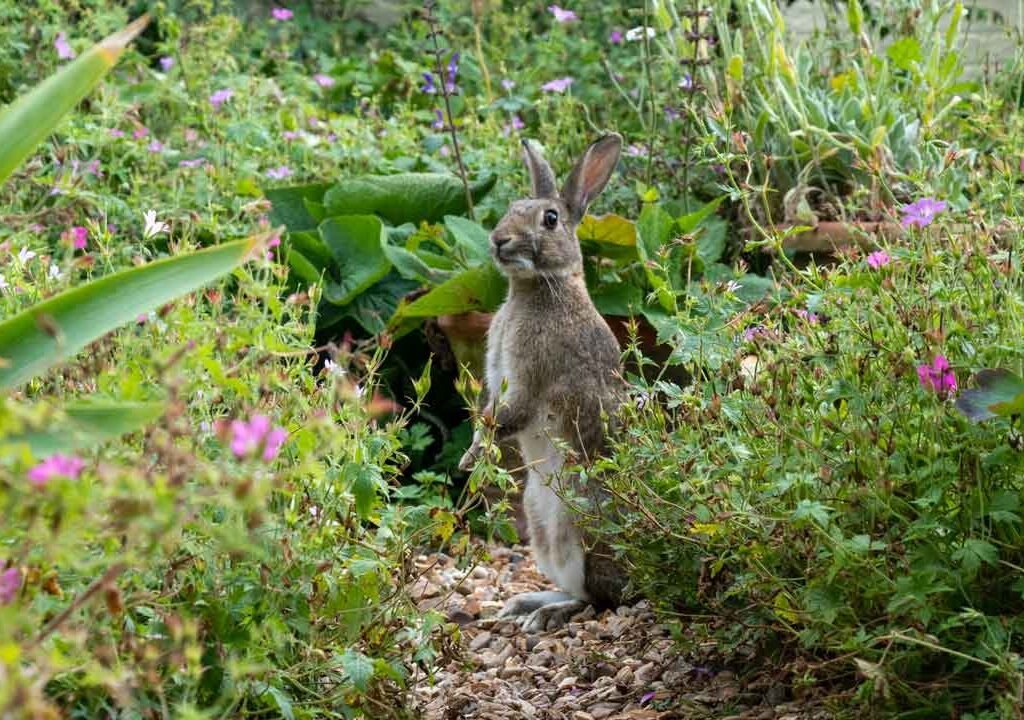
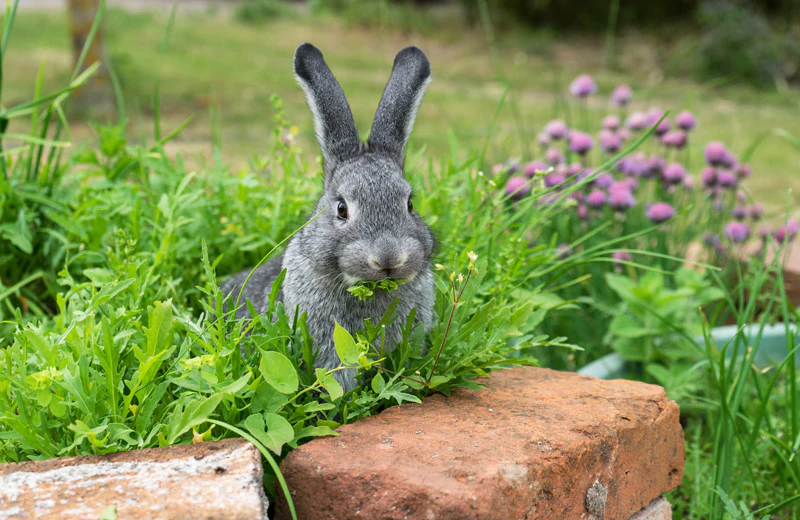
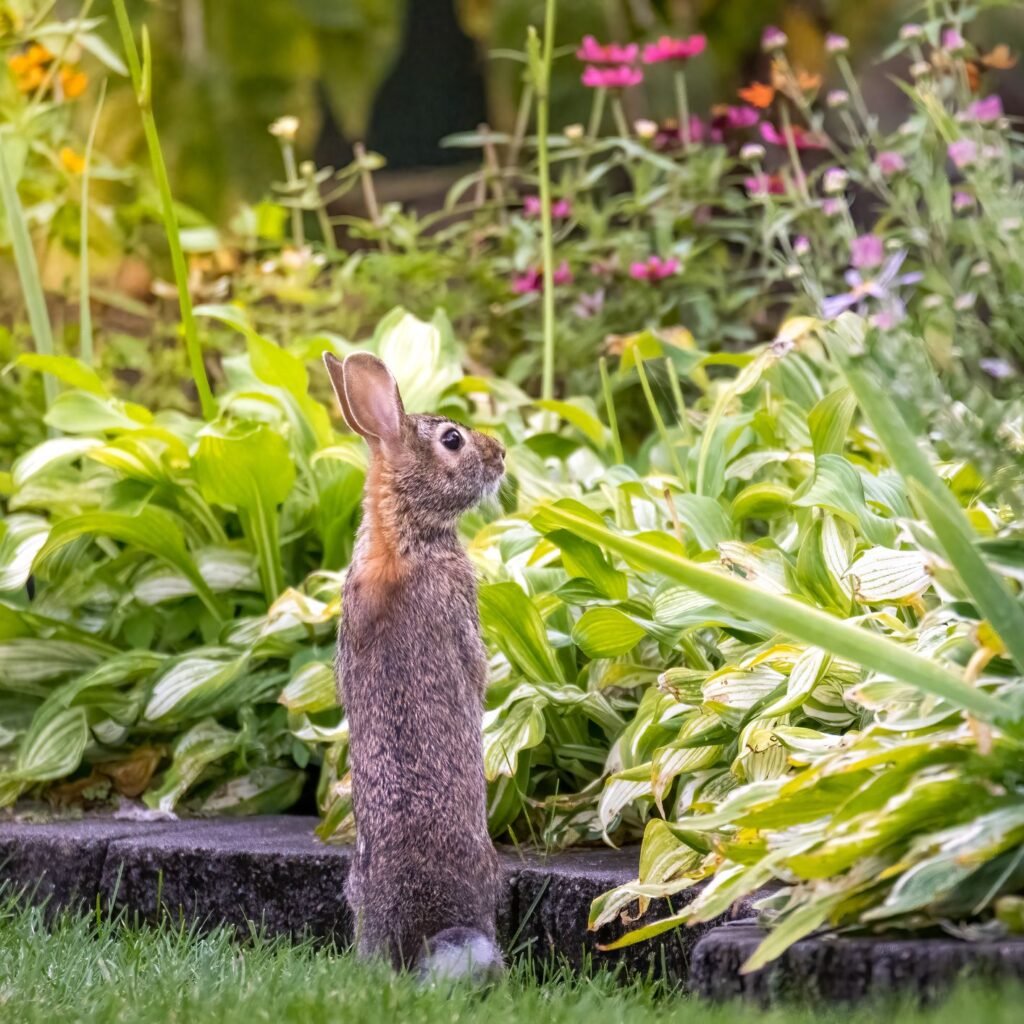
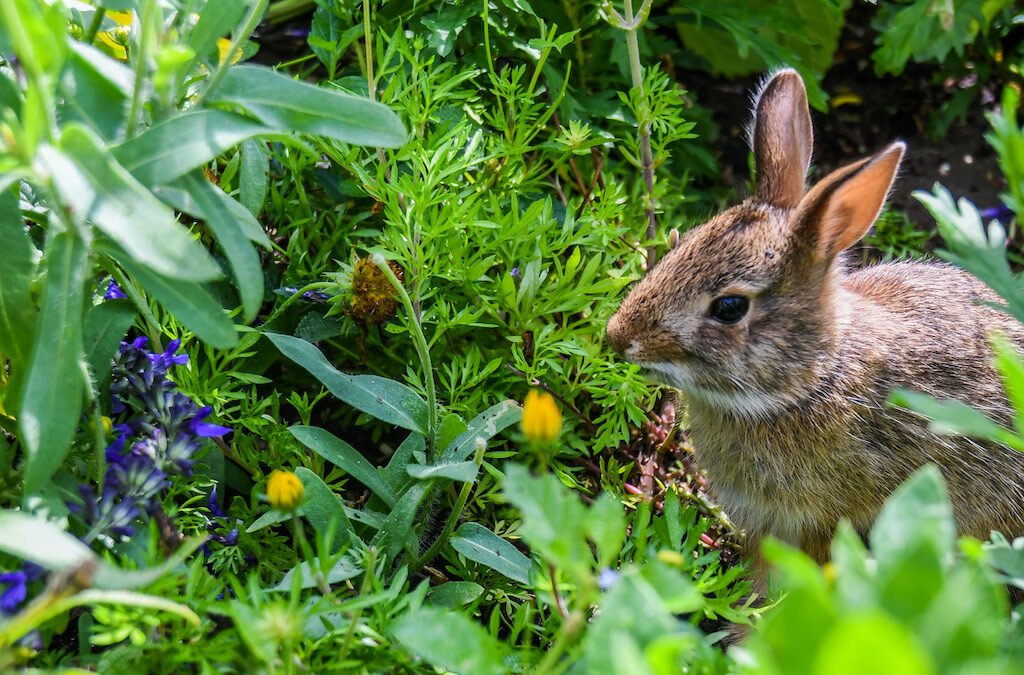
A flourishing garden is a source of pride and nourishment for many homeowners, but it also attracts unwelcome visitors. Among the most common culprits are rabbits, whose love of fresh greens can turn a thriving garden into a scene of devastation almost overnight. While chemical repellents are available, many gardeners prefer natural methods that are safe for plants, pets, and the environment.

This article explores five effective natural remedies to keep rabbits out of your garden, providing detailed strategies to protect your plants while maintaining an eco-friendly approach.


Understanding the Problem: Why Rabbits Target Gardens

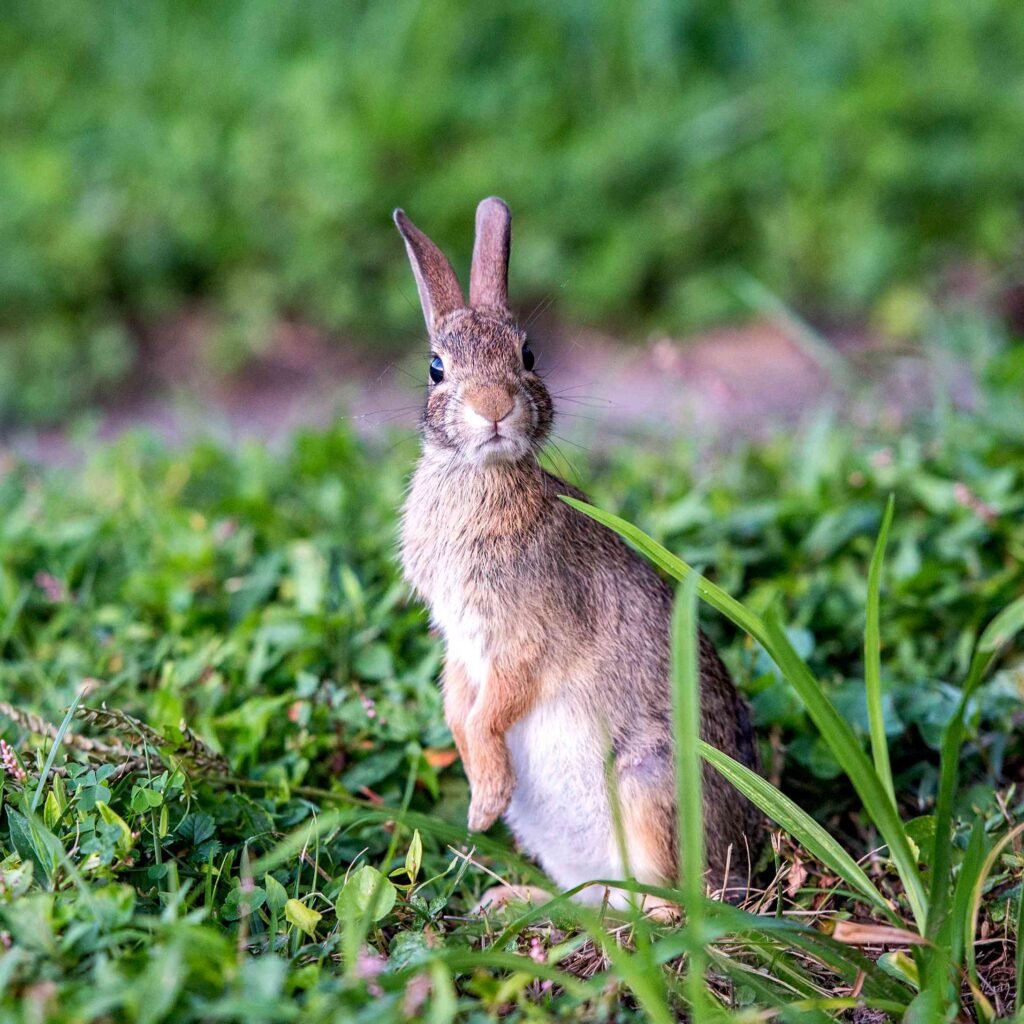
Rabbits are herbivorous mammals with voracious appetites, particularly for tender shoots, leafy greens, and young seedlings. Autumn and spring are particularly problematic seasons: in spring, rabbits seek fresh new growth, and in autumn, they stock up before winter.

Signs of rabbit damage include:

  • Chewed stems at or near ground level
  • Missing or damaged vegetables and flowers
  • Tracks or droppings around garden beds

Knowing the behavior of rabbits helps gardeners apply remedies effectively and prevent recurring infestations.


1. Fencing: A Physical Barrier

How Fencing Works

Fencing is one of the most reliable ways to prevent rabbits from entering garden areas. A well-installed fence creates a physical barrier that rabbits cannot bypass.

Best Practices for Rabbit-Proof Fencing

  • Height: Use a fence at least 2–3 feet high; rabbits can jump short distances, so taller fencing is often more effective.
  • Burrowing Prevention: Rabbits dig, so bury the bottom of the fence 6–10 inches into the ground or use an L-shaped apron to prevent tunneling.
  • Material: Lightweight chicken wire or mesh with small openings (no larger than 1 inch) works well.
  • Gate Management: Ensure gates close tightly to avoid gaps that allow rabbits to slip through.

Benefits and Considerations

  • Fencing offers long-term protection and works for small and large gardens alike.
  • Initial setup requires effort and investment, but maintenance is minimal.
  • Combining fencing with other deterrents enhances effectiveness.

2. Companion Planting With Rabbit-Repellent Plants

Certain plants naturally repel rabbits due to their strong odors, bitter taste, or tough textures. Incorporating these plants into your garden creates a natural, chemical-free barrier.

Examples of Rabbit-Repellent Plants

  • Marigolds: Strong scent deters rabbits and other herbivores.
  • Lavender: Aromatic oils are unpleasant to rabbits.
  • Alliums (garlic, onions, chives): Pungent smell repels rabbits while enhancing garden biodiversity.
  • Daffodils: Toxic to rabbits and deer, making them a reliable border plant.

Implementation Tips

  • Plant rabbit-repellent species along garden perimeters or interspersed between vulnerable crops.
  • Combine with edible plants in patterns to create a “fragrant barrier” that rabbits avoid.
  • Maintain plant health; stressed or dying repellent plants may be less effective.

Companion planting not only deters rabbits but also enhances garden aesthetics and attracts beneficial insects.


3. Natural Repellents: Smells Rabbits Hate

Rabbits have a highly sensitive sense of smell, making odor-based deterrents highly effective. Several natural substances can be used safely in the garden:

Examples of Natural Repellents

  • Human Hair or Pet Fur: Place clumps near garden edges; rabbits associate human scent with danger.
  • Blood Meal or Bone Meal: Strong smell discourages browsing. Use sparingly and follow safety instructions.
  • Pepper-Based Sprays: A mix of crushed red pepper and water sprayed on leaves deters rabbits without harming plants.
  • Garlic or Onion Spray: Homemade sprays create an intense odor that rabbits avoid.

Application Tips

  • Apply repellents after rain or irrigation to maintain effectiveness.
  • Rotate scents periodically; rabbits may become accustomed to a single odor over time.
  • Test sprays on a small area first to ensure plants aren’t damaged.

Natural repellents are inexpensive, easy to apply, and safe for pets and wildlife.


4. Encourage Natural Predators

Predator presence is a powerful and sustainable way to control rabbit populations. Birds of prey, foxes, and even domestic pets can reduce rabbit activity in and around your garden.

Strategies to Attract or Encourage Predators

  • Birds of Prey: Install tall perches or nest boxes to attract hawks or owls.
  • Domestic Cats or Dogs: Supervised pets can patrol garden edges and discourage rabbits.
  • Ground Predators: Encouraging hedgehogs or certain snakes in the area can help maintain balance, though caution is needed to protect pets.

Benefits and Considerations

  • Natural predation is environmentally friendly and reduces the need for chemical deterrents.
  • Requires understanding local wildlife and ensuring safety for pets and children.
  • Works best as part of a comprehensive rabbit management plan, combined with fencing and repellents.

5. Garden Maintenance Practices

Proper garden management can reduce rabbit attraction and limit damage. By altering the environment, you make your garden less appealing to these small herbivores.

Key Practices

  • Clean Up Debris: Remove brush piles, tall grass, and other hiding spots where rabbits may nest.
  • Harvest Promptly: Remove ripe vegetables and fruits quickly; overripe produce attracts rabbits.
  • Use Raised Beds: Elevate planting areas to reduce access for small mammals.
  • Spacing and Companion Planting: Avoid dense planting that gives rabbits cover; intermixing repellents and edible plants improves protection.

These preventive measures are simple, cost-effective, and enhance overall garden health.


Combining Remedies for Maximum Effect

No single method guarantees total rabbit prevention. Combining multiple strategies produces the best results:

  • Physical barriers like fencing stop rabbits from entering.
  • Repellent plants and sprays make the garden less appealing.
  • Natural predators provide ongoing deterrence.
  • Garden maintenance removes nesting sites and reduces food availability.

A layered approach is sustainable, humane, and minimizes damage without relying on harmful chemicals.


Conclusion

Rabbits can be charming in the wild, but in your garden, they can be destructive pests. By using natural remedies—fencing, companion planting, odor-based repellents, predator encouragement, and proper garden maintenance—you can protect your plants safely and sustainably.

The key is to act proactively, combining methods to create a multi-layered defense that deters rabbits while enhancing the garden ecosystem. Over time, these strategies help establish a thriving garden that remains rabbit-free, healthy, and visually appealing throughout the growing seasons.

Embracing natural solutions not only safeguards your vegetables, flowers, and ornamental plants but also supports a balanced, eco-friendly approach to gardening—benefiting both you and the environment.

Why September Is The Perfect Month For Planting Garlic

Why September Is The Perfect Month For Planting Garlic

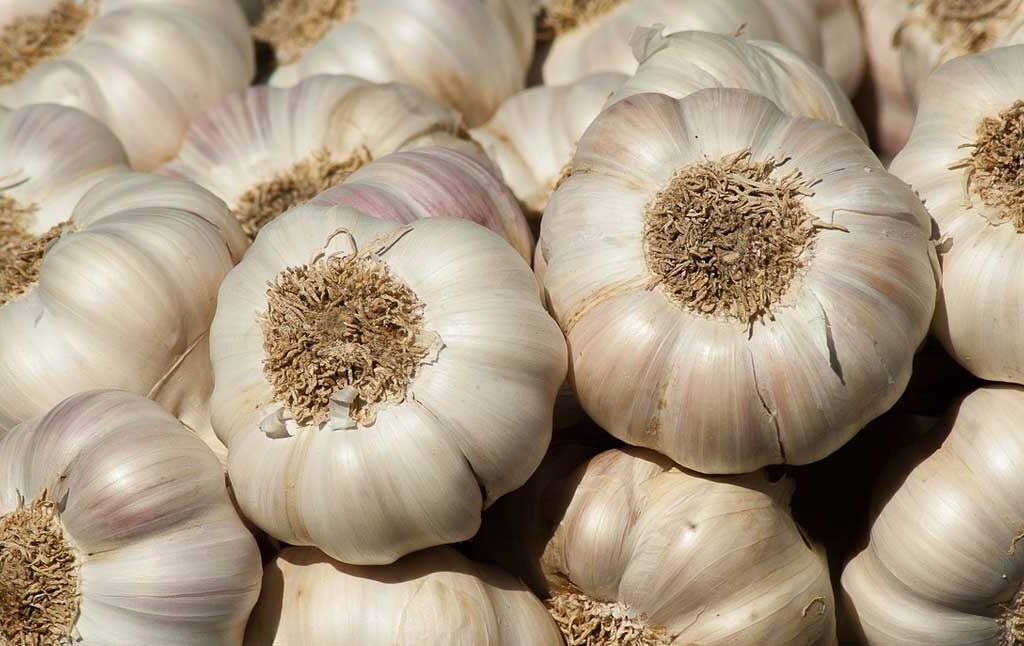
Garlic (Allium sativum) has been a beloved kitchen staple and medicinal herb for thousands of years. Known for its pungent flavor, immune-boosting properties, and countless culinary uses, garlic is also one of the easiest crops you can grow in your home garden. But timing is everything when it comes to planting garlic. While it’s possible to plant in both fall and spring, seasoned gardeners often agree: September is the perfect month to plant garlic.

This timing offers the ideal conditions for establishing strong, healthy bulbs that will reward you with large, flavorful harvests the following summer. Let’s dive into the reasons why September is the golden window for garlic planting, and how you can make the most of it.


1. Garlic Loves the Cool-Season Start

Garlic is a cool-season crop, which means it doesn’t thrive in hot summer soils. Planting in September allows the cloves to benefit from mild autumn weather and consistently cooler soil temperatures.

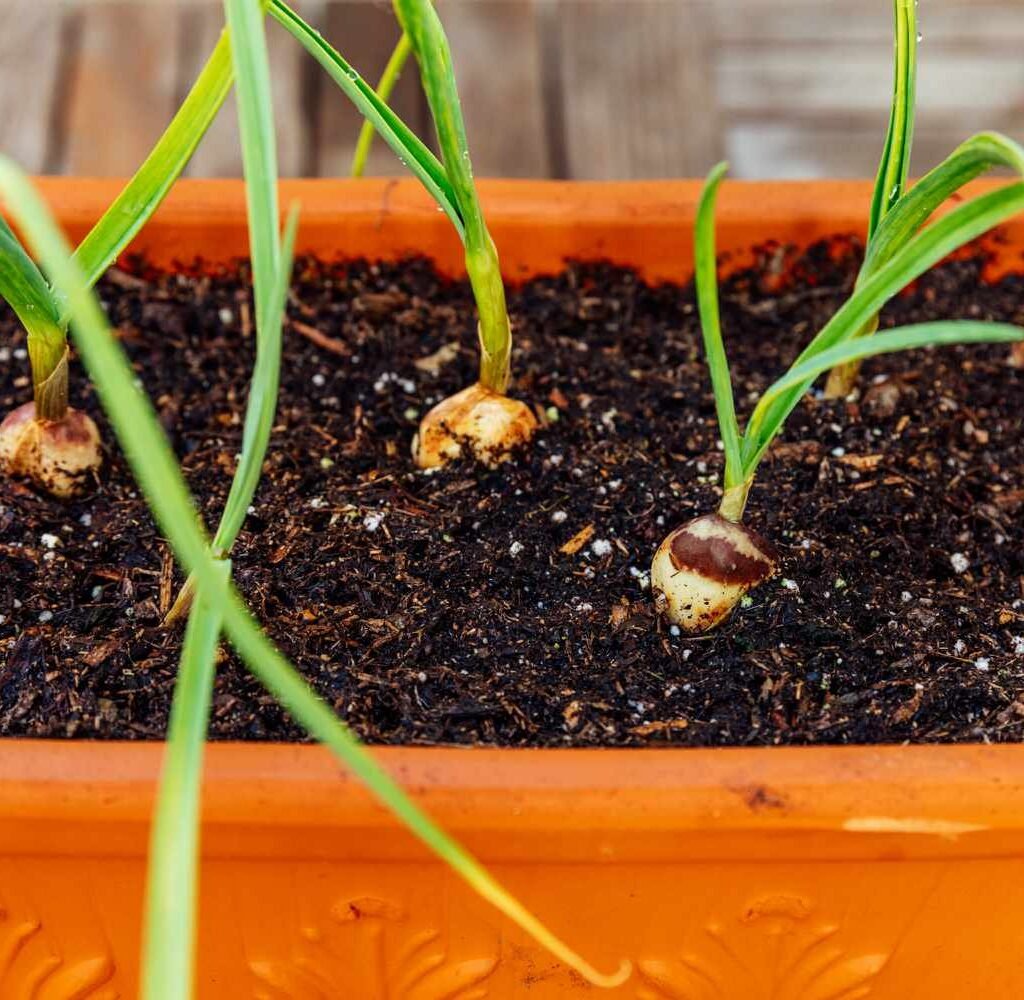
  • Root Development, Not Shoots: When you plant garlic in September, the cloves use the autumn months to grow strong root systems rather than sprouting too much top growth. This foundation is critical for the bulb to thrive during winter dormancy and surge into spring growth.
  • Winter Hardiness: Garlic planted early in the fall has time to settle in before the ground freezes. Well-established roots can handle the frost much better than cloves planted too late.

In short, September planting ensures your garlic gets a healthy head start before the challenges of winter set in.


2. The Magic of Cold Exposure

Garlic requires a period of cold weather, also known as vernalization, to trigger bulb formation. Without this cold treatment, garlic may grow but produce small or misshapen bulbs.

  • September Planting Advantage: By planting in September, you’re guaranteeing garlic experiences several months of natural cold exposure during the fall and winter.
  • Bigger Bulbs: The longer vernalization period encourages the cloves to split into multiple large segments, which results in bigger, more flavorful bulbs when harvested.
  • Reliable Harvest: Garlic planted in the fall matures earlier and more predictably the following summer compared to spring-planted garlic.

This chilling period is essential—and September planting locks it in naturally.


3. Garlic Grows Best With a Long Season

Unlike many garden crops, garlic takes its time. From planting to harvest, garlic typically needs 8–9 months to reach maturity. That’s another reason September is perfect.

  • Time to Mature Fully: When planted in September, garlic has the luxury of a full growing season—from rooting in fall, overwintering in dormancy, then pushing out strong green shoots in spring, and finally forming large bulbs by midsummer.
  • Earlier Harvests: Garlic planted in September can usually be harvested by late June or early July, just as other summer crops are filling your garden beds.
  • Efficient Garden Use: Planting garlic in September keeps your garden productive year-round and gives you a crop to harvest before many summer vegetables are even close to finishing.

September sets the stage for maximum yields without competing heavily with summer crops.


4. September Offers the Right Soil Conditions

Soil plays a critical role in garlic’s success, and September often provides the perfect environment.

  • Warm but Cooling Soil: In September, soil is still warm enough to encourage root development but cooling down enough to discourage premature sprouting.
  • Moisture Balance: Fall rains and moderate temperatures ensure steady moisture without the extreme heat and dryness of summer.
  • Time for Soil Prep: September gives you the opportunity to enrich the soil before planting. Garlic thrives in loose, fertile, well-drained soil enriched with compost or organic matter.

By planting now, you’re working with nature instead of against it.


5. Pest and Disease Advantages

Planting garlic in September also reduces the risk of pest and disease problems.

  • Fewer Soil Pests: Many pests are less active in the cooler months, so your cloves have a chance to root undisturbed.
  • Weed Control: Garlic planted in September tends to outcompete weeds in spring thanks to its early start, reducing the need for constant weeding.
  • Healthier Plants: Strong, well-rooted garlic is naturally more resistant to disease and stress.

Your garlic crop stands a better chance of thriving when it gets an early, stress-free start in the fall.


6. Practical Benefits for Gardeners

Beyond plant science, planting garlic in September simply makes sense for the gardener.

  • Fits into Seasonal Rhythm: September is when most gardeners are winding down their summer crops and preparing beds for fall. Planting garlic at this time fits naturally into that schedule.
  • Easy Maintenance: Once planted, garlic requires minimal care during the winter months. You just mulch the bed and let nature take its course.
  • Rewarding Tradition: Many gardeners enjoy the ritual of planting garlic in fall as a way of “putting the garden to bed” for the season.

It’s a low-effort, high-reward crop that brings satisfaction long after other garden chores have ended.


How to Plant Garlic in September: Step-by-Step

If you’re ready to take advantage of September’s perfect conditions, here’s how to do it:

  1. Choose the Right Garlic Type
    • Hardneck garlic (better for cold climates, stronger flavor, produces scapes).
    • Softneck garlic (stores longer, more cloves per bulb, better for milder climates).
  2. Prepare the Soil
    • Loosen soil at least 8–10 inches deep.
    • Mix in compost or aged manure for fertility.
    • Ensure good drainage—garlic hates soggy soil.
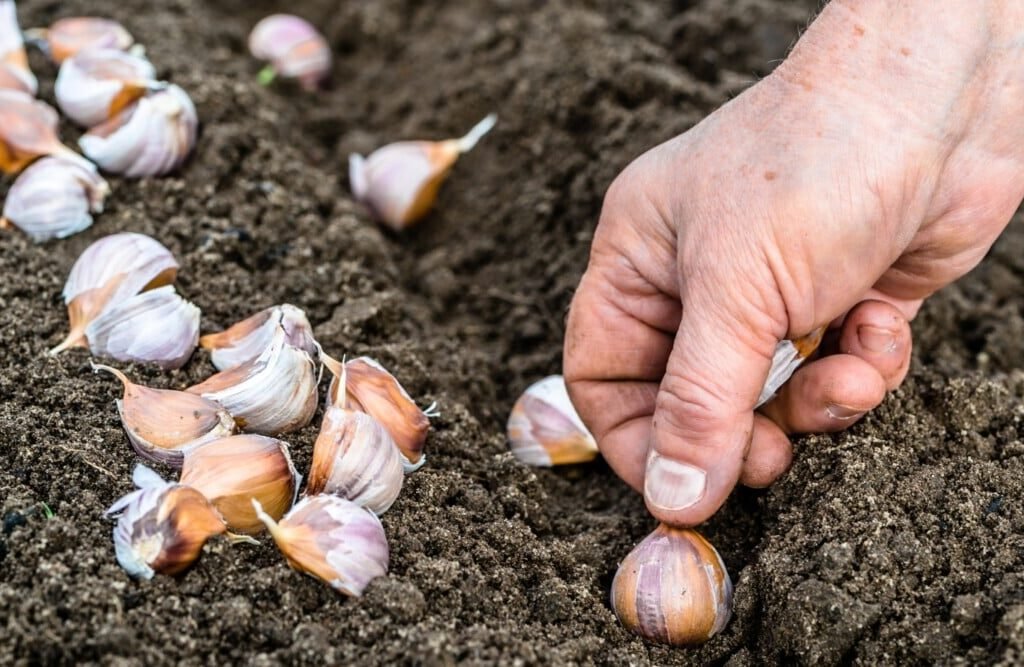
  3. Break Bulbs Into Cloves
    • Just before planting, separate the bulb into individual cloves.
    • Keep the papery skin intact for protection.
  4. Plant Cloves
    • Place each clove pointed end up, 2 inches deep, 6 inches apart.
    • Rows should be about 12 inches apart.
  5. Mulch Generously
    • Cover with 3–4 inches of straw, shredded leaves, or compost.
    • Mulch insulates against cold and suppresses weeds.
  6. Water Lightly
    • Water well after planting to help roots establish.
    • Reduce watering once temperatures drop significantly.

By following these steps, you’ll set your garlic up for success and enjoy a bountiful harvest next summer.


Harvesting and Enjoying Your Garlic

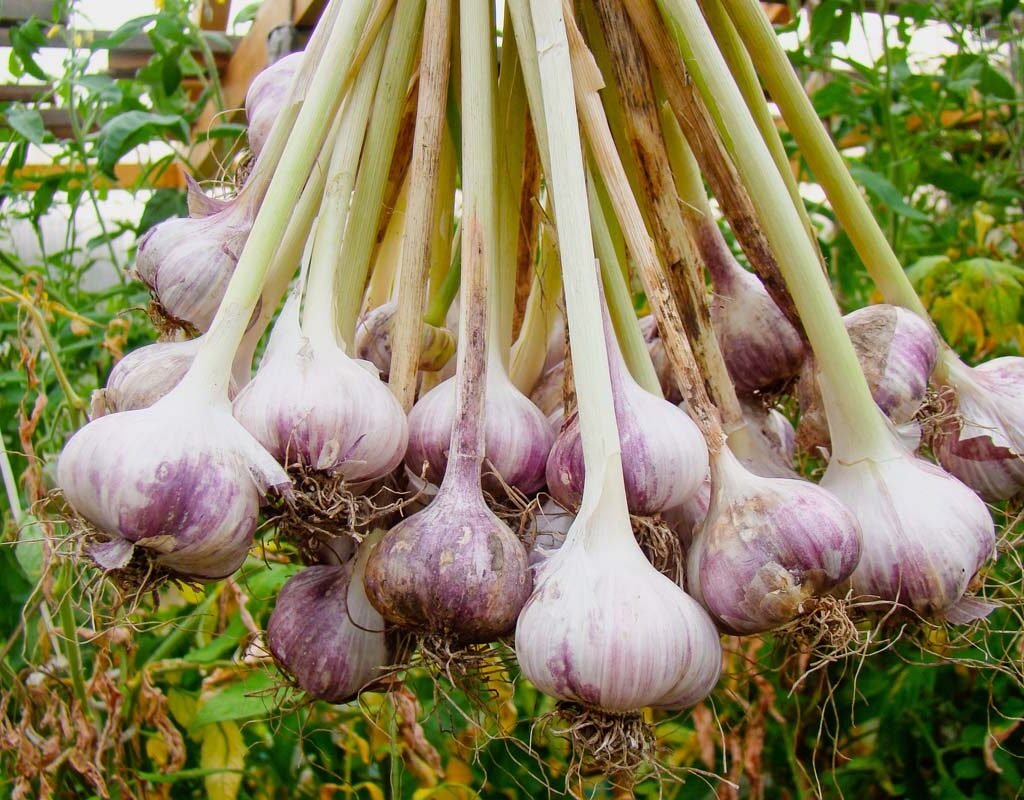
If planted in September, your garlic will be ready by early summer the following year. Look for these signs:

  • Leaves turning yellow and beginning to dry (but still green at the tips).
  • Bulbs plump and well-formed when gently unearthed.

Harvest with care, cure in a dry, well-ventilated area, and store for months of delicious use in your kitchen.


Final Thoughts

Garlic may be simple to grow, but timing is the key to success. September is the perfect month for planting garlic because it gives your crop the cool start, cold exposure, long growing season, and strong foundation it needs to thrive. With minimal effort and a little patience, you’ll be rewarded with a harvest that not only enhances your cooking but also connects you to one of gardening’s oldest and most rewarding traditions.

So, as you prepare your fall garden, don’t forget to set aside a bed for garlic. By planting now, you’re investing in a harvest that will flavor your meals and strengthen your garden’s productivity well into next year.

How To Stop Pets From Damaging Your Garden

How To Stop Pets From Damaging Your Garden

Gardens are a source of beauty, relaxation, and homegrown produce, but pets—whether playful dogs, curious cats, or even rabbits—can unintentionally cause damage. Digging, trampling, chewing, or urinating on plants can frustrate gardeners and compromise the health of flowers, vegetables, and lawns. Fortunately, with a combination of training, strategic planning, and protective measures, it’s possible to enjoy both a thriving garden and happy pets.

This article explores practical strategies, tips, and solutions to prevent pets from damaging your garden while keeping them safe and happy.


Understanding Why Pets Damage Gardens

Before taking action, it’s essential to understand why pets behave this way. Knowing the reasons behind their actions helps you implement effective solutions.

Common Reasons:

  1. Natural Instincts: Dogs dig to bury items, explore, or relieve boredom. Cats often scratch or dig to mark territory.
  2. Curiosity: Pets investigate new plants, flowers, and soil out of curiosity, leading to accidental damage.
  3. Playfulness: Active pets may run through garden beds or chase toys, trampling delicate plants.
  4. Marking Territory: Dogs and cats urinate or roll in soil to leave scent marks, which can harm plants.
  5. Seeking Comfort: Pets may dig to create cool resting spots in soil or shaded areas.

Understanding the motivation behind the behavior helps you choose the right preventive strategies.


1. Create Pet-Friendly Zones

One of the most effective strategies is to designate specific areas for pets, keeping them away from sensitive plants.

How to Implement:

  • Lawn or Play Area: Dedicate a section of the yard for pets to dig, play, and relieve themselves. Fill it with sand or soft soil for digging dogs.
  • Paths and Trails: Create pathways for pets to move around without disturbing flower beds or vegetable plots.
  • Outdoor Beds or Kennels: For dogs, a shaded kennel or outdoor bed gives a safe space without accessing garden areas.

Tip: Using pet-safe mulch like sand or shredded bark in these zones keeps them comfortable while preserving your plants.

Benefits: Pets get their own space, reducing frustration and minimizing garden damage.


2. Install Physical Barriers

Physical barriers are a direct way to protect your garden from unwanted pet intrusion.

Options Include:

  • Fencing: Low fences or garden borders prevent pets from entering beds. Chicken wire or decorative fencing works well for small areas.
  • Raised Beds: Elevate plants above ground level to prevent pets from stepping or digging into soil.
  • Plant Cages or Netting: Use cages around young or fragile plants to deter chewing and trampling.
  • Mulch Barriers: Sharp or uncomfortable mulch (pine cones, thorny branches) can discourage pets from walking on beds.

Tips for Effective Barriers:

  1. Ensure fencing is tall enough for dogs to jump over or cats to climb under.
  2. Combine multiple barrier types for maximum protection.
  3. Regularly inspect barriers for gaps or weak points.

Benefits: Physical barriers are a long-term solution, protecting plants even when pets are unsupervised.


3. Use Repellents Safely

Repellents are an effective tool to discourage pets from entering restricted areas without harming them.

Types of Repellents:

  • Commercial Pet Repellents: Available in sprays or granules, designed to deter dogs and cats with safe ingredients.
  • Homemade Solutions: Citrus peels, vinegar, coffee grounds, or cayenne pepper can deter pets naturally.
  • Scent Deterrents: Plants like rue, lavender, or rosemary may repel cats and dogs due to their smell.

Tips for Using Repellents:

  1. Reapply after rain or watering.
  2. Test sprays on a small plant area first to avoid chemical damage.
  3. Combine repellents with training for better results.

Benefits: Repellents reduce pet interference without requiring constant supervision.


4. Train Your Pets

Behavioral training is a long-term solution that benefits both you and your pets.

Training Techniques:

  • Positive Reinforcement: Reward pets when they use designated areas or avoid garden beds. Treats, praise, or playtime reinforce good behavior.
  • Command Training: Teach commands like “stay,” “leave it,” or “off” to prevent garden access.
  • Supervised Access: Allow pets in the garden only under supervision, redirecting them when they approach sensitive areas.
  • Clicker Training: Use clickers to mark desirable behaviors, encouraging pets to learn boundaries quickly.

Tips for Training:

  1. Be consistent—training takes time and repetition.
  2. Avoid punishment—it can create fear or aggression.
  3. Combine with physical deterrents for optimal results.

Benefits: Well-trained pets respect garden boundaries and are safer and happier.


5. Choose Pet-Resistant Plants

Certain plants are less appealing or harmful to pets, and incorporating them into your garden can reduce damage.

Examples of Pet-Resistant Plants:

  • Shrubs: Boxwood, barberry, or rosemary
  • Herbs: Lavender, thyme, or sage
  • Ornamentals: Marigolds, geraniums, or ferns

Tips for Plant Selection:

  1. Avoid toxic plants that could harm pets if ingested.
  2. Mix pet-resistant plants along garden borders to act as natural deterrents.
  3. Consider textured or aromatic plants that pets tend to avoid.

Benefits: Choosing the right plants reduces garden damage while keeping pets safe.


6. Protect Soil and Young Plants

Pets are often attracted to soft soil or new seedlings. Protecting these areas ensures plants can thrive.

Methods Include:

  • Mulching: Apply coarse mulch or bark to discourage digging.
  • Row Covers: Lightweight fabrics protect young vegetables from paws and chewing.
  • Garden Cloches: Individual plant covers shield delicate seedlings.
  • Soil Alternatives: Use gravel or pebbles around sensitive plants to make soil less attractive for digging.

Benefits: Protecting vulnerable areas increases plant survival rates and reduces pet-related stress.


7. Create Enrichment for Pets

Boredom often drives pets to damage gardens. Providing alternatives keeps them occupied.

Enrichment Ideas:

  • Interactive Toys: Balls, ropes, or puzzle feeders keep pets entertained.
  • Digging Boxes: Sandbox or designated digging area lets pets satisfy natural instincts.
  • Exercise and Playtime: Daily walks, runs, or play sessions reduce excess energy that might otherwise damage plants.
  • Training Games: Mental stimulation through training or scent games reduces destructive behavior.

Benefits: A well-stimulated pet is less likely to turn to your garden for entertainment.


Conclusion

Stopping pets from damaging your garden requires a combination of design, deterrence, and training. By creating pet-friendly zones, using barriers, employing repellents, training consistently, choosing pet-resistant plants, and enriching your pet’s environment, you can protect your garden while keeping pets happy and healthy.

Remember, the goal is not to restrict pets harshly but to strike a balance between a thriving garden and a playful pet. With patience, planning, and creativity, you can enjoy lush, beautiful plants without sacrificing your pets’ freedom or happiness.

A harmonious garden is possible—one where both your plants and your pets can flourish together.

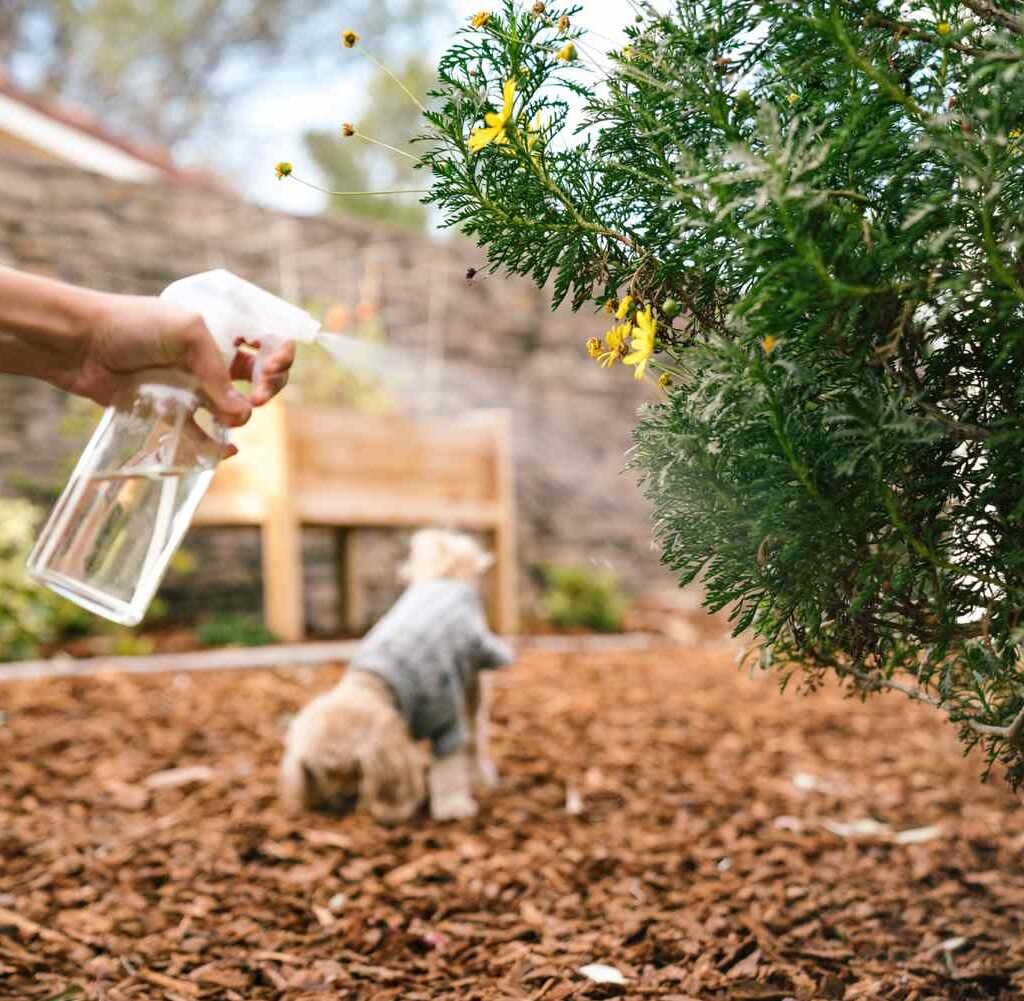
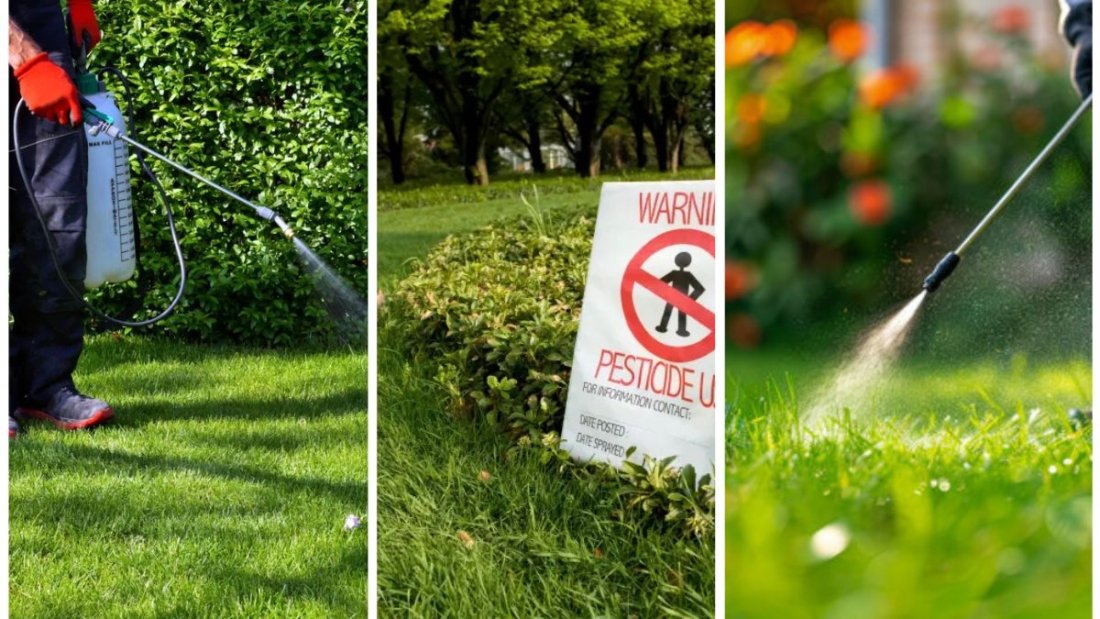
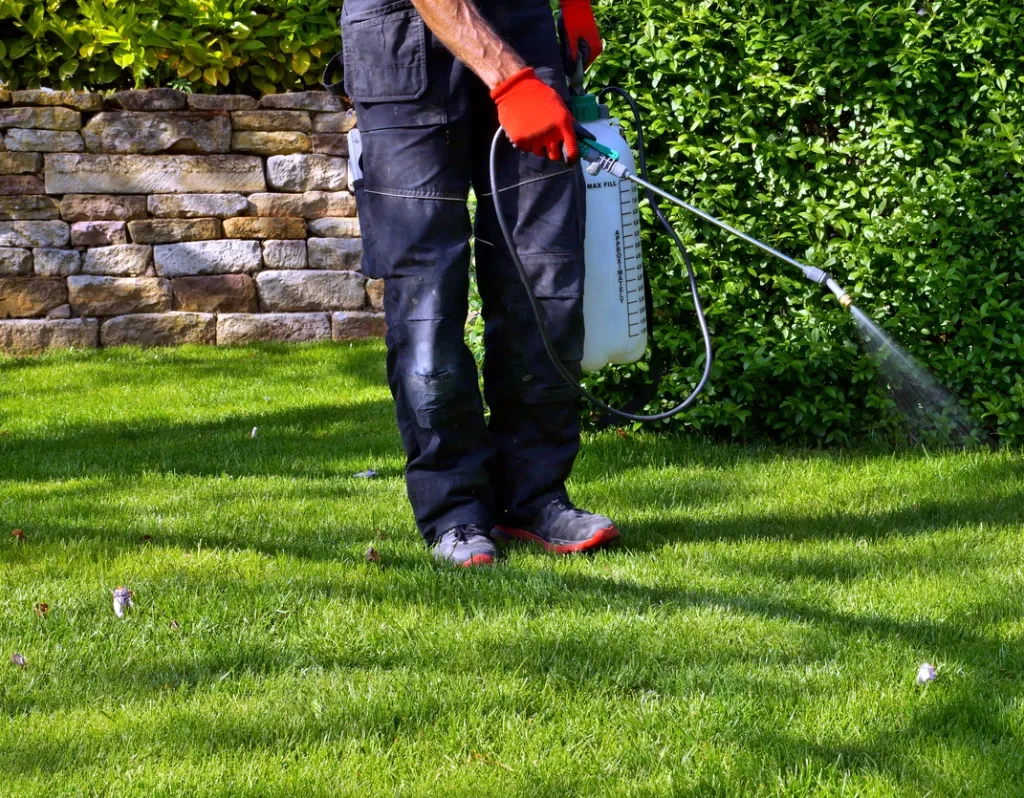
What To Do If Neighbor’s Pesticides Drift Into Your Yard

What To Do If Neighbor’s Pesticides Drift Into Your Yard

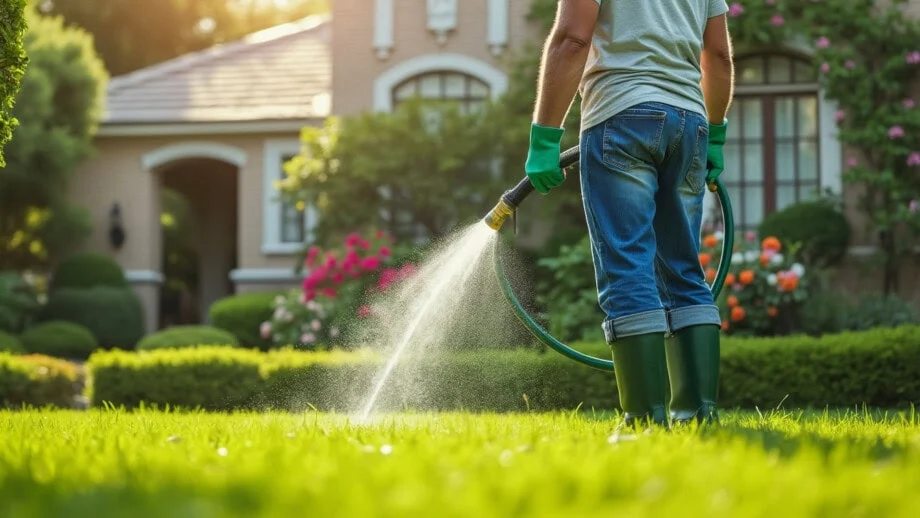
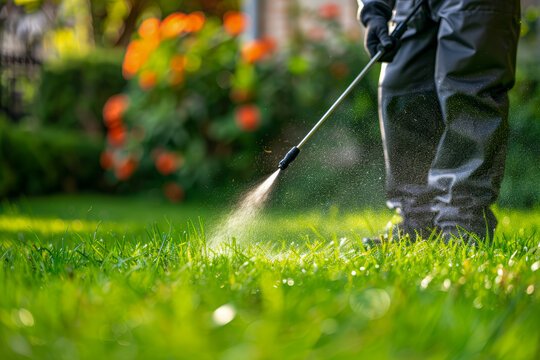
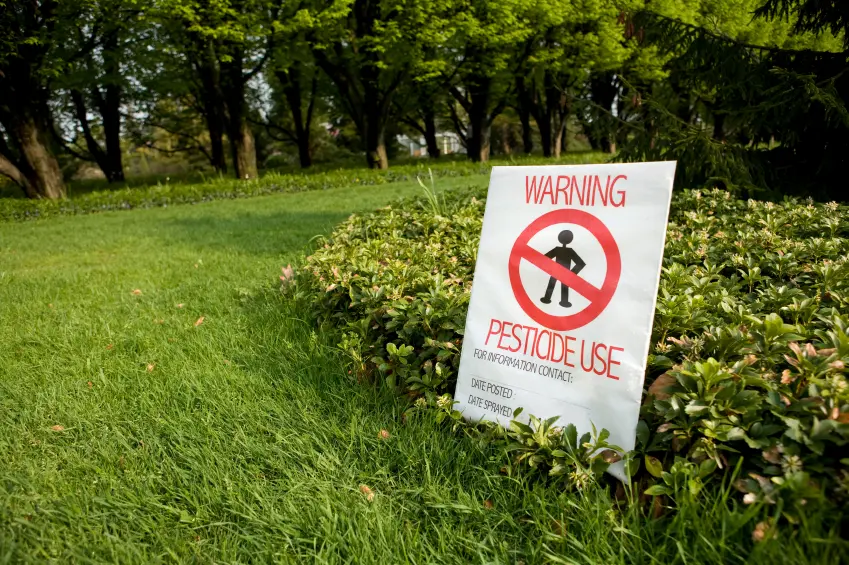
Pesticides are commonly used to protect crops, gardens, and lawns from pests and diseases. However, when these chemicals drift beyond the intended area, they can affect neighboring properties, damaging plants, harming pets, or posing health risks. If your neighbor’s pesticide application drifts into your yard, it can be a stressful situation. Knowing what to do helps you protect your property, maintain good relations, and navigate legal and practical concerns.

This article explores practical steps, communication strategies, legal considerations, and preventive measures to deal with pesticide drift effectively.


Understanding Pesticide Drift

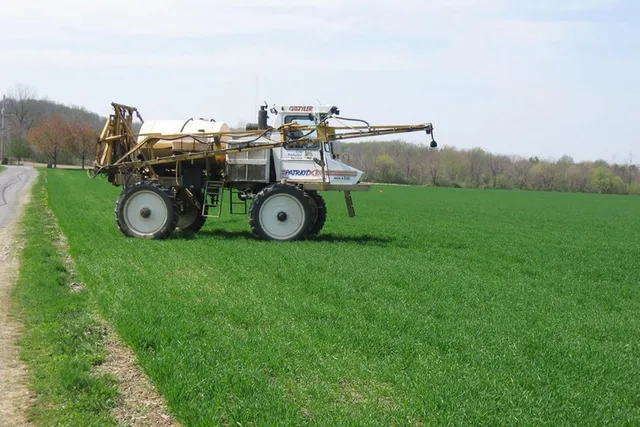
Pesticide drift occurs when chemicals applied to one property travel through air, water, or soil to another property. Drift can happen during spraying, spreading, or even from vaporization. Factors that contribute include:

  • Wind: Strong or gusty winds can carry chemicals beyond the intended area.
  • Spray Method: Mist, fog, or high-pressure sprays can easily move off-target.
  • Topography: Slopes, valleys, or proximity to water sources can increase drift risk.
  • Volatility: Some pesticides release vapors that can travel further than liquid sprays.

Impact of Drift: Drifted pesticides can harm garden plants, flowers, lawns, vegetables, pollinators, pets, and even humans if exposure is significant. Early recognition is key to minimizing damage.


Step 1: Document the Damage

Before approaching your neighbor or authorities, gather evidence to support your claim.

How to Document Pesticide Drift:

  1. Photograph Damaged Plants – Capture close-ups and wide shots showing the affected area.
  2. Record Dates and Times – Note when you first noticed the drift and when your neighbor applied pesticides.
  3. Weather Conditions – Include wind direction, speed, and temperature if possible.
  4. Collect Samples – If safe, keep affected leaves, flowers, or soil samples for analysis.
  5. Check for Other Evidence – Note symptoms in pets or wildlife, which may indicate pesticide exposure.

Tip: Proper documentation strengthens your position in discussions or claims and helps authorities assess the situation.


Step 2: Approach Your Neighbor Calmly

Many pesticide drift incidents are unintentional. Addressing the situation diplomatically can prevent conflict and encourage cooperation.

Best Practices:

  • Be Polite and Non-Confrontational: Use “I” statements instead of blaming, e.g., “I noticed some of your pesticide drifted into my garden and affected my plants.”
  • Provide Evidence: Show photos and document the timing to illustrate the issue objectively.
  • Discuss Solutions: Ask if they can modify their application method, spray at different times, or provide compensation for damage.
  • Maintain a Friendly Tone: Focus on mutual benefit, such as preventing future drift for both parties.

Tip: Avoid aggressive confrontation—it often escalates tension rather than solving the problem.


Step 3: Minimize Damage Immediately

While resolving the issue with your neighbor, take steps to reduce harm to your plants, soil, and pets.

Immediate Actions:

  1. Rinse Plants – Gently wash leaves and flowers with water to remove pesticide residues.
  2. Prune Damaged Foliage – Remove leaves or stems showing severe damage to prevent disease or stress.
  3. Move Sensitive Plants – If possible, relocate potted or delicate plants away from the affected area.
  4. Protect Pets and Children – Keep them indoors or away from treated areas until it’s safe.
  5. Monitor Soil – Some chemicals can linger in soil; consider testing if vegetables or edible plants were exposed.

Tip: Early intervention increases the likelihood of recovery for affected plants.


Step 4: Know Your Legal Rights

Understanding your legal options is crucial if the drift causes significant damage or your neighbor refuses to cooperate. Laws vary by region, but some common principles apply:

  • Right to a Safe Property: Property owners generally have the right to expect their land to be free from harmful chemicals from neighbors.
  • Reporting to Authorities: Contact your local agricultural extension office, environmental protection agency, or pesticide regulatory body. They can investigate and document violations.
  • Insurance Claims: Check if your homeowner’s insurance covers damage from pesticide drift.
  • Legal Action: As a last resort, you may pursue compensation through small claims or civil court. Consult a lawyer for guidance.

Tip: Documenting everything carefully is essential if legal or regulatory action becomes necessary.


Step 5: Prevent Future Drift

Once you’ve addressed the immediate incident, consider steps to prevent recurrence:

Practical Preventive Measures:

  1. Install Physical Barriers – Tall hedges, fences, or trellises can act as windbreaks and reduce drift.
  2. Coordinate Spray Timing – Ask your neighbor to avoid spraying on windy days or during high-traffic hours.
  3. Select Appropriate Pesticides – Encourage less volatile or lower-drift products if possible.
  4. Buffer Zones – Plant shrubs, ground covers, or grass strips along property lines to absorb or slow chemical movement.
  5. Communication – Maintain ongoing dialogue with neighbors about lawn and garden care to anticipate potential issues.

Tip: Proactive measures often prevent disputes and create a safer, healthier environment for everyone.


Step 6: Consider Organic or Protective Measures

For gardeners concerned about repeated pesticide drift, additional protective steps can reduce risk:

  • Protective Covers: Use row covers or garden nets to shield vegetables and flowers during neighbor spray times.
  • Raised Beds: Elevating plants in containers or raised beds can minimize contact with drifted chemicals.
  • Soil Amendments: Organic matter can sometimes help bind certain chemicals, reducing their effect on plants.
  • Buffer Plantings: Fast-growing hedges or shrubs act as living barriers to intercept drifting spray.

Benefits: These measures protect your plants while keeping your garden functional and attractive.


Step 7: Educate and Build Cooperation

Long-term solutions often rely on education and mutual understanding. Many neighbors are unaware of the effects of pesticide drift.

Steps to Promote Awareness:

  • Share articles or guidelines on proper pesticide application and drift prevention.
  • Discuss eco-friendly alternatives such as organic sprays, biological pest control, or integrated pest management (IPM).
  • Offer to coordinate application schedules to minimize exposure.

Tip: Approaching the issue as a cooperative effort often leads to better compliance and preserves neighborly relations.


Additional Considerations

  • Document All Communication: Keep records of conversations, emails, or letters regarding drift issues.
  • Monitor Recovery: Keep track of how plants recover over time; this may be useful for insurance or regulatory reporting.
  • Consult Professionals: For severe drift affecting crops or valuable plants, consider an arborist, horticulturist, or environmental consultant.

Conclusion

Pesticide drift from a neighbor’s property can be frustrating and potentially harmful, but handling the situation strategically makes all the difference. By documenting the issue, approaching your neighbor calmly, taking immediate protective measures, understanding legal rights, and implementing preventative strategies, you can protect your property while maintaining positive relationships.

The key is a combination of communication, practical intervention, and proactive planning. Whether it’s washing affected plants, installing buffers, or collaborating on safer spraying practices, these steps ensure your garden remains healthy, productive, and safe.

Dealing with pesticide drift is not just about protecting your plants—it’s about fostering a responsible, cooperative, and informed gardening community. With careful action, you can turn a potentially contentious situation into a learning opportunity for both you and your neighbor, ensuring everyone benefits from a safer and greener environment.

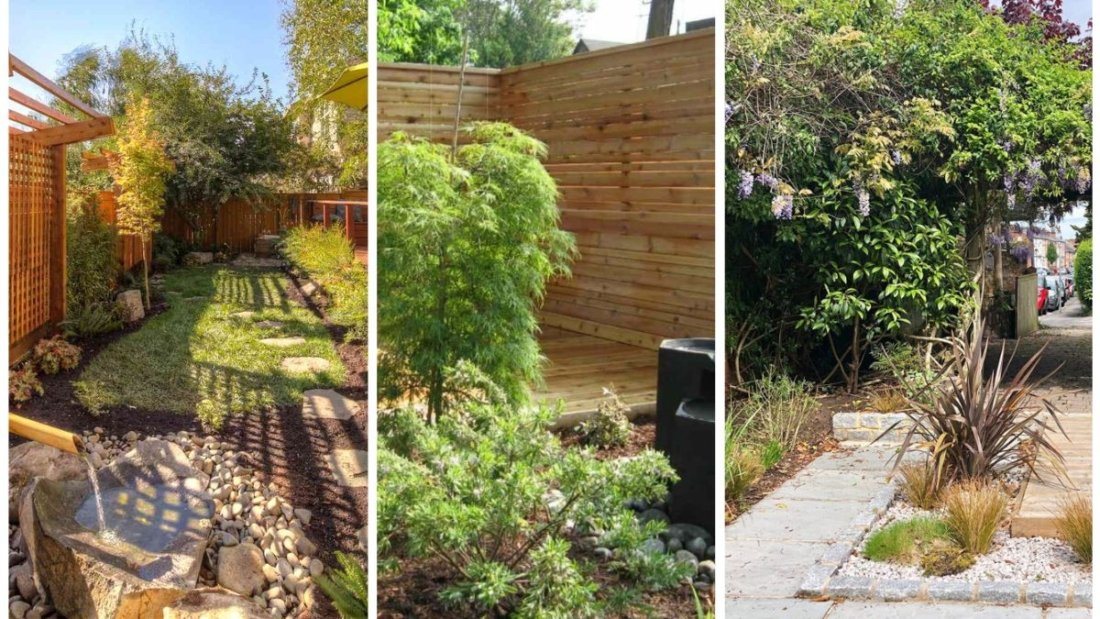
5 Smart Ways to Add Privacy Without Tall Fences

5 Smart Ways to Add Privacy Without Tall Fences

Privacy is an essential aspect of creating a comfortable and relaxing home environment. However, tall fences are not always the ideal solution—they can feel imposing, block natural light, or clash with your garden aesthetics. Fortunately, there are smarter, more creative ways to maintain privacy while keeping your outdoor space open, beautiful, and inviting.

In this article, we’ll explore five smart ways to add privacy without relying on tall fences, along with practical tips, design ideas, and the benefits of each approach. By the end, you’ll be inspired to create a serene and private outdoor space without sacrificing style or sunlight.


1. Plant Privacy Screens with Trees and Shrubs

Nature provides one of the most effective and attractive privacy solutions. By strategically planting trees, shrubs, and hedges, you can create a natural screen that adds beauty and functionality.

Recommended Plants for Privacy:

  • Evergreen Trees: Arborvitae, Leyland Cypress, or Holly provide year-round coverage.
  • Flowering Shrubs: Hydrangeas, Viburnums, or Rhododendrons add color and seasonal interest.
  • Tall Grasses: Pampas Grass, Miscanthus, or Fountain Grass offer movement, texture, and a modern look.
  • Bamboo: Clumping bamboo grows quickly and can form a dense screen without invasive spreading.

Tips for Planting Privacy Screens:

  1. Layering: Combine tall trees with mid-sized shrubs and lower plants to create depth.
  2. Spacing: Consider mature plant size to avoid overcrowding.
  3. Maintenance: Prune regularly to maintain shape and prevent overgrowth.
  4. Seasonal Interest: Mix evergreens with flowering or foliage-rich plants for year-round appeal.

Benefits: Plant screens soften the landscape, reduce noise, and improve air quality while providing privacy.


2. Install Trellises and Vertical Gardens

Trellises and vertical gardens are versatile solutions that add privacy without closing off your space. They allow you to grow climbing plants while creating an attractive, semi-private barrier.
How to Use Trellises for Privacy:

  • Climbing Plants: Ivy, Clematis, Jasmine, and Honeysuckle are ideal for covering trellises.
  • Decorative Screens: Lattice panels or geometric trellis designs can be standalone features or attached to existing structures.
  • Movable Options: Freestanding trellises can be relocated for seasonal flexibility or privacy adjustment.

Tips for Success:

  1. Choose fast-growing climbers for quick coverage.
  2. Ensure the trellis is sturdy enough to support mature plants.
  3. Water and fertilize climbing plants regularly to encourage dense foliage.

Benefits: Trellises are space-saving, visually appealing, and can integrate flowers, herbs, or vegetables for added functionality.


3. Use Outdoor Curtains or Screens

For patios, decks, or pergolas, outdoor curtains and folding screens provide instant privacy and a touch of elegance. They are especially effective for small urban spaces where planting a full screen may not be feasible.

Ideas for Outdoor Privacy:

  • Curtains on Pergolas: Attach waterproof, UV-resistant curtains to pergolas for flexible, adjustable privacy.
  • Folding Screens: Wooden or metal folding panels can be moved as needed to block specific views.
  • Roll-Up Bamboo Shades: Ideal for balconies or small patios, providing shade and privacy without permanent construction.

Tips for Using Curtains and Screens:

  1. Choose materials that withstand weather conditions.
  2. Select colors or patterns that complement your outdoor décor.
  3. Consider layering multiple panels or curtains for maximum flexibility.

Benefits: Curtains and screens are instant solutions, easy to install, and can be customized to suit your style. They also create cozy, intimate outdoor spaces.


4. Create Living Walls or Planter Boxes

Living walls and planter boxes combine greenery with structural design, providing both beauty and privacy. They are perfect for terraces, patios, or areas with limited ground space.
How to Build a Privacy Wall with Plants:

  • Stacked Planters: Arrange large planter boxes in tiers along your property line. Fill with tall plants, herbs, or shrubs.
  • Vertical Planters: Wall-mounted planter systems allow for dense, vertical foliage coverage.
  • Mixed Planting: Combine flowering plants with greenery to maintain visual interest.

Tips for Maximizing Effectiveness:

  1. Use fast-growing and dense foliage plants for immediate coverage.
  2. Regularly water and fertilize to maintain lush growth.
  3. Add trellises inside planters to encourage vertical climbing.

Benefits: Living walls and planters are visually stunning, customizable, and can double as edible gardens for herbs or vegetables.


5. Incorporate Architectural Features

Architectural elements such as pergolas, gazebos, and decorative screens can add privacy while enhancing the aesthetic of your garden. These structures offer permanent or semi-permanent solutions without the blocky appearance of tall fences.

Architectural Privacy Ideas:

  • Pergolas with Drapes or Climbers: Combine wood structures with climbing plants for a natural barrier.
  • Gazebos or Garden Pavilions: Enclosed on one or more sides for private seating areas.
  • Decorative Screens: Laser-cut metal panels, wood slats, or stone dividers add artistic flair while blocking views.

Tips for Architectural Solutions:

  1. Match materials with existing outdoor décor for cohesion.
  2. Ensure structures comply with local building regulations.
  3. Integrate planters or hanging pots to soften rigid lines and enhance greenery.

Benefits: Architectural elements create distinct outdoor rooms, offer shade, and provide long-term, visually appealing privacy solutions.


Additional Tips for Enhancing Outdoor Privacy

  1. Combine Methods: Mixing plants, trellises, and architectural features often provides the most effective privacy.
  2. Consider Seasonal Changes: Choose evergreens or dense shrubs to maintain privacy during winter months.
  3. Noise Reduction: Dense plantings and water features can also reduce sound from neighbors or streets.
  4. Layered Privacy: Use a combination of low hedges, taller plants, and vertical elements to create depth and concealment.

Benefits of Privacy Without Tall Fences

  • Preserves Natural Light: Open, lower structures allow sunlight to filter through, keeping spaces bright.
  • Enhances Aesthetics: Creative solutions add beauty and character to your garden, rather than creating a plain barrier.
  • Flexible and Adaptable: Many methods can be moved, changed, or enhanced seasonally.
  • Environmentally Friendly: Plant-based solutions contribute to air quality and biodiversity, unlike solid fence materials.

Conclusion

Adding privacy to your outdoor space doesn’t require tall, imposing fences. With creativity and planning, you can combine plants, trellises, curtains, planter boxes, and architectural features to create private, inviting, and visually appealing outdoor areas.

Whether you live in a small urban backyard, a balcony apartment, or a sprawling garden, these smart solutions offer both functional and aesthetic benefits. By layering different methods, choosing the right plants, and integrating stylish structures, you can enjoy your outdoor space in peace, comfort, and beauty—without sacrificing sunlight, airflow, or design.

Privacy doesn’t have to be a barrier—it can be a beautiful part of your outdoor environment. With these five smart strategies, you can transform your space into a serene and private retreat that is as stylish as it is secluded.

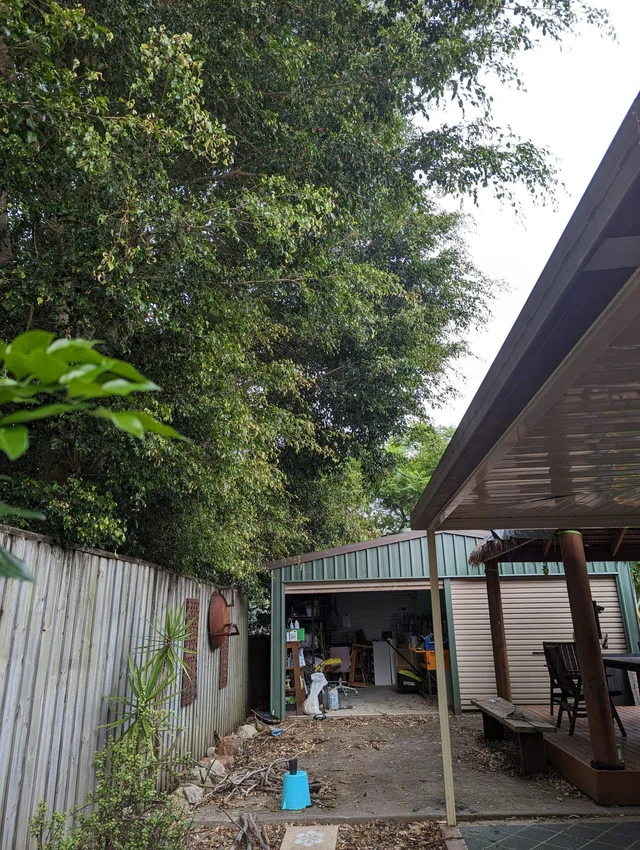
How to Talk to Neighbors About Overhanging Branches

How to Talk to Neighbors About Overhanging Branches

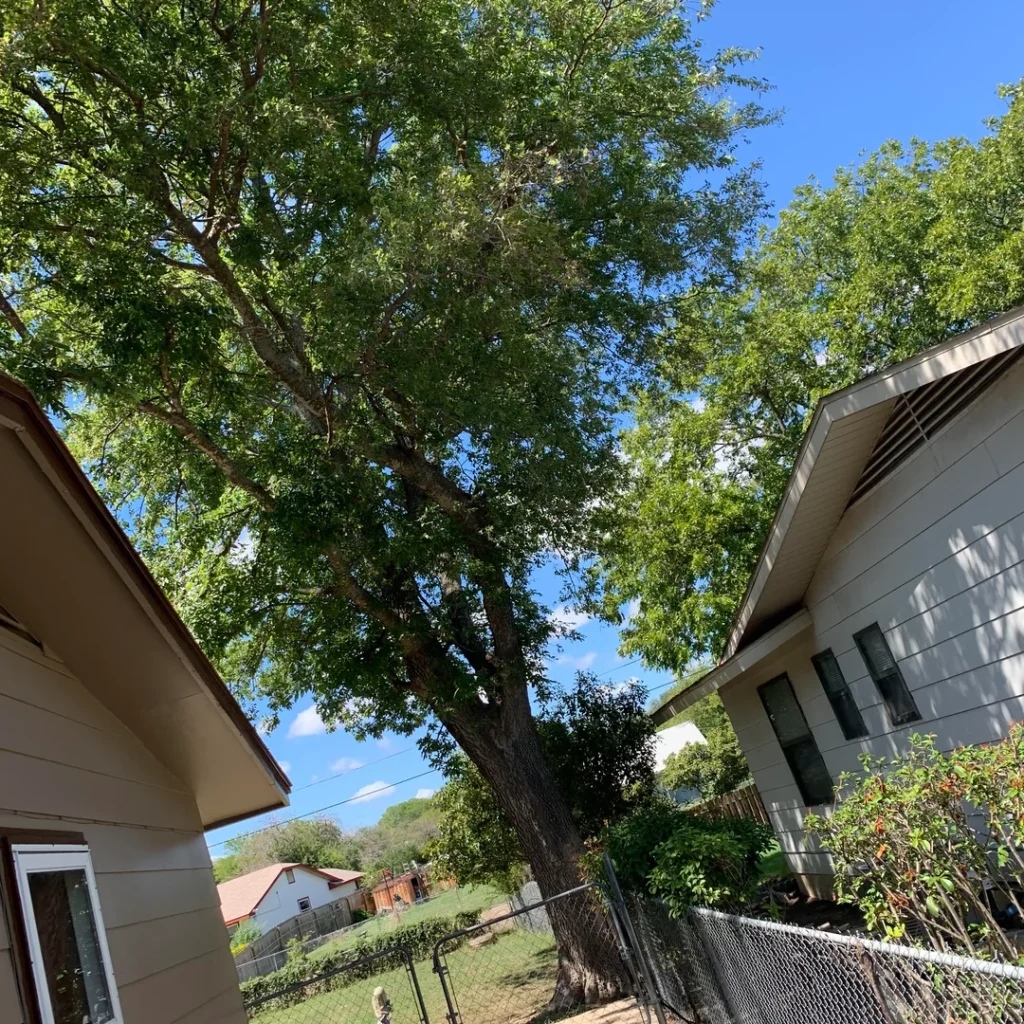
Trees add beauty, shade, and value to our homes, but sometimes their branches grow beyond property lines, creating challenges for neighbors. Overhanging branches can block sunlight, drop leaves or debris, interfere with power lines, or even pose safety risks. Addressing this issue requires a balance of diplomacy, legal understanding, and practical action. Knowing how to talk to neighbors about overhanging branches can prevent conflicts and maintain a positive relationship while ensuring the safety and enjoyment of your property.

This article provides step-by-step guidance on communicating effectively, understanding your rights and responsibilities, and resolving overhanging branch issues respectfully and legally.


Understanding the Problem

Before approaching your neighbor, it’s important to assess the situation clearly:

  1. Identify the branches in question – Determine which branches are causing the issue. Are they obstructing light, hanging low, or creating hazards?
  2. Check property boundaries – Verify which property the tree is on. In most cases, the trunk determines ownership, even if branches extend onto your property.
  3. Assess safety risks – Consider if the branches pose a danger to people, vehicles, or structures. Safety concerns give more weight to your request.
  4. Document the issue – Take photos and notes of the overhanging branches and the problems they are causing. This documentation can be useful if disputes escalate.

Know Your Legal Rights and Responsibilities

Property laws regarding overhanging branches vary by region, but some general principles apply:

  • Right to Trim Overhanging Branches: In many areas, you have the right to trim branches that extend over your property line, as long as you don’t damage the health of the tree or trespass on your neighbor’s land.
  • Responsibility for Damage: You may be responsible for disposing of trimmed branches or ensuring no damage occurs to your neighbor’s property.
  • Power Lines and Utilities: Never trim branches near power lines yourself—contact the utility company instead.
  • Good Neighbor Practices: Even if the law allows you to trim branches, informing your neighbor first is courteous and helps prevent disputes.

Tip: Research local laws regarding tree ownership and pruning to understand your rights before starting the conversation.


Step 1: Plan Your Approach

The way you approach your neighbor can determine whether the conversation goes smoothly or becomes contentious.

Consider the Following:

  • Timing: Choose a calm, unhurried moment to talk—avoid times of stress or conflict.
  • Tone: Approach the issue politely and collaboratively rather than aggressively.
  • Prepare Solutions: Think about possible compromises, such as sharing the cost of trimming, hiring a professional, or scheduling work at convenient times.
  • Focus on Facts: Keep the discussion about the impact on your property, safety, and mutual benefit rather than personal grievances.

Step 2: Start the Conversation

Initiate a friendly, face-to-face conversation if possible. If meeting in person isn’t feasible, a polite letter, email, or phone call works as well.

Sample Conversation Starters:

  • “I’ve noticed some branches from your tree are extending over my yard, and I’m concerned about safety and maintenance. Could we discuss how to manage them?”
  • “I love the tree in your yard—it’s beautiful. Some of the branches are overhanging my garden, and I wanted to see if we could work out a solution together.”

Key Tips:

  • Use “I” Statements: Focus on how the branches affect your property rather than blaming your neighbor.
  • Be Calm and Respectful: Avoid accusations; stay constructive.
  • Listen Actively: Understand their perspective—they may not even be aware of the issue.

Step 3: Offer Solutions

After addressing the concern, propose practical solutions. Options include:

  1. Trimming Yourself With Permission – If the neighbor agrees, you may trim overhanging branches, taking care not to damage the tree.
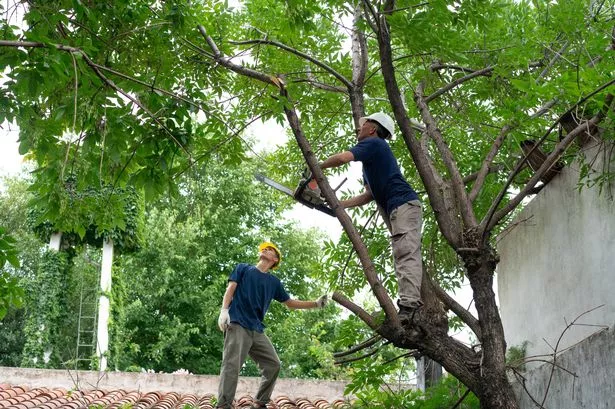
  2. Hiring a Professional Arborist – For larger or potentially hazardous trees, professional pruning is safer and ensures the tree’s health.
  3. Sharing Costs – In some cases, splitting expenses for tree maintenance fosters goodwill.
  4. Scheduling Work Together – Plan the trimming at a convenient time for both parties, minimizing disruption.
  5. Tree Guards or Supports – For branches at risk of breaking, installing supports or braces may prevent future overhang issues.

Step 4: Follow Up in Writing

Even after a friendly discussion, it’s wise to confirm any agreement in writing. A simple note or email summarizing the plan can prevent misunderstandings. Include:

  • Agreed-upon work (what will be trimmed)
  • Timeline for completion
  • Responsibilities for disposal or cleanup
  • Any shared costs

Having a written record ensures clarity and can be useful if disagreements arise later.


Step 5: Mediation and Legal Options

If your neighbor refuses to cooperate or becomes hostile, mediation or legal channels may be necessary.

Options Include:

  • Community Mediation Services: Many cities offer free or low-cost mediation to resolve neighbor disputes amicably.
  • Local Tree or Property Regulations: Contact your municipal office to learn about local ordinances regarding tree overhang.
  • Small Claims Court: As a last resort, legal action can enforce your right to trim branches or seek damages, though it is usually preferable to resolve matters informally.

Tip: Avoid unilateral action without communication—it can escalate disputes and create legal complications.


Preventing Future Overhanging Branch Issues

Once the immediate problem is addressed, take steps to avoid recurring conflicts:

  1. Regular Tree Maintenance: Encourage periodic trimming of trees on your property and, if possible, coordinate with neighbors.
  2. Plant Strategically: Consider planting trees away from property lines to reduce future overhang.
  3. Boundary Planting: Shrubs, hedges, or small trees along property lines can act as a buffer and reduce disputes.
  4. Communication Channels: Maintain an open line of communication with neighbors about yard maintenance and shared concerns.

Tips for a Positive Outcome

  • Be Patient: Some neighbors may need time to consider solutions.
  • Avoid Escalation: Keep the focus on shared benefits and safety, not personal grievances.
  • Offer Assistance: Helping with the labor or cost demonstrates goodwill.
  • Stay Flexible: Compromise may be necessary; the goal is resolution, not confrontation.

Common Mistakes to Avoid

  1. Ignoring the Issue – Delaying action can worsen safety risks and property damage.
  2. Taking Unilateral Action Without Permission – Cutting branches without notifying the owner may strain relationships or violate local laws.
  3. Being Aggressive or Confrontational – Hostility often leads to conflict rather than resolution.
  4. Overlooking Legal Rights – Not knowing your property or legal rights can result in disputes or liability issues.

Conclusion

Talking to neighbors about overhanging branches can feel awkward, but it’s a necessary part of responsible homeownership. By approaching the situation with politeness, preparation, and practical solutions, you can protect your property, ensure safety, and maintain positive relationships.

Remember: clear communication, documented agreements, and mutual respect are key. Whether you’re trimming minor overhangs, hiring a professional arborist, or establishing a long-term maintenance plan, handling the situation thoughtfully ensures that both you and your neighbor benefit.

With patience and diplomacy, overhanging branches don’t have to be a source of conflict—they can become an opportunity to strengthen neighborly trust and cooperation.

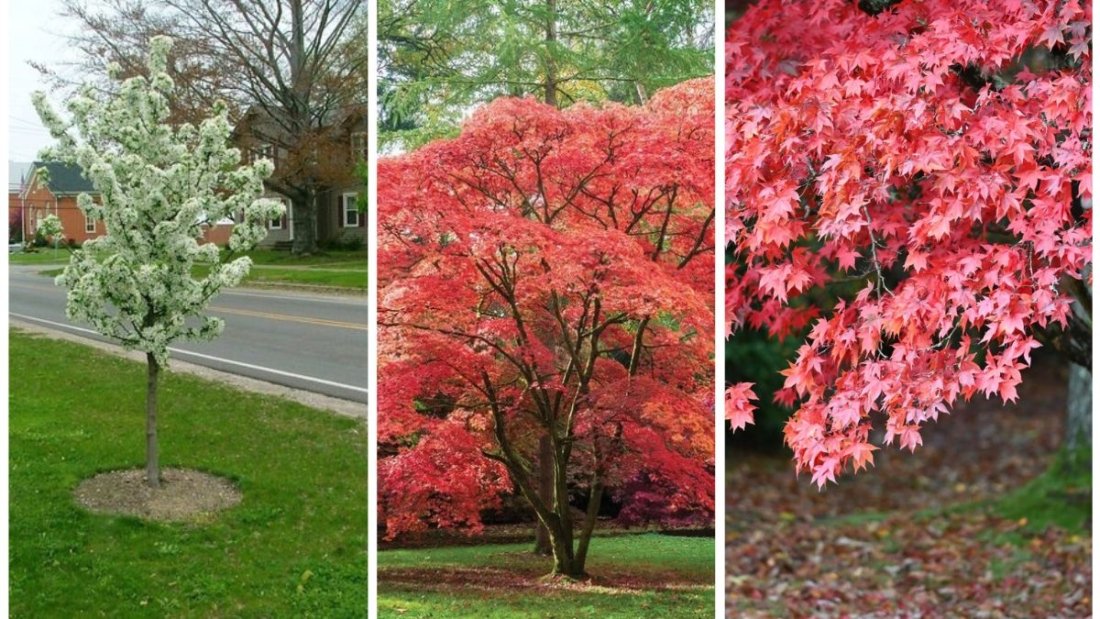
5 Small Trees Perfect for Urban Gardens

5 Small Trees Perfect for Urban Gardens

Urban gardens are unique spaces. Unlike sprawling country landscapes, city gardens, courtyards, and compact backyards require thoughtful plant choices that balance beauty, function, and scale. Large trees can overwhelm limited areas, shading out smaller plants and interfering with buildings or utilities. That’s where small trees shine.

With their manageable size, adaptability, and ornamental value, small trees bring color, fragrance, privacy, and even food to tight spaces. They serve as focal points, soften hardscapes, attract pollinators, and make an urban garden feel lush and alive. In this article, we’ll explore five small trees perfect for urban gardens, along with planting tips, benefits, and design ideas to make the most of your green space.

Why Choose Small Trees for Urban Gardens?

Before diving into the list, let’s understand the appeal of small trees in city landscapes:

  1. Space-Friendly – They typically stay under 25 feet tall, making them manageable in narrow yards or near buildings.
  2. Low Maintenance – Most small trees require less pruning and care than larger varieties.
  3. Ornamental Appeal – They offer flowers, foliage color, interesting bark, or fruit without dominating the garden.
  4. Environmental Benefits – Even small trees filter air pollution, reduce heat, and support wildlife in urban settings.
  5. Versatility – Many can be grown in pots, used as patio accents, or planted along borders for privacy.

Now, let’s look at five standout small trees that thrive in urban gardens.


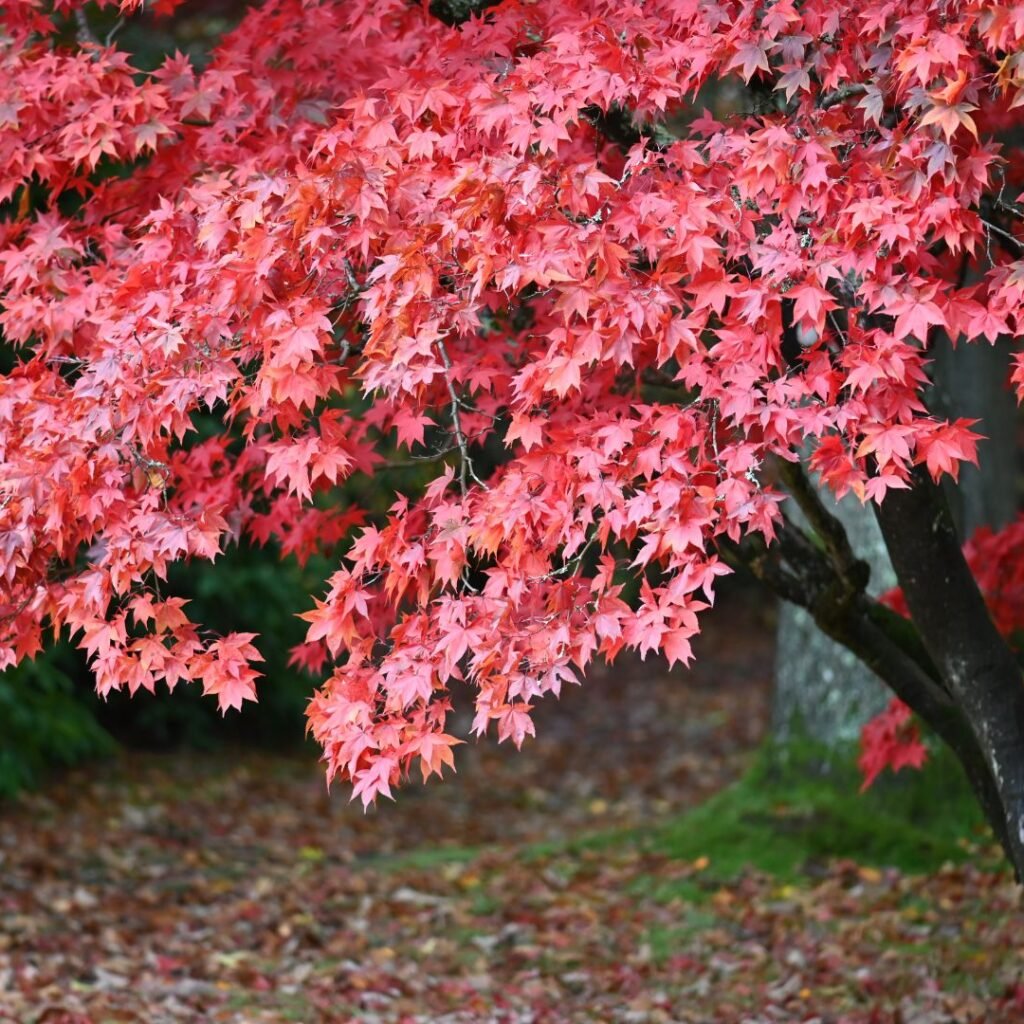
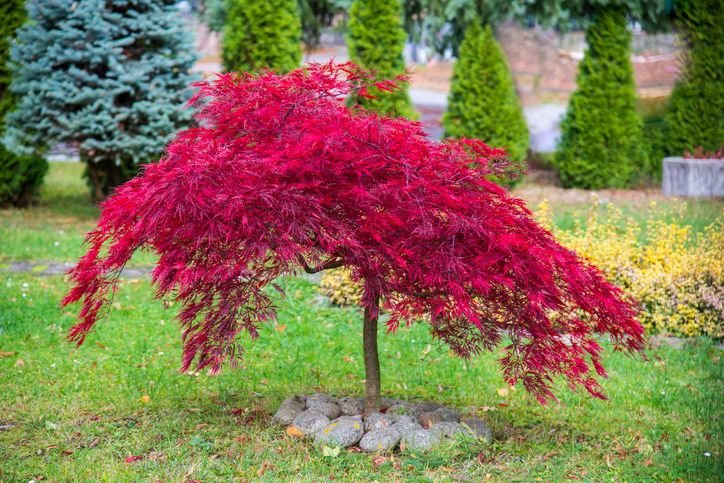
1. Japanese Maple (Acer palmatum)

Why It’s Perfect for Urban Gardens

The Japanese maple is a classic choice for small spaces. Revered for its elegant, finely cut leaves and graceful branching, it brings year-round beauty to even the tiniest courtyard. With dozens of cultivars available, you can find one that fits your garden’s style and size.

Key Features

  • Height & Spread: 10–20 feet tall, often wider than tall.
  • Seasonal Interest:
    • Spring: Fresh green or red foliage.
    • Summer: Delicate leaf texture provides shade and elegance.
    • Fall: Brilliant red, orange, or yellow foliage.
    • Winter: Sculptural branching adds structure.
  • Varieties to Try:
    • Acer palmatum ‘Bloodgood’ (deep red foliage).
    • Acer palmatum ‘Dissectum’ (laceleaf form).

Planting Tips

  • Prefers partial shade, especially in hot climates.
  • Plant in well-drained, slightly acidic soil.
  • Protect from strong winds to prevent leaf scorch.

Design Idea

Use a Japanese maple as the centerpiece of a small courtyard garden or in a container near an entrance for year-round impact.


2. Serviceberry (Amelanchier spp.)

Why It’s Perfect for Urban Gardens

Serviceberry, also called Juneberry or Saskatoon, is a multi-season star. It’s small, adaptable, and offers flowers, edible berries, and brilliant fall foliage—all in one package.

Key Features

  • Height & Spread: 15–25 feet tall, often grown as a large shrub or small tree.
  • Seasonal Interest:
    • Spring: Clouds of white blossoms attract pollinators.
    • Summer: Blue-purple berries, loved by birds (and edible for humans).
    • Fall: Fiery orange to red foliage.
    • Winter: Smooth gray bark provides contrast.
  • Varieties to Try:
    • Amelanchier canadensis (compact, multi-stem form).
    • Amelanchier alnifolia (cold-hardy, edible berries).

Planting Tips

  • Thrives in full sun to partial shade.
  • Prefers moist, well-drained soil but tolerates urban conditions.
  • Plant where you can enjoy both flowers and fruits up close.

Design Idea

Incorporate serviceberry along a fence line for seasonal screening, or near a patio to enjoy its blossoms and fruit.


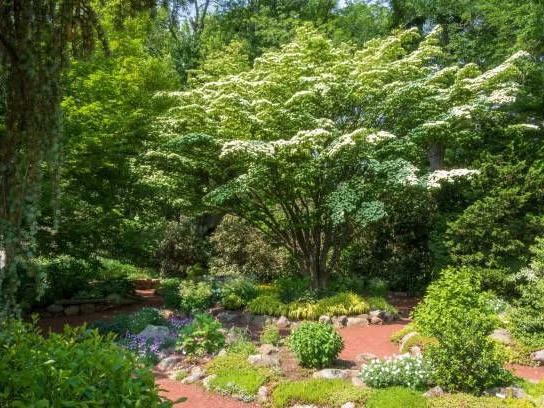
3. Flowering Dogwood (Cornus florida)

Why It’s Perfect for Urban Gardens

Few trees rival the charm of flowering dogwoods. With showy spring blooms and attractive branching, they’re ideal for small urban landscapes where a statement piece is needed.

Key Features

  • Height & Spread: 15–25 feet tall and wide.
  • Seasonal Interest:
    • Spring: White or pink blossoms that last for weeks.
    • Summer: Glossy green foliage provides shade.
    • Fall: Scarlet-red foliage and bright red berries.
    • Winter: Layered branching adds interest.
  • Varieties to Try:
    • Cornus florida ‘Cherokee Princess’ (vigorous white blooms).
    • Cornus florida ‘Rubra’ (soft pink flowers).

Planting Tips

  • Prefers partial shade with morning sun and afternoon shade.
  • Needs rich, well-drained soil.
  • Protect from drought and extreme heat in urban areas.

Design Idea

Plant dogwood as a specimen tree in the front yard to greet visitors with its seasonal display.


4. Crape Myrtle (Lagerstroemia indica)

Why It’s Perfect for Urban Gardens

Crape myrtle is the ultimate city tree, thriving in heat, tolerating poor soils, and offering vibrant color in summer when many other trees look tired. Its compact size makes it a fantastic option for urban spaces.

Key Features

  • Height & Spread: 10–20 feet tall, depending on variety.
  • Seasonal Interest:
    • Summer: Long-lasting clusters of flowers in shades of white, pink, purple, or red.
    • Fall: Striking orange-red foliage.
    • Winter: Smooth, mottled bark adds texture.
  • Varieties to Try:
    • ‘Natchez’ (white flowers, exfoliating bark).
    • ‘Tuscarora’ (vivid coral-pink blooms).

Planting Tips

  • Requires full sun for best flowering.
  • Very tolerant of drought and city conditions once established.
  • Light pruning in late winter encourages new blooms.

Design Idea

Line a driveway or sidewalk with small crape myrtles for a dazzling summer display.


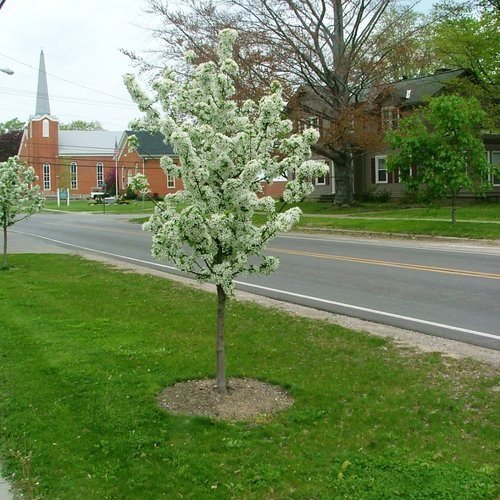
5. Hawthorn (Crataegus spp.)

Why It’s Perfect for Urban Gardens

Hawthorns combine ornamental beauty with toughness, making them a favorite for city planting. With their spring blossoms, bright berries, and bird-friendly nature, they offer charm without overwhelming space.
Key Features

  • Height & Spread: 15–20 feet tall, often with a rounded crown.
  • Seasonal Interest:
    • Spring: Clusters of fragrant white or pink blossoms.
    • Summer: Glossy green foliage.
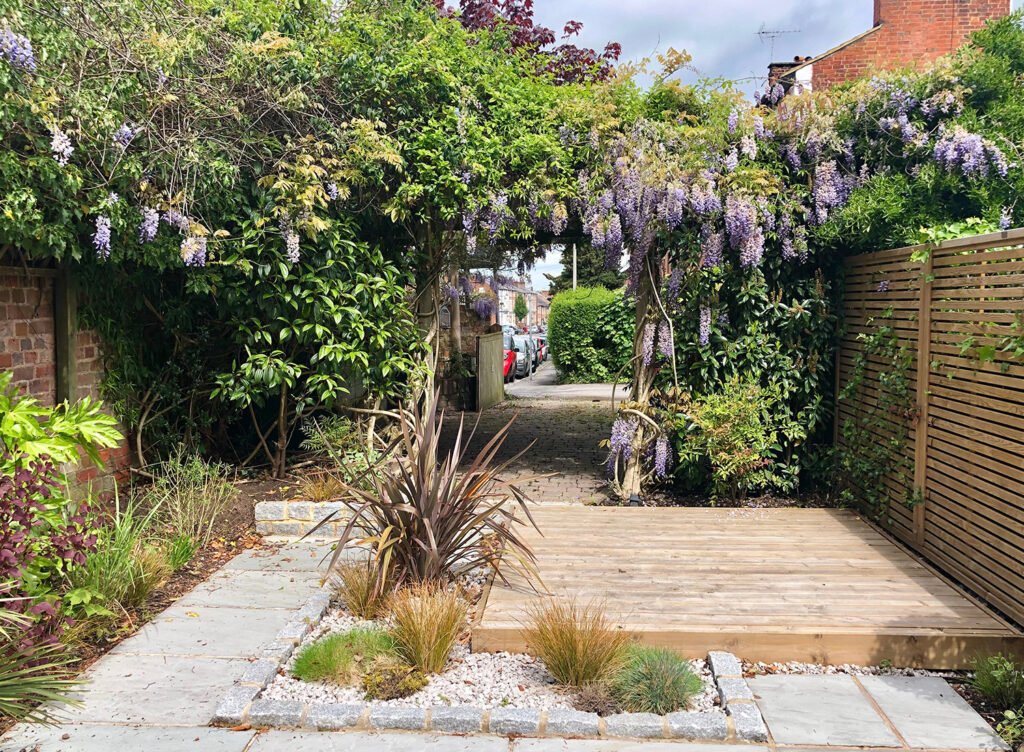
    • Fall: Red or orange berries that persist into winter.
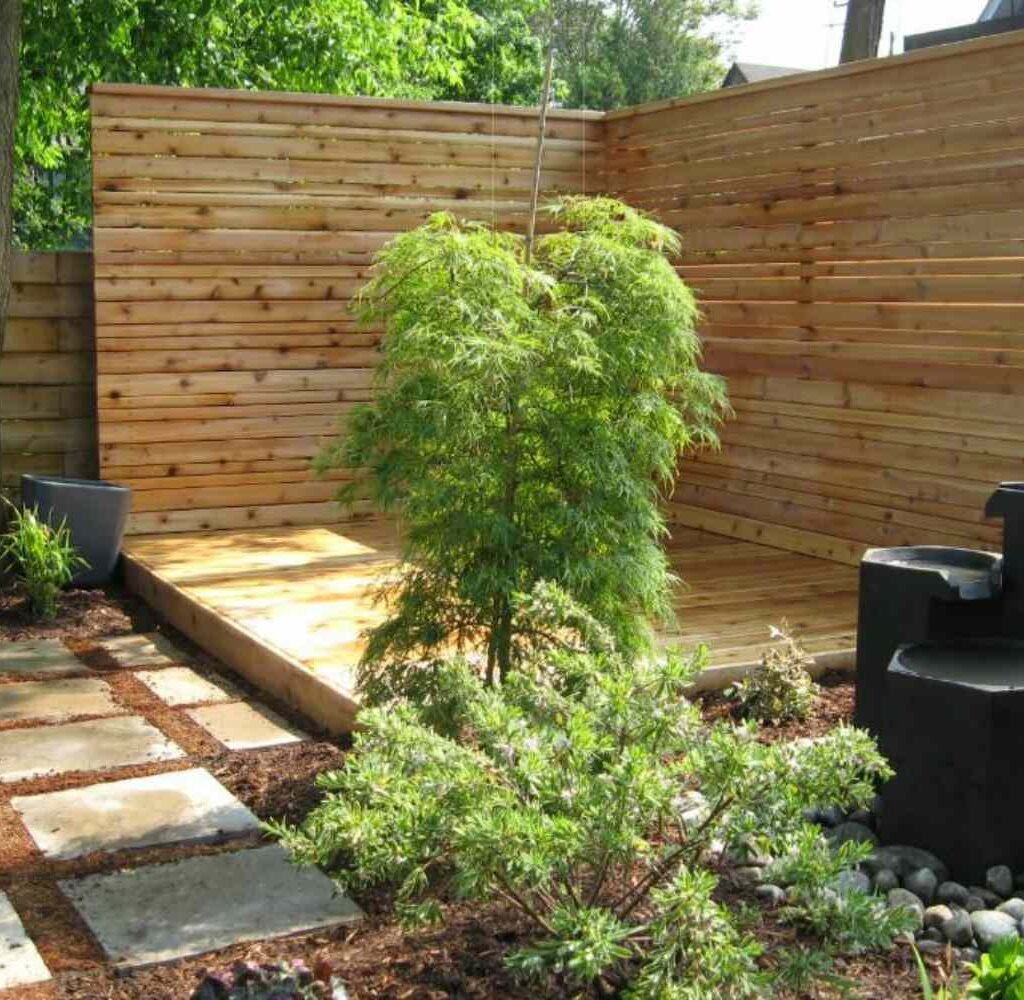
    • Winter: Attractive silhouette and wildlife appeal.
  • Varieties to Try:
    • Crataegus laevigata ‘Paul’s Scarlet’ (rosy-red flowers).
    • Crataegus viridis ‘Winter King’ (showy berries, silvery bark).

Planting Tips

  • Thrives in full sun and well-drained soil.
  • Hardy and adaptable to urban pollution.
  • Watch for thorns when choosing placement.

Design Idea

Plant a hawthorn as a focal point in a mixed border or near a patio where birds can enjoy the berries.


Tips for Choosing and Growing Small Trees in Urban Gardens

  1. Measure Your Space – Know the mature height and spread of the tree before planting.
  2. Consider Utilities – Avoid planting directly under power lines or too close to buildings.
  3. Soil Preparation – Urban soils may be compacted or poor; amend with compost for better growth.
  4. Watering – Young trees need consistent watering, especially in hot, paved areas.
  5. Maintenance – Prune for shape and health, but avoid over-pruning, which can weaken small trees.
  6. Use Containers – Many small trees thrive in large pots, making them movable features for patios and rooftops.

Final Thoughts

Small trees bring beauty, function, and a touch of nature to urban gardens where space is limited. The five trees highlighted—Japanese maple, serviceberry, flowering dogwood, crape myrtle, and hawthorn—each offer unique benefits, from stunning foliage to edible fruit and wildlife support.

By carefully selecting the right tree for your space and caring for it properly, you can create an urban oasis that feels lush and inviting all year long. Even in the busiest city, a small tree can transform your garden into a vibrant retreat filled with life, color, and seasonal charm.