How to Extend Your Garden’s Blooming Season

How to Extend Your Garden’s Blooming Season

A vibrant garden filled with colorful blooms is a source of joy, tranquility, and aesthetic pleasure. However, most gardens experience a natural ebb in flowering, with blooms appearing only during certain seasons. For gardeners and plant enthusiasts, extending the blooming season is both a creative challenge and a rewarding endeavor. With careful planning, selection, and maintenance, it is possible to enjoy a garden in bloom for much longer, often spanning several months or even the entire year. This article provides detailed guidance on techniques, plant choices, and strategies to maximize your garden’s flowering period.


1. Understanding Blooming Cycles
Before attempting to extend your garden’s blooming season, it’s essential to understand how flowering cycles work. Most flowering plants have a natural rhythm influenced by:

  • Photoperiod (Day Length): Some plants require long or short days to trigger blooming.
  • Temperature: Seasonal temperatures can accelerate or delay flowering.
  • Plant Maturity: Young plants may not bloom until fully mature.
  • Pruning and Maintenance: Timely pruning can encourage new blooms and prevent plant fatigue.

By understanding these factors, gardeners can manipulate conditions and select plants that provide continuous blooms.


2. Choose a Variety of Blooming Times

A key strategy to extend flowering is to plant species with overlapping bloom periods. This ensures that as one plant fades, another begins to flower.

a) Early Bloomers

These plants flower in late winter or early spring, offering the first colors in your garden:
  • Crocus: Bright, low-growing bulbs that thrive in cool soil.
  • Snowdrops: Delicate white flowers that signal the end of winter.
  • Forsythia: Vibrant yellow branches that bloom before leaves emerge.

b) Mid-Season Bloomers

Mid-season flowers bring full color during late spring to summer:

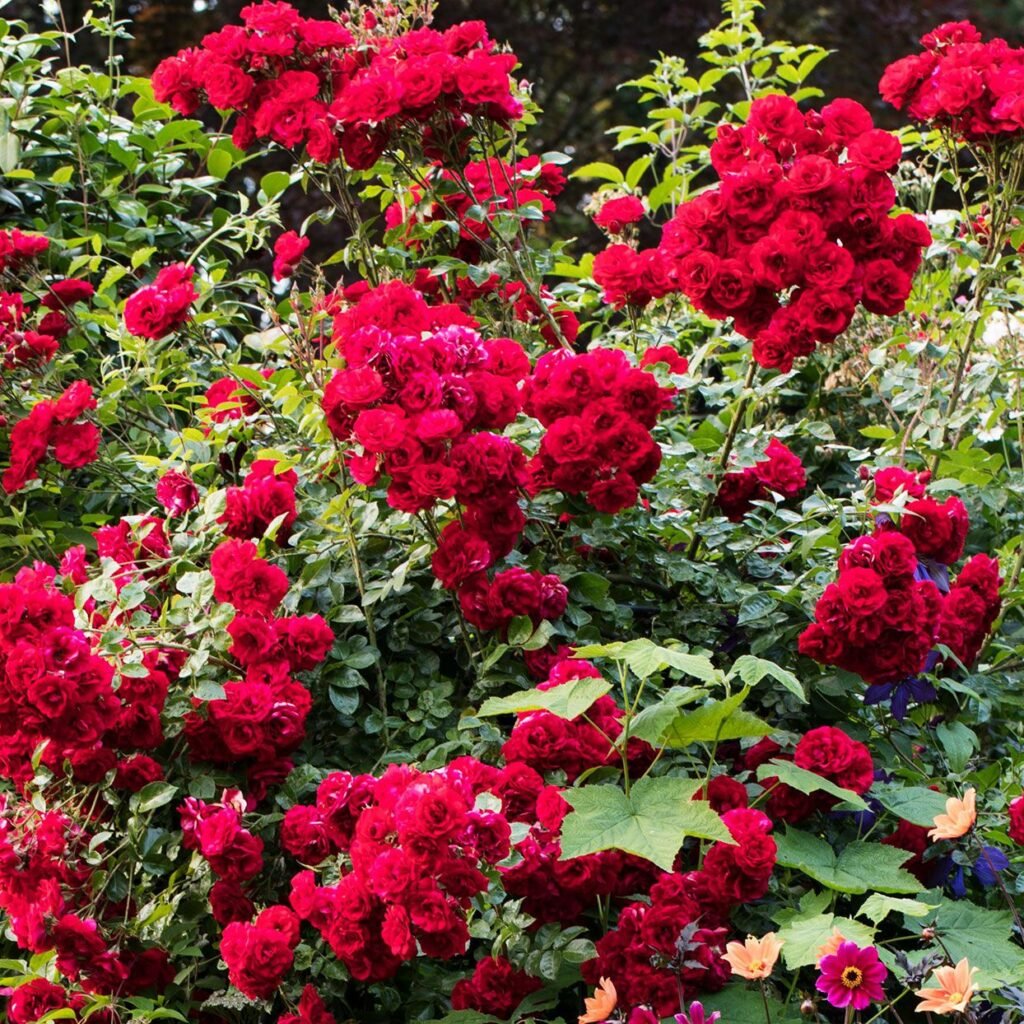
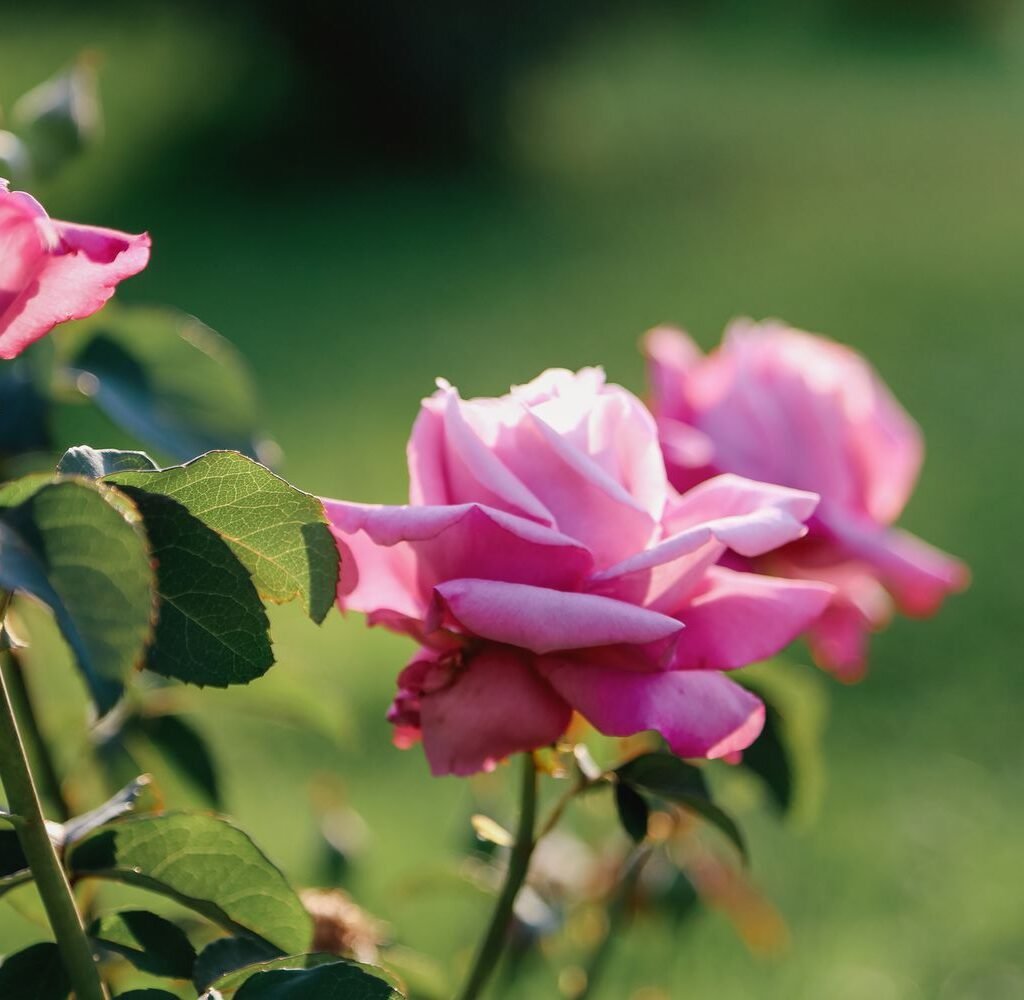
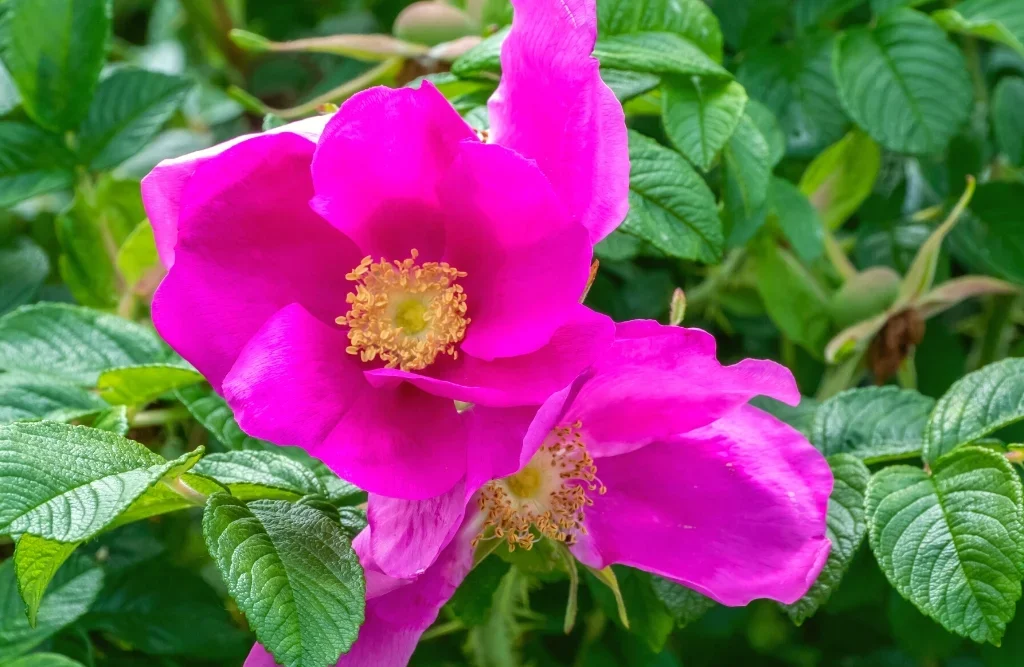
  • Roses: Classic flowers with multiple varieties and repeat-blooming options.
  • Lavender: Aromatic and long-lasting, ideal for sunny borders.
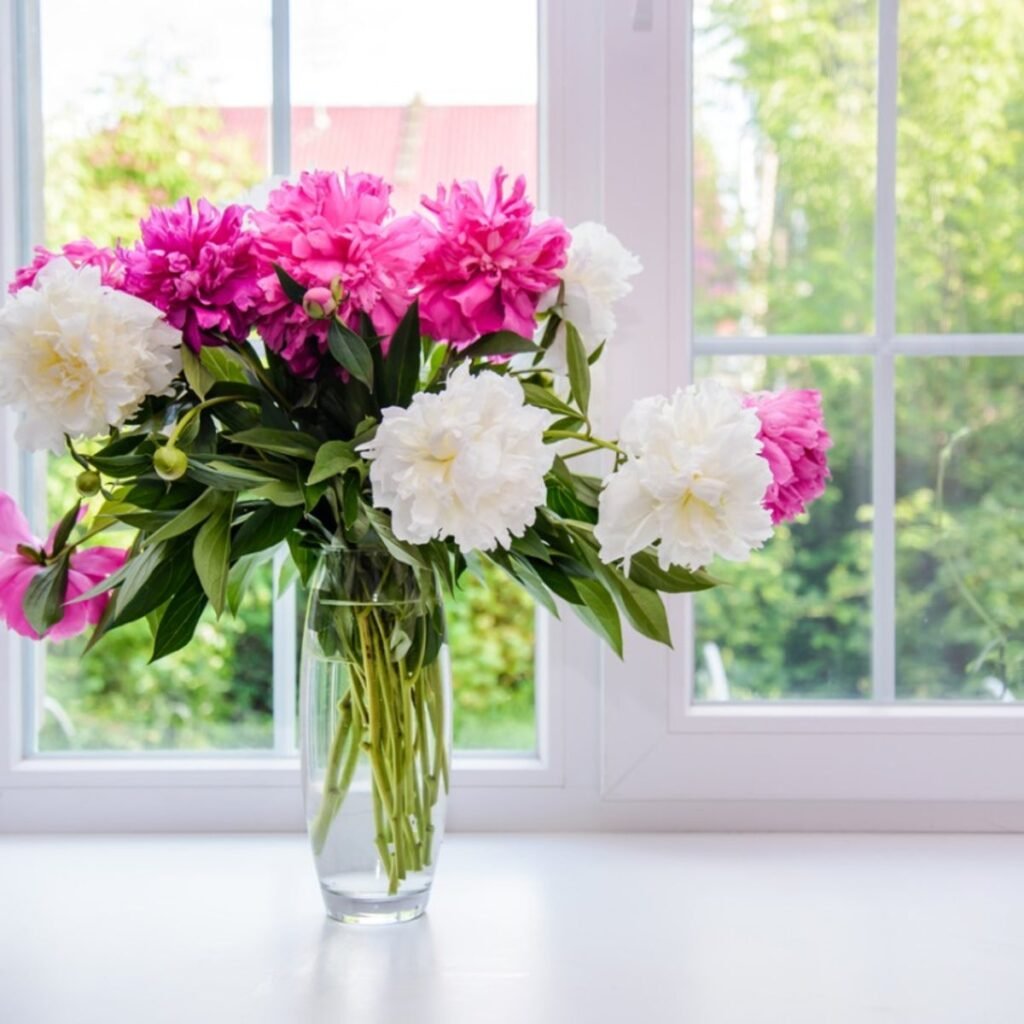
  • Peonies: Lush, romantic blooms that peak in late spring.

c) Late Bloomers

These plants keep your garden colorful in late summer and fall:

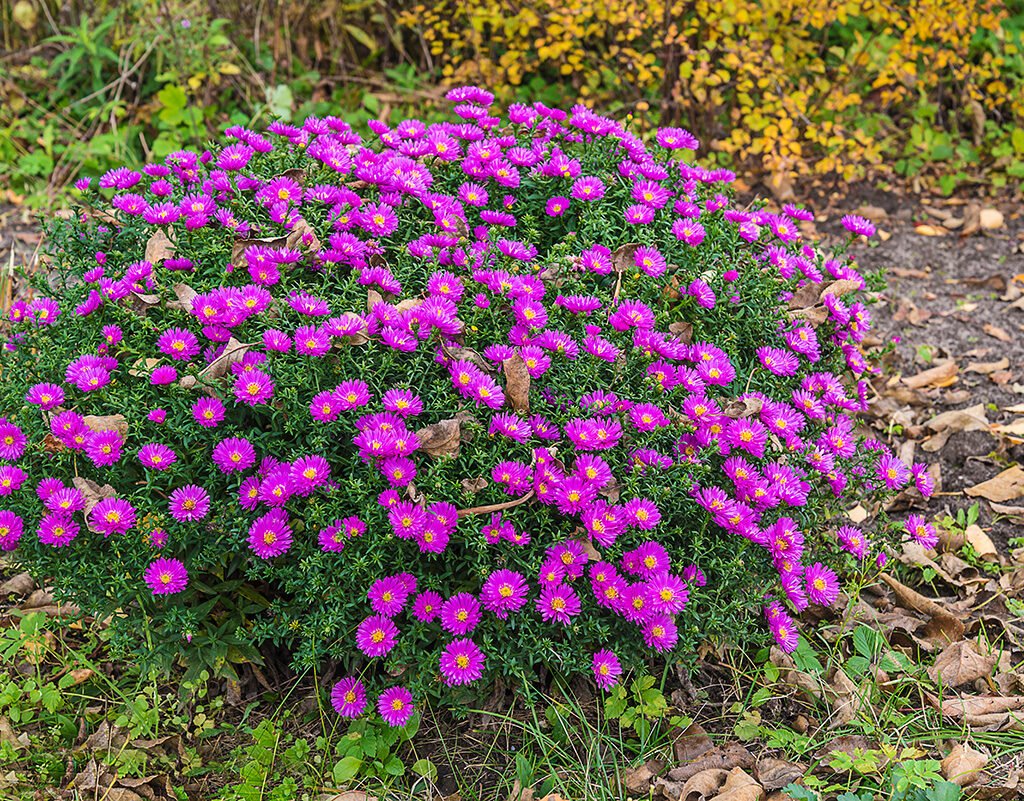
  • Chrysanthemums: Known for long-lasting autumn blooms.
  • Asters: Star-shaped flowers in purple, pink, and white.
  • Sedum: Succulent-like plants with vibrant fall flower heads.

By mixing early, mid, and late bloomers, your garden remains visually appealing for months.


3. Use Succession Planting
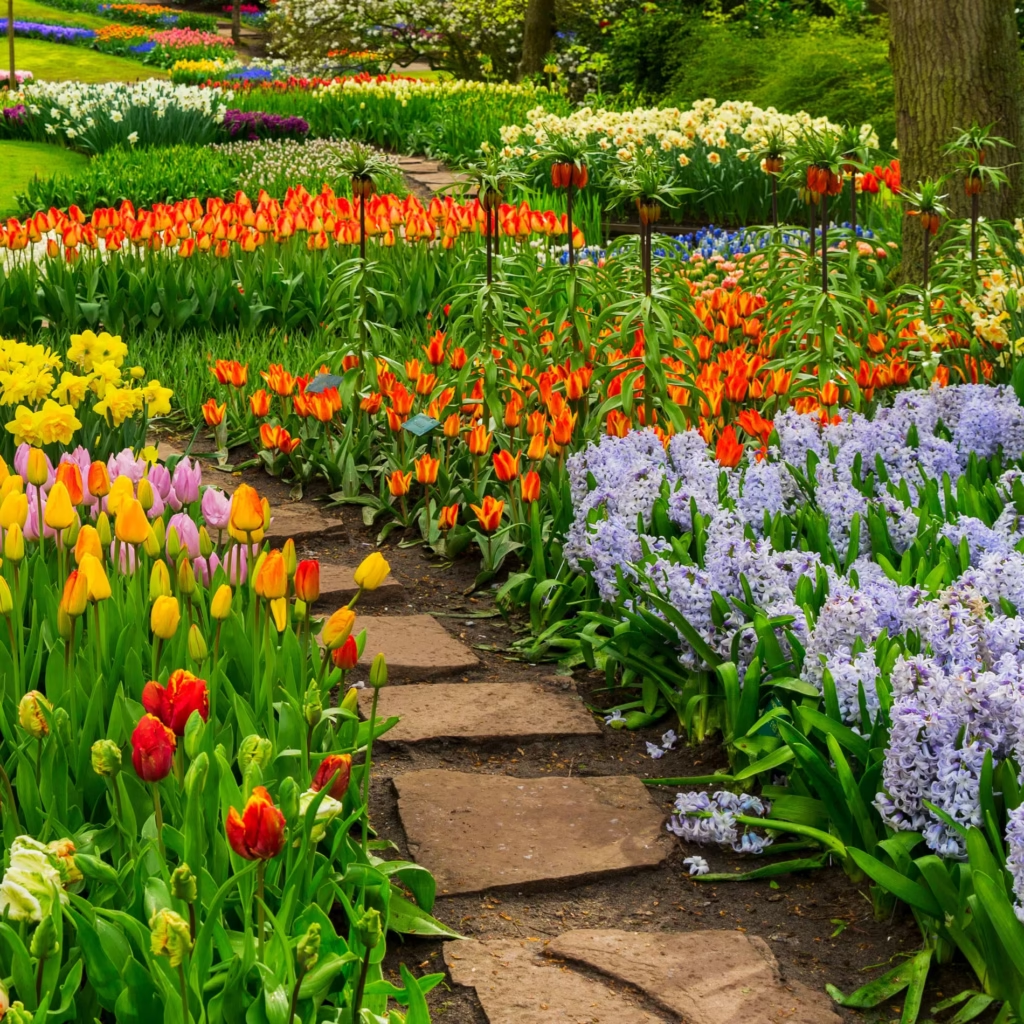
Succession planting involves staggering sowing or planting times so that flowers bloom in succession rather than all at once. This technique is especially effective with annuals such as:

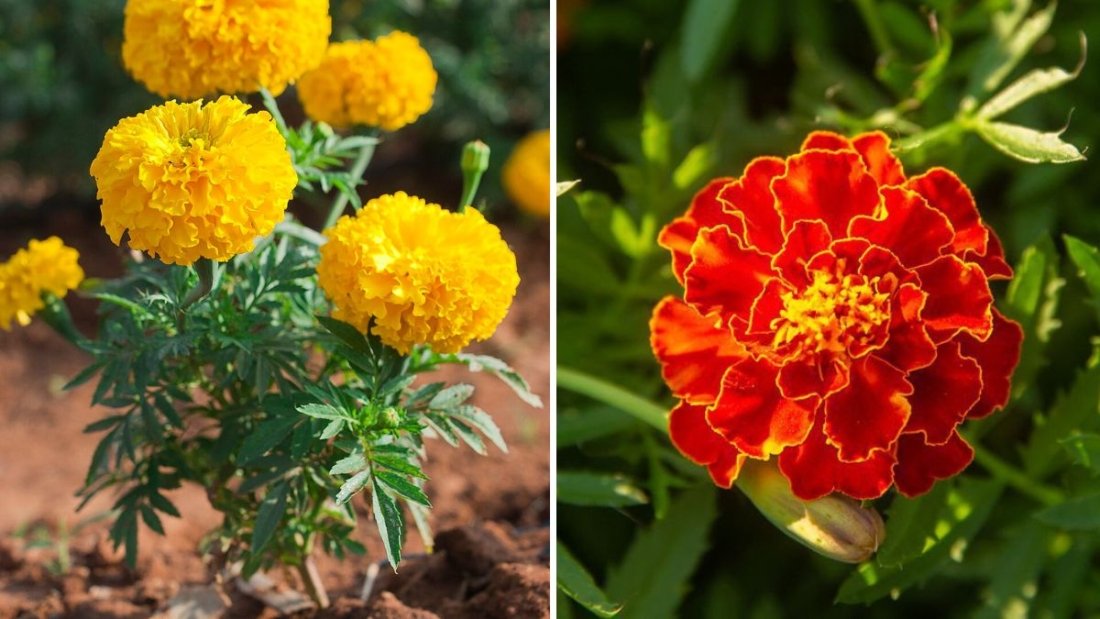
  • Marigolds: Plant every 2–3 weeks to maintain continuous blooms.
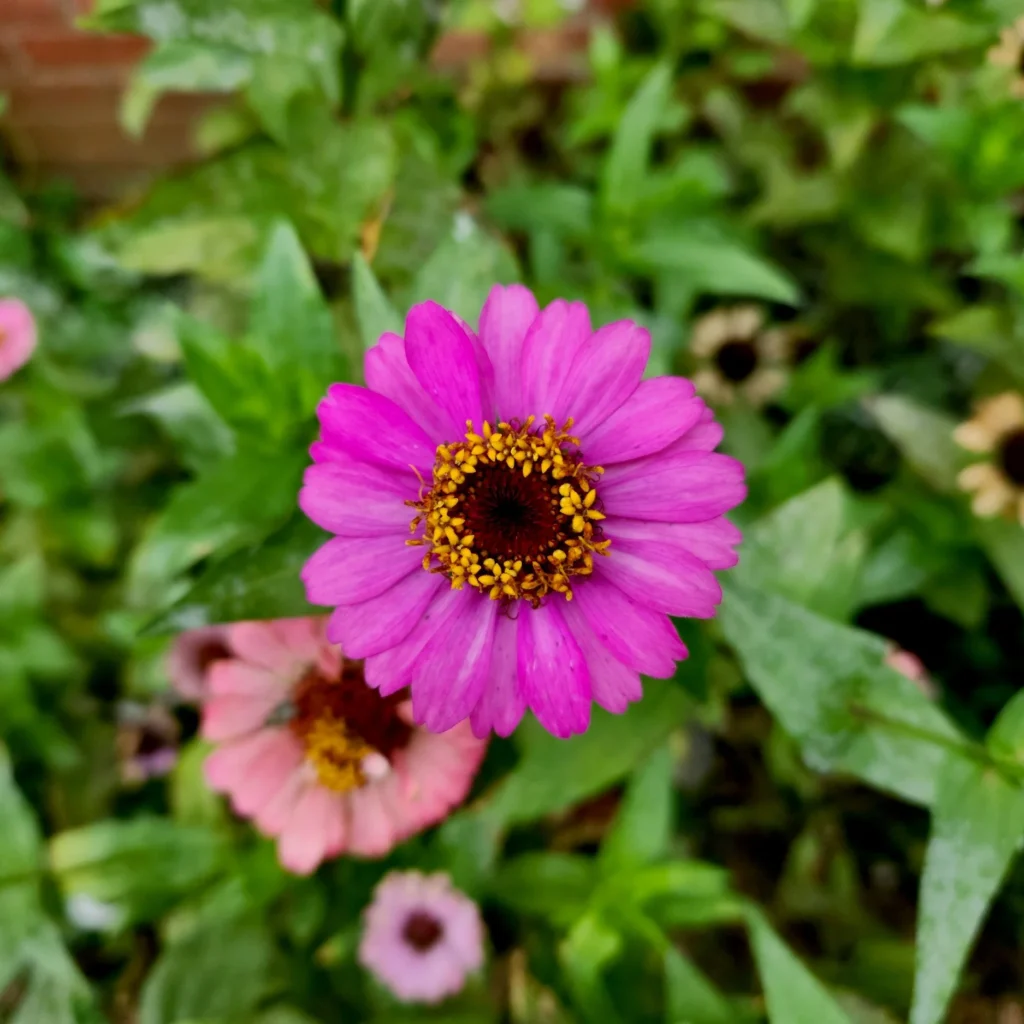
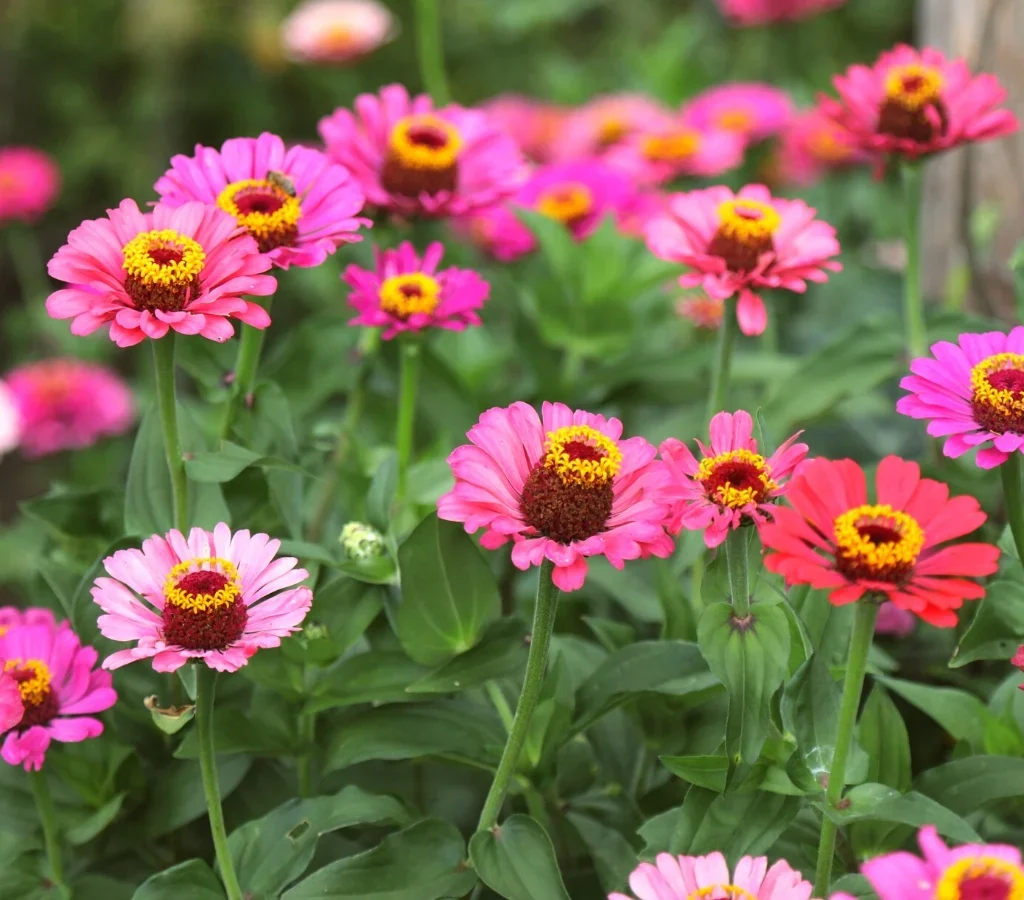
  • Zinnias: Sow seeds every few weeks for vibrant summer displays.
  • Petunias: Repeat sowing ensures a long-lasting display.

Succession planting also works for perennials with staggered bloom times. By carefully scheduling plantings, gardeners can enjoy a near-continuous flowering display.


4. Extend Blooming Through Pruning and Deadheading

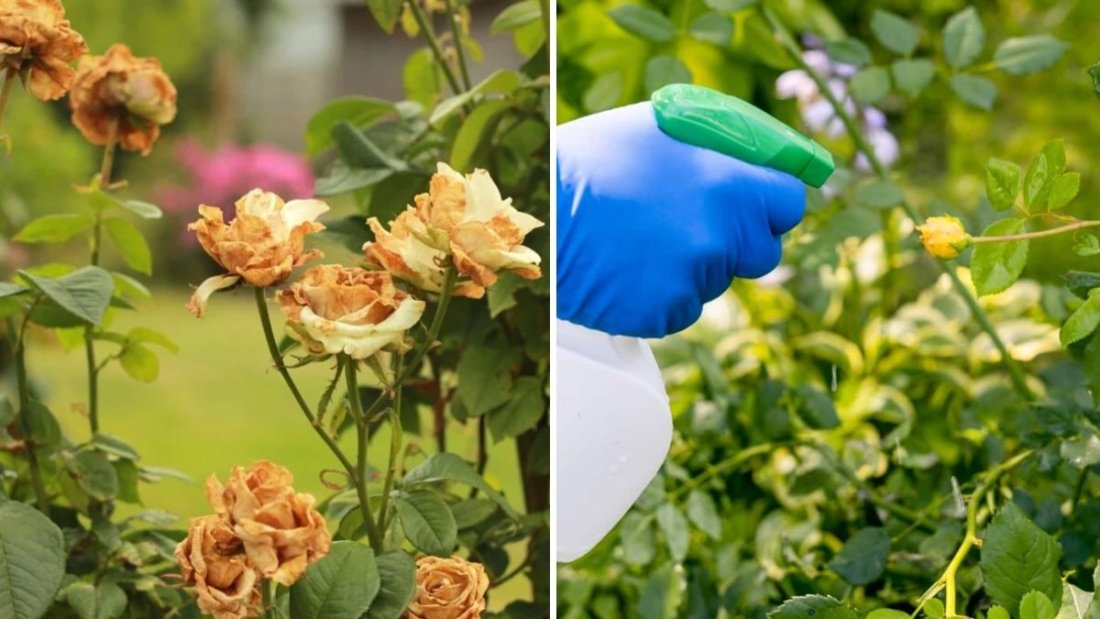
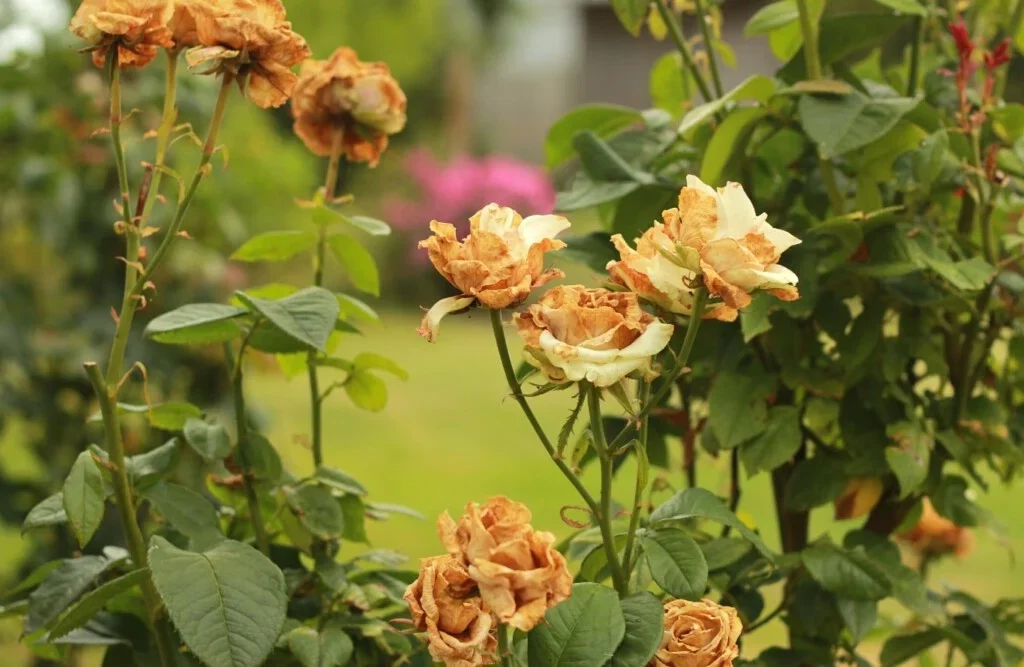
Proper maintenance significantly extends flowering periods. Deadheading, or removing spent flowers, encourages plants to produce new blooms instead of focusing on seed production.

  • Roses: Regularly remove faded blooms to encourage repeat flowering.
  • Geraniums and Petunias: Pinch or trim flowers to stimulate further growth.
  • Perennials: Cut back old stems to make way for fresh flowers.

Pruning also improves plant health by increasing air circulation, reducing disease risk, and maintaining an attractive shape.


5. Choose Long-Blooming Varieties
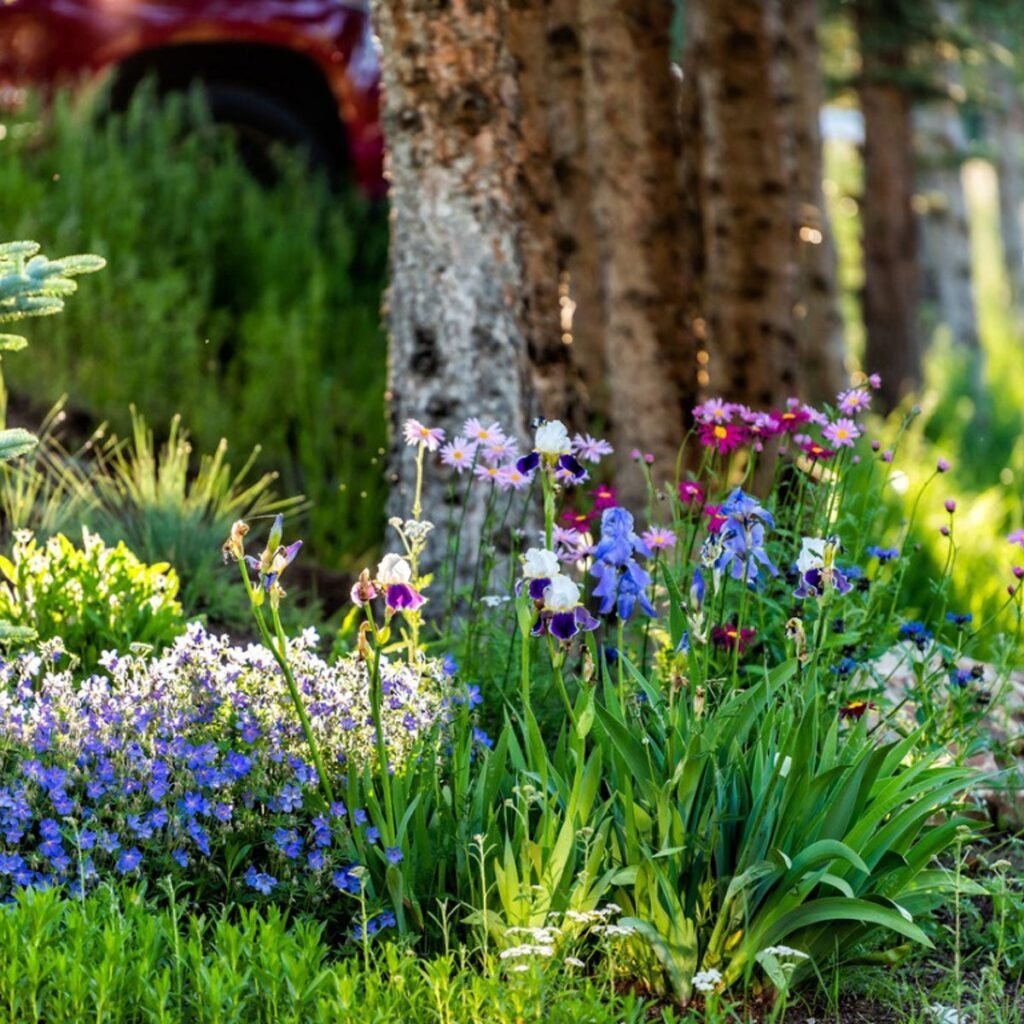
Some plants naturally have longer flowering periods and are ideal for extending your garden’s season. Examples include:

  • Daylilies: Each flower lasts only a day, but multiple blooms appear over several weeks.
  • Coreopsis: Produces vibrant yellow flowers from early summer to fall.
  • Salvia: Spikes of flowers bloom continuously in warm months.
  • Lantana: Thrives in heat and produces flowers for months.

By prioritizing long-blooming species, gardeners can ensure continuous color with minimal effort.


6. Create Microclimates and Protective Strategies

Extending your garden’s bloom is not only about plant selection; microclimates and protection from harsh conditions play a significant role.

a) Use Sheltered Spots

Plant tender species near walls, fences, or under trees to provide protection from wind and frost.

b) Mulching

Applying organic mulch around plants moderates soil temperature, retains moisture, and reduces stress on plants, promoting longer flowering.

c) Cold Frames or Cloches

For early or late-season flowers, protective structures like cold frames can allow plants to bloom beyond their natural season.


7. Optimize Soil and Fertilization
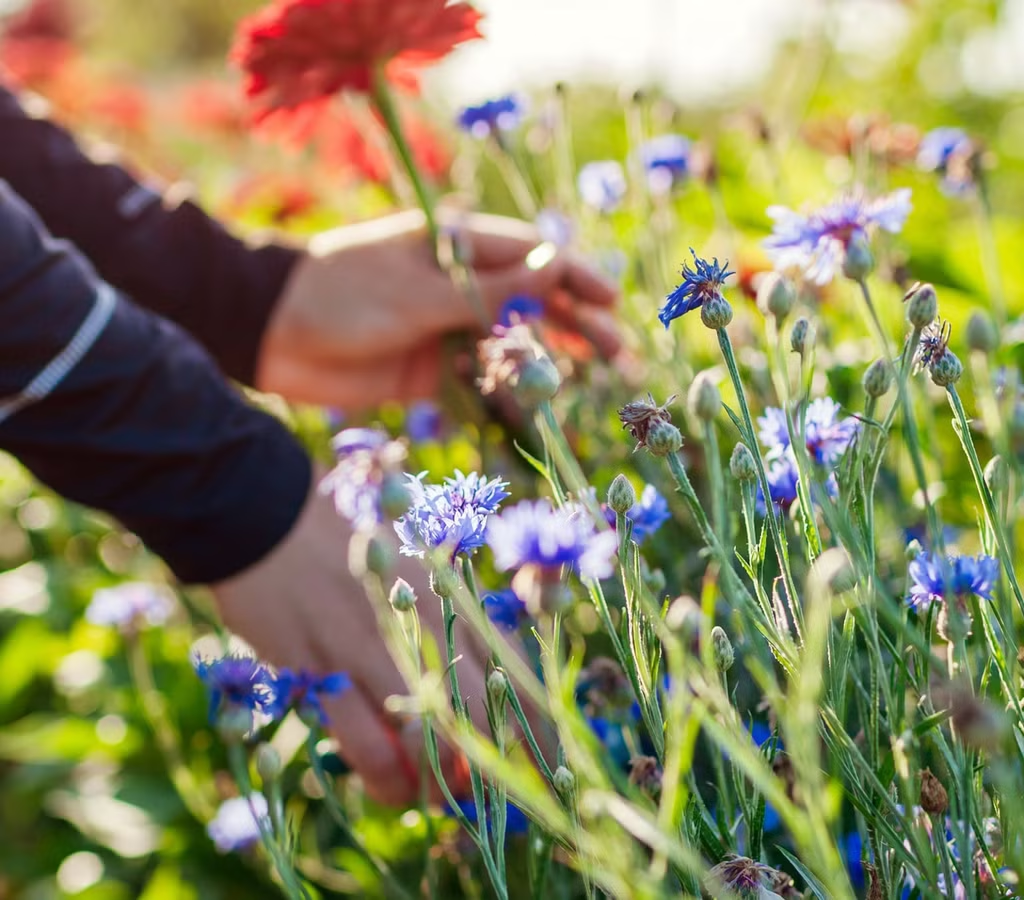
Healthy, nutrient-rich soil promotes strong, continuous blooms:

  • Balanced Fertilizers: Use fertilizers rich in phosphorus to support flowering.
  • Slow-Release Fertilizers: Ensure a steady supply of nutrients over months.
  • Organic Matter: Compost improves soil structure, water retention, and plant health.

Regularly feeding your plants ensures they have the energy required to produce flowers over extended periods.


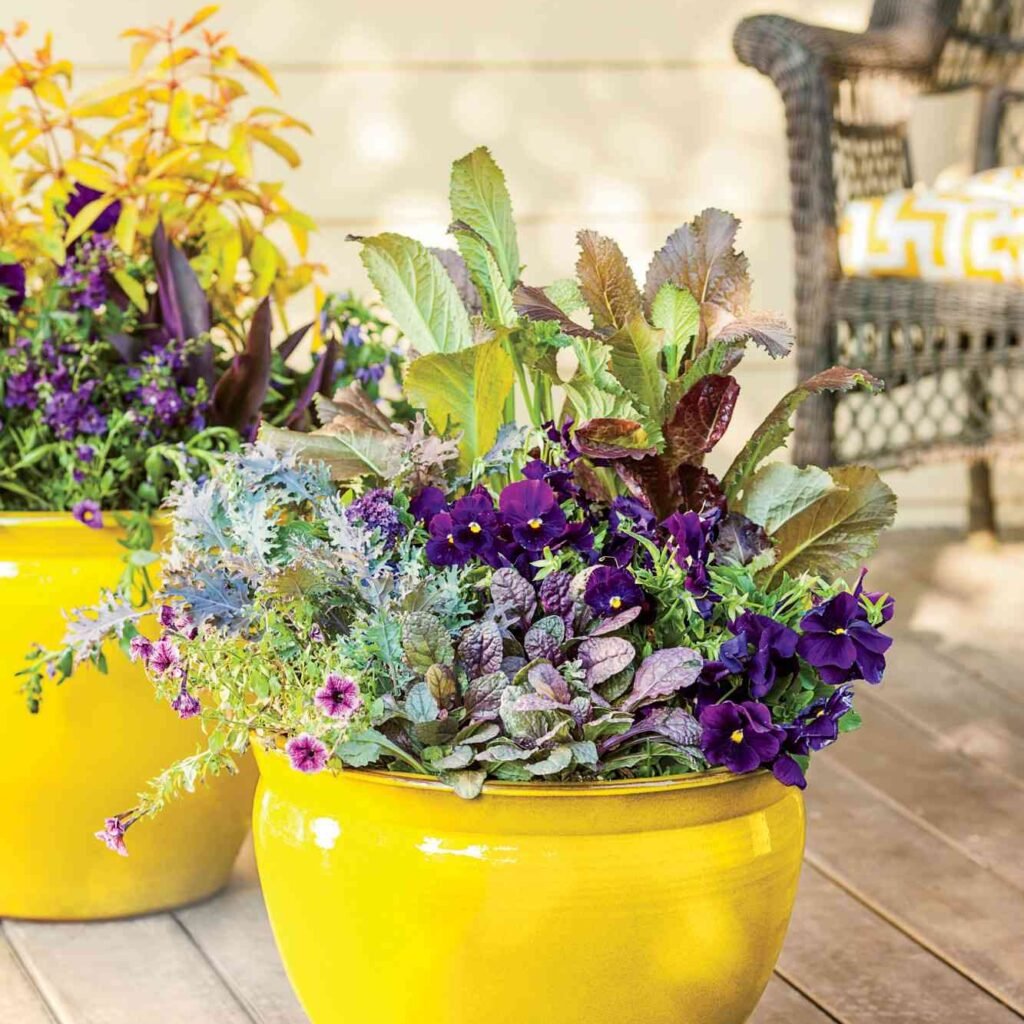
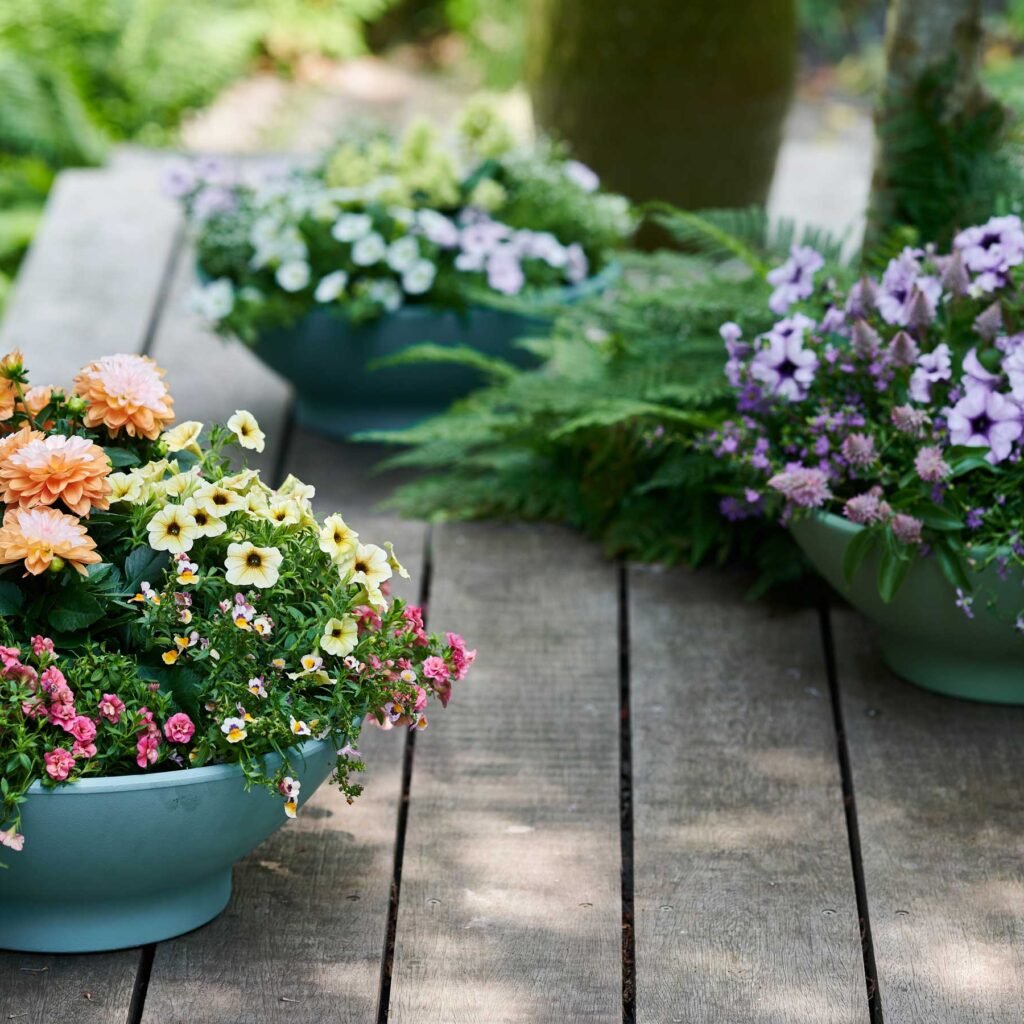
8. Incorporate Container Gardening

Containers allow flexibility in moving plants to optimal positions for light, temperature, and protection:

  • Place early bloomers in sunny spots and shift them indoors or under shade as temperatures rise.
  • Rotate containers to stagger flowering across the garden.
  • Use pots to grow tender plants that wouldn’t survive outside in colder months.

Container gardening effectively extends the visual bloom season by enabling better environmental control.


9. Include Evergreen and Foliage Plants

While flowers may fade, the garden’s appearance can be sustained with evergreen shrubs and attractive foliage. These plants complement the blooms and maintain visual interest when flowers are scarce.

  • Boxwood and Holly: Maintain structure and greenery.
  • Hostas: Provide lush foliage and occasional flowers in shaded areas.
  • Heuchera: Adds vibrant leaf color throughout the growing season.

By blending flowering and foliage plants, your garden remains attractive even in bloom gaps.


10. Plan for Seasonal Color

Finally, planning your garden by seasons ensures that flowers follow each other naturally:

  • Spring: Crocus, tulips, daffodils, primroses.
  • Summer: Roses, lilies, lavender, petunias.
  • Fall: Chrysanthemums, asters, sedum, ornamental kale.
  • Winter: Camellias, pansies, hellebores, and winter jasmine.

Seasonal planning, combined with the techniques above, can result in a garden that offers visual delight almost year-round.


Conclusion

Extending your garden’s blooming season requires a combination of thoughtful planning, plant selection, and maintenance. By understanding flowering cycles, choosing early, mid, and late bloomers, practicing succession planting, pruning, and deadheading, and providing the right soil, protection, and containers, gardeners can enjoy months of continuous floral beauty. Incorporating long-blooming varieties, evergreen foliage, and seasonal planning ensures that your garden remains vibrant, inviting, and ever-changing. With these strategies, any gardener can maximize the life and impact of their blooms, transforming their outdoor space into a long-lasting oasis of color and fragrance.

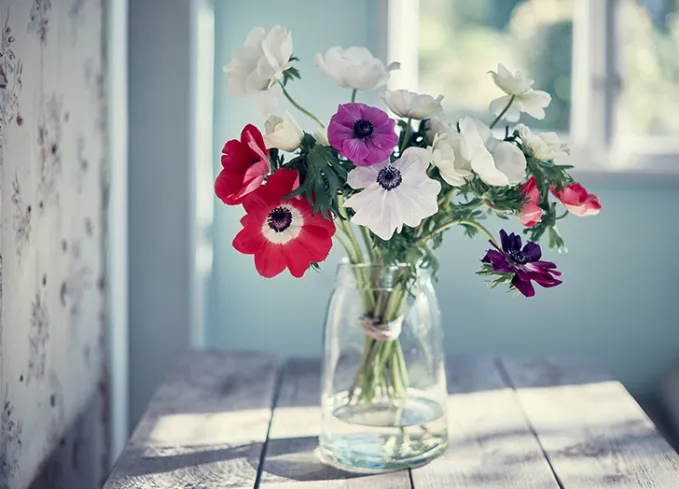
The Best Flowers for Cutting and Indoor Vases

The Best Flowers for Cutting and Indoor Vases

Flowers have always been a symbol of beauty, joy, and elegance. Their vibrant colors, delicate shapes, and captivating scents can transform any space into a serene and inviting environment. Among all their uses, one of the most rewarding practices is cutting flowers for indoor vases. Not only does this bring nature directly into our homes, but it also allows gardeners and flower enthusiasts to enjoy their blooms for an extended period. However, not all flowers are suitable for cutting, and some last longer in vases than others. This article explores the best flowers for cutting, offering guidance on their selection, care, and arrangement for indoor enjoyment.


1. Criteria for Choosing Cut Flowers

Before diving into specific flowers, it’s essential to understand the characteristics that make a flower ideal for cutting and indoor display:

  1. Longevity: Flowers should stay fresh in a vase for several days to weeks.
  2. Sturdy Stems: A strong stem prevents wilting and makes arranging easier.
  3. Repeat Blooming: Some flowers produce multiple blooms, allowing successive harvests.
  4. Fragrance: While optional, aromatic flowers enhance indoor ambiance.
  5. Aesthetic Appeal: Flowers with vibrant colors, unique textures, or interesting shapes create visually stunning arrangements.

When selecting flowers, consider these qualities to ensure that your cut arrangements remain fresh and appealing.


2. Top Flowers for Cutting and Indoor Vases

Here are some of the most popular and reliable flowers for cutting, along with tips for vase care:

a) Roses

Overview: Roses are arguably the most classic cut flower, admired for their elegance, fragrance, and variety of colors.

Why They’re Ideal:

  • Long vase life, often lasting 7–12 days with proper care.
  • Sturdy stems that support large blooms.
  • Wide color palette suitable for various décor styles.

Vase Care Tips:

  • Cut stems at a 45-degree angle under running water.
  • Remove leaves below the waterline to prevent bacterial growth.
  • Change water every 2 days and add floral preservatives to extend longevity.

b) Lilies

Overview: Lilies are bold, fragrant, and dramatic, making them a favorite for both large and small arrangements.

Why They’re Ideal:

  • Long-lasting blooms, often 10–14 days.
  • Strong stems hold up large flowers gracefully.
  • Fragrance adds a sensory dimension to indoor spaces.

Vase Care Tips:

  • Cut buds just before they open for extended display.
  • Use a tall vase to accommodate their long stems.
  • Remove pollen after opening to avoid staining surfaces.

c) Tulips

Overview: Tulips are elegant, simple, and bright, perfect for adding a touch of spring indoors.

Why They’re Ideal:

  • Come in numerous colors and shapes.
  • Flexible stems allow creative arrangements.
  • Moderate vase life of 5–7 days.

Vase Care Tips:

  • Keep water cool to slow wilting.
  • Trim stems every 1–2 days as they continue to grow even in water.
  • Avoid overcrowding in vases; tulips expand and curve naturally.

d) Carnations

Overview: Carnations are versatile and durable flowers with ruffled petals that hold up well in arrangements.

Why They’re Ideal:

  • Very long vase life, often 2–3 weeks.
  • Sturdy stems are easy to arrange.
  • Available in a wide range of colors.

Vase Care Tips:

  • Remove lower leaves to reduce bacteria.
  • Use lukewarm water and floral preservative for optimal results.
  • Re-cut stems every few days to maintain freshness.

e) Chrysanthemums

Overview: Chrysanthemums, or “mums,” are cheerful flowers that add texture and fullness to bouquets.

Why They’re Ideal:

  • Extremely long-lasting, 2–3 weeks in water.
  • Varieties range from small button-like blooms to large pom-poms.
  • Strong stems resist wilting, ideal for intricate arrangements.

Vase Care Tips:

  • Cut stems early in the morning when turgidity is highest.
  • Keep in a cool room to prolong freshness.
  • Remove any fading blooms promptly.

f) Sunflowers

Overview: Sunflowers are bold, vibrant flowers that bring warmth and energy to indoor spaces.

Why They’re Ideal:

  • Large, cheerful blooms make a statement in any vase.
  • Sturdy stems support upright growth.
  • Moderate vase life of 5–7 days.

Vase Care Tips:

  • Use deep vases to stabilize tall stems.
  • Change water frequently, as sunflowers are prone to bacterial buildup.
  • Trim stems regularly to promote continued water absorption.

g) Alstroemeria (Peruvian Lily)

Overview: Alstroemeria is an elegant, delicate flower that produces multiple blooms on each stem.

Why They’re Ideal:

  • Very long vase life, often 2–3 weeks.
  • Multiple blooms per stem create full arrangements with fewer stems.
  • Low maintenance and vibrant colors.

Vase Care Tips:

  • Cut stems at a diagonal for better water uptake.
  • Remove any leaves submerged in water.
  • Replenish water every 2 days for sustained freshness.

h) Dahlias

Overview: Dahlias are dramatic, multi-petaled flowers that create eye-catching arrangements.

Why They’re Ideal:

  • Stunning colors and textures.
  • Moderate vase life of 5–7 days.
  • Can be cut when buds are just opening for a longer display.

Vase Care Tips:

  • Cut stems early in the morning.
  • Keep flowers cool and out of direct sunlight.
  • Change water frequently and use floral preservative.

i) Peonies

Overview: Peonies are lush, romantic blooms that exude elegance.

Why They’re Ideal:

  • Fragrant and soft, perfect for intimate arrangements.
  • Large, layered blooms add volume with minimal stems.
  • Vase life of 5–7 days when cut in bud stage.

Vase Care Tips:

  • Cut stems before full bloom for maximum longevity.
  • Place in cool water and avoid direct sunlight.
  • Trim stems slightly every few days to aid hydration.

j) Snapdragons

Overview: Snapdragons offer vertical interest with their tall, spiked blooms.

Why They’re Ideal:

  • Adds height and texture to mixed bouquets.
  • Long-lasting in vases, 7–10 days.
  • Available in multiple bright colors.

Vase Care Tips:

  • Cut stems at an angle and remove excess leaves.
  • Use tall vases to prevent tipping.
  • Change water regularly to reduce bacteria growth.

3. General Tips for Maximizing Vase Life

Even the best cut flowers can wilt prematurely without proper care. Here are some universal tips:

  1. Fresh Cuts: Always cut stems fresh, ideally early in the morning.
  2. Water Quality: Use clean, lukewarm water with a floral preservative.
  3. Stem Maintenance: Re-cut stems every 2–3 days to improve water uptake.
  4. Remove Foliage: Leaves in water promote bacterial growth, so remove them.
  5. Placement: Keep vases away from direct sunlight, heaters, or drafts.
  6. Flower Food: Use commercial or homemade flower food to extend freshness.

4. Creative Arrangement Ideas

Cut flowers can be displayed in a variety of ways to enhance indoor décor:

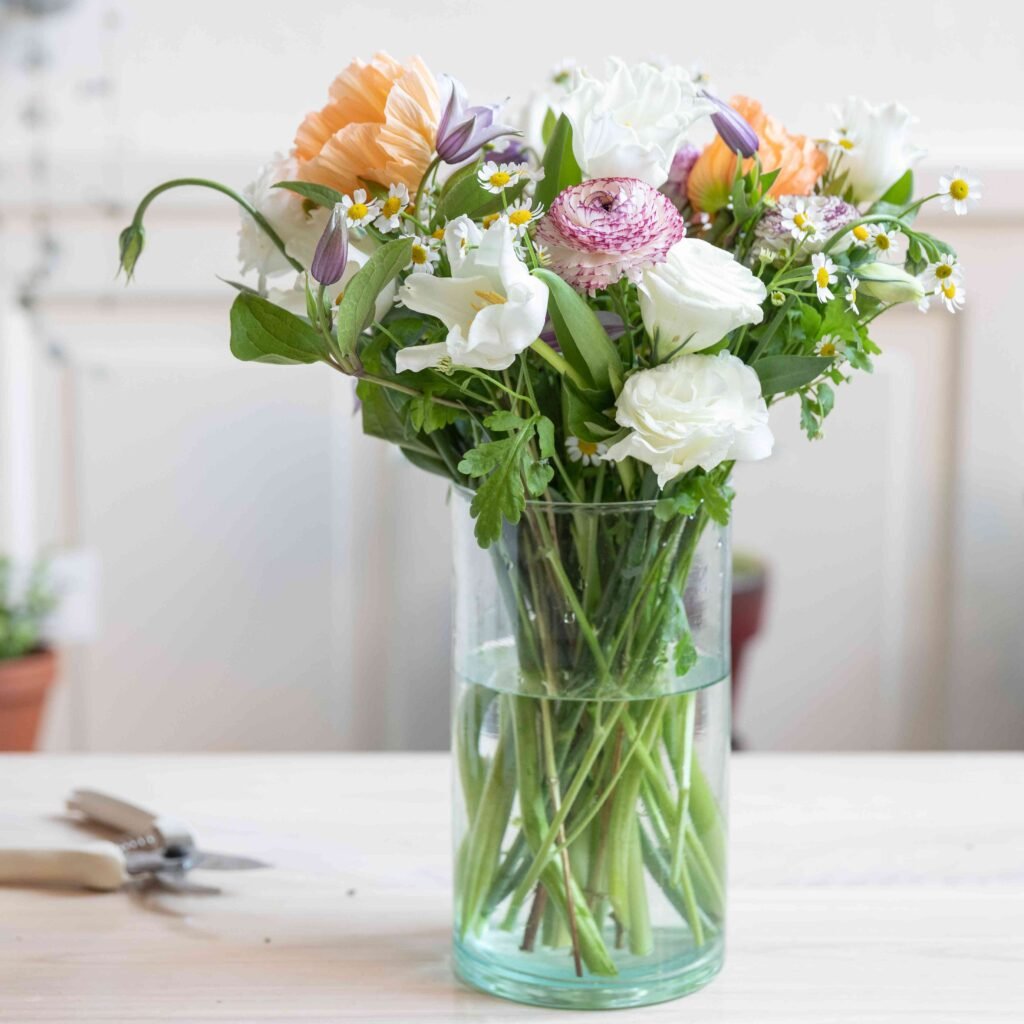
  • Monochromatic Bouquets: Choose flowers of a single color for a modern, cohesive look.
  • Mixed Bouquets: Combine multiple types of flowers for vibrant, dynamic arrangements.
  • Minimalist Vases: Use single stems in tall vases for a chic, elegant style.
  • Seasonal Themes: Incorporate seasonal flowers for a natural, timely feel.
  • Layered Heights: Arrange flowers at varying heights for depth and visual interest.

Conclusion

Selecting the right flowers for cutting and indoor vases transforms any living space with beauty, fragrance, and elegance. Roses, lilies, tulips, carnations, chrysanthemums, sunflowers, alstroemeria, dahlias, peonies, and snapdragons are all excellent choices, each offering unique qualities that suit different styles and preferences. By understanding their care requirements, vase life, and arrangement techniques, flower enthusiasts can enjoy fresh blooms for longer periods, creating a lively and welcoming indoor environment. Whether for everyday enjoyment or special occasions, these flowers make indoor spaces bloom with life and charm.

How to Revive a Wilted Flower Bed Quickly

How to Revive a Wilted Flower Bed Quickly

Avibrant flower bed is the crown jewel of any garden, radiating color, fragrance, and life. However, flower beds can quickly lose their charm when plants begin to wilt, leaving a tired, lifeless appearance. Wilted flower beds are often caused by water stress, nutrient deficiencies, pests, diseases, or environmental stressors. Fortunately, with careful observation and timely action, most wilted flower beds can be revived quickly, restoring their beauty and health.
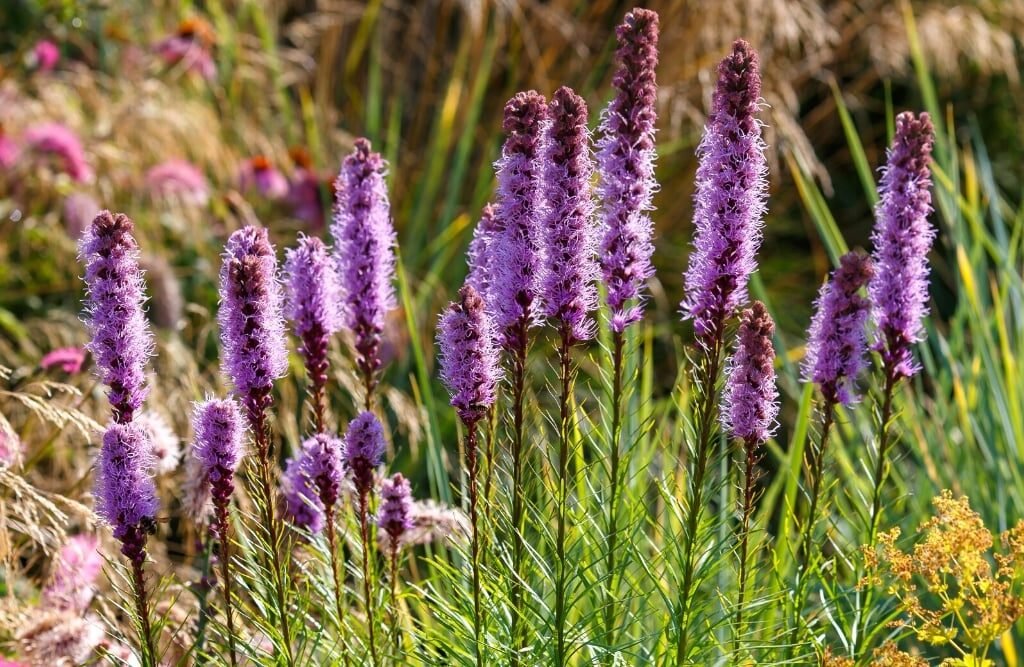
This guide provides step-by-step strategies to rejuvenate a wilted flower bed, including assessment, watering, soil management, pest control, pruning, and preventive care, ensuring your garden thrives all season long.


1. Understanding Why Flower Beds Wilt

The first step in revival is identifying the cause of wilting:

  • Water Stress: Overwatering or underwatering can cause leaves to droop and stems to collapse.
  • Heat Stress: Excessive sun or high temperatures can lead to temporary wilting.
  • Nutrient Deficiency: Lack of essential nutrients such as nitrogen, potassium, or phosphorus can weaken plants.
  • Soil Compaction: Poor soil aeration restricts root growth, preventing water and nutrient absorption.
  • Pest or Disease Infestation: Aphids, fungal infections, root rot, or other issues can cause rapid wilting.

Tip: Carefully inspect leaves, stems, and soil to determine the primary cause before taking action.


2. Immediate Steps to Rehydrate Wilted Plants

One of the quickest ways to revive wilted plants is through proper hydration:

a) Deep Watering

  • Water the flower bed thoroughly, allowing water to reach the root zone.
  • Use a garden hose with a gentle spray or a watering can to avoid disturbing the soil.
  • Avoid shallow watering, which only moistens the surface.

b) Morning or Evening Watering

  • Water during cooler parts of the day to minimize evaporation and prevent leaf burn.

c) Soaking Containers

  • For potted plants, submerge pots in a bucket of water for 10–15 minutes to allow thorough absorption.

Tip: Check soil moisture by inserting a finger or a small trowel into the soil; it should be moist but not waterlogged.


3. Improving Soil Health for Long-Term Revival

Healthy soil is essential for recovery and sustained plant growth:

  • Aerate the Soil: Gently loosen compacted soil to improve root oxygenation and water penetration.
  • Add Organic Matter: Incorporate compost, leaf mold, or well-rotted manure to boost nutrients and moisture retention.
  • Mulch: Apply a 2–3 inch layer of mulch around plants to regulate soil temperature, retain moisture, and reduce stress.

Tip: Avoid piling mulch directly against plant stems, which can encourage rot.


4. Nutrient Management and Fertilization

Wilted plants often lack essential nutrients required for recovery:

  • Balanced Fertilizer: Apply a slow-release or water-soluble fertilizer with a balanced ratio of nitrogen (for leaves), phosphorus (for roots and flowers), and potassium (for overall health).
  • Liquid Fertilizers: Quick-acting liquid fertilizers or compost tea can help revitalize stressed plants rapidly.
  • Foliar Feeding: Spray a diluted fertilizer solution on leaves to provide immediate nutrient absorption.

Tip: Avoid over-fertilizing, which can further stress wilted plants.


5. Pruning and Removing Damaged Growth

Pruning helps plants conserve energy and focus on recovery:

  • Remove wilted, yellowed, or damaged leaves and stems.
  • Cut back dead flowers or seed heads to encourage new growth.
  • Thin overcrowded plants to improve airflow and reduce competition for nutrients.

Tip: Use clean, sharp pruning shears to prevent introducing pathogens.


6. Addressing Pest and Disease Issues

Wilted flower beds may be suffering from hidden pests or diseases:

  • Pest Inspection: Check for aphids, spider mites, slugs, or caterpillars. Use natural controls like neem oil, insecticidal soap, or beneficial insects.
  • Disease Management: Identify fungal infections like powdery mildew or root rot. Remove infected parts and apply organic fungicides if necessary.
  • Preventive Measures: Rotate crops, avoid overhead watering, and maintain proper spacing to reduce disease pressure.

Tip: Early detection of pests and diseases prevents further wilting and supports recovery.


7. Adjusting Environmental Conditions

Wilted plants often need immediate environmental adjustments:

  • Shade Protection: Provide temporary shade for sensitive flowers during heatwaves.
  • Wind Protection: Use garden screens or temporary barriers to reduce stress from strong winds.
  • Temperature Management: Mulch and water adequately to regulate soil temperature.

Tip: Minor adjustments in environmental factors can significantly improve recovery speed.


8. Encouraging Root Health

Strong roots are essential for a flower bed’s revival:

  • Check for Root Problems: Carefully lift a plant to inspect roots; prune any rotten or damaged roots.
  • Replanting: If roots are severely compacted or damaged, consider replanting in fresh, well-draining soil.
  • Aeration: Gently loosen soil around roots to allow oxygen, water, and nutrients to penetrate.

Tip: Healthy roots absorb water efficiently, speeding up the revival process.


9. Using Companion Plants and Natural Boosters

Certain companion plants and natural additives can help revive stressed flower beds:

  • Beneficial Companions: Plant herbs like basil or marigolds nearby to repel pests naturally.
  • Compost Tea: Provides beneficial microbes and nutrients to encourage quick recovery.
  • Seaweed Extracts: Stimulates root growth and strengthens plant resilience.

Tip: Natural boosters not only revive wilted plants but improve long-term garden health.


10. Creating a Recovery Plan for Wilted Flower Beds

A systematic approach ensures faster recovery:

  1. Assessment: Identify causes of wilting (water stress, pests, nutrient deficiency).
  2. Immediate Hydration: Deep water thoroughly, especially at the root zone.
  3. Soil Improvement: Aerate soil and apply organic matter.
  4. Fertilization: Use liquid or slow-release fertilizers for essential nutrients.
  5. Pruning: Remove damaged growth to focus energy on healthy stems.
  6. Pest and Disease Control: Inspect and treat naturally as needed.
  7. Environmental Adjustment: Provide shade or wind protection if necessary.
  8. Monitor: Check soil moisture, plant health, and new growth regularly.

Tip: Consistent follow-up care over 1–2 weeks often leads to visible recovery.


11. Preventing Future Wilting

Once your flower bed has recovered, implement preventive measures:

  • Regular Watering Schedule: Water deeply but infrequently to encourage strong root growth.
  • Mulching: Maintain soil moisture and regulate temperature.
  • Seasonal Fertilization: Keep soil fertile with periodic organic amendments.
  • Pest Monitoring: Early detection prevents infestations.
  • Plant Selection: Choose resilient, heat-tolerant, or drought-resistant flowers for vulnerable areas.

Tip: Healthy, well-maintained flower beds are less likely to wilt during environmental stress.


12. Design Tips to Minimize Stress

Thoughtful flower bed design can reduce future wilting:

  • Plant Grouping: Group plants with similar water and sunlight requirements.
  • Layering: Place taller plants at the back to provide natural shade to smaller, delicate flowers.
  • Bordering and Edging: Protect flowers from wind and heavy foot traffic.
  • Drainage Management: Use raised beds or improve soil drainage to avoid waterlogging.

Tip: Well-planned design enhances both aesthetics and plant health.


Conclusion

Reviving a wilted flower bed is possible with timely observation, proper hydration, soil management, pruning, and natural pest control. By addressing the root causes of wilting and providing consistent care, you can restore vitality and beauty to your garden quickly.

Key takeaways:

  1. Identify the cause of wilting—water stress, nutrient deficiency, pests, or disease.
  2. Hydrate plants deeply and appropriately.
  3. Improve soil aeration and add organic matter.
  4. Fertilize with balanced or liquid nutrients.
  5. Prune damaged or dead growth.
  6. Manage pests and diseases naturally.
  7. Adjust environmental conditions like shade and wind protection.
  8. Encourage strong root health through inspection and aeration.
  9. Use companion plants and natural boosters for quick recovery.
  10. Monitor and implement preventive strategies to avoid future wilting.

With proper care, a wilted flower bed can be transformed back into a vibrant, thriving display in just a few days to weeks, ensuring your garden remains a source of beauty and relaxation year-round.

How to Grow Cosmos for a Cottage Garden Look

How to Grow Cosmos for a Cottage Garden Look

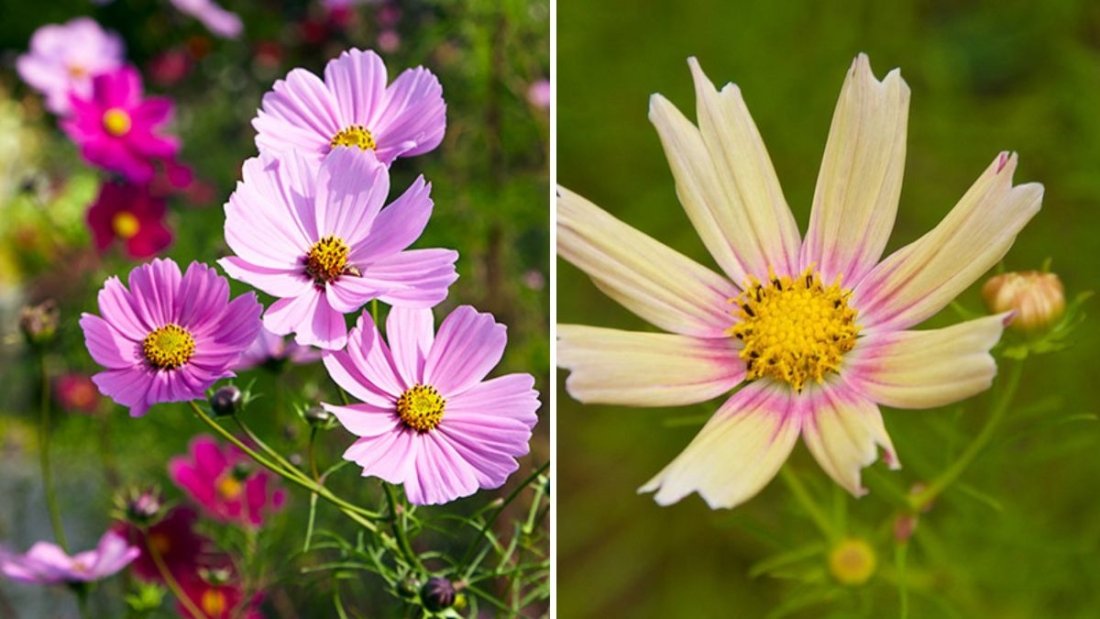
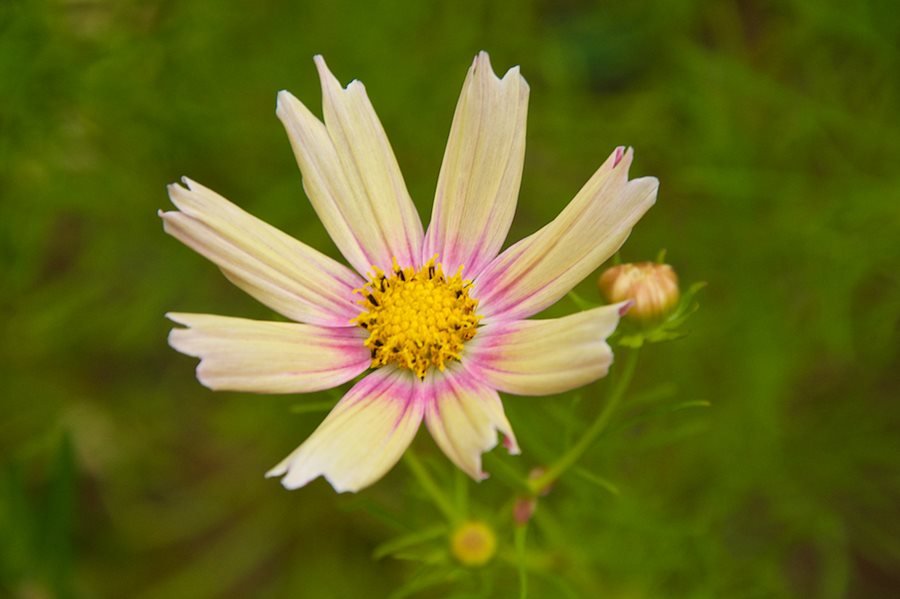
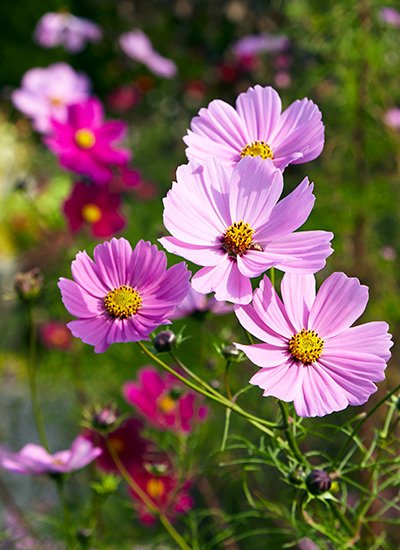
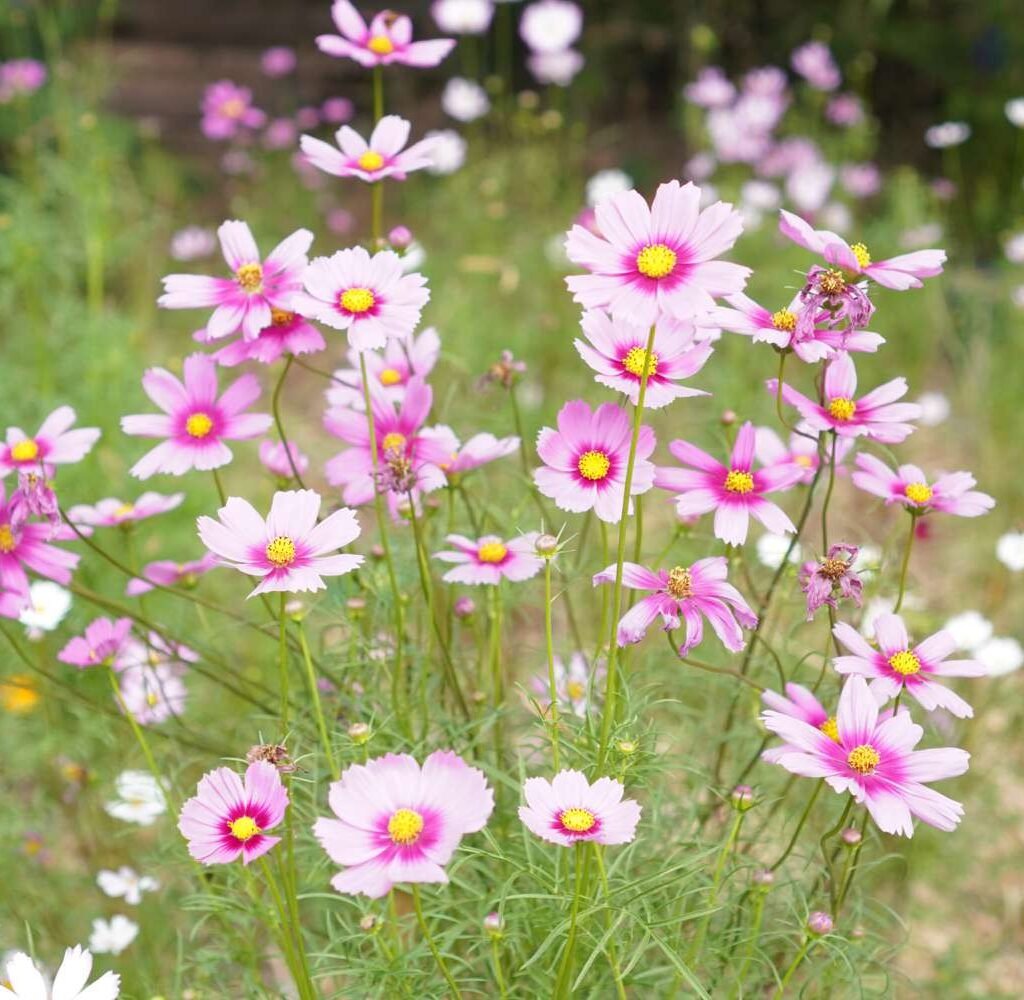
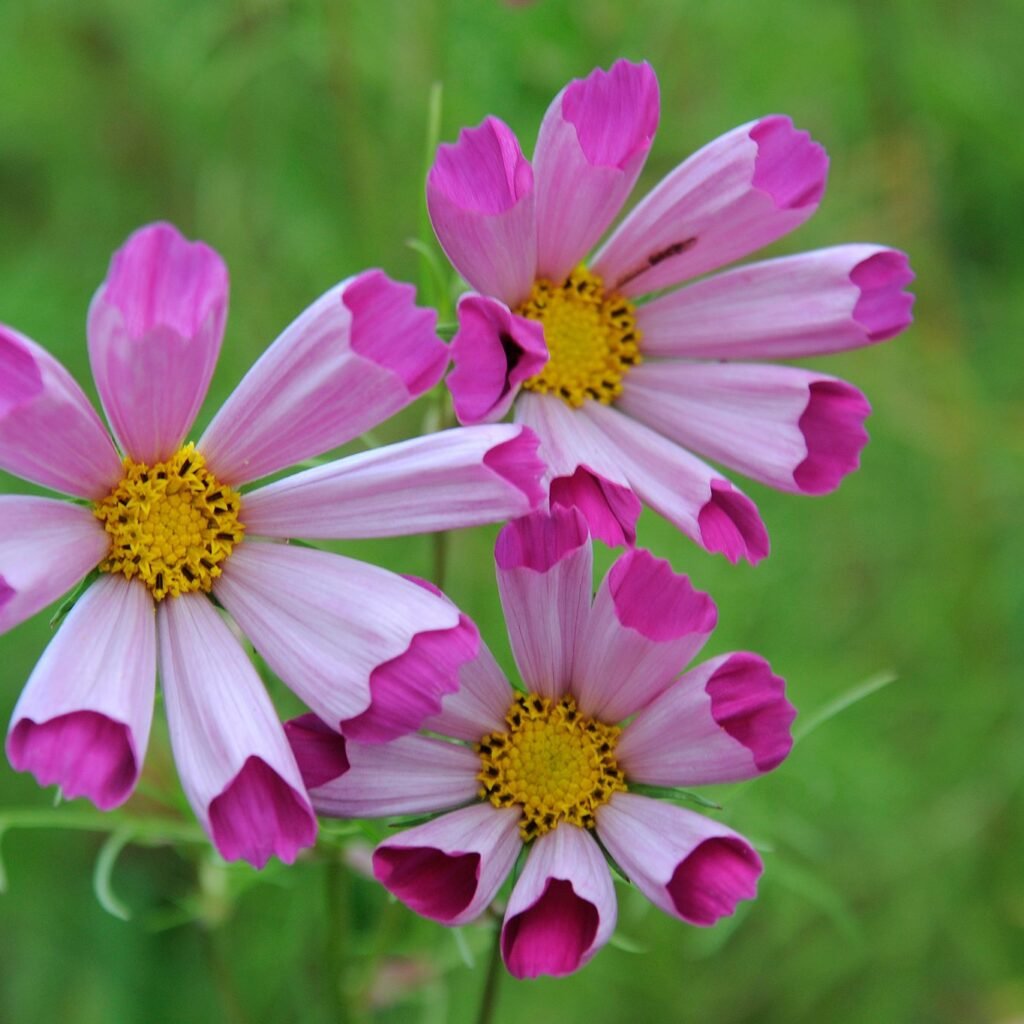
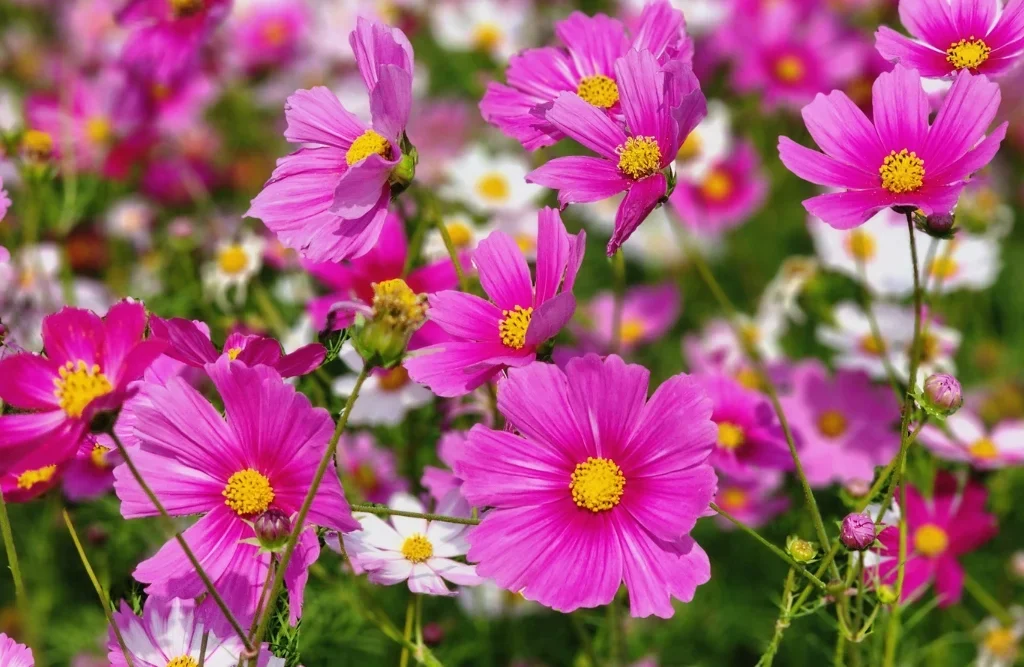
Cosmos flowers are a favorite among gardeners seeking a wildflower, carefree aesthetic. Their delicate, daisy-like blooms, tall airy stems, and vibrant colors—ranging from pinks and purples to reds and whites—make them perfect for creating a charming cottage garden look. Cosmos are easy to grow, low-maintenance, and attract pollinators, adding life and movement to your garden space.

This guide covers how to grow cosmos successfully, including site selection, soil preparation, sowing techniques, care, companion planting, and design ideas to achieve a bountiful, whimsical cottage garden.


1. Why Cosmos Are Ideal for Cottage Gardens

Cosmos plants naturally lend themselves to the relaxed, colorful style of cottage gardens:

  • Tall, airy stems create movement and a soft, flowing backdrop.
  • Vibrant, cheerful blooms provide continuous color throughout the growing season.
  • Pollinator-friendly: Attract bees, butterflies, and even birds.
  • Low-maintenance: Tolerant to poor soil and drought conditions once established.
  • Self-seeding: Cosmos readily reseed, creating a natural, abundant look year after year.

Tip: Mixing cosmos with other cottage-style flowers like hollyhocks, foxgloves, and larkspur enhances the naturalistic aesthetic.


2. Choosing the Right Variety of Cosmos

Several varieties suit cottage garden settings:

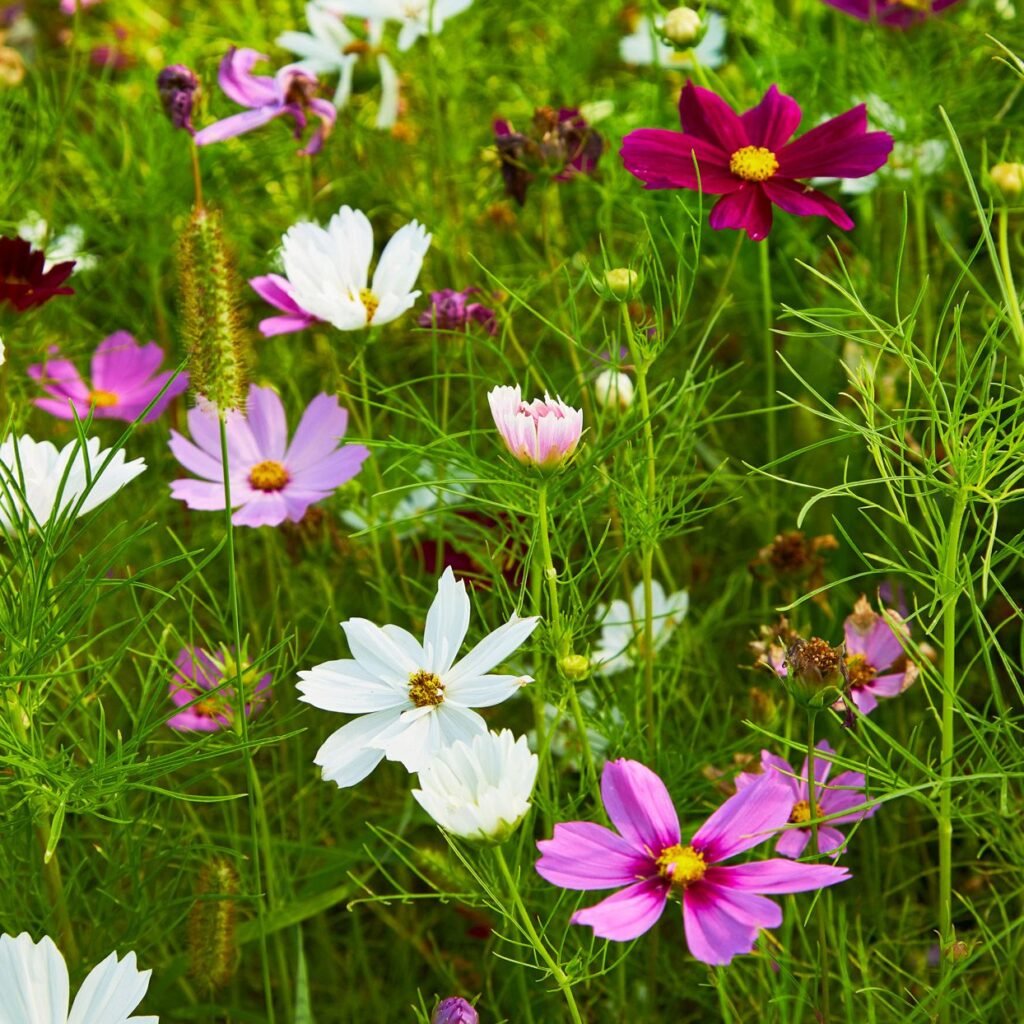
  • Cosmos bipinnatus: The most common type, featuring finely divided foliage and blooms in pink, white, and red. Ideal for borders and mixed beds.
  • Cosmos sulphureus: Produces bright yellow or orange flowers, adding a sunny, cheerful tone. Hardy and compact, suitable for containers and mass planting.
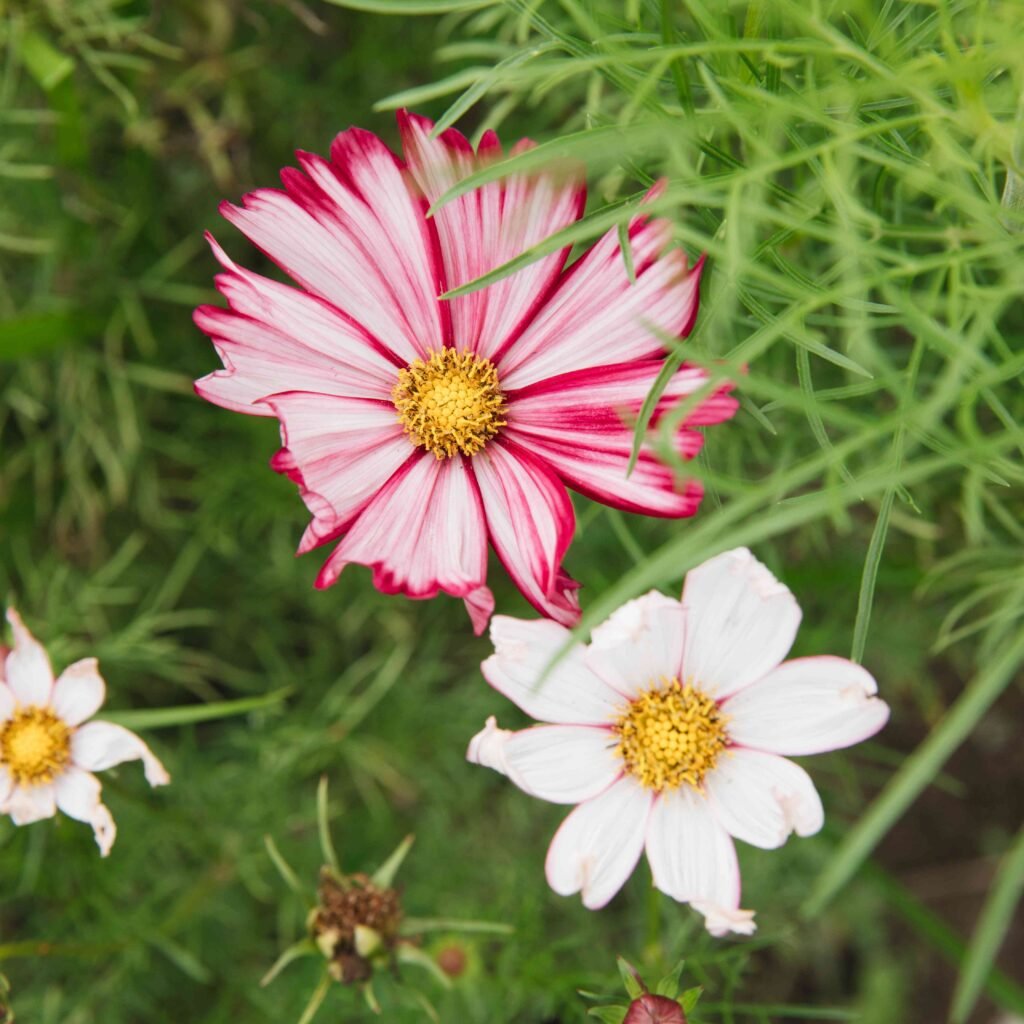
  • Cosmos ‘Candy Stripe’ or ‘Sensation Mix’: Variegated and multicolored varieties that enhance visual interest.

Tip: Combine tall and shorter varieties to create layers and depth in your garden design.


3. Site Selection and Sunlight

Cosmos thrive in full sun and well-draining soil. Key considerations include:

  • Sunlight: At least 6–8 hours of direct sunlight daily.
  • Wind Protection: Plant in a sheltered spot to prevent tall stems from snapping.
  • Soil: Cosmos prefer light, sandy, or loamy soil. Avoid overly rich soil, which can produce excessive foliage at the expense of flowers.

Tip: Raised beds or borders near walkways work well to showcase cosmos blooms and provide easy access for deadheading and maintenance.

4. Soil Preparation and Fertilization

Proper soil preparation ensures healthy growth:

  • Light and Well-Draining: Cosmos tolerate poor soil, but loose soil encourages strong roots.
  • Moderate Fertility: Avoid heavy fertilizers; too much nitrogen leads to lush leaves but fewer flowers.
  • Organic Matter: Mix in compost or aged manure for a light nutrient boost without overfeeding.

Tip: A slightly acidic to neutral pH (6.0–7.0) is ideal for cosmos.


5. Sowing Cosmos Seeds

Cosmos are best grown from seeds for a natural cottage garden appearance:

  • Direct Sowing: Sow seeds outdoors after the last frost date. Scatter seeds in the desired area and lightly cover with ¼ inch of soil.
  • Indoor Sowing: Start seeds 4–6 weeks before the last frost in seed trays. Transplant seedlings when they reach 3–4 inches tall.
  • Spacing: Sow seeds 12–18 inches apart for tall varieties, 8–12 inches for shorter varieties.
  • Watering: Keep soil consistently moist until germination, which occurs in 7–14 days.

Tip: Cosmos self-seed easily, so leave some spent flowers to dry on the plant for natural reseeding.


6. Watering and Mulching

Once established, cosmos are drought-tolerant, but young plants need regular watering:

  • Watering Frequency: Water moderately; avoid overwatering to prevent root rot.
  • Mulching: Use straw or shredded leaves to retain soil moisture, suppress weeds, and enhance the rustic garden look.

Tip: Avoid excessive mulch directly against stems to prevent fungal growth.


7. Staking and Support

Tall cosmos varieties may need support to prevent flopping:

  • Staking: Use bamboo stakes or decorative trellises for taller varieties.
  • Grouping: Plant in clusters; the weight of multiple stems can provide natural support.
  • Wind Protection: Choose a sheltered spot or use a garden netting to reduce wind damage.

Tip: Tall cosmos add height and movement when swaying in the breeze, enhancing the cottage garden feel.


8. Fertilization and Care During Growth

Cosmos require minimal care but benefit from occasional attention:

  • Fertilization: Use a balanced, low-nitrogen fertilizer if needed. Excessive fertilization reduces flower production.
  • Deadheading: Regularly remove spent blooms to encourage continuous flowering.
  • Pest Control: Generally pest-free; monitor for aphids and spider mites. Use natural solutions like neem oil if needed.

Tip: Cosmos tolerate neglect, making them ideal for low-maintenance cottage gardens.


9. Companion Planting for a Cottage Garden Look

Mixing cosmos with other flowers enhances color, texture, and charm:

  • Tall Backdrops: Hollyhocks, foxgloves, delphiniums.
  • Mid-Height Fillers: Coreopsis, zinnias, rudbeckia.
  • Ground Covers: Sweet alyssum, creeping thyme, or lobelia.
  • Foliage Contrast: Ferns, ornamental grasses, or hostas.

Tip: Aim for a natural, informal layout, scattering flowers rather than planting in rigid rows for a true cottage garden style.


10. Seasonal Care and Maintenance

Cosmos are annuals, but careful care maximizes blooms:

  • Spring: Sow seeds or transplant seedlings; ensure proper sunlight.
  • Summer: Water regularly during dry periods; deadhead for prolonged blooming.
  • Autumn: Allow some flowers to go to seed for natural reseeding next year.
  • Winter: Remove dead stems and prepare beds for spring sowing.

Tip: Companion planting with herbs and perennials ensures year-round interest even after cosmos fade.


11. Design Tips for a Cottage Garden Look

To achieve a quintessential cottage garden:

  • Layering: Use a mix of tall, medium, and low plants for depth.
  • Curved Beds: Avoid straight lines; natural curves and informal groupings look more charming.
  • Color Harmony: Combine pinks, whites, and purples for a soft romantic palette. Add occasional bright splashes for vibrancy.
  • Wildflower Mixes: Integrate cosmos with other self-seeding wildflowers for an effortless, natural feel.
  • Pathways: Plant along pathways or edges for a welcoming, whimsical touch.

Tip: Incorporate decorative elements like rustic trellises, wooden benches, or stone paths to enhance the cottage ambiance.

Conclusion

Growing cosmos is a simple and rewarding way to add charm, color, and natural beauty to your garden. Their tall, airy stems, vibrant flowers, and low-maintenance nature make them ideal for creating a relaxed, romantic cottage garden look.

Key takeaways:

  1. Choose the right cosmos varieties for height, color, and bloom style.
  2. Plant in sunny, well-draining locations with light, moderately fertile soil.
  3. Sow seeds directly or start indoors for early blooms.
  4. Water moderately and mulch to retain moisture.
  5. Provide staking or group planting for support.
  6. Deadhead spent flowers to encourage continuous blooming.
  7. Monitor for pests naturally and avoid chemical interventions.
  8. Use companion planting and layering for visual depth and color contrast.
  9. Embrace informal planting patterns and curved beds for a natural look.
  10. Allow some flowers to self-seed for effortless future growth.

With thoughtful planting and minimal care, cosmos can transform any garden into a lively, colorful, and quintessentially charming cottage retreat, inviting pollinators and delighting gardeners season after season.

The Best Flowers for Container Displays in Shade

The Best Flowers for Container Displays in Shade

Container gardening is a versatile and rewarding way to grow flowers, especially in spaces with limited sunlight, such as patios, balconies, and shaded corners of gardens. While many flowering plants thrive in full sun, shade-tolerant flowers can add color, texture, and charm to darker areas, turning them into vibrant, inviting spots.

This guide explores the best flowers for container displays in shade, including plant selection, container choices, soil preparation, watering, fertilization, and creative design ideas, helping gardeners create lush, low-light floral displays.


1. Understanding Shade and Its Implications

Shade is not uniform, and understanding the type of shade is crucial for successful container gardening:

  • Full Shade: Less than 3 hours of direct sunlight daily; ideal for plants that prefer indirect light.
  • Partial Shade (Filtered Light): 3–6 hours of sunlight, often morning sun or dappled light.
  • Deep Shade: Areas blocked by walls, trees, or structures; only indirect light reaches these spots.

Tip: Observe your container location at different times of day to determine sunlight patterns and select suitable plants accordingly.


2. Advantages of Container Gardening in Shade

Shade container gardening offers several benefits:

  • Space Efficiency: Ideal for small patios, balconies, or apartments.
  • Mobility: Containers can be moved to optimize light or protect plants from harsh weather.
  • Aesthetic Flexibility: Offers opportunities to mix foliage and flowering plants for a layered look.
  • Reduced Heat Stress: Shade containers are less prone to drying out, reducing watering needs.

Tip: Shade gardens benefit from plants with colorful leaves and flowers to brighten darker spaces.


3. Choosing Containers for Shade Flowers

Container selection impacts plant health and appearance:

  • Material: Terra-cotta retains moisture but may dry faster; plastic is lightweight and retains water; ceramic adds decorative appeal.
  • Size: Larger containers allow more root growth and better moisture retention.
  • Drainage: Drill holes in the bottom to prevent waterlogging.
  • Mobility: Use pots with saucers or wheels for easy movement.

Tip: Darker foliage and colorful pots can enhance visual contrast in shaded areas.


4. Shade-Tolerant Flowers for Container Displays

Several flowers thrive in shade while providing vivid colors and textures:

a) Impatiens

  • Features: Bright, eye-catching flowers in red, pink, white, and purple.
  • Benefits: Classic shade flower; continuous bloom throughout the season.
  • Care: Needs consistent moisture and partial to full shade.

b) Begonias

  • Features: Wax begonias offer glossy leaves and colorful blooms; tuberous begonias produce large, showy flowers.
  • Benefits: Performs well in partial shade; ideal for containers or hanging baskets.
  • Care: Water regularly; avoid overhead watering to prevent fungal diseases.

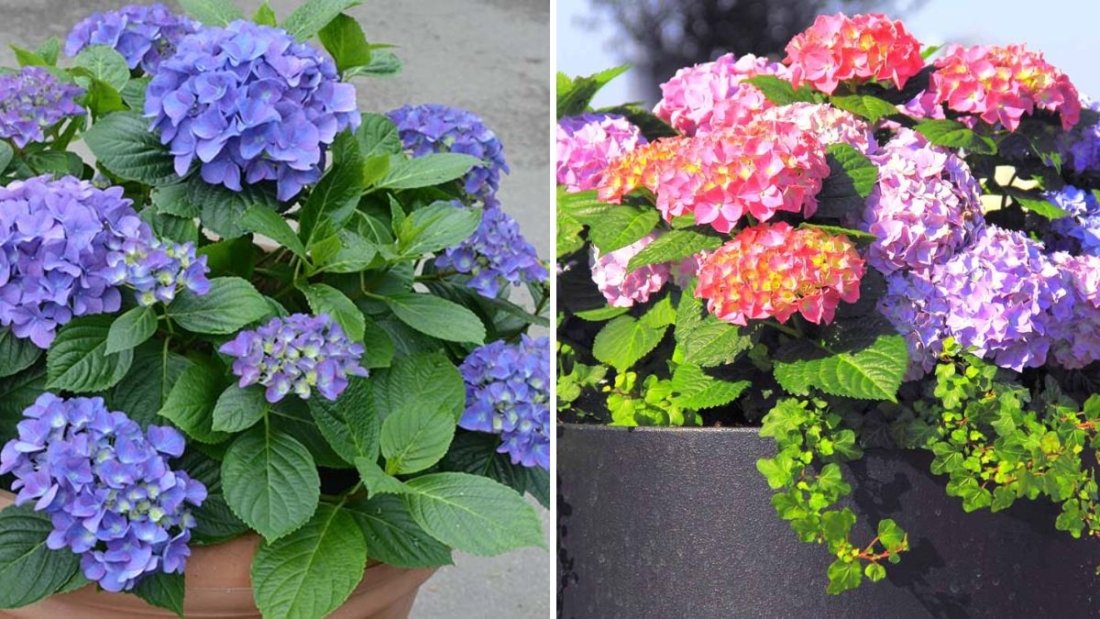
c) Hostas (Flowering Varieties)

  • Features: Variegated or textured foliage; some produce fragrant blooms.
  • Benefits: Excellent for deep shade; adds lush greenery and structure.
  • Care: Prefers moist, well-drained soil; cut back spent flowers to maintain appearance.
d) Fuchsias

  • Features: Pendulous, bell-shaped flowers in pinks, purples, and reds.
  • Benefits: Adds elegance and attracts pollinators even in partial shade.
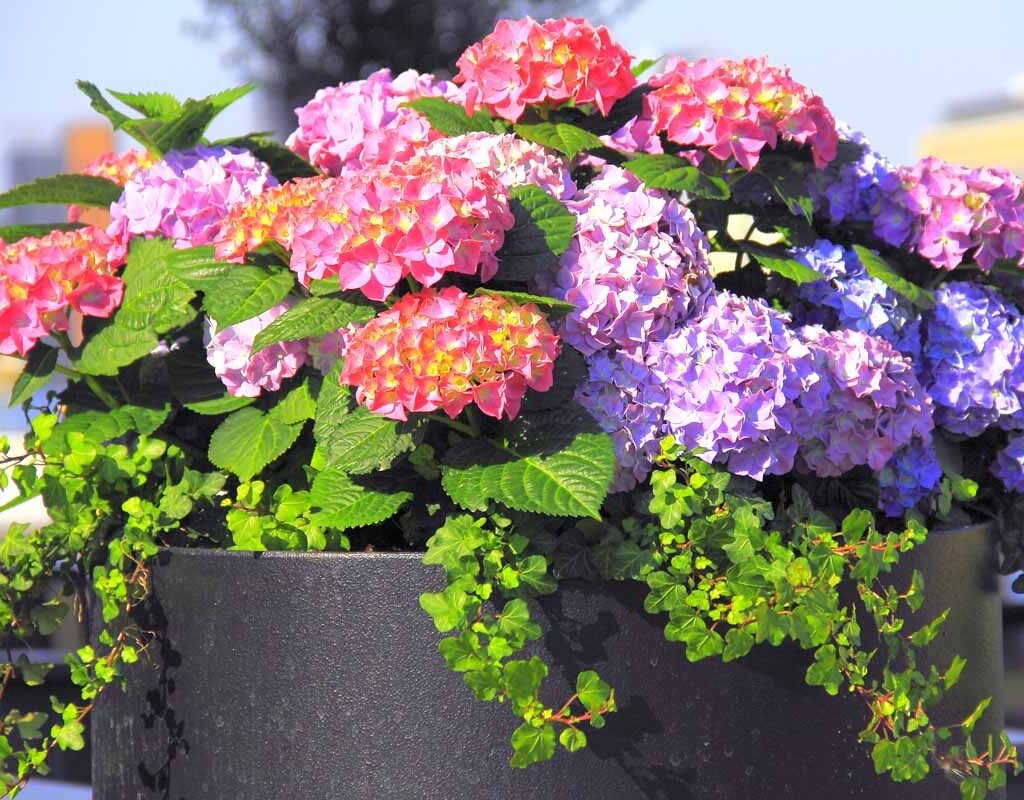
  • Care: Requires regular watering and misting; partial shade is ideal.
e) Caladiums

  • Features: Striking foliage with red, pink, green, and white patterns.
  • Benefits: Provides visual interest without needing full sun; thrives in shaded containers.
  • Care: Keep soil moist; avoid frost and extreme heat.

f) Lobelia

  • Features: Small, vivid blue, purple, or white flowers forming trailing mats.
  • Benefits: Perfect for container edges or hanging baskets; blooms profusely in shade.
  • Care: Water consistently; partial shade enhances color intensity.

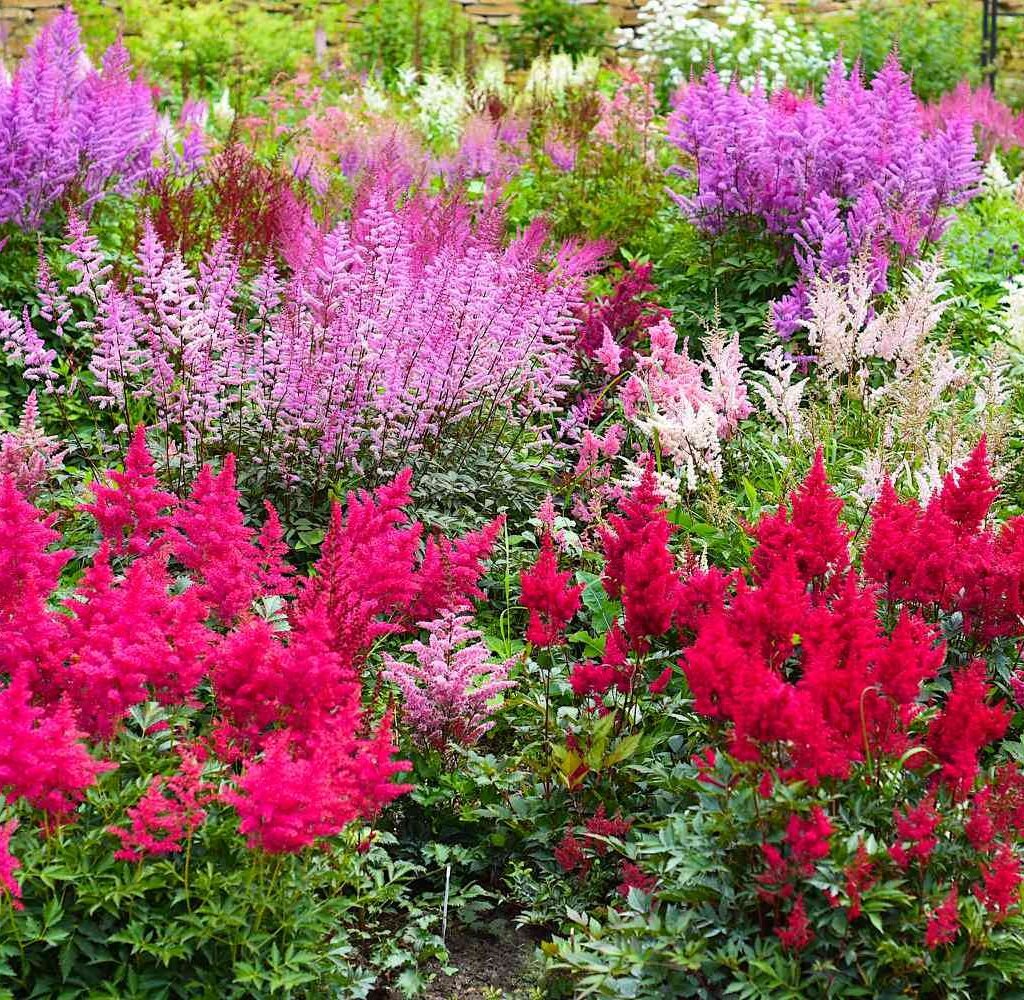
g) Astilbe

  • Features: Feathery plumes in pink, red, or white; adds vertical interest.
  • Benefits: Shade-tolerant and low maintenance; attracts butterflies.
  • Care: Prefers consistently moist soil and partial shade.

h) Heuchera (Coral Bells)

  • Features: Variegated foliage in shades of purple, green, and silver; delicate flower spikes.
  • Benefits: Adds texture and color contrast in shaded containers.
  • Care: Well-drained soil and partial shade; cut back flower stalks to maintain foliage focus.

5. Soil Preparation for Shade Containers

Shade plants often thrive in moist, nutrient-rich soil:

  • Potting Mix: Use high-quality, well-draining potting soil.
  • Organic Matter: Incorporate compost or leaf mold to enhance fertility and water retention.
  • Drainage: Add perlite, sand, or small pebbles to prevent waterlogging.
  • pH Level: Most shade flowers prefer slightly acidic to neutral soil (pH 6.0–7.0).

Tip: Avoid heavy garden soil alone, as it may compact and suffocate roots in containers.


6. Watering and Moisture Management

Shade containers often retain moisture longer, but proper watering is still crucial:

  • Frequency: Check soil regularly; water when the top inch feels dry.
  • Method: Water at the base to prevent fungal diseases on leaves and blooms.
  • Mulching: Use organic mulch like bark chips or leaf litter to maintain soil moisture and reduce evaporation.

Tip: Container plants in deep shade may need less frequent watering than sun-exposed containers.


7. Fertilization for Shade Flowers

Container flowers depend on limited soil nutrients:

  • Balanced Fertilizers: Use a slow-release fertilizer or liquid feed every 2–3 weeks.
  • Organic Options: Compost tea or diluted fish emulsion improves soil fertility and encourages flowering.
  • Leafy vs. Flowering: Adjust fertilizer based on plant growth—more phosphorus encourages blooms.

Tip: Avoid excessive nitrogen, which can promote leaf growth at the expense of flowers.


8. Plant Arrangement and Design

Thoughtful arrangement enhances visual appeal and plant health:

  • Layering: Place taller plants like astilbe at the back and trailing plants like lobelia at the front.
  • Grouping: Combine different textures and colors for contrast.
  • Hanging Baskets: Use fuchsias, lobelia, or trailing begonias to add vertical interest.
  • Mix Foliage and Flowers: Combine plants with colorful leaves (caladiums, hostas, heuchera) with flowers for a balanced container display.

Tip: Odd numbers of containers (3, 5, 7) create natural visual harmony.


9. Pest and Disease Management

Shade environments can be more humid, favoring certain pests and diseases:

  • Common Issues: Aphids, slugs, spider mites, and fungal infections like powdery mildew.
  • Prevention: Ensure good air circulation, remove dead leaves, and avoid overcrowding.
  • Natural Control: Introduce beneficial insects, neem oil sprays, or organic insecticidal soap.

Tip: Inspect plants regularly, focusing on undersides of leaves where pests often hide.


10. Seasonal and Long-Term Care

Shade containers require adaptation to seasonal changes:

  • Spring: Plant new container flowers; fertilize and water as growth resumes.
  • Summer: Monitor for heat stress in partial shade; maintain moisture.
  • Autumn: Trim spent blooms and remove dead foliage to prepare for winter.
  • Winter: Protect frost-sensitive containers indoors or with covers; mulch to insulate roots.

Tip: Rotate containers periodically to maintain balanced growth and aesthetics.


11. Creative Tips for Shade Container Displays

  • Color Contrast: Bright flowers like impatiens or begonias pop against dark green foliage.
  • Trailing Plants: Use lobelia or ivy to soften container edges.
  • Mixed Containers: Combine foliage and flowering plants for layered textures.
  • Decorative Elements: Add stones, miniature statues, or colorful pots for visual interest.
  • Mobility: Lightweight containers allow you to rearrange for seasonal changes or sunlight optimization.

Tip: Experiment with different plant combinations to create unique, personalized container displays.


Conclusion

Creating beautiful container displays in shade requires careful plant selection, proper soil preparation, and consistent care. By choosing shade-tolerant flowers, arranging containers thoughtfully, and maintaining healthy growing conditions, gardeners can transform even the darkest corners into lush, vibrant, and inviting spaces.

Key takeaways:

  1. Determine sunlight levels before selecting plants.
  2. Use well-draining, nutrient-rich potting soil.
  3. Choose shade-loving flowers like impatiens, begonias, hostas, and fuchsias.
  4. Water and fertilize appropriately for container growth.
  5. Incorporate layering, trailing plants, and color contrast for visual impact.
  6. Monitor and manage pests naturally.
  7. Adjust care seasonally to maintain health and blooms.
  8. Use creative container designs to enhance aesthetic appeal.
  9. Mix foliage and flowering plants for texture and depth.
  10. Rotate and maintain containers for continuous charm throughout the year.

With thoughtful planning and care, shade containers can become stunning focal points, offering color, fragrance, and natural beauty, even in low-light areas.

How to Keep Roses Pest-Free Naturally

How to Keep Roses Pest-Free Naturally

Roses are among the most beloved flowers in the world, admired for their beauty, fragrance, and timeless elegance. However, their delicate petals and tender foliage often make them a prime target for pests, which can damage leaves, flowers, and even roots. While chemical pesticides can be effective, they pose risks to the environment, pollinators, and human health. Fortunately, there are natural, sustainable ways to protect your roses from pests while maintaining a healthy, thriving garden.

This guide explores how to keep roses pest-free naturally, covering pest identification, prevention, organic solutions, companion planting, and long-term rose care, ensuring your roses flourish without harmful chemicals.


1. Common Rose Pests and Their Impact

Understanding the types of pests that attack roses is the first step toward prevention:

  • Aphids: Small, soft-bodied insects that cluster on new shoots and buds, sucking sap and causing curling leaves.
  • Spider Mites: Tiny arachnids that form webs and cause yellow speckling on leaves.
  • Japanese Beetles: Metallic green beetles that feed on leaves and flowers, leaving skeletonized foliage.
  • Thrips: Tiny, slender insects that damage flower petals, causing discoloration and deformed blooms.
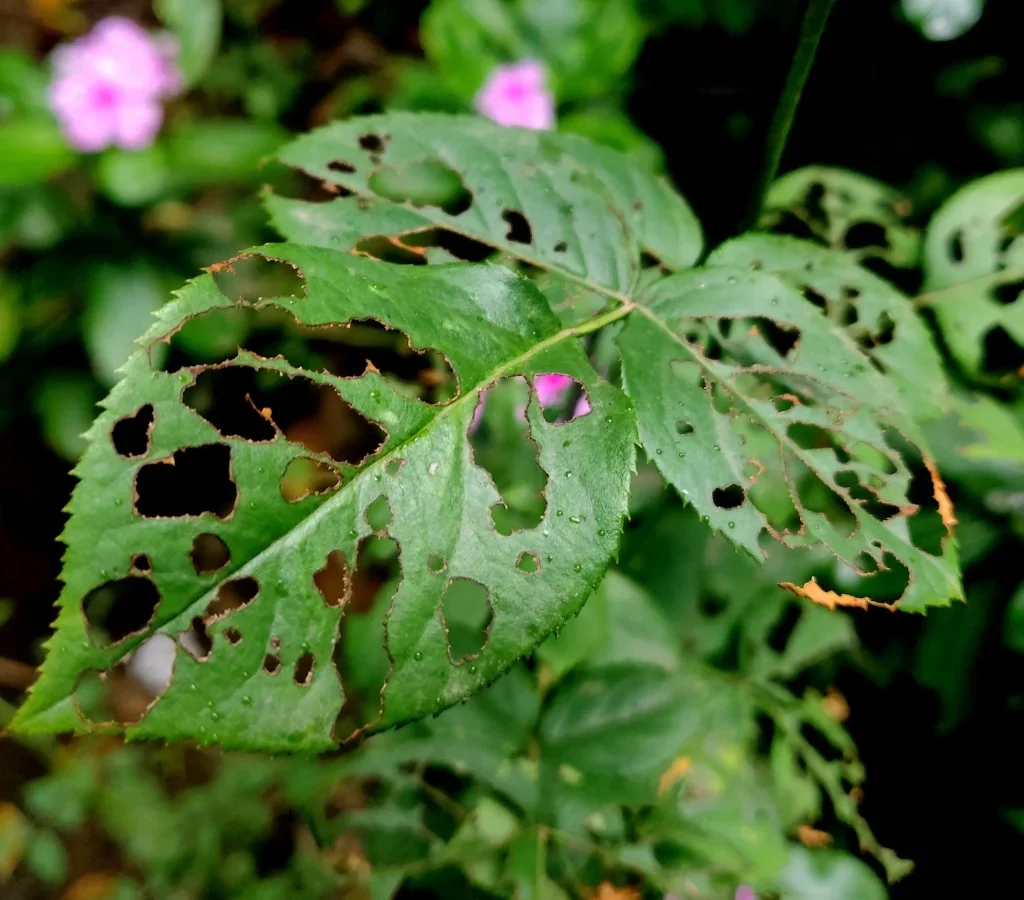
  • Rose Slugs (Sawfly Larvae): Small, greenish larvae that chew holes in leaves.
  • Scale Insects: Hard-shelled pests that attach to stems, sucking nutrients and weakening plants.

Tip: Regular inspection of buds, stems, and leaves helps detect pests early, preventing severe infestations.


2. Natural Pest Prevention Techniques

Preventing pests is easier than treating infestations. Implement these prevention strategies:

a) Maintain Healthy Roses

  • Proper Spacing: Ensure adequate airflow by planting roses at recommended distances.
  • Soil Health: Use nutrient-rich, well-draining soil to strengthen plants against pest attacks.
  • Watering: Water at the base to avoid wetting foliage, which attracts pests and promotes fungal diseases.

b) Pruning and Cleaning

  • Remove dead or diseased branches to prevent pests from nesting.
  • Dispose of fallen leaves and flowers to eliminate breeding grounds.

c) Encourage Beneficial Insects

  • Ladybugs, lacewings, and parasitic wasps feed on aphids and other harmful pests.
  • Plant nectar-rich flowers nearby to attract these natural predators.

Tip: A well-maintained rose plant is far less susceptible to pest damage.


3. Homemade Natural Pest Solutions

Several natural remedies can control pests without chemicals:

a) Neem Oil Spray

  • Effectiveness: Controls aphids, spider mites, and scale insects.
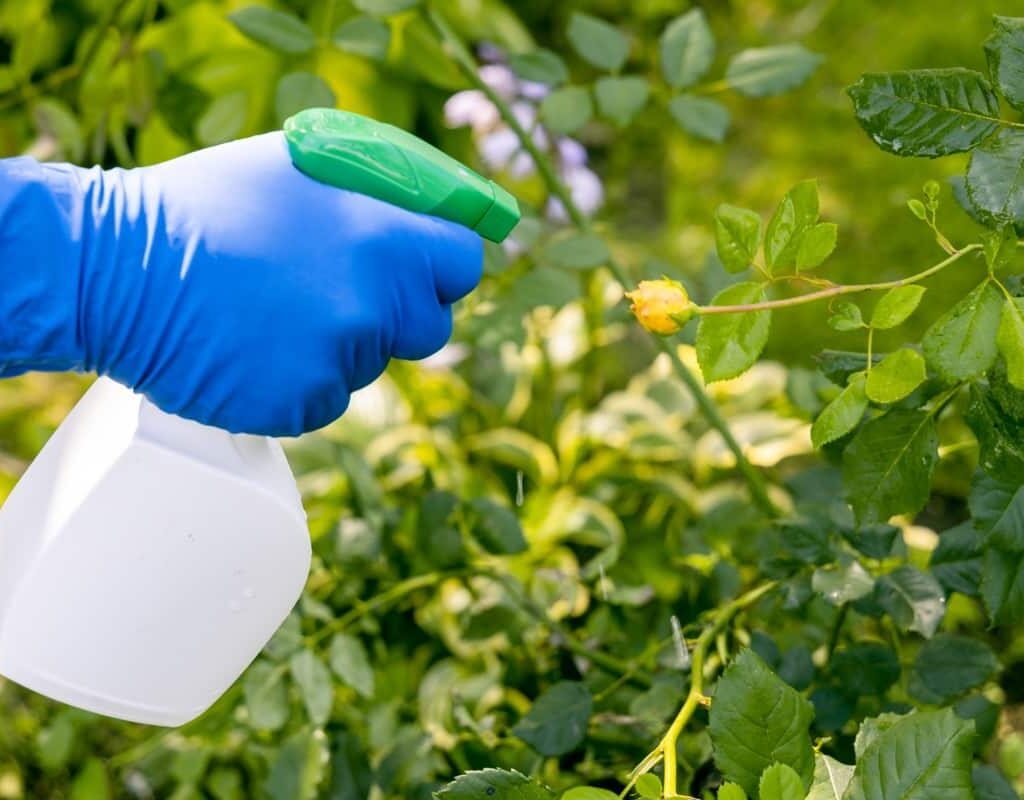
  • Preparation: Mix 2 tablespoons of neem oil with 1 teaspoon liquid soap in 1 liter of water. Spray on leaves, stems, and buds every 7–10 days.

b) Garlic Spray

  • Effectiveness: Repels aphids, beetles, and caterpillars.
  • Preparation: Blend 2–3 garlic cloves with water, strain, and spray on rose plants weekly.

c) Soap Spray

  • Effectiveness: Kills soft-bodied insects like aphids and thrips.
  • Preparation: Mix 1 tablespoon mild liquid soap in 1 liter of water; spray thoroughly.

d) Chili or Cayenne Pepper Spray

  • Effectiveness: Deters beetles and larger chewing insects.
  • Preparation: Mix 1 teaspoon chili powder in 1 liter of water; add a few drops of soap to help adherence.

e) Companion Plants

  • Marigolds: Repel nematodes and certain insects.
  • Lavender and Rosemary: Deter aphids and beetles.
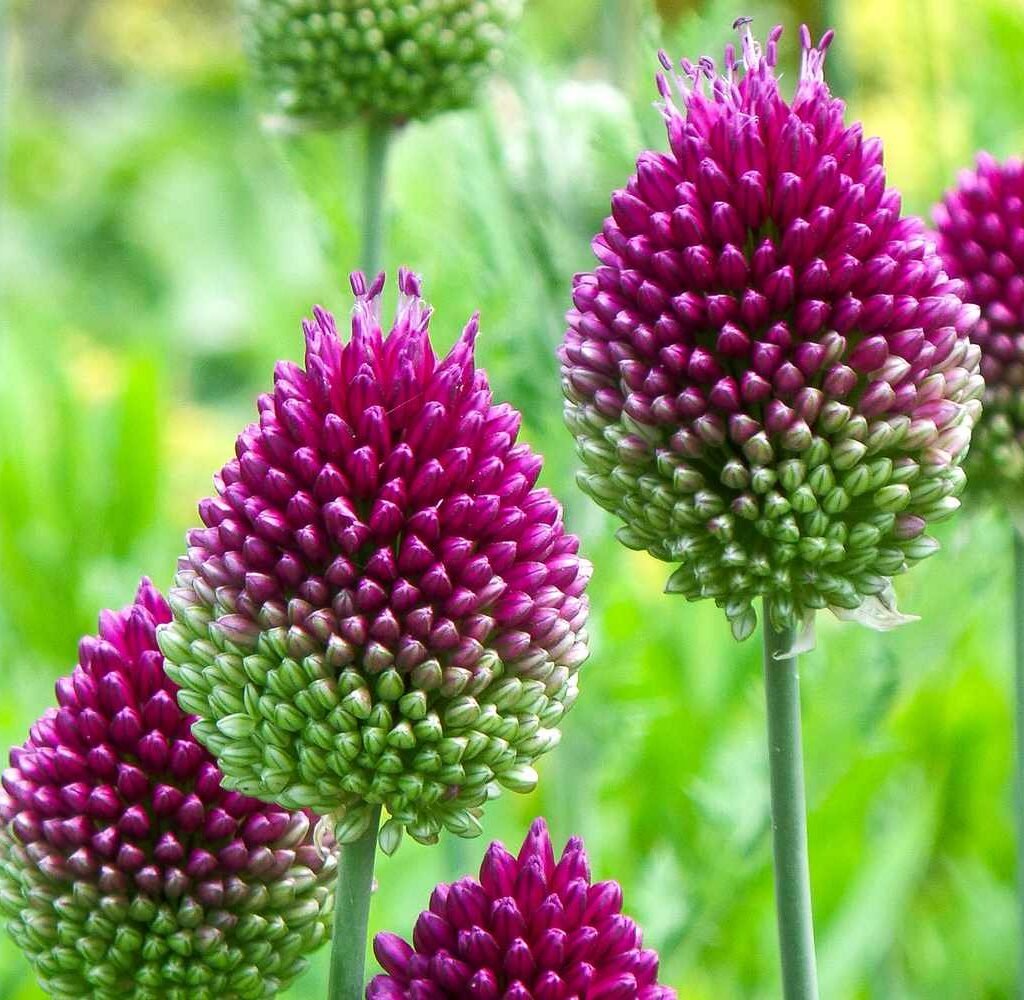
  • Alliums (Garlic and Onions): Naturally repel pests through scent.

Tip: Apply sprays early in the morning or late evening to avoid burning leaves in direct sunlight.


4. Natural Mulching and Soil Care

Healthy soil and mulching reduce pest problems:

  • Organic Mulch: Straw, shredded leaves, or compost reduces weeds and maintains soil moisture, discouraging pests like slugs and beetles.
  • Beneficial Microbes: Compost and organic amendments improve soil health, boosting plant immunity.
  • Crop Rotation and Diversity: Interplant roses with vegetables or herbs to confuse pests and reduce infestations.

Tip: Mulch should not touch the base of the rose stems directly to prevent fungal growth.


5. Companion Planting for Pest Control

Companion planting enhances both aesthetic appeal and pest resistance:

  • Borage: Attracts pollinators and deters tomato and rose pests.
  • Chives and Garlic: Repel aphids naturally.
  • Tansy: Deters beetles and ants.
  • Nasturtiums: Trap pests away from roses, acting as a decoy plant.

Tip: Companion plants also provide flowers, fragrance, and color diversity alongside your roses.


6. Beneficial Insects and Biological Control

Encourage natural predators to manage pests sustainably:

  • Ladybugs: Eat aphids and mites.
  • Lacewings: Feed on aphids and small caterpillars.
  • Parasitic Wasps: Lay eggs inside pest larvae, naturally controlling populations.
  • Predatory Beetles: Consume scale insects and larvae.

Tip: Avoid broad-spectrum insecticides that kill beneficial insects; they help maintain a balanced ecosystem.


7. Regular Monitoring and Maintenance

Consistent care is crucial for keeping roses pest-free:

  • Inspect leaves, stems, and buds at least twice a week.
  • Remove and destroy infested or damaged parts immediately.
  • Rotate natural sprays and remedies to prevent pest resistance.
  • Check the undersides of leaves where pests often hide.

Tip: Early detection prevents minor problems from escalating into major infestations.


8. Seasonal Strategies

Pests vary with seasons, so adapt your approach:

  • Spring: Monitor for aphids and spider mites; encourage pollinators.
  • Summer: Watch for beetles and thrips; increase watering during heat.
  • Autumn: Prune old stems and remove fallen leaves to reduce overwintering pests.
  • Winter: Protect dormant roses from extreme cold and inspect for scale insects.

Tip: Seasonal awareness helps prevent pest buildup and maintains rose vitality year-round.


9. Natural Fertilization to Boost Resistance

Healthy, well-fed roses are more resistant to pests:

  • Organic Fertilizers: Compost, manure, and worm castings provide slow-release nutrients.
  • Liquid Fertilizers: Fish emulsion or seaweed extract boosts growth and flowering.
  • Balanced Nutrition: Ensure adequate nitrogen for leaves, phosphorus for flowers, and potassium for overall plant health.

Tip: Avoid over-fertilization, which can make roses more attractive to pests.


10. Creating a Balanced Rose Garden Ecosystem

A thriving rose garden incorporates diversity, natural pest control, and sustainable practices:

  • Mix flowers and herbs to attract beneficial insects.
  • Use mulch and organic amendments to improve soil health.
  • Apply natural sprays and maintain regular pruning and hygiene.
  • Encourage natural predators to reduce reliance on chemicals.

Tip: A balanced ecosystem naturally minimizes pest problems and enhances overall plant vitality.


Conclusion

Keeping roses pest-free naturally requires a combination of prevention, observation, and sustainable care. By understanding pest behavior, maintaining plant health, and using organic sprays, companion plants, and beneficial insects, gardeners can protect roses without harming the environment or pollinators.

Key takeaways:

  1. Identify common rose pests and monitor plants regularly.
  2. Maintain healthy soil, proper spacing, and adequate watering.
  3. Use natural remedies like neem oil, garlic, soap, and chili sprays.
  4. Encourage beneficial insects to naturally control pests.
  5. Practice pruning, deadheading, and hygiene to reduce infestation sites.
  6. Employ companion planting to deter pests and enhance beauty.
  7. Adjust care seasonally to address varying pest pressures.
  8. Fertilize naturally to strengthen plants against pests.
  9. Mulch to retain moisture and protect roots.
  10. Foster a balanced ecosystem to sustainably maintain rose health.

By adopting these practices, gardeners can enjoy lush, vibrant, and pest-free roses that enhance their garden’s beauty, fragrance, and charm—all without relying on harmful chemicals.

7 Flowers That Bloom Even in Sandy Soil

7 Flowers That Bloom Even in Sandy Soil

Gardening in sandy soil presents unique challenges. Sandy soils drain quickly, lack nutrients, and can be prone to erosion, making it difficult for many plants to thrive. Despite these limitations, several flowering plants have adapted to grow and bloom beautifully even in sandy conditions, offering gardeners opportunities to create colorful, resilient landscapes. Choosing the right flowers ensures a vibrant garden with minimal soil amendments, making it perfect for coastal areas, deserts, or poor soil locations.

This article explores seven flowers that flourish in sandy soil, detailing their care, ideal conditions, and benefits for long-lasting blooms.


1. Marigolds (Tagetes spp.)

Marigolds are bright, hardy flowers known for vibrant yellow, orange, and red blooms:

  • Adaptation to Sandy Soil: Marigolds tolerate low-nutrient, well-drained soils and can withstand drought conditions.
  • Planting Tips: Plant in full sun; spacing of 8–12 inches ensures airflow.
  • Watering Needs: Water moderately, allowing the soil to dry between sessions.
  • Benefits: Their strong scent deters pests like nematodes and aphids, promoting healthy flower beds.

Marigolds provide cheerful color and natural pest control in sandy gardens.


2. Portulaca (Portulaca grandiflora)

Portulaca, also known as moss rose, is a low-growing succulent flower that thrives in challenging conditions:

  • Drought Tolerance: Requires minimal water and thrives in hot, sandy soils.
  • Sunlight: Full sun promotes maximum flowering.
  • Bloom Duration: Produces vibrant blooms throughout summer, closing at night or on cloudy days.
  • Soil Requirements: Prefers well-drained sandy or rocky soils; poor fertility does not hinder growth.

Portulaca adds continuous color and texture to sandy gardens with minimal care.


3. Blanket Flower (Gaillardia spp.)

Blanket flowers are hardy perennials known for red, orange, and yellow daisy-like blooms:

  • Adaptation to Sandy Soil: Tolerates dry, nutrient-poor soils and requires excellent drainage.
  • Planting Tips: Plant in full sun; avoid overwatering to prevent root rot.
  • Maintenance: Deadhead spent flowers to encourage continuous blooming.
  • Benefits: Attracts pollinators such as butterflies and bees, enhancing garden biodiversity.

Blanket flowers are low-maintenance, drought-tolerant, and long-blooming.


4. Lavender (Lavandula spp.)

Lavender is a fragrant herbaceous plant with purple flower spikes that thrive in sandy, well-drained soils:

  • Soil Preference: Requires sandy or gravelly soil for proper root development.
  • Sunlight: Full sun exposure is essential for optimal flowering.
  • Watering Needs: Minimal; overwatering can cause root rot.
  • Uses: Beyond ornamental purposes, lavender can be used for essential oils, dried bouquets, and natural pest control.

Lavender is both decorative and functional, enhancing garden appeal while tolerating sandy conditions.


5. Coreopsis (Coreopsis spp.)

Coreopsis, or tickseed, produces bright yellow, orange, or red blooms that flourish in sandy soils:

  • Drought and Heat Tolerance: Ideal for hot, dry environments with sandy soil.
  • Planting Tips: Full sun exposure promotes vibrant flower colors.
  • Maintenance: Low-maintenance; deadheading extends flowering period.
  • Soil Fertility: Performs well in nutrient-poor soils, making it perfect for sandy conditions.

Coreopsis is an easy-to-grow, resilient flower that provides long-lasting seasonal blooms.


6. Sea Holly (Eryngium spp.)

Sea holly is a unique ornamental plant with spiky blue or purple flowers that thrive in coastal or sandy soils:

  • Adaptation to Sandy Soil: Excellent drainage requirement makes it ideal for sandy gardens.
  • Sunlight: Full sun is necessary for best flower development.
  • Watering Needs: Low; once established, it tolerates drought well.
  • Benefits: Attracts pollinators and adds structural interest to flower beds.

Sea holly is a drought-tolerant, low-maintenance flower suited for sandy and coastal landscapes.


7. Yarrow (Achillea millefolium)

Yarrow produces clusters of flowers in shades of yellow, white, pink, and red and is exceptionally hardy:

  • Soil Adaptation: Thrives in sandy, well-draining soils and requires minimal fertility.
  • Sunlight Requirements: Full sun ensures healthy foliage and blooms.
  • Maintenance: Drought-tolerant and deer-resistant; deadhead to encourage more blooms.
  • Benefits: Attracts beneficial insects and supports pollinators.

Yarrow adds texture, color, and ecological benefits to sandy gardens.


Care Tips for Flowers in Sandy Soil

Even though these flowers are adapted to sandy conditions, proper care ensures long-lasting blooms:

  1. Soil Amendments: Incorporate organic matter such as compost or peat moss to improve moisture retention without compromising drainage.
  2. Mulching: Apply a thin layer of mulch to reduce evaporation, moderate temperature, and retain moisture.
  3. Fertilization: Use slow-release fertilizers or liquid feeds tailored for flowering plants. Sandy soil loses nutrients quickly due to drainage.
  4. Watering: Establish a consistent but moderate watering routine; avoid overwatering to prevent root rot.
  5. Pest Management: Monitor for common pests such as aphids or spider mites and use organic treatments when necessary.
  6. Sunlight Management: Most sandy-soil flowers require full sun; ensure adequate exposure.
  7. Spacing: Allow proper plant spacing to encourage airflow and reduce disease risk.

Implementing these care strategies enhances flowering quality and garden resilience.


Benefits of Gardening in Sandy Soil

Gardening in sandy soil, while challenging, offers distinct advantages:

  • Excellent Drainage: Reduces the risk of root rot for drought-tolerant flowers.
  • Easy Root Penetration: Looser soils make it easier for roots to establish.
  • Rapid Warming: Sandy soils warm quickly in spring, supporting early bloom.
  • Low Compaction: Reduces soil stress for most hardy flowering plants.
  • Opportunities for Native Plants: Many native flowers are adapted to sandy, low-nutrient conditions.

With the right plant selection, sandy soil can produce vibrant, resilient, and low-maintenance flower gardens.


Conclusion

While sandy soil can pose challenges for gardeners, it is entirely possible to create stunning flower beds with continuous blooms. Plants such as marigolds, portulaca, blanket flowers, lavender, coreopsis, sea holly, and yarrow thrive in well-draining, low-nutrient conditions, offering both vibrant color and ecological benefits. By incorporating proper care practices—such as soil amendments, mulching, balanced watering, and regular fertilization—gardeners can maximize flower health, bloom longevity, and aesthetic appeal. Choosing the right flowers transforms sandy soil from a limitation into an opportunity for a beautiful, resilient, and low-maintenance garden.

How to Grow Hydrangeas With Deep Blue Flowers

How to Grow Hydrangeas With Deep Blue Flowers

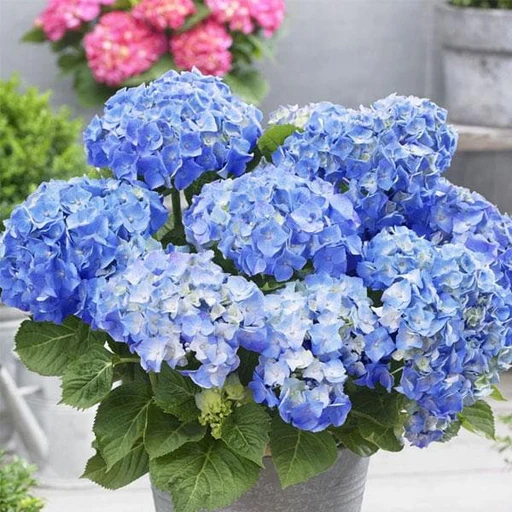
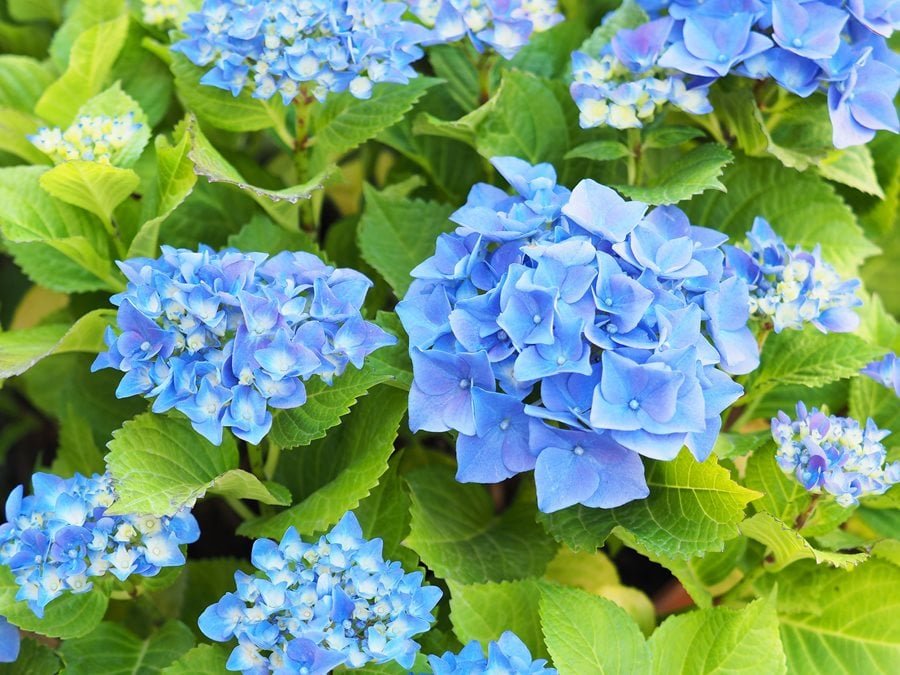
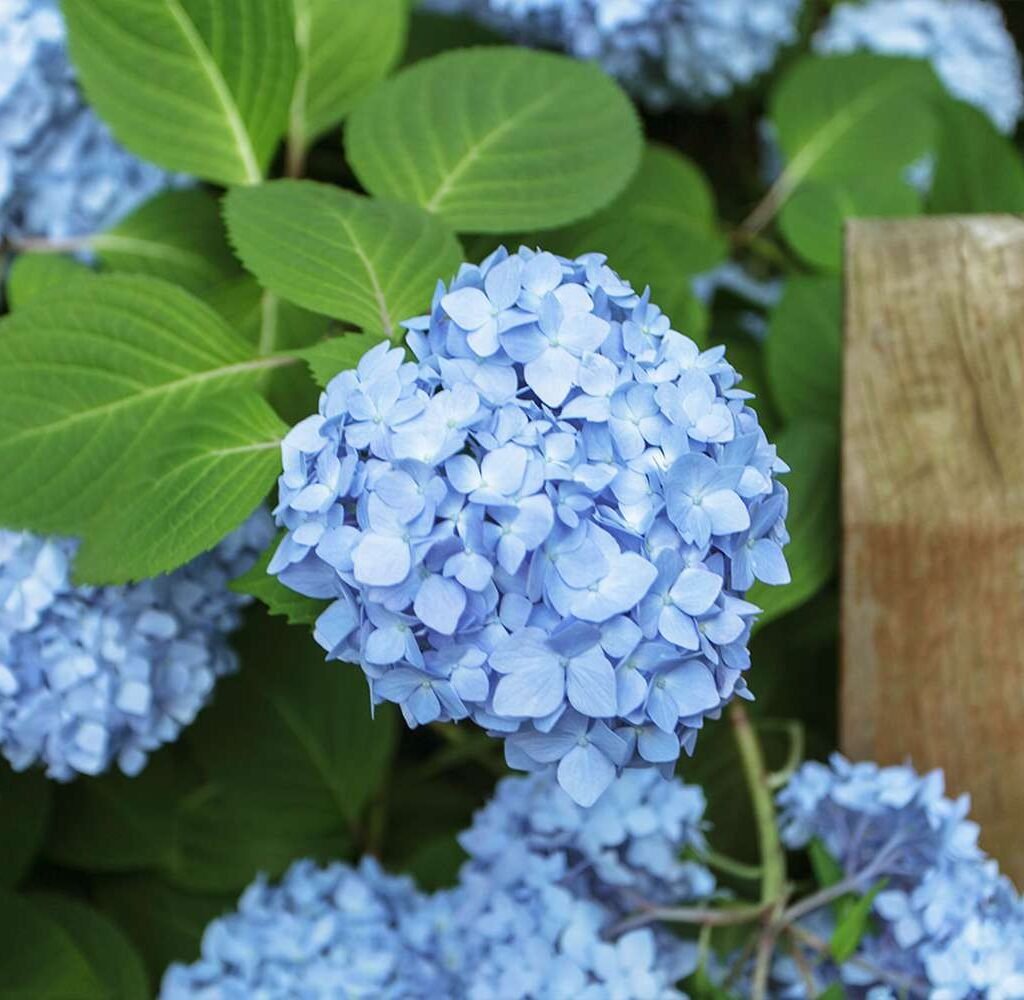
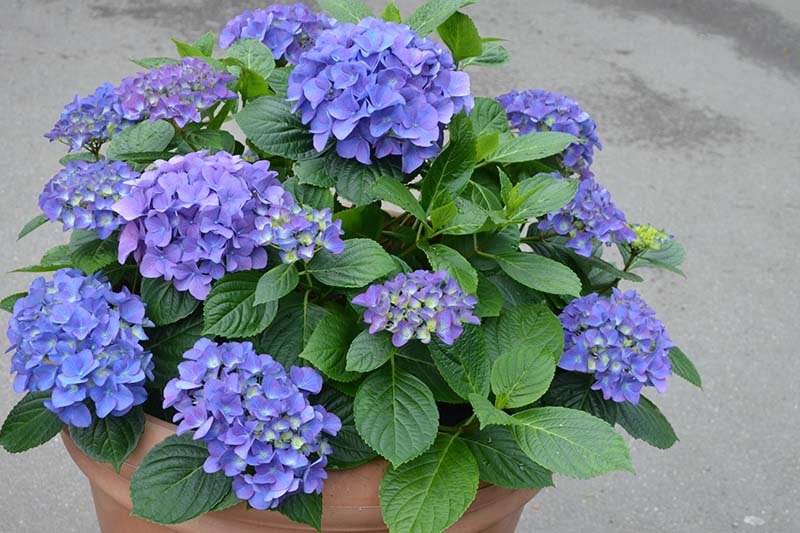
Hydrangeas (Hydrangea macrophylla) are among the most popular flowering shrubs for gardens, known for their large, lush blooms and vibrant colors. While hydrangeas can display a range of hues from pink to purple to blue, achieving deep blue flowers requires specific soil conditions, careful plant care, and proper seasonal management. Deep blue hydrangea blooms are highly prized for their striking appearance and long-lasting floral display, making them a favorite for both garden beds and container arrangements.

This article provides a comprehensive guide on how to grow hydrangeas with deep blue flowers, covering soil management, fertilization, pruning, watering, and seasonal considerations.


1. Understanding Flower Color in Hydrangeas

Hydrangea flower color is primarily determined by soil pH and aluminum availability:

  • Acidic Soil (pH 5.2–5.5): Promotes blue blooms.
  • Neutral to Alkaline Soil (pH 6.5+): Produces pink or purple blooms.
  • Aluminum Availability: Essential for blue pigmentation; aluminum is more accessible in acidic soils.

Understanding the relationship between soil chemistry and flower color is crucial for cultivating deep blue hydrangeas.


2. Selecting the Right Hydrangea Varieties

Not all hydrangeas can produce true blue flowers. Choose varieties known for their blue color potential:

  • Bigleaf Hydrangeas (Hydrangea macrophylla): Most responsive to soil pH changes.
  • Blue-Flowered Cultivars: ‘Nikko Blue,’ ‘Endless Summer Blue,’ ‘Blue Wave,’ and ‘Bluebird.’
  • Climbing Varieties: Some climbing hydrangeas may show blue hues under acidic conditions.

Selecting the right variety ensures maximum potential for deep blue blooms.


3. Soil Preparation for Deep Blue Blooms

Soil preparation is key to achieving and maintaining blue flowers:

  • Acidic Soil: Aim for a pH between 5.2 and 5.5.
  • Amending Soil: Use sulfur, peat moss, or acidic compost to lower pH.
  • Aluminum Supplementation: Garden aluminum sulfate or commercially available hydrangea blue fertilizers increase aluminum availability.
  • Soil Testing: Regular testing ensures pH and nutrient levels are suitable.
  • Drainage: Well-draining soil prevents root rot while maintaining moisture.

Proper soil preparation provides the chemical environment needed for deep blue flowers.


4. Planting Hydrangeas

Planting hydrangeas correctly ensures healthy growth and abundant blooms:

  • Timing: Plant in spring or fall for optimal root establishment.
  • Spacing: 3–5 feet apart to allow airflow and reduce disease risk.
  • Depth: Plant at the same depth as in the nursery container to avoid stress.
  • Mulching: Apply a 2–3 inch layer of mulch to retain moisture and regulate soil temperature.

Correct planting creates a strong foundation for robust flowering.


5. Watering Practices

Hydrangeas require consistent moisture to maintain large, healthy blooms:

  • Frequency: Water deeply 2–3 times per week, more during hot or dry conditions.
  • Morning Watering: Reduces fungal risk and ensures moisture absorption.
  • Avoid Overhead Watering: Wet leaves can promote disease; use drip irrigation if possible.
  • Container Hydrangeas: Monitor closely, as pots dry faster than garden beds.

Proper watering supports vigorous growth and consistent flower production.


6. Fertilization for Blue Flowers

Balanced nutrition encourages strong plants and vibrant flower color:

  • Phosphorus Limitation: Excess phosphorus can inhibit aluminum uptake, reducing blue coloration.
  • Potassium and Nitrogen: Essential for healthy foliage and flower size.
  • Specialized Fertilizers: Use fertilizers labeled for blue hydrangeas or acid-loving plants.
  • Application Timing: Fertilize in early spring and mid-summer to support growth and blooming.

Fertilization ensures healthy plants with deeply pigmented blooms.


7. Maintaining Acidic Conditions

Maintaining low soil pH is crucial for blue hydrangeas:

  • Regular Soil Testing: Monitor pH every 6–8 weeks during the growing season.
  • Aluminum Supplementation: Apply aluminum sulfate in small, repeated doses to prevent toxicity.
  • Acidic Mulch: Pine needles or shredded oak leaves help maintain soil acidity.
  • Avoid Lime: Do not use lime or alkaline fertilizers, as they shift blooms toward pink.

Consistent acidity promotes intense, deep blue coloration in flowers.


8. Pruning and Deadheading

Proper pruning enhances bloom quality and longevity:

  • Timing: Prune after flowering for bigleaf hydrangeas, as they bloom on old wood.
  • Deadheading: Remove spent blooms to encourage new bud formation.
  • Shape Maintenance: Trim leggy branches to maintain a compact and healthy shrub.
  • Avoid Heavy Winter Pruning: Can reduce blooms the following season.

Pruning supports strong, vibrant flowers and bushy growth.


9. Sunlight Requirements

Hydrangeas need balanced sunlight to produce large, healthy blooms:

  • Partial Shade: 4–6 hours of morning sun is ideal.
  • Avoid Harsh Afternoon Sun: Can scorch leaves and reduce flower longevity.
  • Filtered Sunlight: Protects delicate blooms while supporting photosynthesis.

Proper sunlight ensures healthy foliage and well-formed flower heads.


10. Pest and Disease Management

Hydrangeas are susceptible to common fungal and insect pests, especially in moist conditions:

  • Powdery Mildew and Leaf Spot: Ensure good airflow and avoid overhead watering.
  • Aphids and Spider Mites: Monitor regularly and use organic treatments like neem oil if necessary.
  • Root Rot: Prevent waterlogged soil conditions.
  • Sanitation: Remove fallen leaves and debris to reduce pathogen presence.

Healthy, well-maintained plants are less prone to disease and consistently produce deep blue blooms.


11. Seasonal Care for Winter and Summer

Adjust care based on seasonal changes:

  • Spring: Test soil pH, apply fertilizers, and prune dead branches.
  • Summer: Maintain consistent watering, mulching, and aluminum supplementation.
  • Autumn: Reduce fertilizer, prepare soil for winter, and mulch heavily to protect roots.
  • Winter: Avoid pruning frozen branches; provide frost protection if necessary.

Seasonal care ensures continuous growth and flower quality throughout the year.


12. Container-Grown Blue Hydrangeas

For smaller spaces or patios, containers can support hydrangeas:

  • Pot Selection: Choose large pots (minimum 15–20 inches) with good drainage.
  • Soil Mix: Use acidified potting mix with peat moss and perlite.
  • Watering: Containers dry faster, requiring more frequent moisture monitoring.
  • Fertilization: Apply liquid or slow-release fertilizers suited for acid-loving plants.

Container hydrangeas can produce deep blue flowers similar to garden-grown plants when cared for properly.


13. Troubleshooting Flower Color Issues

Several factors can prevent blue blooms:

  • Soil Too Alkaline: Use sulfur or acidic amendments to lower pH.
  • Aluminum Deficiency: Add aluminum sulfate carefully.
  • Excess Phosphorus: Avoid phosphorus-heavy fertilizers.
  • Improper Pruning: Cutting old wood can remove future flower buds.

Understanding these factors helps gardeners maintain deep blue coloration season after season.


14. Benefits of Deep Blue Hydrangeas

Cultivating blue hydrangeas provides multiple rewards:

  • Aesthetic Appeal: Striking blooms create visual focal points in gardens.
  • Long-Lasting Flowers: Proper care ensures extended bloom periods.
  • Versatility: Suitable for beds, borders, and containers.
  • Pollinator Support: Hydrangeas provide nectar for bees and other pollinators.
  • Personal Satisfaction: Achieving true blue blooms is a fulfilling accomplishment for gardeners.

Deep blue hydrangeas elevate garden beauty and visual interest.


Conclusion

Growing hydrangeas with deep blue flowers requires careful attention to soil acidity, aluminum availability, and proper plant care practices. Selecting the right variety, preparing acidic soil, providing balanced fertilization, maintaining consistent moisture, and following seasonal pruning strategies all contribute to healthy, vibrant, long-lasting blooms. By combining proper sunlight, pest management, and container or garden bed techniques, gardeners can enjoy stunning blue hydrangea displays that enhance the beauty of any outdoor or patio space. With dedication and knowledge, achieving deep blue hydrangea flowers is both rewarding and sustainable.

The Best Soil for Long-Lasting Blooms

The Best Soil for Long-Lasting Blooms

Flowers are among the most rewarding elements of any garden, adding color, fragrance, and visual appeal to outdoor and indoor spaces. While sunlight, watering, and fertilization are often emphasized, soil quality is the foundation of plant health and bloom longevity. The right soil provides essential nutrients, proper drainage, and a supportive environment for roots, directly influencing flower vigor and bloom duration.

This article provides a comprehensive guide on choosing and preparing the best soil for long-lasting blooms, covering soil composition, amendments, testing, and seasonal care strategies.


1. Understanding Soil’s Role in Bloom Longevity

Soil is more than just a medium to anchor plants—it directly impacts nutrient availability, water retention, root development, and disease resistance. Flowers rely on healthy soil to:

  • Access Nutrients: Nitrogen, phosphorus, and potassium support growth and flowering.
  • Maintain Moisture: Adequate water retention prevents wilting and stress.
  • Promote Aeration: Oxygen-rich soil supports root respiration.
  • Support Beneficial Microorganisms: Microbes help break down organic matter and enhance nutrient uptake.

Healthy soil ensures vibrant, resilient plants with prolonged blooming periods.


2. Types of Soil for Flower Gardening

Choosing the right type of soil is essential for different flowering plants:

  • Loamy Soil: Ideal for most flowering plants; balances drainage and nutrient retention.
  • Sandy Soil: Drains quickly but may require frequent fertilization and organic matter.
  • Clay Soil: Retains nutrients well but can become compacted; may need amendments for aeration.
  • Silty Soil: Fertile and retains moisture; can become waterlogged if not managed.

Understanding your soil type is the first step to creating an optimal bloom-friendly environment.


3. Testing and Improving Soil Quality

Before planting, test your soil to ensure it supports long-lasting blooms:

  • Soil pH: Most flowers prefer slightly acidic to neutral soil (pH 6.0–7.0).
  • Nutrient Testing: Check for nitrogen (growth), phosphorus (flowers), and potassium (overall health).
  • Texture Assessment: Ensure the soil is neither too sandy nor too compacted.

Based on the results:

  • Adjust pH: Use lime to raise pH or sulfur to lower it.
  • Amend Nutrients: Add organic compost or fertilizers to correct deficiencies.
  • Improve Texture: Incorporate sand, perlite, or organic matter to enhance drainage and aeration.

Testing ensures soil conditions are ideal for vigorous, long-lasting flowering.


4. The Role of Organic Matter

Organic matter is critical for soil fertility, moisture retention, and microbial activity:

  • Compost: Supplies nutrients and improves structure.
  • Leaf Mold: Increases water retention and enriches soil with micronutrients.
  • Manure: Provides slow-release nutrients but should be well-rotted to avoid burning plants.
  • Peat Moss: Helps retain moisture in sandy soils and improves aeration in clay soils.

Regular addition of organic matter supports continuous growth and prolonged flowering.


5. Choosing the Right Fertilizers

Soil alone is rarely enough; balanced fertilization enhances bloom longevity:

  • Balanced Fertilizers: N-P-K ratio around 10:10:10 supports overall growth.
  • High-Phosphorus Fertilizers: Encourage flowering and strong root development.
  • Slow-Release Fertilizers: Provide nutrients over time, reducing frequent applications.
  • Liquid Fertilizers: Useful for container plants or to boost blooms mid-season.

Correct fertilization ensures plants remain vigorous and flowers last longer.


6. Soil Drainage and Aeration

Waterlogged soil can lead to root rot and fungal issues, shortening bloom duration:

  • Raised Beds: Improve drainage and prevent water accumulation.
  • Amendments: Add sand, perlite, or coarse compost to improve drainage.
  • Mulching: Prevents soil compaction while retaining moisture.
  • Aeration Practices: Loosen soil gently around plants to allow air penetration.

Good drainage and aeration promote strong roots and healthy flowers.


7. Container Soil Considerations

Container-grown flowers need specialized soil for longevity:

  • Potting Mixes: Lightweight, well-draining, and nutrient-rich.
  • Avoid Garden Soil: Heavy soil in containers can compact and suffocate roots.
  • Add Perlite or Vermiculite: Enhances aeration and drainage.
  • Top Dressing: Refresh soil annually or replace it to maintain nutrient levels.

Container soil management ensures flowers continue blooming throughout the season.


8. Water Retention and Mulching

Maintaining consistent soil moisture is essential for long-lasting blooms:

  • Mulch Layers: Organic mulch retains moisture and regulates soil temperature.
  • Moisture Monitoring: Keep soil evenly moist, avoiding water stress.
  • Drip Irrigation: Delivers water directly to roots without wetting foliage.
  • Watering Schedule: Water in the morning to allow soil to dry and prevent fungal growth.

Moisture management ensures flowers remain healthy and vibrant for longer periods.


9. Seasonal Soil Care

Adjusting soil care based on seasons helps maximize blooms:

  • Spring: Prepare soil with compost and fertilizers for active growth.
  • Summer: Monitor moisture closely; consider mulching to retain water.
  • Autumn: Remove dead plant material and add organic matter to improve fertility for next season.
  • Winter: Protect soil in garden beds or containers to prevent compaction and nutrient loss.

Seasonal adjustments enhance bloom duration and overall plant health.


10. Avoiding Soil-Related Problems

Common soil issues can shorten bloom periods:

  • Compacted Soil: Restricts root growth; amend with organic matter and aerate.
  • Nutrient Deficiencies: Yellowing leaves or weak flowers indicate insufficient nutrients.
  • Overwatering or Poor Drainage: Leads to root rot and fungal infections.
  • Soil Contamination: Use clean, disease-free soil to prevent pathogens.

Preventing these problems ensures a strong foundation for long-lasting flowers.


11. Companion Planting for Soil Health

Companion planting improves soil conditions naturally:

  • Nitrogen-Fixing Plants: Beans and peas enrich the soil.
  • Cover Crops: Clover or vetch prevent erosion and add organic matter.
  • Flower Diversity: Mixing species improves soil microbe diversity and prevents disease.

Companion planting creates a healthier soil ecosystem for sustained flowering.


12. Monitoring and Adjusting Soil pH and Nutrients

Regular monitoring helps maintain soil for continuous blooms:

  • pH Testing: Seasonal checks prevent nutrient lockout.
  • Foliar Symptoms: Observe leaves for signs of deficiencies.
  • Adjust Fertilization: Modify nutrient application based on soil and plant needs.
  • Soil Rejuvenation: Add compost or organic matter annually.

Ongoing soil monitoring ensures flowers remain vibrant and long-lasting.


13. Benefits of Proper Soil Management

Investing in the right soil practices yields multiple advantages:

  • Prolonged Bloom Duration: Healthy soil supports continuous flowering.
  • Vibrant Colors and Fragrance: Adequate nutrients produce intense blooms.
  • Stronger, Healthier Plants: Reduced susceptibility to pests and diseases.
  • Lower Maintenance: Fewer replacements, less chemical intervention.
  • Environmental Sustainability: Organic matter and proper soil care improve garden ecology.

Healthy soil is the foundation for sustainable, beautiful flower beds.


Conclusion

The longevity and quality of flowers depend heavily on the soil they grow in. Choosing well-draining, nutrient-rich soil, amending it with organic matter, and maintaining proper moisture, aeration, and pH create ideal conditions for long-lasting blooms. Whether in garden beds or containers, soil management practices—including seasonal adjustments, fertilization, and mulching—ensure flowers remain vibrant, healthy, and resilient throughout the growing season. By prioritizing soil quality, gardeners lay the groundwork for stunning, sustainable floral displays that enhance any garden space.

How to Grow Marigolds as Natural Pest Control

How to Grow Marigolds as Natural Pest Control

Marigolds are widely celebrated for their vibrant colors, ease of growth, and versatility in gardens worldwide. Beyond their aesthetic appeal, marigolds play a crucial role in natural pest management, making them a favorite among organic gardeners. Often referred to as “nature’s pesticide,” marigolds can help protect vegetable gardens, flower beds, and even container plants from a variety of harmful insects and soil-borne pests. Understanding how to grow and strategically use marigolds can lead to healthier plants, higher yields, and a more balanced ecosystem in your garden.

This article explores the science, strategies, and best practices for growing marigolds as a natural pest control solution.


1. Understanding the Pest-Repellent Properties of Marigolds

Marigolds (Tagetes spp.) produce bioactive compounds that deter pests. These compounds include:

  • Thiophenes: Found in roots, these natural chemicals suppress nematodes and soil-borne pests.
  • Volatile oils: Released from flowers and foliage, these repel aphids, whiteflies, and certain beetles.
  • Dense foliage and vibrant flowers: Attract beneficial insects like ladybugs, lacewings, and parasitic wasps, which prey on garden pests.

By leveraging these natural defenses, gardeners can reduce reliance on chemical pesticides while maintaining garden health.


2. Choosing the Right Marigold Varieties

Marigolds come in two main types:

A. French Marigolds (Tagetes patula)

  • Size: Small to medium (6–12 inches tall)
  • Features: Compact, bushy growth; ideal for borders, container gardens, and intercropping.
  • Pest Control Benefit: Strong nematode-suppressing root compounds.

B. African Marigolds (Tagetes erecta)

  • Size: Taller plants (up to 3 feet) with large, showy blooms
  • Features: Excellent for cutting gardens, flower beds, and companion planting
  • Pest Control Benefit: Effective against soil pests and certain insects, though less compact than French marigolds.

Selecting the right variety depends on garden size, design, and pest control goals.


3. Site Selection and Soil Preparation

For marigolds to thrive and act as effective pest deterrents, proper site preparation is key:

  • Sunlight: Full sun (at least 6 hours daily) ensures robust growth and vibrant blooms.
  • Soil: Well-drained, fertile soil with a slightly acidic to neutral pH (6.0–7.0) is ideal.
  • Soil Enrichment: Add compost or organic matter to support healthy root systems that produce nematode-suppressing compounds.
  • Spacing: French marigolds: 6–12 inches apart; African marigolds: 12–18 inches apart. Proper spacing ensures airflow, reduces fungal issues, and maximizes pest-repellent benefits.

Well-prepared soil promotes healthy plants with maximum chemical defenses.


4. Planting Techniques

A. Direct Sowing

  • Sow seeds after the last frost in spring, about ¼ inch deep in well-prepared soil.
  • Thin seedlings to recommended spacing once true leaves appear.

B. Transplanting Seedlings

  • Start seeds indoors 6–8 weeks before the last frost.
  • Harden seedlings before transplanting to prevent shock.

C. Companion Planting

  • Interplant marigolds among vegetables like tomatoes, peppers, cucumbers, and beans.
  • Position taller African marigolds at the back of beds and smaller French marigolds along borders.

Strategic planting maximizes pest-repellent coverage and overall garden protection.


5. Watering and Fertilization Practices

Marigolds are relatively low-maintenance but require proper care for maximum efficacy:

  • Watering: Keep soil evenly moist but avoid waterlogging. Drip irrigation is ideal for preventing fungal growth.
  • Fertilization: Use a balanced, low-nitrogen fertilizer or compost. Excess nitrogen encourages leaf growth at the expense of flowers, reducing pest-repellent properties.
  • Mulching: Apply 2–3 inches of organic mulch to retain moisture, regulate soil temperature, and suppress weeds.

Healthy, well-nourished marigolds produce stronger bioactive compounds, enhancing their pest-control abilities.


6. Timing for Maximum Pest Control

Timing is critical for marigolds to protect your garden:

  • Early Spring Planting: Establishes marigolds before pest populations increase.
  • Succession Planting: Sow seeds every 3–4 weeks to maintain continuous bloom and pest suppression.
  • Long Blooming Season: Deadhead spent flowers to encourage new blooms, ensuring a consistent supply of repellent compounds.

Proper timing ensures that marigolds are present whenever pests emerge, reducing damage to nearby plants.


7. Common Pests Marigolds Help Control

Marigolds are particularly effective against:

  1. Nematodes: Parasitic root nematodes can devastate vegetables like tomatoes and peppers; marigold roots produce thiophenes that suppress these pests.
  2. Aphids: Volatile oils from foliage deter aphids from settling on nearby plants.
  3. Whiteflies and Spider Mites: Strong-scented marigolds reduce infestations naturally.
  4. Beetles and Leaf Miners: Interplanting marigolds discourages feeding and reduces egg-laying activity.

By targeting these pests, marigolds provide multi-layered natural protection.


8. Attracting Beneficial Insects

Marigolds not only repel pests but also attract beneficial insects that act as natural predators:

  • Ladybugs: Feed on aphids and soft-bodied insects.
  • Lacewings: Prey on caterpillars and aphids.
  • Parasitic Wasps: Control a wide range of garden pests.

Including marigolds in your garden creates a balanced ecosystem, where natural predators reduce pest populations without chemicals.


9. Seasonal Care and Maintenance

To maximize marigolds’ pest control benefits:

  • Deadheading: Regular removal of spent blooms encourages continuous flowering and prolonged pest deterrence.
  • Pruning: Trim back overly dense growth to improve airflow and reduce fungal risk.
  • Fertilization: Apply organic compost mid-season to maintain flower production.
  • Monitoring: Check plants for pests; while marigolds deter many insects, some may still feed on them without affecting neighboring plants.

Proper maintenance ensures healthy marigolds that continuously protect the garden.


10. Companion Planting Strategies

Marigolds are highly effective when combined with other plants:

  • Tomatoes and Peppers: Marigolds reduce root nematodes and foliar pests.
  • Cucumbers and Squash: Repel beetles and aphids.
  • Beans: Help protect against Mexican bean beetles.
  • Flowers like Petunias and Nasturtiums: Complement marigolds by providing additional pest deterrence and visual diversity.

Companion planting amplifies pest control benefits while enhancing garden aesthetics.


11. Environmental Considerations

  • Sunlight: Marigolds require full sun for maximum growth and flower production.
  • Temperature: They thrive in warm conditions (70–85°F). Frost can damage blooms, so plant after the last frost date.
  • Soil Moisture: Overly wet soil can reduce pest-repellent chemical production and promote fungal diseases.
  • Air Circulation: Adequate spacing prevents disease and promotes stronger chemical defenses.

Optimizing environmental conditions ensures robust marigolds capable of natural pest suppression.


12. Benefits Beyond Pest Control

Growing marigolds offers additional advantages:

  • Aesthetic Appeal: Bright blooms enhance garden color and design.
  • Pollinator Attraction: Bees, butterflies, and hoverflies are drawn to flowers, improving pollination for neighboring plants.
  • Soil Health: Marigold roots improve soil texture and support beneficial microbial activity.
  • Low Maintenance: Easy to grow and resilient, ideal for beginner and organic gardeners.

Marigolds provide a multi-functional solution, combining beauty, pest management, and ecological benefits.


13. Conclusion

Marigolds are a powerful, natural tool for pest control in gardens, offering a chemical-free solution to common pest problems. Their ability to suppress nematodes, repel aphids and beetles, and attract beneficial insects makes them indispensable companions for vegetables, flowers, and container plants.

By selecting the appropriate variety, preparing fertile soil, practicing proper planting, watering, fertilization, and deadheading, gardeners can maximize the pest-repellent potential of marigolds. Strategic companion planting and succession sowing ensure continuous protection throughout the growing season.

Integrating marigolds into your garden creates a balanced, vibrant ecosystem, reduces the need for chemical interventions, and contributes to healthier plants and higher yields. Beyond pest control, marigolds bring color, fragrance, and life to the garden, proving that effective natural solutions can be both practical and beautiful.