The Right Way to Divide Irises for Healthier Plants

The Right Way to Divide Irises for Healthier Plants

Irises are iconic garden perennials, known for their elegant, sword-like foliage and vibrant, intricate blooms. They are resilient, low-maintenance plants that bring a splash of color to gardens from late spring through early summer. However, like many perennials, irises can become overcrowded over time, leading to reduced bloom quality and increased susceptibility to disease. Dividing irises is an essential horticultural practice that rejuvenates the plants, encourages healthier growth, and ensures abundant flowering year after year. This article provides a comprehensive guide on why, when, and how to divide irises properly, along with expert tips to maintain their vitality and visual appeal.


Why Dividing Irises Matters

Over time, iris clumps naturally expand as rhizomes grow and multiply. While this is a sign of vigor, overcrowded irises face several issues:

  1. Reduced blooms: Crowded rhizomes compete for nutrients, light, and space, producing fewer and smaller flowers.
  2. Weaker plants: Overcrowding can result in thinner, weaker stems prone to bending or breakage.
  3. Disease susceptibility: Dense growth increases humidity and reduces airflow, creating an ideal environment for fungal infections such as rhizome rot.
  4. Soil depletion: Nutrient competition among rhizomes can lead to poor overall plant health.

Dividing irises addresses these challenges by spreading the plants, restoring vigor, and promoting lush, healthy growth. Gardeners who divide their irises every few years enjoy larger, more vibrant blooms and a more aesthetically pleasing garden.


When to Divide Irises

Timing is crucial for successful iris division. The general rule of thumb:

  • Late summer to early fall (6–8 weeks after bloom): This is the ideal period for dividing most iris varieties, as the plant is entering dormancy and can recover before winter.
  • Signs it’s time to divide:
    • Clumps with fewer flowers than previous years
    • Rhizomes growing in dense, crowded patterns
    • Thin or stunted foliage
    • Rhizomes showing signs of rot or decay

By dividing at the right time, gardeners minimize stress and give the plants sufficient recovery time for robust blooms the following spring.


Tools and Materials Needed

Proper tools make dividing irises safe, efficient, and effective:

  • Garden fork or spade: For lifting the clump without damaging rhizomes.
  • Sharp knife or pruning shears: For cutting rhizomes cleanly.
  • Gloves: To protect hands from sharp foliage edges.
  • Bucket of water: For rinsing soil from rhizomes.
  • Disinfectant: To clean tools and prevent disease transmission.
  • Compost or well-rotted manure: For enriching the planting site.

Using the right tools ensures clean cuts, minimizes damage to rhizomes, and reduces the risk of infection.


Step-by-Step Guide to Dividing Irises

1. Dig Up the Clump

  • Gently lift the entire iris clump with a garden fork or spade, starting several inches away from the center to avoid cutting rhizomes.
  • Lift the rhizomes carefully, keeping the roots intact.

2. Clean the Rhizomes

  • Rinse the rhizomes with water to remove excess soil.
  • Examine for any signs of rot, disease, or damage.
  • Discard any mushy or discolored rhizomes to prevent spreading infection.

3. Separate the Rhizomes

  • Identify healthy rhizomes with at least one or two “fans” of leaves and visible growth buds or “eyes.”
  • Use a sharp knife or pruning shears to cut the rhizomes apart.
  • Ensure each division has healthy roots and at least one leaf fan.

4. Trim Foliage

  • Cut foliage back to 6 inches to reduce water loss and encourage root establishment.
  • Remove any dead or damaged leaves completely.

5. Prepare the Planting Site

  • Choose a sunny location with well-draining soil, as irises are prone to rot in wet conditions.
  • Amend the soil with compost or well-rotted manure for added fertility.
  • Avoid planting rhizomes too deeply; the top should be just at or slightly above soil level.

6. Plant the Divisions

  • Place each rhizome with roots spread out horizontally.
  • Cover roots with soil while keeping the rhizome top exposed.
  • Space divisions 12–24 inches apart to allow room for growth.

7. Watering and Mulching

  • Water lightly after planting to settle the soil.
  • Avoid heavy watering, which can encourage rot.
  • Apply a light layer of mulch around the plants to retain moisture and control weeds, but keep mulch away from the rhizome crown.

Aftercare for Divided Irises

Proper care after division ensures strong recovery and healthy blooms:

  1. Watering: Provide consistent but moderate moisture until the plants establish roots.
  2. Fertilization: Apply a low-nitrogen fertilizer to encourage root growth and prevent excessive leafy growth.
  3. Sunlight: Ensure 6–8 hours of full sun daily to support vigorous flowering.
  4. Weed control: Keep the area around the iris free of weeds to reduce competition for nutrients and water.
  5. Monitor for pests and disease: Check for signs of iris borers or fungal infections and treat promptly.

Regular aftercare promotes robust plants ready for showstopping blooms next season.


Common Mistakes to Avoid

Even experienced gardeners can make mistakes when dividing irises. Avoid these pitfalls:

  1. Dividing too frequently: Irises generally need division every 3–5 years. Over-dividing can stress the plants.
  2. Planting too deep: Rhizomes buried too deeply may rot and fail to bloom.
  3. Ignoring diseased rhizomes: Planting infected rhizomes spreads disease and compromises the entire bed.
  4. Neglecting sunlight: Irises require full sun for at least 6 hours daily. Partial shade can lead to weak stems and fewer flowers.
  5. Over-fertilizing: Excess nitrogen promotes leaf growth at the expense of blooms.

Awareness of these mistakes helps ensure successful division and thriving plants.


Benefits of Dividing Irises

Dividing irises provides numerous benefits beyond simply making more plants:

  • Stronger, healthier plants: Reduces overcrowding and competition for nutrients.
  • More prolific blooms: Healthy rhizomes produce larger, more abundant flowers.
  • Disease prevention: Separating old, decaying rhizomes reduces the risk of fungal infections.
  • Aesthetic enhancement: Regular division ensures even spacing and a tidy, visually appealing garden.
  • Propagation: Division allows gardeners to increase their collection or share plants with friends and family.

By maintaining a consistent division schedule, gardeners can enjoy a vibrant, thriving iris garden year after year.


Expert Tips for Optimal Division

  1. Label divisions: Keep track of different iris varieties for organized planting and identification.
  2. Consider companion planting: Plant irises alongside perennials with similar sun and soil requirements to enhance garden aesthetics.
  3. Use disinfected tools: Prevent the spread of disease by cleaning knives and shears with rubbing alcohol or a bleach solution.
  4. Timing matters: Avoid dividing during extreme heat or cold; late summer to early fall is ideal.
  5. Observe growth patterns: Some irises benefit from dividing after 3–4 years, while vigorous varieties may need division sooner.

Following these expert tips maximizes plant health, bloom quality, and overall garden beauty.


Conclusion

Dividing irises is a vital gardening practice that ensures healthy, vibrant plants capable of producing showstopping blooms year after year. By understanding the importance of division, recognizing the signs of overcrowding, and following proper techniques, gardeners can rejuvenate their iris beds, promote robust growth, and prevent disease. From careful lifting and cleaning of rhizomes to precise planting and aftercare, each step contributes to stronger plants, abundant flowers, and a stunning garden display.

Whether for a small home garden or an extensive perennial border, dividing irises at the right time and with attention to detail guarantees a perennial paradise filled with tall, striking blooms. With careful practice, gardeners can enjoy the full glory of irises season after season, maintaining healthy, thriving plants that are the centerpiece of any garden.

How to Overwinter Dahlias for Showstopping Blooms Next Year

How to Overwinter Dahlias for Showstopping Blooms Next Year

Dahlias are renowned for their vibrant colors, intricate blooms, and long-lasting presence in summer and fall gardens. From small pompons to giant dinner-plate varieties, dahlias bring dramatic flair to landscapes and containers alike. While they thrive in warm seasons, gardeners in temperate and colder climates face a common challenge: dahlias are tender perennials that cannot survive harsh winters outdoors. Proper overwintering is essential to protect their tubers, preserve plant vitality, and ensure showstopping blooms the following year. This guide offers a detailed, expert-backed approach to overwintering dahlias, covering preparation, storage, and spring revival.


Understanding Dahlia Dormancy

Dahlias naturally enter dormancy as temperatures drop in late autumn. During this stage:

  • Foliage and stems die back.
  • The plant stores nutrients in its tubers underground.
  • Growth halts until warmer conditions trigger sprouting in spring.

Recognizing dormancy is key to successful overwintering. Attempting to store or dig tubers too early or too late can lead to rot, disease, or loss of next season’s blooms.


Why Overwintering Dahlias Matters

Overwintering is not just about survival—it’s about ensuring vigor, bloom quality, and disease-free plants. Proper overwintering:

  1. Protects tubers from freezing: Dahlias are frost-sensitive, and exposure to subzero temperatures can kill tubers.
  2. Preserves genetic varieties: Overwintered tubers allow gardeners to maintain favorite cultivars year after year.
  3. Supports strong flowering: Healthy, properly stored tubers produce robust stems, lush foliage, and abundant blooms in the next season.
  4. Reduces pest and disease risk: Tubers stored in optimal conditions are less likely to succumb to fungal infections or pests.

Without careful winter care, gardeners risk losing their plants or facing reduced flower quality the following season.


Preparing Dahlias for Winter

Preparation begins after the first frost or once the plant shows signs of dormancy. Follow these steps:

1. Cutting Back Foliage

  • Cut back stems to about 4–6 inches above the soil surface after the first frost.
  • Remove any diseased or damaged foliage to prevent fungal infections during storage.

Tip: Leave some green if mild frost occurs, but do not wait too long, or stems will decay and affect tuber health.

2. Digging Up Tubers

  • Carefully dig around the base of the plant with a garden fork or spade.
  • Lift tubers gently to avoid bruising or cutting them.
  • Shake off excess soil without washing, as moisture increases the risk of rot.

Expert advice: For tender varieties, dig tubers before the first hard frost. Hardier types can remain in the ground if protected with sufficient mulch.


Cleaning and Inspecting Tubers

Proper cleaning and inspection ensure tubers remain healthy throughout storage:

  1. Remove soil clumps: Gently brush off soil without scrubbing.
  2. Separate damaged tubers: Discard any shriveled, mushy, or diseased tubers.
  3. Divide large clumps: Many dahlia tubers grow in clusters; separate them carefully to avoid damaging “eyes” (growth points).

Healthy, undamaged tubers are critical for strong flowering next season.


Selecting the Right Storage Conditions

Dahlia tubers need a controlled environment to survive winter:

Temperature

  • Ideal storage: 40–50°F (4–10°C).
  • Avoid freezing temperatures, which kill tubers, and overly warm conditions, which may trigger premature sprouting.

Humidity

  • Maintain slightly humid conditions (70–80%) to prevent shriveling.
  • Avoid damp, wet conditions that can encourage rot or fungal infections.

Darkness and Ventilation

  • Store tubers in a dark area to prevent sprouting.
  • Ensure good air circulation to prevent mold growth.

Storage options:

  • Unheated basement or garage
  • Root cellar
  • Insulated boxes with peat moss, vermiculite, or sawdust

Preparing Tubers for Storage

  1. Layering: Place tubers in a box or crate, separating each with shredded newspaper, peat moss, or vermiculite.
  2. Labeling: Label each variety to track cultivars and maintain garden organization.
  3. Checking periodically: Inspect tubers every 4–6 weeks for signs of rot, mold, or shriveling. Remove affected tubers immediately.

Proper storage preparation significantly increases survival rates and ensures vigorous growth in spring.


Alternative In-Ground Overwintering

For gardeners with mild climates (zones 8–10), in-ground overwintering may be possible:

  • Mulching: Apply 6–12 inches of straw, leaves, or compost over the root zone.
  • Protective covers: Use frost cloths or garden blankets during extreme cold spells.
  • Monitoring: Check for signs of frost damage or wet conditions that can promote rot.

Even in mild climates, lifting and storing tubers indoors ensures maximum safety and plant health.


Spring Revival: Preparing Tubers for Planting

Once the danger of frost has passed, it’s time to wake up your tubers for the growing season:

  1. Inspect tubers: Remove any that show rot or mold.
  2. Optional pre-sprouting: Place tubers in shallow trays with slightly moist peat or vermiculite to encourage early sprouting.
  3. Planting: Plant in well-draining soil with full sun exposure, 6–8 inches deep, spaced 18–24 inches apart.
  4. Watering: Water lightly after planting and gradually increase as shoots emerge.

Pre-sprouting can lead to earlier flowering and stronger plants in the first season.


Tips for Showstopping Blooms

  • Soil preparation: Use rich, well-draining soil with organic matter to support root development and strong stems.
  • Fertilization: Apply balanced fertilizer (N-P-K 10-10-10) at planting, switching to a high-phosphorus fertilizer during flowering.
  • Staking: Tall varieties often need stakes or cages to prevent stem breakage.
  • Deadheading: Remove spent flowers to encourage continuous bloom production.
  • Watering: Provide consistent moisture, avoiding wetting foliage to prevent fungal disease.

Following these tips ensures tubers that survived winter become healthy, vigorous plants producing abundant, eye-catching flowers.


Common Mistakes to Avoid

  1. Storing tubers while wet: Moisture encourages rot and fungal growth.
  2. Allowing tubers to freeze: Even brief exposure to subzero temperatures can destroy tubers.
  3. Ignoring signs of disease: Moldy or shriveled tubers can infect others if not removed promptly.
  4. Overcrowding: Tubers packed too tightly may not receive enough air circulation, leading to decay.
  5. Premature planting: Planting too early in cold soil can stunt growth and reduce bloom quality.

Awareness of these mistakes improves overwintering success and ensures beautiful blooms in the next season.


Conclusion

Overwintering dahlias is a critical step for gardeners seeking showstopping blooms year after year. By understanding dahlia dormancy, carefully digging and cleaning tubers, and storing them under optimal conditions, you preserve plant vitality and maximize flowering potential. Whether storing tubers indoors or protecting them with mulch in mild climates, proper overwintering ensures strong stems, lush foliage, and vibrant flowers in the following season.

Spring revival is equally important: inspect tubers, pre-sprout if desired, plant in nutrient-rich soil, and provide proper care throughout the growing season. Combined with staking, fertilization, and deadheading, these practices turn overwintered tubers into spectacular, long-lasting garden displays.

Ultimately, overwintering dahlias is not just about survival—it’s about creating a foundation for exceptional blooms that captivate the eye and elevate any garden. With careful attention, gardeners can enjoy vibrant, showstopping dahlias year after year, transforming their outdoor spaces into colorful, flourishing paradises.

The Best Soil Mix for Zinnias to Keep Them Standing Tall

The Best Soil Mix for Zinnias to Keep Them Standing Tall

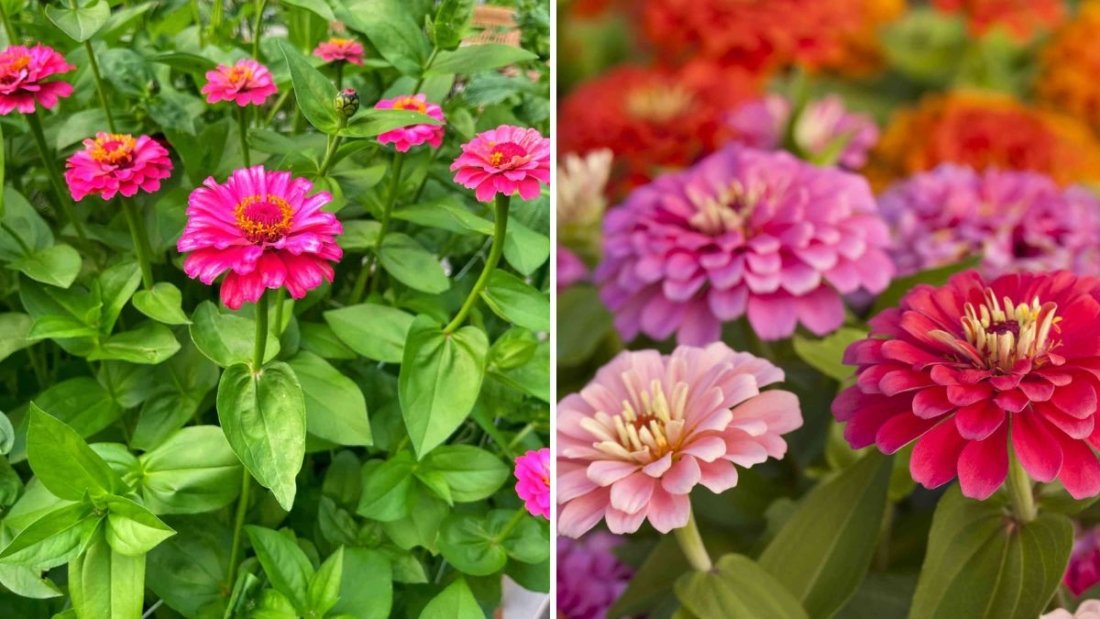
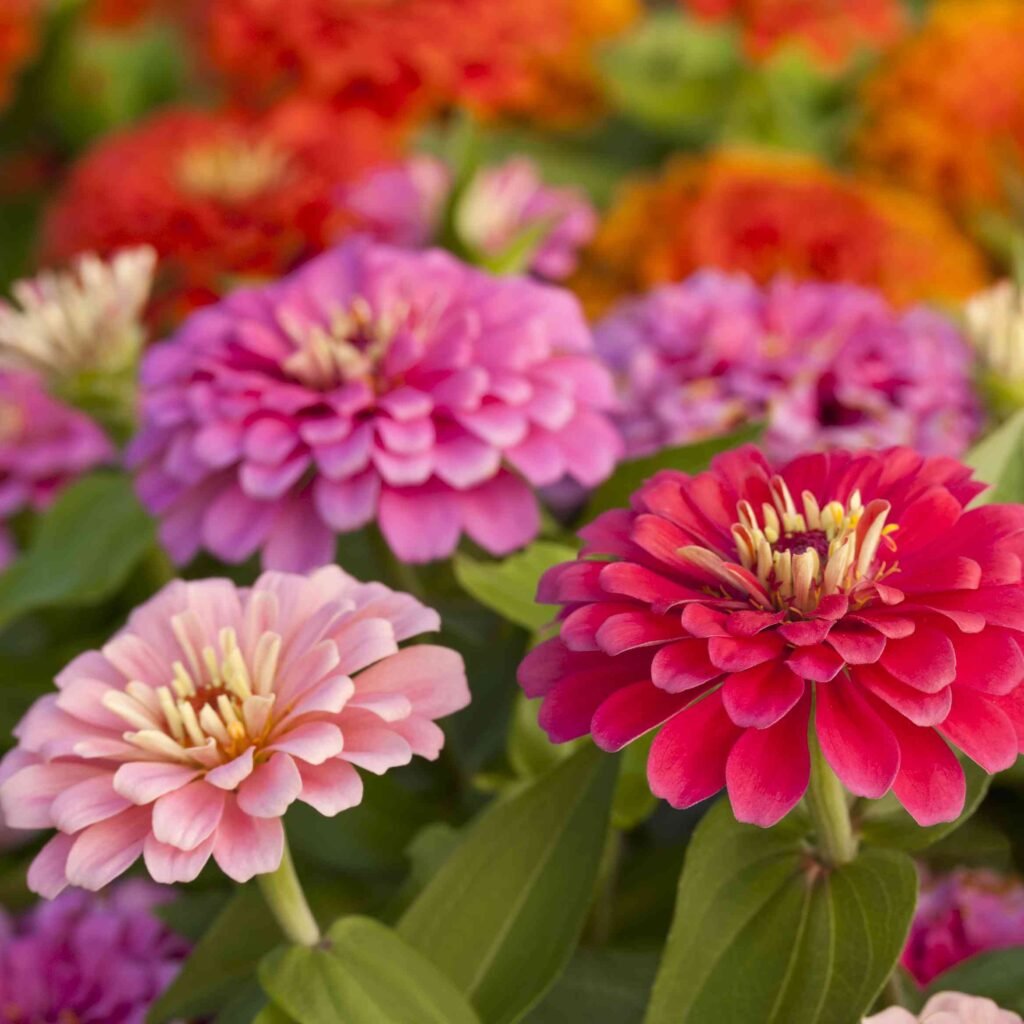
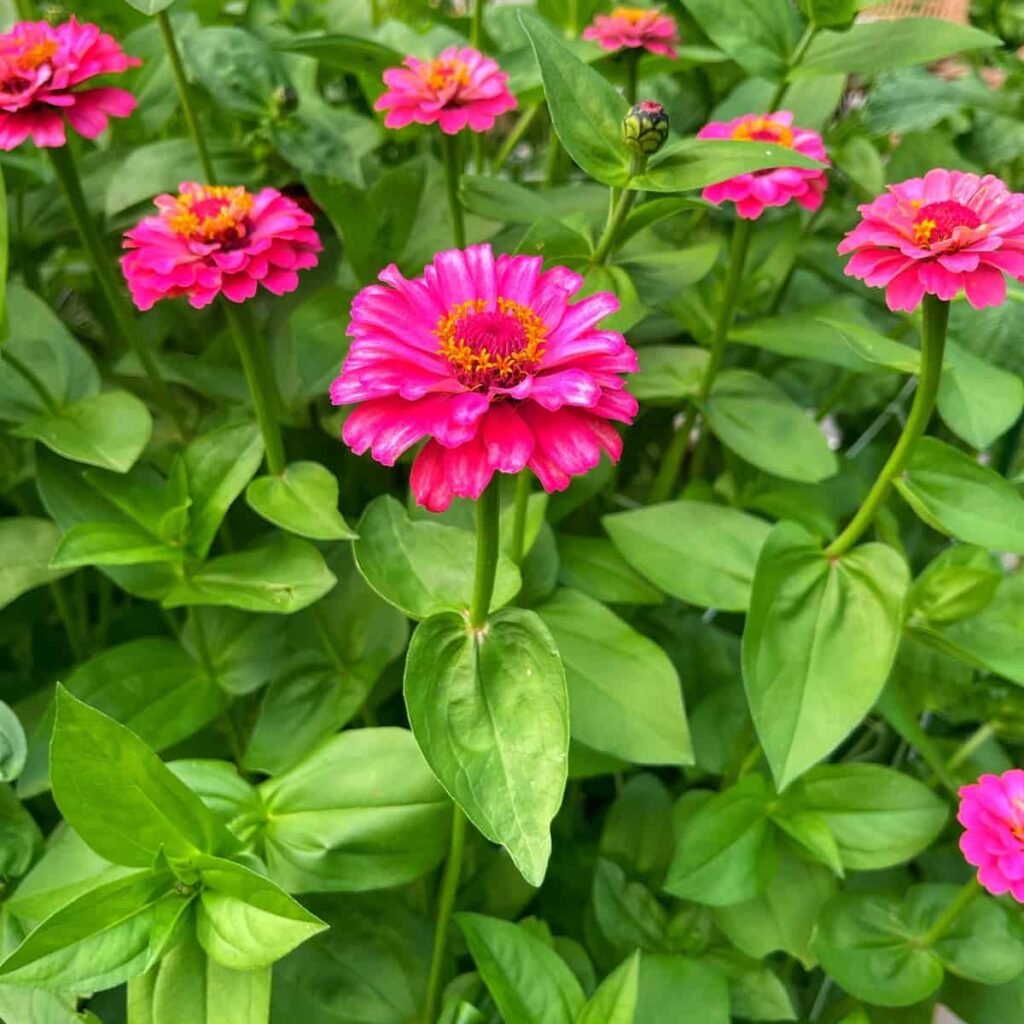
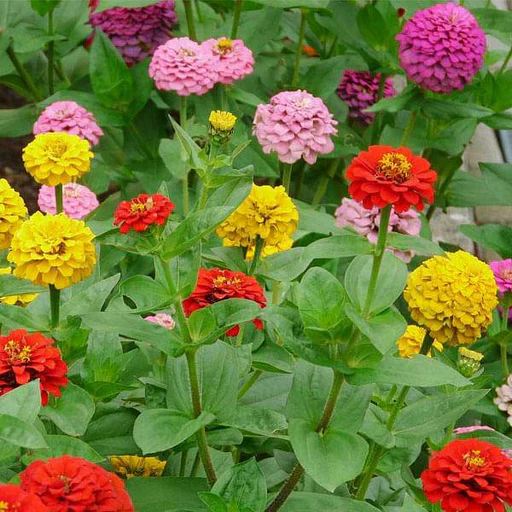
Zinnias are among the most beloved garden flowers, celebrated for their vibrant, long-lasting blooms and ability to attract pollinators such as butterflies and bees. These cheerful annuals are relatively easy to grow, but their success—especially keeping them upright and healthy—depends largely on the soil they grow in. Providing a soil mix that supports strong stems, abundant flowers, and overall plant health is essential for achieving a flourishing zinnia garden. This guide explores the ideal soil conditions, nutrient requirements, and preparation techniques to ensure your zinnias grow tall, robust, and bloom abundantly.


Understanding Zinnias and Their Soil Needs

Zinnias are hardy, sun-loving plants native to Mexico. While they tolerate a variety of soil types, optimal growth requires:

  1. Well-draining soil: Prevents root rot and allows roots to access oxygen.
  2. Moderate fertility: Supports vibrant blooms without promoting weak, spindly growth.
  3. Balanced pH: Slightly acidic to neutral soil (pH 6.0–7.5) is ideal.
  4. Aeration: Loose soil allows roots to grow deep, supporting strong stems.

The right soil mix is crucial because zinnias with weak roots or nutrient imbalances often topple over or produce fewer flowers. Gardeners who master soil preparation see healthier plants that stand tall and bloom profusely.


Components of the Best Soil Mix for Zinnias

Creating the perfect soil mix involves combining several key components that provide drainage, nutrients, and structure. Here are the essentials:

1. Loamy Soil

  • Purpose: Provides structure, retains moisture, and allows root expansion.
  • Composition: A balanced mixture of sand, silt, and clay.
  • Tip: Use high-quality garden loam as the base of your soil mix for zinnias.

2. Organic Matter

  • Purpose: Supplies nutrients, improves soil texture, and enhances moisture retention.
  • Types: Compost, well-rotted manure, or leaf mold.
  • Application: Mix 25–30% organic matter into the soil to enrich fertility without overloading nitrogen, which can cause tall, weak stems.

3. Sand or Perlite

  • Purpose: Enhances drainage and prevents soil compaction.
  • Tip: Add 10–15% coarse sand or perlite to improve aeration and reduce the risk of root rot.

4. Slow-Release Fertilizer

  • Purpose: Provides steady nutrients throughout the growing season.
  • Recommendation: Incorporate a balanced fertilizer with equal parts nitrogen, phosphorus, and potassium (N-P-K 10-10-10) at planting time.
  • Caution: Avoid excessive nitrogen, which can result in lush foliage but weak, floppy stems.

5. Optional Soil Amendments

  • Lime or Sulfur: Adjust soil pH if needed.
  • Bone Meal: Supplies phosphorus for strong root and flower development.
  • Humic Acid or Worm Castings: Improves nutrient absorption and overall plant vigor.

By combining these components, gardeners can create a nutrient-rich, well-draining, and aerated soil mix that supports tall, healthy zinnias.


Step-by-Step Guide to Preparing Soil for Zinnias

  1. Test the soil pH: Use a soil test kit to ensure the pH is between 6.0 and 7.5. Adjust with lime (to raise pH) or sulfur (to lower pH) if necessary.
  2. Loosen the soil: Till or dig the planting area to a depth of 8–10 inches to improve aeration.
  3. Incorporate organic matter: Mix in compost or well-rotted manure thoroughly.
  4. Add sand or perlite: Ensure even distribution for improved drainage.
  5. Blend in fertilizer: Use a slow-release balanced fertilizer to provide nutrients throughout the growing season.
  6. Level the soil: Rake the soil surface to create an even planting bed that promotes uniform root development.

Container Zinnias: Soil Mix Tips

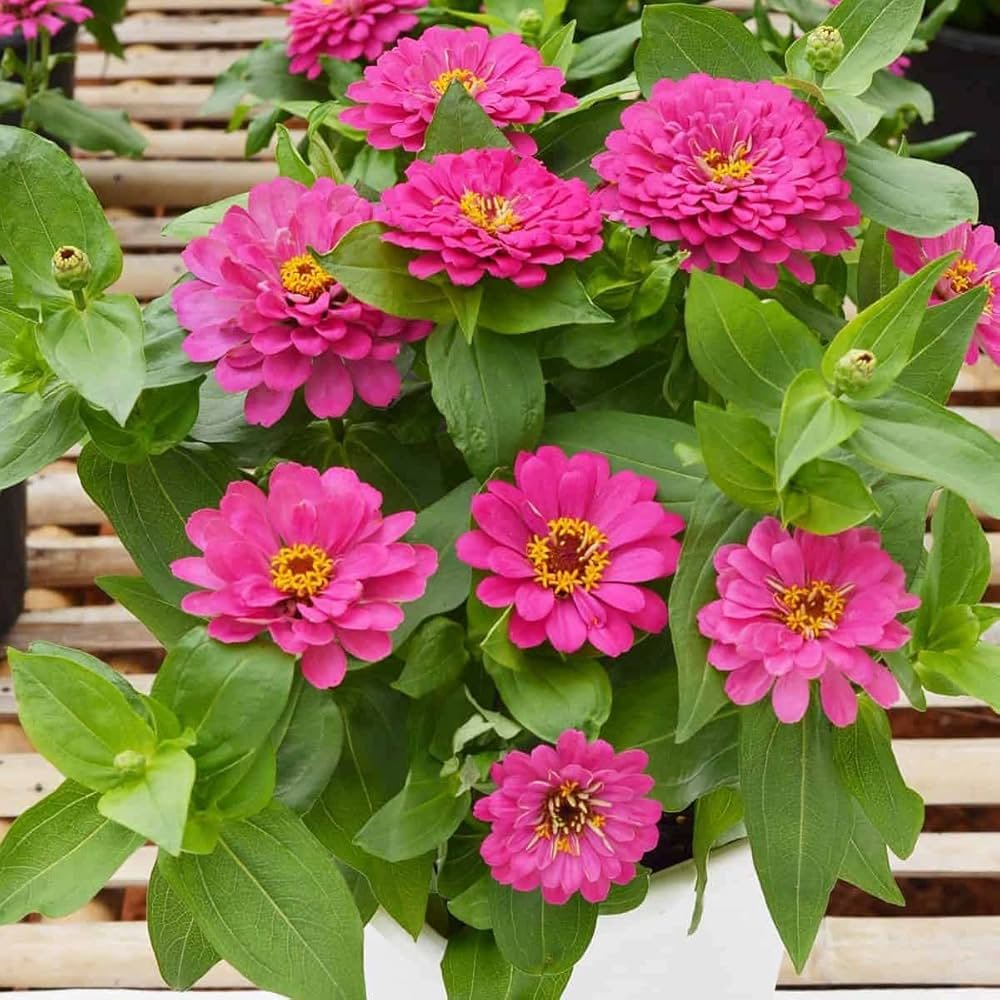
Zinnias also thrive in containers, but container-grown plants need extra attention to soil composition.

Ideal Container Mix:

  • 50% high-quality potting soil
  • 25% compost or worm castings
  • 15% perlite or coarse sand
  • 10% slow-release granular fertilizer

Container tips:

  • Use pots with drainage holes to prevent waterlogging.
  • Avoid heavy garden soil alone, which can compact and suffocate roots.
  • Water regularly but allow the top inch of soil to dry between watering to prevent root rot.

Watering and Soil Maintenance

Even the best soil mix requires proper watering and care:

  1. Consistent Moisture: Keep soil evenly moist, especially during germination and flowering.
  2. Avoid Overwatering: Waterlogged soil can lead to root rot and weak stems.
  3. Mulching: Apply 1–2 inches of organic mulch around zinnias to retain moisture, regulate soil temperature, and reduce weeds.
  4. Periodic Fertilization: Side-dress with liquid fertilizer every 3–4 weeks to encourage continuous flowering.

Maintaining ideal moisture levels in well-prepared soil ensures zinnias grow upright and strong.


Preventing Floppy Zinnias

Even with the best soil, some zinnias may lean or topple due to environmental factors. Follow these expert tips:

  1. Choose the right variety: Tall zinnia cultivars may require staking, while dwarf varieties naturally remain upright.
  2. Proper spacing: Plant zinnias 6–12 inches apart to reduce competition and encourage strong stems.
  3. Support stakes: For tall varieties, place stakes early in the growing season to avoid disturbing roots later.
  4. Avoid excessive nitrogen: Too much nitrogen encourages leafy growth with weak stems.
  5. Sunlight: Full sun (6–8 hours/day) strengthens stems and promotes upright growth.

By combining strong soil with proper plant care, gardeners can prevent common issues such as floppy stems or uneven growth.


Benefits of Optimized Soil for Zinnias

  • Tall, sturdy stems: Proper soil supports upright growth and reduces the need for staking.
  • Abundant blooms: Well-nourished plants produce more flowers over a longer period.
  • Healthy root systems: Aerated, nutrient-rich soil encourages deep, strong roots.
  • Disease resistance: Well-draining soil reduces the risk of root rot and fungal infections.
  • Vibrant foliage: Balanced nutrients support lush, green leaves that complement colorful blooms.

Investing time in creating the perfect soil mix pays off with stronger plants, more flowers, and a longer blooming season.


Expert Tips for Long-Lasting Zinnias

  1. Rotate crops annually: Avoid planting zinnias in the same soil every year to prevent nutrient depletion and disease buildup.
  2. Deadhead regularly: Remove spent blooms to encourage continuous flowering and reduce energy loss.
  3. Watch for pests: Healthy soil makes plants more resilient to aphids, spider mites, and fungal diseases.
  4. Feed during bloom season: A light liquid fertilizer every 2–3 weeks enhances flowering without weakening stems.
  5. Adjust soil amendments: Add compost or organic matter mid-season if plants show signs of nutrient deficiency.

Following these practices alongside a proper soil mix ensures your zinnias remain tall, vibrant, and full of life throughout the growing season.


Conclusion

The secret to tall, strong, and flower-filled zinnias lies in the soil beneath them. A well-draining, nutrient-rich soil mix with balanced pH, organic matter, and proper aeration creates the ideal environment for root development, strong stems, and abundant blooms. By preparing the soil thoughtfully, providing consistent moisture, and supporting plants through fertilization and staking if needed, gardeners can enjoy vibrant, upright zinnias all season long.

Whether planting in garden beds or containers, understanding and optimizing soil composition is key to healthy, resilient zinnias that not only brighten landscapes but also attract pollinators and bring lasting joy to any garden. With careful attention to soil preparation and ongoing care, your zinnias will stand tall, bloom beautifully, and reward your gardening efforts season after season.

Should You Deadhead Mums? Garden Experts Share the Answer

Should You Deadhead Mums? Garden Experts Share the Answer

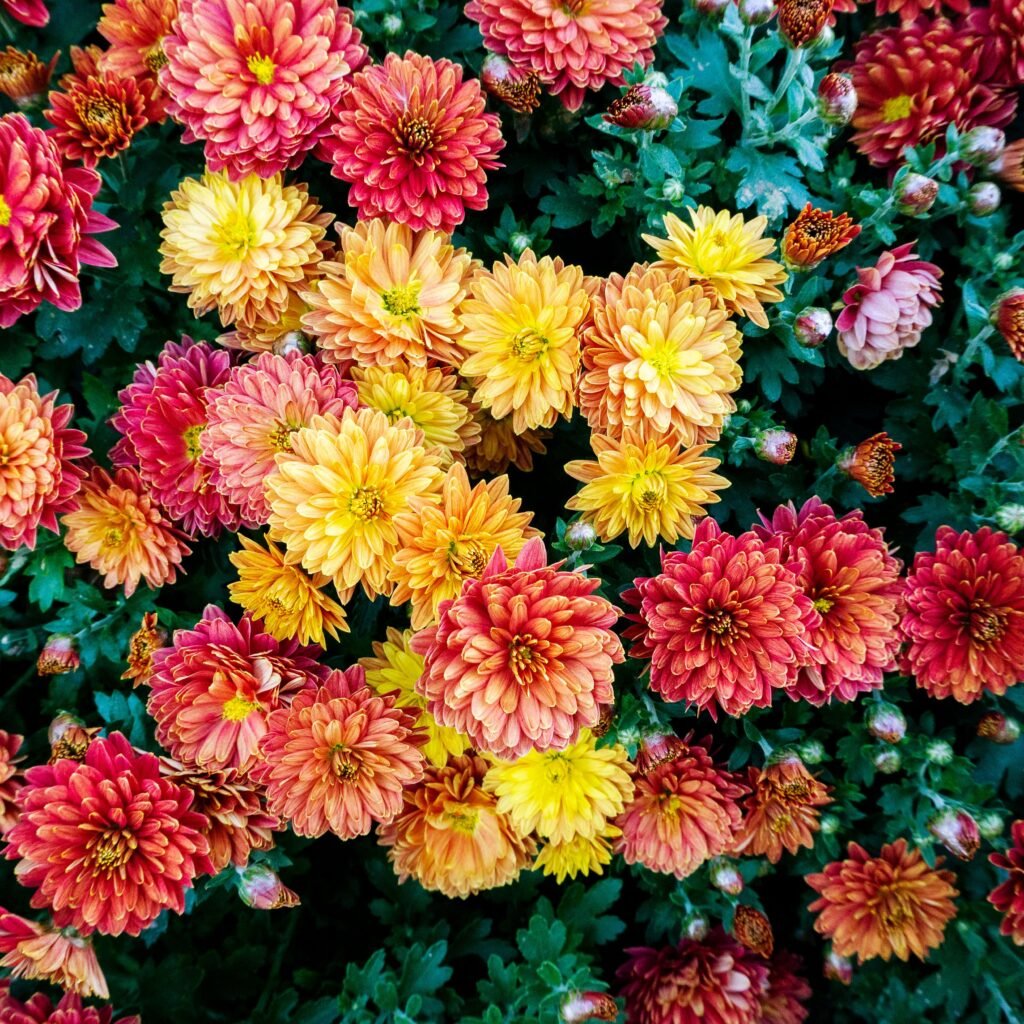
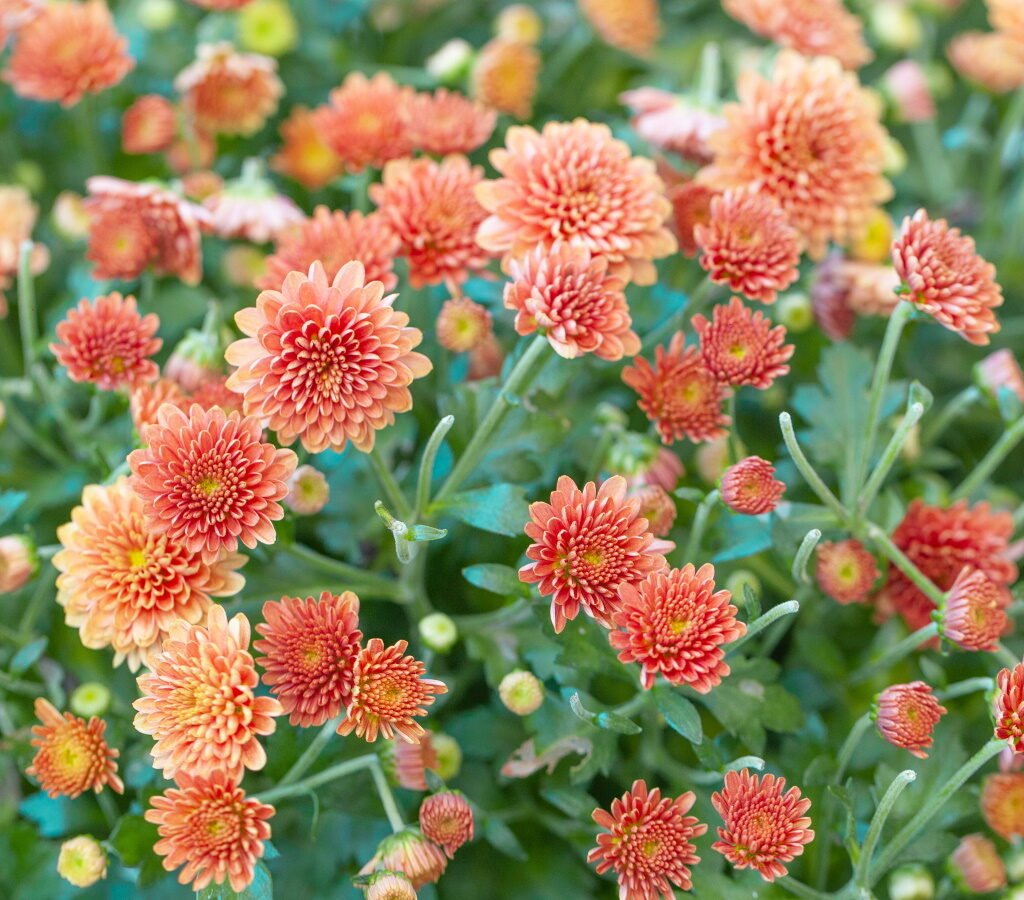
Chrysanthemums, commonly known as mums, are a staple of fall gardens, prized for their vibrant colors, long-lasting blooms, and ability to brighten landscapes as summer fades. As the season progresses, many gardeners wonder whether deadheading—removing spent flowers—is necessary to maintain mum health and ensure continuous blooming. Garden experts agree that deadheading can play a significant role in plant vitality, bloom longevity, and overall garden aesthetics. This article delves into the science, techniques, and best practices of deadheading mums, providing a comprehensive guide for gardeners seeking the most vibrant displays.


Understanding Deadheading

Deadheading is the practice of removing faded or spent flowers from a plant. While it may seem purely cosmetic, deadheading serves several important purposes:

  1. Encourages more blooms: Many plants, including mums, produce additional flowers when old blooms are removed.
  2. Redirects energy: By removing spent flowers, the plant can redirect energy from seed production to vegetative growth and new flower development.
  3. Improves appearance: Deadheading keeps plants looking tidy and vibrant, maintaining a neat garden display.
  4. Prevents disease: Old, decaying flowers can harbor fungal spores or attract pests.

For mums, understanding when and how to deadhead is key to maximizing flower display and plant health.


Should You Deadhead Mums?

The answer depends on your gardening goals and the type of mums you are growing.

1. Garden-Aesthetic Goals

If your goal is to maintain a beautiful, tidy garden display throughout the fall, deadheading is highly recommended. Removing faded blooms helps keep the plant looking fresh and encourages continuous flowering.

2. Seed Production

If you want your mums to self-seed or produce viable seeds, avoid deadheading spent flowers. Allowing flowers to go to seed enables reproduction but may reduce the energy available for additional blooms.

3. Perennial Health

Many gardeners grow mums as perennials. For perennial mums, deadheading spent flowers in late summer and fall can support the plant’s overall health by preventing energy loss and reducing the risk of disease.


How Deadheading Works

Deadheading triggers hormonal changes within the plant. When a flower is spent, the plant naturally diverts nutrients to seed development. By removing the flower, you interrupt this process and signal the plant to continue producing blooms instead.

Experts note that for chrysanthemums, deadheading can extend flowering time by several weeks, resulting in a more spectacular fall display. It also prevents flowers from turning brown and unattractive, maintaining visual appeal throughout the season.


When to Deadhead Mums

Timing is crucial for effective deadheading. Follow these guidelines:

  1. Late summer to fall: Begin deadheading when the first blooms start to fade. Regular removal of spent flowers throughout the blooming season is ideal.
  2. Avoid early season removal: Deadheading too early in the season, when many buds have not yet developed, can reduce overall bloom production.
  3. Monitor bloom stages: Focus on flowers that are fully faded, brown, or wilted. Flowers that are just starting to fade can be left to mature slightly before removal.

By deadheading at the right time, gardeners ensure that mums maintain peak performance without stressing the plant.


How to Deadhead Mums Correctly

Deadheading is simple but requires attention to detail to avoid damaging the plant. Here’s a step-by-step guide:

Tools Needed:

  • Pruning shears or scissors: Sharp and clean to make precise cuts.
  • Gloves: Optional, for gardeners sensitive to sap or rough stems.
  • Disinfectant: To clean tools and prevent disease spread.

Deadheading Steps:

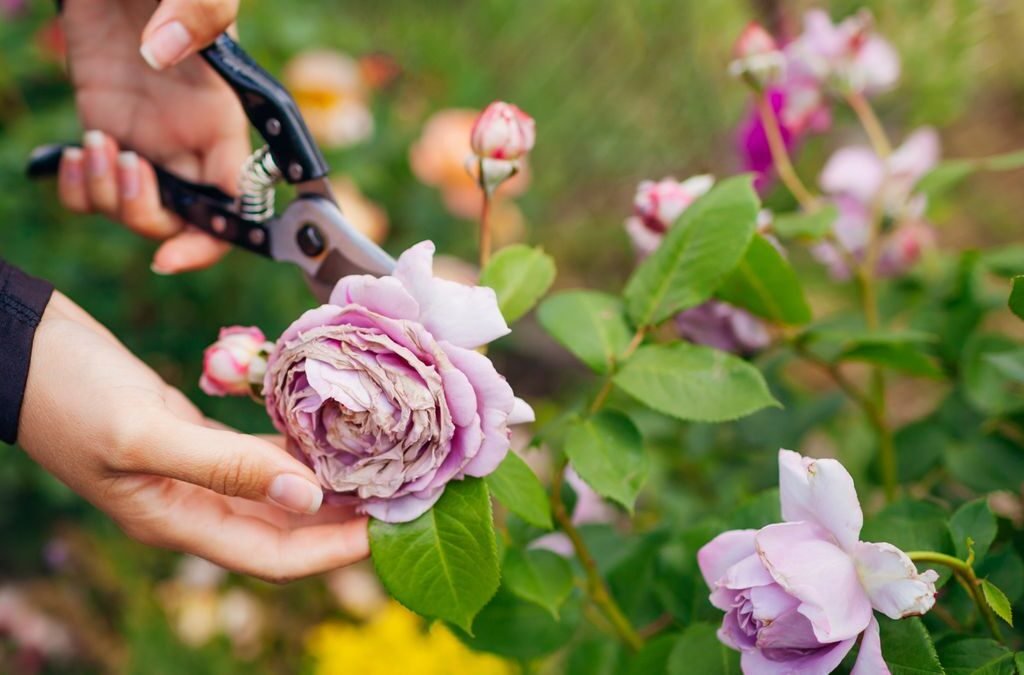
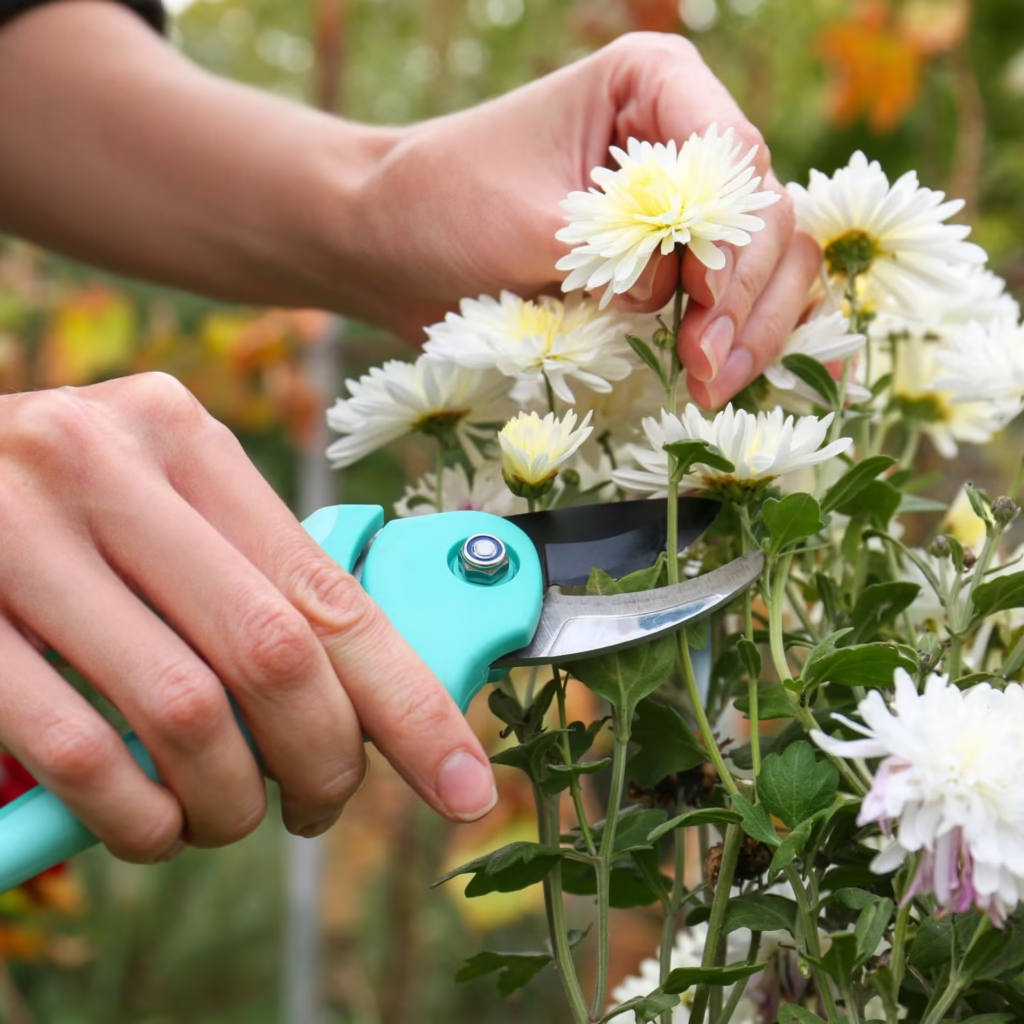
  1. Identify spent blooms: Look for flowers that are brown, shriveled, or no longer vibrant.
  2. Locate the stem junction: Find where the spent flower stem meets a lateral branch or main stem.
  3. Cut just above a leaf node: Make a clean cut about ¼ inch above a leaf or lateral bud. This encourages new growth.
  4. Remove debris: Collect faded flowers and dispose of them to prevent fungal disease.
  5. Repeat regularly: Check the plant weekly for spent blooms to maintain continuous flowering.

Expert tip: Avoid cutting into main stems or healthy buds, as this can stunt growth or reduce future blooms.


Benefits of Deadheading Mums

Deadheading provides both aesthetic and physiological benefits:

  1. Longer Bloom Period: By redirecting energy from seed production to new blooms, mums can produce flowers well into late fall.
  2. Tidy Appearance: Regular removal of faded flowers keeps plants looking fresh and visually appealing.
  3. Healthier Plants: Deadheading reduces the likelihood of fungal infections and deters pests attracted to decaying blooms.
  4. Enhanced Nutrient Use: The plant can use nutrients more efficiently, supporting stronger stems and foliage.
  5. Encourages Bushier Growth: Cutting spent flowers can stimulate lateral branching, resulting in fuller, denser plants.

Garden experts often cite these benefits as reasons why deadheading is considered an essential practice for maintaining top-performing mums.


Common Mistakes to Avoid

Even experienced gardeners can make mistakes when deadheading mums. Common pitfalls include:

  1. Cutting too low: Removing too much of the stem can damage the plant and reduce flowering potential.
  2. Deadheading too early or too late: Premature removal may remove developing buds, while waiting too long reduces energy efficiency.
  3. Neglecting tool hygiene: Unclean tools can transmit disease between plants.
  4. Ignoring plant signals: Some mums naturally slow flowering near the season’s end; over-pruning can stress the plant.

Being mindful of these mistakes ensures that deadheading promotes health rather than harming the plant.


Alternatives to Deadheading

While deadheading is effective, there are some alternatives or complementary practices:

  • Pinching: Early in the growing season, pinching back tips of new growth encourages bushier plants and more blooms.
  • Pruning after frost: For perennial mums, cutting back the entire plant after the first hard frost prepares it for winter and promotes vigorous growth next season.
  • Mulching: Adding mulch around the base protects roots and improves overall plant health.

These methods work in conjunction with deadheading to support vibrant, healthy chrysanthemums.


Expert Recommendations

Garden experts generally agree:

  • For showy, decorative mums: Deadheading is recommended to maximize flowering and visual appeal.
  • For seed collection: Allow flowers to go to seed if propagation is desired.
  • For perennial health: Combine deadheading with seasonal pruning and mulching for long-term plant vitality.

Experts emphasize that understanding your gardening goals—whether aesthetic, propagation, or plant health—is the key to deciding when and how to deadhead.


Conclusion

Deadheading chrysanthemums is more than a simple garden chore—it’s a strategic practice that enhances bloom longevity, plant health, and overall garden aesthetics. Garden experts agree that regular removal of spent flowers redirects the plant’s energy to producing new blooms, resulting in more vibrant, long-lasting floral displays.

Whether you are growing mums for decorative appeal, garden competitions, or simply to enjoy a colorful fall garden, understanding the principles of deadheading ensures you get the most out of your plants. By following proper techniques, timing the removal correctly, and complementing deadheading with pinching, pruning, and mulching, gardeners can enjoy healthy, bushy, and profusely blooming chrysanthemums year after year.

Ultimately, the answer is clear: if your goal is a spectacular fall display and healthy plants, yes—deadhead your mums. It’s a small effort that yields impressive results, keeping your garden vibrant, colorful, and thriving throughout the season.

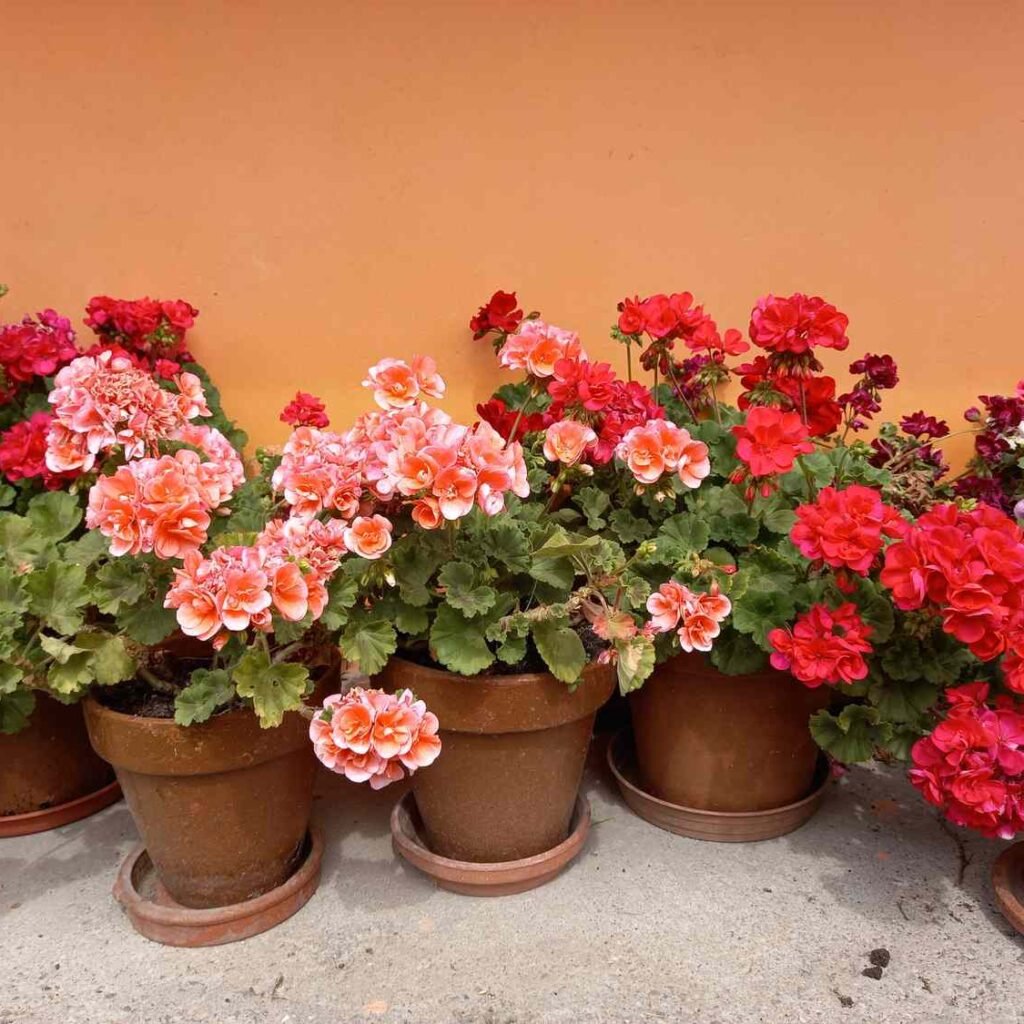
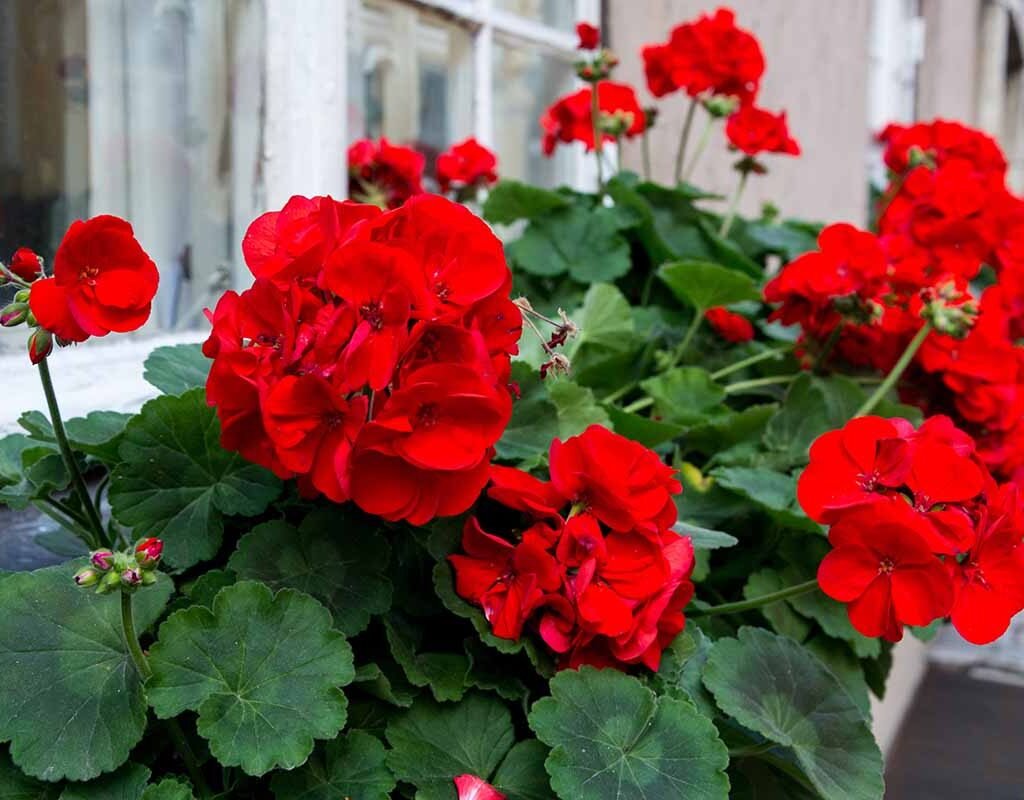
How to Prune Geraniums So They Last Through Fall

How to Prune Geraniums So They Last Through Fall

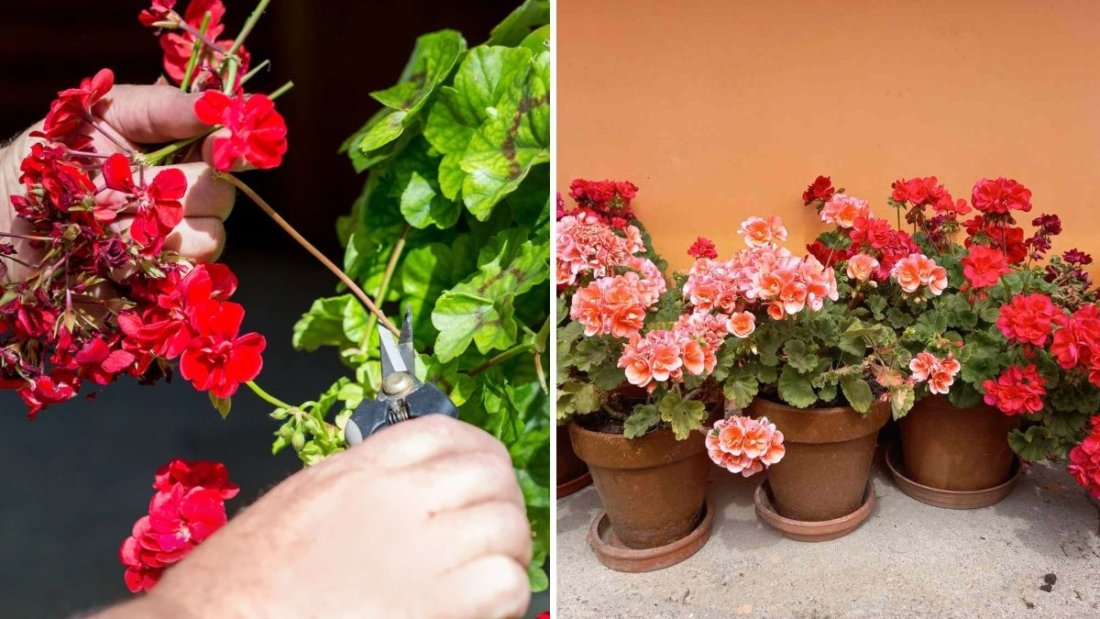
Geraniums are one of the most versatile and long-lasting flowering plants in gardens, balconies, and patios. Known for their bright blooms, aromatic foliage, and adaptability, geraniums can provide continuous color well into fall—if pruned and cared for properly. Pruning isn’t just a cosmetic task; it’s essential for stimulating new growth, extending flowering, and preparing plants for cooler months.

In this guide, we’ll explore how to prune geraniums effectively, including timing, techniques, seasonal care, and tips to help your plants thrive until the first frost.


Why Pruning Geraniums Matters

Pruning geraniums offers several key benefits:

  1. Encourages Continuous Blooming – Removing spent flowers and leggy stems redirects energy to new flower production.
  2. Promotes Healthy Growth – Eliminates weak or damaged stems, reducing disease risk and encouraging bushier plants.
  3. Improves Airflow – Reduces the likelihood of fungal diseases by preventing overcrowding.
  4. Prepares for Fall – Helps the plant withstand cooler temperatures and maintain vigor longer.

Without proper pruning, geraniums can become leggy, sparse, and less productive, especially as fall approaches.


Understanding Geranium Growth Patterns

Geraniums, particularly the popular Pelargonium varieties, have distinct growth habits that affect pruning:

  • Bush-type Geraniums: Naturally compact; pruning encourages fuller growth and more blooms.
  • Trailing or Ivy-leaf Geraniums: Grow long stems; pruning prevents them from becoming straggly and encourages side shoots.
  • Zonal Geraniums: Produce large clusters of flowers; regular deadheading ensures continuous blooming.

Expert Tip: Knowing your geranium type helps determine how much and how often to prune.


Step 1: Timing Your Pruning

Proper timing ensures maximum flowering and plant health:

Spring and Summer Pruning

  • Frequency: Every 4–6 weeks during the active growing season.
  • Purpose: Remove spent blooms (deadheading) and cut back leggy stems to encourage bushy growth.
  • Method: Cut just above a leaf node or lateral bud to stimulate new flowering stems.

Late Summer / Early Fall Pruning

  • Goal: Prepare the plant for cooler temperatures and maintain flowering until frost.
  • Method: Trim approximately one-third of the plant, focusing on leggy, weak, or overgrown stems.
  • Timing: Perform pruning in late August or early September, depending on your local climate.

Expert Insight: Avoid heavy pruning too late in fall, as tender new growth may be damaged by frost.


Step 2: Deadheading for Continuous Blooms

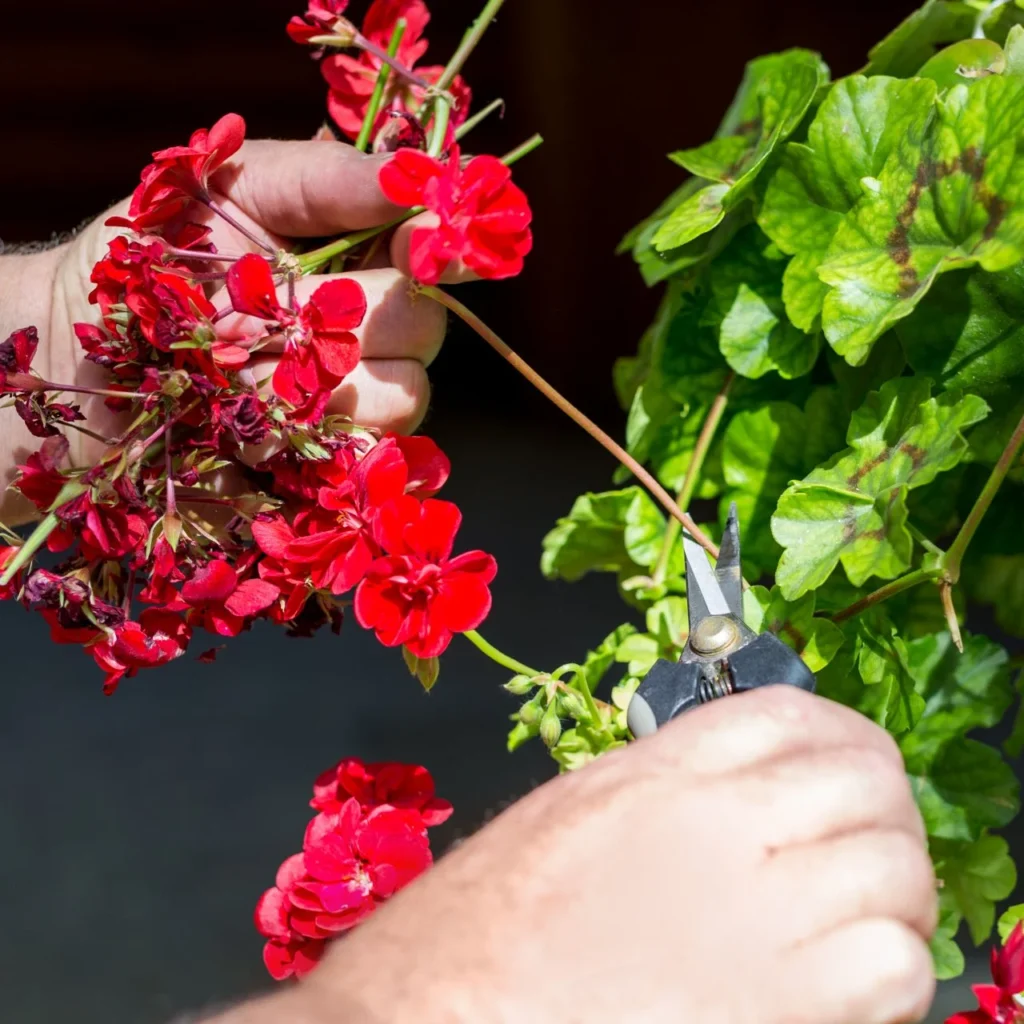
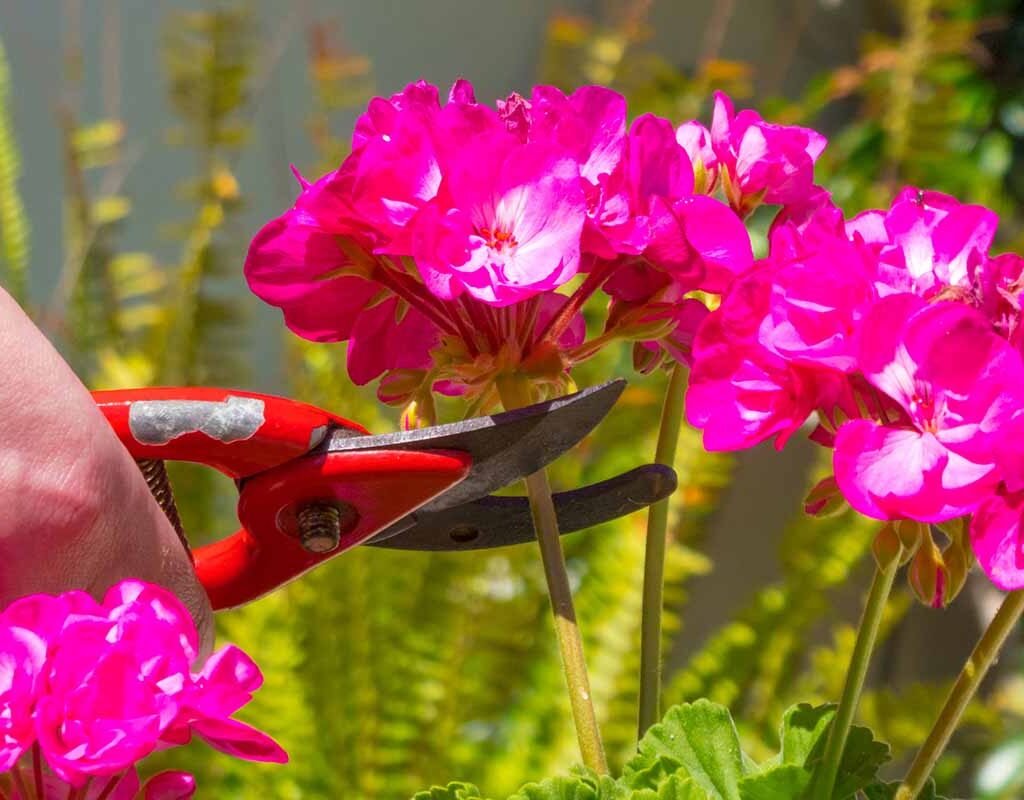
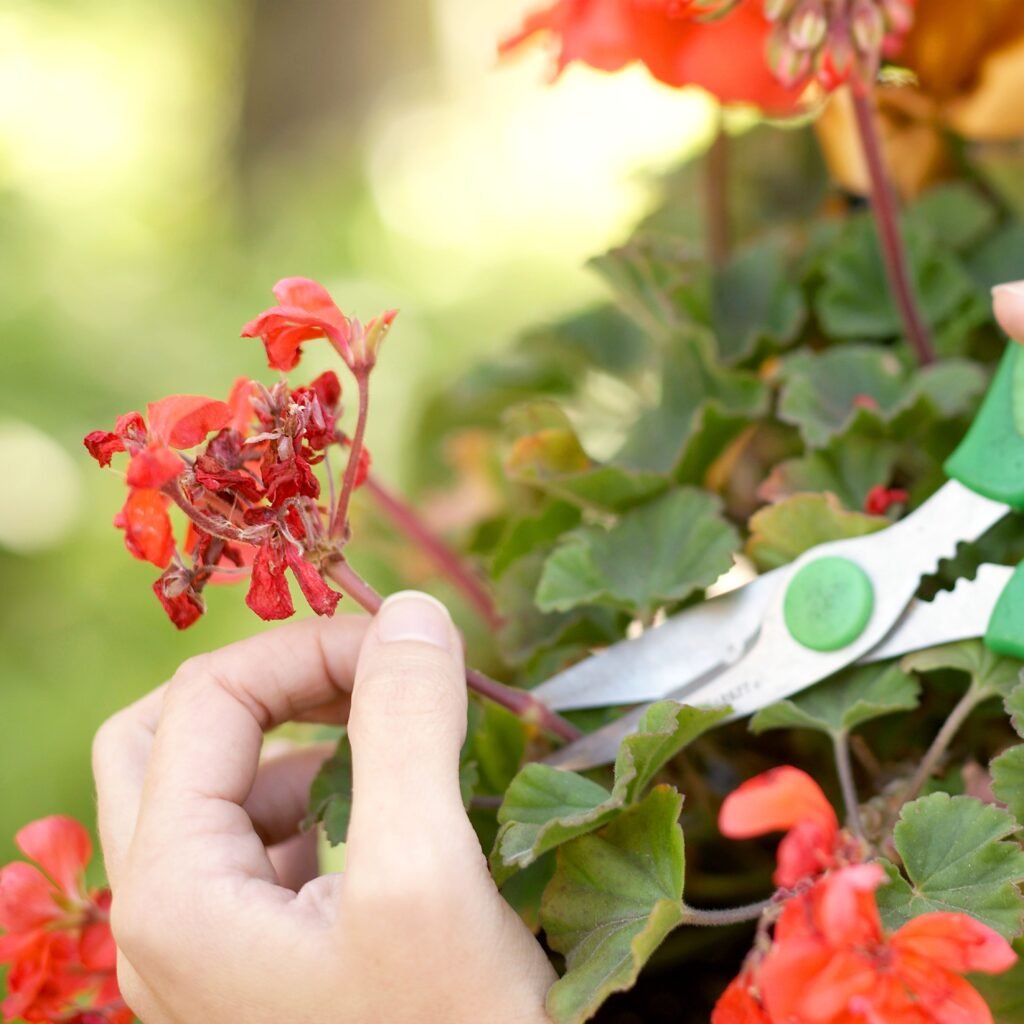
Deadheading is the practice of removing spent flowers and is critical for extending the blooming season:

  • Identify Spent Flowers: Flowers that are wilted, discolored, or browning.
  • Cut Properly: Snip the flower stem down to the first set of healthy leaves or a lateral bud.
  • Benefits: Promotes new flowers, prevents seed formation, and maintains a tidy appearance.

Tip: Check geraniums at least once a week during the flowering season for optimal results.


Step 3: Cutting Back Leggy Stems

Geraniums naturally develop long, leggy stems, especially if they’re in partial shade or crowded conditions:

  • Select Stems: Identify stems that are weak, overgrown, or bare at the bottom.
  • Prune Technique: Cut back one-third to one-half of the stem to a healthy leaf node.
  • Encourages: Side shoots, stronger stems, and more flowers.

Expert Insight: Bushier geraniums not only look better but are also more resilient to pests and diseases.


Step 4: Tools and Techniques

Using the right tools ensures clean cuts and reduces stress on the plant:

  • Sharp Pruners or Scissors: Avoid crushing stems.
  • Clean Cuts: Make cuts at a slight angle to prevent water pooling and reduce rot risk.
  • Disinfect Tools: Sterilize between plants to prevent disease transmission.
  • Protective Gear: Gloves protect hands from sap irritation, especially for large or thorny varieties.

Tip: Use precise cuts rather than tearing stems, which can damage the plant and reduce reblooming.


Step 5: Post-Pruning Care

After pruning, proper care ensures geraniums continue to thrive through fall:

  • Fertilization: Apply a balanced, slow-release fertilizer or liquid bloom fertilizer every 4–6 weeks.
  • Watering: Keep soil evenly moist but avoid waterlogging; geraniums prefer slightly dry conditions between waterings.
  • Sunlight: Ensure plants receive 6–8 hours of sunlight daily for maximum blooms and strong stems.
  • Pest Monitoring: Watch for aphids, spider mites, and whiteflies, which can weaken plants during the cooler months.

Expert Insight: Healthy plants respond better to pruning and continue producing flowers longer.


Step 6: Preparing Geraniums for Winter

Geraniums are sensitive to frost. Preparing them properly ensures they survive and bloom next season:

  • Indoor Overwintering: Move potted geraniums indoors to a bright, cool location before the first frost.
  • Cut Back: Trim plants to 6–8 inches to reduce stress and encourage new growth indoors.
  • Reduce Fertilization: Slow feeding during dormancy prevents excessive, tender growth.
  • Check for Pests: Inspect leaves and stems before bringing plants inside to prevent infestations.

Tip: Some gardeners take cuttings in late fall to propagate new plants for spring planting.


Common Mistakes to Avoid

  1. Over-Pruning Too Late: Can remove stems that would otherwise support fall blooms.
  2. Neglecting Deadheading: Reduces flower production and leads to messy plants.
  3. Cutting Into Woody Stems: Older woody stems may not produce new shoots.
  4. Overwatering After Pruning: Increases risk of root rot and fungal disease.
  5. Insufficient Sunlight: Shaded plants become leggy and flower less frequently.

Tips for Extended Bloom and Plant Longevity

  • Regular Maintenance: Deadhead and trim leggy stems consistently for continuous flowering.
  • Balanced Fertilizer: Use fertilizers that support flower production rather than just leafy growth.
  • Optimal Light: Full sun exposure encourages robust growth and stronger stems.
  • Container Care: Geraniums in pots may need more frequent pruning and watering than those in the ground.
  • Rotate Plants: If growing multiple varieties, stagger pruning to maintain garden color.

Conclusion

Pruning geraniums correctly is essential to enjoy vibrant flowers well into fall. By combining regular deadheading, selective stem trimming, and seasonal cutbacks, gardeners can maintain strong, healthy plants with continuous blooms.

  • During summer: Deadhead spent flowers and cut back leggy stems to encourage bushy growth.
  • Late summer: Perform a rejuvenation pruning of one-third of the plant to stimulate fall blooms.
  • Fall preparation: Trim and prepare plants for indoor overwintering or winter dormancy.

With proper pruning, watering, fertilization, and pest management, geraniums remain strong, resilient, and flowering beautifully until the first frost, ensuring your garden, balcony, or patio stays colorful and vibrant well into the cooler months.

When to Cut Back Coneflowers for Maximum Reblooming

When to Cut Back Coneflowers for Maximum Reblooming

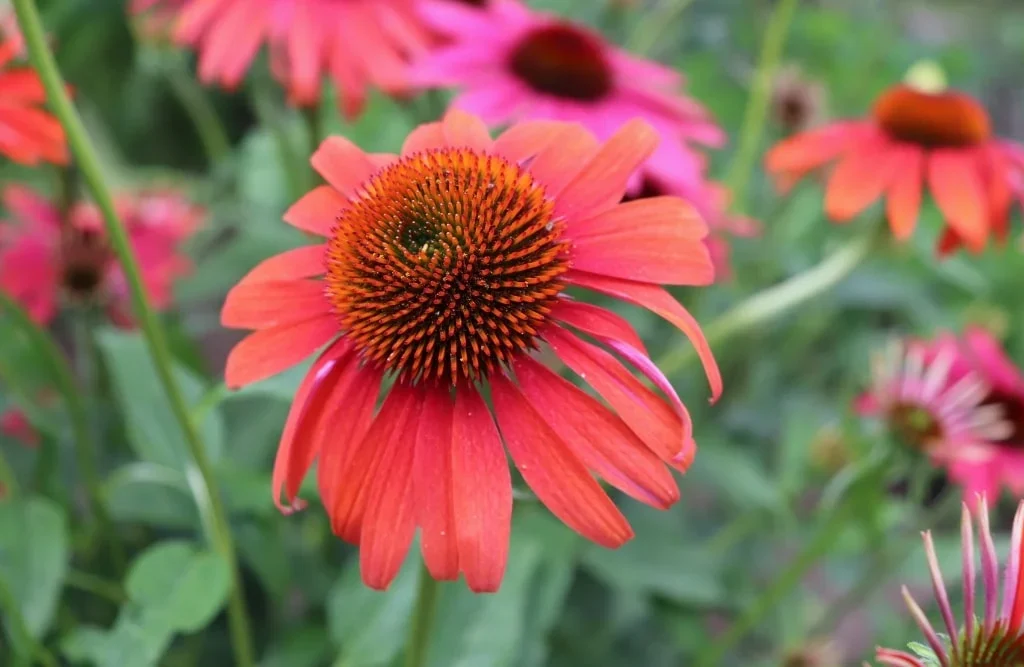
Coneflowers, or Echinacea, are beloved perennials known for their vibrant daisy-like blooms, long-lasting color, and pollinator-friendly nature. Their bold flowers attract bees, butterflies, and birds while adding dynamic beauty to garden beds. While coneflowers are hardy and low-maintenance, achieving maximum reblooming throughout the growing season requires proper cutting-back techniques.

Pruning or deadheading at the right time encourages the plant to redirect energy into producing more flowers instead of seed production. This guide explores when and how to cut back coneflowers for consistent blooms, healthier plants, and a longer flowering season.


Why Cutting Back Coneflowers Matters

Coneflowers naturally transition from flowering to seed production. While leaving spent blooms to go to seed can benefit wildlife, it can limit further flowering. Cutting back, or deadheading, serves several purposes:

  1. Encourages Reblooming – Removing spent flowers signals the plant to produce more blooms.
  2. Redirects Energy – Instead of producing seeds, energy goes toward flower formation.
  3. Maintains Plant Health – Improves airflow around stems, reducing disease risk.
  4. Enhances Appearance – Keeps the garden tidy and visually appealing.

Proper timing ensures that the plant’s natural growth cycle is respected while optimizing flower production.


Understanding the Growth Cycle of Coneflowers

Coneflowers are perennials that bloom from mid-summer into early fall, depending on variety and climate:

  • Early Bloomers: Some varieties bloom in late June or early July.
  • Late Bloomers: Other hybrids can continue flowering into October.
  • Seed Production: Flowers left to seed typically stop producing new blooms.

Expert Tip: Observing your plant’s bloom cycle allows you to cut back at the most effective time to encourage additional flowering.


Step 1: Timing Your Cutbacks

Deadheading for Continuous Blooms

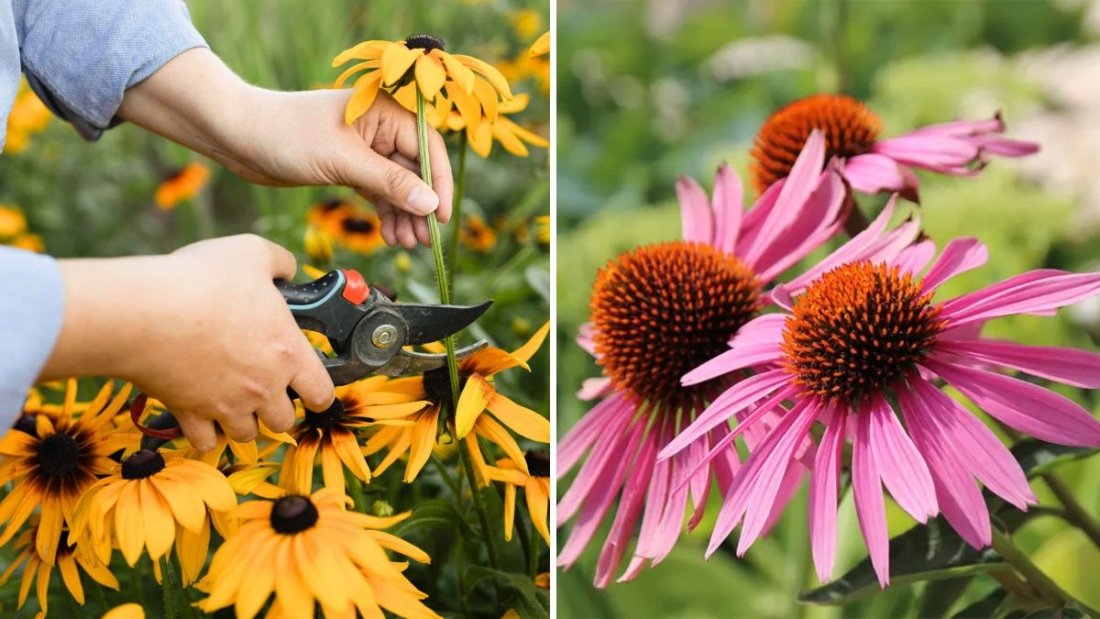
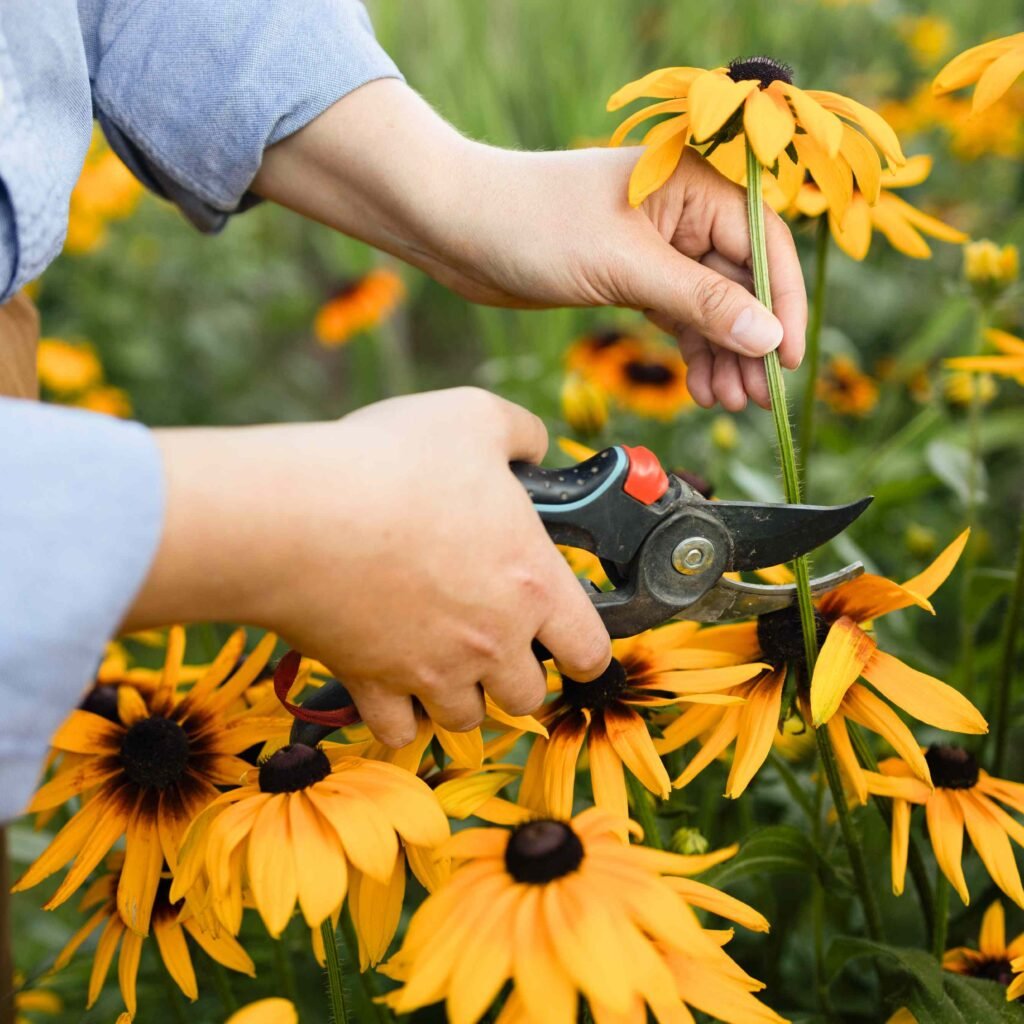
  • Frequency: Deadhead spent blooms every 1–2 weeks during peak flowering.
  • Method: Cut flower stems back to the first set of healthy leaves or just above a leaf node.
  • Effect: Promotes a second wave of blooms and keeps the plant tidy.

Mid-Season Rejuvenation

  • When: Around mid to late summer (July or early August, depending on your region).
  • Purpose: Cuts back overgrown foliage and old flower stems to stimulate new growth.
  • Method: Trim about one-third of the plant down to healthy stems.

End-of-Season Cutback

  • When: After the first frost or once blooms fade in late fall.
  • Purpose: Prepares the plant for winter dormancy and encourages strong regrowth the following spring.
  • Method: Cut stems down to 2–4 inches above the ground. Avoid cutting too low into woody or dead tissue.

Expert Insight: Timely deadheading and seasonal cutbacks ensure maximum flowering and healthier perennials year after year.


Step 2: Proper Deadheading Techniques

Correct deadheading helps maintain plant vigor:

  • Tools Needed: Sharp garden scissors or pruners.
  • Cut Location: Trim just above a leaf set or lateral bud. This prevents damage to new growth.
  • Angle: Cut at a slight angle to promote water runoff and prevent rot.
  • Frequency: Regularly inspect plants for faded blooms to maintain continuous flowering.

Tip: Wearing gloves protects your hands from rough stems and occasional prickles on some varieties.


Step 3: Mid-Season Pruning for Plant Rejuvenation

Mid-season pruning is especially useful for older or tall coneflower varieties:

  • Identify Overgrown Stems: Remove any weak, diseased, or excessively tall stems.
  • Encourage Bushier Growth: Cutting stems encourages lateral branching and more flowering sites.
  • Timing: Perform in early to mid-summer, after the initial bloom wave, to stimulate reblooming.

Expert Insight: Regular mid-season pruning prevents legginess and keeps plants compact and attractive, while boosting bloom quantity.


Step 4: Fertilizing After Deadheading

To support reblooming:

  • Apply Fertilizer: Use a balanced, slow-release fertilizer after deadheading or mid-season pruning.
  • Nutrients Needed: Nitrogen for leafy growth, phosphorus for root and flower development, and potassium for overall plant health.
  • Organic Options: Compost, well-rotted manure, or fish emulsion provide slow-release nutrients and improve soil health.

Tip: Avoid over-fertilizing with high nitrogen fertilizer alone, which encourages excessive foliage at the expense of flowers.


Step 5: Watering for Vigorous Growth

Proper hydration ensures strong stems and abundant blooms:

  • Regular Watering: Provide deep watering once or twice a week during dry spells.
  • Avoid Overwatering: Coneflowers are drought-tolerant; soggy soil can lead to root rot.
  • Mulching: Apply 2–3 inches of mulch to retain moisture, regulate soil temperature, and suppress weeds.

Expert Insight: Consistent water combined with deadheading and fertilization encourages robust flowering and prevents stress-related bloom reduction.


Step 6: Preparing for Winter

Post-season cutback is essential for perennial health:

  • After First Frost: Cut stems to 2–4 inches above the soil line.
  • Leave Some Seedheads (Optional): If you want to attract birds, leave a few seedheads on the plant.
  • Mulching: Apply a layer of mulch over the root zone to protect from freezing temperatures.

Expert Tip: Proper winter preparation ensures the plant emerges healthy in spring, ready for a full bloom cycle.


Common Mistakes to Avoid

  1. Ignoring Deadheading – Leads to fewer flowers and messy garden beds.
  2. Cutting Too Low During Mid-Season – Can remove developing buds and reduce reblooming potential.
  3. Neglecting Fertilization – Plants may fail to produce a second wave of blooms.
  4. Overcrowding – Limits airflow and increases disease risk. Thin plants as needed.
  5. Late-Season Pruning Too Early – Cutting before dormancy can reduce winter hardiness.

Additional Tips for Maximum Rebloom

  • Select Reblooming Varieties: Some hybrids, like ‘Magnus’ or ‘Cheyenne Spirit’, naturally produce a second flush of flowers.
  • Pair with Companion Plants: Planting with asters, black-eyed Susans, or ornamental grasses enhances aesthetic appeal and supports pollinators.
  • Regular Maintenance: Remove weeds, monitor for pests like Japanese beetles, and provide adequate sunlight (6–8 hours daily).
  • Rotate Fertilizer Types: Combine slow-release fertilizers with occasional liquid feeding to encourage continuous blooms.

Conclusion

The secret to maximum reblooming coneflowers lies in timely deadheading, mid-season pruning, fertilization, and proper care.

  • During bloom: Deadhead spent flowers regularly to redirect energy toward new blooms.
  • Mid-season: Rejuvenate older or overgrown plants by trimming one-third of the stems to promote lateral growth.
  • End-of-season: Cut back after frost to prepare the plant for winter dormancy.

By following these strategies, gardeners can enjoy continuous vibrant flowers, healthier plants, and long-lasting visual appeal throughout the growing season. Combining proper pruning with watering, fertilization, and seasonal preparation ensures that your coneflowers remain strong, tall, and reblooming year after year, making them a centerpiece of your perennial garden.

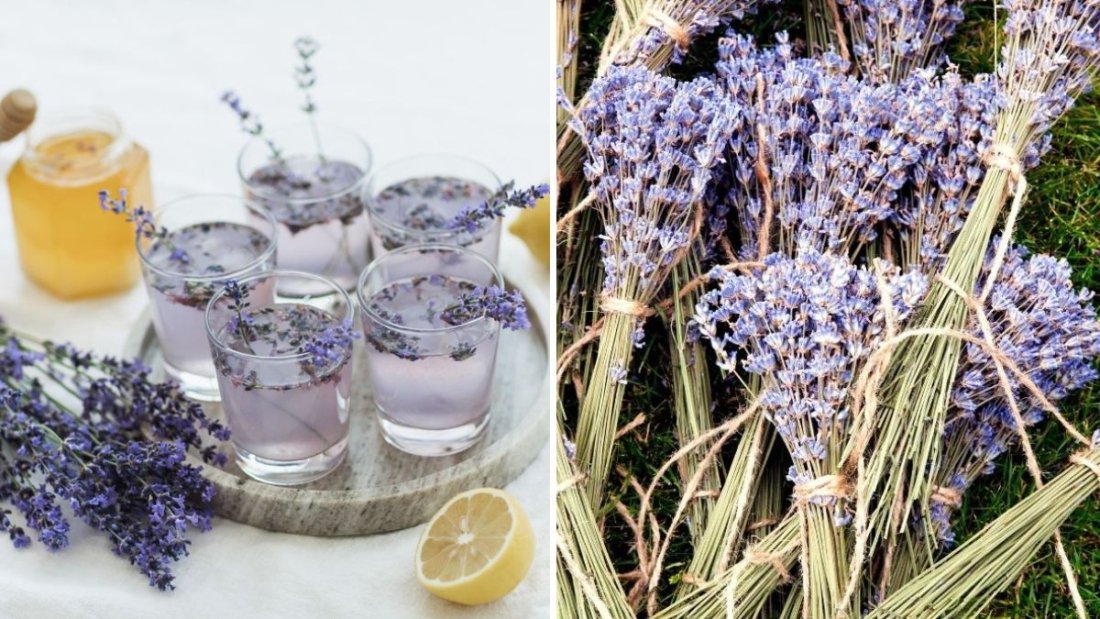
How to Harvest Lavender the Right Way for Oils, Teas, and Crafts

How to Harvest Lavender the Right Way for Oils, Teas, and Crafts

Lavender is celebrated worldwide for its fragrant flowers, calming properties, and versatile uses. From essential oils and herbal teas to wreaths, sachets, and dried floral crafts, lavender offers both beauty and practicality. However, harvesting lavender at the right time and using proper techniques is crucial for maximizing fragrance, flavor, and shelf life. Mistimed or improper harvesting can result in reduced oil content, weak flavor in teas, or brittle stems unsuitable for crafts.

In this guide, we explore how to harvest lavender correctly, including timing, techniques, processing, and storage tips to ensure your lavender remains potent, fragrant, and versatile for all your projects.


Understanding Lavender Varieties

Different lavender varieties have unique characteristics that influence harvesting:

  • English Lavender (Lavandula angustifolia) – Most common for essential oils, culinary use, and crafts. Fragrant and hardy in temperate climates.
  • French Lavender (Lavandula dentata) – Known for decorative foliage and flowers; less fragrant than English lavender.
  • Spanish Lavender (Lavandula stoechas) – Unique pineapple-shaped blooms; used primarily for ornamental purposes and some crafts.

Expert Tip: Choose a variety that suits your intended use—English lavender is ideal for oils and teas, while French and Spanish lavender excel in ornamental and craft applications.


When to Harvest Lavender

Timing is critical for optimal fragrance, flavor, and potency:

  1. Essential Oils – Harvest when 50–75% of the flower buds have opened. Peak oil content occurs just before full bloom.
  2. Teas – Harvest just as buds begin to open; avoid fully bloomed flowers, which may taste bitter.
  3. Crafts – Harvest when flowers are vibrant but not fully open to retain color and structure in dried arrangements.

Seasonal Timing:

  • In temperate climates, lavender blooms from late spring to mid-summer.
  • Harvest in the morning after dew evaporates for maximum essential oils and moisture-free flowers.

Step 1: Preparing for Harvest

Proper preparation ensures clean, high-quality lavender:

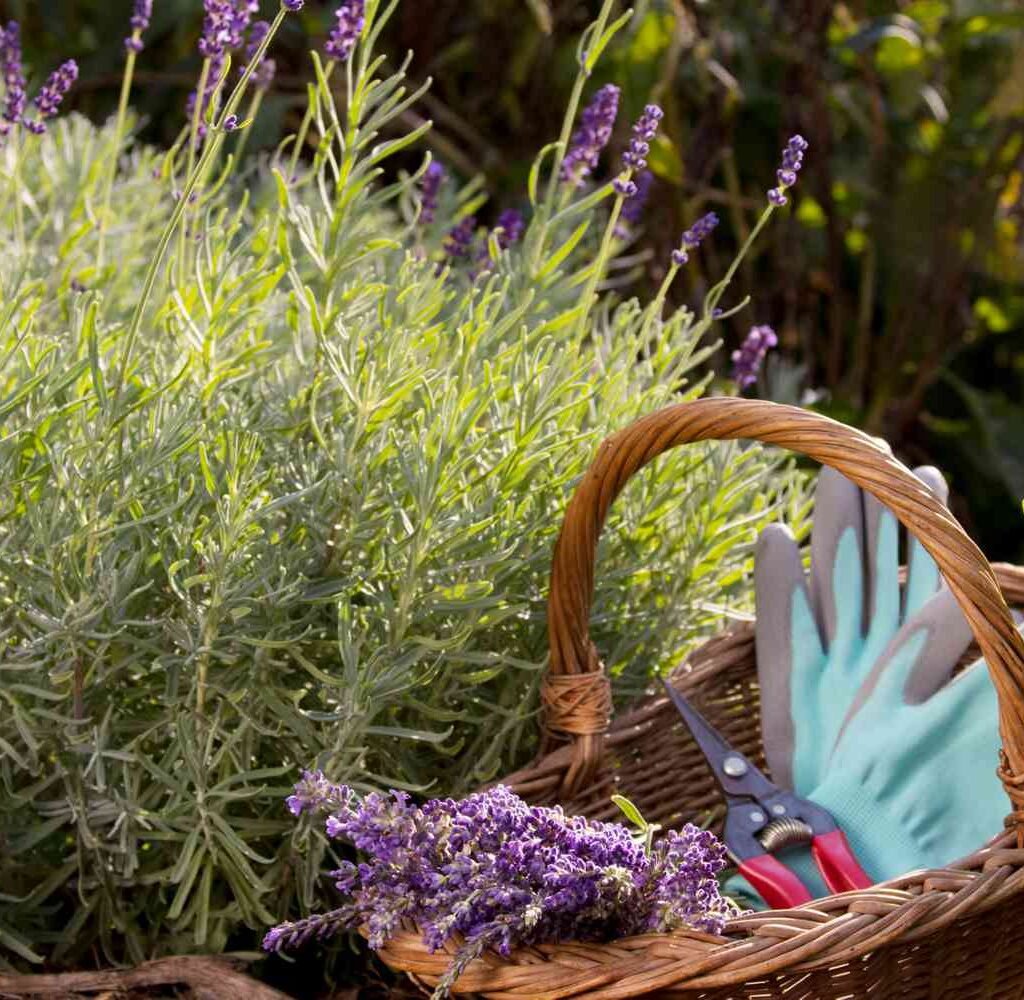
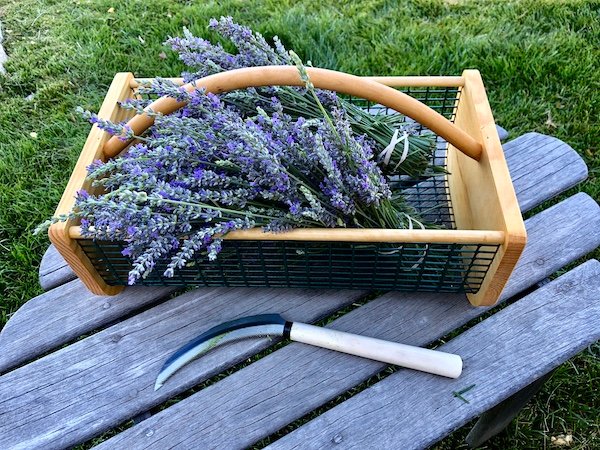
  • Tools Needed: Sharp garden scissors, pruners, or shears.
  • Containers: Baskets or trays for gentle collection; avoid plastic bags, which trap moisture.
  • Protect Yourself: Long sleeves and gloves help prevent irritation from foliage.

Expert Tip: Sterilize tools before cutting to prevent contamination and preserve fragrance quality.


Step 2: Cutting Lavender Correctly

Correct cutting techniques preserve plant health and maximize flower quality:

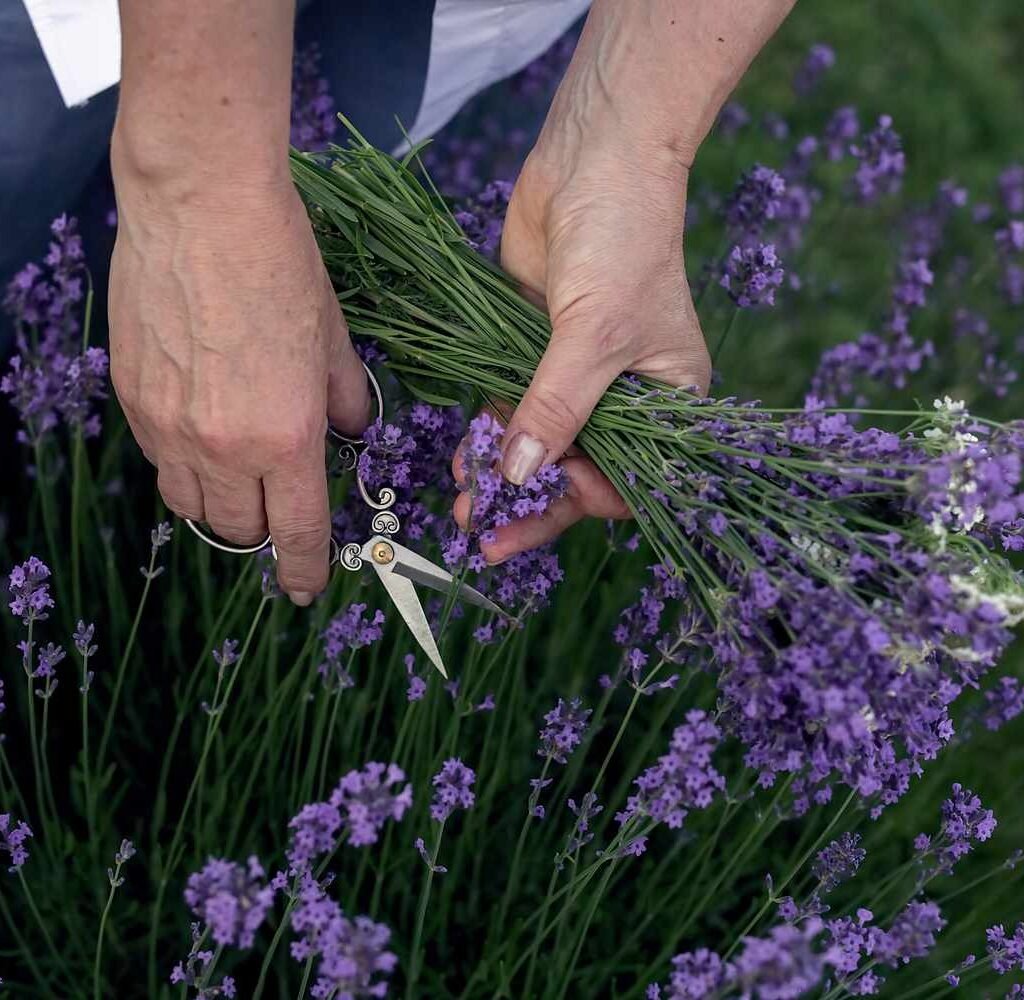
  • Where to Cut: Trim stems about 1–2 inches above the woody base. Avoid cutting into old, woody growth as it may not regrow.
  • Stem Length: For essential oils, leave longer stems for easier handling. For teas and crafts, stems can be 6–12 inches.
  • Angle: Make cuts at a slight angle to facilitate water runoff and reduce rot risk.

Expert Insight: Regular harvesting encourages the plant to produce more flowers throughout the season and prevents overgrowth.


Step 3: Processing Lavender for Different Uses

A. Essential Oils

  • Distillation Method: Freshly cut stems can be distilled immediately to extract oils.
  • Drying First: Some prefer air-drying stems for 24–48 hours to concentrate fragrance.
  • Storage: Store oils in dark, airtight glass bottles away from sunlight to preserve potency.

Tip: Harvesting in the morning preserves more volatile oils compared to late afternoon cutting.

B. Teas

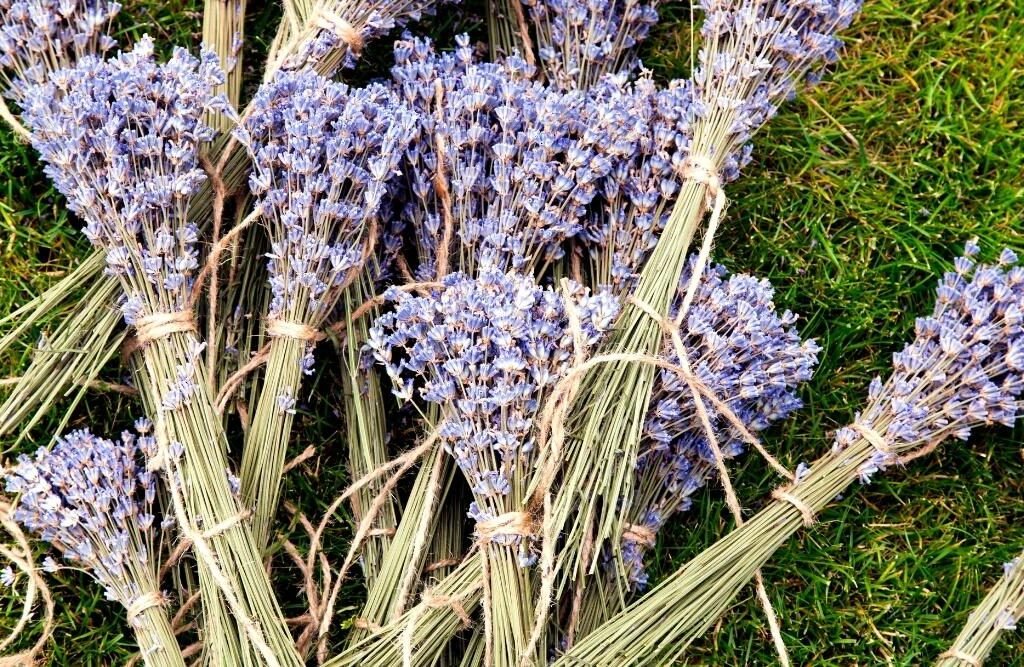
  • Drying: Hang stems upside down in a cool, dark, and well-ventilated area.
  • Duration: Allow 2–4 weeks for complete drying; flowers should crumble easily between fingers.
  • Storage: Store dried buds in airtight containers for up to a year.

Tip: Only use fragrant, undamaged flowers for teas to ensure flavor and safety.

C. Crafts

  • Wreaths and Bouquets: Cut longer stems (10–12 inches). Remove lower leaves for cleaner arrangements.
  • Drying Method: Hang in small bundles in a dark, dry, and ventilated area to retain color.
  • Preservation: Add a light mist of hairspray or floral sealant for longer-lasting crafts.

Expert Insight: Harvest slightly before full bloom to prevent color fading and brittle stems during drying.


Step 4: Post-Harvest Care

  • Avoid Moisture: Wet flowers can develop mold and reduce fragrance.
  • Air Circulation: Ensure good airflow around drying bundles.
  • Check Regularly: Inspect for insects or decay during drying.

Tip: For essential oils, processing should ideally occur within 24 hours of harvesting to maintain maximum oil content.


Tips for Extending Lavender Productivity

  1. Regular Pruning – Trim after the first harvest to encourage a second bloom in late summer or early fall.
  2. Fertilization – Light feeding with balanced or low-nitrogen fertilizer supports healthy stems and blooms.
  3. Water Management – Lavender prefers slightly dry soil; overwatering reduces oil concentration and weakens stems.
  4. Sunlight – Full sun exposure (6–8 hours/day) ensures strong, fragrant flowers.
  5. Pest Management – Protect from aphids and fungal infections to maintain flower quality.

Common Harvesting Mistakes to Avoid

  • Harvesting Too Early or Late – Early buds may lack fragrance; fully open blooms lose essential oils and color.
  • Cutting Into Old Wood – Can damage the plant and reduce future flowering.
  • Improper Drying – Hanging bundles in direct sunlight can bleach colors and reduce scent.
  • Overcrowding Stems – Bundles that are too thick restrict airflow and promote mold.
  • Using Dull Tools – Can crush stems and damage buds, reducing oil yield and aesthetic appeal.

Conclusion

Harvesting lavender correctly is both an art and a science. Whether your goal is essential oils, herbal teas, or decorative crafts, timing, technique, and post-harvest processing determine the quality and longevity of your flowers.

  • For oils: Harvest when 50–75% of buds have opened, ideally in the morning.
  • For teas: Use partially opened flowers for maximum flavor.
  • For crafts: Cut slightly before full bloom to retain color and structural integrity.

By following these guidelines—selecting the right variety, cutting stems properly, drying under optimal conditions, and caring for plants post-harvest—you can ensure your lavender remains fragrant, flavorful, and visually stunning throughout the year.

With proper care, a single lavender plant can produce multiple harvests, enriching your garden and providing a sustainable source of flowers for culinary, therapeutic, and creative projects.

The Secret to Keeping Your Sunflowers Tall and Strong All Season

The Secret to Keeping Your Sunflowers Tall and Strong All Season

Sunflowers are one of the most iconic and cheerful flowers in any garden, admired for their vibrant blooms, towering stems, and heliotropic nature. Their striking appearance makes them a favorite for both gardeners and photographers alike. However, growing sunflowers that remain tall, strong, and resilient throughout the season requires more than just planting seeds in the soil and waiting for the sun. Understanding soil preparation, watering, fertilization, support, and pest management is crucial for achieving healthy, sturdy plants.

In this guide, we explore the secrets to keeping your sunflowers tall and strong, including essential techniques, expert tips, and seasonal care recommendations.


Why Sunflowers Can Struggle

Despite being hardy, sunflowers face several challenges that can compromise their height and strength:

  1. Weak Stems – Often caused by inadequate sunlight, poor soil, or lack of nutrients.
  2. Root Instability – Shallow or weak roots can lead to leaning or falling plants.
  3. Nutrient Deficiencies – Lack of nitrogen, phosphorus, or potassium can stunt growth.
  4. Pests and Diseases – Insects, fungal infections, and viruses can weaken the plant.
  5. Environmental Stress – Wind, heavy rain, and uneven watering can damage stems.

By addressing these factors early, gardeners can enjoy sunflowers that stand tall and flourish throughout the season.


Step 1: Choosing the Right Variety

Sunflowers come in a wide range of sizes and growth habits, so choosing the right variety is the first step toward tall, strong plants:

  • Giant Varieties – Ideal for maximum height and large blooms; can reach 8–12 feet. Examples: ‘Mammoth’, ‘American Giant’.
  • Tall Varieties – Moderate height with strong stems; suitable for borders or cut flowers. Examples: ‘Titan’, ‘Autumn Beauty’.
  • Dwarf or Bush Varieties – Compact plants for containers or smaller gardens. Not suitable if your goal is maximum height.

Expert Tip: Giant and tall varieties require full sun, deep soil, and consistent care to achieve their potential height.


Step 2: Soil Preparation for Strong Growth

Healthy soil is the foundation of tall sunflowers:

  • Well-Draining Soil – Sunflowers do not tolerate waterlogged roots; ensure soil drains easily.
  • Rich in Nutrients – Incorporate compost or organic matter to provide essential nutrients for strong stems and roots.
  • Loamy Texture – Loose, loamy soil allows roots to penetrate deeply, stabilizing tall plants.
  • pH Levels – Aim for a slightly acidic to neutral pH (6.0–7.5) for optimal nutrient uptake.

Planting Tip: Work a few inches of compost into the planting area to encourage deep root development, which supports taller, sturdier stems.


Step 3: Proper Planting Techniques

How you plant sunflowers can directly impact their strength:

  • Spacing – Provide adequate spacing (12–36 inches depending on variety) to reduce competition for light and nutrients.
  • Depth – Sow seeds about 1–2 inches deep. Planting too shallow can cause instability; too deep can delay germination.
  • Staggered Planting – For continuous blooms and healthy growth, plant in succession every 2–3 weeks.

Expert Insight: Avoid crowding plants; adequate airflow reduces disease risk and allows stems to thicken naturally.


Step 4: Watering for Height and Strength

Sunflowers require consistent, deep watering to thrive:

  • Establishment Phase – Keep soil moist but not waterlogged during the first 2–3 weeks of germination.
  • Growth Phase – Water deeply once or twice a week, especially during dry spells. Deep watering encourages strong root systems, which support taller stems.
  • Avoid Overhead Watering – Wet foliage can encourage fungal diseases. Water at the base of the plant.

Expert Tip: Mulch around the base to retain moisture, regulate soil temperature, and prevent weeds.


Step 5: Fertilizing for Taller Stems

Sunflowers are nutrient-hungry plants, and proper fertilization is key for height and strong stems:

  • Nitrogen (N) – Promotes lush, leafy growth. Apply a balanced fertilizer early in the season.
  • Phosphorus (P) – Supports root development and flowering. Bone meal or phosphorus-rich fertilizers are ideal.
  • Potassium (K) – Strengthens stems and enhances disease resistance.
  • Fertilization Schedule – Feed sunflowers every 3–4 weeks with a balanced fertilizer (e.g., 10-10-10) during the growing season.

Organic Option: Compost tea or seaweed extract can provide micronutrients for healthy, vigorous growth.


Step 6: Supporting Sunflowers

Tall sunflowers are prone to bending or toppling under wind or heavy blooms:

  • Stakes or Supports – Use bamboo stakes or garden canes for giant varieties. Tie stems loosely with soft garden twine.
  • Fencing or Windbreaks – Protect plants from strong winds by planting near fences or windbreaks.
  • Self-Supporting Varieties – Some hybrids have thicker stems and can withstand wind better without stakes.

Expert Tip: Tie plants loosely and adjust ties as they grow to avoid cutting into the stem.


Step 7: Pruning and Deadheading

While pruning is minimal, some practices encourage stronger growth:

  • Remove Weak Stems – Thin out spindly shoots to concentrate energy on main stems.
  • Deadheading – Remove faded blooms on smaller varieties to encourage continuous flowering.
  • Avoid Cutting Giant Varieties Early – Cutting too early may reduce height and overall strength.

Step 8: Pest and Disease Management

Healthy plants grow taller and stronger. Keep sunflowers free from:

  • Aphids – Can weaken stems; treat with insecticidal soap or neem oil.
  • Fungal Diseases – Powdery mildew or downy mildew; prevent with proper spacing and watering at the base.
  • Birds – Cover young buds or use scare tactics to prevent seed-eating birds.

Expert Insight: Regular inspection ensures early intervention, preventing damage that could stunt growth or reduce stem strength.


Step 9: Sunlight – The Ultimate Growth Factor

Sunflowers are aptly named for their love of the sun:

  • Full Sun – Minimum of 6–8 hours daily is essential for height and flower production.
  • Avoid Shade – Plants in partial or full shade will grow spindly and weak.
  • Heliotropism – Young plants follow the sun, optimizing photosynthesis and encouraging taller growth.

Expert Tip: Choose a planting location with unobstructed sunlight for the longest stems and largest blooms.


Common Mistakes to Avoid

  1. Planting Too Closely – Causes competition for light and nutrients, leading to weak stems.
  2. Overwatering or Waterlogging – Weakens roots and stems, making plants prone to falling.
  3. Neglecting Fertilization – Leads to smaller, less vigorous flowers and shorter stems.
  4. Ignoring Support Needs – Tall varieties require staking to prevent lodging.
  5. Late Planting – Sunflowers need warm soil; planting too late reduces potential height.

Conclusion

The secret to tall, strong sunflowers lies in a combination of proper variety selection, soil preparation, fertilization, watering, sunlight exposure, and support. By choosing giant or tall varieties, planting in nutrient-rich, well-draining soil, providing consistent deep watering, and regularly feeding with a balanced fertilizer, gardeners can enjoy vibrant, towering blooms all season long.

Supporting plants with stakes or windbreaks, managing pests, and ensuring adequate sunlight completes the care plan for healthy, resilient sunflowers. By avoiding common mistakes and following a structured care routine, you can transform your sunflower garden into a breathtaking, enduring display, admired from seedling emergence to full bloom.

How Often to Fertilize Roses for Bigger, Healthier Blooms

How Often to Fertilize Roses for Bigger, Healthier Blooms

Roses are one of the most iconic and beloved flowers in gardens worldwide. Known for their stunning colors, intoxicating fragrance, and symbolic beauty, roses require more than just sunlight and water to thrive—they need proper nutrition to produce bigger, healthier blooms. Fertilization plays a key role in ensuring that rose plants have the essential nutrients for strong growth, vibrant flowers, and disease resistance.

In this guide, we explore how often to fertilize roses, the types of fertilizers available, seasonal fertilization schedules, and best practices to maintain lush, blooming rose gardens.


Why Fertilizing Roses Matters

Roses are heavy feeders. Without adequate nutrients, even the healthiest rose varieties may produce small flowers, weak stems, and poor foliage. Fertilizing roses:

  1. Promotes Flower Production – Ensures bigger, more abundant blooms throughout the growing season.
  2. Supports Root and Stem Growth – Strengthens the plant for better resilience against pests, diseases, and harsh weather.
  3. Enhances Leaf Health – Vibrant, deep-green leaves are an indicator of a healthy, well-nourished rose.
  4. Prevents Nutrient Deficiencies – Yellowing leaves, stunted growth, or poor flowering often indicate nutrient shortages.

Proper fertilization keeps roses in peak health, maximizing both beauty and longevity.


Understanding Rose Nutrient Needs

Roses require three primary macronutrients:

  1. Nitrogen (N) – Promotes leafy growth and lush foliage.
  2. Phosphorus (P) – Encourages strong root development and flower formation.
  3. Potassium (K) – Enhances overall plant health, disease resistance, and bloom quality.

In addition, roses benefit from micronutrients such as iron, magnesium, and calcium, which contribute to vibrant foliage and strong stems.


Types of Fertilizers for Roses

Selecting the right fertilizer is crucial for consistent growth and flowering. Options include:

  1. Granular Fertilizers – Slow-release, easy to apply, and provide nutrients over several weeks. Examples: balanced 10-10-10 or rose-specific formulations.
  2. Liquid Fertilizers – Fast-acting and ideal for boosting blooms during peak flowering. Apply every 2–4 weeks for immediate nutrient absorption.
  3. Organic Fertilizers – Composted manure, bone meal, fish emulsion, or seaweed extracts improve soil fertility naturally and enhance microbial activity.
  4. Specialized Rose Fertilizers – Formulated for roses, often with added micronutrients for optimal growth and flower production.

Expert Tip: Combining organic and synthetic fertilizers can provide immediate nutrition and long-term soil improvement.


How Often to Fertilize Roses

The frequency of fertilization depends on the rose variety, soil fertility, and climate:

1. Newly Planted Roses

  • Avoid fertilizing immediately after planting.
  • Wait 4–6 weeks to allow roots to establish.
  • Apply a light dose of balanced fertilizer to encourage early growth.

2. Established Roses

  • Fertilize every 4–6 weeks from early spring through late summer.
  • Stop fertilizing 6–8 weeks before the first expected frost to allow plants to harden off for winter.

3. Liquid Fertilizer Boost

  • Apply liquid fertilizers every 2–3 weeks during active flowering periods for bigger, more vibrant blooms.

4. Seasonal Considerations

  • Spring: Apply a balanced fertilizer as new growth emerges.
  • Early Summer: Fertilize when the first flush of flowers appears.
  • Mid-Summer: Provide additional feeding for continuous bloom.
  • Late Summer/Fall: Avoid heavy fertilization to prevent tender new growth susceptible to frost.

Expert Insight: Regular feeding encourages a succession of blooms rather than a single peak flowering period.


Tips for Effective Fertilization

  1. Apply Fertilizer Around the Base – Spread evenly around the drip line, where roots actively absorb nutrients.
  2. Water After Fertilizing – Ensures nutrients penetrate the soil and prevents fertilizer burn.
  3. Follow Manufacturer Instructions – Over-fertilizing can damage roots, foliage, and flowers.
  4. Combine with Mulching – Organic mulch retains moisture, regulates soil temperature, and slowly adds nutrients.
  5. Monitor Plant Response – Adjust fertilizer type or frequency based on growth, leaf color, and bloom production.

Common Fertilization Mistakes to Avoid

  1. Over-Fertilizing – Leads to lush foliage but fewer blooms and increased susceptibility to pests and diseases.
  2. Under-Fertilizing – Results in weak growth, smaller flowers, and yellowing leaves.
  3. Ignoring Soil Health – Fertilizers are less effective in compacted or nutrient-depleted soil. Amend soil with compost regularly.
  4. Fertilizing at the Wrong Time – Avoid late-season feeding that encourages tender growth vulnerable to frost.
  5. Using the Wrong Type – Not all fertilizers are suitable for roses; choose balanced, rose-specific, or organic options.

Enhancing Fertilization with Companion Practices

  • Pruning – Prune dead or weak stems in early spring to direct nutrients toward healthy growth and flower production.
  • Mulching – Organic mulch improves nutrient retention, reduces water evaporation, and moderates soil temperature.
  • Soil Testing – Test soil pH (ideal 6.0–6.5) and nutrient levels to customize fertilization schedules.
  • Pest and Disease Management – Healthy roses absorb nutrients efficiently; controlling pests and diseases is critical for optimal growth.

Organic Fertilizer Options for Healthier Roses

  1. Composted Manure – Rich in nitrogen and organic matter.
  2. Bone Meal – Provides phosphorus for strong root and bloom development.
  3. Fish Emulsion – Quick-acting liquid fertilizer that stimulates rapid growth and flowering.
  4. Seaweed Extract – Supplies trace minerals, encourages strong roots, and improves disease resistance.

Expert Tip: Organic fertilizers improve soil structure over time, making roses more resilient and reducing the need for chemical fertilizers.


Conclusion

Fertilizing roses correctly is key to achieving bigger, healthier blooms and maintaining a vibrant, long-lasting garden display. Understanding rose nutrient requirements, selecting the right fertilizer, and following a proper fertilization schedule ensures strong roots, lush foliage, and abundant flowers from spring through late summer.

For newly planted roses, wait 4–6 weeks before the first light feeding. Established roses benefit from fertilization every 4–6 weeks, with liquid fertilizer boosts every 2–3 weeks during peak flowering. Avoid late-season fertilization to protect the plant from frost damage.

By combining regular fertilization with proper watering, pruning, mulching, and soil care, gardeners can maximize the potential of their roses. This holistic approach produces vibrant blooms, healthy foliage, and long-lasting plants, making your rose garden the centerpiece of seasonal beauty and fragrance.

5 Evergreen Shrubs That Keep Your Garden Vibrant Year-Round

5 Evergreen Shrubs That Keep Your Garden Vibrant Year-Round

A thriving garden is not just about seasonal flowers—it’s about structure, texture, and color throughout the year. Evergreen shrubs are the backbone of a year-round landscape, providing foliage, visual interest, and habitat for wildlife regardless of the season. Unlike deciduous plants, which lose their leaves in autumn, evergreens maintain their greenery, helping gardens look lush, vibrant, and well-maintained even in winter.

This guide explores five outstanding evergreen shrubs that enhance your garden, along with planting tips, care instructions, and ideas to keep your landscape attractive all year long.


Why Evergreen Shrubs Are Essential for a Year-Round Garden

Evergreen shrubs serve multiple purposes in the landscape:

  1. Constant Visual Appeal – Provide greenery and structure even when other plants are dormant.
  2. Privacy and Screening – Ideal for hedges, windbreaks, and garden borders.
  3. Wildlife Habitat – Offer shelter and food for birds and beneficial insects during colder months.
  4. Low Maintenance – Many evergreen shrubs are hardy and resilient, reducing seasonal upkeep.

Incorporating these shrubs into your garden ensures that it remains appealing, cohesive, and lively throughout the year.


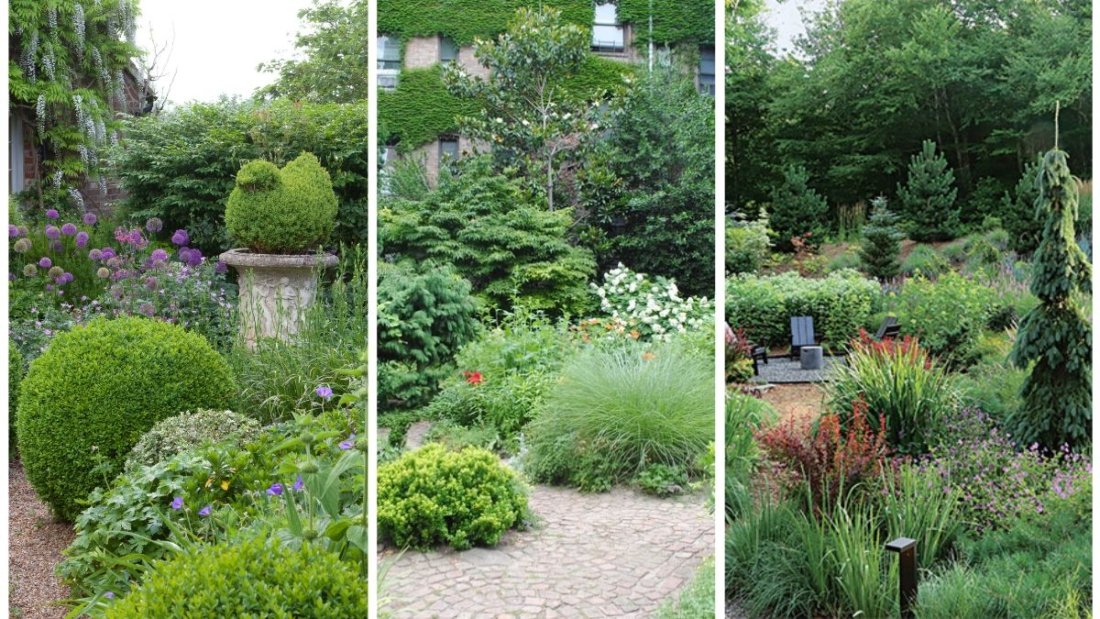
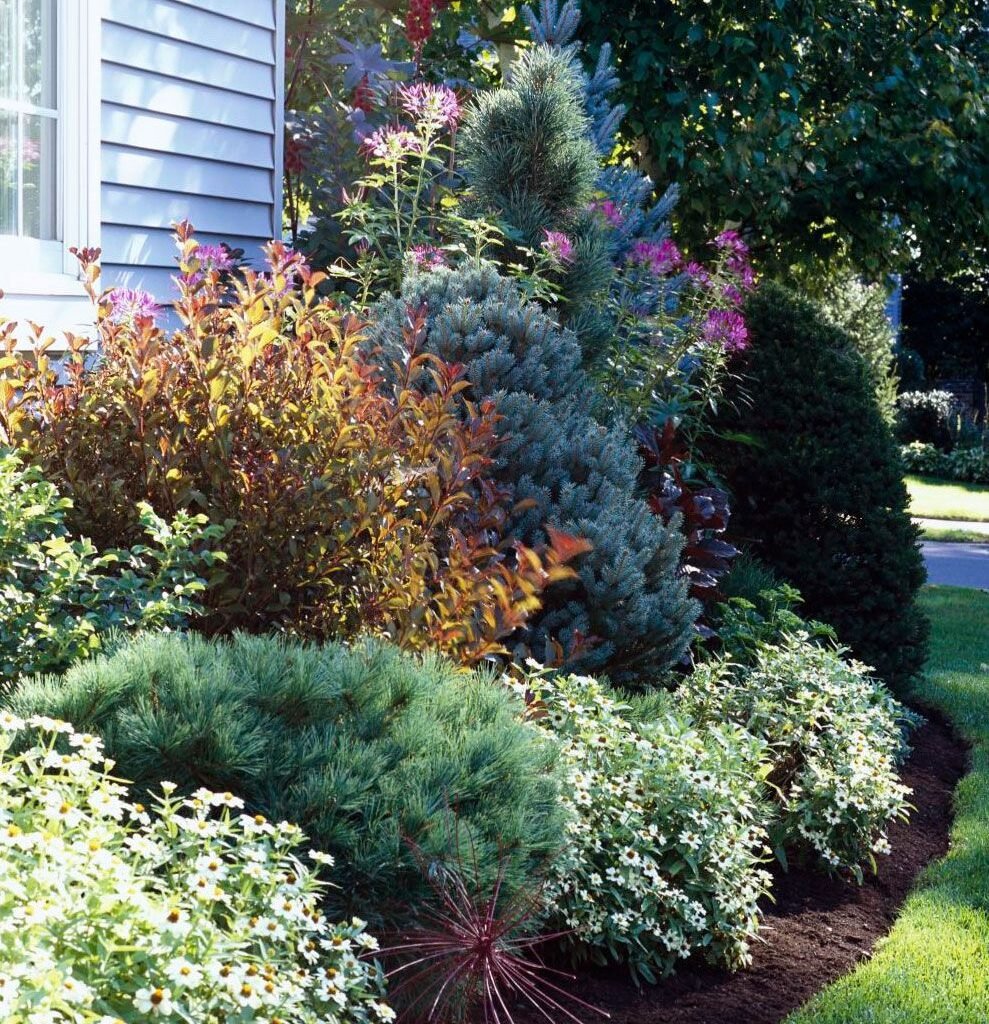
1. Boxwood (Buxus spp.): Classic, Elegant Foliage

Boxwood is a timeless evergreen shrub, renowned for its dense, glossy foliage and adaptability.

  • Growth Habit – Slow-growing, compact, and ideal for hedges, borders, and topiaries.
  • Foliage – Small, dark green leaves that retain color year-round.
  • Planting Tips – Prefers well-draining soil and partial to full sun. Plant in spring or fall for best results.
  • Care Tips – Minimal pruning required; trim to shape in late spring or early summer. Fertilize lightly in early spring.
  • Additional Benefits – Resistant to deer and rabbits; provides excellent foundation planting for flower beds.

Expert Insight: Boxwood’s versatility allows gardeners to create formal hedges, geometric topiaries, or natural-looking borders that anchor garden design.


2. Azaleas (Evergreen Varieties): Colorful Spring and Lush Foliage

Evergreen azaleas combine year-round greenery with stunning spring blooms, offering seasonal excitement.

  • Growth Habit – Compact to medium-sized shrubs with a rounded form.
  • Foliage – Glossy green leaves that persist through winter.
  • Planting Tips – Prefer acidic, well-draining soil and partial shade. Mulch to retain soil moisture and regulate temperature.
  • Care Tips – Fertilize with acid-loving plant fertilizer in early spring and after flowering. Prune lightly after blooms fade.
  • Additional Benefits – Blooms in spring add seasonal color; evergreen foliage maintains garden vibrancy in fall and winter.

Expert Insight: Plant azaleas near walkways, patios, or garden entrances to enjoy greenery and color throughout the year.


3. Holly (Ilex spp.): Festive, Berries, and Year-Round Green

Holly is a standout evergreen shrub with distinctive foliage and bright berries that persist through winter.

  • Growth Habit – Upright or spreading, depending on variety; some are ideal for hedges.
  • Foliage – Dark green, glossy leaves, often with spiny edges.
  • Planting Tips – Prefers acidic, well-drained soil with full sun to partial shade. Plant male and female varieties for berry production.
  • Care Tips – Minimal pruning; water during dry periods. Fertilize in spring with an acid-loving plant fertilizer.
  • Additional Benefits – Bright red berries attract birds, providing natural winter interest.

Expert Insight: Holly adds a festive touch during winter and is perfect for creating privacy screens, foundation plantings, or natural wildlife gardens.


4. Rhododendrons (Evergreen Varieties): Majestic Blooms and Lush Greenery

Evergreen rhododendrons provide large, glossy leaves and spectacular flowers, combining year-round greenery with seasonal drama.

  • Growth Habit – Medium to large shrubs; can serve as focal points in landscapes.
  • Foliage – Broad, dark green leaves that remain through winter.
  • Planting Tips – Thrive in acidic, well-draining soil with partial shade. Avoid heavy clay soils that retain water.
  • Care Tips – Mulch to maintain soil moisture and protect roots. Fertilize with acid-loving plant fertilizer in early spring. Prune lightly after flowering.
  • Additional Benefits – Spring blooms attract pollinators and create a dramatic landscape feature.

Expert Insight: Plant rhododendrons as backdrop shrubs or combined with perennials to provide continuous interest and structure.


5. Camellias (Evergreen Varieties): Glossy Leaves and Winter Blooms

Evergreen camellias are prized for their glossy foliage and winter blooms, providing color when most plants are dormant.

  • Growth Habit – Medium-sized, upright shrubs with rounded form.
  • Foliage – Glossy, deep green leaves that persist year-round.
  • Planting Tips – Prefer acidic, well-draining soil and partial shade. Protect from harsh winds and winter sun.
  • Care Tips – Water consistently; mulch to retain moisture. Fertilize with acid-loving fertilizer in spring. Prune after flowering to maintain shape.
  • Additional Benefits – Winter blooms offer color and fragrance, brightening gardens when few other plants are flowering.

Expert Insight: Camellias work beautifully as specimen plants, mixed borders, or container plantings, providing structure, greenery, and seasonal blooms.


Tips for Maintaining Evergreen Shrubs Year-Round

  1. Proper Planting – Ensure well-draining soil, correct spacing, and appropriate sunlight for each species.
  2. Mulching – Apply a 2–3 inch layer of mulch to retain moisture, regulate soil temperature, and protect roots.
  3. Watering – Evergreen shrubs need consistent water, especially during dry winter months. Avoid overwatering, which can cause root rot.
  4. Fertilization – Use slow-release or species-specific fertilizers to support growth and maintain vibrant foliage.
  5. Pruning – Minimal pruning maintains natural shape; prune after flowering for flowering varieties. Remove dead or diseased branches promptly.

Common Mistakes to Avoid

  1. Planting in Poorly Draining Soil – Can lead to root rot and weakened plants.
  2. Overcrowding Shrubs – Reduces airflow and increases disease risk.
  3. Neglecting Winter Protection – Some evergreen shrubs benefit from windbreaks or burlap wrapping in harsh climates.
  4. Over-Fertilizing – Excess nitrogen can promote leafy growth at the expense of flowers or hardiness.
  5. Ignoring Pest and Disease Management – Monitor for aphids, scale, or fungal issues, especially in humid climates.

Designing a Year-Round Evergreen Garden

  • Layering and Structure – Combine tall holly and rhododendrons with mid-height azaleas and compact boxwoods for a dynamic, multi-layered landscape.
  • Color and Texture – Use camellias and rhododendrons for glossy foliage and seasonal blooms, and boxwoods for structural contrast.
  • Borders and Hedges – Holly, boxwood, and camellias can form formal or informal hedges, adding privacy and aesthetic appeal.
  • Wildlife-Friendly Planting – Plant berry-producing hollies near shrubs and trees to provide food and shelter for birds during winter.

Conclusion

Evergreen shrubs are essential for creating gardens that remain vibrant year-round. By planting boxwood, azaleas, holly, rhododendrons, and camellias, gardeners can enjoy constant greenery, structural interest, and seasonal blooms from spring through winter.

Proper selection, planting, care, and maintenance ensure that these shrubs thrive, providing low-maintenance, visually appealing landscapes throughout the year. Evergreen shrubs not only enhance aesthetic value but also contribute to ecological balance, offering shelter and sustenance to wildlife.

Incorporating these resilient plants into your garden ensures perennial beauty, structure, and color, making your outdoor space a thriving, attractive sanctuary no matter the season.